ResourceEnvironmental
Assessment of Fungi Burden in a Process Room
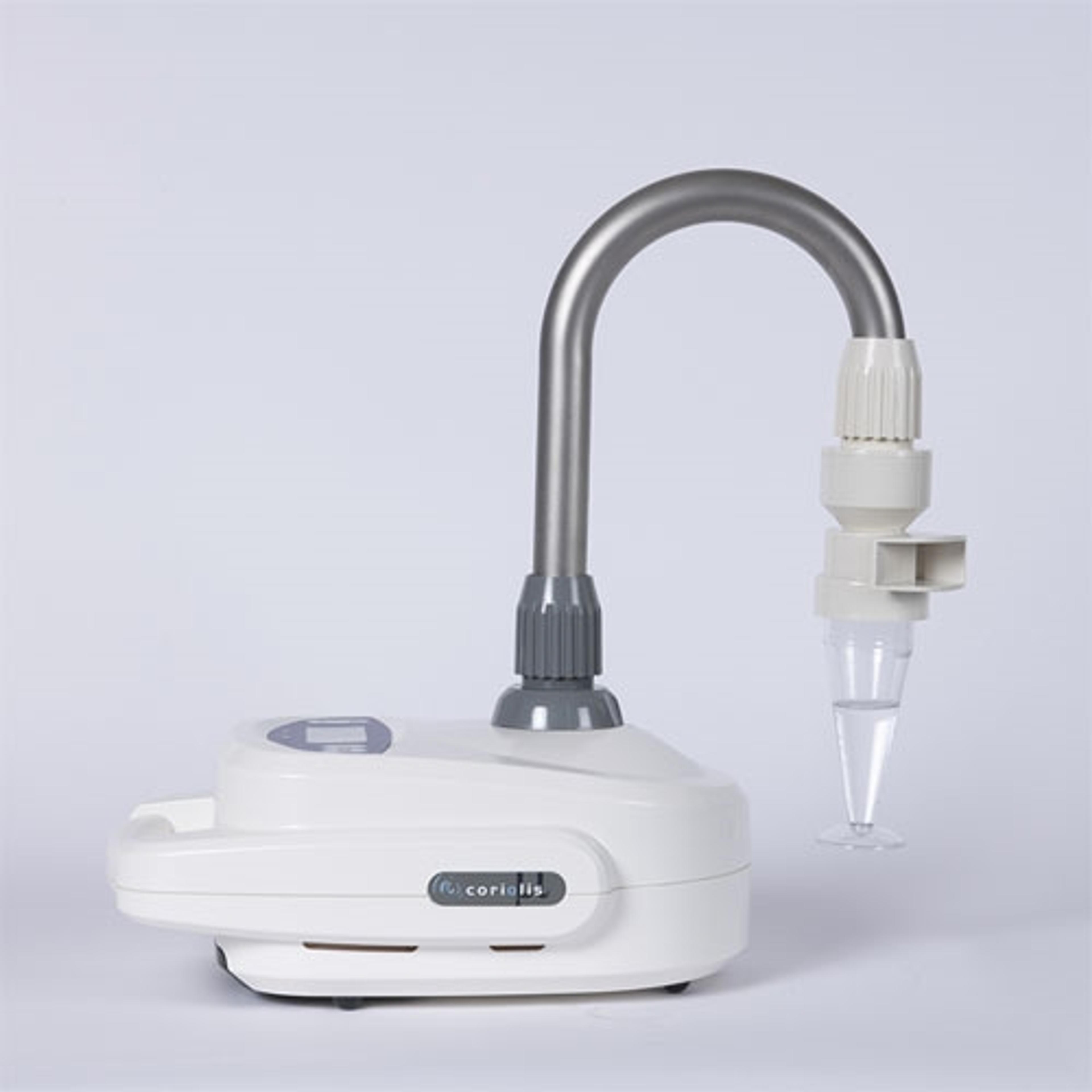
9 Jul 2018In order to evaluate the efficiency of non-stop decontamination processes in-site, Coriolis µ and an impaction air sampler were used to assess the fungi burden in a specific room before and after the non-stop decontamination process. Using Coriolis µ, it has been possible to evaluate the efficiency of non-stop decontamination processes in-site where it was not possible using the impaction air sampler.
Links
Tags
MicrobiologyMicrobiology is the study of microorganisms including protists, prokaryotes, fungi, and, often, viruses. Microorganisms are a useful research tool as genetic vectors and, in immunology, for antibiotic susceptibility testing, cellular biology and genetics. Microorganisms commonly grow readily in incubators with microbial culture media; this can contain chromogenic supplements to differentiate between cell lines. Estimate your culture’s density of microorganisms with colony counters, or screen and select colonies for desirable clones with automated colony pickers. Additionally, equipment is available to monitor environments for the presence of microbes and identify with microbial identification instruments. Find the best microbiology products in our peer-reviewed product directory: compare products, check customer reviews and receive pricing direct from manufacturers.Environmental Monitoring and TestingEnvironmental monitoring and testing uses handheld portable analyzers, kits, spectrometers or chromatography systems for air, water, soil, food and other sample testing. Useful features of analyzers such as BOD and COD include portability, easy calibration, automation and sensitivity. Environmental test kits for pH, water, moisture, etc, should be accurate, sensitive, reliable, fast and easy to use.Food and Beverage AnalyzersFood and Beverage Analyzers are commonly used to provide information about the chemical composition, structure and physical properties of food materials.Air SamplingAir sampling is described as the technique used to capture air for the subsequent purpose of analyzing, typically by thermal desorption, the presence of trace particulates, such as volatile organic compounds (VOCs).Food SafetyFood safety describes the prevention of food-borne illnesses. Contamination with a variety of pathogens can be prevented with adequate temperature control, hygiene and labeling. Food samples can be tested using GC/MS, HPLC, SPE, and qPCR to ensure their adherence to regulations.Food TestingFood testing refers to a variety experiments including PCR, mass spectrometry, processing, QuEChERS, analyzing and Kjeldahl.