
Analysis of Sulfur, Vanadium and Nickel in Crude Oil
29 Jul 2013Sulfur, vanadium and nickel occur naturally in crude oil, and their concentrations vary depending on the geographical region of the oil deposits. Vanadium and nickel can foul the refining process during crude oil cracking, and so crude oil with low levels of vanadium and nickel is desirable. In the oil fields and in off-shore drilling, a quick and easy means of screening for vanadium and nickel is a valuable tool to begin to characterize the quality of the crude before refining. In this application note read how the NEX QC+ from Rigaku, allows monitoring of the concentrations of vanadium, nickel and sulphur in crude.
Related products
Request Quote for All Products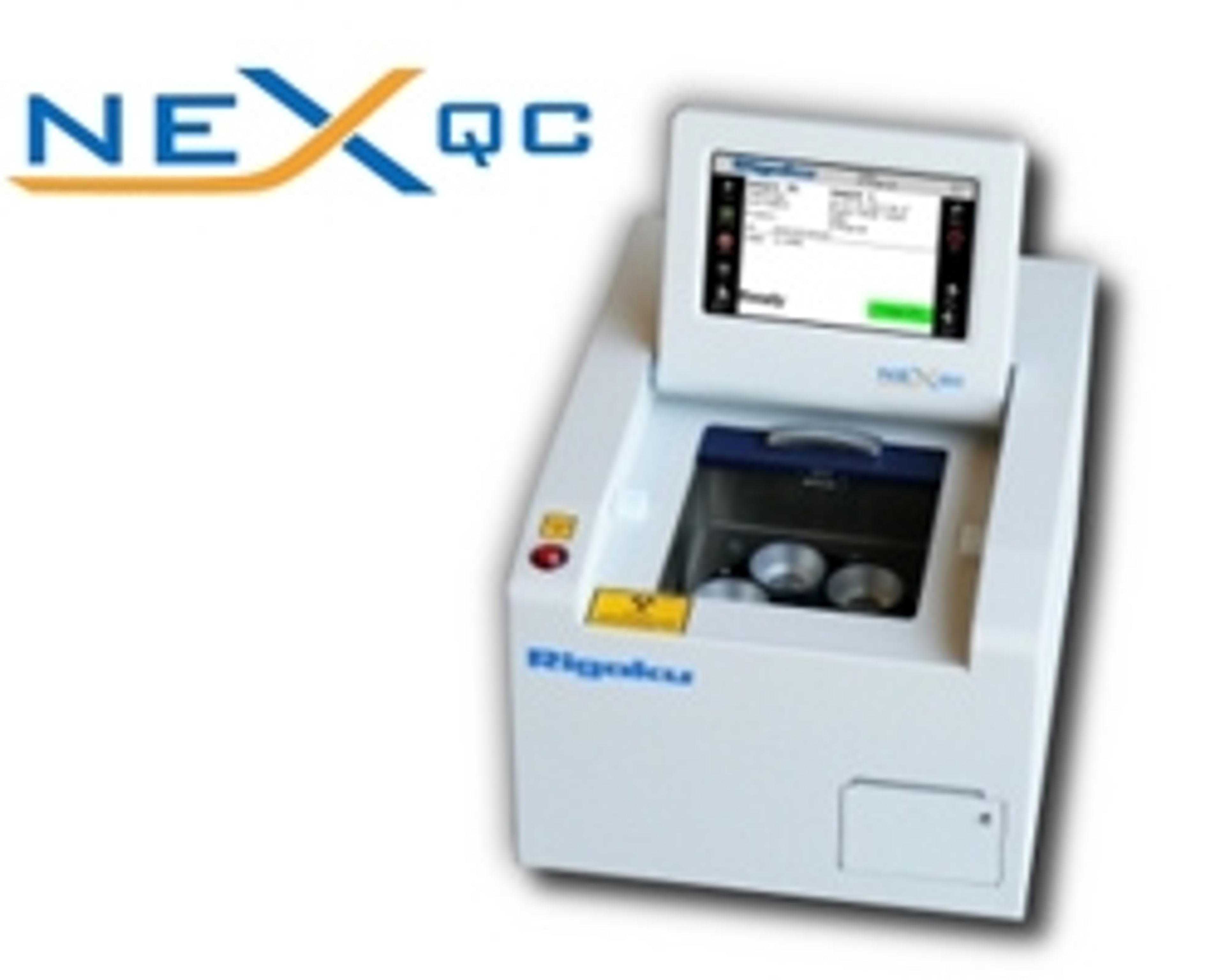
Rigaku NEX QC: Low Cost Elemental Analyzer
Rigaku CorporationAs a premium low cost benchtop Energy Dispersive X-ray Fluorescence (EDXRF) elemental analyzer, the Rigaku NEX QC delivers wide elemental coverage with an easy-to-learn software interface in a robust package designed for industrial at-line quality control applications. Specifically designed for routine quality control elemental analysis applications, the new Rigaku NEX QC features an intuitive "icon-driven" touch screen interface for easy operation and a built-in printer for convenience.The shuttered 50kV X-ray tube and Peltier cooled semiconductor detector deliver exceptional short-term repeatability and long-term reproducibility with excellent element peak resolution. This high voltage capability (50 kV), along with multiple automated X-ray tube filters, provides a wide range of XRF applications versatility and low limits-of-detection (LOD).NEX QC Features: Analyze 11Na to 92U non-destructively Solids, liquids, alloys, powders and thin films 50kV X-ray tube for wide elemental coverage Semiconductor detector for superior data quality Modern smartphone style "icon driven" user interface Multiple automated tube filters for enhanced sensitivity Convenient built in thermal printer Low cost with unmatched performance-to-price ratio Optional fundamental parameters