ResourceSpectroscopy

A Systematic Investigation of CID Q-TOF-MS/MS Collision Energies to Improve N- and O-glycopeptide Identification by LC-MS/MS

A Systematic Investigation of CID Q-TOF-MS/MS Collision Energies to Improve N- and O-glycopeptide Identification by LC-MS/MS

6 Oct 2015

Protein glycosylation is a dynamically regulated, non-template dependent process influenced by various factors such as age, sex, cell and tissue type as well as health status. This makes glycoproteins prime biomarker targets. In order to investigate the role individual glycoproteins play in the onset and progression of numerous diseases reliable and robust analytical approaches are crucial for determination of glycan composition in a protein/peptide specific manner. Mass spectrometry has developed as one of the most powerful tools for the sensitive identification and structure elucidation of glycopeptides. However, the optimal collision energy conditions required to obtain a maximum of information on both, the glycan as well as the peptide moiety have to date rarely been systematically investigated.

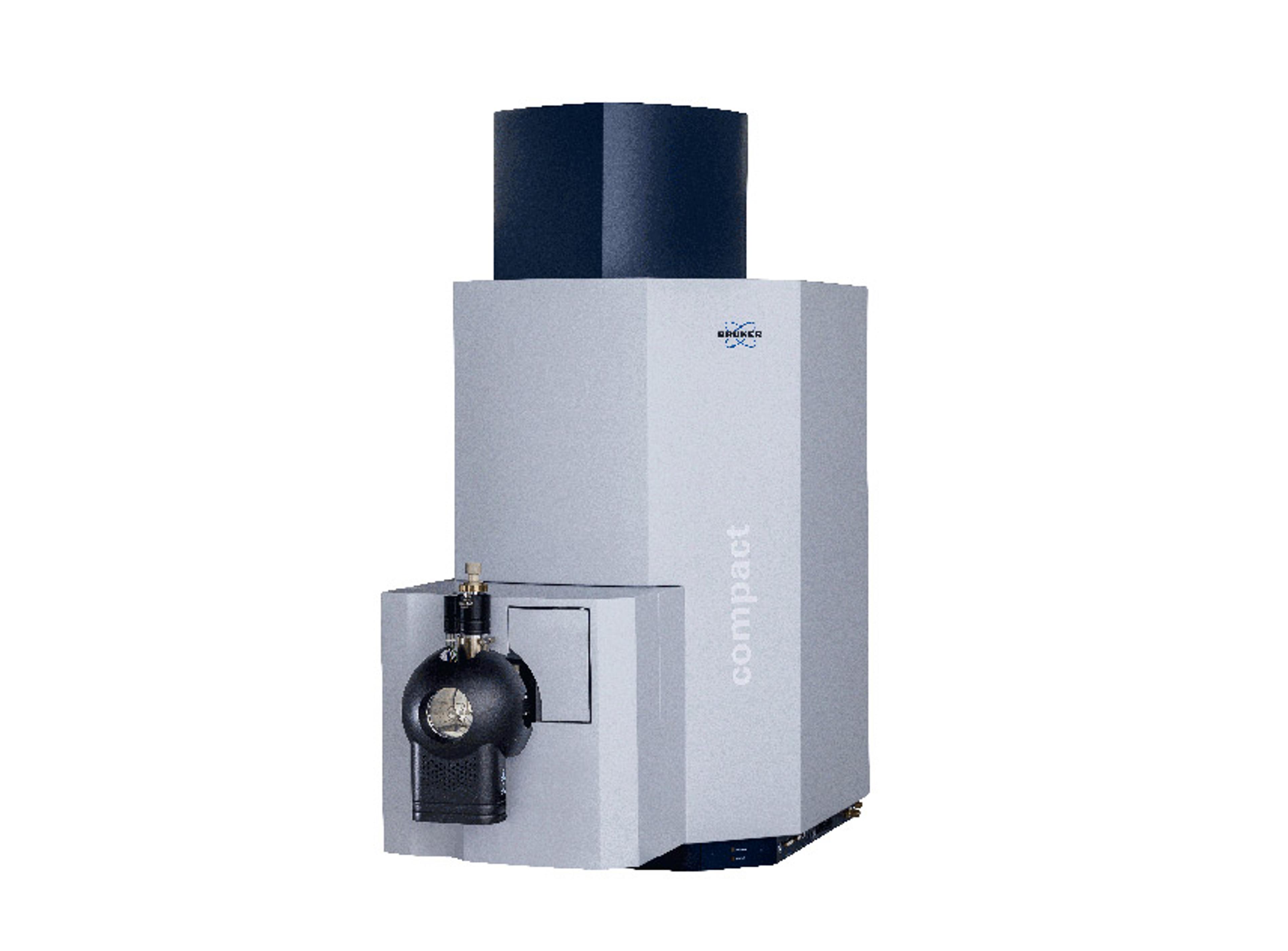
compact

Bruker Daltonics

High-quality, accurate, and versatile mass spectrometry analysis in a compact and user-friendly design.

(1)

Links

Tags

Mass SpectrometryMass spectrometry (MS) is a powerful analytical technique used to identify and quantify molecules based on the mass-to-charge ratio of gas-phase ions. It provides detailed information about the structure, composition, and properties of compounds and is widely used across fields such as environmental monitoring, materials science, drug discovery and development, food and beverage testing, and wider chemical research. Key MS techniques include tandem mass spectrometry (MS/MS), liquid chromatography–mass spectrometry (LS-MS) and inductively coupled plasma (ICP-MS). Choosing from these wide range of techniques and technologies can be a daunting task, so keep up to date with scientific applications, performance expectations, and customer reviews here all in one place. Visit our product directory to receive quotes direct from the manufacturer. Protein PurificationProtein purification is a vital step in drug discovery, therapeutics, biotech and life science research. The purification process typically involves subcellular or membrane protein extraction with cell lysis kits, separation of proteins from cell debris by filtration or spin columns, and the isolation of proteins of interest from other proteins and impurities with affinity purification (including fusion protein tags and antibody binding proteins A, G and L), immunoprecipitation or chromatographic methods, such as ion exchange, size exclusion and immobilized metal affinity chromatography. All purification methods come in multiple formats for your laboratory needs, including agarose or magnetic beads, resins, columns and filter plates. Find the best protein purification equipment in our peer-reviewed product directory: compare products, check customer reviews and receive pricing direct from manufacturers.BiomarkersBiomarkers are biological markers which can be measured and evaluated to indicate a biological state. The use of biomarkers in research and diagnosis can indicate a normal or disease state or drug response of cells / tissues. Biomarkers include genetic markers, cell surface markers such as antigens, antibodies or receptors and secreted molecules such as cytokines. An assay system is required for identification of biomarkers. :Protein QuantificationThe detection and quantification of proteins in a sample is vital across life sciences, pharmaceutical research and clinical diagnostics, and a variety of equipment is available to scientists to simplify the workflow. Proteins of interest can be easily labeled and detected on light-based detection instruments. Immunoassay kits allow you to identify a specific protein of interest and protein detection beads or antibody microarrays allow you to identify multiple specific proteins at once. Protein interactions and enzyme activity can also be monitored with protein-protein interaction assays. Additionally, the biophysical characterization of proteins is made easy with biokinetic analyzers. Find the best protein detection and quantification products in our peer-reviewed product directory: compare products, check customer reviews and receive pricing direct from manufacturers.GlycosylationBiomarker Discovery