ProductsLife Sciences
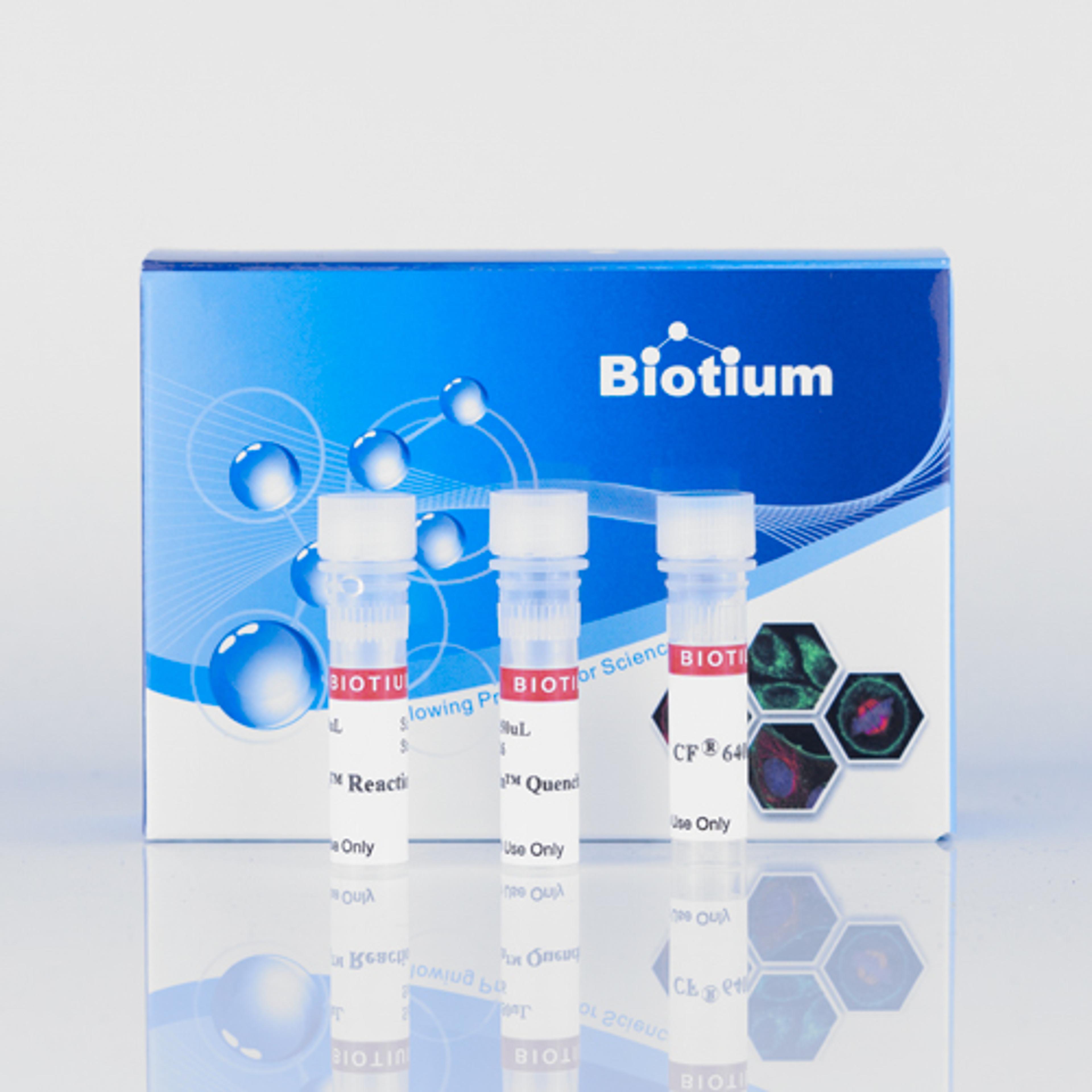
Mix-n-Stain™ Maxi Antibody Labeling Kits, 1 mg Labeling
BiotiumThe simplicity and convenience of Mix-n-Stain™ labeling, for conjugation of 1 mg IgG with our CF® Dyes or other dyes.

The simplicity and convenience of Mix-n-Stain™ labeling, for conjugation of 1 mg IgG with our CF® Dyes or other dyes.
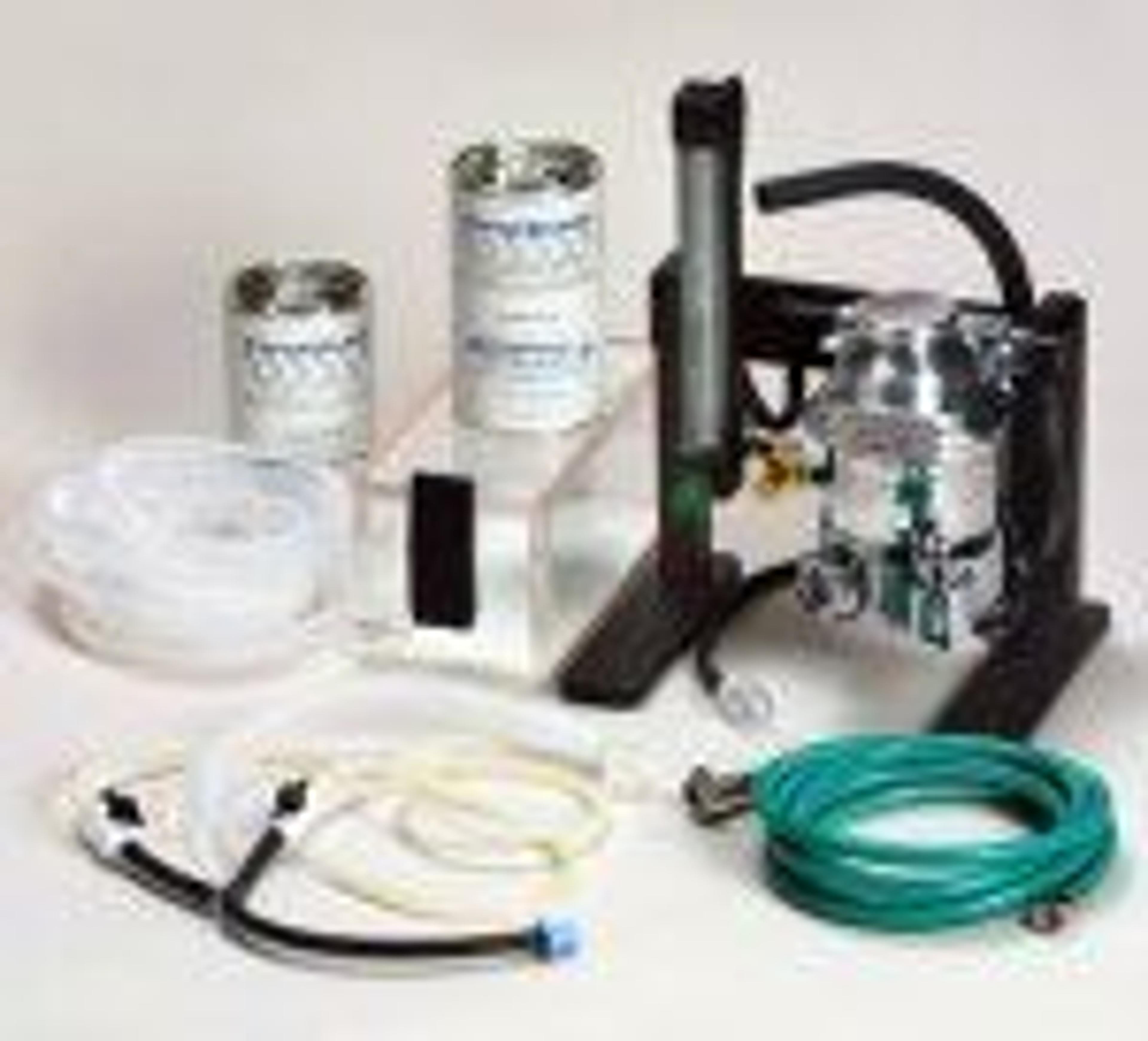
One dial setting delivers a consistent and safe anesthetic level. Manuals include a "cookbook" protocol which can easily be adapted to your facility's SOP. All waste gases are scavenged for easy evacuation. Breathing circuits allow flat, prone or supine positions with head access. Suitable for mouse, rat, hamster, gerbil, guinea pig, ferret, rabbit, cat, dog or small swine.Positive sealing gasket on induction chambers minimize…
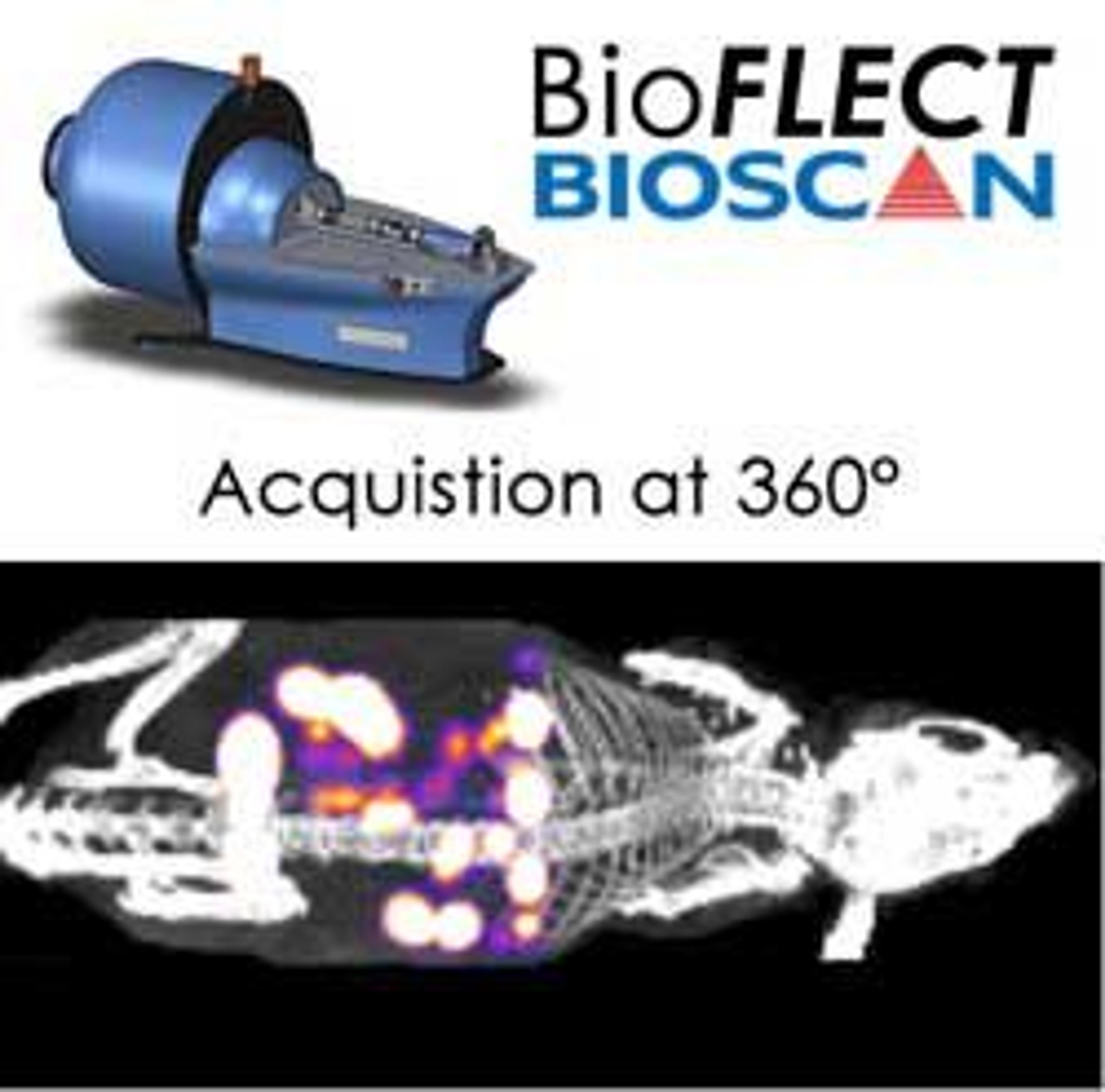
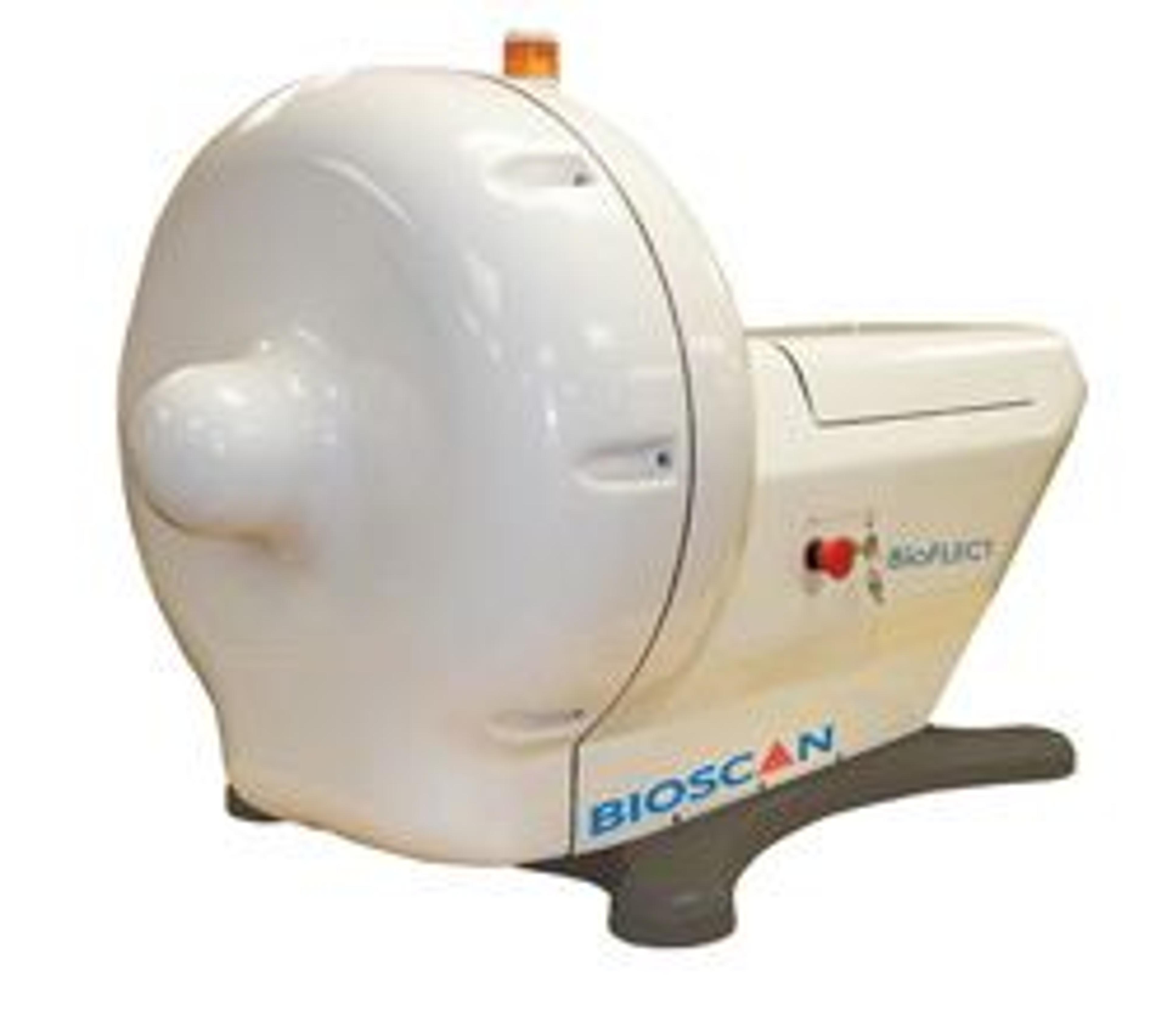
The new Bioscan BioFLECT 400 is the first in vivo optical imaging system offering true 360° fluorescence tomography. BioFLECT uses the photon emission data acquired from 360° and a state-of-the-art 3D reconstruction engine to quantitatively reconstruct the 3D spatial distribution of fluorescent probes in live animals. This approach yields superior, consistent resolution, sensitivity and quantitation throughout the subject. The…
Spectral Instruments Imaging's LAGO offers high throughput imaging for BLI & FLI. With 10 mouse campacity, the LAGO is a fantastic option for high volume imaging cores. This workhorse is designed for non-stop imaging and is the gold standard in sensitiviy - 36% more sensitive than the leading competitor. The LAGO also provides Absolute Calibration, -90C Air Cooled CCD Camera, LED Fluorescence excitation and free software.
BioFLECT™ In Vivo Preclinical Imager - The Only True 360° Tomographic Optical Imager With the launch of the BioFLECT, Bioscan will enable researchers to realize the full potential of in vivo optical imaging for the first time. With BioFLECT’s true 360° tomographic system, researchers will no longer have to choose between imaging only near the surface of the subject or partial tomography solutions that distort the subject or c…
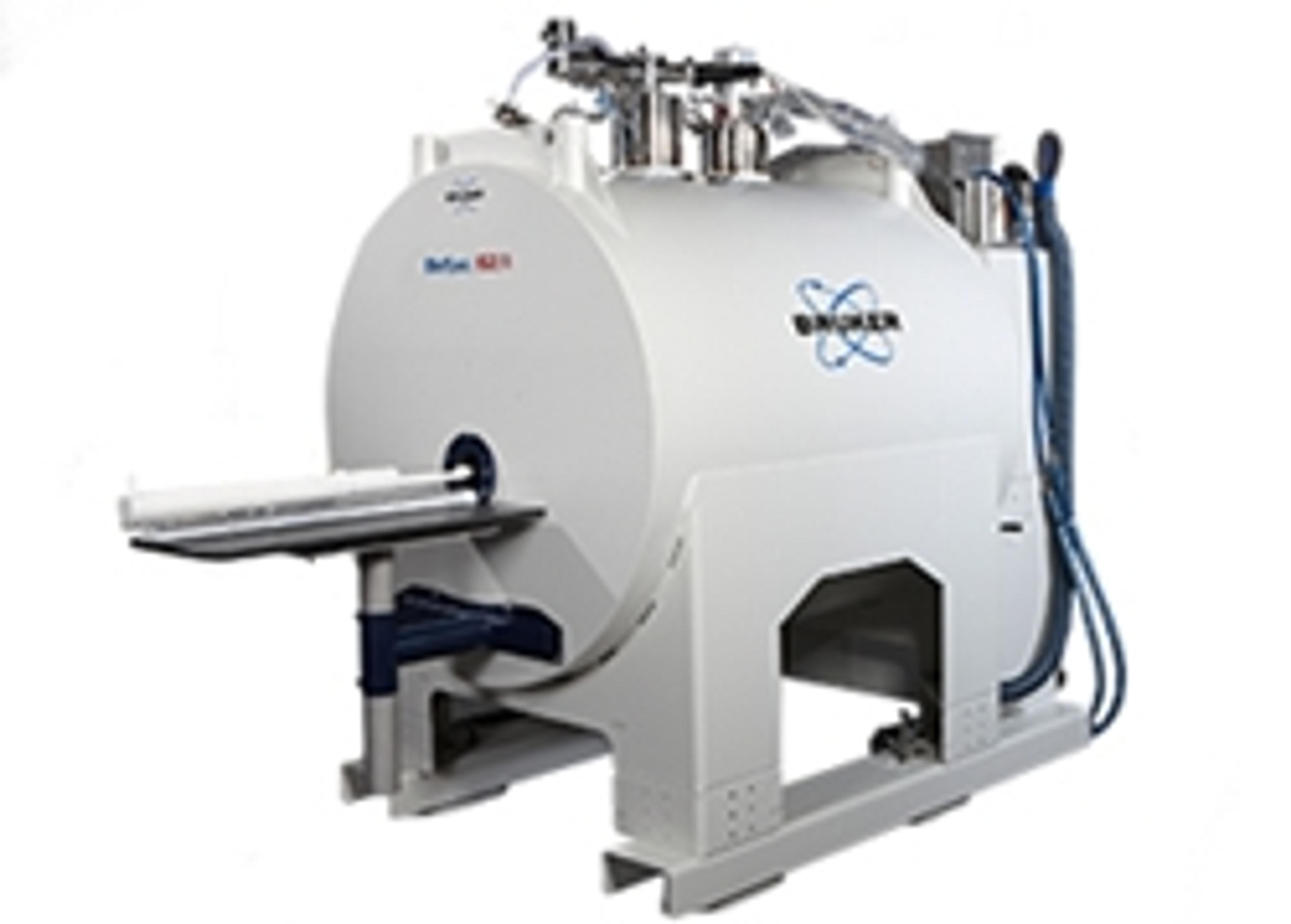
Exceptional performance beyond researcher’s imaginations
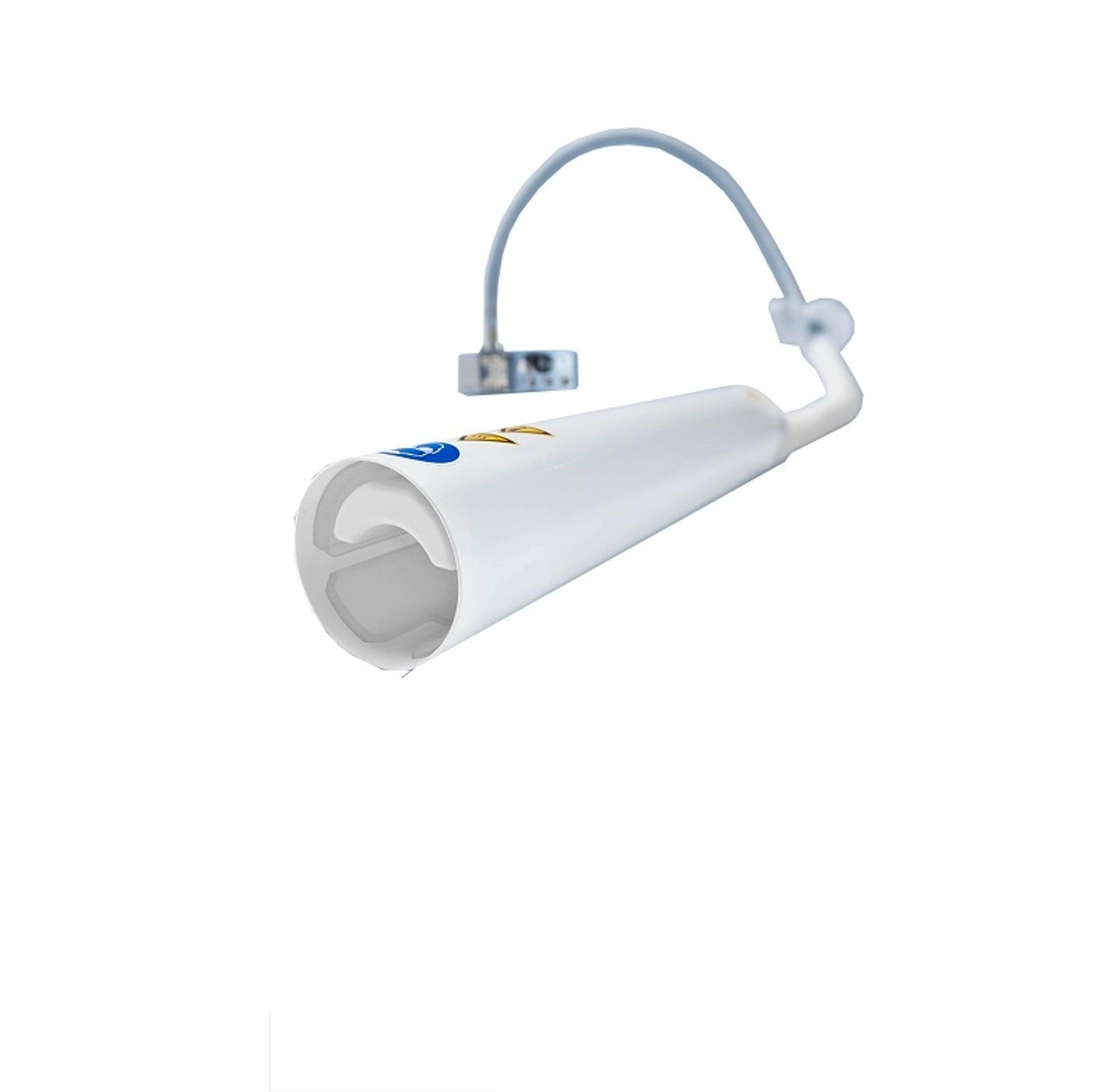
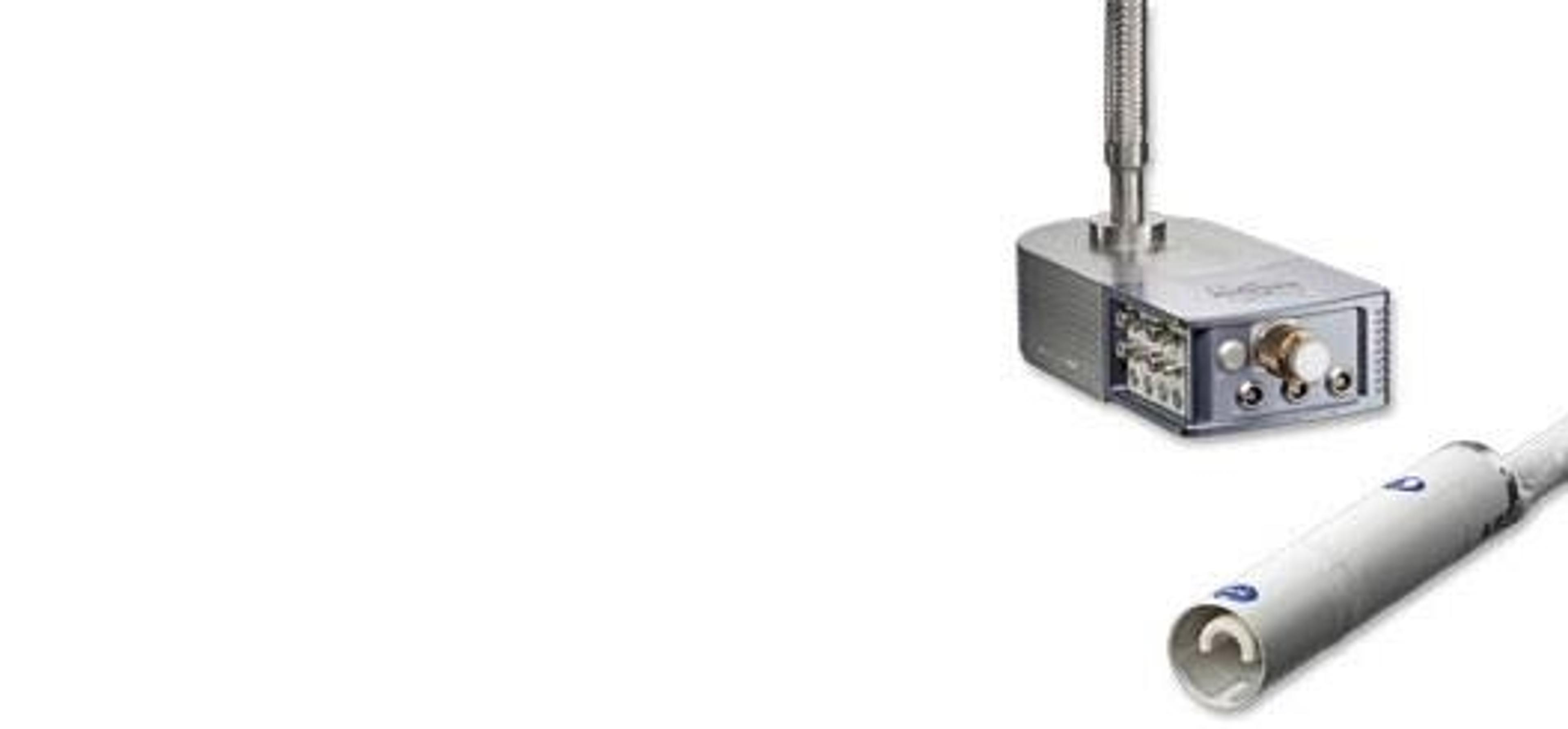
Advanced MRI coil technology delivers highest sensitivity in rat brain in vivo imaging
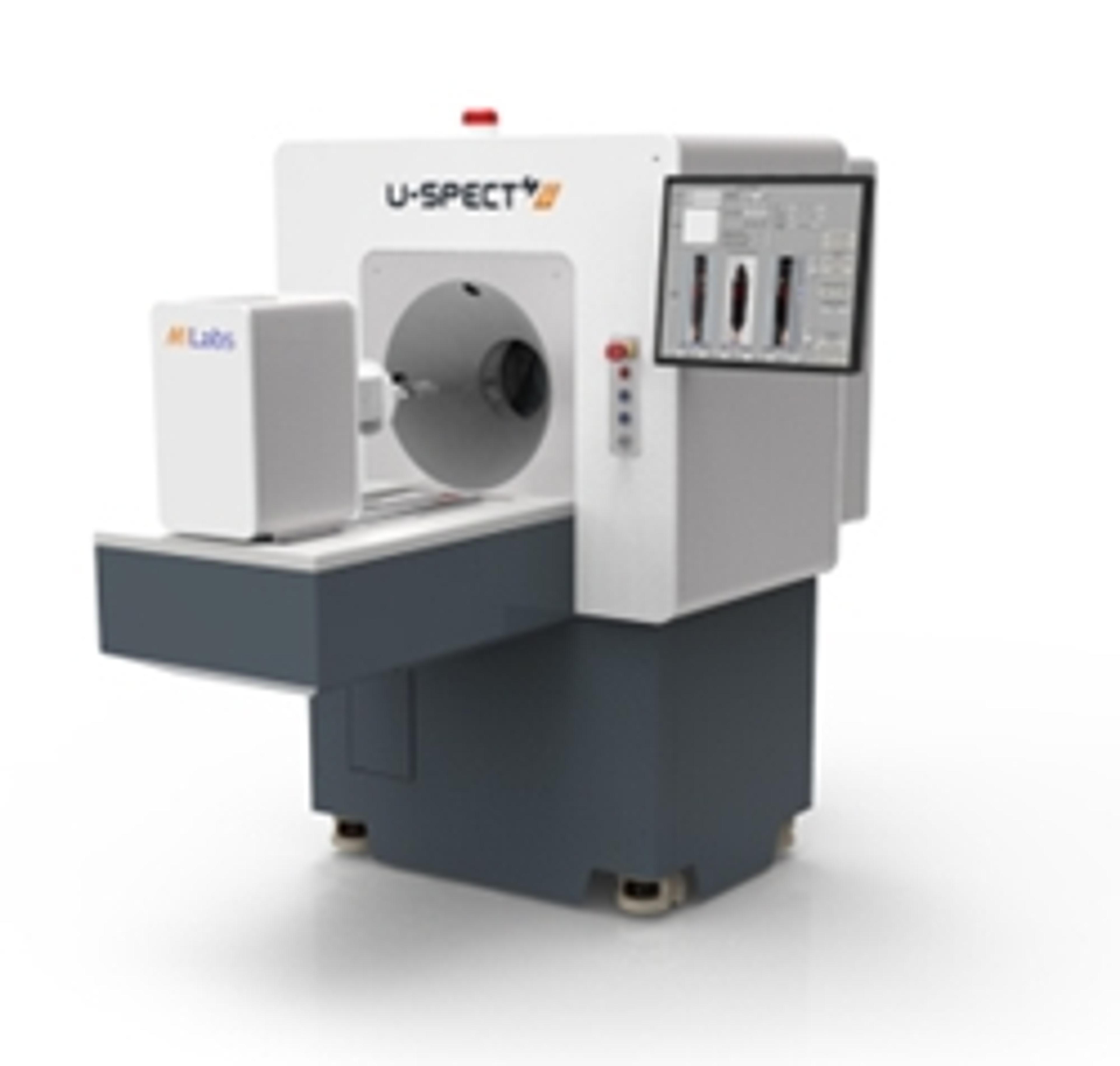
By far the best available SPECT resolution and sensitivity on the market. Patented 3D focusing capability for dynamic nuclear microscopy in organs and tumors. Ultra-fast imaging with multi-physiologic gating reveals dynamic processes with unprecedented time resolution, ideal for pharmacokinetic imaging.Patented M5™ collimation satisfies widest range of resolution, sensitivity and FOV needs. High reliability and long life due…
The fluorescent dye calcein acetoxymethylester (calcein AM) can be used with Corning FluoroBlok Cell Permeable Supports and Insert Systems to label cells when performing analyses such as tumor cell invasion, endothelial cell migration, endothelial cell tubulogenesis, and other cell-based assays.The cell viability indicator calcein AM is a non-fluorescent, cell permeant compound that is hydrolyzed by intracellular esterases int…
The fluorescent dye calcein acetoxymethylester (calcein AM) can be used with Corning FluoroBlok Cell Permeable Supports and Insert Systems to label cells when performing analyses such as tumor cell invasion, endothelial cell migration, endothelial cell tubulogenesis, and other cell-based assays.The cell viability indicator calcein AM is a non-fluorescent, cell permeant compound that is hydrolyzed by intracellular esterases int…
The fluorescent dyeDiIC12(3) can be used with Corning FluoroBlok Cell Permeable Supports and Insert Systems to label cells when performing analyses such as tumor cell invasion, endothelial cell migration, endothelial cell tubulogenesis, and other cell-based assays.DiIC12(3) is a lipophilic neuronal tracer that is commonly used for labeling neuronal projections as well as lipid bilayers in other cell types. Because DiIC12(3) ex…
Advanced pharmaceutical and molecular imaging research
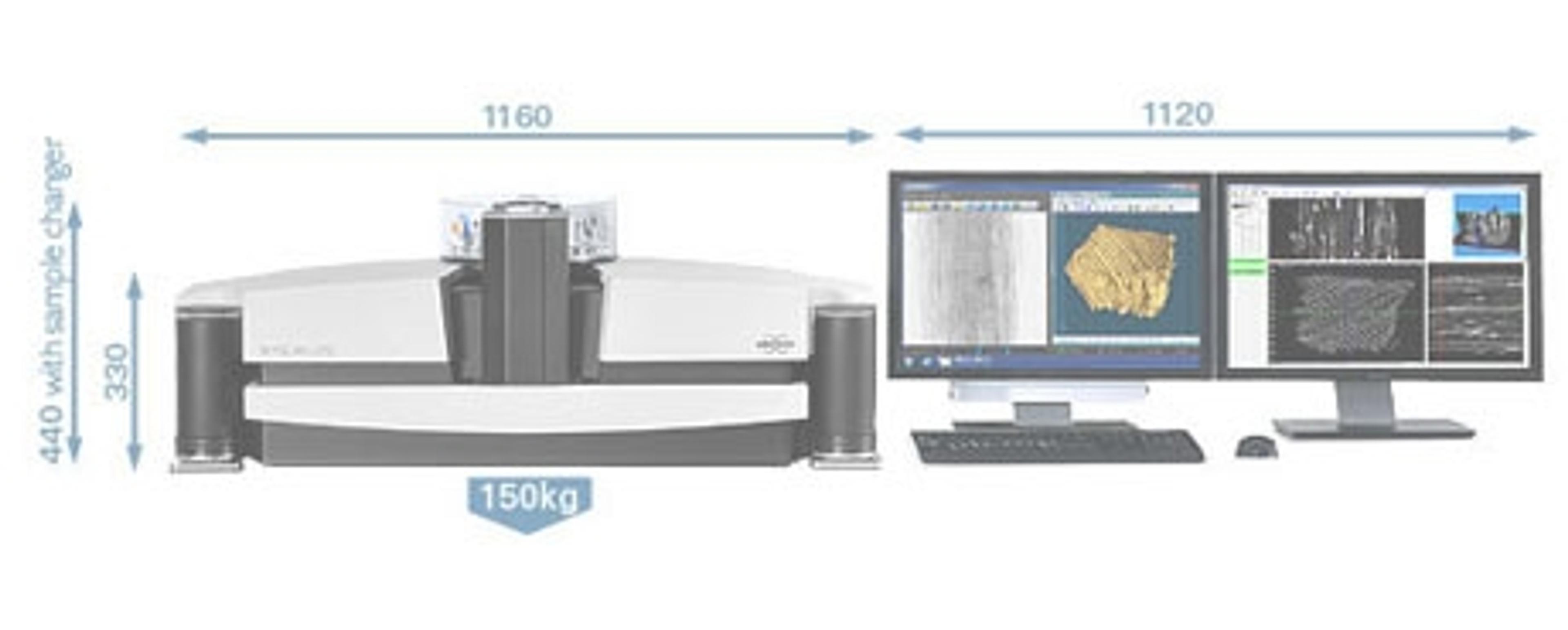
The new SkyScan 1278 micro-CT system for in vivo imaging is addressing the needs of scientists working in the exciting areas of physiological response to disease and regenerative medicine. Many researchers strive to reduce the levels of radiation used in animal studies. Lower levels reduce the risk of associated complications, but any system that offers this advantage must not compromise on the quality of images produced.
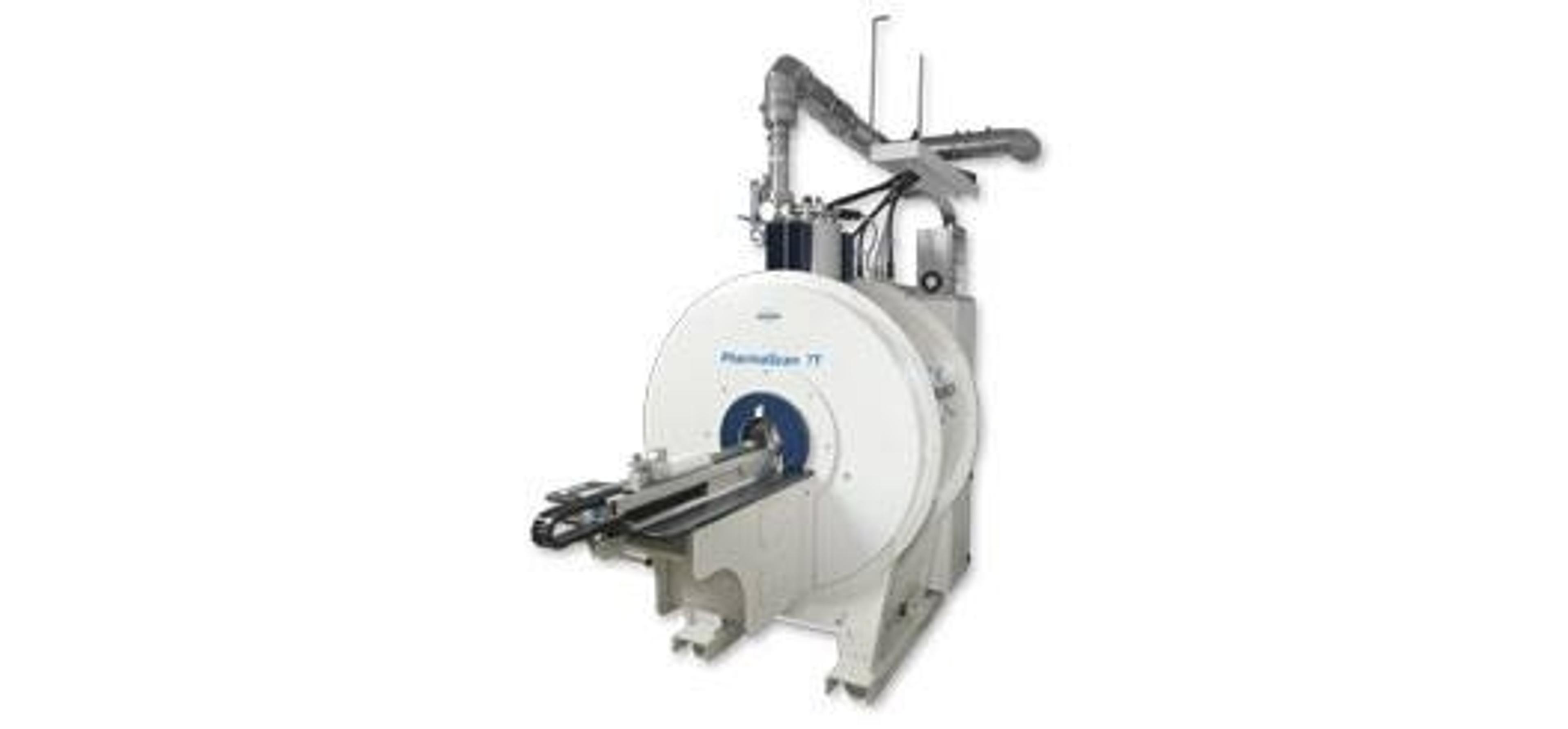
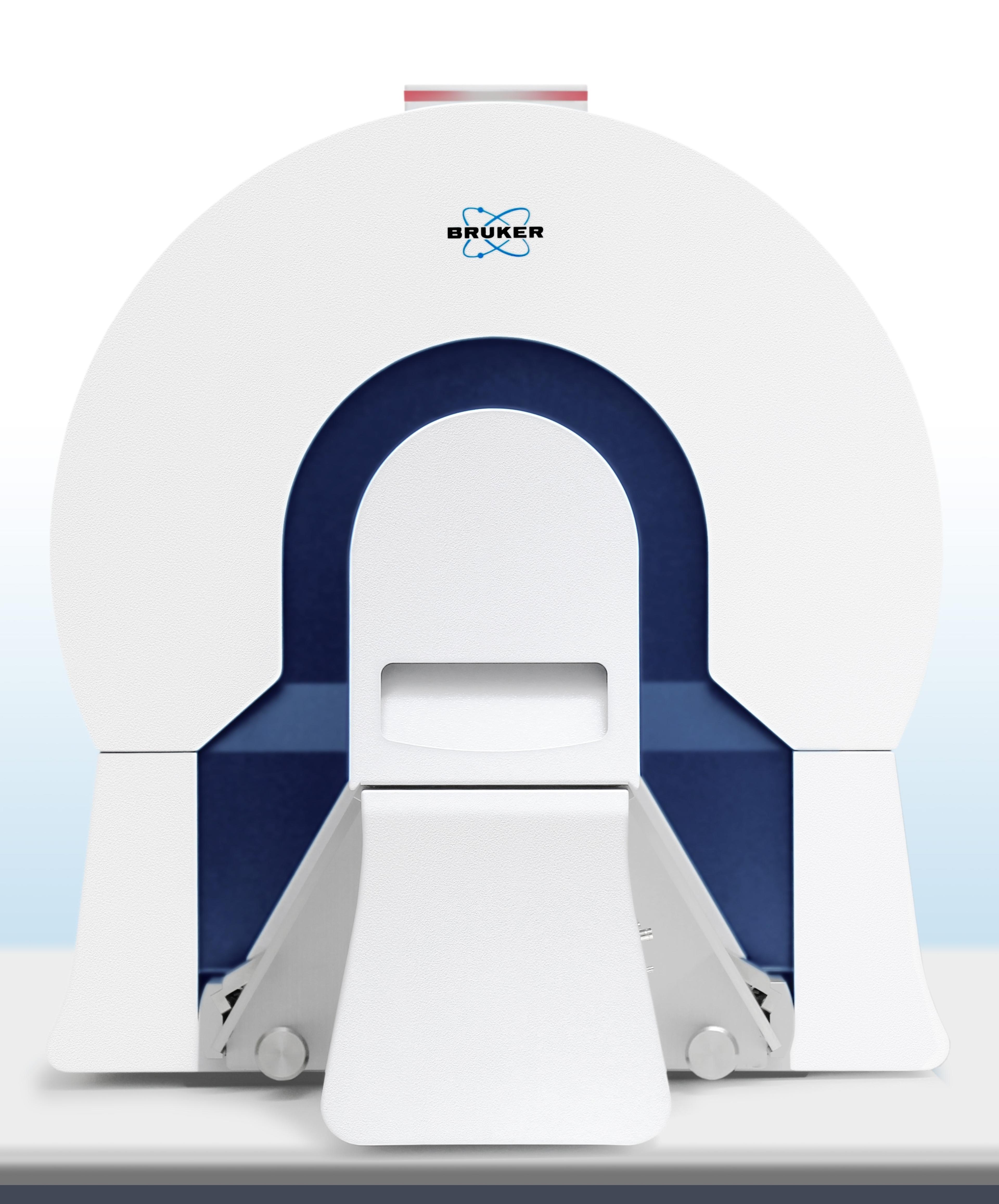
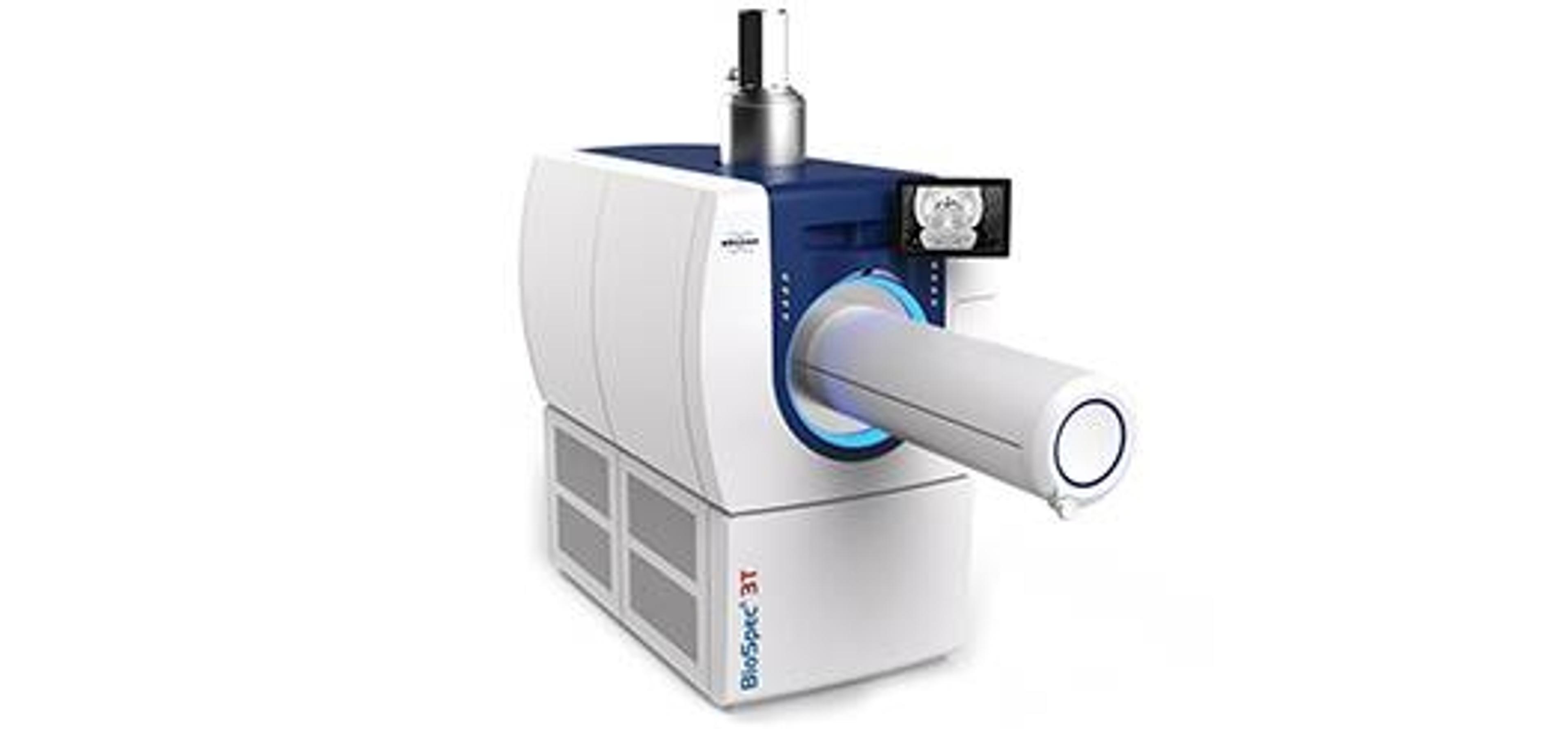
Extending the Range of Multi-Purpose MRI and MRS Systems
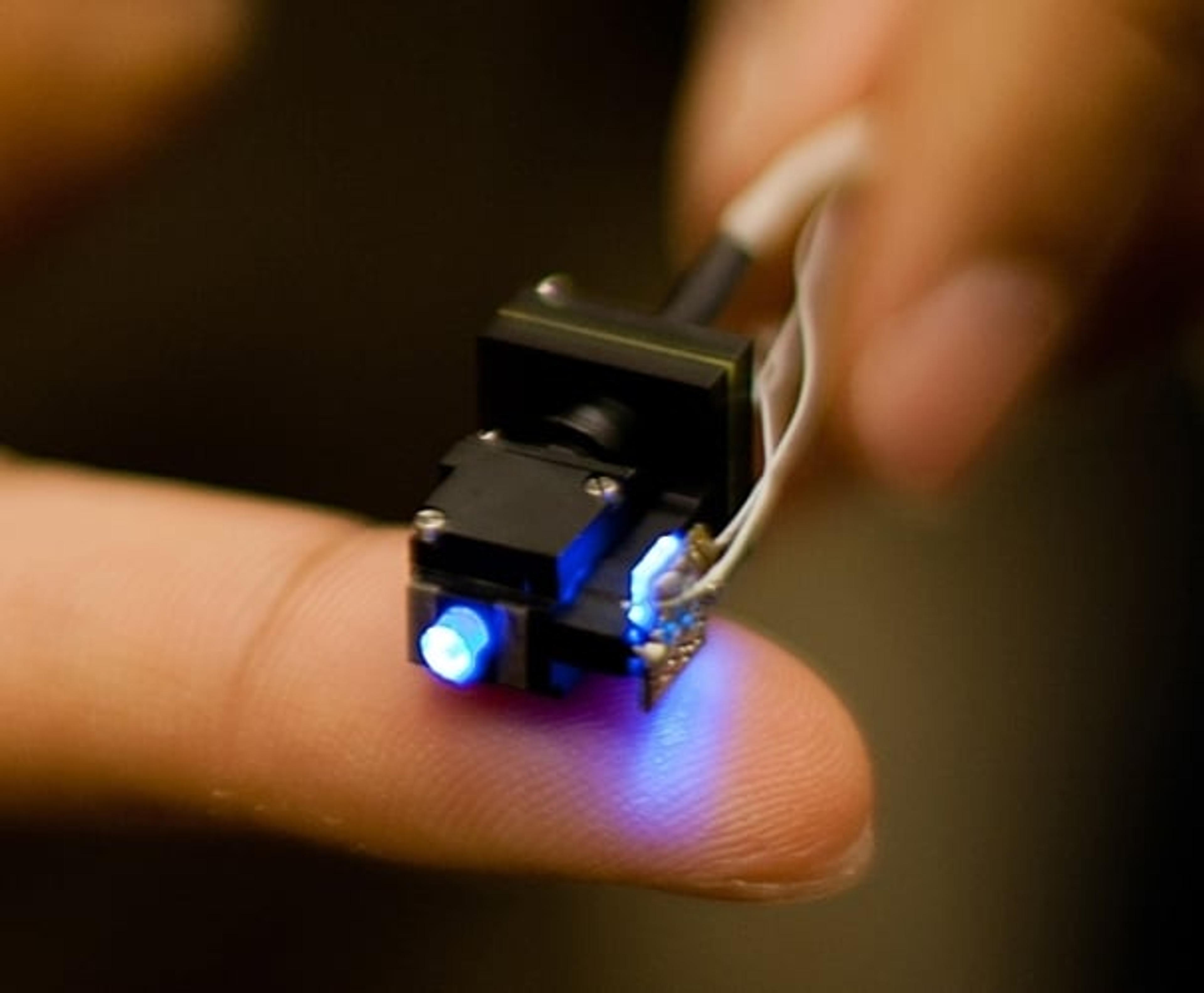
nVista is the first end-to-end solution for visualizing large-scale neural circuit dynamics in freely behaving animals.
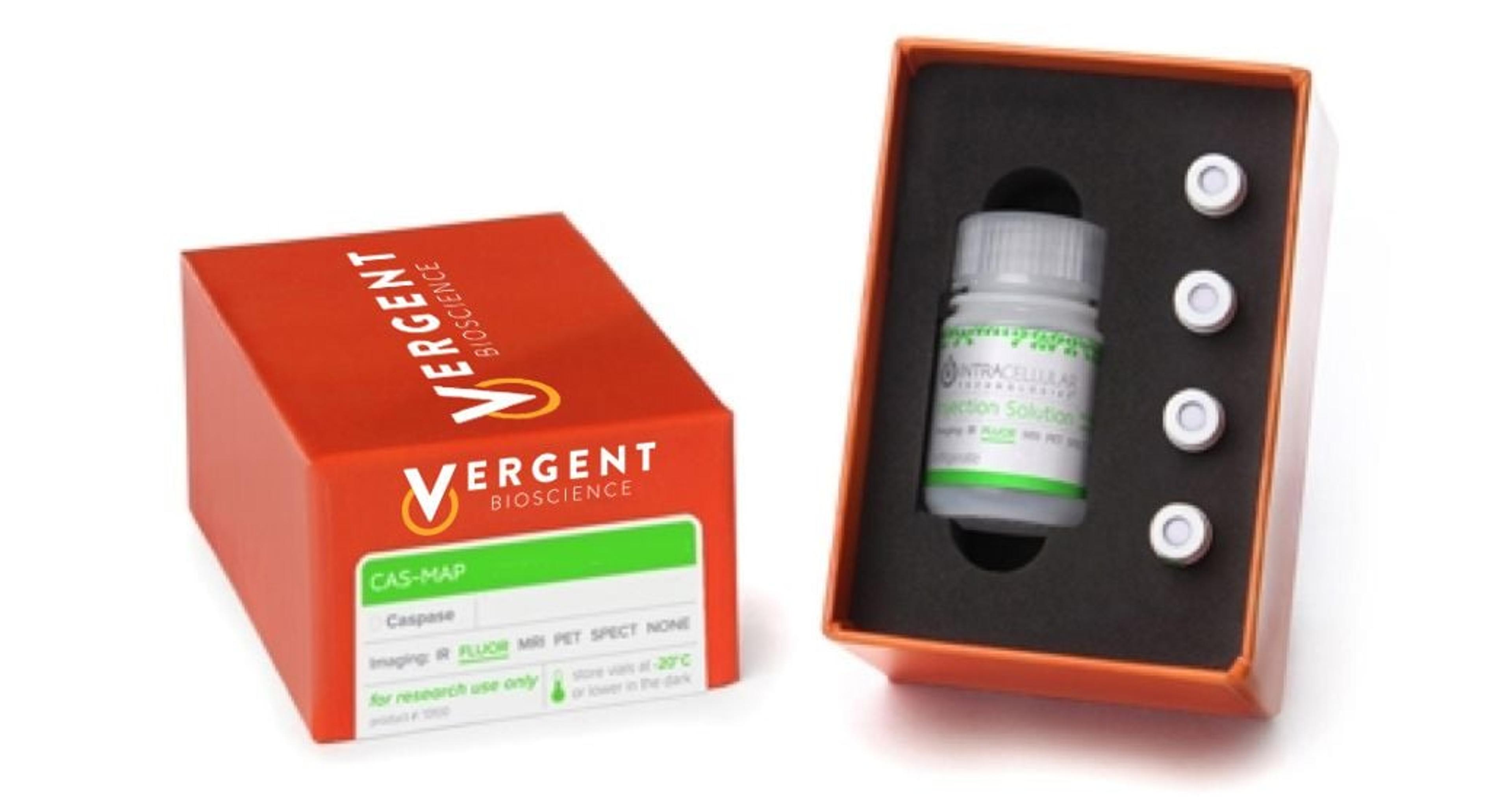
Near infrared imaging probe for non-invasive imaging of apoptosis (pan caspase) detection
Green Fluorescent non-invasive imaging probe for in vivo detection of apoptosis (caspase-3)
Green Fluorescent non-invasive imaging probe for in vivo detection of apoptosis (caspase-9)
Red Fluorescent non-invasive imaging probe for in vivo detection of apoptosis (pan caspase)
Red Fluorescent non-invasive imaging probe for in vivo detection of cell death (caspase-1)
Red Fluorescent non-invasive imaging probe for in vivo detection of apoptosis (caspase-8)
Red Fluorescent non-invasive imaging probe for in vivo detection of cell death (caspase-1)
Green Fluorescent non-invasive imaging probe for in vivo detection of cell death (caspase-3)