ProductsLife Sciences
Sanger Whole Genome CRISPR Arrayed Libraries
MerckExclusive human or mouse whole genome arrayed libraries developed with the Wellcome Sanger institute

Exclusive human or mouse whole genome arrayed libraries developed with the Wellcome Sanger institute
Pooled CRISPR screening with 10x Genomics compatibility
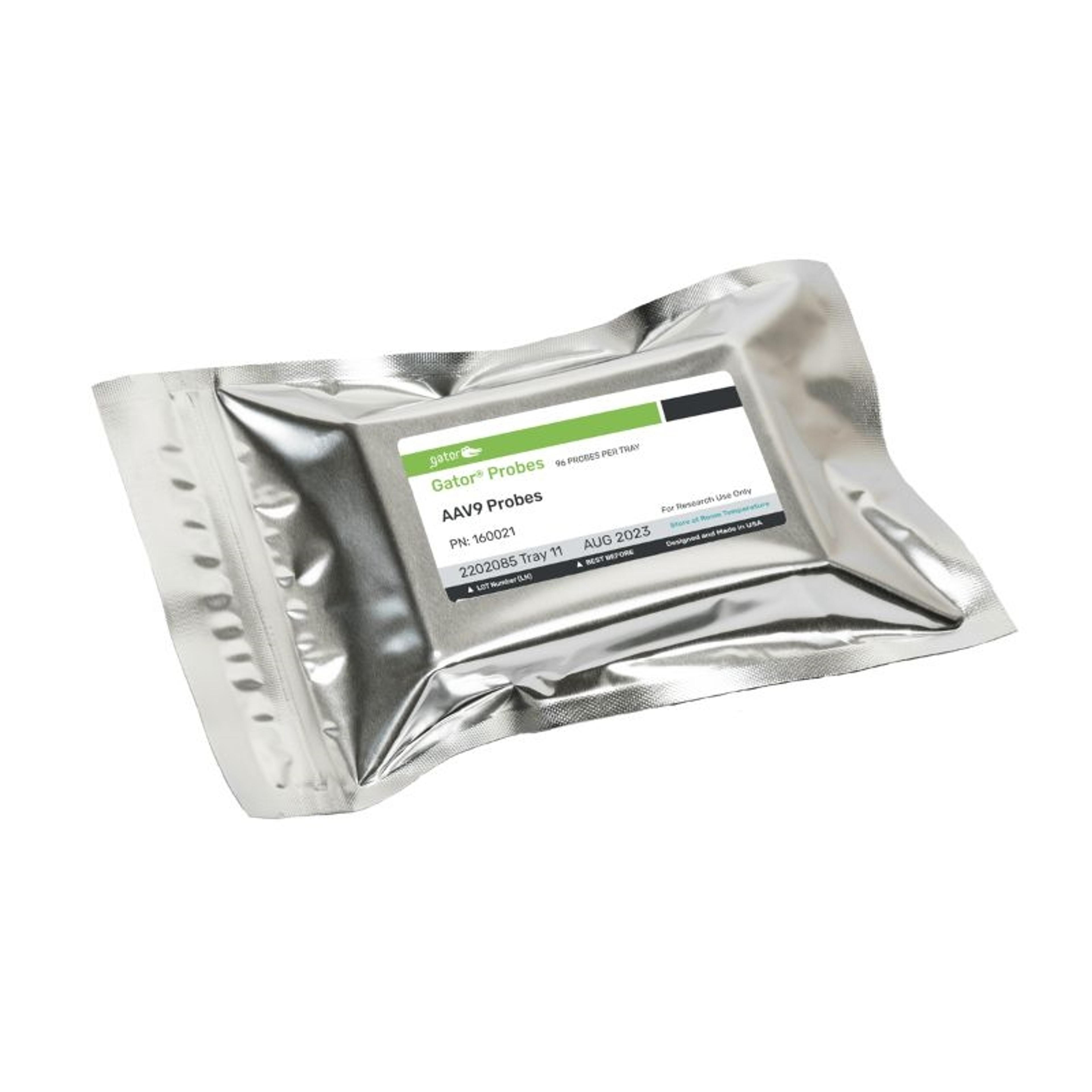
The Gator ® AAV9 Probes are high specificity nanobody-based biosensors that enable direct capture and quantitation of AAV9 in crude lysates, column eluates, cell lysates and cell culture supernatants. The Gator ® AAV9 probe uses proven CaptureSelect™ (Thermo Fisher Scientific) high affinity and high specificity anti-AAV9 nanobody.
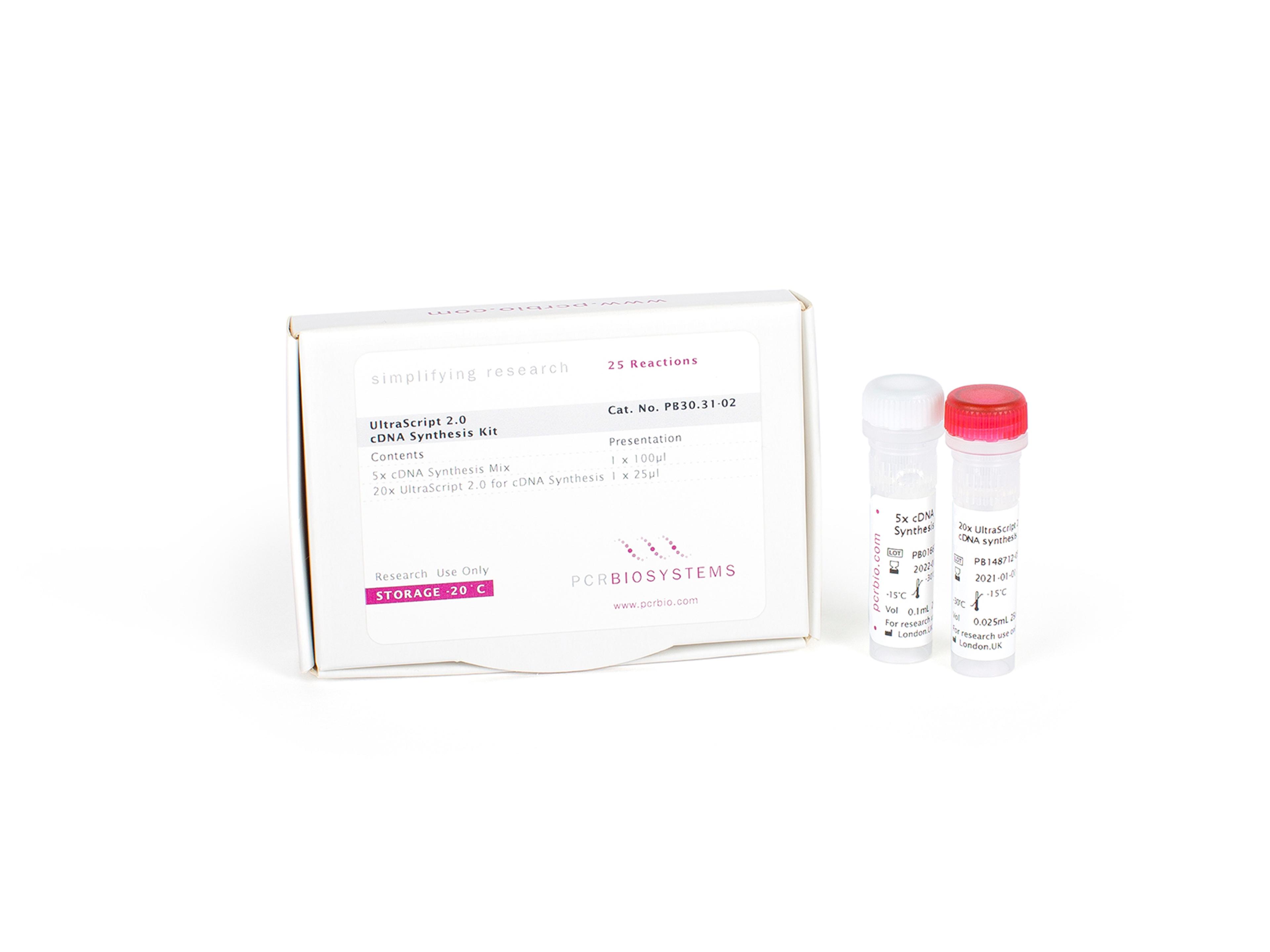
UltraScript® 2.0 cDNA Synthesis Kit is a 2-tube kit containing all the components required for fast, reliable and unbiased cDNA synthesis of the most challenging RNA sample types.
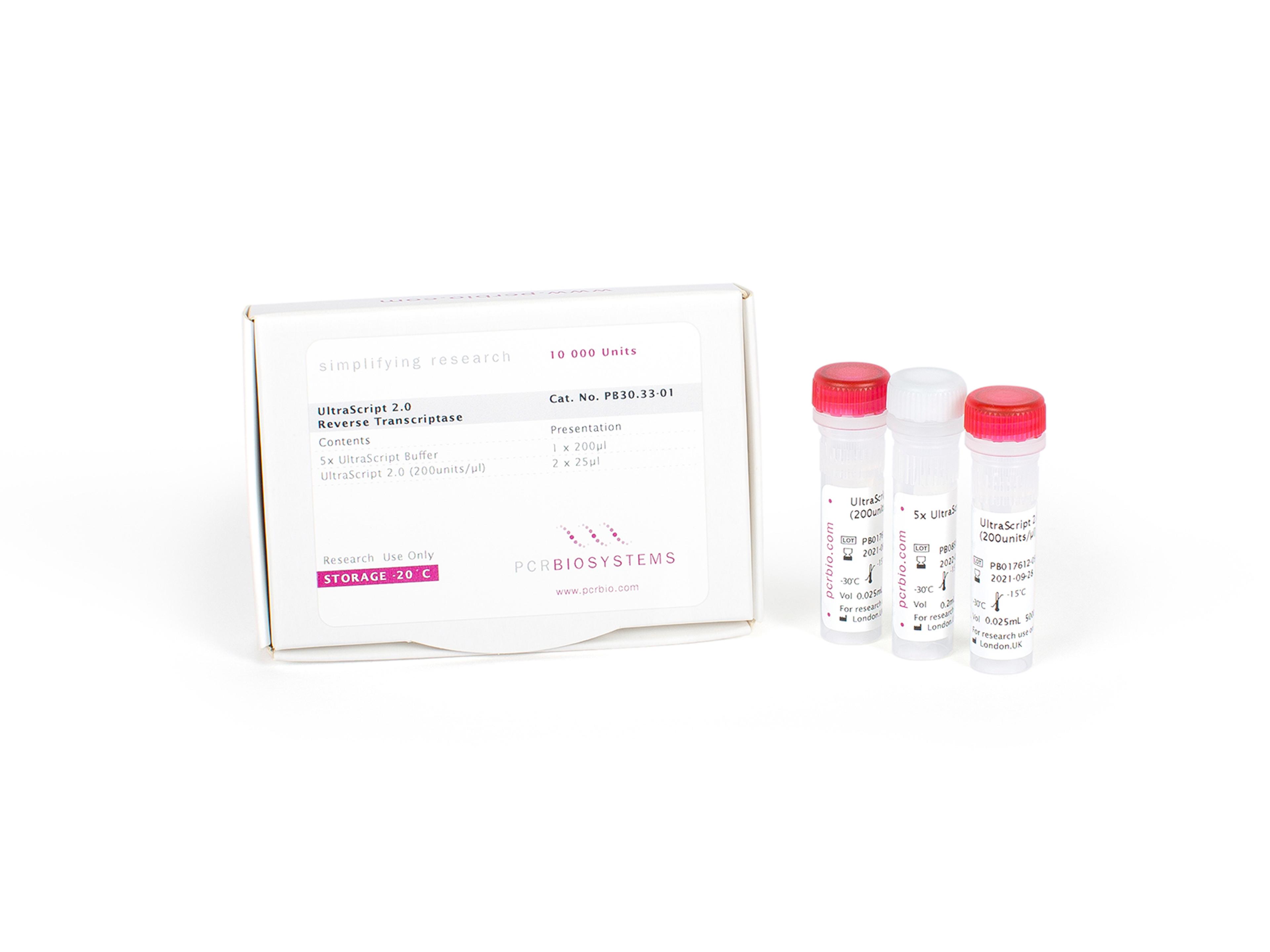
UltraScript® 2.0 Reverse Transcriptase is a highly thermostable reverse transcriptase designed for cDNA synthesis of the most challenging RNA sample types. This modified MMLV reverse transcriptase can be used with reaction temperatures of over 55 °C, giving improved specificity, higher cDNA yields and more full length cDNA product.
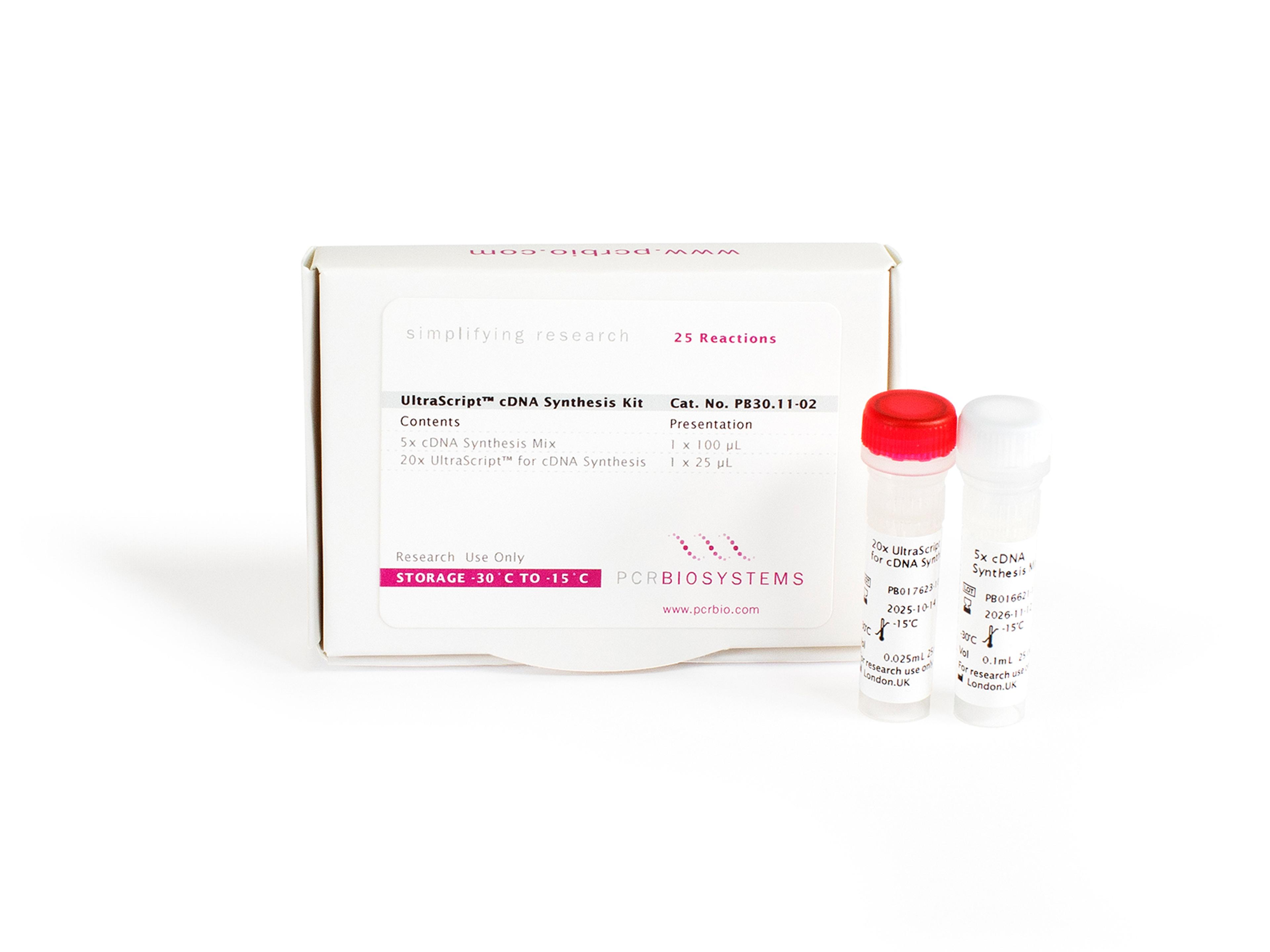
UltraScript® cDNA Synthesis Kit is an easy-to-use 2-tube system specifically developed to generate cDNA for use in real-time PCR. The kit provides unbiased, efficient and sensitive cDNA synthesis over a broad range of RNA template concentrations.
Pooled and Arrayed Genome-Wide LentiORF Libraries for High-Throughput Screens or Targeted Experiments
Recombinant PURedit Cas9 protein from Streptococcus pyogenes is a ready-to-use reagent for genome engineering experiments
Recombinant Cas9 Plus protein from Streptococcus pyogenes is a ready-to-use reagent for genome engineering experiments.
Recombinant Cas9-GFP protein from Streptococcus pyogenes is a ready-to-use reagent for genome engineering experiments.
The human CRISPR ′Brunello′ pooled library is designed using optimized metrics, as published by, Doench et al. Nat Biotechnol. (2016) and described further in Sanson, K.R., et al. Nat Commun (2018)
The Human Whole Genome Toronto KnockOut Library v3 (TKOv3) is optimized for editing efficiency using empirical data described in the findings by the Moffat lab.
The human, paired guide Poison (pgPoison) library targets 3` splice sites with paired guide RNAs for alternative exon removal (pgRNAs), induce skipping of "poison" cassette exons and corresponding upstream constitutive exons in ultraconserved regions.
The mouse CRISPR "Brie" lentiviral pooled libraries are designed using optimized metrics, as published by Sanson, K.R., et al. Nat Commun 9, 5416 (2018), which combine improved on-target activity predictions (Rule Set 2) with an off-target score, the Cutting Frequency Determination (CFD)
The Human CRISPR inhibition (CRISPRi) library (Dolcetto) is a single compact library that inhibits over 18,000 human genes and is used for genome-wide inhibition screening using a KRAB-dCas9 effector.
The 10x Compatible Human CRISPRi Kinase Phosphatase Drug Targets Kit (Druggable Genome) contains one sub-pool of the top two ranked sgRNAs per gene for increased sensitivity and includes non-targeting controls built-in.
The Human CRISPR activation library (Calabrese) activates over 18,000 human genes and is used for genome-wide activation screening. The library is designed to be compact and efficient to maximize screening efficiency and performance, as published by Sanson, K.R., et al. Nat Commun 9, 5416 (2018).
The mouse CRISPR activation library (Caprano) activates over 22,000 mouse genes and is used for genome-wide activation screening.
The control kit includes validated positive control targeting RAB1A and non-targeting control for assay set-up and a UCOE KRAB-dCas9 for consistent effector expression across a wide variety of cell lines. The kit is ideal for setting up the screen assay and optimization before using the CRISPRi library pools.
The 10X CRISPRi Feature Barcode Optimization kit is ideally suited for setting up the screen assay and if desired capture sequence optimization before using the Custom 10x Compatible CRISPRi library pools.
This pooled library targets the human kinome, a collection of approximately 700 genes commonly associated with development and disease, with an average of nearly 9 unique knockout CRISPR clones per kinase gene. The lentiviral format allows for stable integration, selection, and enrichment of transduced cells
Utilize the power of CRISPR Whole Genome Lentiviral Pools to knockout and screen every gene in the human genome. The Sigma Whole Human Genome Lentiviral CRISPR Pool is provided as 200 ul in 8 x 25 ul aliquots at a minimum titer of 5x10⁸ viral particles/ml via p24
Accomplish highly effective transfection of CRISPR/Cas9 DNA, RNA, Cas9-gRNA RNP (ribonucleoprotein) complexes and siRNA to knock-out, modify or knock-down genes of interest in a wide variety of cell types.
Recombinant Cas9-D10A Nickase protein from Streptococcus pyogenes (~160 KD) is a ready-to-use reagent for genome engineering experiments.