High-Throughput Screening Products & Reviews

25

Product Filter

Explore by Field
High-Throughput Screening
Refine your selection
Explore by Company

Ratings

Search

Selected Filters:

ChemiScreenâ„¢ Calcium-Optimized Stable Cell Line Human Recombinant CGRP1 Calcitonin Receptor-Like Receptor

Merck

Chemicon's cloned human CGRP1-expressing cell line is made in the Chem-1 host, which supports high levels of recombinant CGRP1 expression on the cell surface and contains high levels of the promiscuous G protein Gα15 to couple the receptor to the calcium signaling pathway. Thus, the cell line is an ideal tool for screening for antagonists of interactions between CGRP1 and its ligands.

0.0/5.0
|0 Reviews

ChemiSCREENâ„¢ Human Recombinant S1P1 Lysophospholipid Receptor Calcium-Optimized Stable Cell Line

Merck

Chemicon's cloned human S1P1-expressing cell line is made in the Chem-1 host, which supports high levels of recombinant S1P1 expression on the cell surface and contains high levels of the promiscuous G protein Gα15 to couple the receptor to the calcium signaling pathway. Thus, the cell line is an ideal tool for screening for antagonists of interactions between S1P1 and its ligands.

0.0/5.0
|0 Reviews

ChemiSCREENâ„¢ Membrane Preparation Recombinant Human S1P1 Lysophospholipid Receptor

Merck

EMD Millipore's S1P1 membrane preparations are crude membrane preparations made from our proprietary stable recombinant cell lines to ensure high-level of GPCR surface expression; thus, they are ideal HTS tools for screening of S1P1 interaction with its ligands. The cell line exhibits a calcium response with EC50s of 141 μM for Sphingosine 1-phosphate. The membrane preparations exhibit EC50s of 9.5 μM for Sphingosine 1-phospha…

0.0/5.0
|0 Reviews

ChemiSCREENâ„¢ Human Recombinant PK2 Receptor Calcium-Optimized Stable Cell Line

Merck

Chemicon's cloned human PK2-expressing cell line is made in the Chem-1 host, which supports high levels of recombinant PK2 expression on the cell surface and contains high levels of the promiscuous G protein Gα15 to couple the receptor to the calcium signaling pathway. Thus, the cell line is an ideal tool for screening for antagonists of interactions between PK2 and its ligands.
0.0/5.0
|0 Reviews


ChemiSCREENâ„¢ Membrane Preparation Recombinant Human EP2 Prostanoid Receptor

Merck

EMD Millipore's EP2 membrane preparations are crude membrane preparations made from our proprietary stable recombinant cell lines to ensure high-level of GPCR surface expression; thus, they are ideal HTS tools for screening of agonists and antagonists of EP2. The membrane preparations exhibit a Kd of 14.52 nM for [3H]-PGE2. With 7.5 nM [3H]-PGE2, 10µg/well EP2 Membrane Prep typically yields greater than 3-fold signal-to-backgr…

0.0/5.0
|0 Reviews

ChemiSCREENâ„¢ Human Recombinant Ghrelin Receptor Calcium-Optimized Stable Cell Line

Merck

EMD Millipore’s cloned human Ghrelin Receptor-expressing cell line is made in the Chem-1 host, which supports high levels of recombinant Ghrelin Receptor expression on the cell surface and contains high levels of the promiscuous G protein to enhance coupling of the receptor to the calcium signaling pathway. Thus, the cell line is an ideal tool for screening for agonists and antagonists at Ghrelin Receptor.

0.0/5.0
|0 Reviews

ChemiSCREENâ„¢ Membrane Preparation Recombinant Human Gherlin Receptor

Merck

EMD Millipore's Ghrelin Receptor membrane preparations are crude membrane preparations made from our proprietary stable recombinant cell lines to ensure high-level of GPCR surface expression; thus, they are ideal HTS tools for screening of antagonists of ghrelin interactions and its ligands. The membrane preparations exhibit a Kd of 0.32 nM for [125I]-ghrelin. With 0.1 nM [125I]-ghrelin, 5 μg/well Ghrelin Receptor Membrane Pre…

0.0/5.0
|0 Reviews

ChemiSCREENâ„¢ Human Recombinant S1P4 Lysophospholipid Receptor Calcium-Optimized Stable Cell Line

Merck

Chemicon's cloned human S1P4-expressing cell line is made in the Chem-5 host, which supports high levels of recombinant S1P4 expression on the cell surface and contains high levels of the promiscuous G protein to couple the receptor to the calcium signaling pathway. Thus, the cell line is an ideal tool for screening for antagonists of interactions between S1P4 and its ligands.

0.0/5.0
|0 Reviews

ChemiSCREENâ„¢ Human Recombinant S1P5 Lysophospholipid Receptor Calcium-Optimized Stable Cell Line

Merck

EMD Millipore's cloned human S1P5-expressing cell line is made in the Chem-5 host, which supports high levels of recombinant S1P5 expression on the cell surface and contains high levels of the promiscuous G protein to couple the receptor to the calcium signaling pathway. Thus, the cell line is an ideal tool for screening for antagonists of interactions between S1P5 and its ligands.

0.0/5.0
|0 Reviews


ChemiSCREENâ„¢ Human Recombinant GPR92 / LPA5 Lysophospholipid Receptor Calcium-Optimized Stable Cell Line

Merck

EMD Millipore’s cloned human GPR92 -expressing cell line is made in the Chem-1 host, which supports high levels of recombinant GPR92 expression on the cell surface and contains high levels of the promiscuous G protein to couple the receptor to the calcium signaling pathway. Thus, the cell line is an ideal tool for screening for agonists and antagonists at GPR92.

0.0/5.0
|0 Reviews


ChemiSCREENâ„¢ Chem-1 Parental Cell Line

Merck

Chemicon's Wild-Type Chem-1 cell line is a control for Chemicon's GPCR-expressing Chem-1 calcium-optimized cell lines. The Chem-1 cell line is adherent to tissue culture-treated surfaces and contains high levels of the promiscuous G protein Galpha15 to couple many classes of GPCRs to the calcium signaling pathway.

0.0/5.0
|0 Reviews

Automated Pipetting - Neon 100

Xiril AG

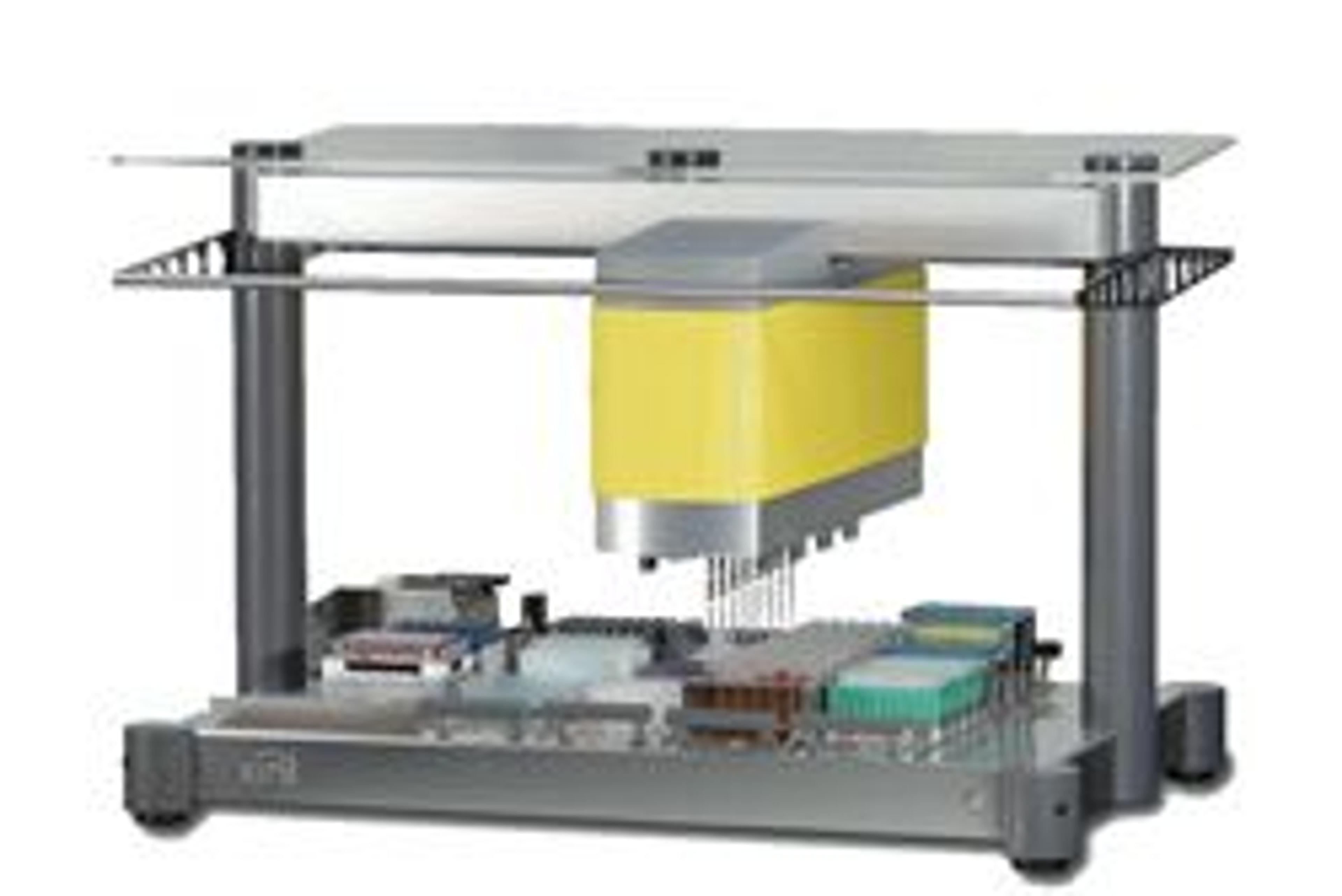
Who else can provide targeted solutions for your medium to high throughput applications with highest flexibility on such a small robotic workstation? The Neon technology crosses boundaries with up to 8 independent pipetting channels and its unique combination of liquid and robotic handling for all your laboratory tasks including plate handling, barcode reading, heating&shaking, extractions etc. Space saving on a small footpri…

0.0/5.0
|0 Reviews

InsituPro VSi

Intavis Inc.

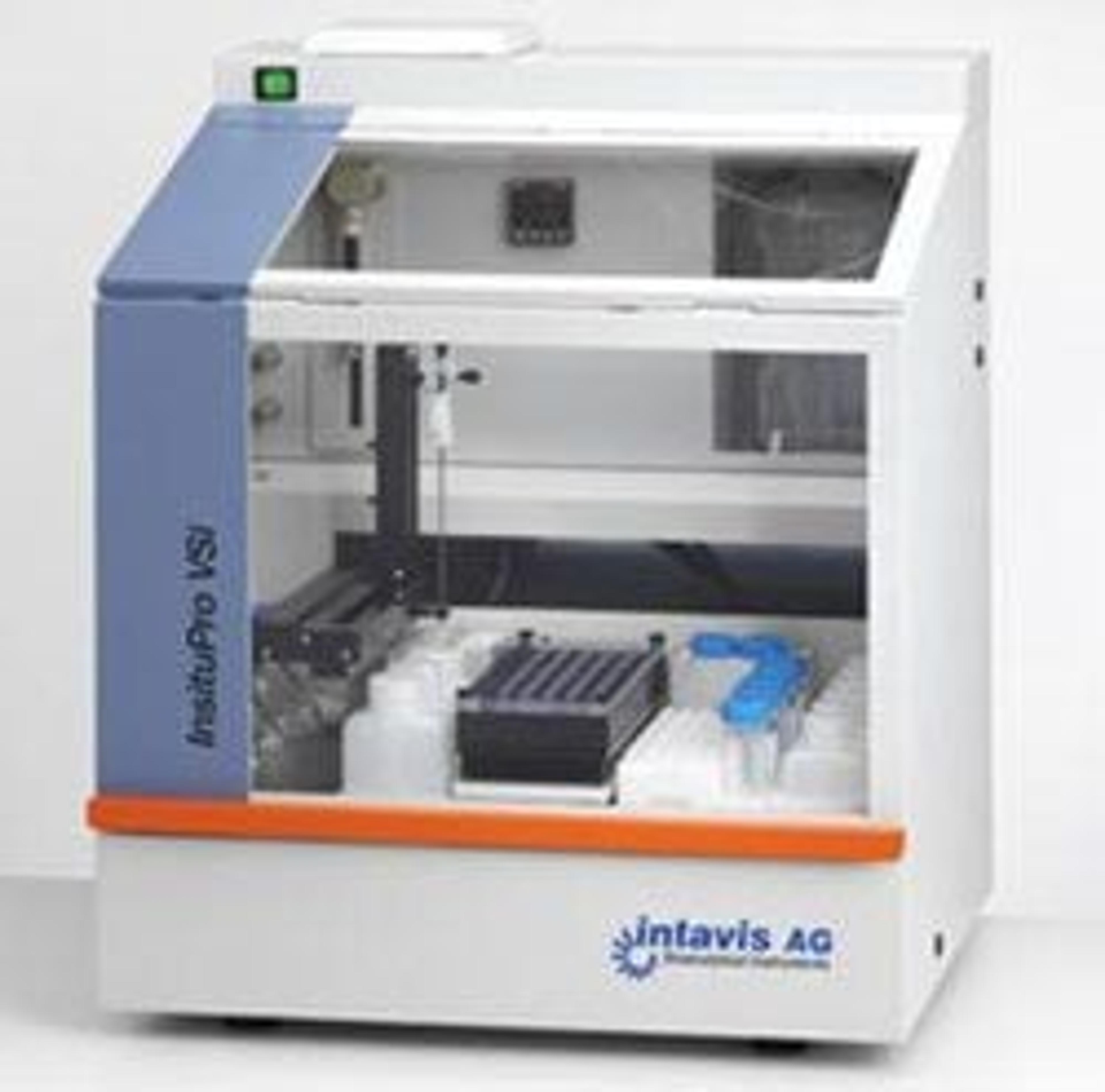
The InsituPro VSi is INTAVIS’ next generation instrument for automated in situ hybridization and immunohistochemistry – it represents the third generation of the InsituPro product line. The InsituPro VSi maintains the flexibility and versatility of the InsituPro VS but additionally features a number of functions often requested by our customers such as a buffer preheating for posthybridization washes and more flexibility in te…

0.0/5.0
|0 Reviews

TIGRIS® DTS™ System

GEN-PROBE Inc.

Absolute Automation Is True Walk-Away Freedom for: ■ Sample Preparation ■ Sample Processing ■ Results Analysis Only the TIGRIS® DTS™ System, with Absolute Automation, automates all phases of molecular diagnostics testing from sample preparation, amplification, and detection to reporting results. Integrating the TIGRIS DTS System with APTIMA® assay kits for nucleic acid testing (NAT) offers true freedom from hands-on processing…

0.0/5.0
|0 Reviews


RR120 Web Handling Platform

BioDot Inc.

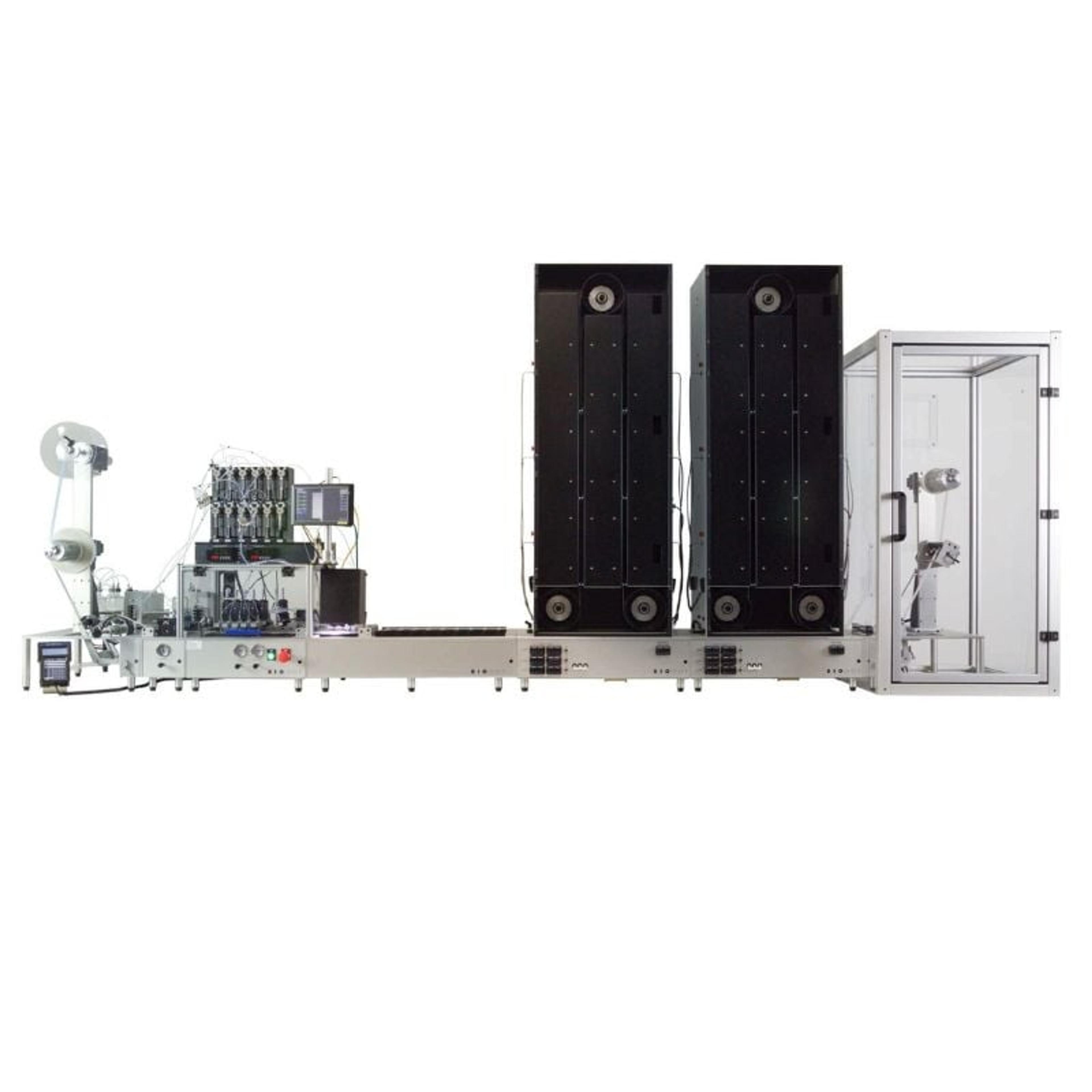
The RR120 is a moderate to high volume production system designed to continuously print lines, coat/impregnate, inspect and dry rolls of materials. Each process is designed as an optional, separate module allowing users the flexibility to adapt the system to a specific application, multiple applications and throughput requirements. Customization is also available.

0.0/5.0
|0 Reviews

ZX1010 Platform

BioDot Inc.

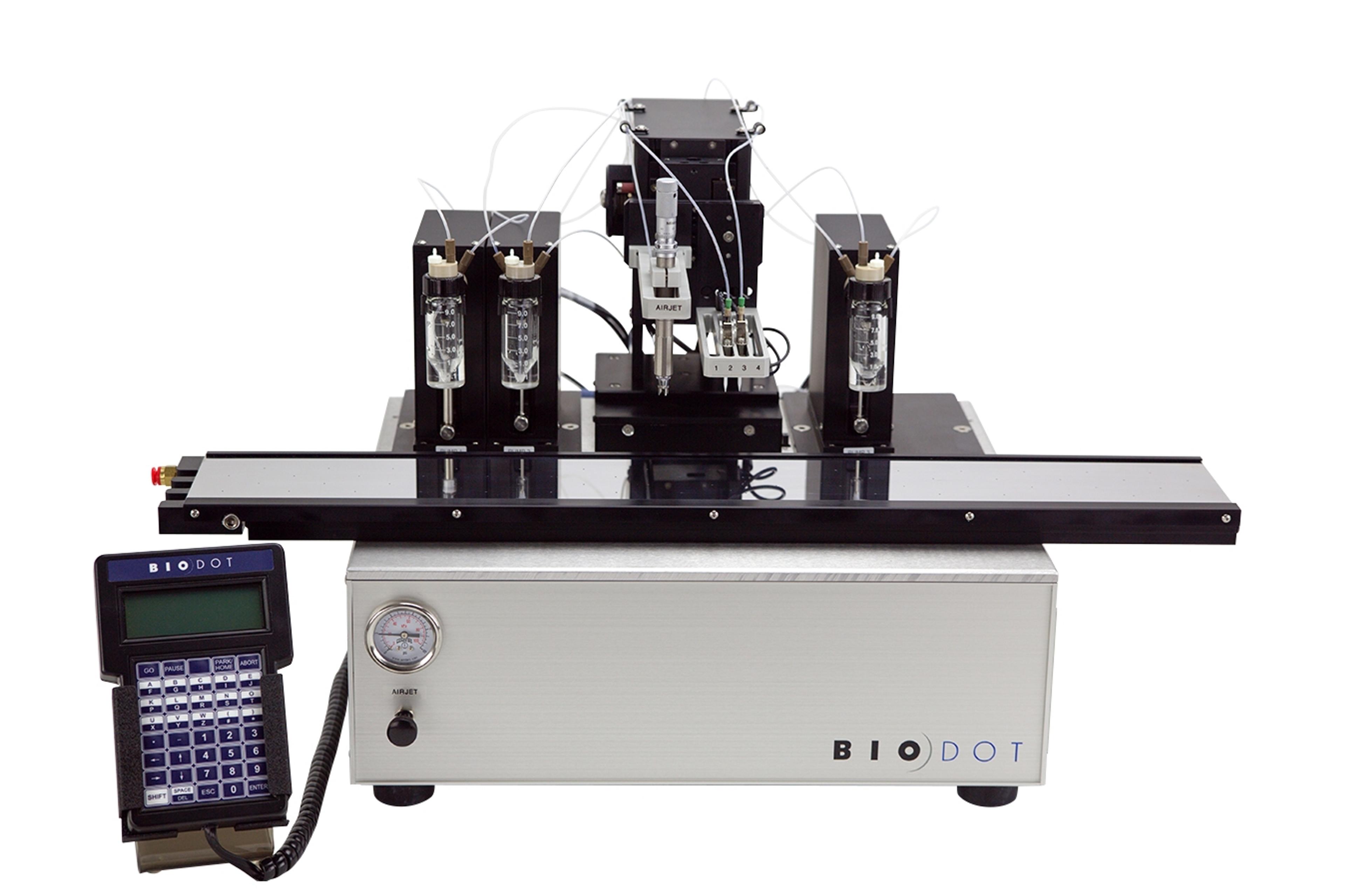
The ZX1010 platform can be configured with a maximum of 4 AirJet HR, 4 BioJet HR, 4 FrontLine HR, or 4 PolyDrop dispensers. Dispensers are sold separately so each machine can be customized to meet the application needs.

0.0/5.0
|0 Reviews

CellWriter 480

BioDot Inc.

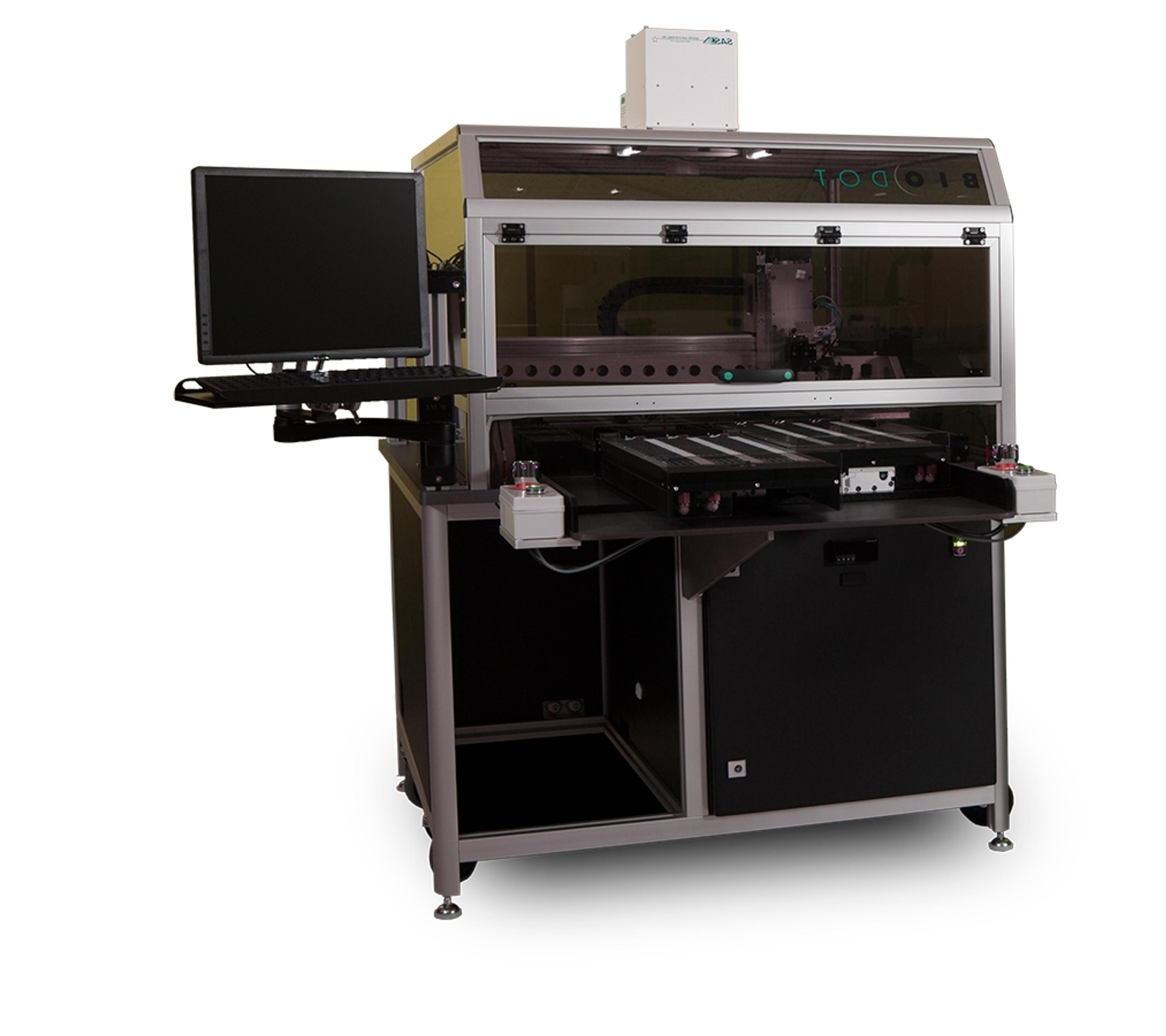
The dropping process has remained a highly manual technique for years, leaving an automation void between harvesters and microscopes. CellWriter now completes the continuum, by automating the dropping process to deliver quality spread interphase and metaphase nuclei for analysis.The CellWriter 480 is a robotic workstation that produces slides for both Karyotyping and FISH. By integrating BioDot’s nanoliter dispenser (BioJet™)…

0.0/5.0
|0 Reviews

ProteoPlexâ„¢ 16-well Human Cytokine Array Kit

Merck

The ProteoPlex™ 16-Well Human Cytokine Array Kit is designed for multiplex detection and measurement of 12 important human cytokines in parallel from up to 15 experimental samples. The combination of advanced surface chemistry, well-characterized capture agents, and a highly-sensitive fluorescence-based detection system provides a robust method for comparing relative cytokine abundance or cytokine quantification in serum sampl…

0.0/5.0
|0 Reviews

GST and 6HIS tag check kits

Cisbio Bioassays

An easy way to assess tag accessibilityThe production of fusion proteins often raises the issues not only of their structural integrity after isolation, but also of the accessibility of the associated tag. In the case of GST or 6HIS tagged proteins, this verification can be achieved with HTRF® GST and 6HIS check kits. These two assays are competitive immunoassays in which the anti-GST or anti-6HIS Cryptate conjugates bind dire…

0.0/5.0
|0 Reviews

Cortisol assay kit

Cisbio Bioassays

A rapid and sensitive homogeneous assay for cortisol assessmentThe HTRF® cortisol assay can be used for the quantification of cortisol in rodent serum, or directly on cells. This assay has also been validated for 11-beta HSD1 screening on whole cells or microsomes.The assay requires only 2 reagent additions, followed by an incubation period of 2 hours at room temperature. It has a detection limit of 70 pg/mL (e.g. 2 fmol/well…

0.0/5.0
|0 Reviews

Cryptate labeling kit

Cisbio Bioassays

A straightforward tool for biomolecular labeling with Europium cryptateThe Cryptate labeling kit includes all the necessary materials to allow rapid Cryptate labeling of various biomolecules and purification. The labeling reagent Eu3+-TBP-NHS Cryptate is suitable for labeling peptides, proteins, and oligonucleotides, as well as small molecules containing amino groups (N-terminus or lysine residues). The labeling procedure requ…

0.0/5.0
|0 Reviews