ProductsLab Automation
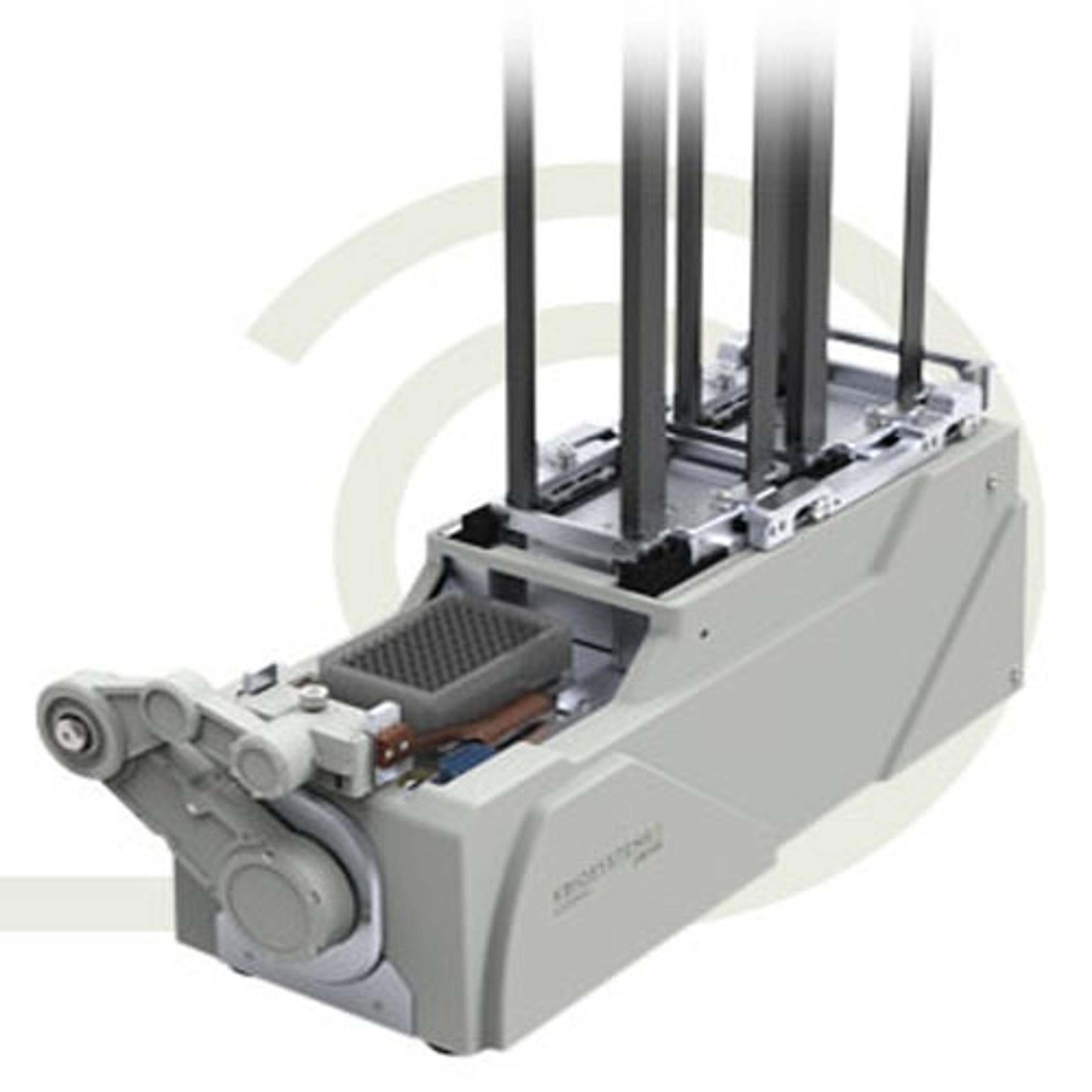
Scorpion SBS plate handler
KbiosystemsThe Scorpion range offers the user the ability to step up to automated plate handling with a number of OEM liquid handling systems.

The Scorpion range offers the user the ability to step up to automated plate handling with a number of OEM liquid handling systems.
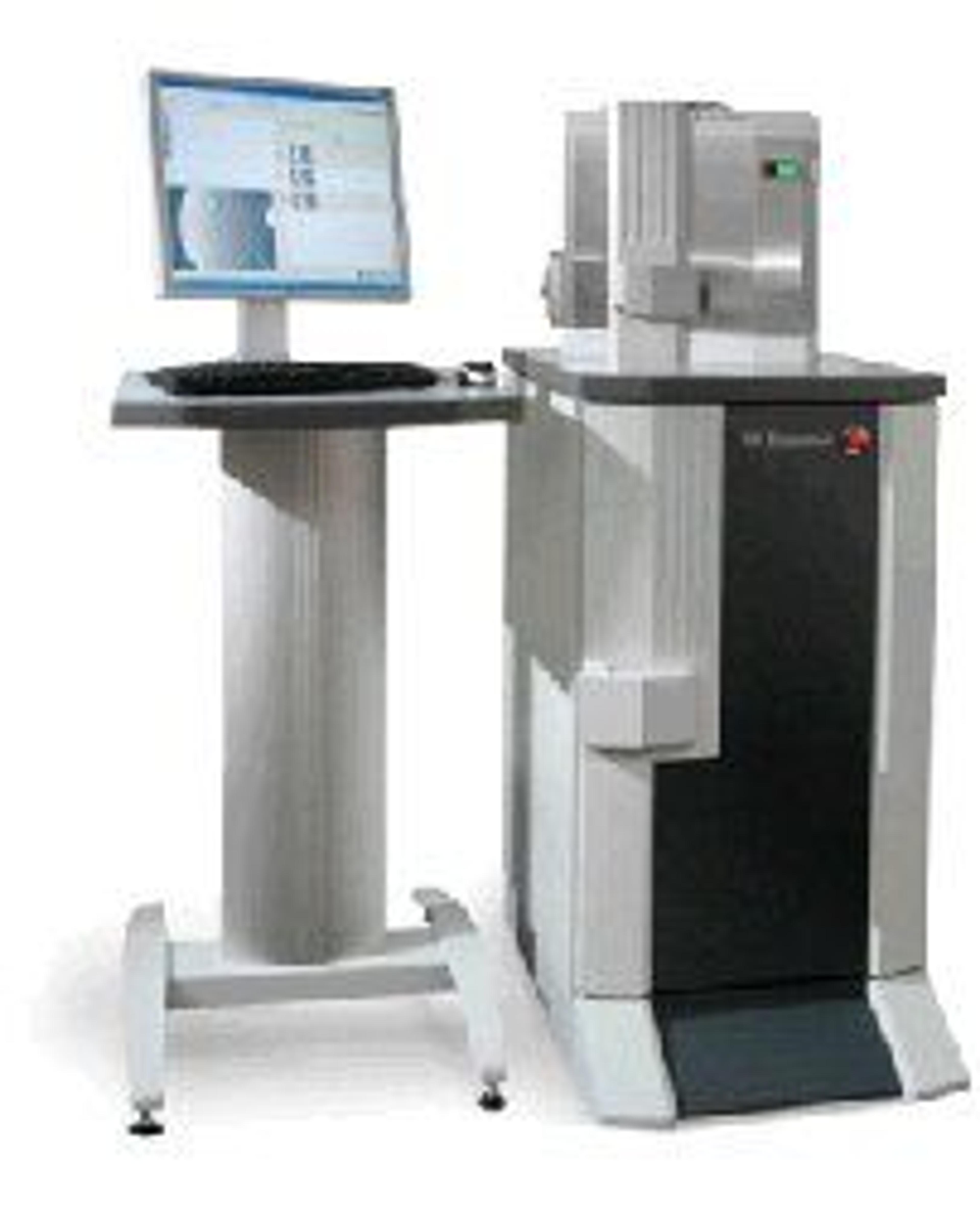
The PX Scanner is the revolutionary new product from Oxford Diffraction which has been designed specifically for the identification and analysis of protein crystals in situ within multi-well crystallisation plates. The PX Scanner is unique, having both an optical and an X-ray imager in one system. The optical imaging component allows the user to visually locate and select objects for X-ray analysis. Accepting a wide range of c…
Ideal for small scale in vitro applications, screening DsiRNA duplex pricing includes affinity purification.
Trifectin is a proprietary cationic lipid formulation that has been optimized for delivery of IDT’s Dicer-Substrate siRNAs into a wide variety of cell types with minimal toxicity.
EZ4U-Cell Proliferation & Cytotoxicity Assay
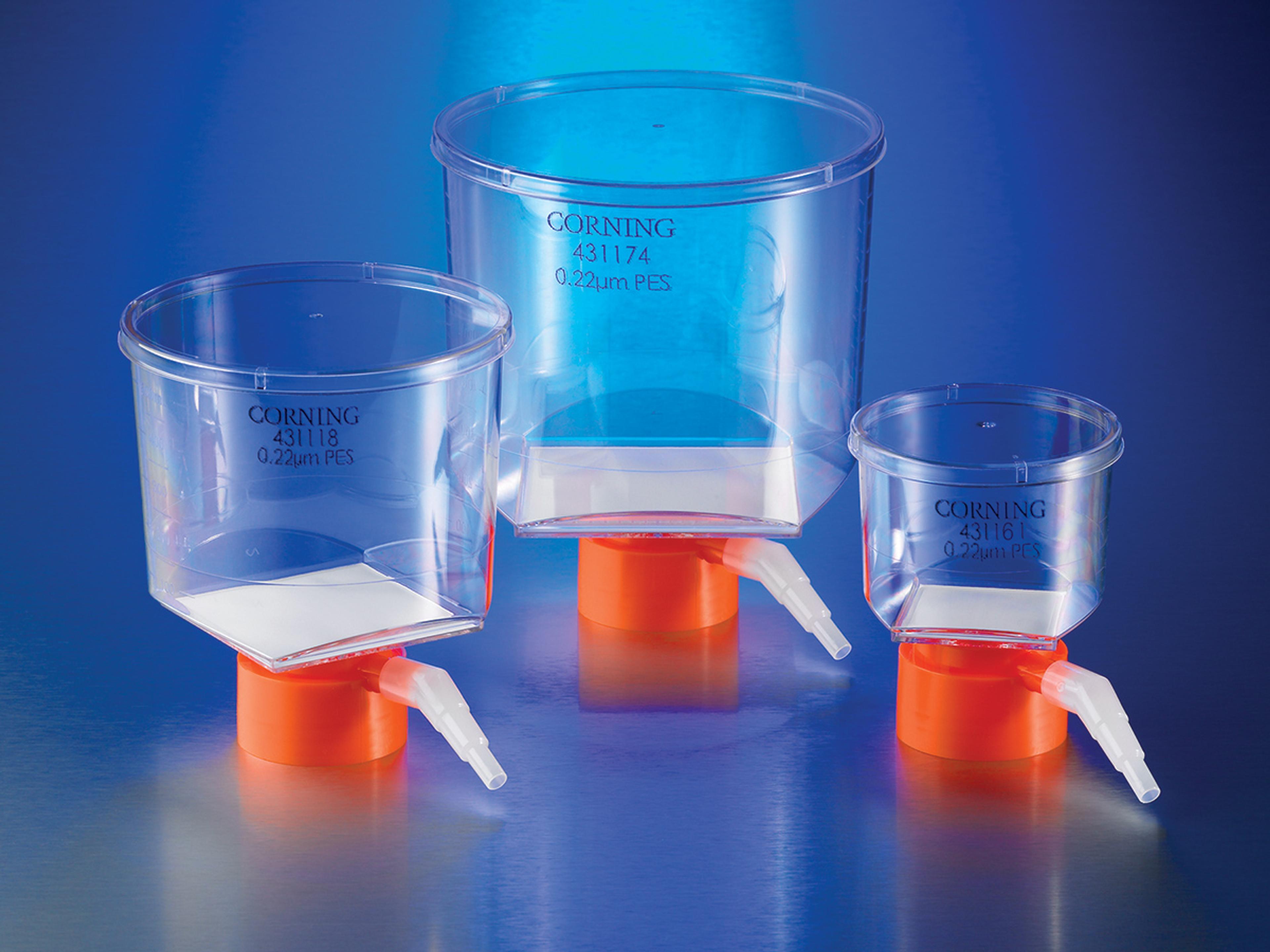
Fits plastic or glass media bottles with 33mm neck sizes. Cellulose acetate (CA) membranes provide fast flow rates and low protein binding and are good for filtering cell culture media. Angled hose connector simplifies vacuum line attachment. Individually packaged, sterile and certified nonpyrogenic. Each system has the membrane material and pore size printed on the unit and is color-coded by membrane type for easy produ…
Feature uniform skirt heights for greater robotic gripping surface Solvent resistant polypropylene provides compatibility with many common organic solvents (e.g., DMSO, ethanol, methanol) Certified DNase- and RNase-free Total volume is 500 µL
The Atlas Turbidity System is designed for chemists who are interested in monitoring or controlling crystallizations, emulsions, suspensions, etc. The Atlas allows turbidity to be examined and modified by controlling temperature and/or additions to the vessel. Data is displayed on the Atlas Base and can be plotted in real time using the software.
Source: UCSC Build: HG18, NCBI 36 Probe Length: 60mer Median Probe Spacing: 1169bp Platform: HD2 Probes per Array: 2,100,000 Feature Size: 13μm x 13μm Array Dimensions: 62mm x 14mm Overall Slide Dimensions: 1" x 3" (25 x 75mm) Recommended Storage: Store arrays desiccated at room temperature.
Kit includes OpenArray® Endpoint Analysis Software CD and user’s manual. Compatible with the NT Imager or NT Cycler.
Customer-owned TaqMan® assays reformatted on OpenArray® plates. Plates must be ordered in multiples of 10. Minimum order is 10 plates. Kit includes: Cases, Immersion Fluid, Case Sealing Glue and Plate-File CD.
Real-Time qPCR assays for kinases and related genes reformatted onto an OpenArray plate. Kit includes: OpenArray plate, Real-Time qPCR Case, Immersion Fluid, Frame Adhesive and Plate-File CD.
OpenArray® Pathways are ready-to-use gene panels containing pre-validated real-time qPCR assays. The plates have over 600 assays each and are compatible with multiple sample types. Panels are currently avaliable with human or mouse genes. New panels are continually under development. Check back for updates. Real-Time qPCR assays for ADME and related genes reformatted onto an OpenArray plate. Kit includes: OpenArray plate, Real…
OpenArray® Pathways are ready-to-use gene panels containing pre-validated real-time qPCR assays. The plates have over 600 assays each and are compatible with multiple sample types. Panels are currently avaliable with human or mouse genes. New panels are continually under development. Check back for updates. Real-Time qPCR assays for Apoptosis and related genes reformatted onto an OpenArray plate. Kit includes: OpenArray plate,…
OpenArray® Pathways are ready-to-use gene panels containing pre-validated real-time qPCR assays. The plates have over 600 assays each and are compatible with multiple sample types. Panels are currently avaliable with human or mouse genes. New panels are continually under development. Check back for updates. Real-Time qPCR assays for Cancer and related genes reformatted onto an OpenArray plate. Kit includes: OpenArray plate, Re…
OpenArray® Pathways are ready-to-use gene panels containing pre-validated real-time qPCR assays. The plates have over 600 assays each and are compatible with multiple sample types. Panels are currently avaliable with human or mouse genes. New panels are continually under development. Check back for updates. Real-Time qPCR assays for Cardiovascular Disease and related genes reformatted onto an OpenArray plate. Kit includes: Ope…
OpenArray® Pathways are ready-to-use gene panels containing pre-validated real-time qPCR assays. The plates have over 600 assays each and are compatible with multiple sample types. Panels are currently avaliable with human or mouse genes. New panels are continually under development. Check back for updates. Real-Time qPCR assays for Inflammation and related genes reformatted onto an OpenArray plate. Kit includes: OpenArray pla…
Real-Time qPCR assays for Signal Transduction and related genes reformatted onto an OpenArray plate. Kit includes: OpenArray plate, Real-Time qPCR Case, Immersion Fluid, Frame Adhesive and Plate-File CD.
An acetyl-biotinylated substrate recognized by a Eu3+ anti-acetyl MAb and SA-XL665, which is used in activator screening or to test an High Throughput SIRT1 inhibitor. The level of enzymatic activity is inversely proportional to the amount of signal produced in the system. For more information please visit Cisbio Bioassays website.
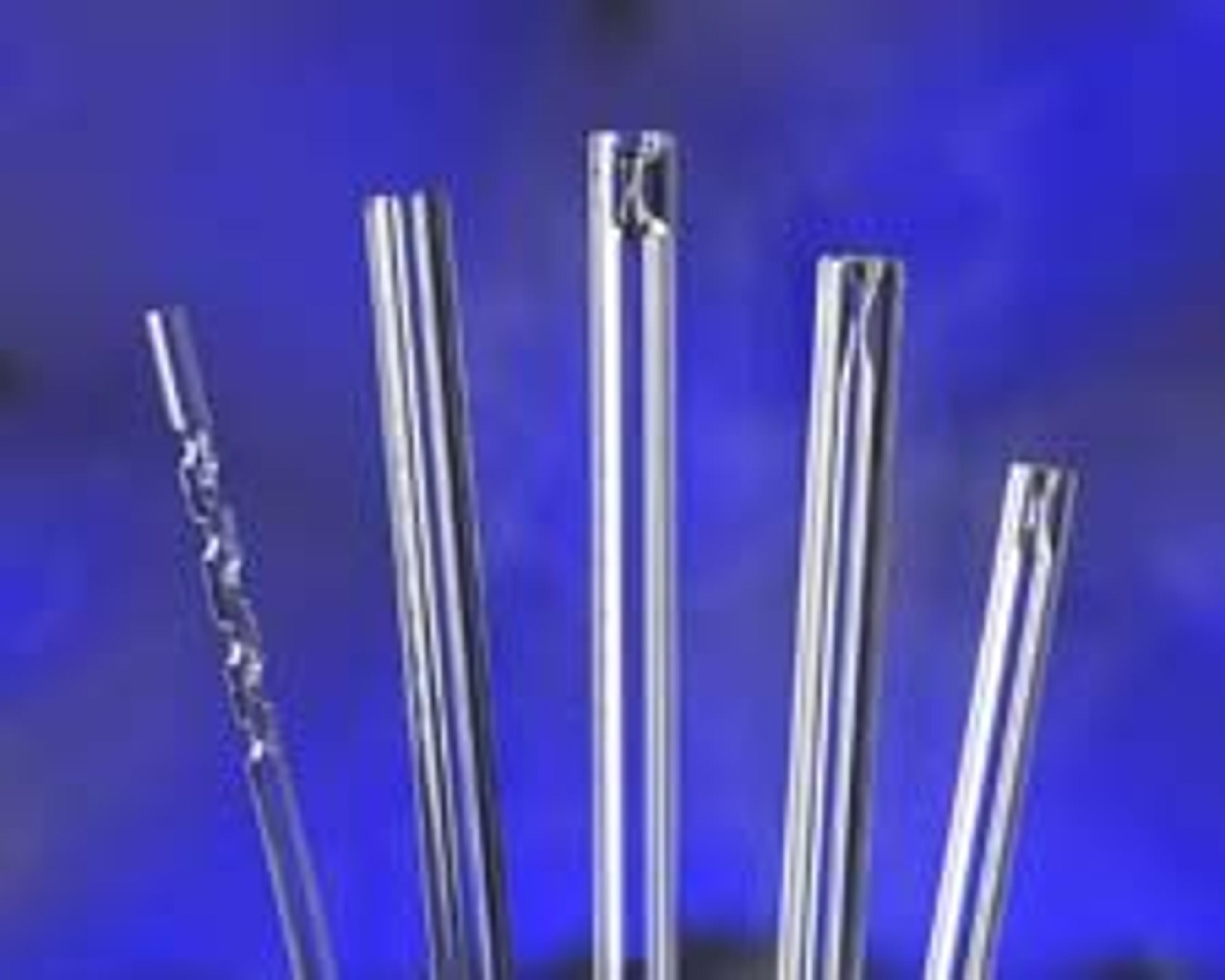
Reduced breakdown liners Our improved injection port liner reduces breakdown of endrin and DDT during injections while increasing the interval between liner changes. The problem DDT and Endrin are easily degraded in the injection port; with non-deactivated liners and those filled with non-deactivated glass wool, Endrin breakdown can be as high as 98%. EPA method 8081A states "If degradation of either DDT or Endrin exceeds 15%,…
Ambion Anti-miR™ miRNA Inhibitors are chemically-modified, single-stranded nucleic acids designed to specifically bind to and inhibit endogenous miRNA molecules. These ready-to-use inhibitors can be introduced into cells using transfection or electroporation parameters similar to those used for siRNAs, and enable detailed study of miRNA biological effects.