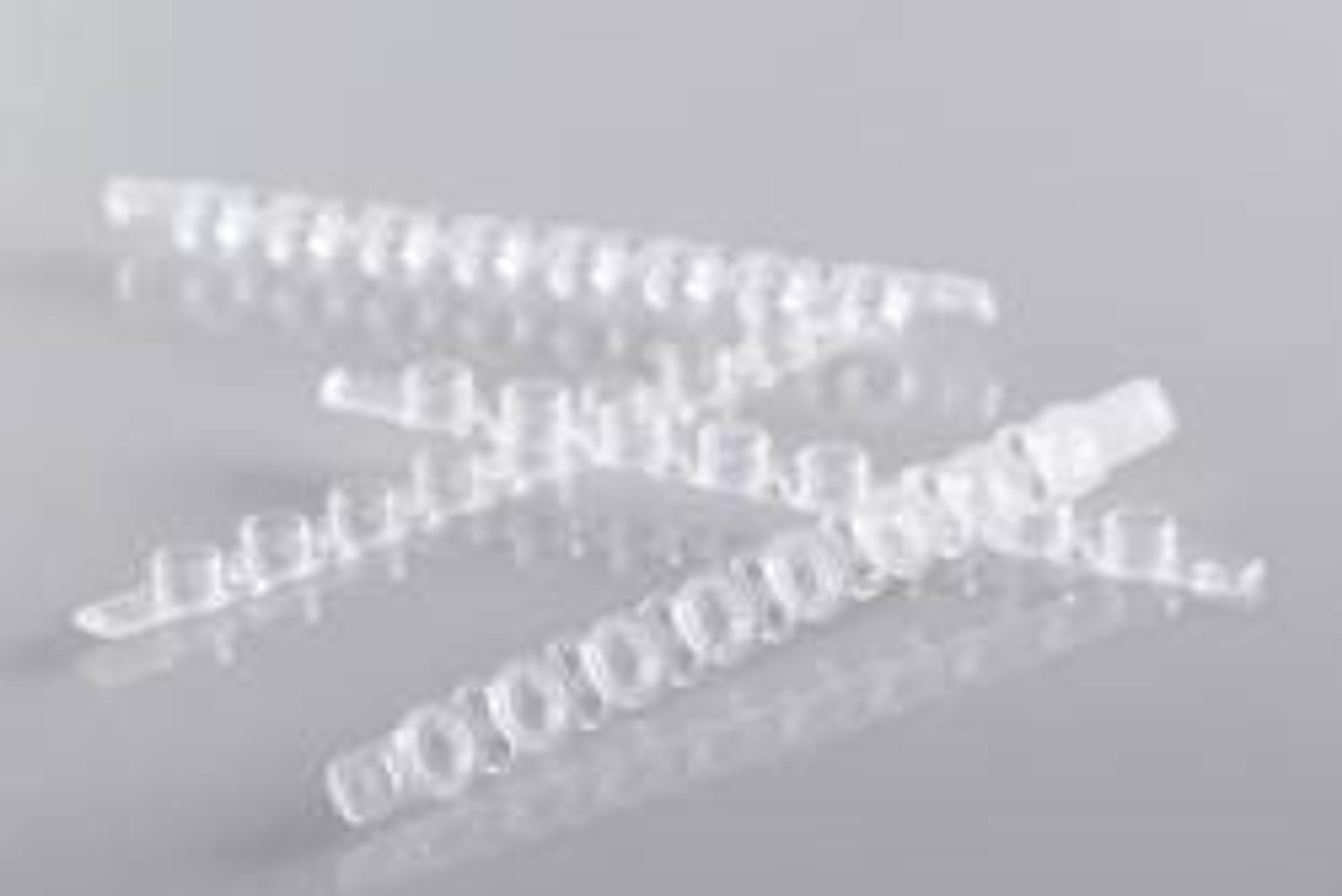
Thermo Scienitific PCR Cap Strips
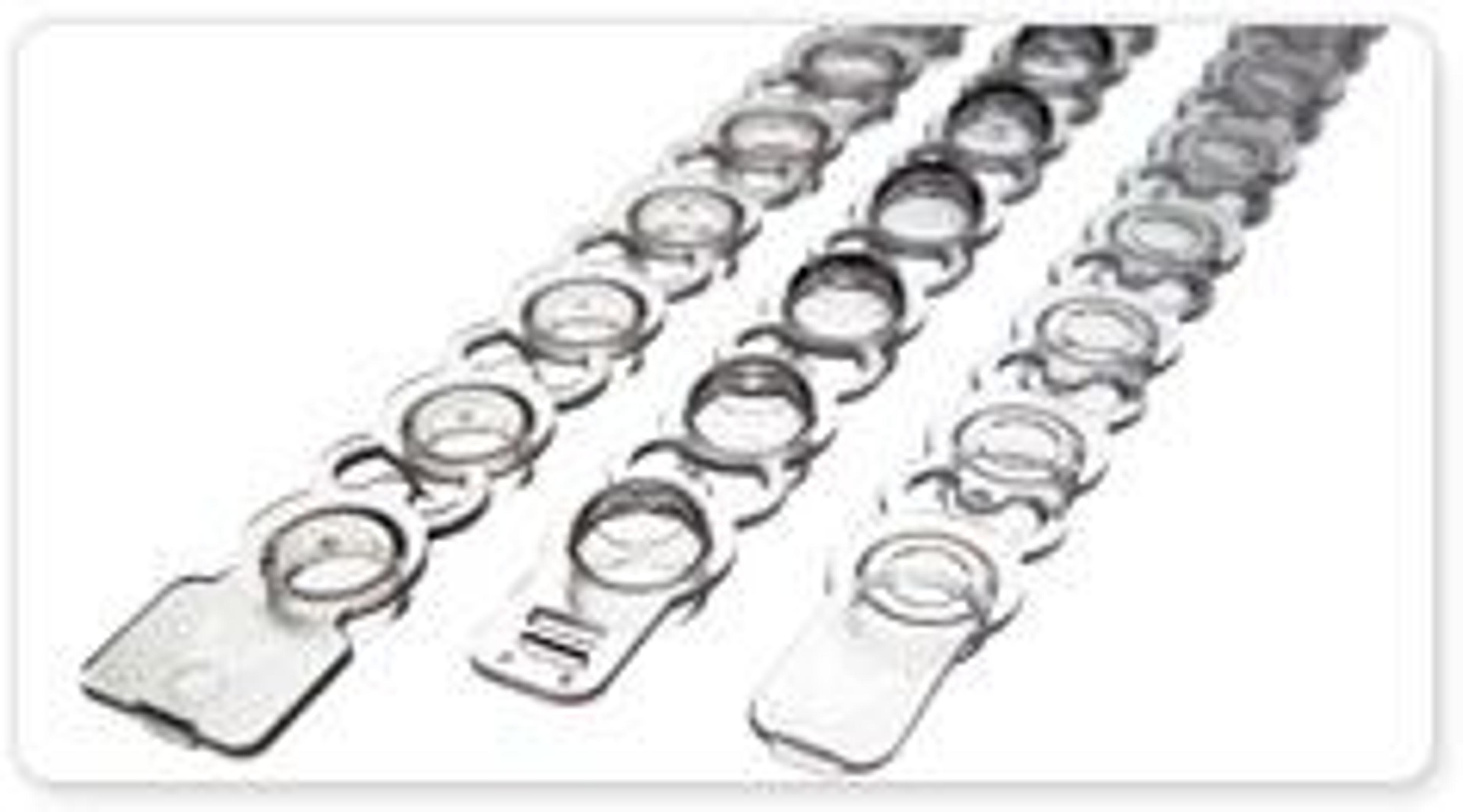
Thermo Fisher ScientificDomed and flat cap strips. Also ultra-clear caps for qPCR.

Domed and flat cap strips. Also ultra-clear caps for qPCR.
All our sealing products are designed to provide the ultimate protection while also being easy to use. Thermo Scientific qPCR sealing options are optically clear to deliver maximum and consistent signal transmission, critical for accurate qPCR results. Thermo Scientific Ultra Clear qPCR Cap Strips have a highly polished flat surface, providing an optically clear window. The caps are molded from a specially formulated polypropy…
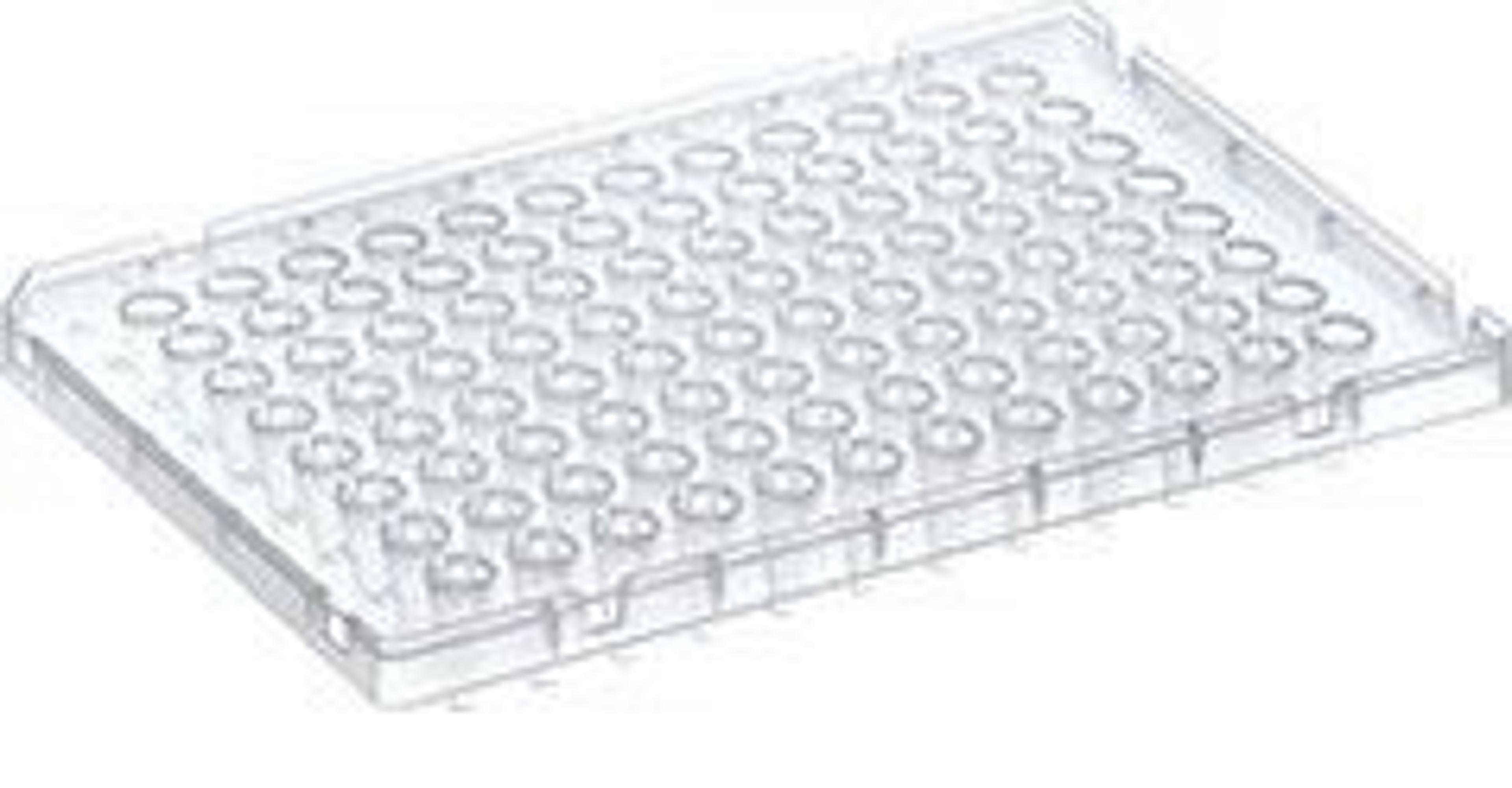
The Thermo Scientific Separation Plate can be used for gel filtration applications (eg. dye terminator removal) when a suitable matrix is added. Features • 96 wells containing polyethylene frits, pore size of 30–45µm • 0.6ml well volume • Ready-to-use microplate format • Suitable for centrifugation
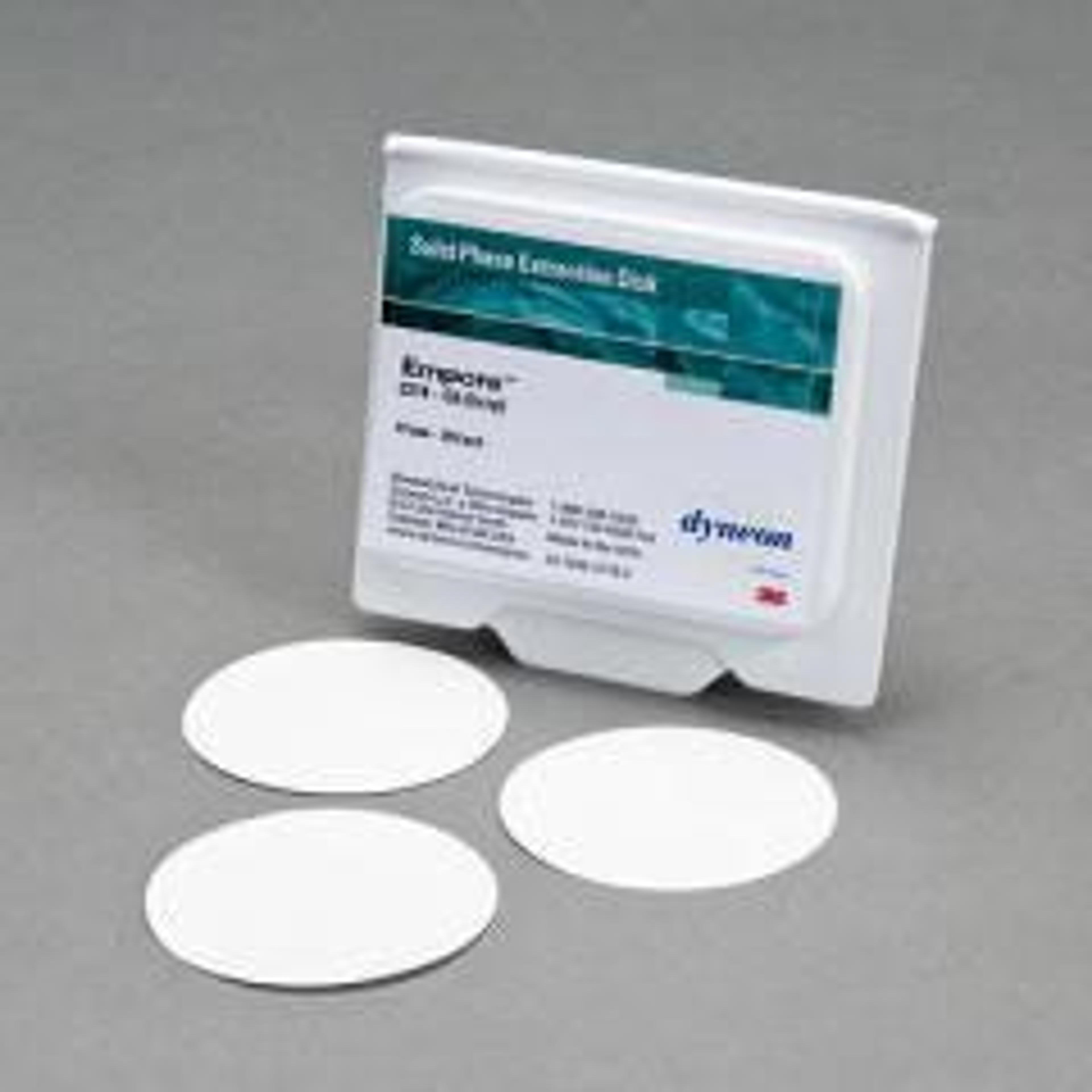
Commonly used for the solid phase extraction of analytes from complex sample matrices. A variety of functional groups, such as octadecyl (C18) and octyl (C8) can be bonded to the silica surface to provide non polar interactions. Each of these sorbents exhibits unique properties of retention and selectivity for a particular analyte. The choice of which sorbent is best for a particular method will be influenced by the percent…
The Thermo Scientific 96-Well Semi-Skirted Plates, Fast Block hold a maximum of 0.1 mL of well volume when used in conjunction with adhesive and heat seals. The plates are directly compatible with all Applied Biosystems thermal cycler fast blocks, no adapters necessary. These semi-skirted low profile thin walled plates feature a raised deck to aid in spill prevention and come with a cut corner at the A1 location. The 96-Well S…
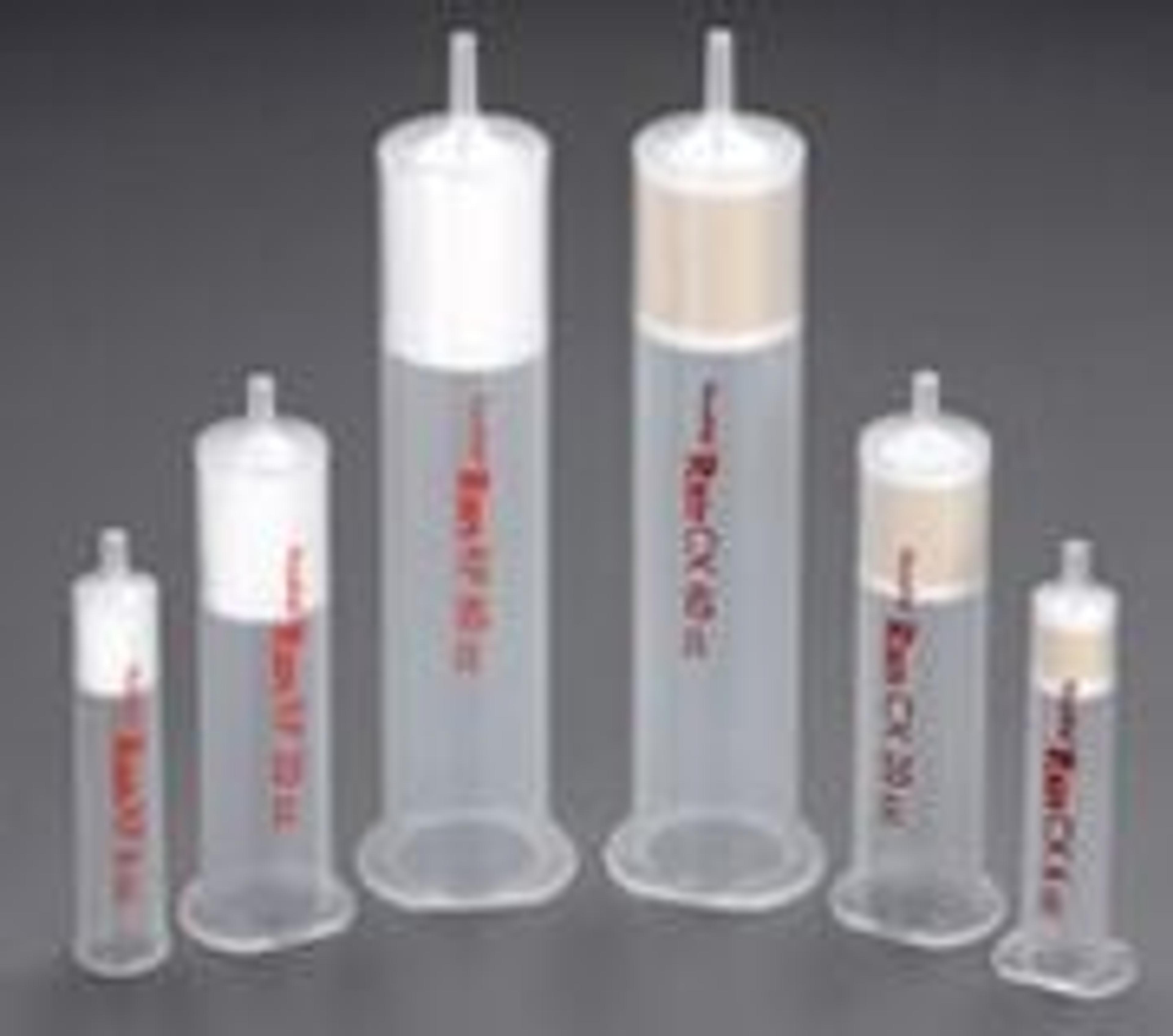
Waters offers PoraPak™ Rxn, a family of polymer-based chromatography products for superior cleanup of synthetic reactions. PoraPak Rxn products are available in two chemistries: PoraPak Rxn CX, a strong cation-exchange sorbent and PoraPak Rxn RP, a reversed-phase sorbent.PoraPak Rxn sorbents are based on copolymers that exhibit the following properties:Hard material that does not develop increasing back pressure with flowLitt…
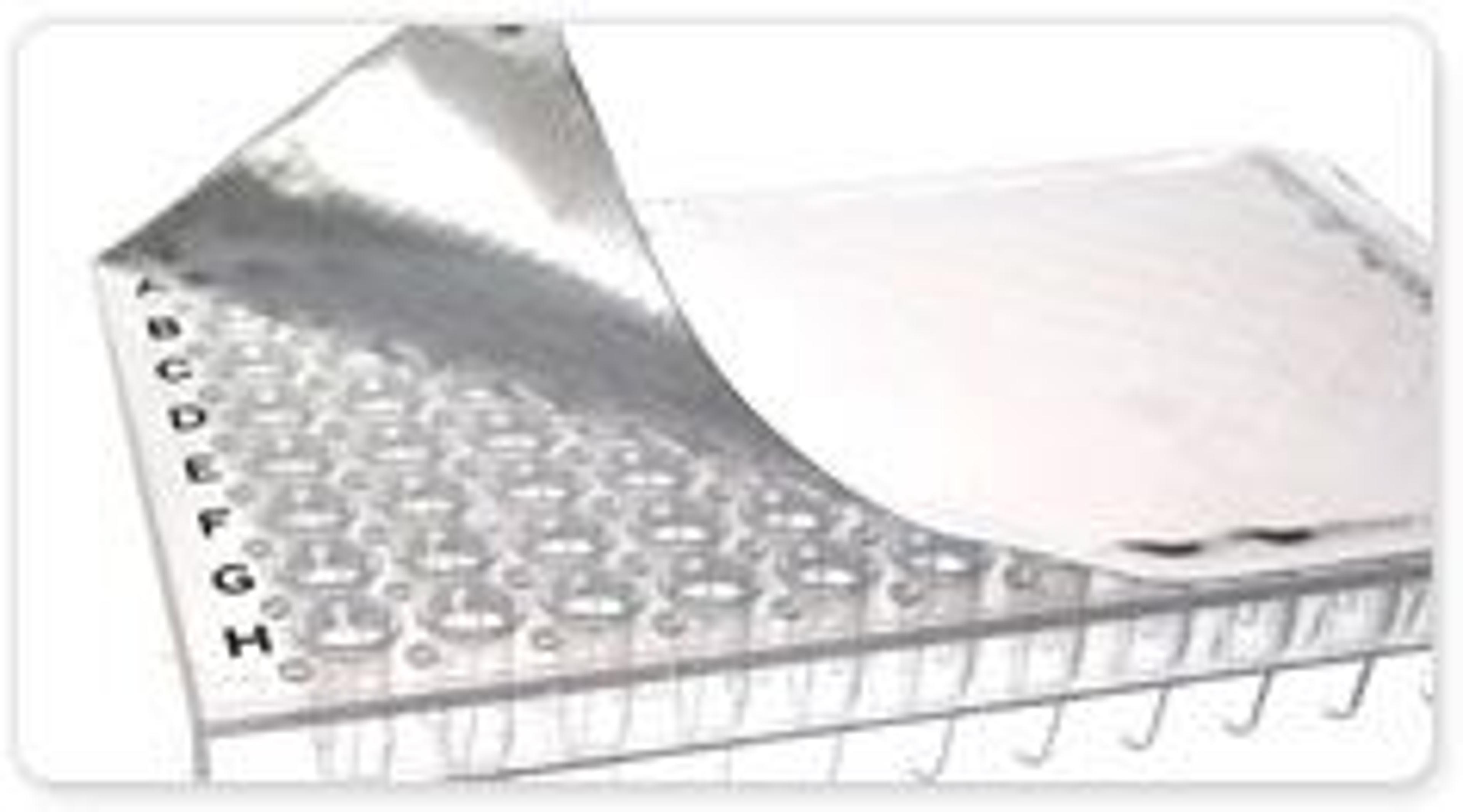
Adhesive film and foils seals for PCR and qPCR plates. Gas permeable seals and crystallography seals. Adhesive PCR Film Seal:Thermo Scientific Adhesive PCR Plate Seals are a reliable method of sealing plates for PCR applications. The high integrity sealing materials give the best protection against evaporation for high efficiency PCR. Highlights • Clear for sample inspection • Strong adhesive prevents evaporation during therm…
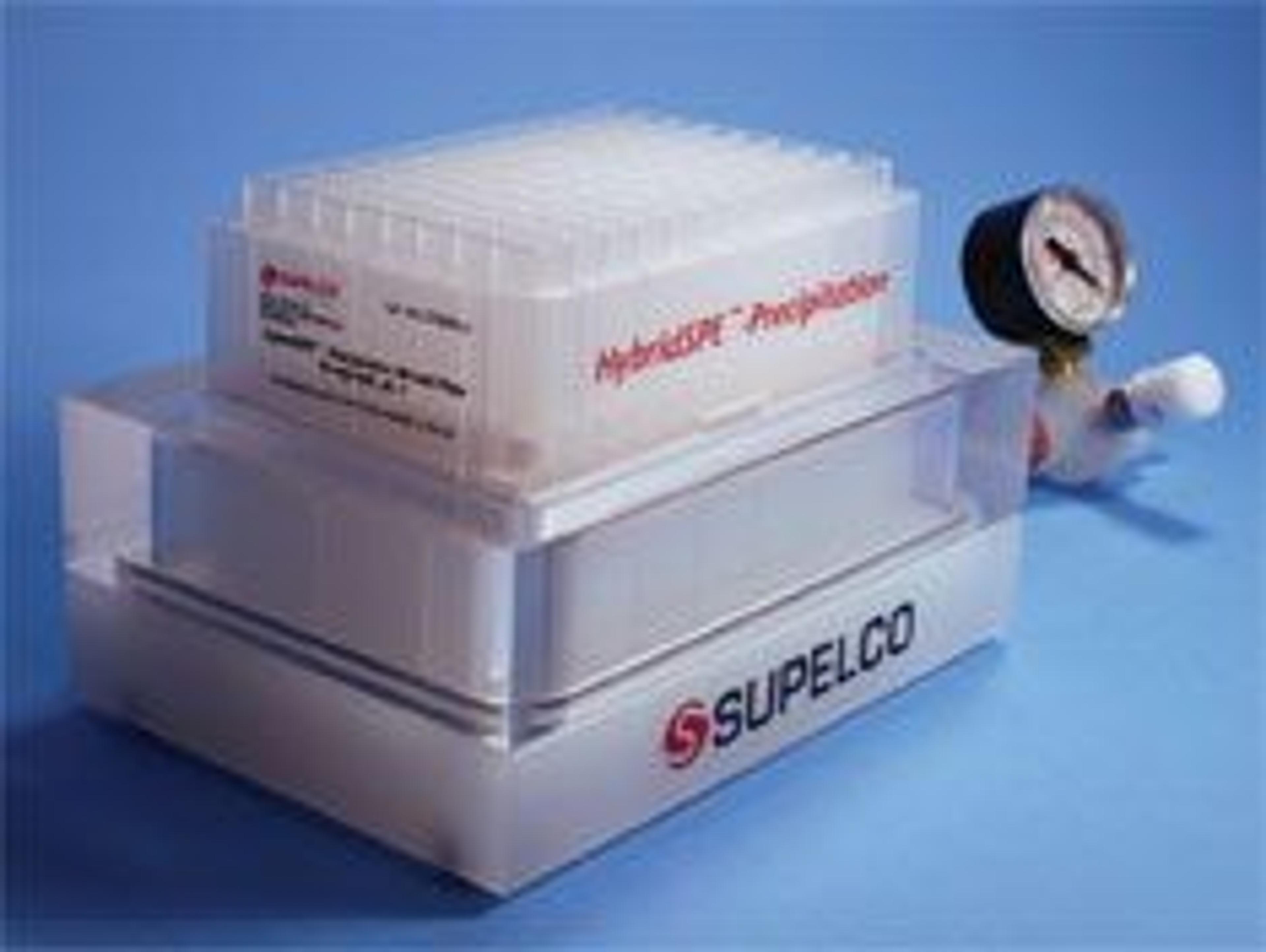
Patent pending HybridSPE – Precipitation (HybridSPE-PPT) technology is a simple and generic sample prep platform designed for the gross level removal of endogenous protein and phospholipid interferences from biological plasma and serum prior to LC-MS or LC-MS/MS analysis. Biological plasma or serum is first subjected to protein precipitation via the addition and mixing of acidified acetonitrile. Precipitated proteins are then…

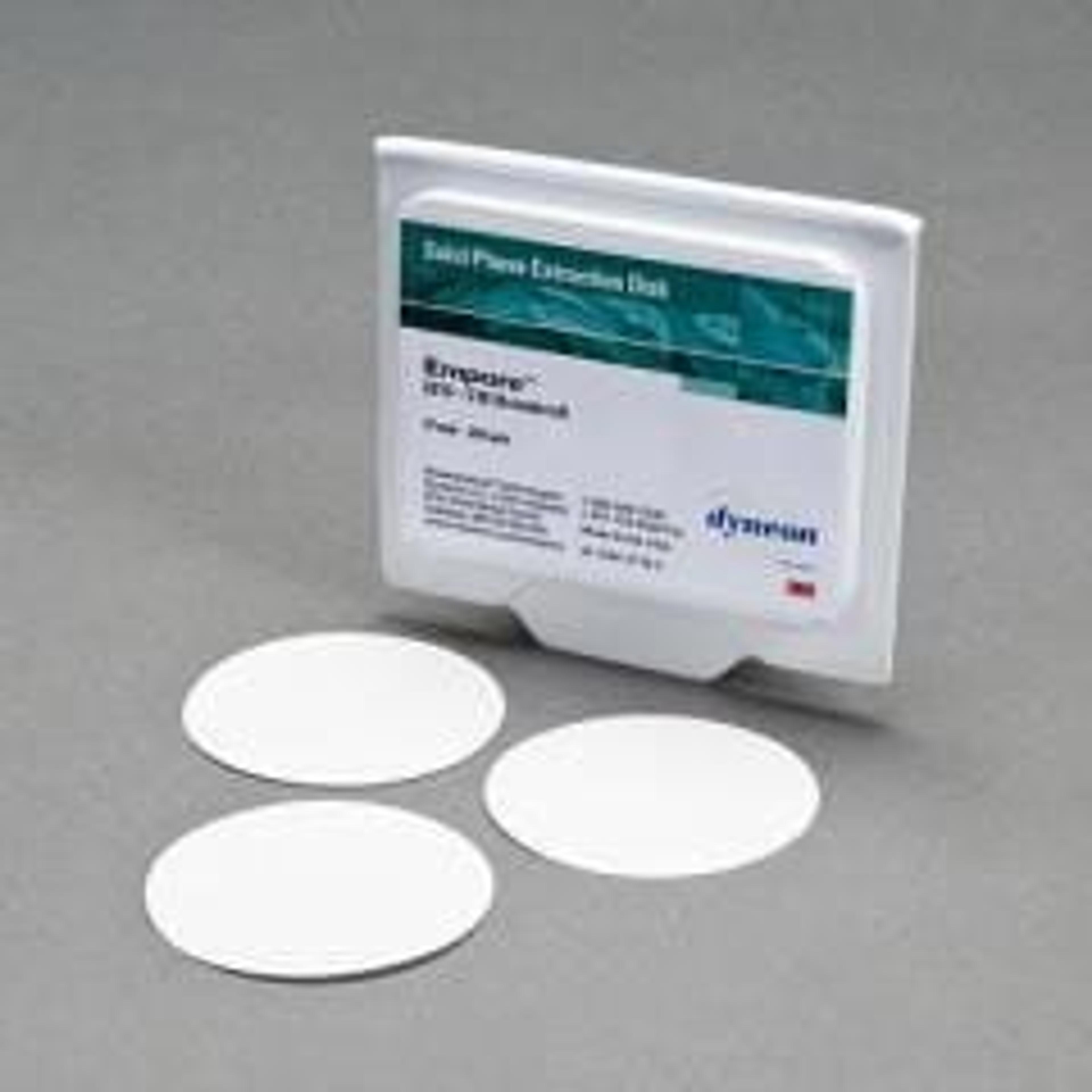
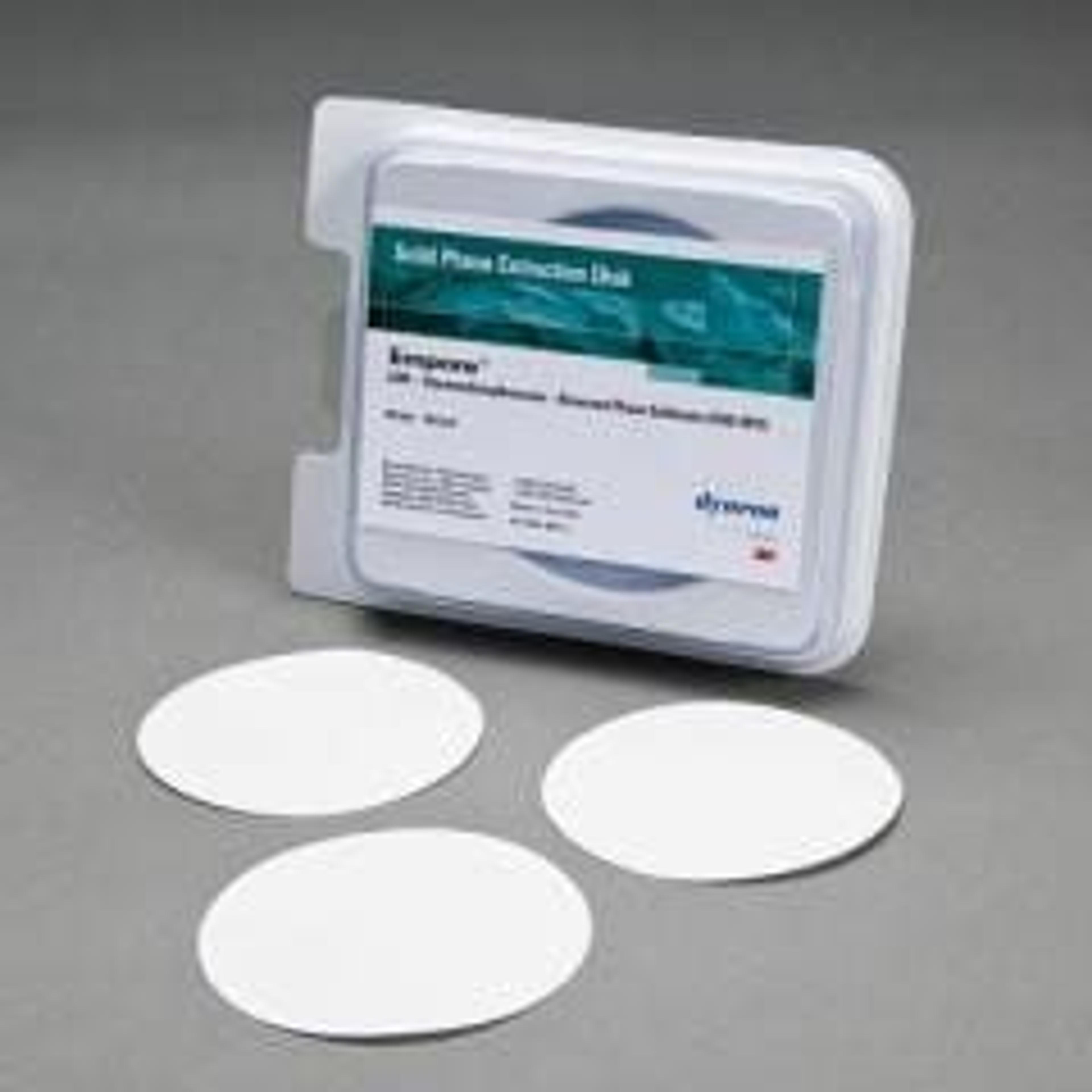
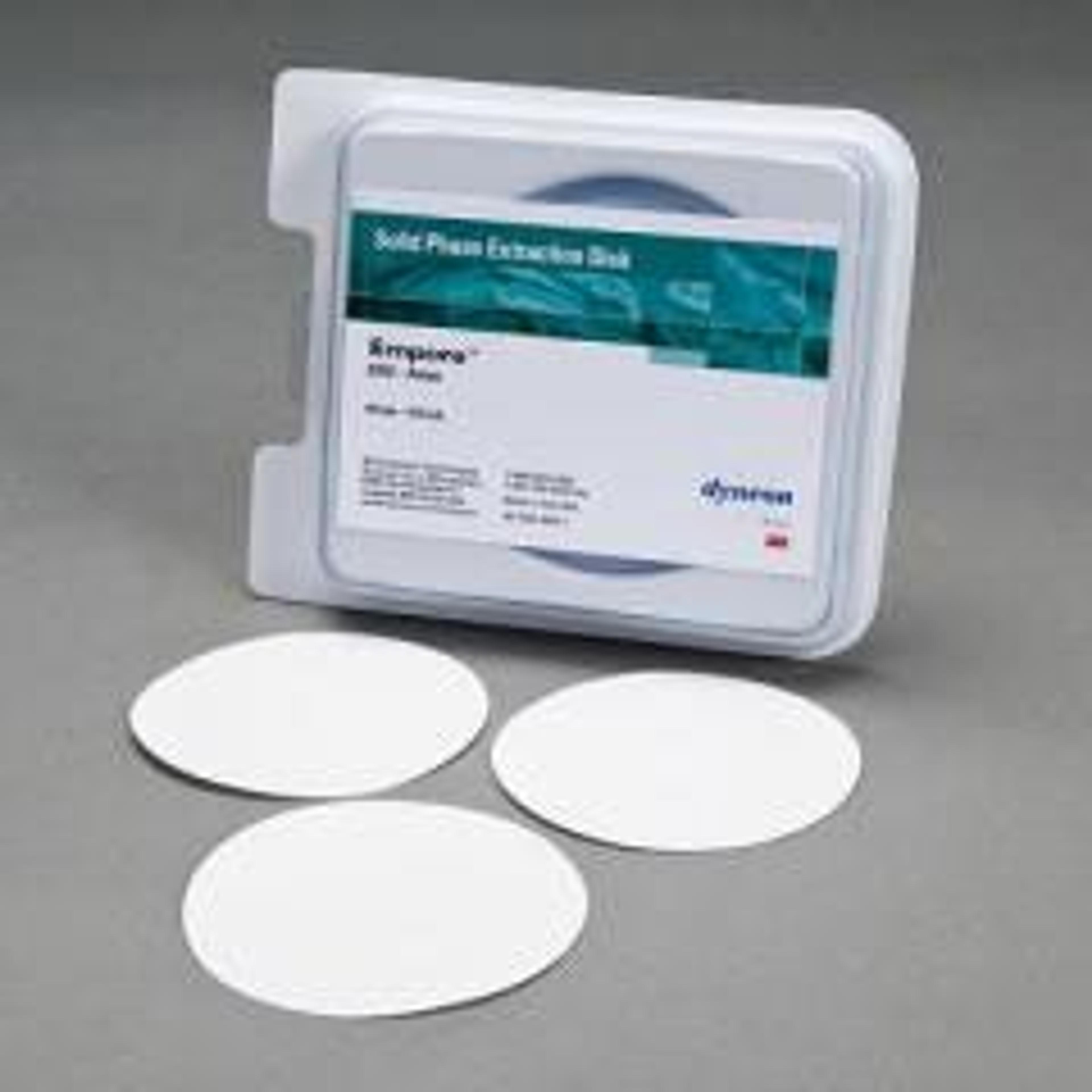
3M Bioanalytical's Empore ci8 47mm Disk - Commonly used for the solid phase extraction of analytes from complex sample matrices. A variety of functional groups, such as octadecyl (C18) and octyl (C8) can be bonded to the silica surface to provide non polar interactions. Each of these sorbents exhibits unique properties of retention and selectivity for a particular analyte. The choice of which sorbent is best for a particu…
SDB-XC is a poly(styrenedivinylbenzene) copolymer used as a reversed phase sorbent for solid phase extraction. SDB-XC is not bonded to silica but is a 100% copolymeric particle that is spherical, porous and cross-linked. It does not exhibit the secondary cationic (silanol) interactions and pH limitations common to bonded silica sorbents, so it offers more predictable and reproducible reversed phase interaction.
SDB-RPS is a poly(styrenedivinylbenzene) copolymer that has been modified with sulfonic acid groups to make it hydrophilic. SDB-RPS is not bonded to silica but is a 100% copolymeric particle that is spherical, porous and cross-linked. The sulfonation imparts unique selectivity for organic analytes that are polar in nature, such as drugs, drug metabolites, water-soluble pesticides and pesticide metabolites. SDB-RPS is also u…
Cation-SR is a poly(styrenedivinylbenzene) copolymer that has been modified with sulfonic acid. Note that Cation-SR is not bonded to silica but is a 100% copolymeric particle that is spherical, porous and cross-linked. The functional group imparts selectivity for cationic analytes, such as primary, secondary and tertiary amines.
3M Bioanalytical Anion-SR is a poly(styrenedivinylbenzene) copolymer that has been modified with quaternary ammonium groups. Note that the 3M Anion-SR is not bonded to silica but is a 100% copolymeric particle that is spherical, porous and cross-linked. The functional group imparts unique selectivity for anionic analytes, such as Endothall, Dalpon and haloacetic acids.
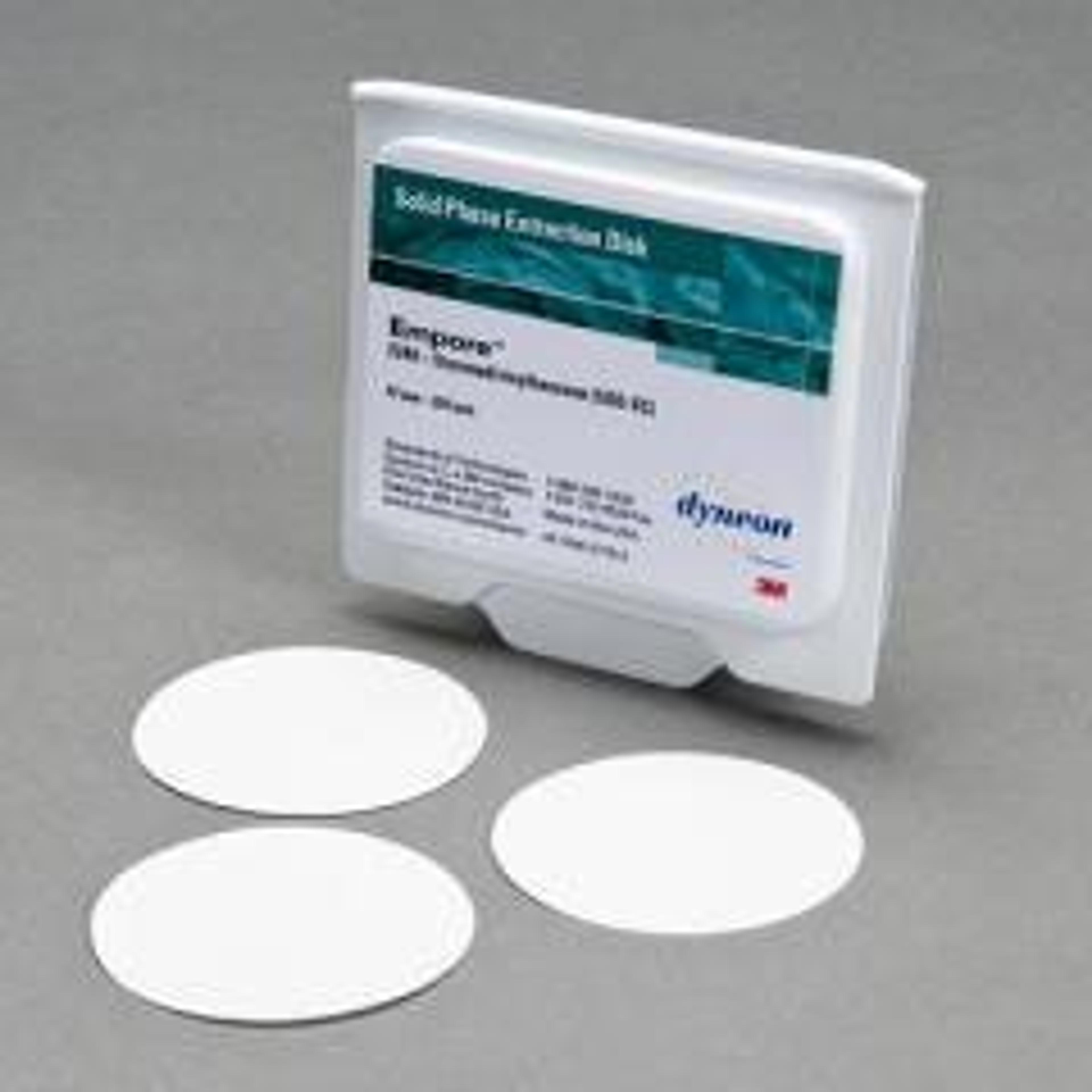
The Oil & Grease Disk was specifically designed for EPA Method 1664 (N-Hexane Extractable Materials (HEM) and Silica Gel Treated N-Hexane Extractable Material (SGT-HEM) by Extraction and Gravimetry). EPA Method 1664 Revision A was approved for use in the United States and published in the Federal Register on May 14, 1999. The Oil & Grease Disk incorporates C18 sorbent particles within a hydrophobic matrix. For EPA Method 166…
Empore™ Chelating Disks provide a way to selectively remove multivalent metal cations from solutions. This selectivity can be used to concentrate metals from a sample for analysis or to isolate and remove metal interferences from a complex organic or inorganic sample matrix. In the latter case, the purified filtrate is ready for use. The chelating disk has an affinity for multivalent (primarily 2+ and 3+) transition element…
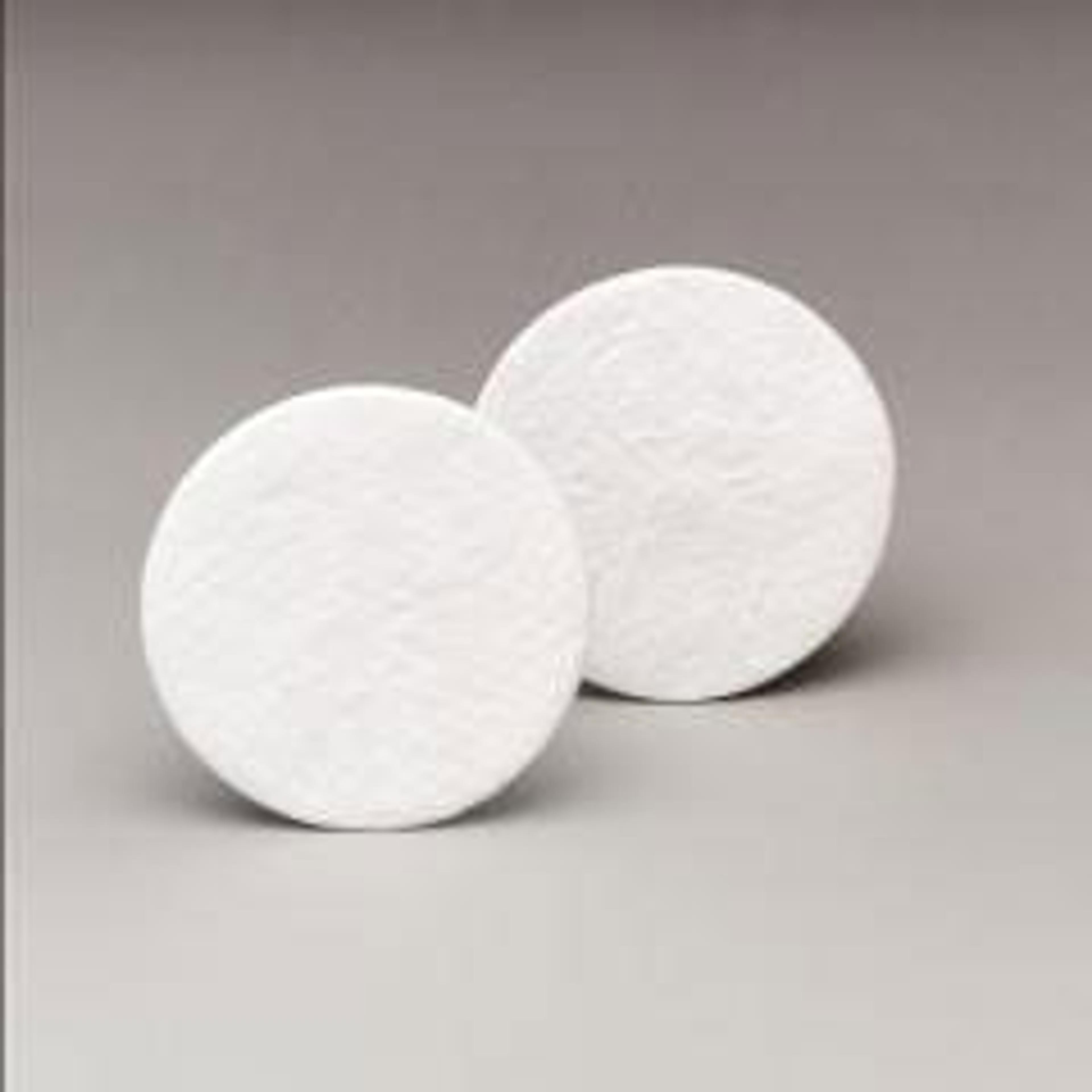
Empore Carbon Disks are designed for the extraction of volatile, highly polar, and water soluble compounds from aqueous solutions. The Empore Carbon Disk provides all the advantages of activated carbon in a compact and thin Empore Disk.
Commonly used for the solid phase extraction of analytes from complex sample matrices. A variety of functional groups, such as octadecyl (C18) and octyl (C8) can be bonded to the silica surface to provide non polar interactions. Each of these sorbents exhibits unique properties of retention and selectivity for a particular analyte. The choice of which sorbent is best for a particular method will be influenced by the percent…
3M bioanalytical's Empore c18 90 Disk-Commonly used for the solid phase extraction of analytes from complex sample matrices. A variety of functional groups, such as octadecyl (C18) and octyl (C8) can be bonded to the silica surface to provide non polar interactions. Each of these sorbents exhibits unique properties of retention and selectivity for a particular analyte. The choice of which sorbent is best for a particular me…
SDB-XC is a poly(styrenedivinylbenzene) copolymer used as a reversed phase sorbent for solid phase extraction. SDB-XC is not bonded to silica but is a 100% copolymeric particle that is spherical, porous and cross-linked. It does not exhibit the secondary cationic (silanol) interactions and pH limitations common to bonded silica sorbents, so it offers more predictable and reproducible reversed phase interaction.
SDB-RPS is a poly(styrenedivinylbenzene) copolymer that has been modified with sulfonic acid groups to make it hydrophilic. SDB-RPS is not bonded to silica but is a 100% copolymeric particle that is spherical, porous and cross-linked. The sulfonation imparts unique selectivity for organic analytes that are polar in nature, such as drugs, drug metabolites, water-soluble pesticides and pesticide metabolites. SDB-RPS is also u…
3M Bioanalytical's Anion-SR is a poly(styrenedivinylbenzene) copolymer that has been modified with quaternary ammonium groups. Note that the 3M Anion-SR is not bonded to silica but is a 100% copolymeric particle that is spherical, porous and cross-linked. The functional group imparts unique selectivity for anionic analytes, such as Endothall, Dalpon and haloacetic acids.
The Oil & Grease Disk was specifically designed for EPA Method 1664 (N-Hexane Extractable Materials (HEM) and Silica Gel Treated N-Hexane Extractable Material (SGT-HEM) by Extraction and Gravimetry). EPA Method 1664 Revision A was approved for use in the United States and published in the Federal Register on May 14, 1999. The Oil & Grease Disk incorporates C18 sorbent particles within a hydrophobic matrix. For EPA Method 16…