ProductsLife Sciences
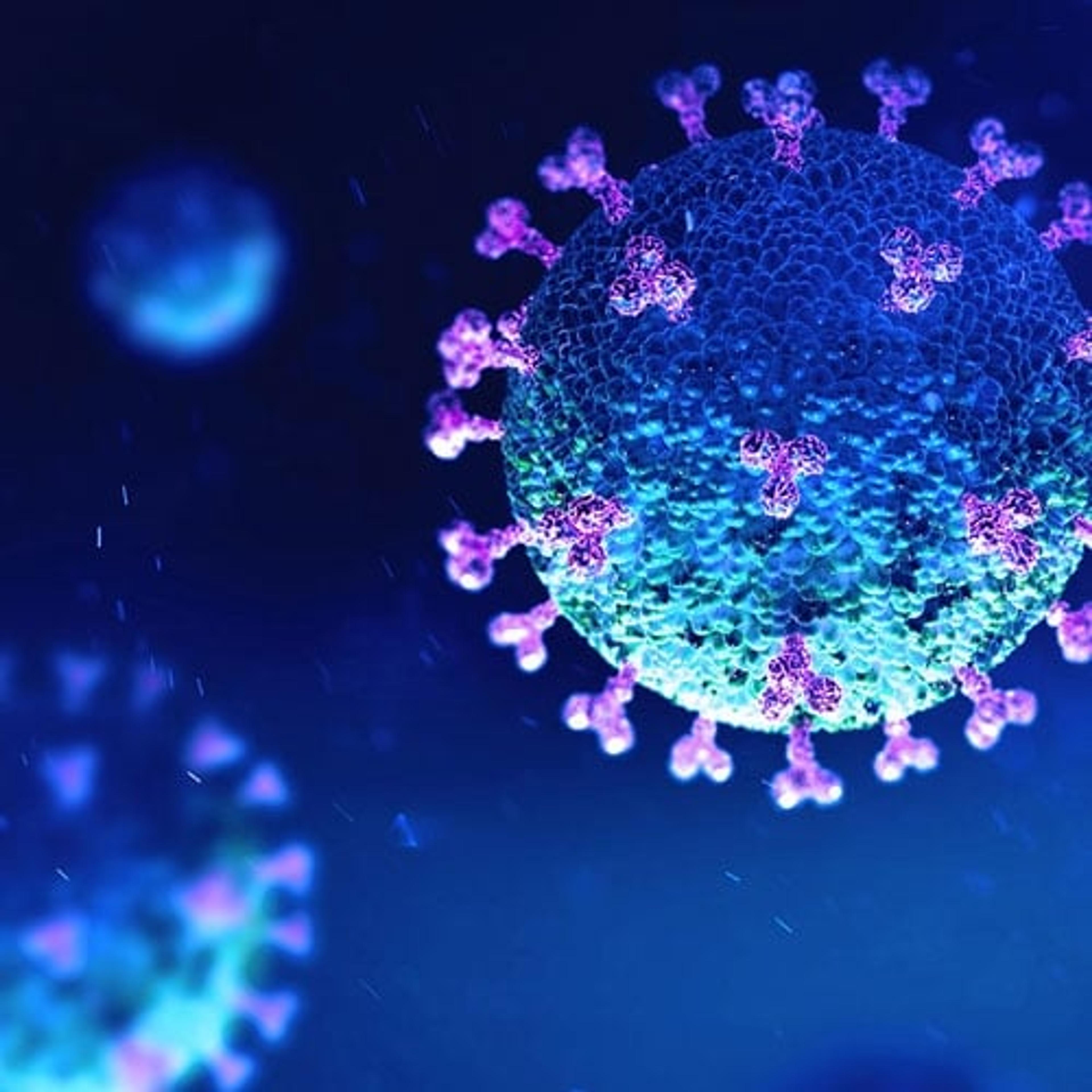
COVID-19, MERS & SARS-CoV, Nucleoprotein Antibody, 1058
MerckCOVID-19, MERS & SARS-CoV, Nucleoprotein Antibody, 1058

COVID-19, MERS & SARS-CoV, Nucleoprotein Antibody, 1058
SARS-CoV-2 Nucleocapsid, clone 504 Monoclonal Antibody (matched pair with clone 502 or 503)
SARS-CoV-2 Nucleocapsid, clone 2A1 Monoclonal Antibody (matched pair with clone 2C1)
SARS-CoV-2 Nucleocapsid, clone 2C1 Monoclonal Antibody (matched pair with clone 2A1)
SARS-CoV-2 Nucleocapsid, clone 4D8 Monoclonal Antibody (matched pair with clone 5B7)
SARS-CoV-2 Nucleocapsid, clone 5B7 Monoclonal Antibody (matched pair with clone 4D8)
SARS-CoV-2 Nucleocapsid,clone 7B3 Monoclonal Antibody (matched pair with clone 5D4)
SARS-CoV-2 Nucleoprotein (aa 1-419) Recombinant Antigen, 613
SARS-CoV-2 Spike (RBD, aa 331-524) Recombinant Antigen
SARS-CoV-2 Spike Protein S1 (aa 1-674) Recombinant Antigen
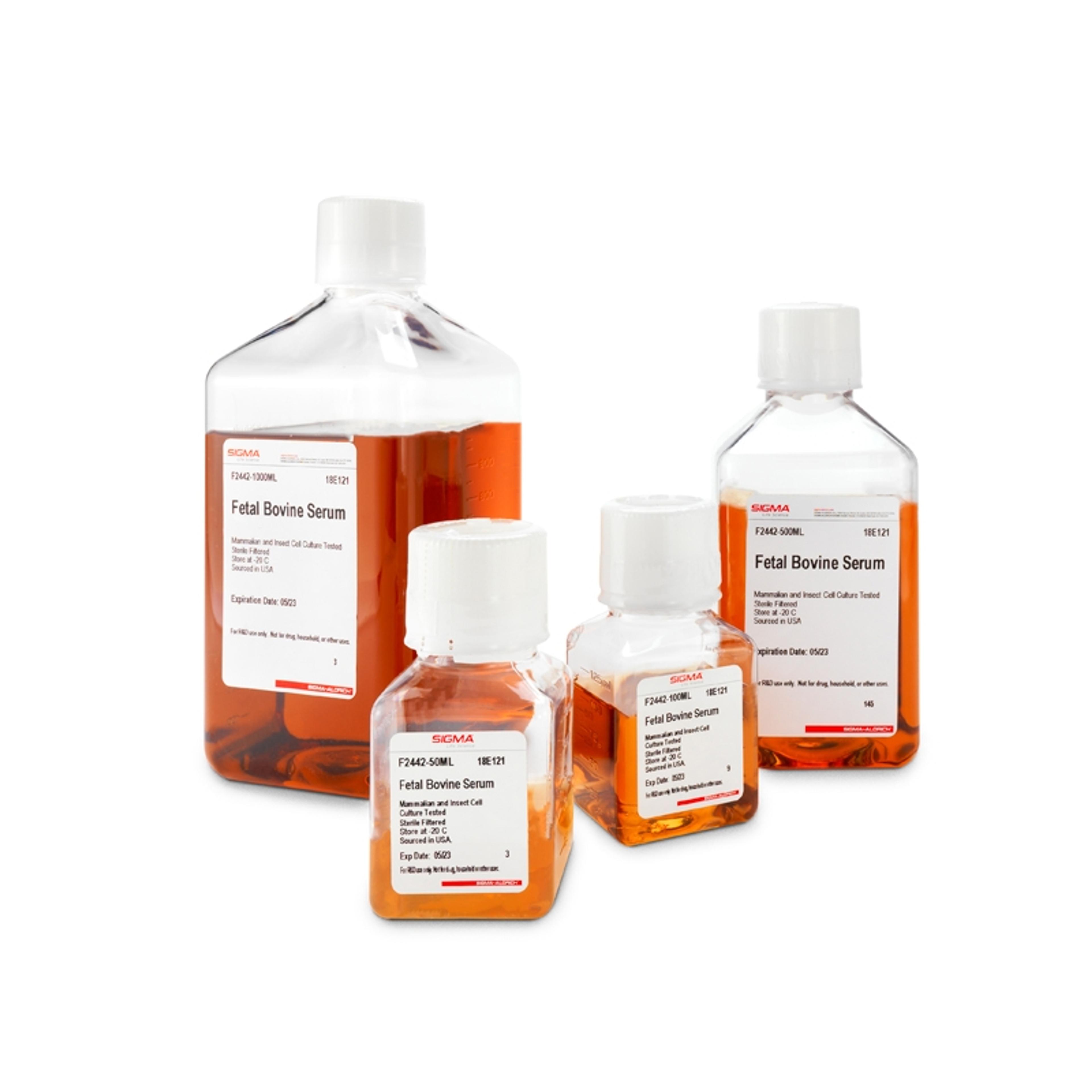
Fetal Bovine Serum (FBS) is the most widely-used growth supplement for cell culture, containing a complex mixture of biomolecules that includes growth factors, proteins, trace elements, vitamins and hormones for cell growth. Our extensive portfolio of FBS enables you to easily select the right FBS for your culture and criteria.
ECMatrix™ laminin substrates for culturing pluripotent stem cells (iPSCs) to promote in vivo–like morphology and simulate a more physiologically relevant environment for better intercellular interactions and better predictive cell models.
Decellularized extracellular matrix (dECM) hydrogels for 2D and 3D cell culture applications.
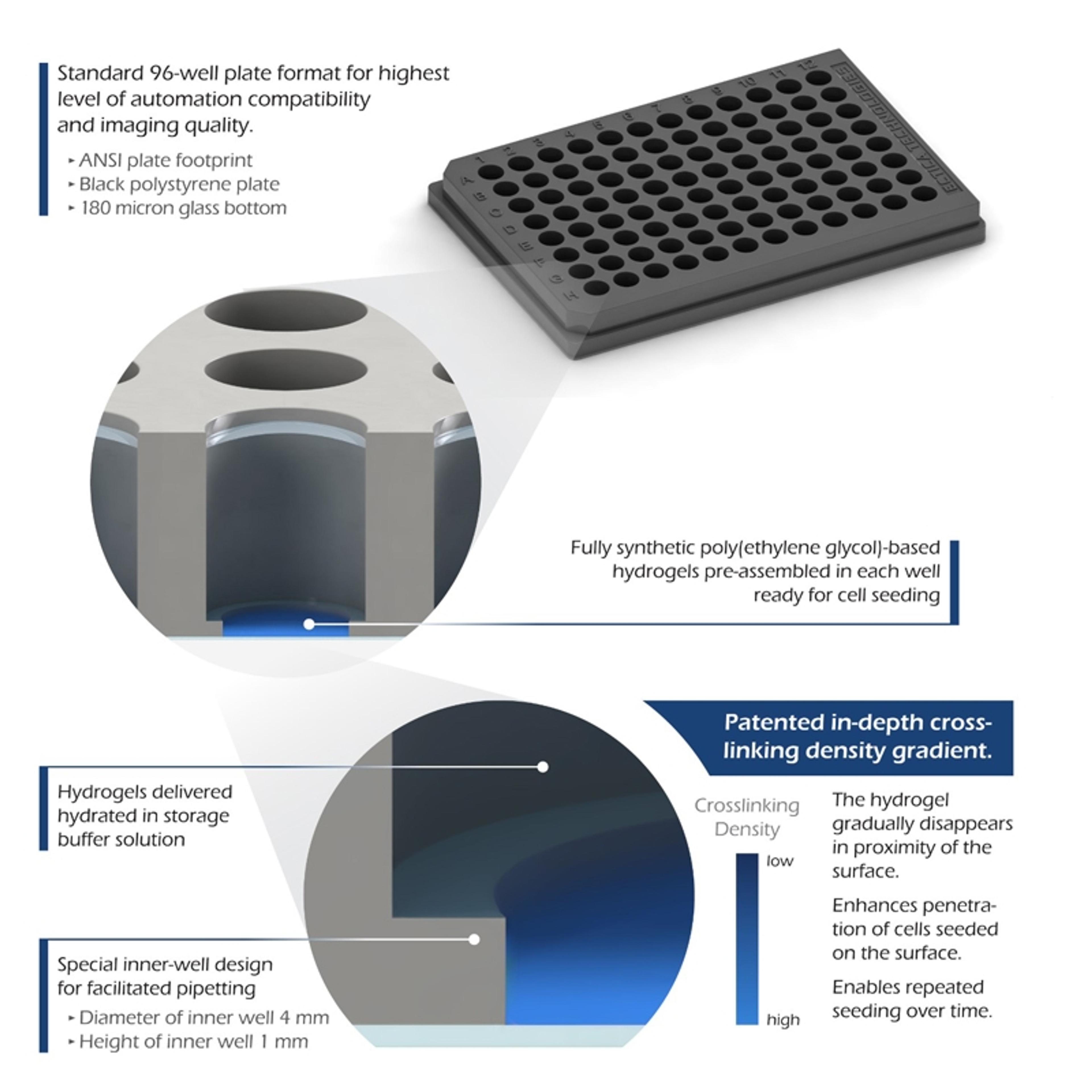
Ready-to-use, 96-well black-walled glass-bottom microplates containing precast synthetic hydrogels designed to easily establish 3D cell cultures by direct seeding of cells.
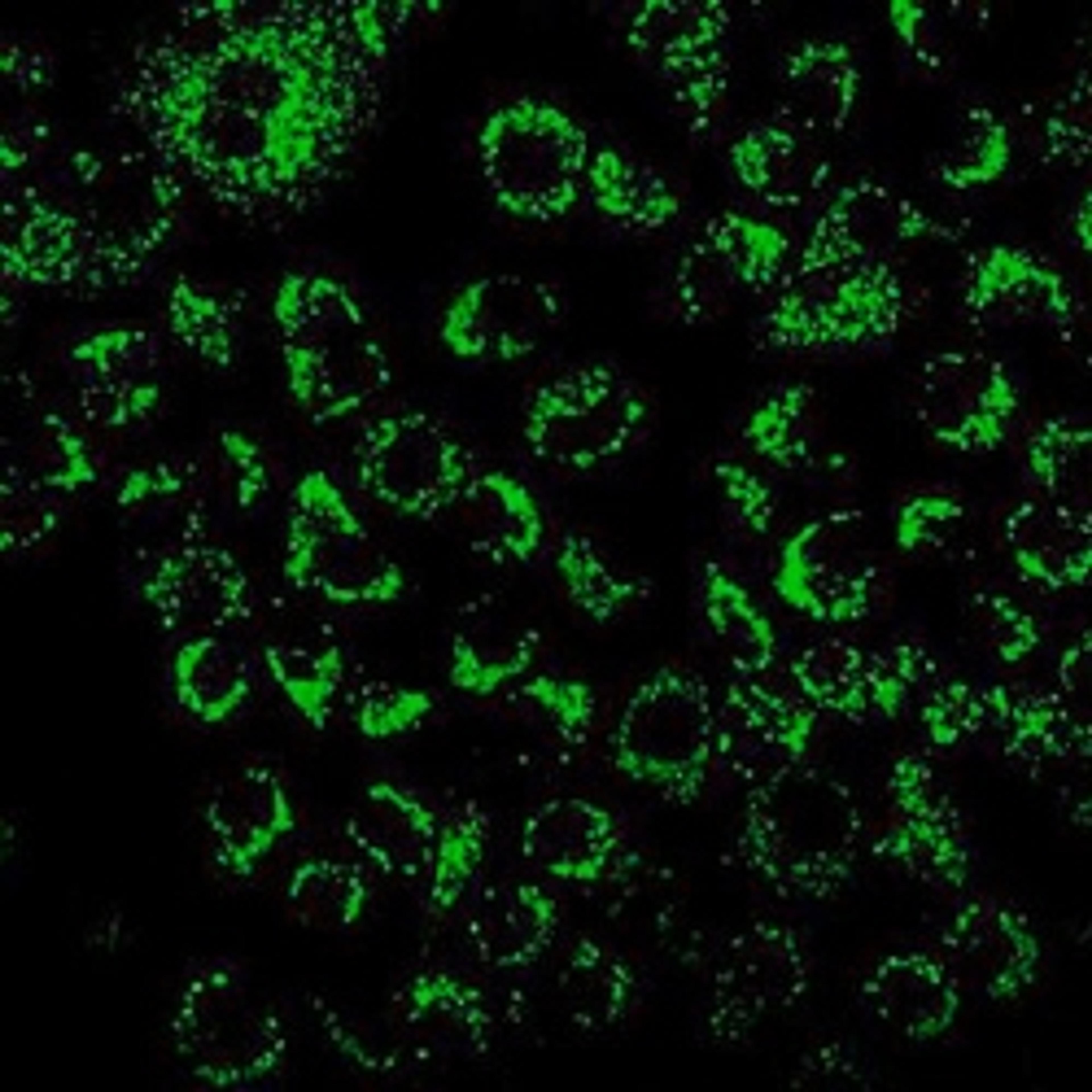
Fluorescent dyes, probes, and biosensors for live cell imaging.
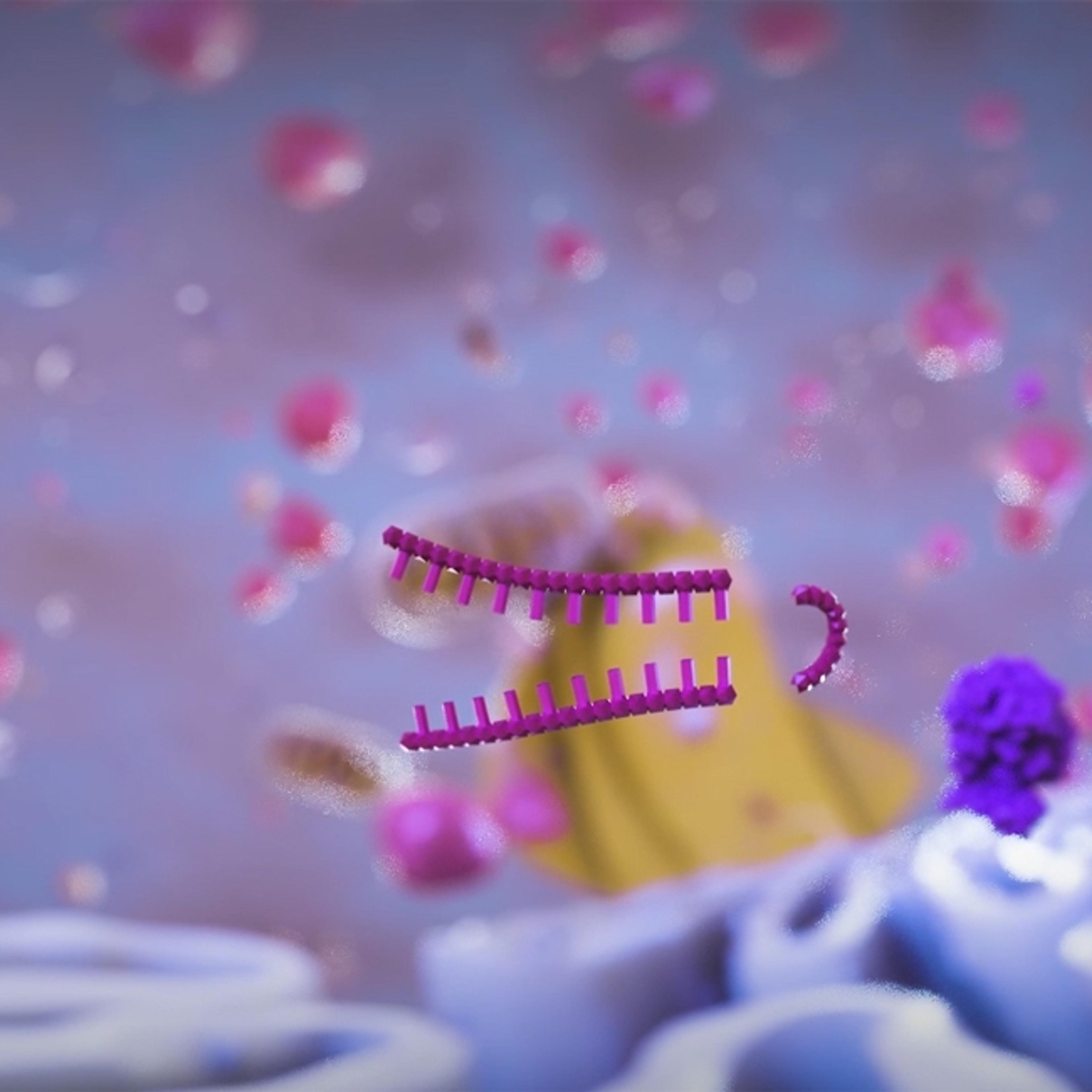
Sigma-Aldrich ® one-part sgRNA and two-part crRNA:tracrRNA systems accelerate genome editing with Cas9 protein, mRNA, or established Cas9 expressing cell lines. Our guides are compatible with a variety of delivery methods including microinjection, electroporation, and lipofection.
With the largest portfolio of Cas9 proteins available, Merck make it easy to find the perfect nuclease for your gene editing experiment.
The largest and most validated shRNA collection from the RNAi consortium (TRC). Merck's unique shRNA formats leverage the discovery potential of the trusted and proven TRC shRNA collection. When you partner with them, you gain access to their world class lentiviral production expertise and the formats and specifications for RNAi knockdown experiments at any scale.
A comprehensive biobank of highly characterized tissue-derived human gastrointestinal organoids from normal and diseased patients.
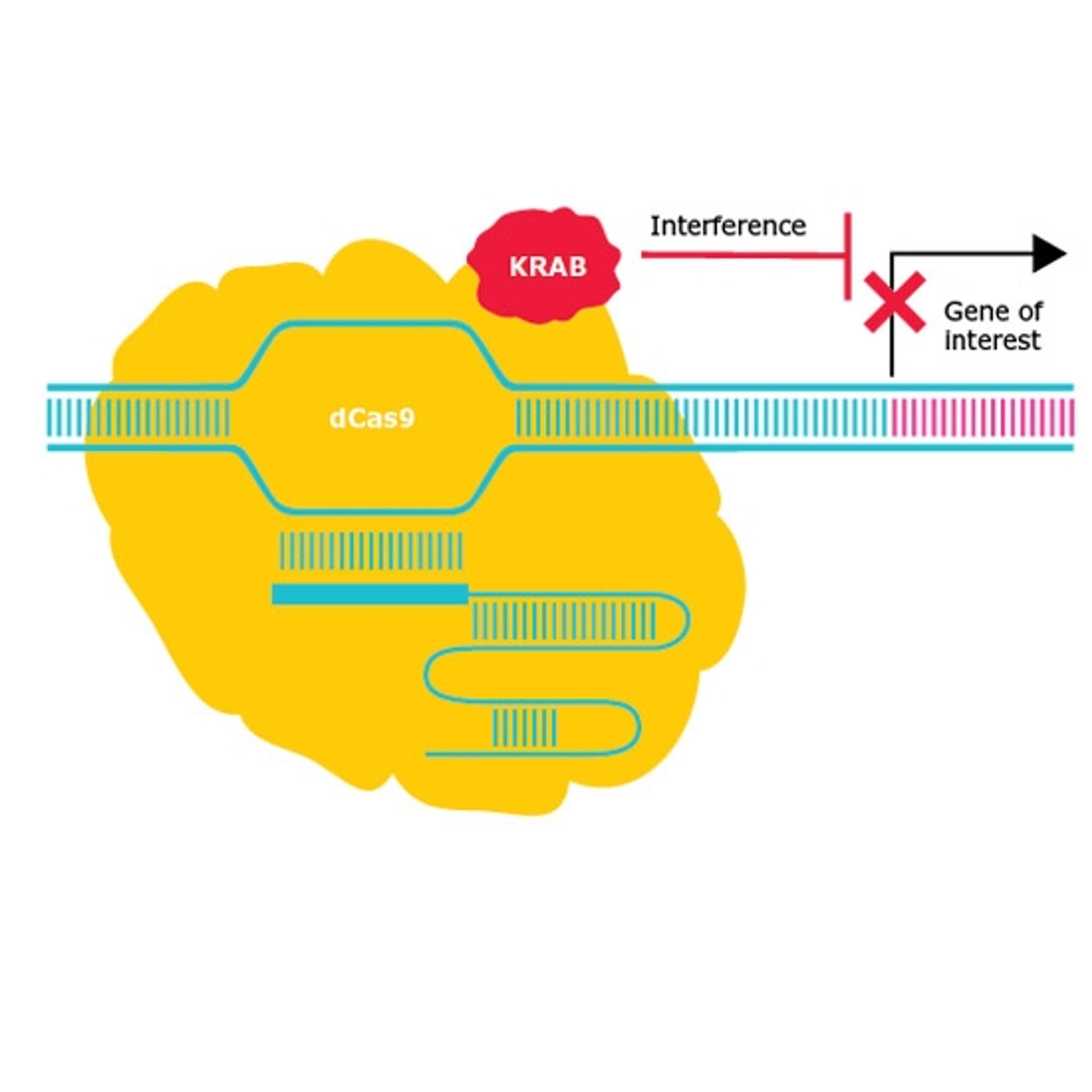
Nuclease-independent applications of CRISPR provide equal targeting specificity but instead of cutting, CRISPRi allows for targeted interference of gene function by delivering transcriptional repressor domains to a specific target sequence using modified dCas9 + gRNA complexes. Gene knockdown is complementary to CRISPR-KO and CRISPRa (activation) and has distinct advantages over existing loss-of-function strategies like RNAi.…
Patient-derived organoids (PDOs) are novel in vitro 3D cell models that preserve original tissue physiology and molecular pathology.
The next generation of RNP reagents
The T7 Endonuclease Detection Assay is a well-known method for detecting genome editing events from CRISPR, Zinc-finger nuclease, and TALEN gene targeting. Originally identified from Escherichia coli bacteriophage, the T7 endonuclease can cleave mismatched heteroduplex DNA, Holliday junctions, branched DNA, and cruciform DNA.
All-in-one, ready-to-use Cas9 and guide RNA (gRNA) expression plasmids for use with monocots and dicots.
CRISPR/Cas9-mediated recombineering is the most powerful bacterial genome engineering method to date. In addition, Cas9-mediated recombineering overcomes the dependence on a second recombination step, avoids the creation of destabilizing scar sites, can be used in multiplexing, and is less time-consuming than previous protocols.