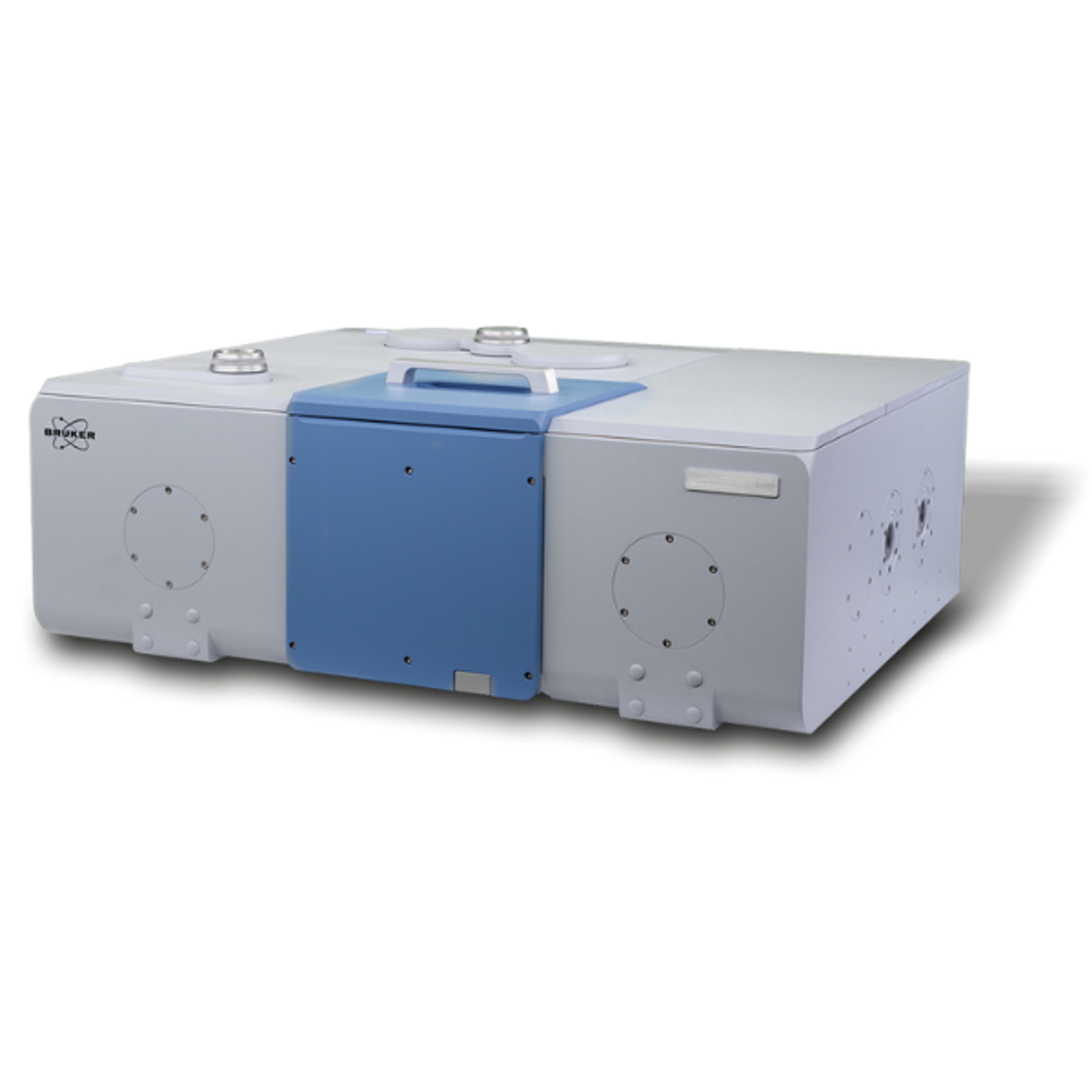
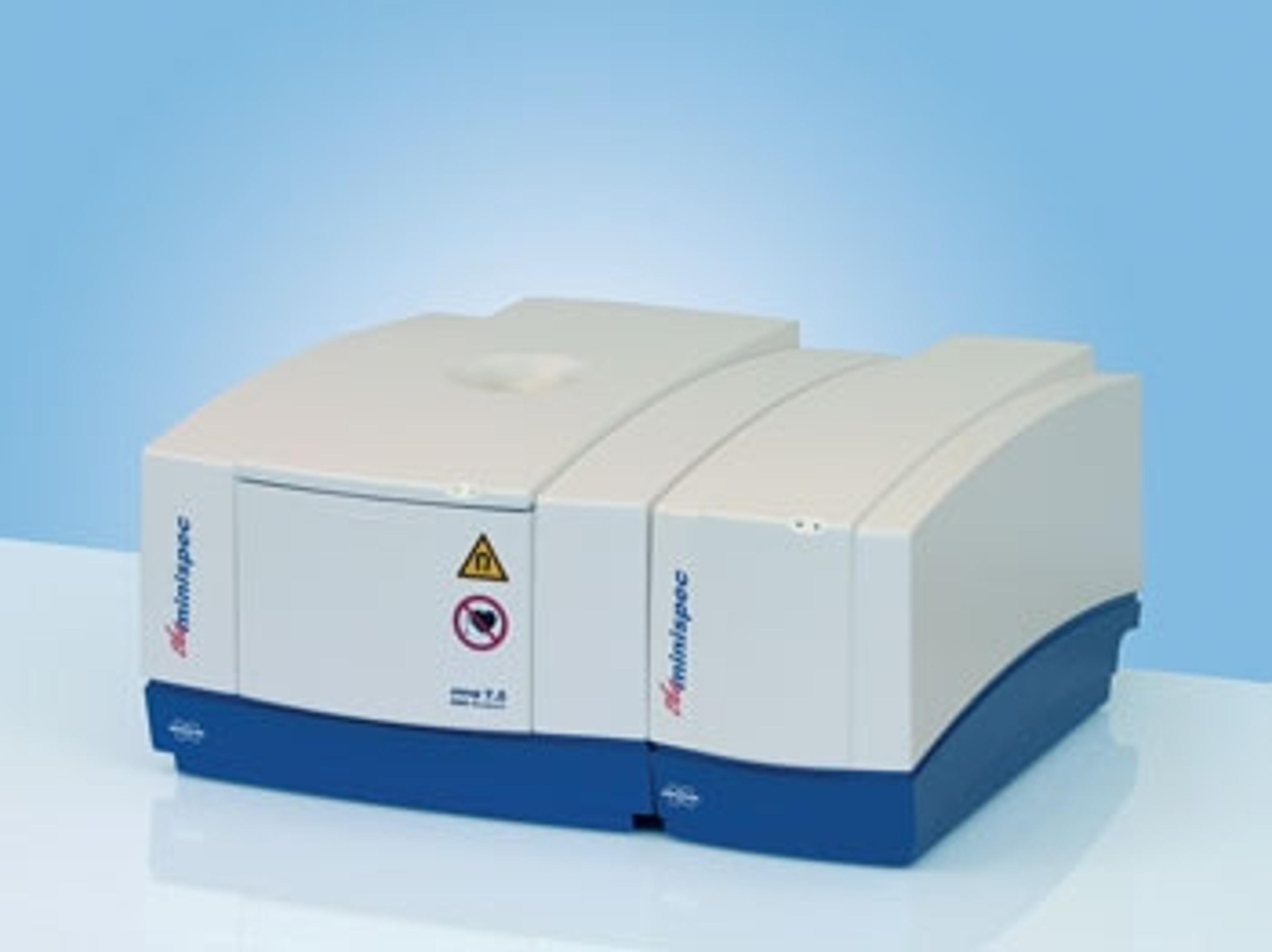
Minispec mq-one Series TD-NMR Analyzer
The One Solution for Your Dedicated QC Application
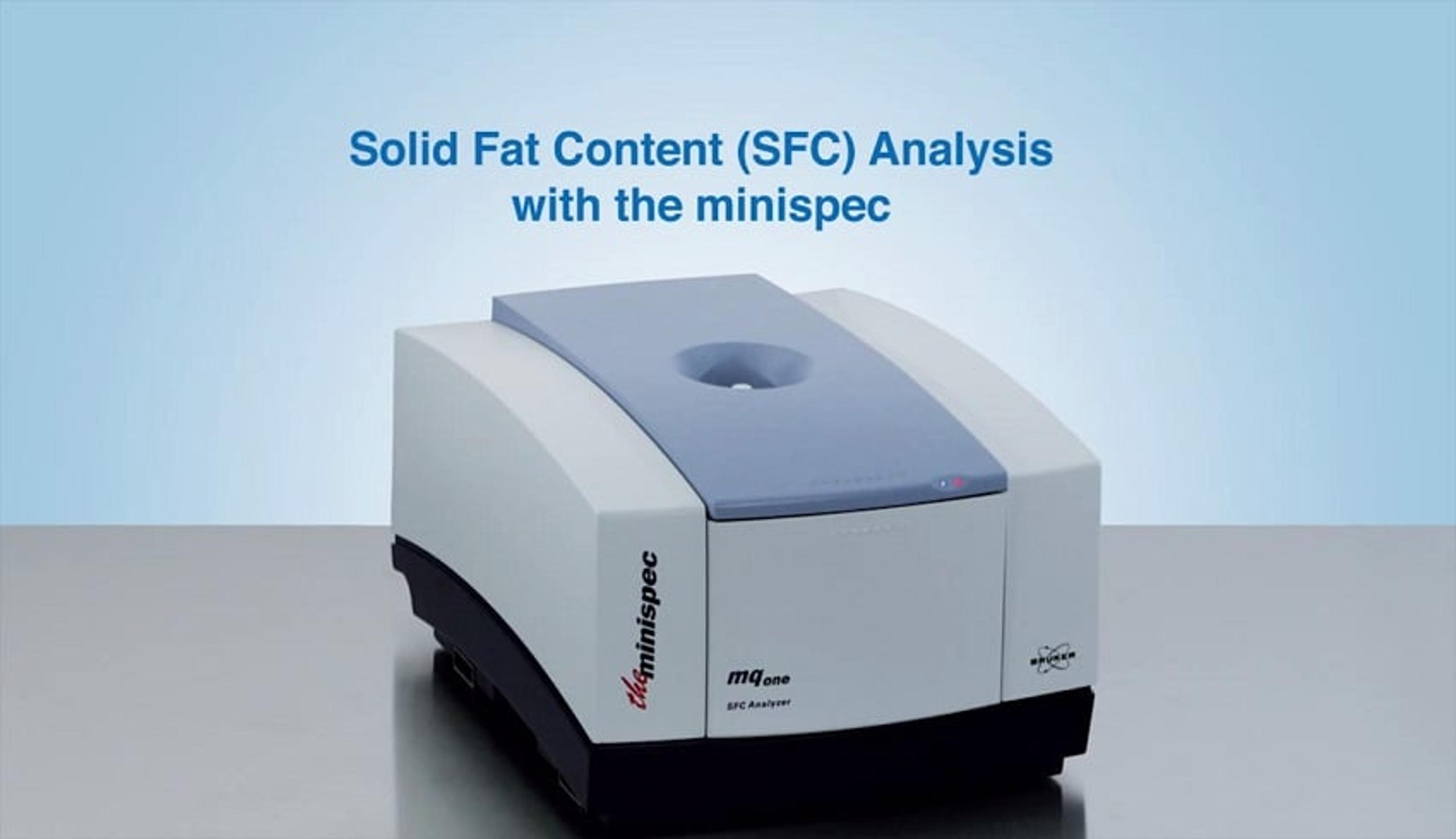
Solid Fat Content (SFC) Determination

Oil and Moisture Analysis in Seeds and Nuts

QC in Polymer Industries




The supplier does not provide quotations for this product through SelectScience. You can search for similar products in our Product Directory.
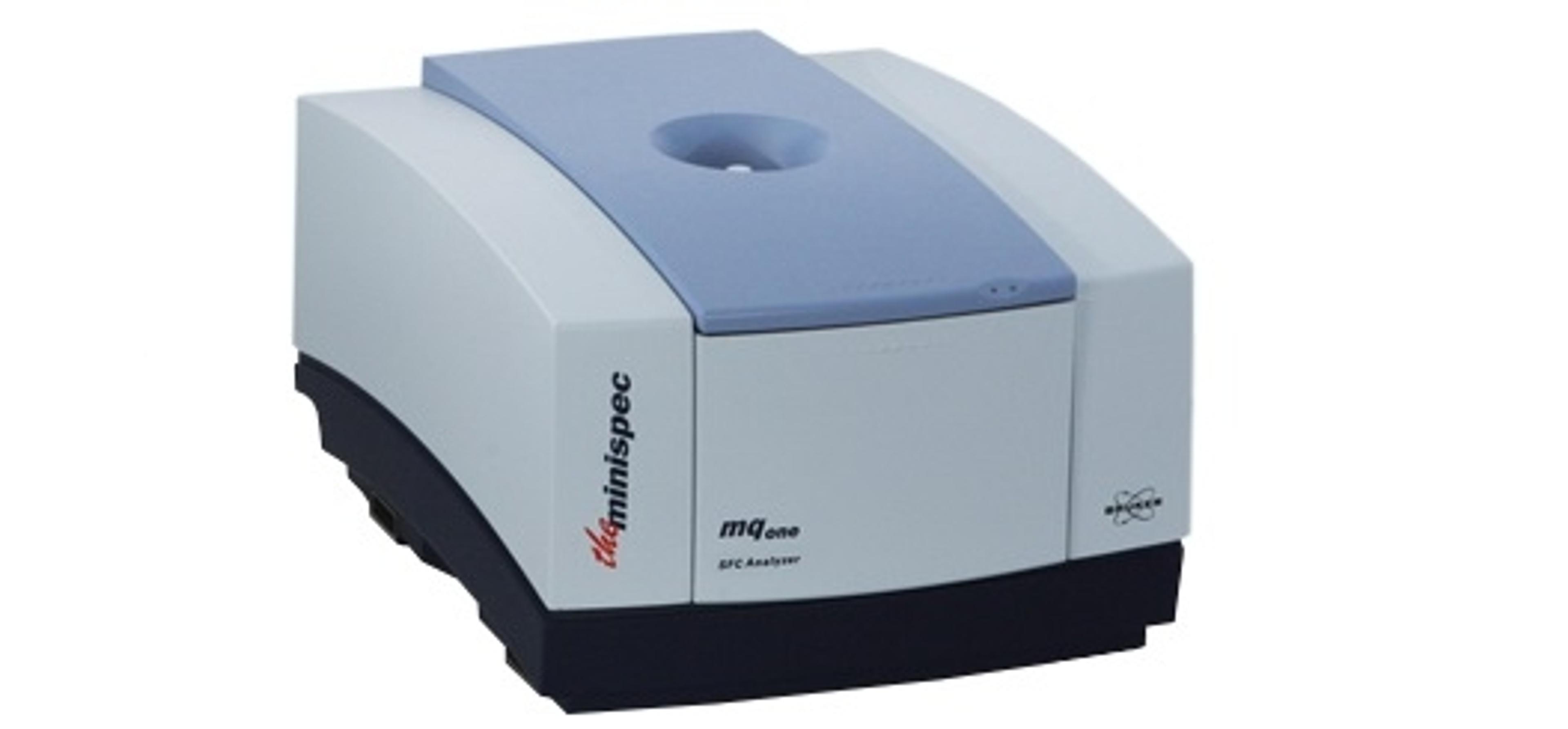
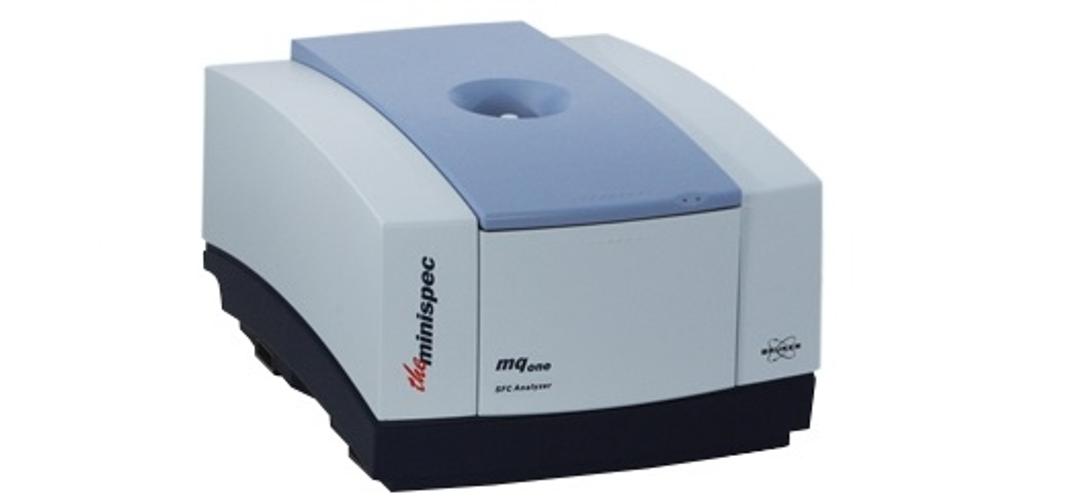
The mq-one is the newest addition to the minispec mq series TD-NMR systems. The mq-one takes the minispec mq series product line further into the realm of routine industrial applications.
The mq-one analyzer is not just a benchtop system or mini NMR system; it is a dedicated analyzer providing a complete solution off the shelf. With easy installation, comprehensive calibration and calibration transfer standards, the mq-one is ready for use within minutes. This approach is a result of Bruker`s extensive experience in these dedicated applications. Nowadays, laboratory space is precious. The current version of minispec mq-one has a smaller footprint than its predecessor, thus requiring less valuable space on your laboratory bench.
Moreover, the mq-one is a quiet-runner, its low decibel operation noise will keep your laboratory quiet. Precise and long-term stable results can only be achieved with an optimal system layout. The mq-one with its all-in-one design perfectly matches these requirements. Both long-term and short-term measurement stabilities for the application of interest have continually been improved further.
Minispec mq-one Series TD-NMR Analyzer Features:
- Compact design
- smaller footprint Easy to setup
- easy to use Multilingual minispec Plus software Fast
- non-destructive analysis in seconds Ready-to-go calibration standards
Watch the webinar 'Time Domain NMR: Basic principles and real world applications' to find out more.
Brochures

Contactless Check Weighing the Minispec 'Scale'
Using Time Domain-Nuclear Magnetic Resonance (TD-NMR) the precise weight of solid or liquid vessel fillings can be determined within seconds.
Food and Feed Industry Fast and Reliable Quality Control by Time Domain NMR
To determine the essential properties of food and feed, Bruker developed a powerful device for fast and reliable answers throughout all production and processing steps: the minispec based on Time Domain (TD)-NMR. This method is well recognized due to its time saving qualities and simplicity of operation. No chemicals and consumables are required. Moreover, a large variety of food can be analyzed with minimal sample preparation. It has been adapted in various AOCS, ISO, and IUPAC standard methods.
Protein Backbone and Side Chain Assignment Using Proton Detection Under Ultra-Fast Magic Angle Spinning
Building on the results from prior experimentation, this application note presents a full set of 1H-detected experiments that allows for an accelerated resonance assignment of a protein’s backbone and side chains.
Xylene Soluble Content in Polypropylene
This application note presents a TD-NMR method for the fast analysis of xylene soluble content in polypropylene. The method is operator independent and requires no harmful solvents or dedicated lab-space.
Droplet Size Distribution in Food Emulsions
Water-in-oil (W/O) and oil-in-water (O/W) emulsions are found in everyday meals, mainly as margarine, low fat spread, and butter (W/O) or, as mayonnaise, salad dressing, and soft cheese (O/W). The droplet size distribution in these emulsions influences their taste, smell, and appearance, as well as their shelf life and spread behavior. Bruker’s minispec allows a fast, non-invasive, and accurate analysis of the droplet size distribution in these products. It is based on a Time Domain (TD) NMR technique which is equally applicable to free and to flocculated droplets. Moreover, it has the ability to assess individual droplet sizes rather than cluster sizes.
Crystallinity and Density of Polyethylene
The crystallinity of polyethylene (PE) determines the stiffness, the impact and tensile strength, the permeability and the resistance of the material. Therefore, its measurement is of paramount importance regarding the specifications of a PE grade. Bruker’s PE crystallinity application provides this information fast, with high precision and repeatability. Other commonly employed methods such as Differential Scanning Calorimetry (DSC) or density determination by displacement are significantly slower and require tedious sample preparation. The analysis can be carried out at line by untrained personnel requiring no dedicated lab environment.
A Novel Approach for the Environmental Study of Organisms in their Natural State
This application note demonstrates the capabilities of multiphase NMR in providing molecular analyses of complex heterogeneous samples. Typical analytical approaches to environmental research rely on sample processing, such as extractions that provide only a selective window into the true natural state. The integration of concepts from different fields of NMR spectroscopy enables us to produce a novel comprehensive approach that can be used to study and differentiate between the various phases in a heterogeneous sample as well as identify the key structures and their molecular interactions within each phase.
Process and Quality Control Solutions by Time Domain NMR Analysis for Polymer Industries
Bruker’s versatile TD-NMR applications are widely used in the study of polymerization reaction kinetics, material properties of filled and modified polymers and failure analysis. Discover the range of applications supported by Bruker’s minispec systems and key advantages compared to optical methods.
Textile Check for Spin Finish Removal
For certain applications, it is important that the textiles are free of Spin Finish. Especially for bulletproof vests, Spin Finish has to be washed off completely. If Spin Finish is not fully removed, the bullet would slide through the vest despite the set-up of several overlaid textile layers. Learn how the minispec is able to detect Spin Finish down to very low concentrations.
Dip on Fibers Elastomer Coating on Fibers
For special fiber applications, an elastomer coating, so-called dip, is necessary to improve the fiber’s properties such as wind stopping, water repellent, and reinforcement. Such additional properties also qualify the fibers for technical use, for example, for clothing and for rubber products like car tires or conveyor belts. Learn how, using the minispec, the dip amount on fibers can be quickly and accurately analyzed in a one-step measurement.
Spin Finish on Fibers Oil Pick Up without Sample Weighing
Fiber manufacturing often uses a thin layer of finish to assist the fiber’s performance and its ability to run in downstream spinning processes. This application note presents a TD-NMR method for the application of spin finish on fibers oil pick up without sample weighing, in which both FID and Hahn echo are recorded.
Spin Finish on Fibers Oil Pick Up with Sample Weighing
Determining the Spin Finish levels is crucial and needs to be assessed quickly and continuously. The minispec has proven to be the best solution for analyzing practically all combinations of fibers and Spin Finishes. This application note describes a time-domain (TD) NMR method for the analysis of spin finish on fibers with sample weighing.
TD-NMR minispec Solid Fat Content Analyzer
Learn about the minispec Solid Fat Content Analyzer, and how it can be used for methods AOCS, ISO and IUPAC methods. For a combination of SFC analysis with further applications like Total Fat Content or determination of droplet size distributions mq series products are offered.
Non-invasive analysis using benchtop TD-NMR
Analytik has launched a range of benchtop time-domain nuclear magnetic resonance (TD-NMR) systems

Top Innovations in NMR
Reaction monitoring in the pharmaceutical industry and industrial polymer quality control