Method Selection Suite
ACD/Method Selection Suite is your software assistant for LC and GC method development. When you want to develop methods using Quality by Design (QbD) principles, and make every experiment count, reach for Method Selection Suite.
Receive your quote directly from the manufacturer.
Method development by trial and error can result in many wasted experiments. (And it’s incompatible with QbD principles.) By taking a rational approach, you can be confident of getting a good separation in a reasonable time and justify your approach to others.
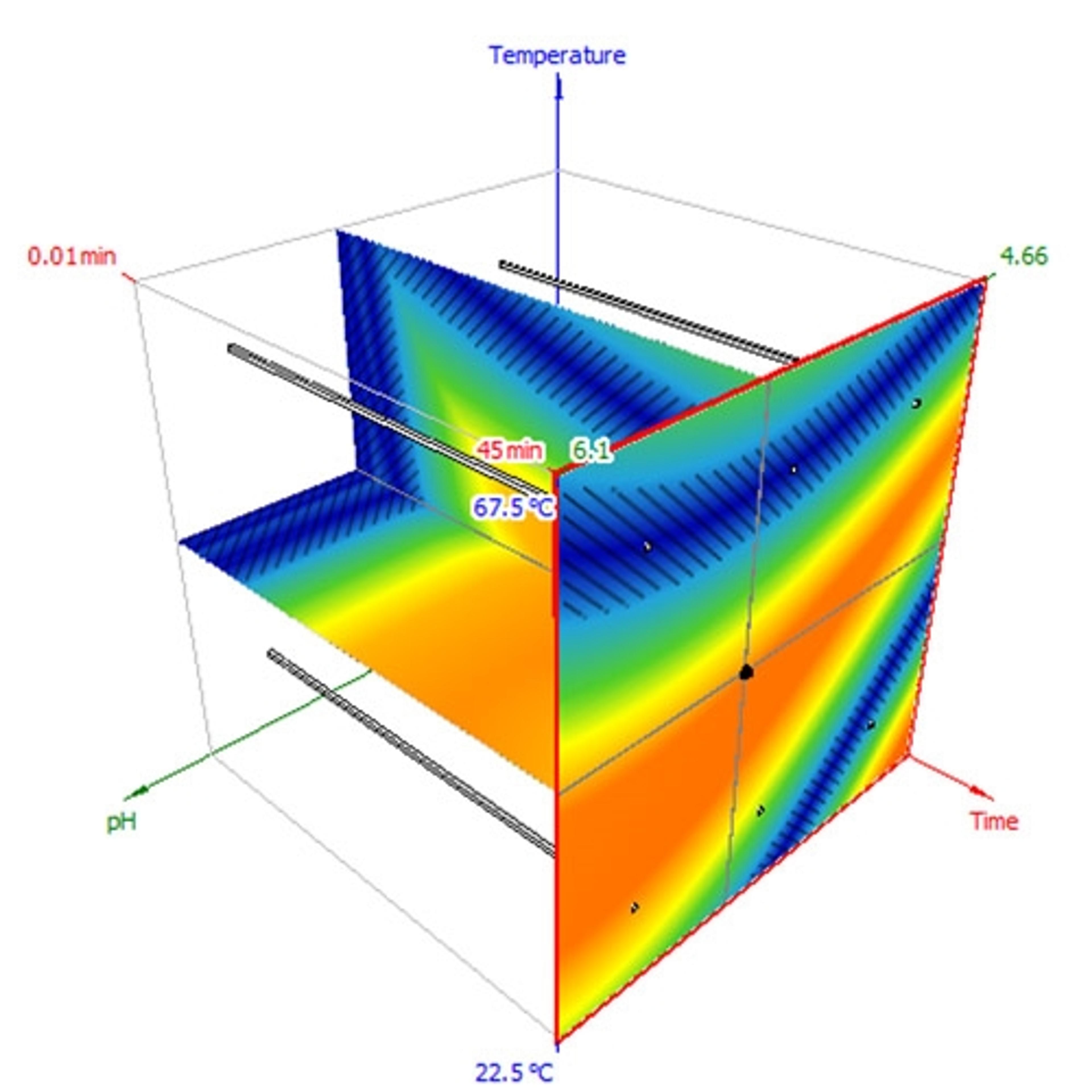
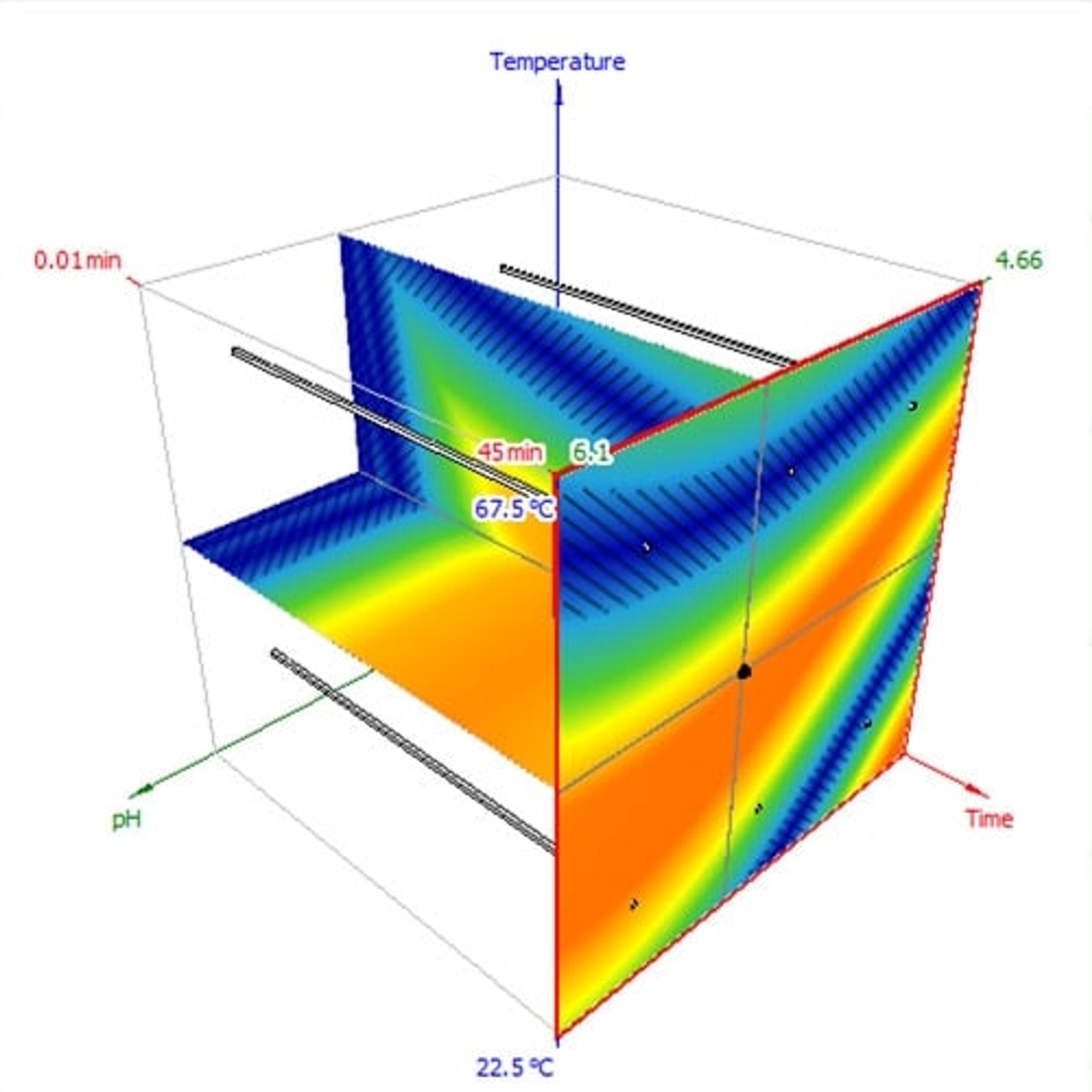
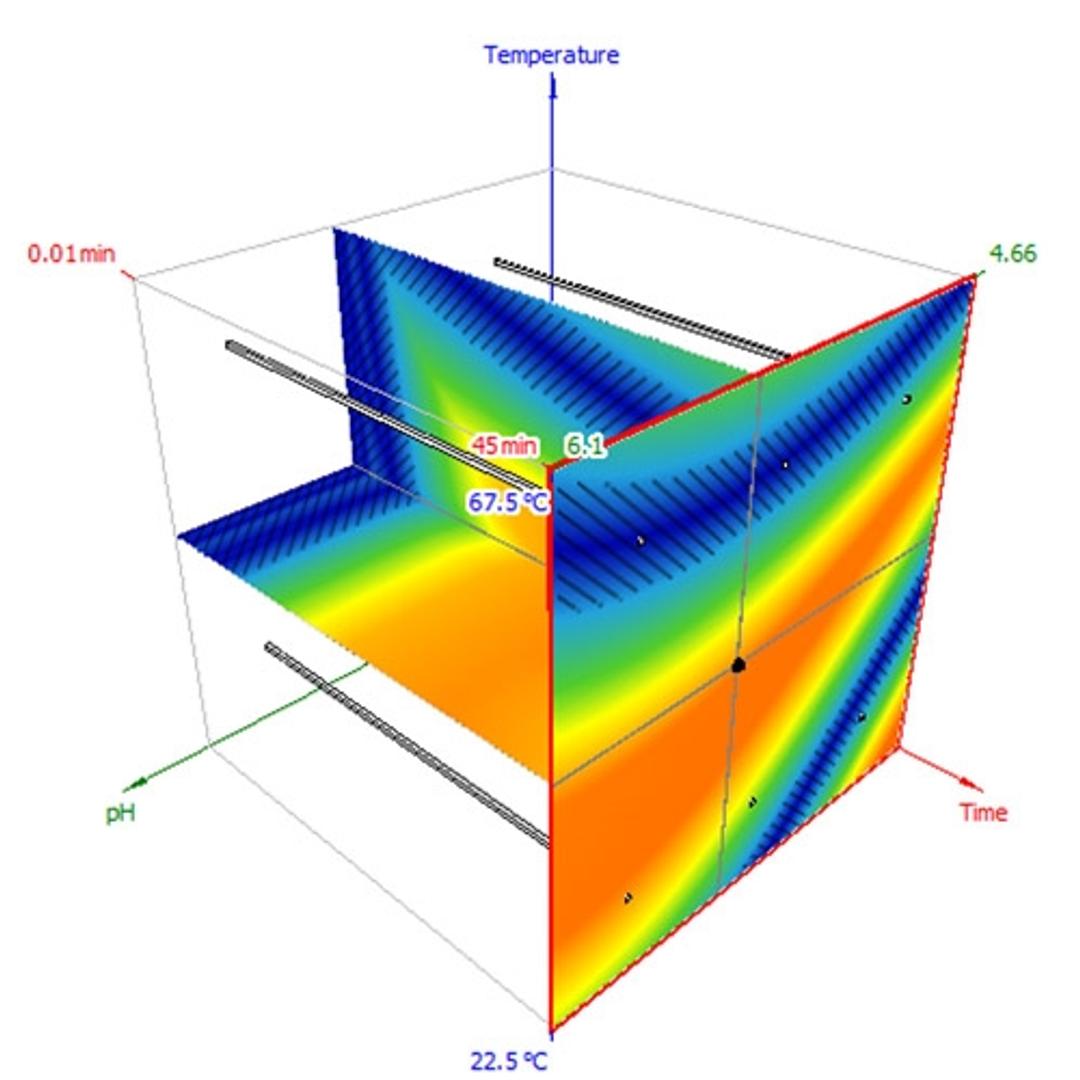
Method Selection Suite offers a logical approach by predicting physicochemical properties, calculating modelling equations, and optimizing. It also helps you share your results through shared databases, so your entire team can understand your project.
Use Method Selection Suite to:
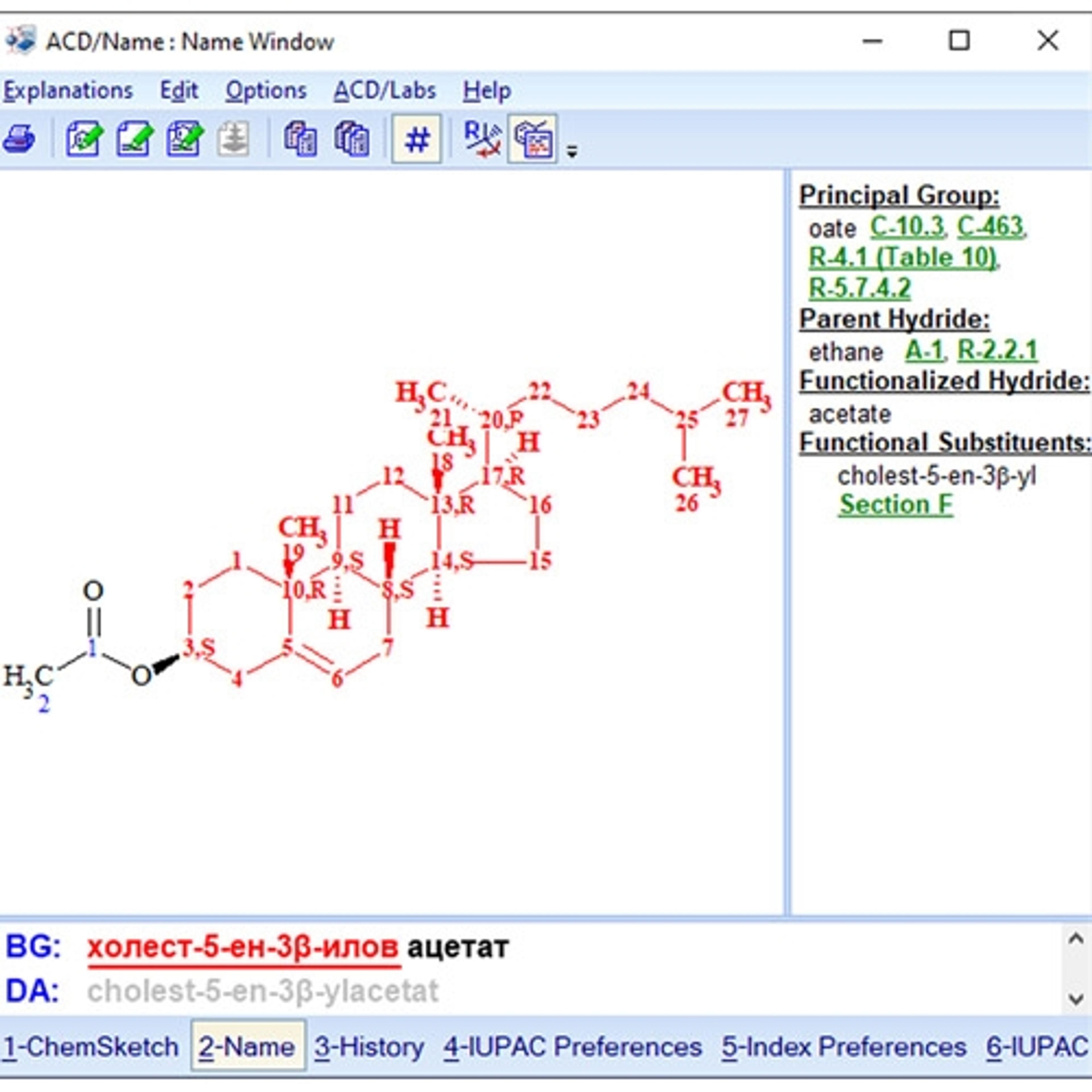
Predict the physicochemical properties of your compounds (pKa, logD, boiling point, and more). Use that information to select starting conditions.
Choose columns to screen with the Column Selector.
Run some initial experiments with the conditions above.
Use this initial data to model your separation.
Find the best conditions for your method.
Brochures
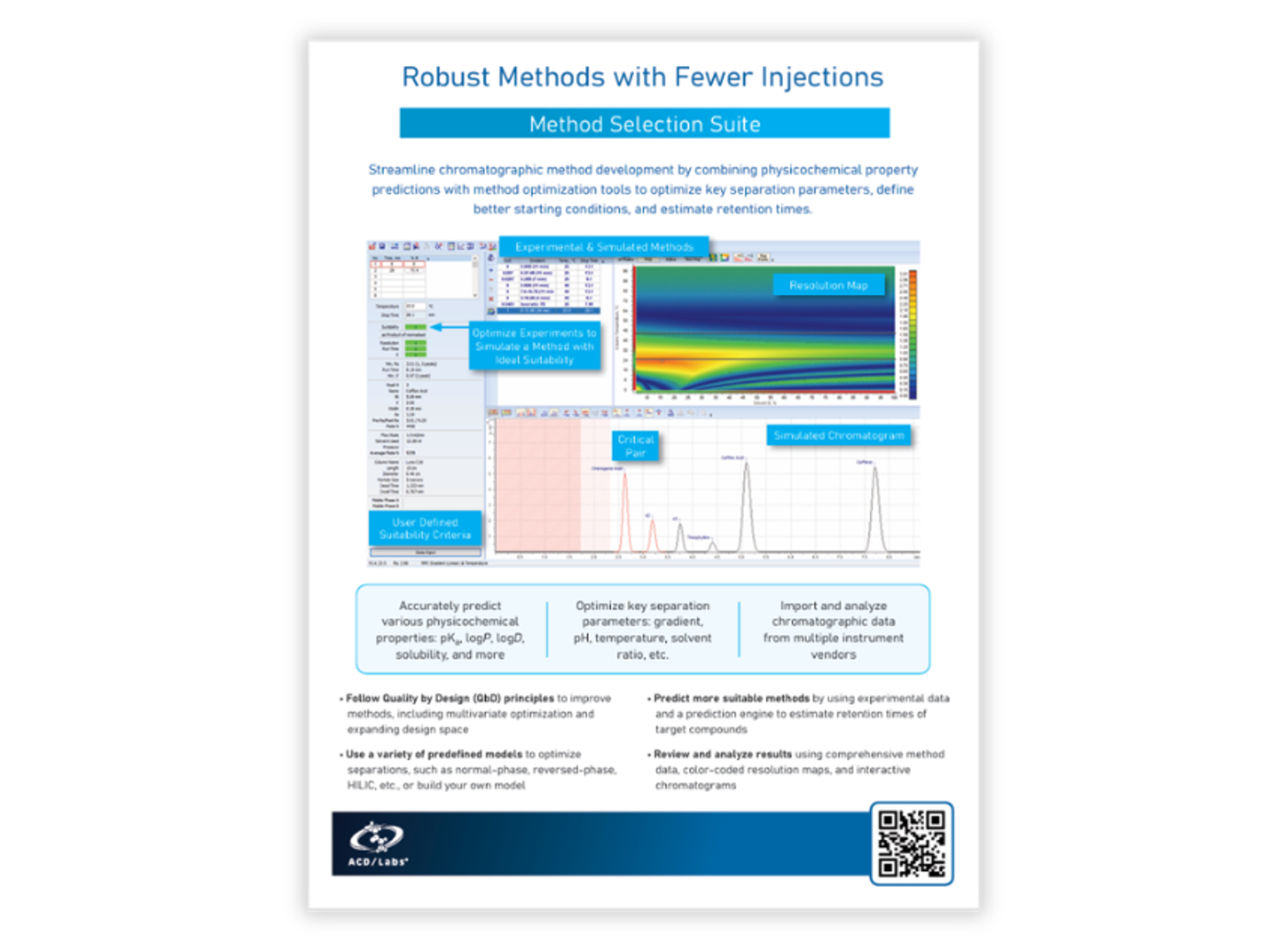
Method Selection Suite: Robust methods with fewer injections
In this flyer, ACD/Labs demonstrates how the Method Selection Suite can streamline chromatographic method development by combining physicochemical property predictions with method optimization tools to optimize key separation parameters, define better starting conditions, and estimate retention times.
Resource details:
Resource type: Product brochure
Page count: 2
Read time: 3 mins
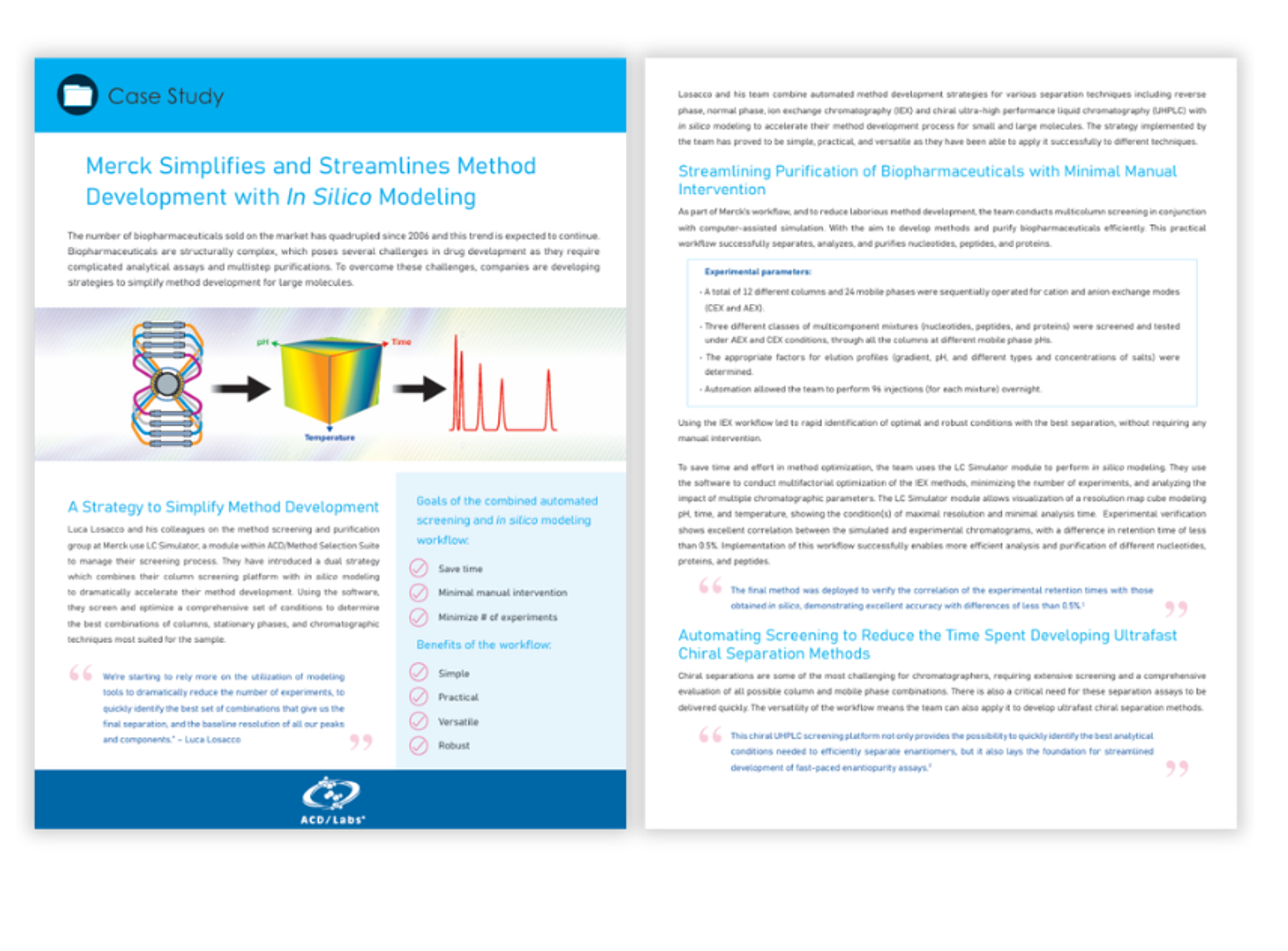
Merck simplifies and streamlines method development with in silico modeling
In this case study, ACD/Labs demonstrates how Merck used in silico (computer-based) modeling to improve and accelerate its method development process for pharmaceutical analysis.
Resource details:
Resource type: Application note
Page count: 3
Read time: 5 mins

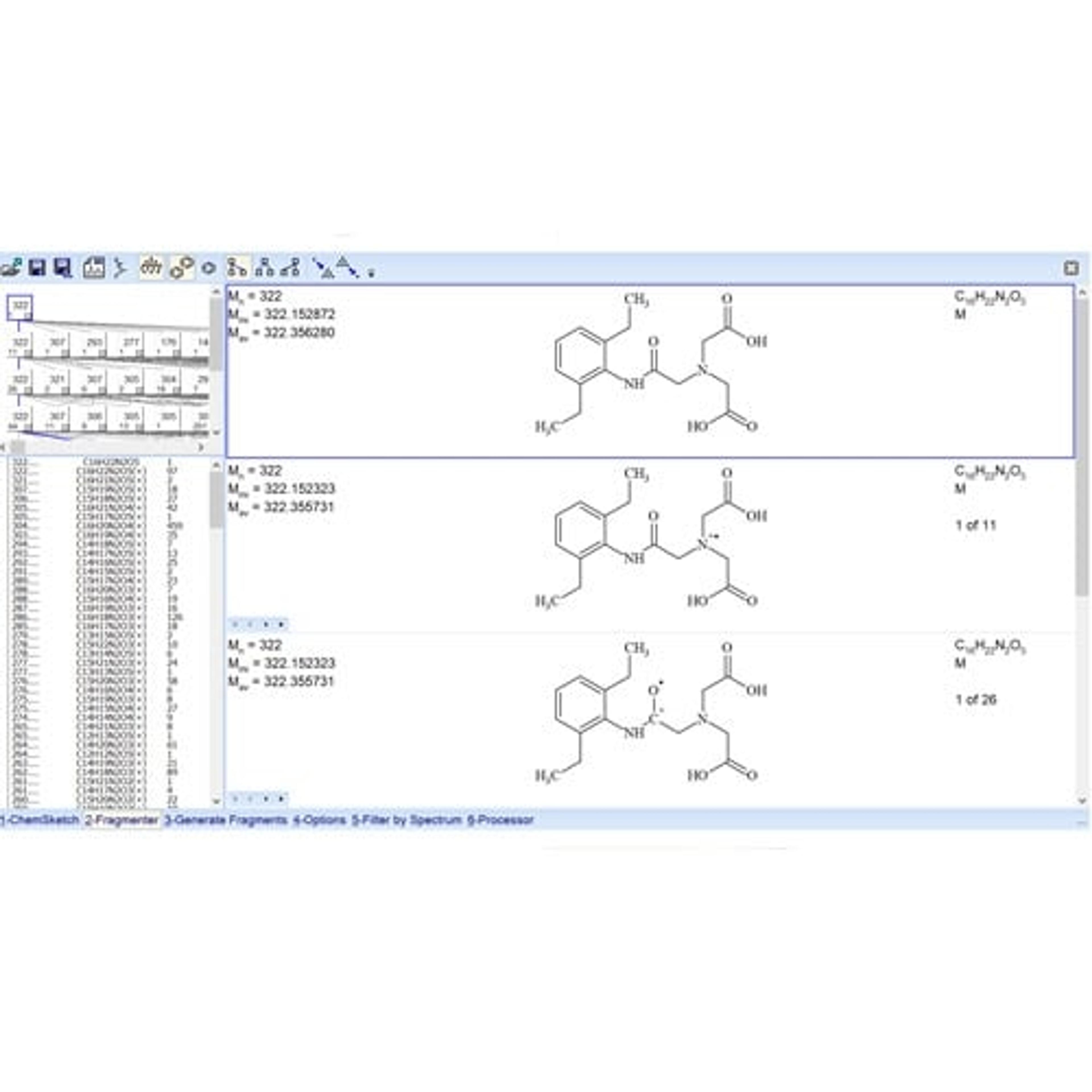
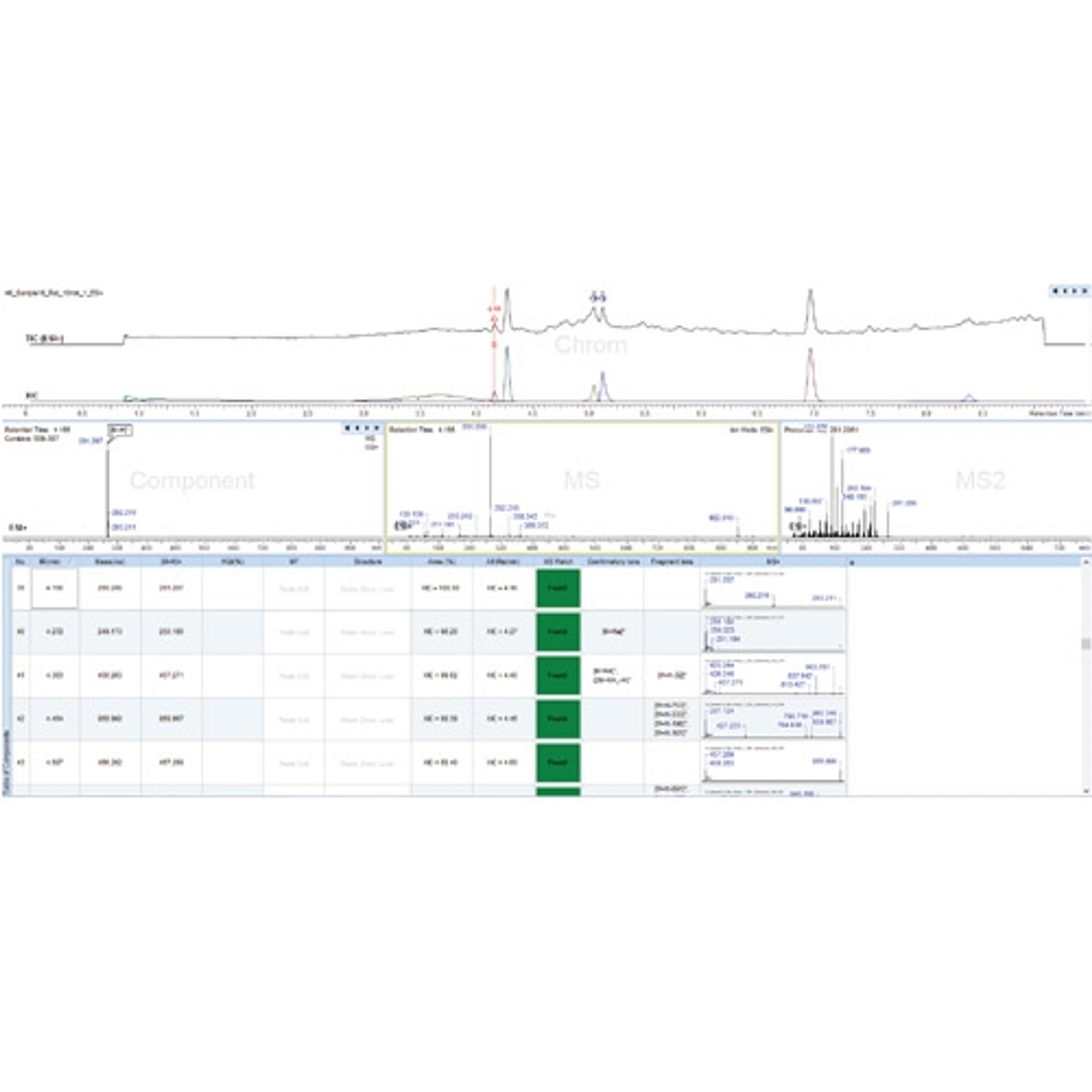
4 Software strategies to master mass spectrometry
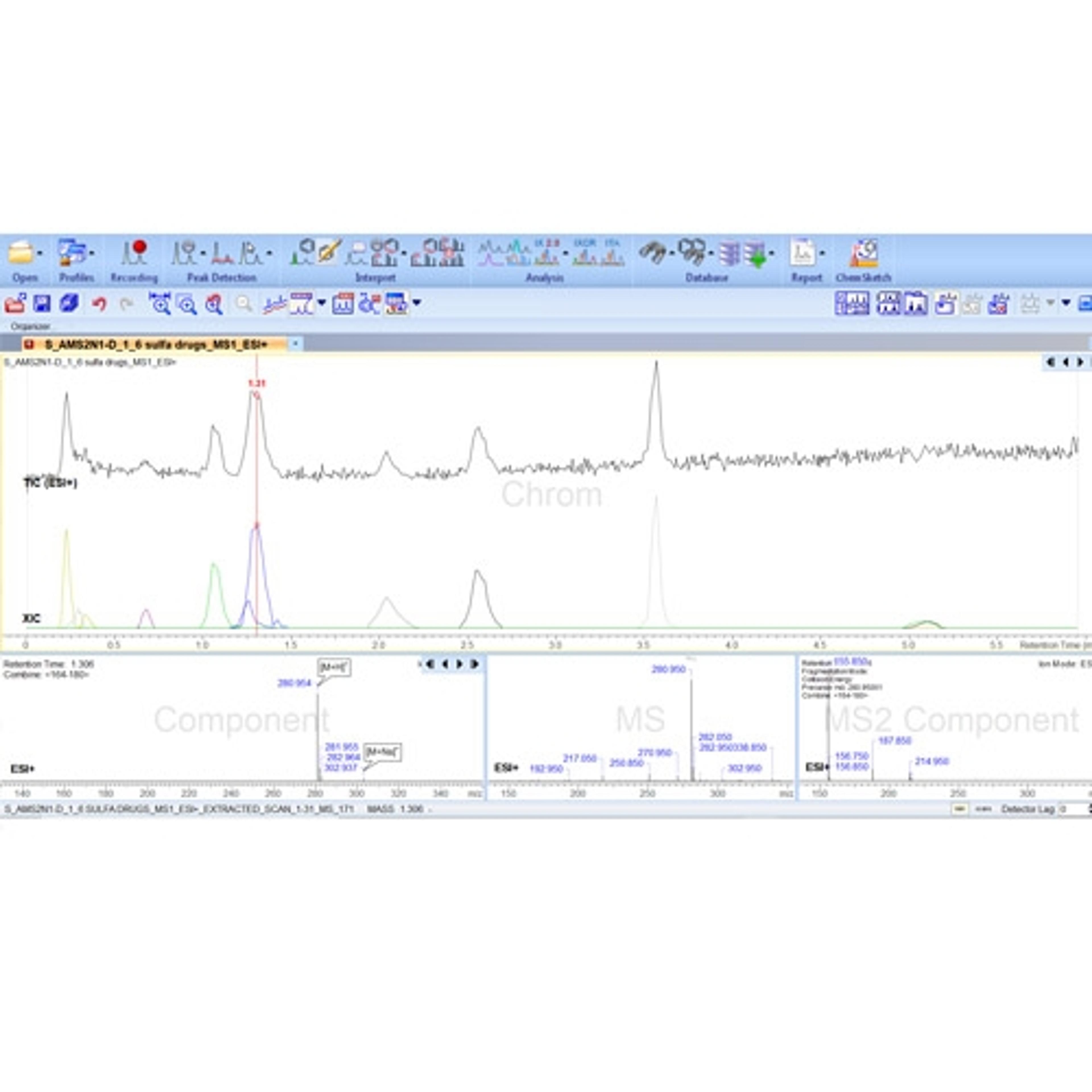
Mass spectrometrists are expected to detect and identify components with greater efficiency, despite increasing sample complexity and shrinking analytical group sizes. Traditional MS data analysis and interpretation workflows, using native instrument software, can struggle to address these modern challenges, requiring experts to augment experimental approaches with powerful third-party solutions.