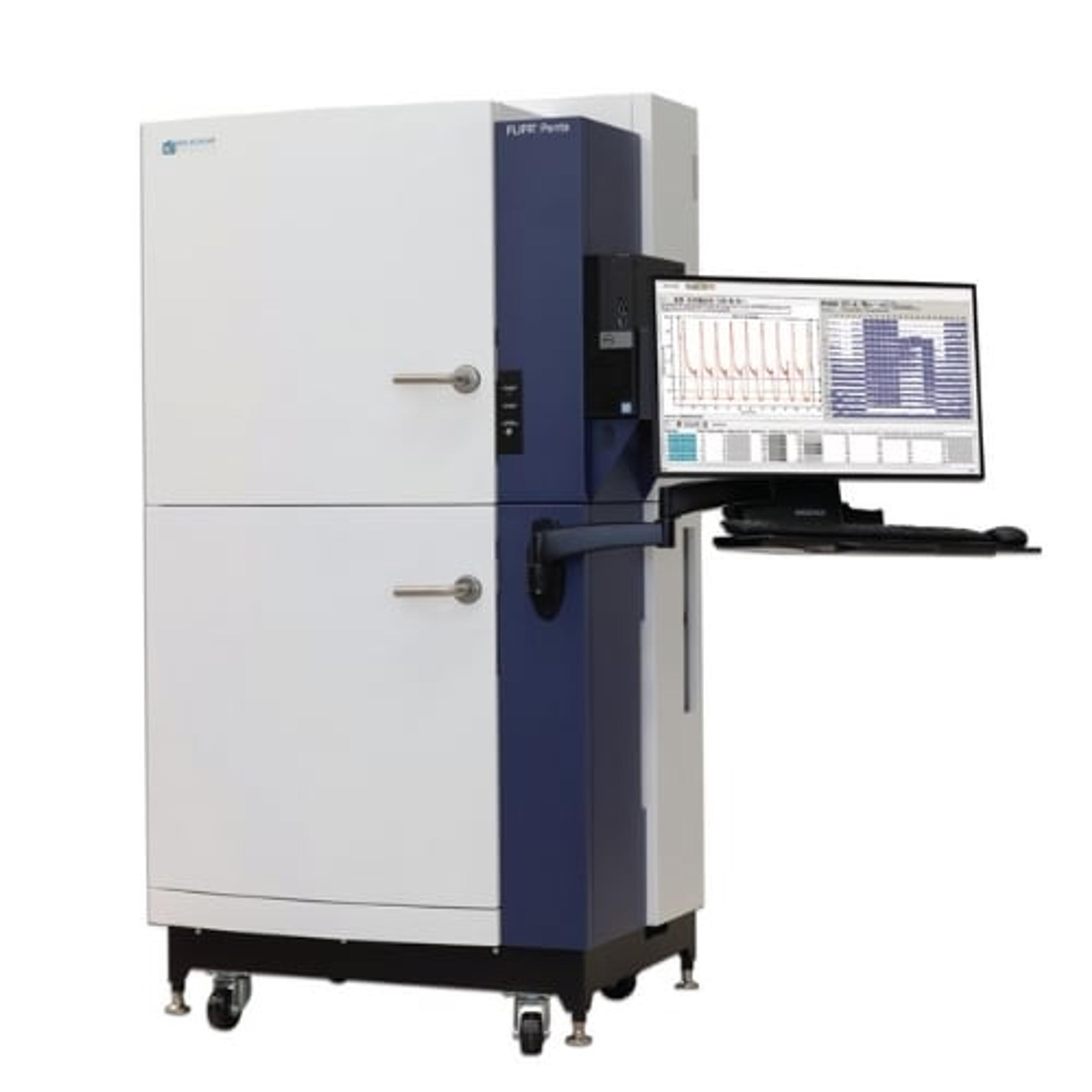
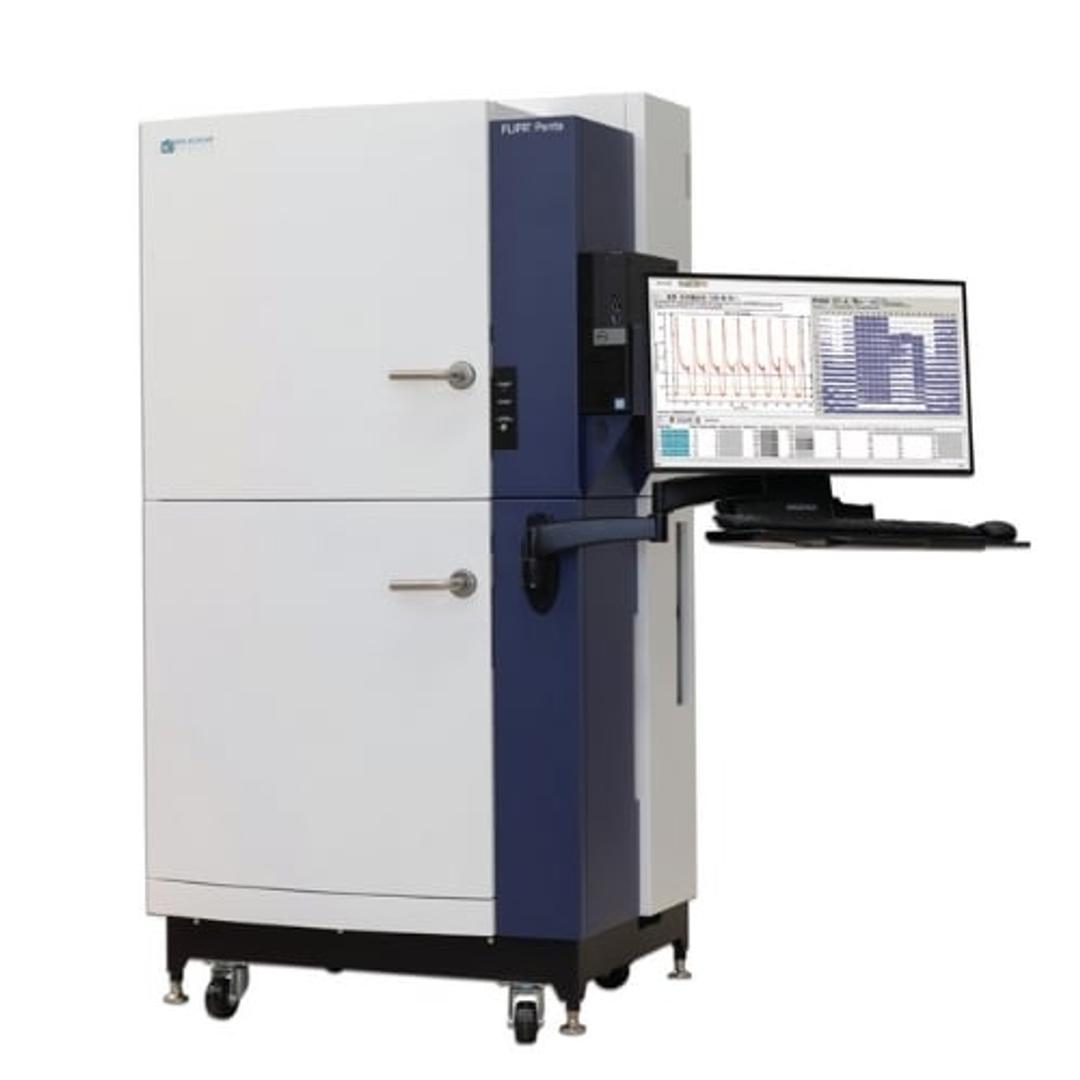
FLIPR Penta® High-Throughput Cellular Screening System
High-throughput kinetic screening for lead compound identification and compound safety assessment


Receive your quote directly from the manufacturer.
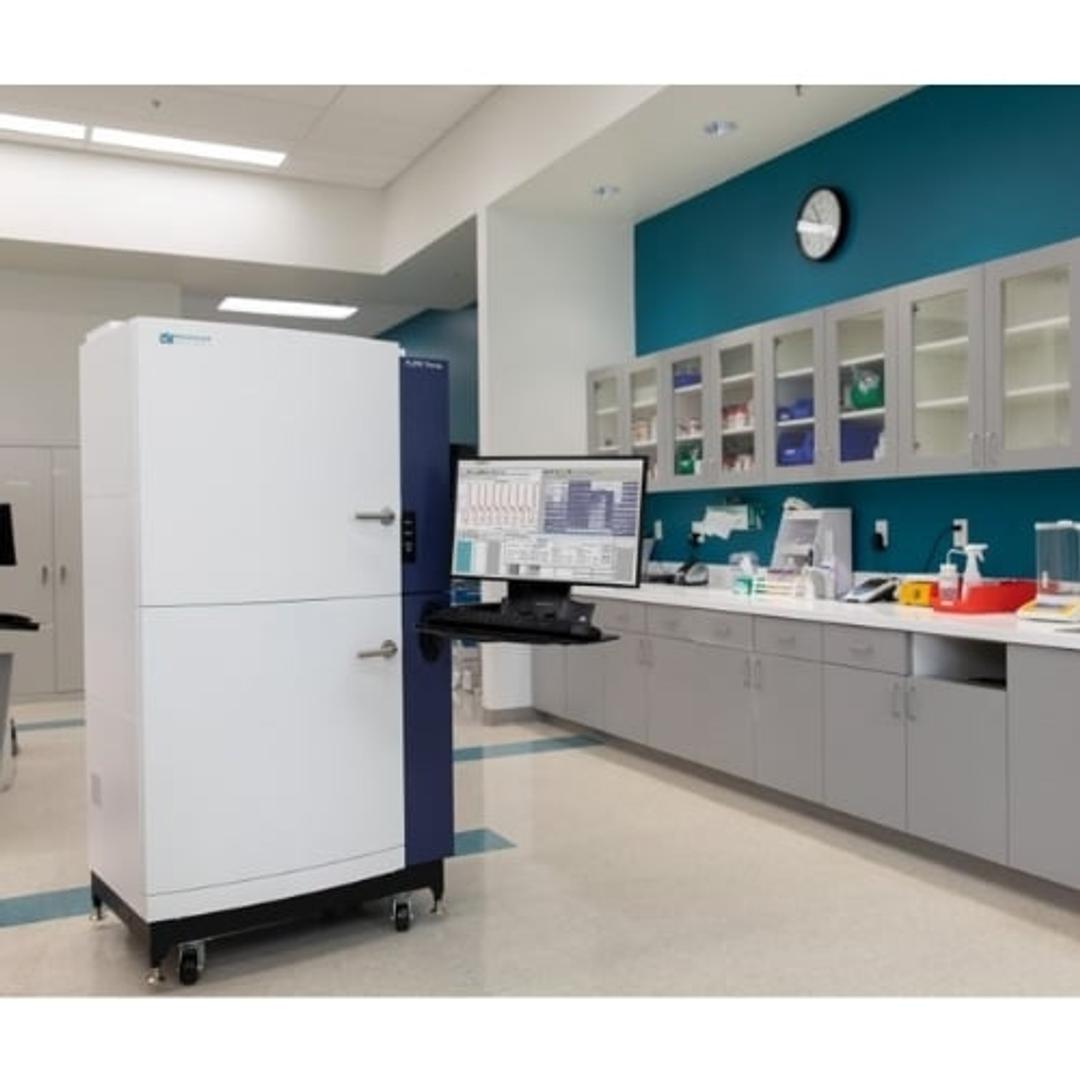
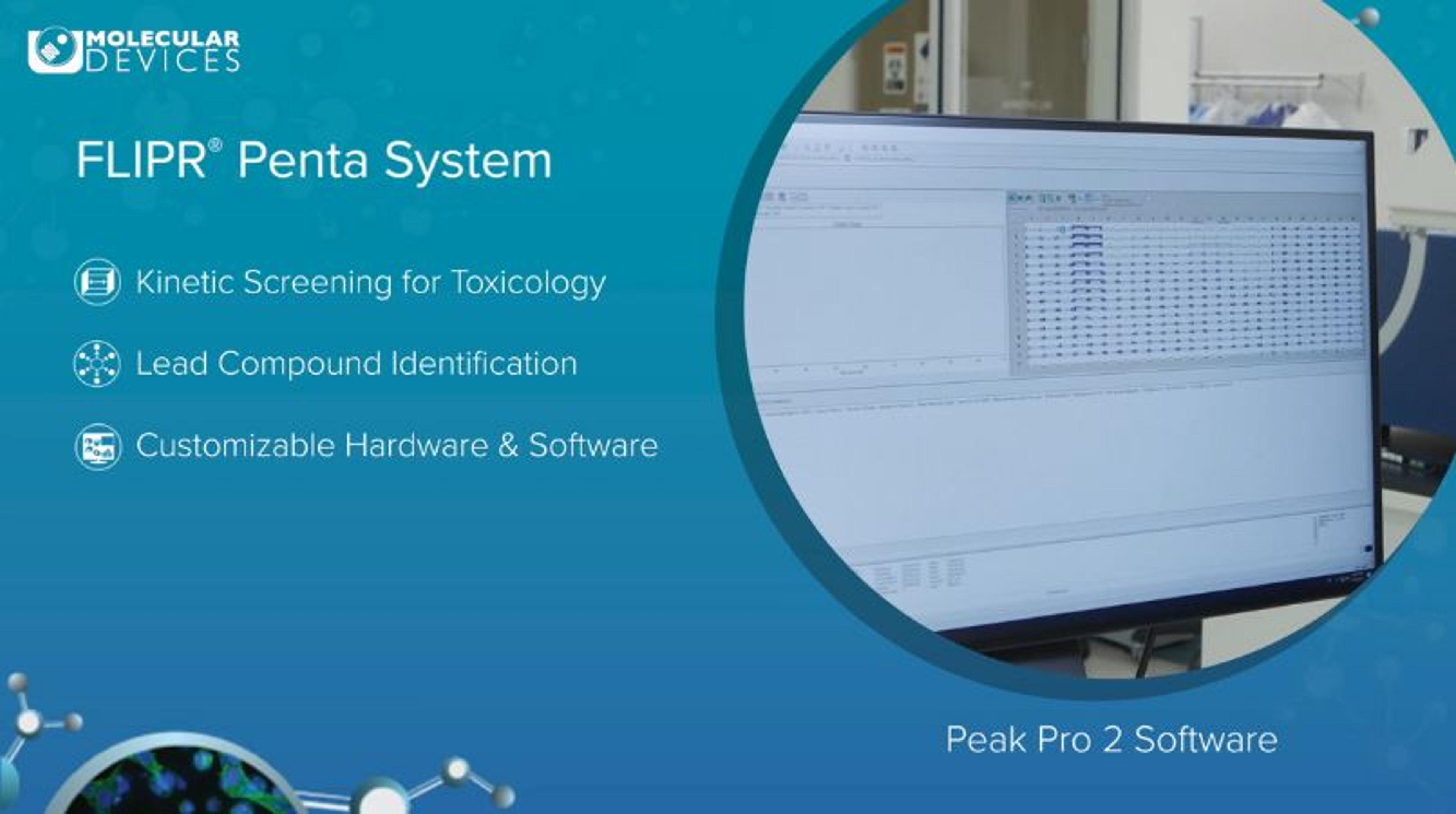
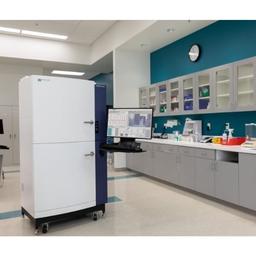
Building on the success of the industry-leading FLIPR platform for monitoring of GPCRs and ion channels, the FLIPR High-Throughput Cellular Screening System offers a new high-speed camera option and the new Peak Pro 2 software module, allowing you to measure and analyze patterns of calcium oscillations of human iPSC-derived cardiomyocytes and neurons. Images can be taken at up to 100 times per second and patterns quickly analyzed using more than 30 various measurements.
Available with a range of pipettors, optics, and automation options, the system can be configured based on library size, detection mode, screening format, assay, and target, making the transition from assay development to lead optimization a seamless process.
Key benefits:
- Assay adaptability with configurable optics
- Throughput flexibility with user-exchangeable 96-, 384-, and 1536-well pipettors
- Multi-user flexibility with intuitive software
- Future ready with FLIPR Cycler automation upgradeability
The FLIPR Penta System supports a wide range of assays, such as GPCR assays using FLIPR Calcium Assay Kits and Membrane Potential assays using the FLIPR Membrane Potential Assay Kit, FLIPR Potassium Assay Kit, and FLIPR Calcium Assay Kit. Cardiomyocytes can also be used to evaluate compound effects earlier in the drug discovery process with the EarlyTox Cardiotoxicity Kit.
Brochures

ScreenWorks Software
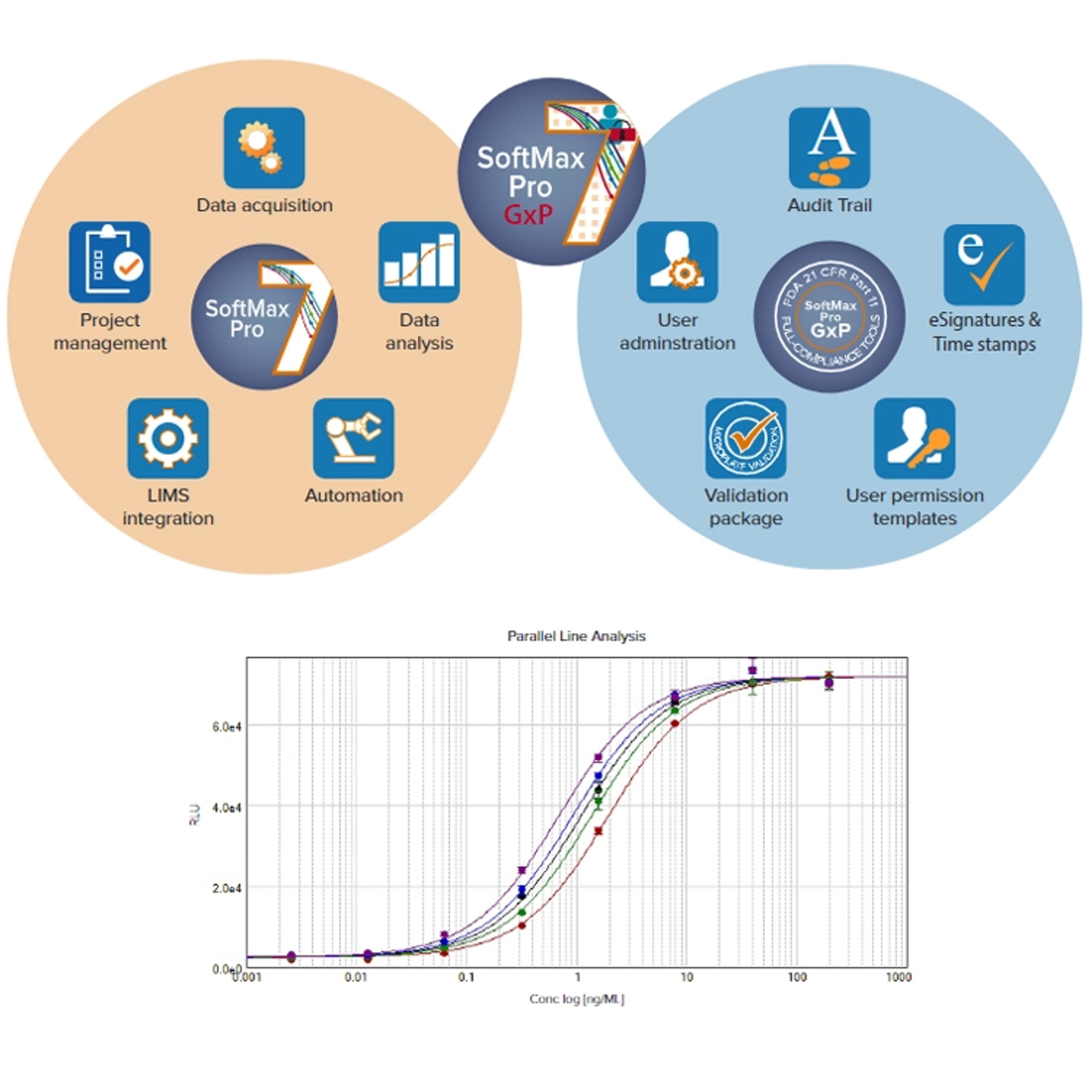
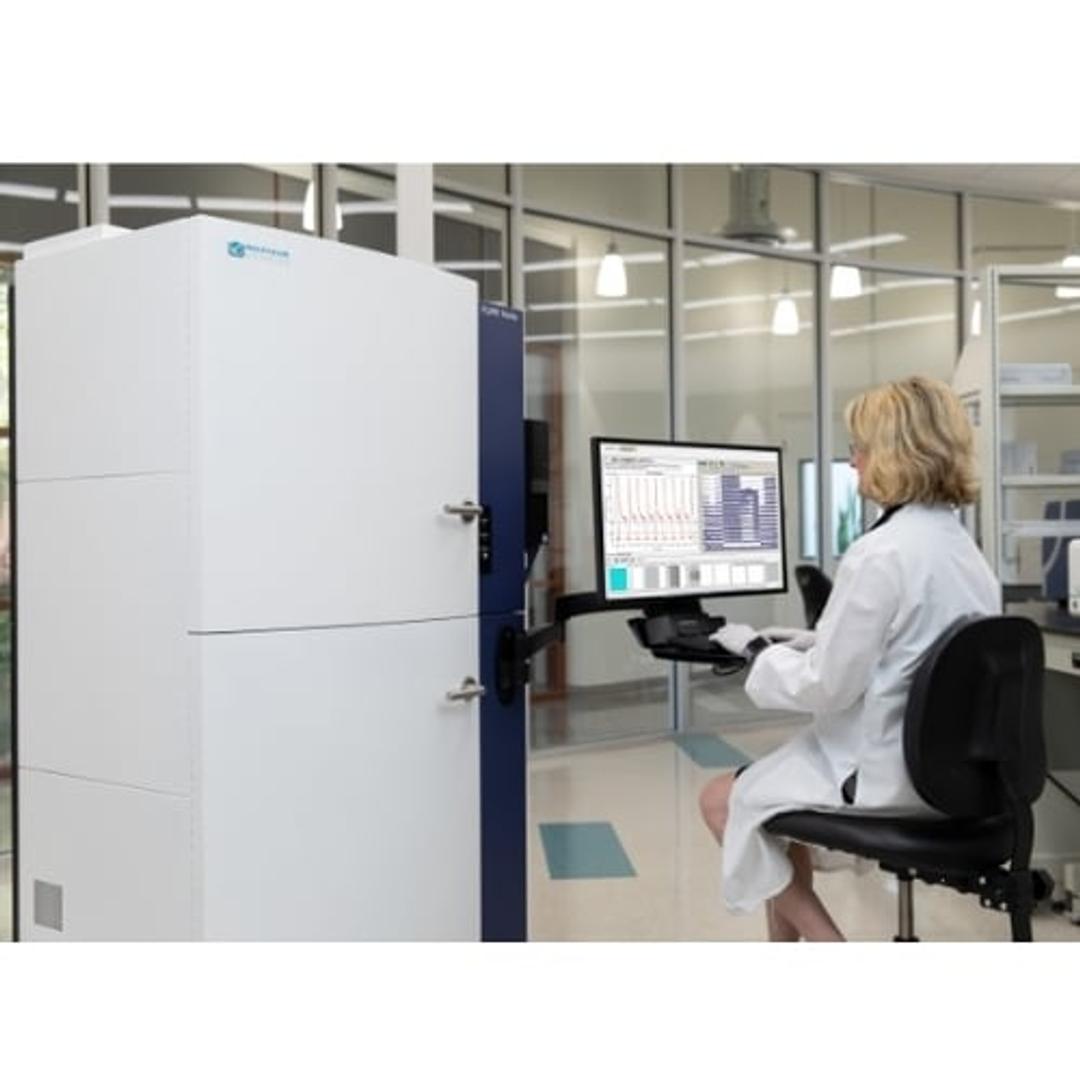
In this product brochure, Molecular Devices® introduces the FLIPR® Penta High-Throughput Cellular Screening System with ScreenWorks® Software, offering simplicity in multi-user environments. The software controls equipment intelligence, captures data during kinetic assays, and supports both standard GPCR assays (fluorescent/luminescent) and high-speed imaging for iPSC cardiomyocyte calcium oscillation assays. The optional Peak Pro™ 2 software enables advanced peak analysis, ideal for iPSC-derived cardiomyocyte and neuron assays. ScreenWorks Software is user-friendly, displaying relevant options based on hardware, allowing easy parameter selection. Live, information-rich data is shown in different plate formats, and specific wells can be grouped for analysis or export. Graphs and tables can be easily copied, making results readily accessible.
Axon Patch-Clamp portfolio
In this product brochure, Molecular Devices® provides an overview of the Axon™ Patch-Clamp. The Axon Instruments™ portfolio provides comprehensive solutions for patch-clamping that includes amplifiers, digitizer, software, and accessories. Molecular Devices instruments are designed to facilitate the entire range of patch-clamp technique experiments from the smallest single channel to the largest macroscopic recordings. The addition of Axon pCLAMP™ 11 Software Suite promises to create a streamlined workflow, allowing for sophisticated and efficient experiments, and higher-quality data generation.
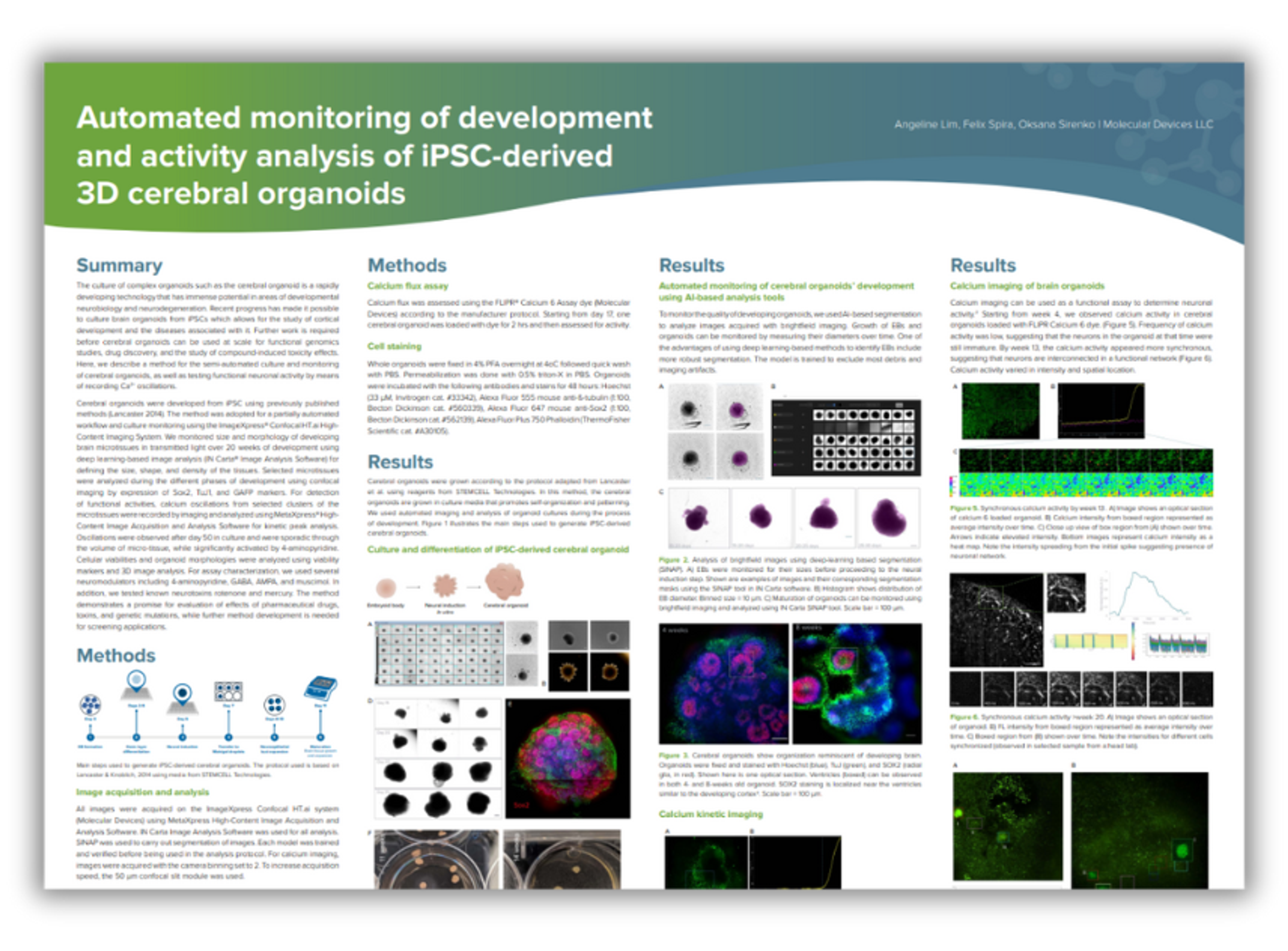
Automated monitoring of development and activity analysis of iPSC-derived 3D cerebral organoids
In this application note, Molecular Devices describes a method for semi-automated culturing and monitoring of cerebral organoids, as well as the testing of functional neuronal activity by means of recording Ca2+ oscillations.
Optimized plate reader assays for breakthrough drug discovery research
Biology research has been greatly simplified by the availability of standardized assay kits, instruments, and assay protocols from commercial manufacturers. However, assay optimization remains an essential and often time-consuming step to ensure the desired sensitivity and specificity to the target of interest. Molecular Devices presents its range of easy-to-use, robust assay kits for protein, DNA, and cell-based assays. Discover how these assay kits are optimized for the highest data quality on Molecular Devices instruments, including compatible software to streamline your workflow.
Functional characterization of 3D neurospheres assembled using iPSC-derived neurons and astrocytes
In this application note, Molecular Devices describes methods for assembling normal human iPSC-derived cell types, including glutamatergic neurons, GABAergic neurons, and astrocytes into 3D neurospheres for compound profiling. Neural organoids and 3D spheroids are a rapidly developing technology with great potential for understanding brain development and neuronal diseases. They provide a more advanced and biologically relevant system for basic research and high-throughput drug discovery, including compound profiling and toxicity testing.
FLIPR Penta high-throughput cellular screening system
In this application note, Molecular Devices® describes the anatomy and applications of its FLIPR® Penta high-throughput cellular screening system.
The applications of this system include:
- GPCR: Monitor GPCR activity and corresponding intracellular second messenger changes (calcium and cAMP) using fluorescence and luminescence cell based assays
- Membrane potential: Observe real-time membrane potential changes associated with ion channel activation and ion transporter proteins
- Cardiomyocytes: Observe calcium flux to assess cardiotoxicity in the early stages of drug discovery
- Potassium channels: Measure functional activity of ligand- and voltage-gated potassium channels
- Ligand-gated calcium channels: Measure the change of global intracellular calcium, in response to the activation of ion channels
- 3D assays: Detect calcium oscillations in 3D cardiomyocyte and neuronal, providing a biologically relevant assay system to assess potential new pharmaceutical treatments and environmental toxins
- Biochemical assay: Enable fast 'inject and read' kinetic enzyme assays, increasing the throughput of biochemical assays compared to standard plate readers
Multi-parametric assessment of compound-induced pro-arrhythmic effects in human iPSC-derived cardiomyocytes
In this application note, Molecular Devices® addresses the challenge of developing predictive cell-based assays for compound screening and toxicity assessment in drug discovery. The focus of the study is to establish cardiotoxicity assays compatible with high-throughput screening using human induced pluripotent stem cell (iPSC)-derived cardiomyocytes. The aim is to evaluate the utility of these cells as an in vitro pro-arrhythmia model by assessing their responses to 28 drugs associated with different torsades de pointes (TdP) risk categories.
Structural organization and functional analysis of compound response in 3D human iPSC-derived cardiac tri-culture microtissues
In this application note, Molecular Devices® explores the use of a tri-culture model with cardiomyocytes, endothelial cells, and cardiac fibroblasts derived from human iPSCs to enhance the maturation and functional activity of cells, more closely resembling actual heart physiology compared to 2D cardiomyocytes. The study involves creating 3D microtissues by mixing iPSC-derived cardiac and endothelial cells with primary adult fibroblasts. The microtissues exhibited spontaneous and regular contractions within 48 hours and were tested for functional activity by recording calcium oscillations using the FLIPR® Penta High-Throughput Cellular Screening System. The response of the microtissues to various cardiac activity modulators was investigated.
Automated monitoring of development and activity analysis of iPSC-derived 3D cerebral organoids
In this application note, Molecular Devices describes a method for semi-automated culturing and monitoring of cerebral organoids, as well as the testing of functional neuronal activity by means of recording Ca2+ oscillations.
Revolutionize drug discovery with the FLIPR Penta High-Throughput Cellular Screening System
In this video, Molecular Devices® introduces the FLIPR® Penta High-Throughput Cellular Screening System – a platform that supports various assays, including G-protein coupled receptors (GPCR), membrane potential, cardiomyocytes, potassium channels, ligand-gated calcium channels, 3D assays, and biochemical assays through available kits. Its user-friendly interface and intuitive software streamline the screening process, saving time and boosting productivity.

Drug discovery & development award winners revealed at SLAS2020
Bruker, FortéBio, Biotix and Molecular Devices among the manufacturers recognized in San Diego