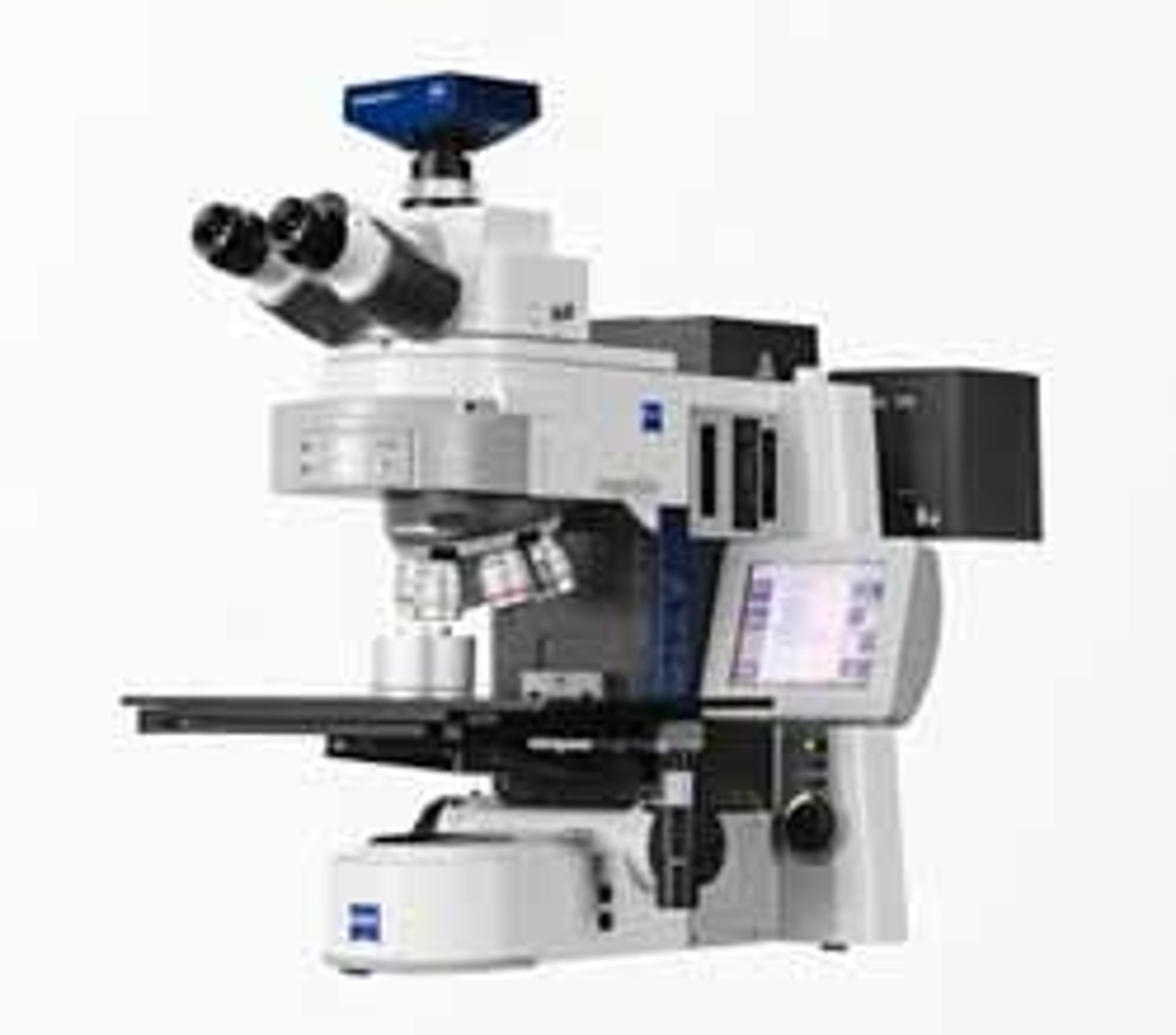
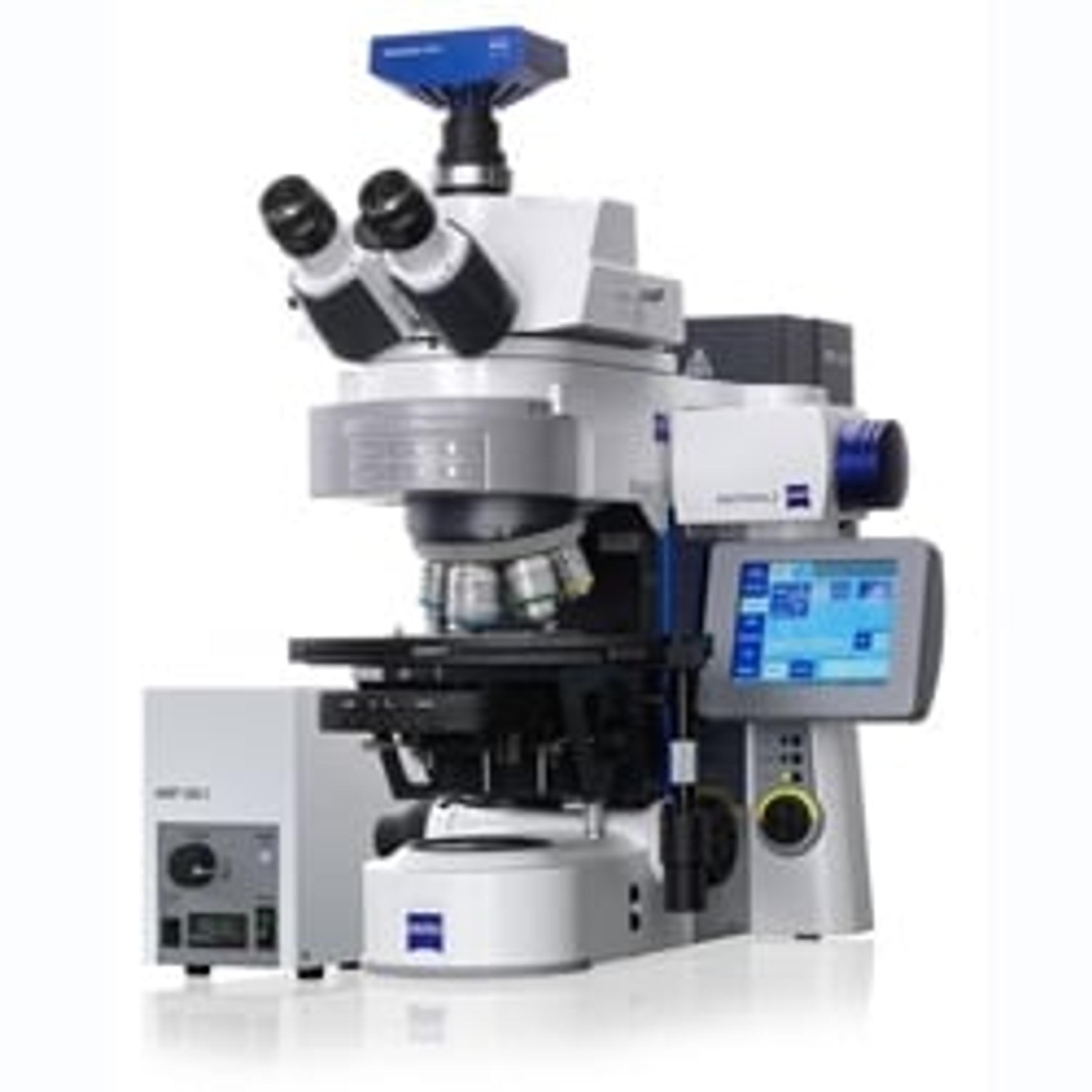
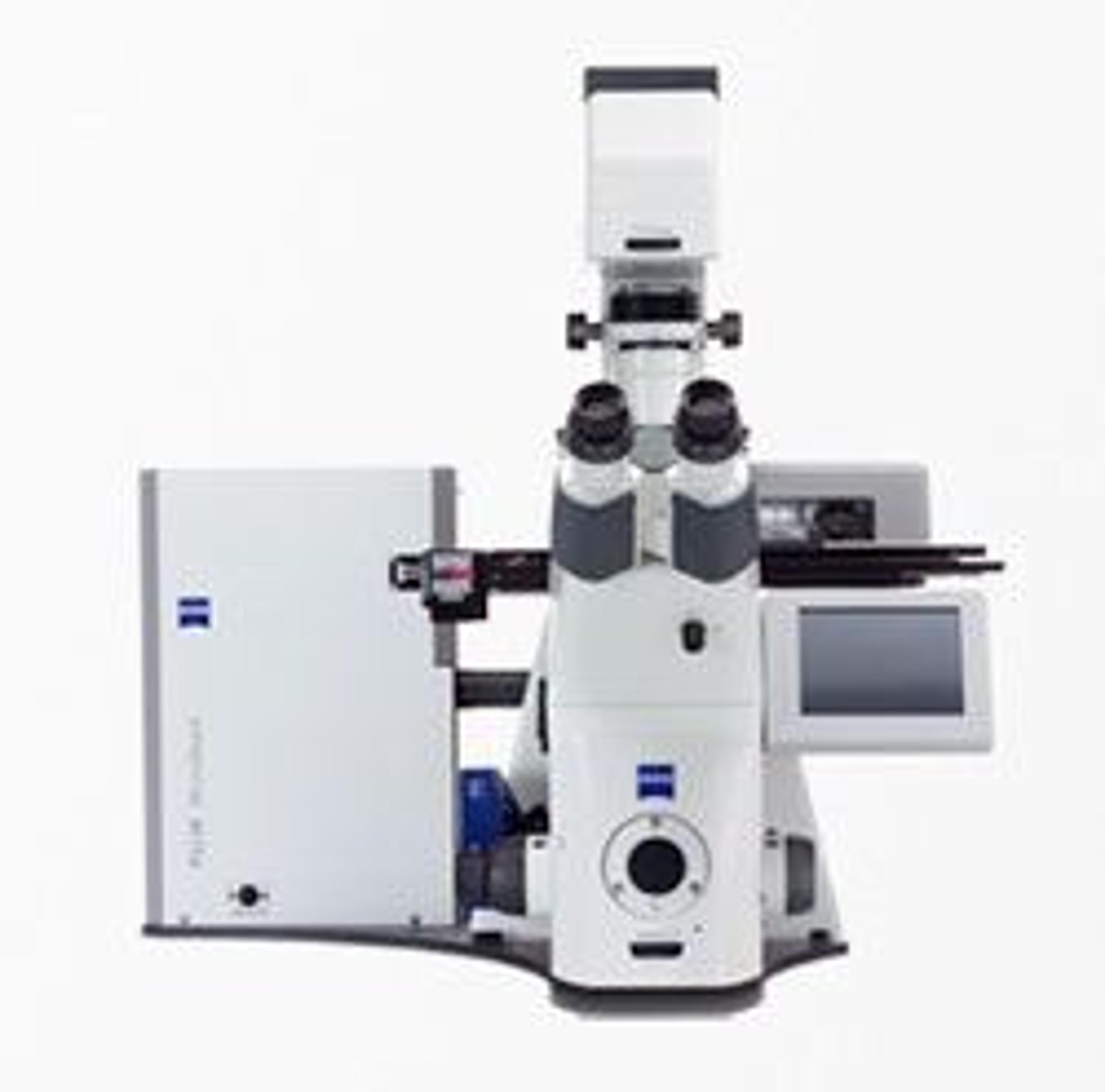
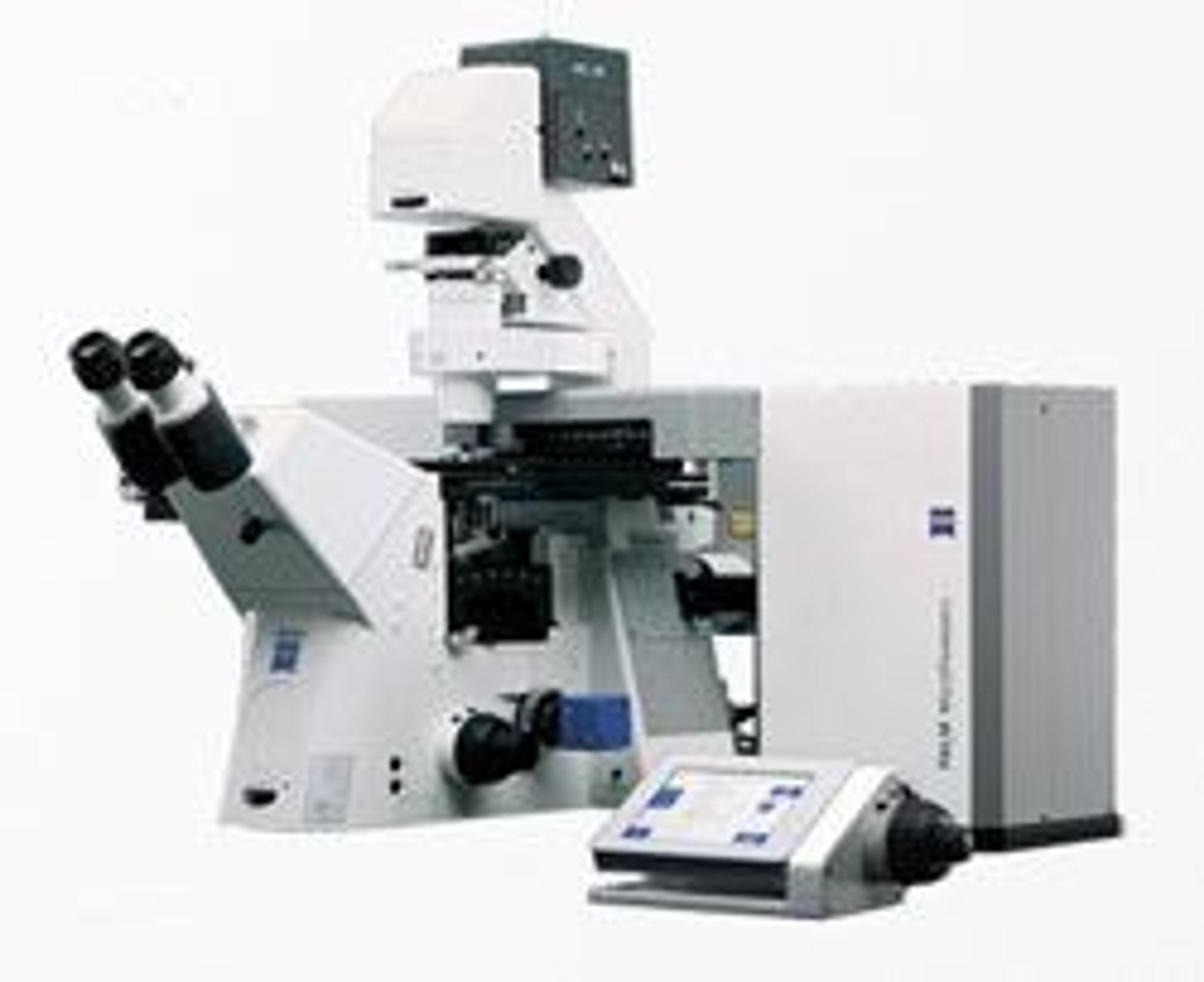
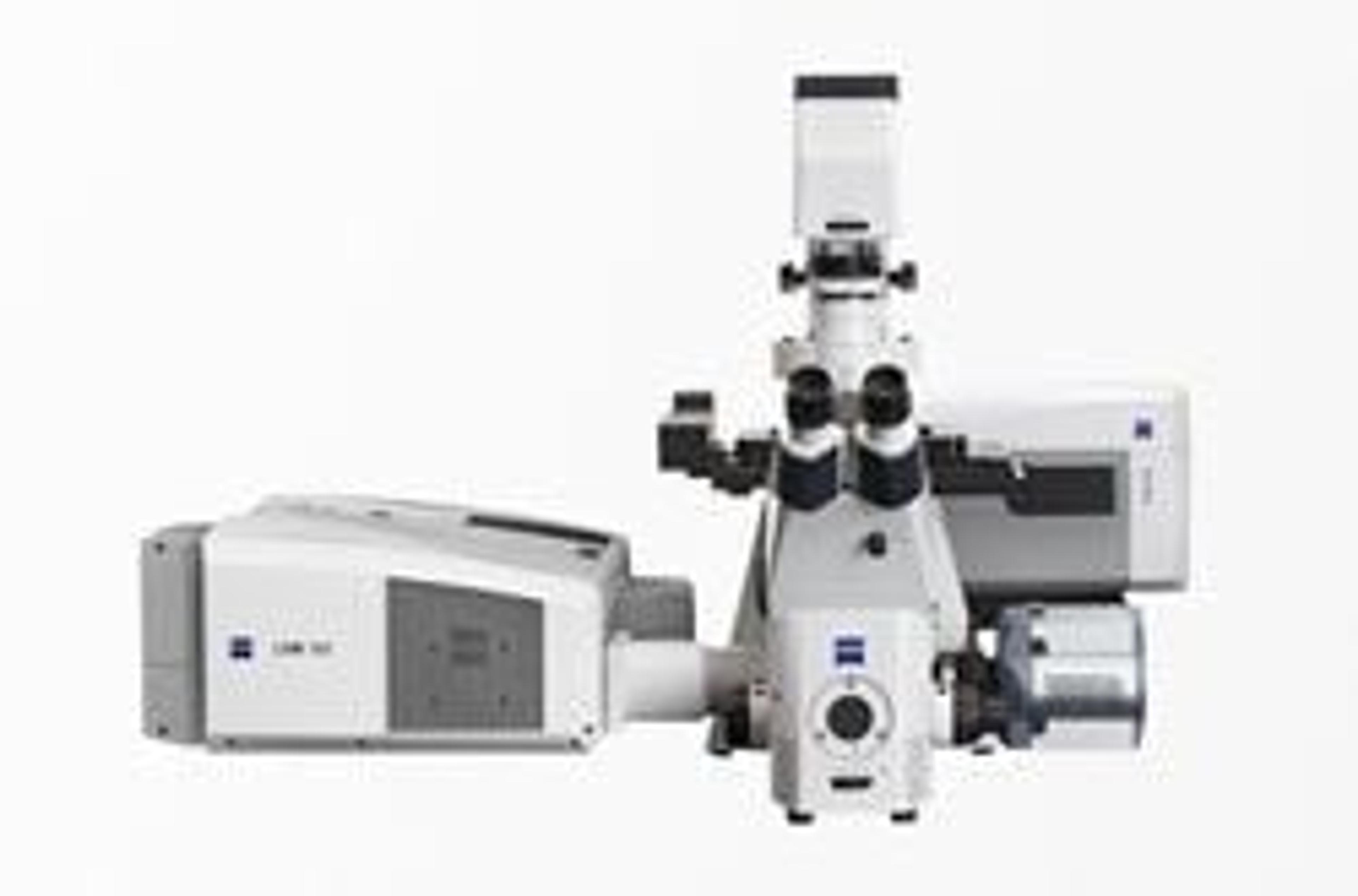
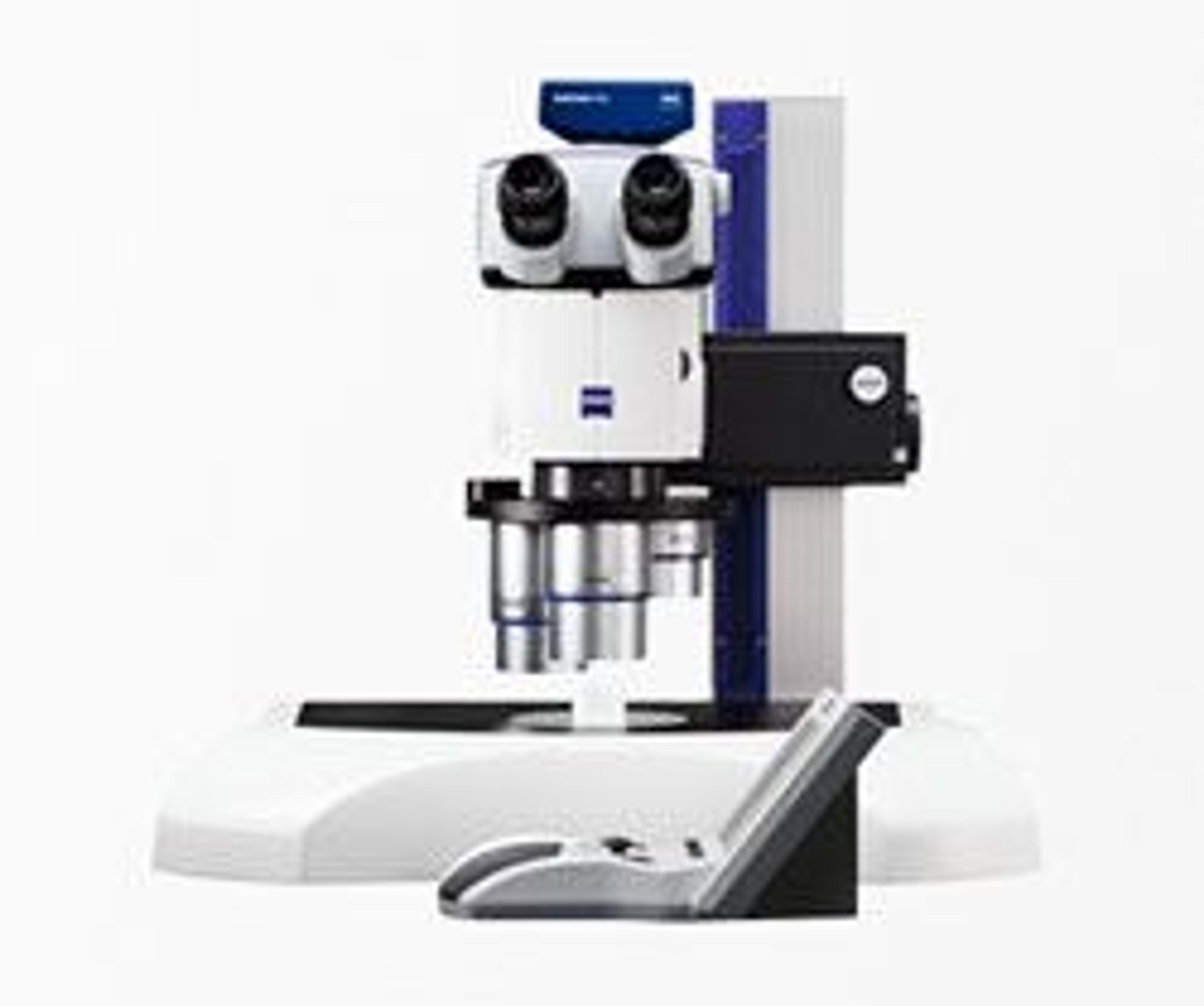
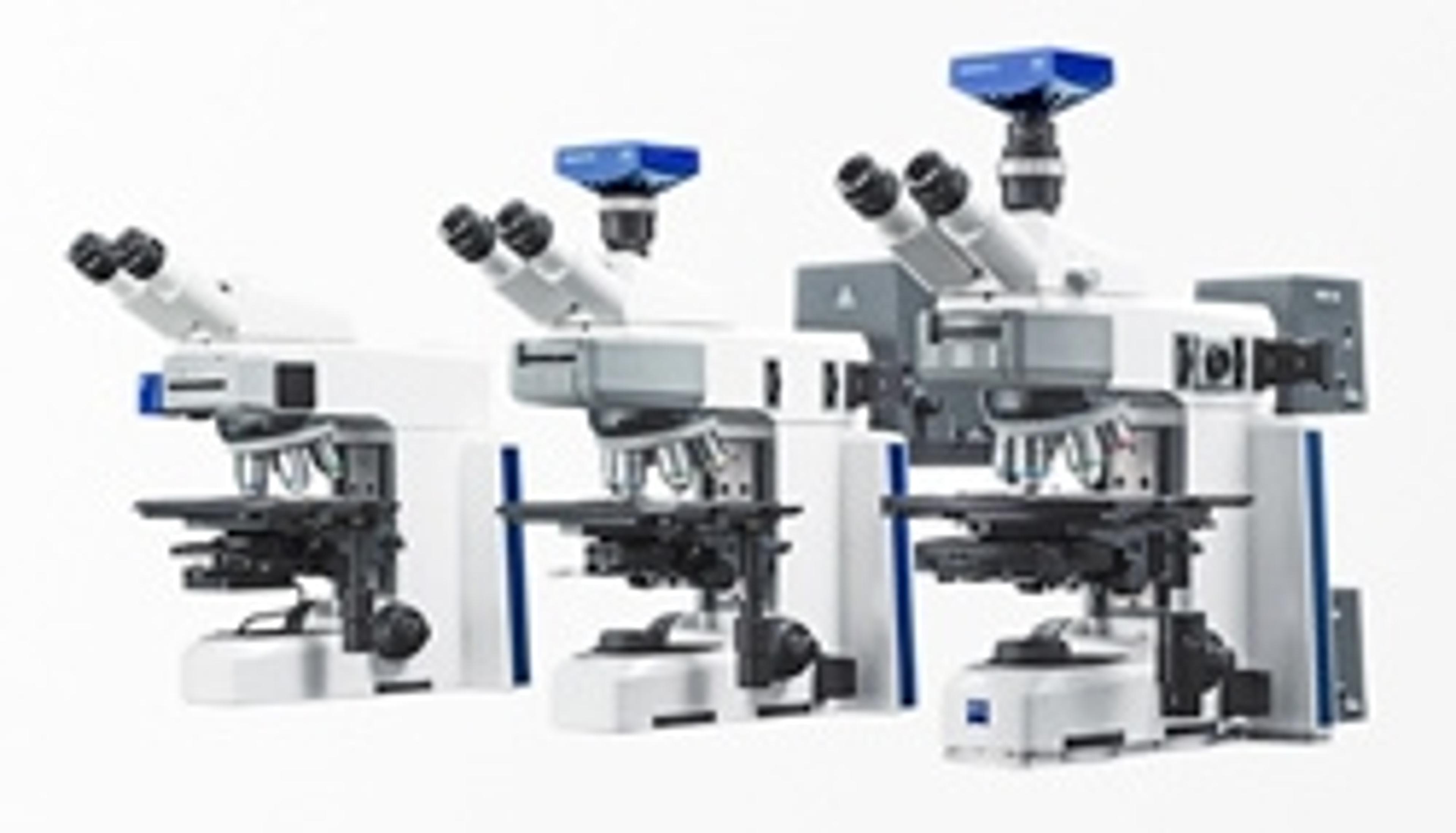
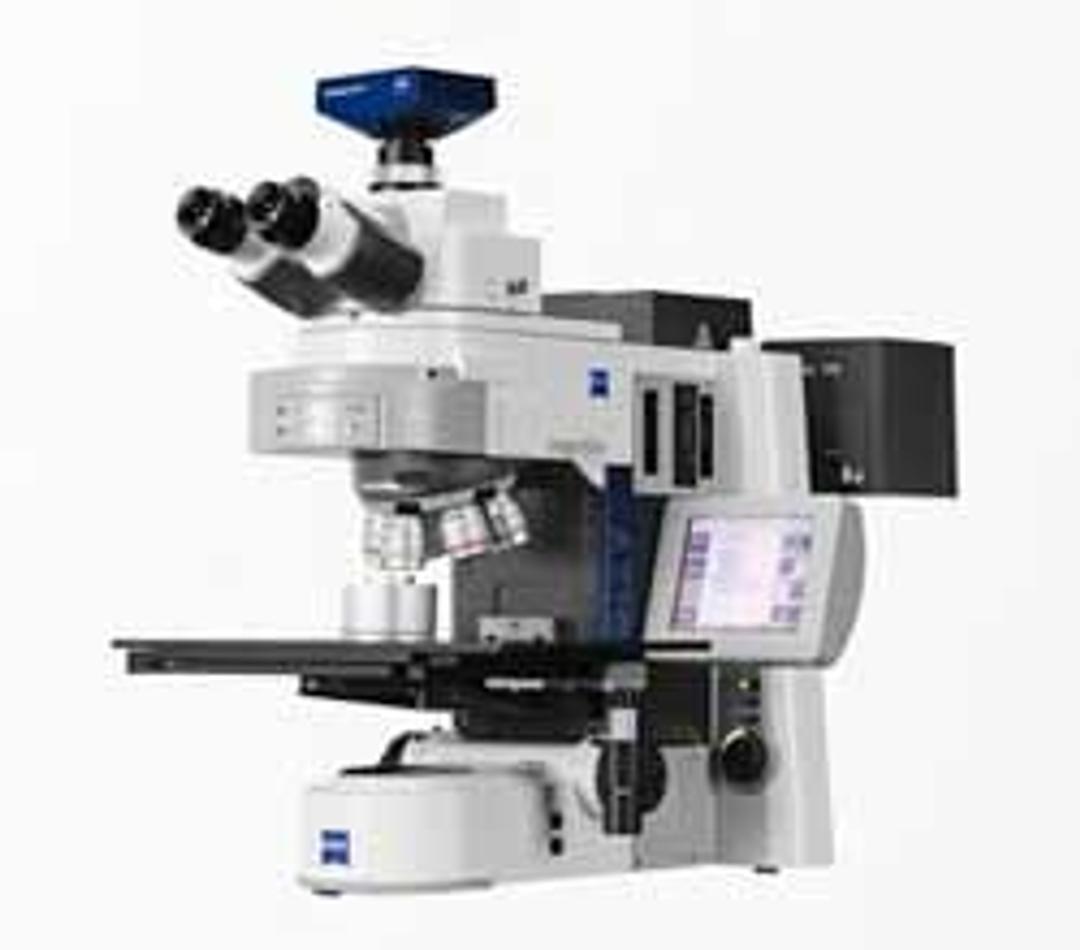
ZEISS Axio Imager 2 for Materials
Your Open Microscope System for Automates Material Analysis.

Receive your quote directly from the manufacturer.
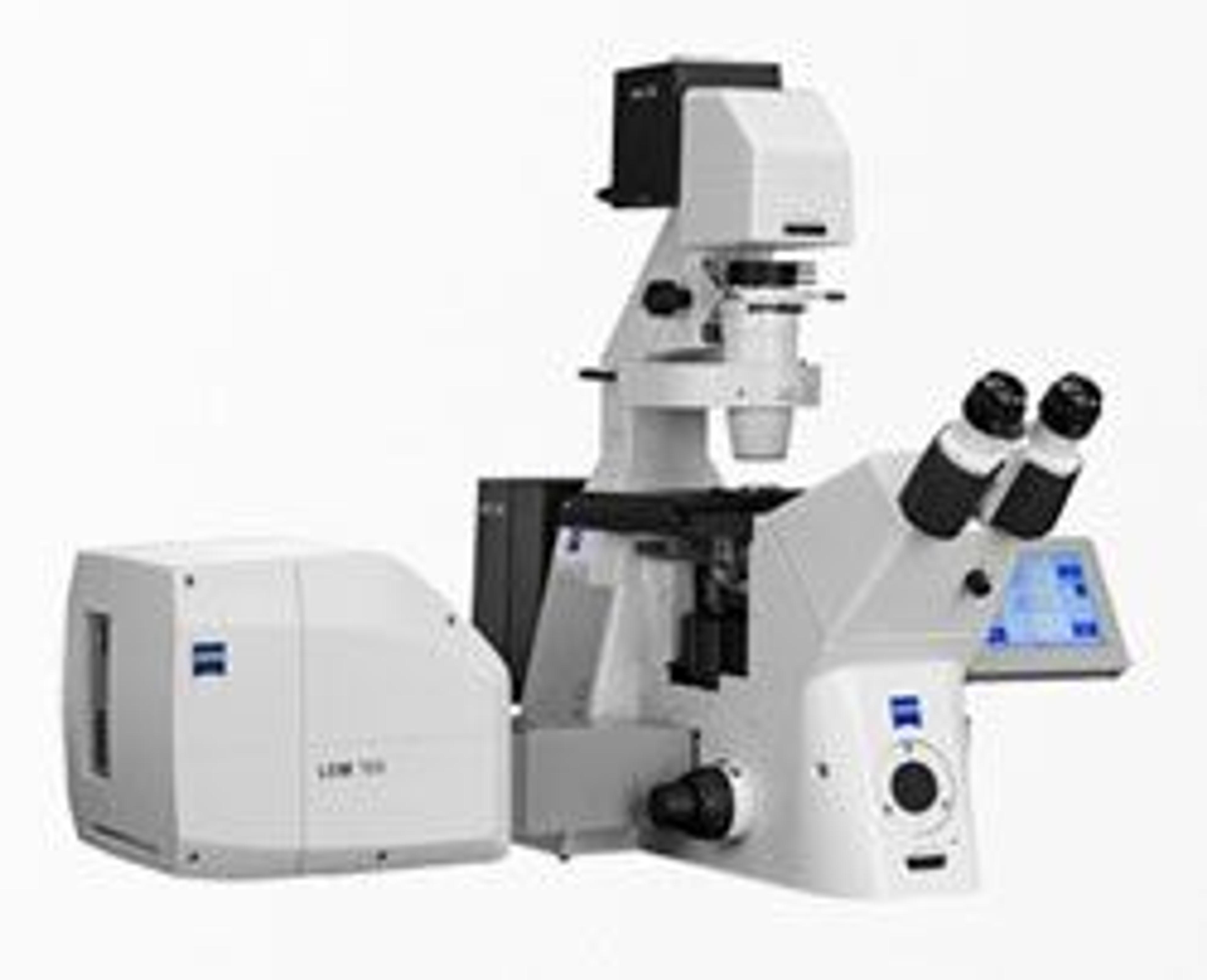
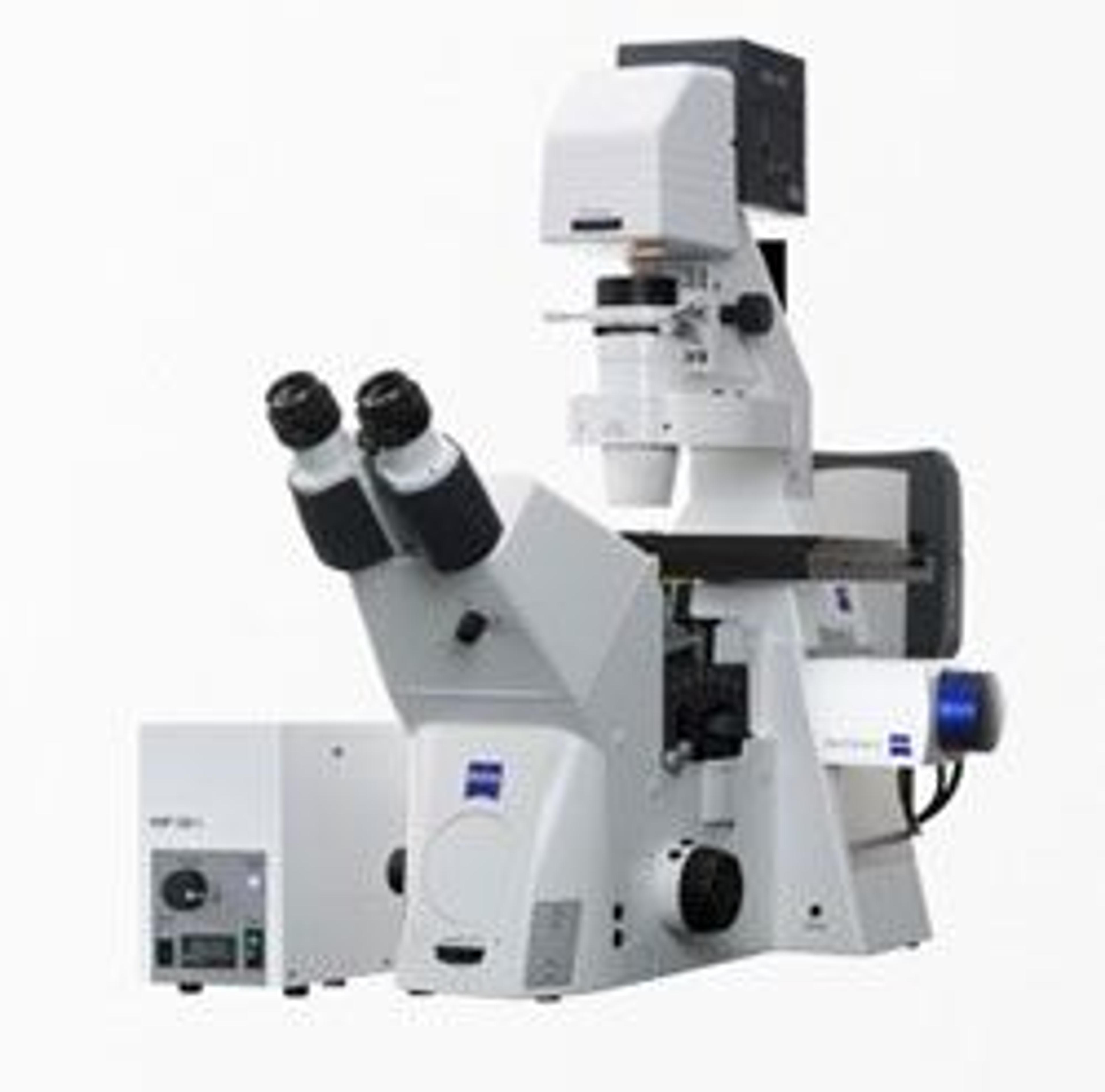
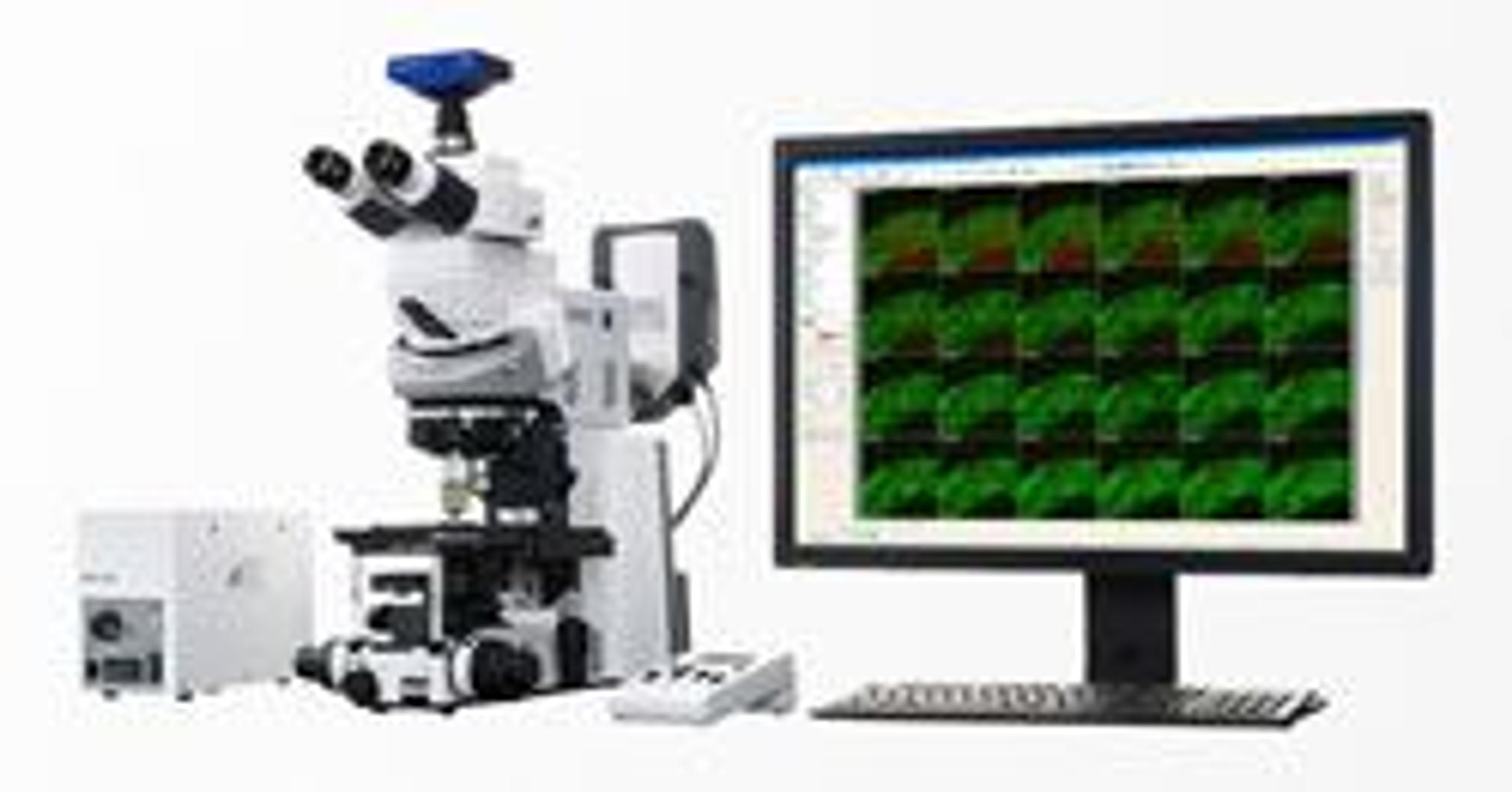
Axio Imager 2 from ZEISS is your system platform tailored to demanding materials analysis tasks, development of new materials as well as quality control.
You always profit from crisp images and high optical performance. This applies in particular to sophisticated contrasting techniques, e.g. like the Circular Differential Interference Contrast (C-DIC) and polarization contrast.
Use the motorized stand to achieve reproducible illumination settings and, consequently, constant image quality. You always obtain comparable results and high productivity by automating your workflow. Axio Imager 2 offers a high degree of adaptability in line with your future requirements.
The stands are open to expand and cover a wide range of applications.

Investigating structure-property relationships in a carbon-fiber composite
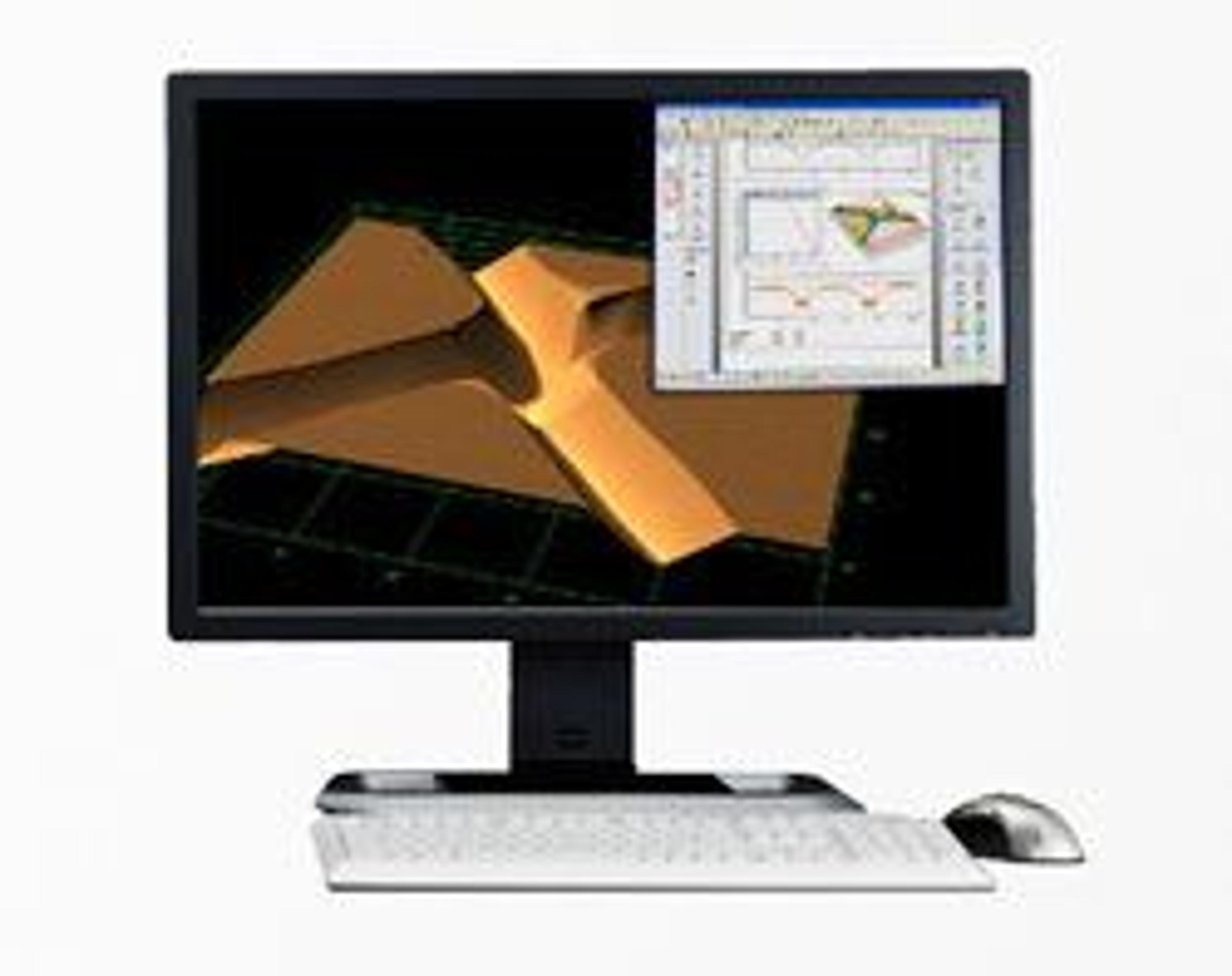
Characterizing composite materials is a challenging task. Understanding the nucleation processes is critical toward engineering against failure, but traditional bulk testing methods are insufficient to describe this process. ZEISS presents how correlative microscopy is a viable conduit into the digital material testing approach. A carbon fiber reinforced composite hockey stick was used as the subject of the characterization study, though this same technique can apply to any variety of materials, from glass composites to metal matrix composites, as well as to monolithic materials. Correlative microscopy enabled a robust imaging-to-simulation workflow, producing a model that is available for further digital modification and analysis. Through implementation of this procedure in a regular basis, material development efficiencies may be enhanced, leading to high-performance products in a reduced amount of time.
Microstructural Investigation of Austempered Ductile Iron (ADI) with "Shuttle & Find"
Austempered ductile iron (ADI) excels through strength, wear resistance and toughness – characteristics that make ADI the material of choice for use in combustion engines and gear box components. This means that safety aspects are also involved in addition to purely functional aspects. For this reason, changes in the ADI production process need to be monitored with respect to the material's characteristics and must be optimized systematically. For the micro- and nanoscopic analysis of the structure and precipitations, scientists typically use both light and electron microscopes. To date, however, there has been no possibility of relocating regions of interest without doubt when transferring the sample from the light to the electron microscope or vice versa. "Shuttle&Find" – the interface for correlative microscopy in materials analysis — offers an easy-to-use solution, enabling seamless integration of these two complementary technologies for the first time.
ZEISS Microscopy Solutions for Steel and Other Metals
ZEISS Microscopy offers multi-modal characterizations and advanced analysis options for industry and research. This application note provides a variety of applications of ZEISS products to analyze steel and other metals.
Microstructural Investigation of Austempered Ductile Iron (ADI) Made Simple
ADI excels through strength, wear resistance and toughness, making it ideal for use in combustion engines and gear box components. Monitoring of the material's characteristics via the microstructure is an important safety aspect of the production process. This application note demonstrates the easy-to-use Shuttle&Find interface for correlative microscopy in materials analysis.
Analysis and Quantification of Non-metallic Inclusions in Steel
Steel is one of the most important structural materials and its global production has shown a tremendous increase over recent years. In 2007, approximately 1.344 billion tons of steel were sold in the marketplace with new manufacturers entering the market to meet the growing demands. To ensure that the steel fulfills its application requirements, quality control has gained importance as the market offers a wider range of products than in the past
Light Microscopy of Solar Cells
Light microscopical investigations provide valuable information in solar cell research, development and production, including details such as surface texture, microstructure and homogeneity as well as thin film properties. In this application note, both crystalline silicon and thin film solar cells are imaged using light microscopy and their different features are characterized.
Microscopic Methods in Metallography Using ZEISS Axio Observer
Knowledge of the structure, crystal structure, and micromorphology, as well as elemental composition and distribution are essential for ensuring safety in designs and components of all sizes – ranging from fields of mechanical engineering and aeronautical engineering to power station engineering and electrical engineering. The observed structures, which are responsible for the properties of the materials to a significant extent, are becoming increasingly smaller and therefore more difficult to differentiate. This application note demonstrates the high resolution analysis of metal samples using the ZEISS Axio Observer.
Microscopy in the Field of Tool Engineering - the Microstructure of Hard Metal Drills
The combination of microscopic and quantitative micro-structural analysis is a powerful method of obtaining information on geometry, usage properties and wear conditions of tools. The mechanical and usage properties of hard metal tools are crucially affected by their microstructure; therefore microscopic investigation of the micro- and macro-structure of the tools is a powerful and fast technique for checking the quality and corresponding usage properties of tools such as drills. This application notes presents possible applications of different microscopy systems from optical light to electron microscopy.
ZEISS Legacy Continues: Advancing Microscopy at M&M 2017
Peter Lander discusses the legacy and development of ZEISS microscopy and the importance of conferences such as M&M. Its collaboration with scientists has enabled ZEISS to provide instrumentation that satisfies their needs, with the aim to develop simplified software that enables complementary and overlaying analyses over a range of its instrumentation.
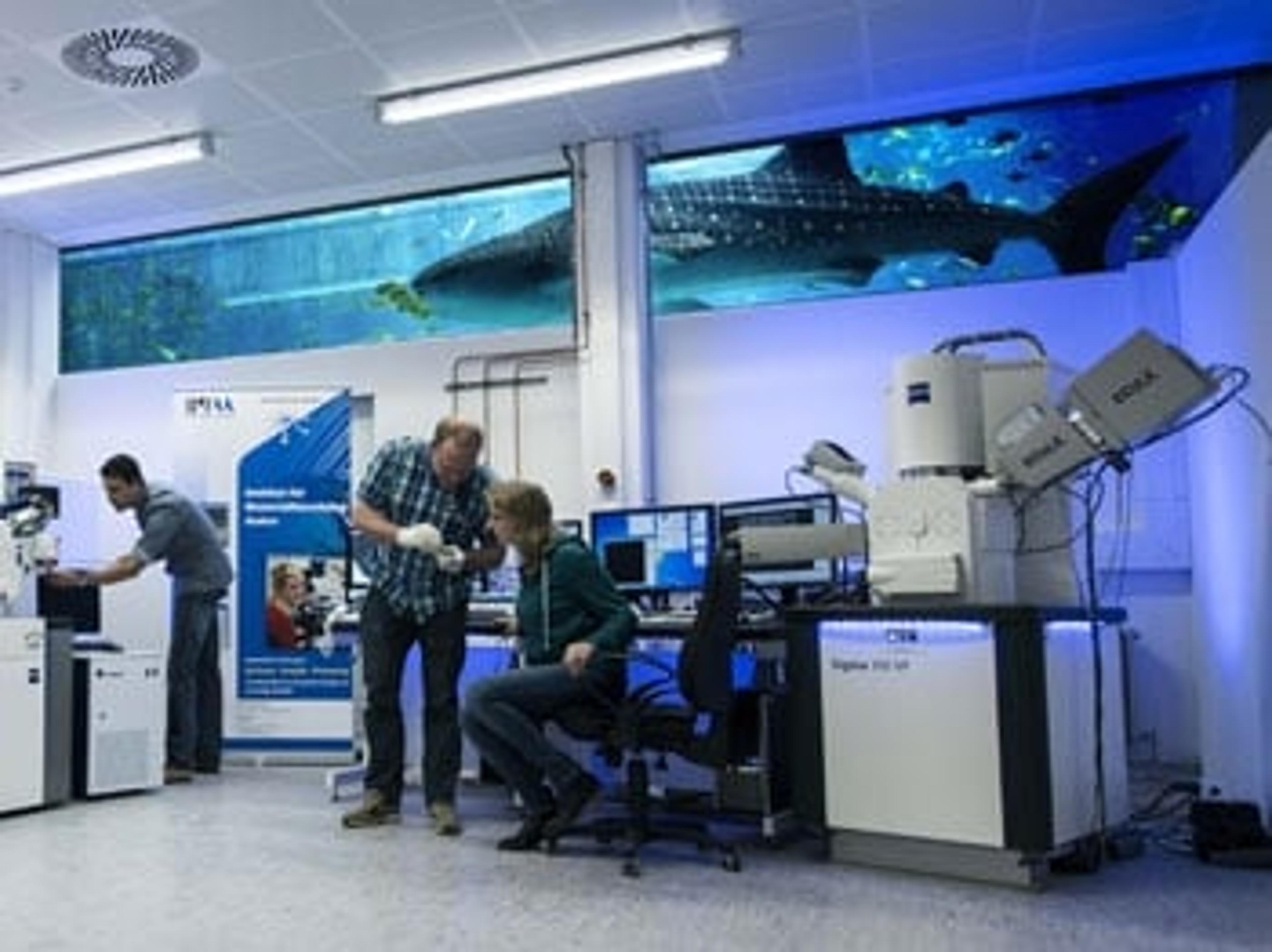
Could Correlative Microscopy Solve the Energy Problems of the Future?
Find out how materialography methods are being developed at the IMFAA, Germany, to enhance research into materials for energy conversion, additive processing and energy storage