Optrode Sensor for Titration
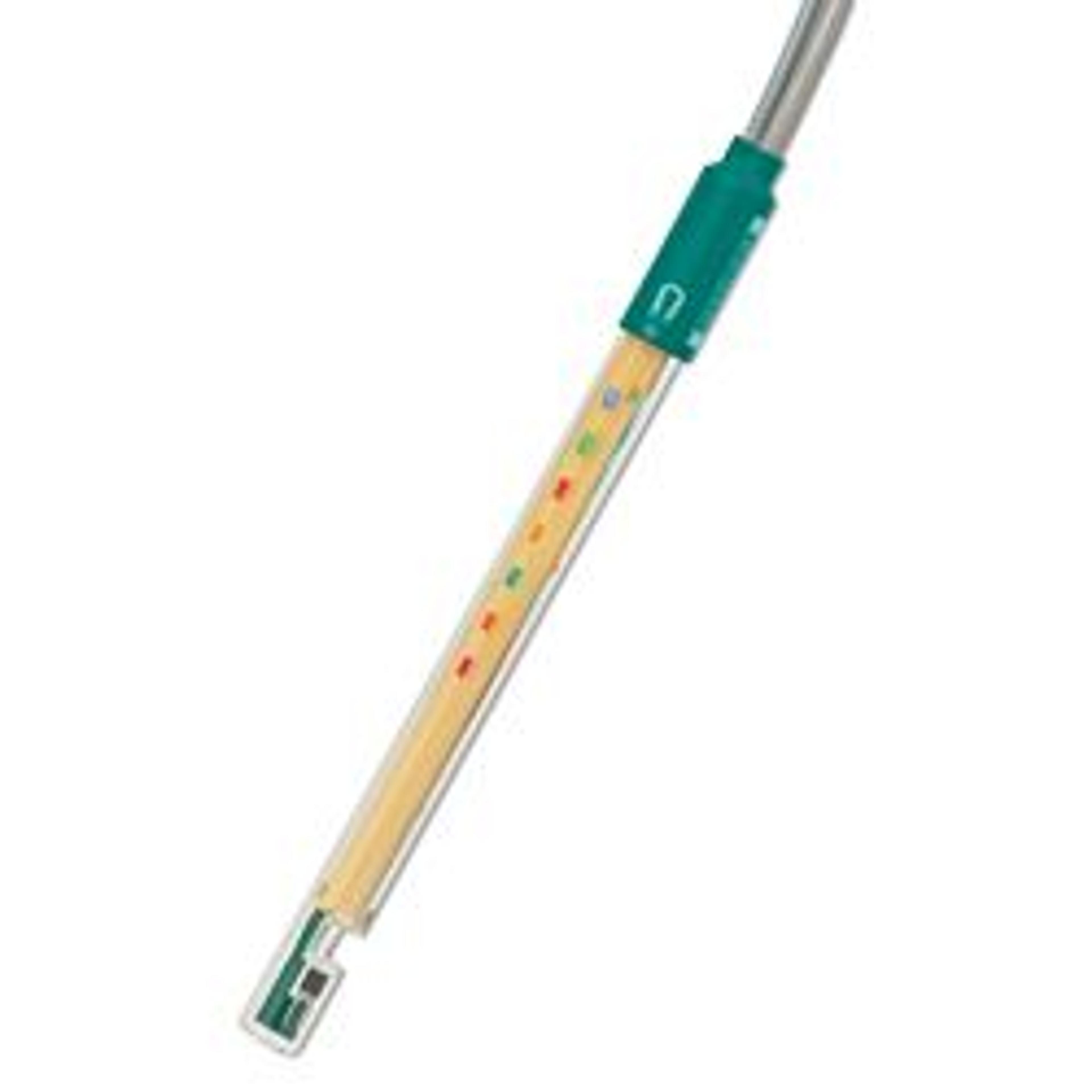
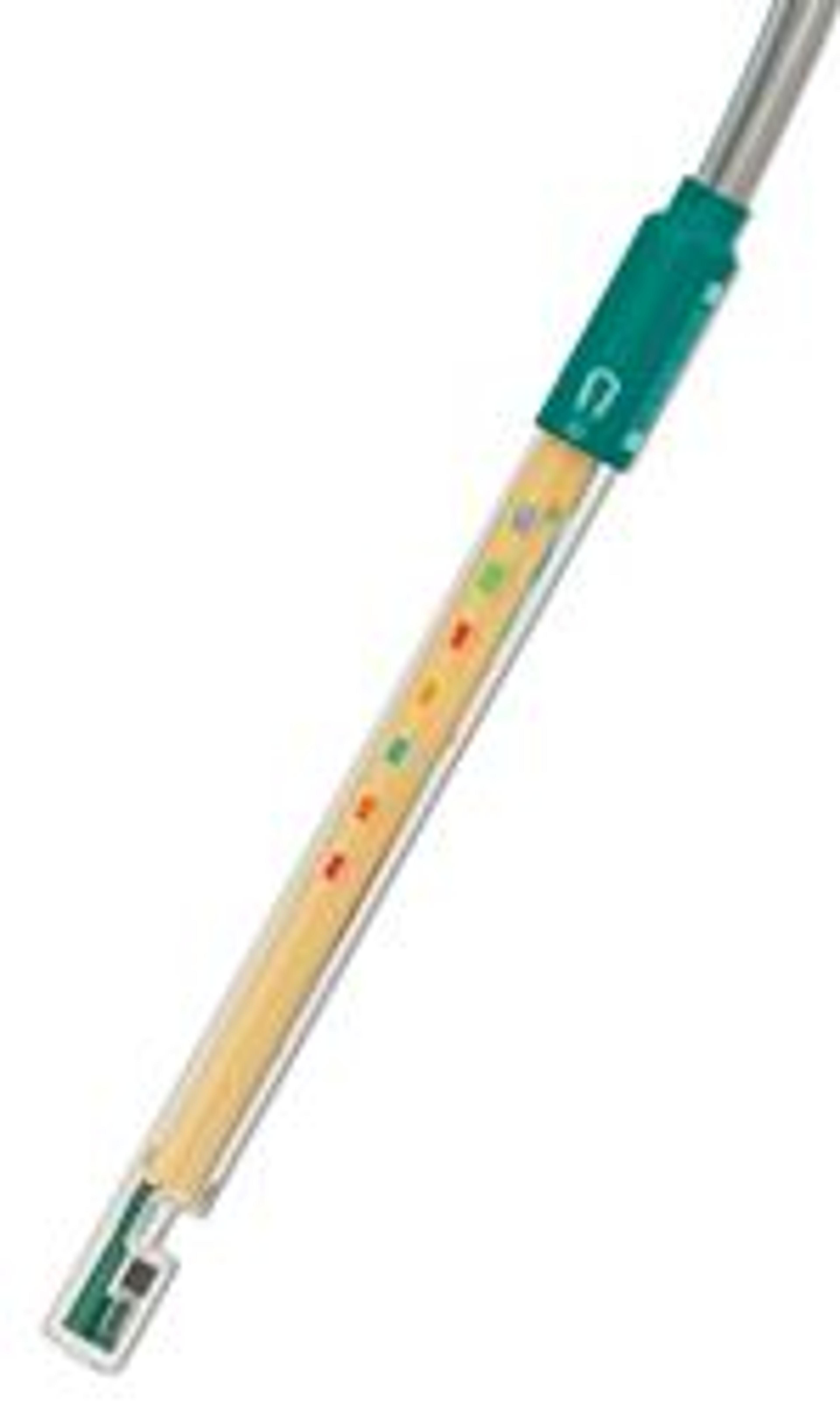
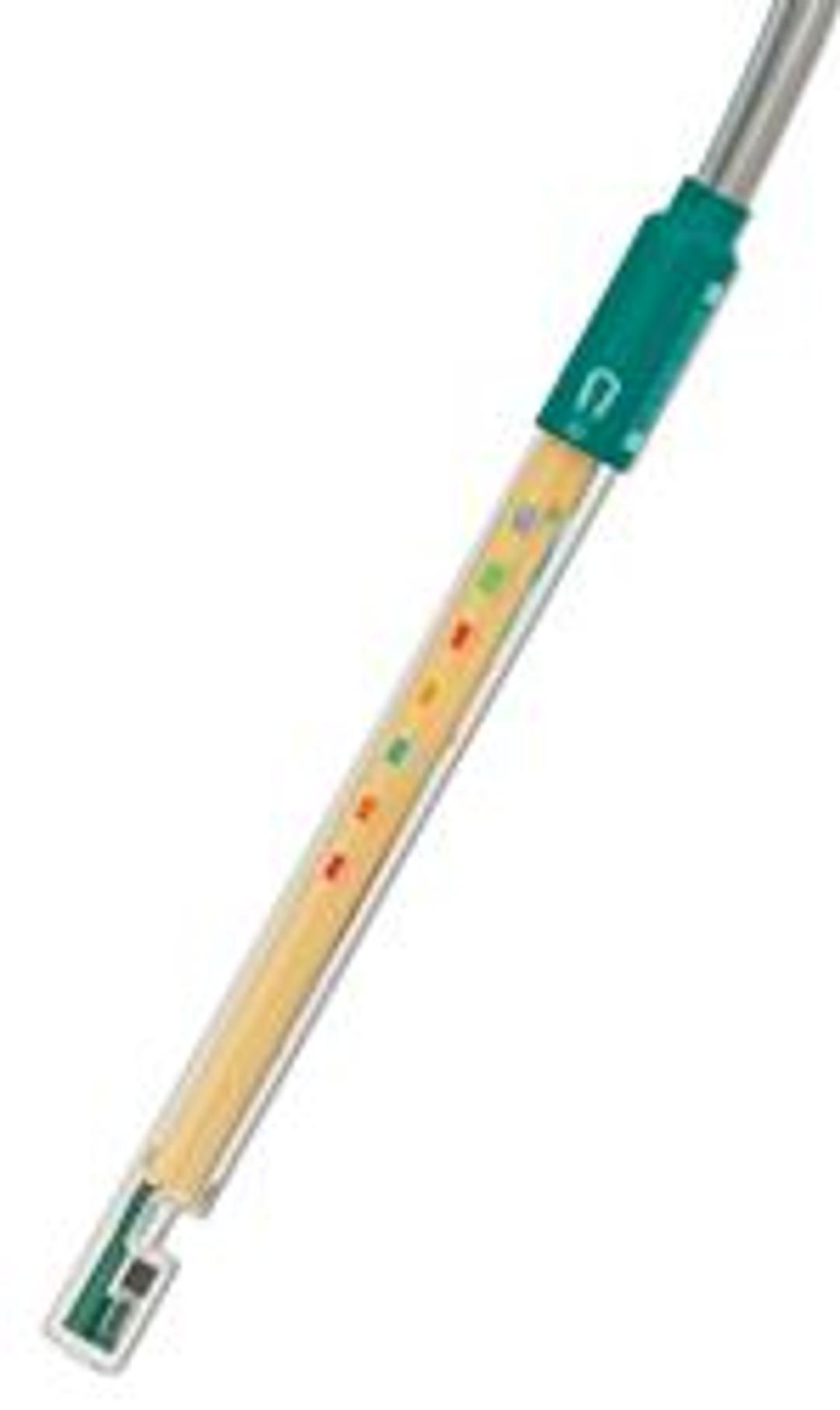
Sensor for titration with photometric endpoint recognition. Eight wave lengths: 470, 502, 520, 574, 590, 610, 640 and 660 nm 100% solvent-resistant due to glass shaft Compact and space-saving Very easy to clean Easy to change the wave lengths Both new and existing titration systems can be furnished with the optrode. The power supply is provided directly through the USB interface of a Metrohm instrument (Titrino p…

Receive your quote directly from the manufacturer.
Very nice probe.
Heat Stable Salt analysis
Very robust. There are many wavelength selections and it is easy to change.
Review Date: 27 Sept 2021 | Metrohm AG
Colorimetric Titrations
The Optrode is used as a photometric sensor for a variety of titration methods that use indicators. The sensor is totally enclosed in a glass shaft so it can be used with both aqueous and solvent systems. Easy to clean and doesn't need conditioned. It comes with 8 LED light sources for different wavelength ranges that can be changed instantly using a magnetic stirring bar. This sensor makes determining the exact colorimetric endpoint so much easier than trying to determine the color change by eye. This sensor can be used with any Metrohm titrator - not sure if it is applicable to other manufacturers' titrators.
Review Date: 20 Dec 2013 | Metrohm AG
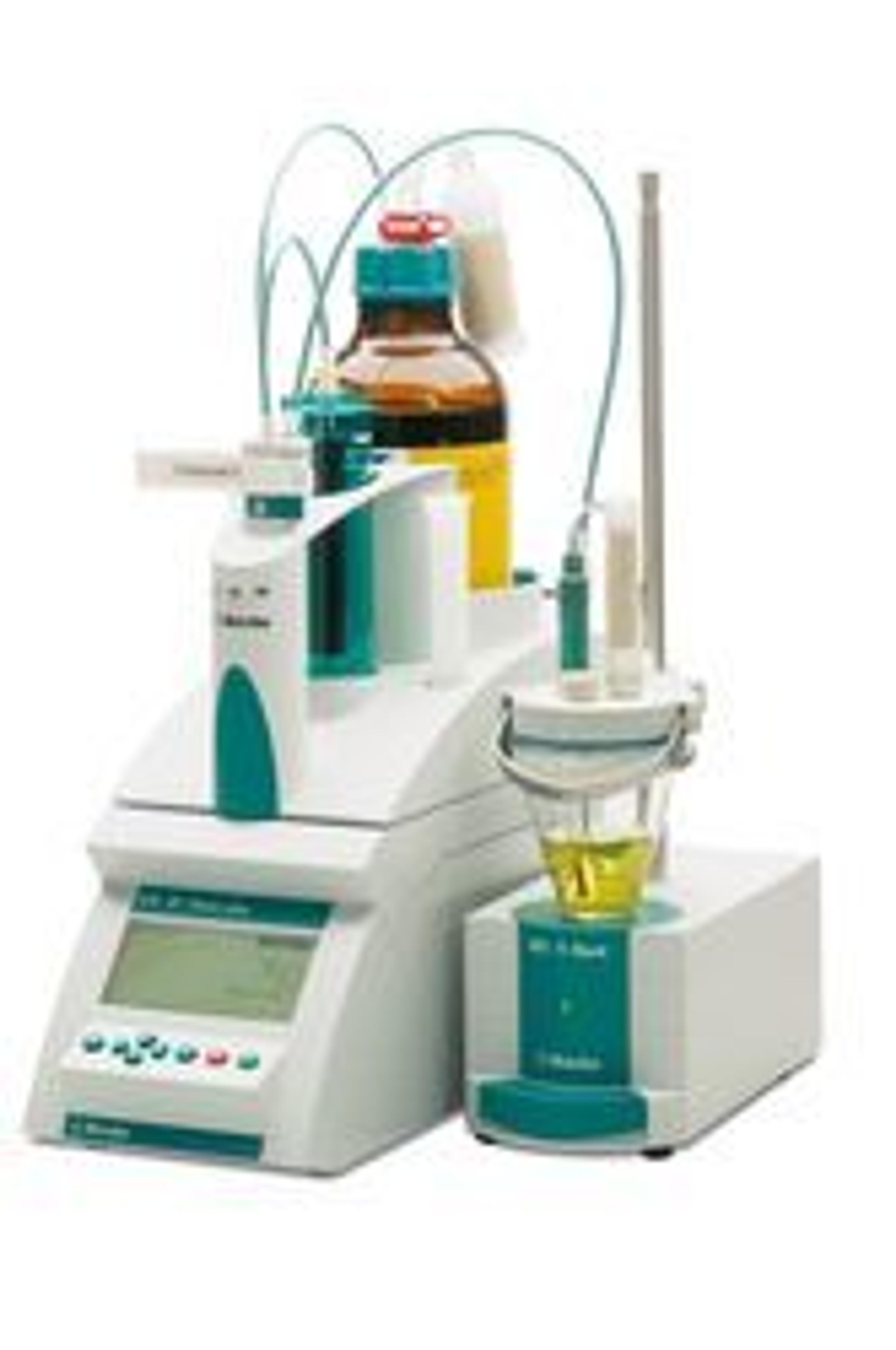
Sensor for titration with photometric endpoint recognition.
- Eight wave lengths: 470, 502, 520, 574, 590, 610, 640 and 660 nm
- 100% solvent-resistant due to glass shaft
- Compact and space-saving
- Very easy to clean
- Easy to change the wave lengths
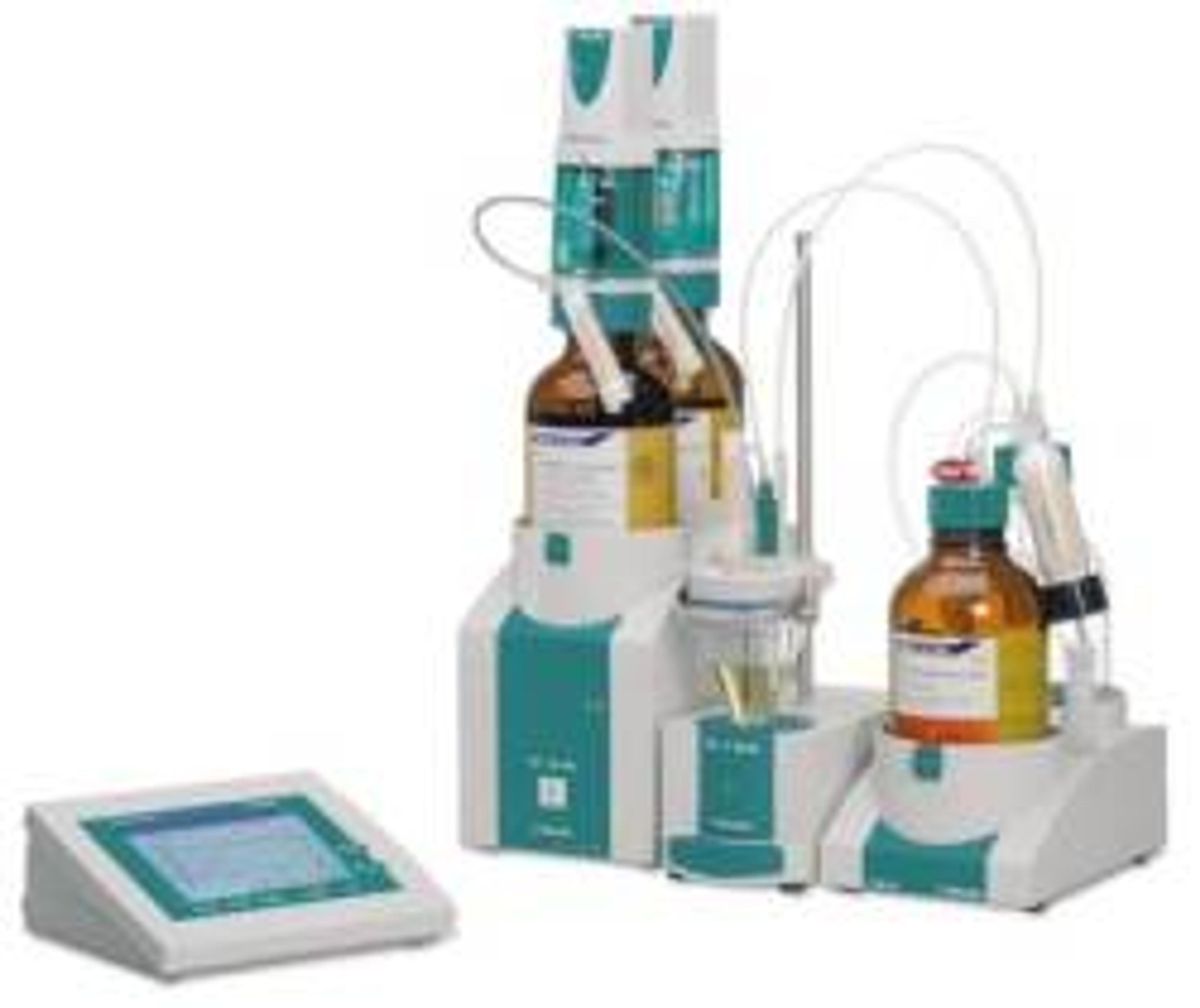
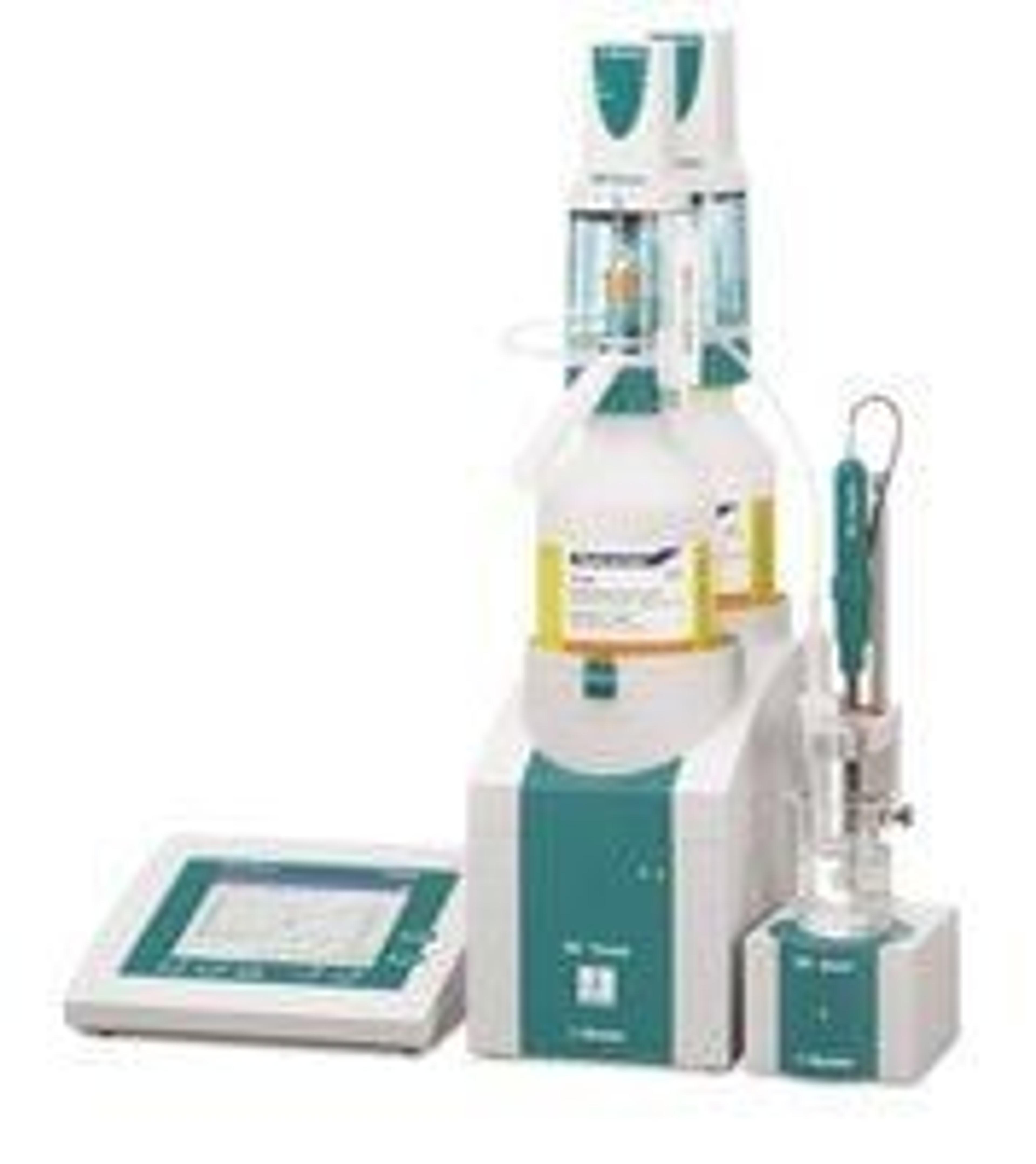
Both new and existing titration systems can be furnished with the optrode. The power supply is provided directly through the USB interface of a Metrohm instrument (Titrino plus, Ti-Touch, Titrando, USB sample changer). With older models without a USB interface, the power supply can also be provided by means of an optional USB power supply unit.

Nicotine Determination in E-Liquids
In this application note, Metrohm presents an affordable and reliable method to determine the nicotine content in e-liquids and their nicotine starting material to help ensure the quality of these products. Non-aqueous acid base titration is a more affordable alternative to the traditional gas or liquid chromatography used for nicotine determination.
Titer Determination in Volumetric Karl Fischer Titration
This Application Bulletin provides information on the titer determination in Karl Fischer titration. It contains information on the types of water standards suitable for a titer determination as well as the correct handling of those standards.
Thallium Analysis Using Automated Photometric Titration
Thallium is a soft gray post-transition metal is not found free in nature. When isolated, it resembles tin, but discolors when exposed to air. Thallium can be titrated as Tl(III) in slightly acidic medium. To visualize the equivalence point, the indicator xylenol orange is used. The indication is done with the Optrode at a wavelength of 574 nm.
Cobalt Analysis by Automated Photometric Titration
Like nickel, cobalt in the Earth's crust is found only in chemically combined form, save for small deposits found in alloys of natural meteoric iron. Cobalt can be analyzed in aqueous solutions by direct titration with EDTA at pH 9. The indicator is murexide, and the equivalence point is determined with the Optrode at a wavelength of 574 nm.
Barium Analysis by Automated Photometric Titration
Because of its high chemical reactivity barium is never found in nature as a free element. Barium can be determined in alkaline media by direct titration with EDTA. Phthalein purple is used as indicator; the equivalence point is determined with the Optrode at a wavelength of 574 nm.
Automated Photometric Determination of Palladium Using the Optrode
Palladium is a chemical element with symbol Pd and atomic number 46. Over half of the supply of palladium and its congener platinum goes into catalytic converters, which convert up to 90% of harmful gases from auto exhaust into less-harmful substances. Palladium is also used in applications such as electronics, medicine, and jewelry. Palladium is determined at pH 4 to 5 by back-titration with zinc sulfate. To visualize the endpoint xylenol orange is used as indicator and the equivalence point is detected with the Optrode at a wavelength of 610 nm.
Tin Analysis using Automated Photometric Titration
This application note describes the use of Metrohm’s Optrode Sensor for titration in the analysis of Tin. Tin forms very stable complexes with EDTA in its divalent and tetravalent form. In alkaline media, tin forms hydroxo complexes for which reason tin is titrated in acidic medium (pH 2.1). Xylenol orange is used as indicator; the equivalence point is detected with the Optrode at a wavelength of 574 nm.
Automated Photometric Determination of Manganese using the Metrohm’s Optrode Sensor
This application note describes the use of Metrohm’s Optrode Sensor for titration, with photometric endpoint recognition in the determination of Manganese. Manganese can be determined as Mn(II) in aqueous solutions at pH 10 with Eriochrome Black T as indicator; the Optrode is used at a wavelength of 610 nm.
Automated Photometric Determination of Lead using Metrohm’s Optrode Sensor
This application note describes the use of Metrohm’s Optrode Sensor for titration, with photometric endpoint recognition in the determination of lead in an aqueous solution at pH 4 to 5 by back-titration with zinc sulfate. The equivalence point is detected with the Optrode at a wavelength of 574 nm.
Photometric EDTA Titration of Manganese Sulfate According to Ph. Eur. And USP
This application note looks at the photometric determination of manganese sulfate using the Optrode (610 nm).

Avoid titration mistakes through best practice sensor handling – on-demand webinar
Get expert advice on how to properly maintain sensors in order to achieve accurate titrations and minimize false results