Freelite™ Assays
Detect and monitor Multiple Myeloma (MM) with Freelite® assays. The time-tested and proven solution for kappa and lambda serum free light chain (sFLC) analysis





The supplier does not provide quotations for this product through SelectScience. You can search for similar products in our Product Directory.
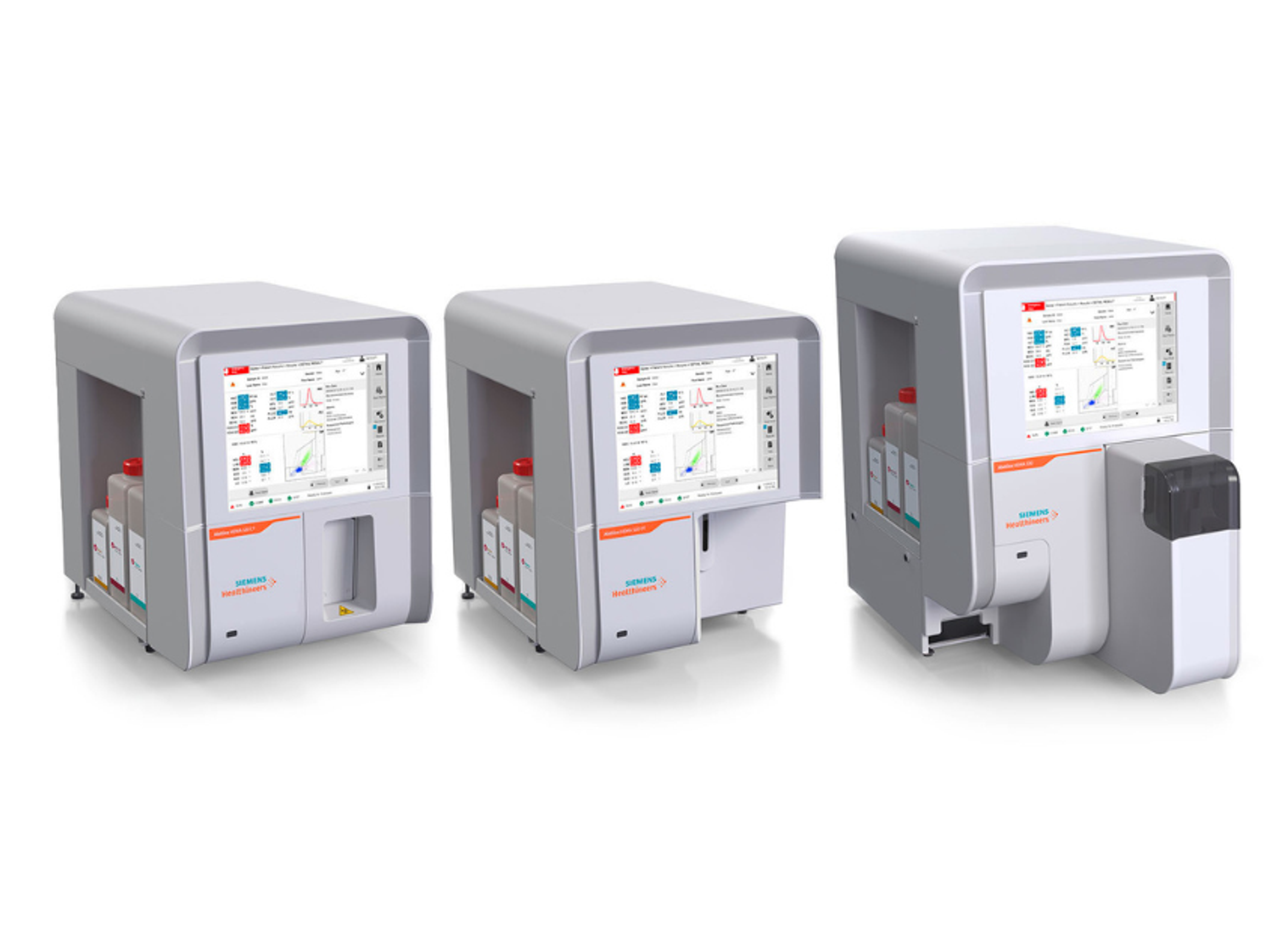
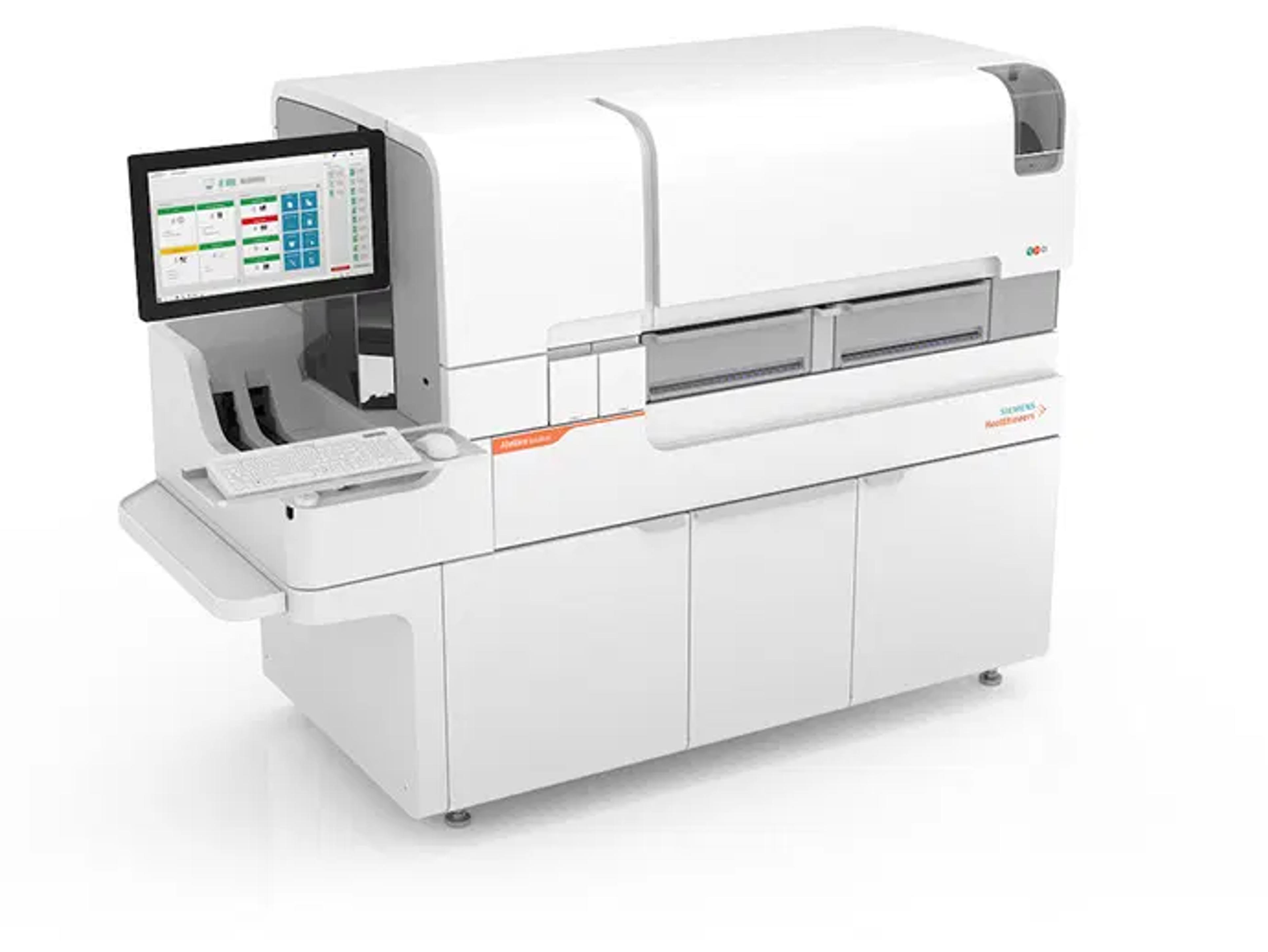
Freelite assays can be used in serum, EDTA and lithium heparin plasma, urine, and cerebrospinal fluid (CSF) using the Binding Site Optilite® automated Analyser.
In serum, plasma, and urine, the assay can aid in the diagnosis and monitoring of monoclonal gammopathies, such as:
- MM including light chain multiple myeloma, oligo-secretory Multiple Myeloma and non-secretory Multiple Myeloma,
- AL amyloidosis
- Lymphocytic neoplasms
- Waldenström's macroglobulinaemia (WM)
- Light chain deposition disease (LCDD)
- Monoclonal gammopathy of undetermined significance (MGUS)
- Smouldering multiple myeloma (SMM)
In CSF, the Freelite Mx assay aids in the characterization of intrathecal immunoglobulin synthesis.
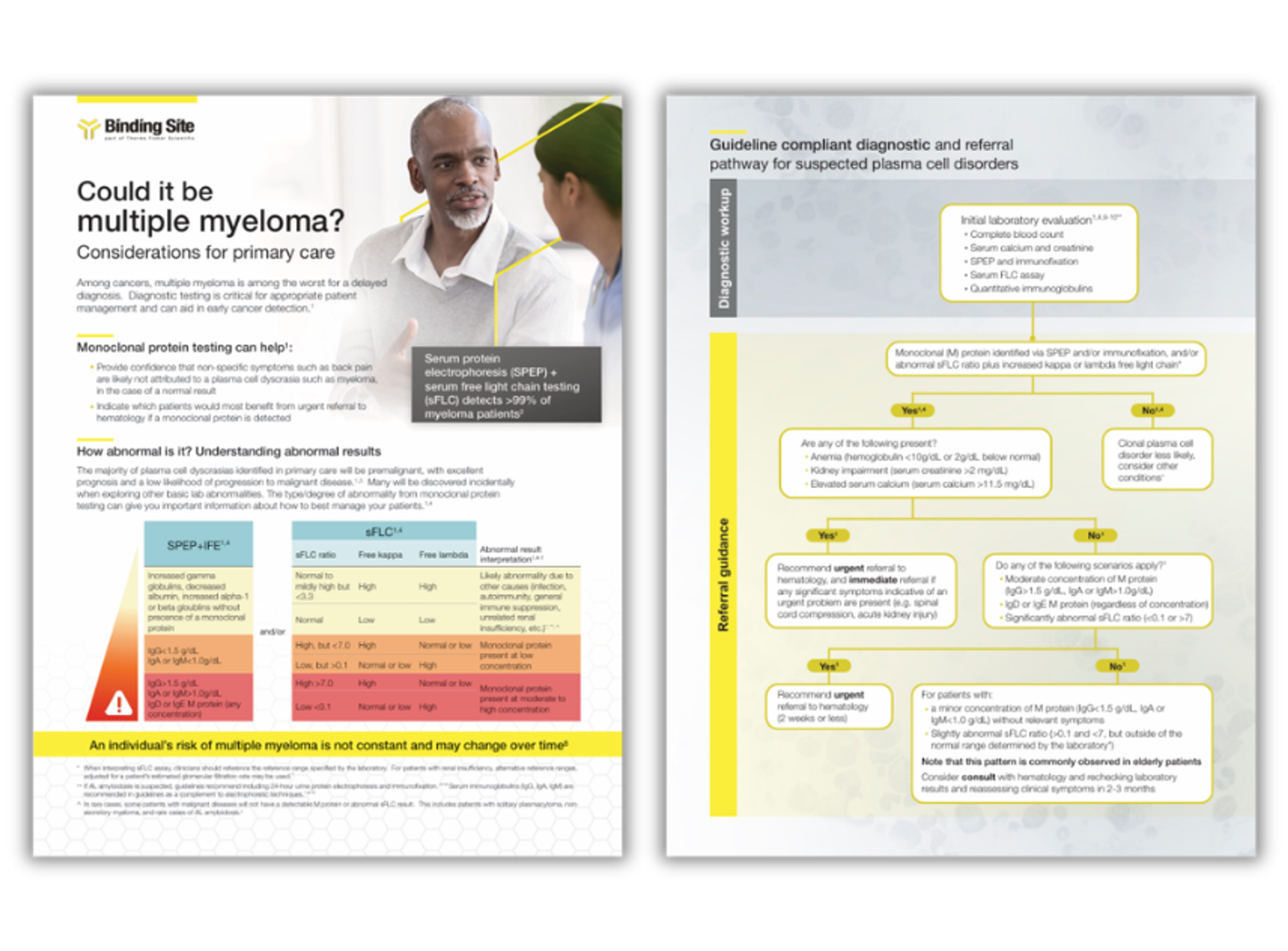
Could it be multiple myeloma?
This infographic provides guidance for primary care providers on the interpretation of monoclonal protein testing results when evaluating patients for multiple myeloma and related plasma cell disorders. Learn how serum protein electrophoresis (SPEP), immunofixation, and serum free light chain (sFLC) testing can aid diagnosis, referral decisions and risk assessment. Explore practical interpretation frameworks, diagnostic pathways, and referral recommendations that help identify patients who may benefit from urgent hematology evaluation while distinguishing likely malignant and premalignant conditions.
Resource details:
Resource type: Infographic
Page count: 3
Read time: 5 mins

Optimizing monoclonal protein diagnostics
This application note provides practical guidance for laboratories seeking to improve monoclonal gammopathy and multiple myeloma testing workflows. Learn about current testing gaps, guideline-recommended diagnostic and monitoring strategies, and approaches to increasing compliance with appropriate ordering practices. Discover real-world solutions such as optimized testing panels, clinical decision support tools, and laboratory workflow enhancements designed to improve early detection, support accurate monitoring, and help clinicians deliver better patient care through more effective monoclonal protein testing.
Resource details:
Resource type: Application note
Page count: 8
Read time: 10 mins
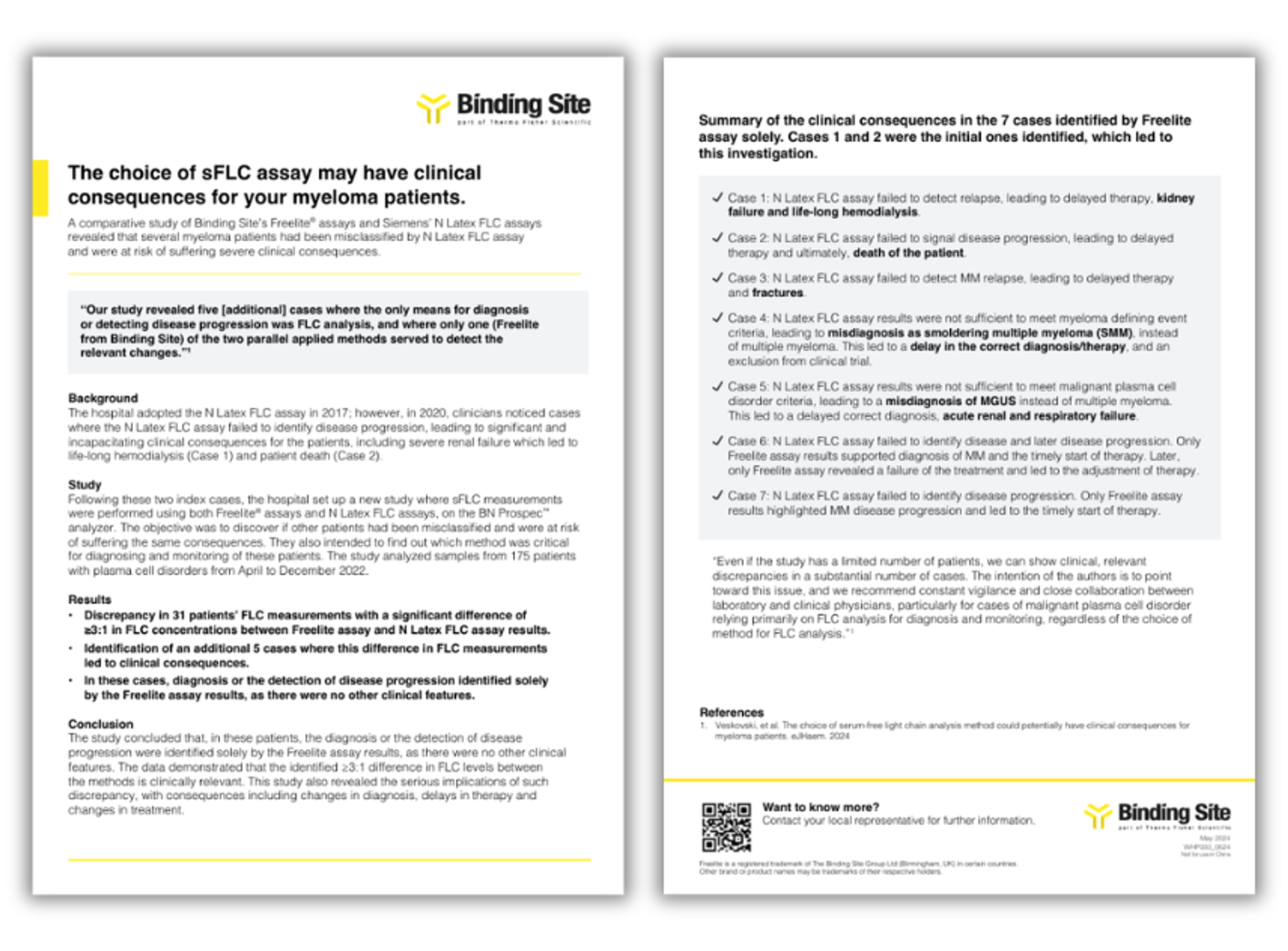
The choice of serum free light chain analysis method could potentially have clinical consequences for myeloma patients
This case study summarizes clinical findings from a comparative evaluation of Binding Site’s Freelite® and Siemens’ N Latex FLC serum free light chain assays in patients with plasma cell disorders. Discover how discrepancies between assay results influenced diagnosis, disease monitoring, and treatment decisions, including cases involving delayed therapy, misclassification of disease progression, and serious patient outcomes. Plus, learn about the clinical implications of free light chain assay selection and the importance of accurate monitoring in the management of multiple myeloma and related disorders.
Resource details:
Resource type: Case study
Page count: 2
Read time: 3 mins
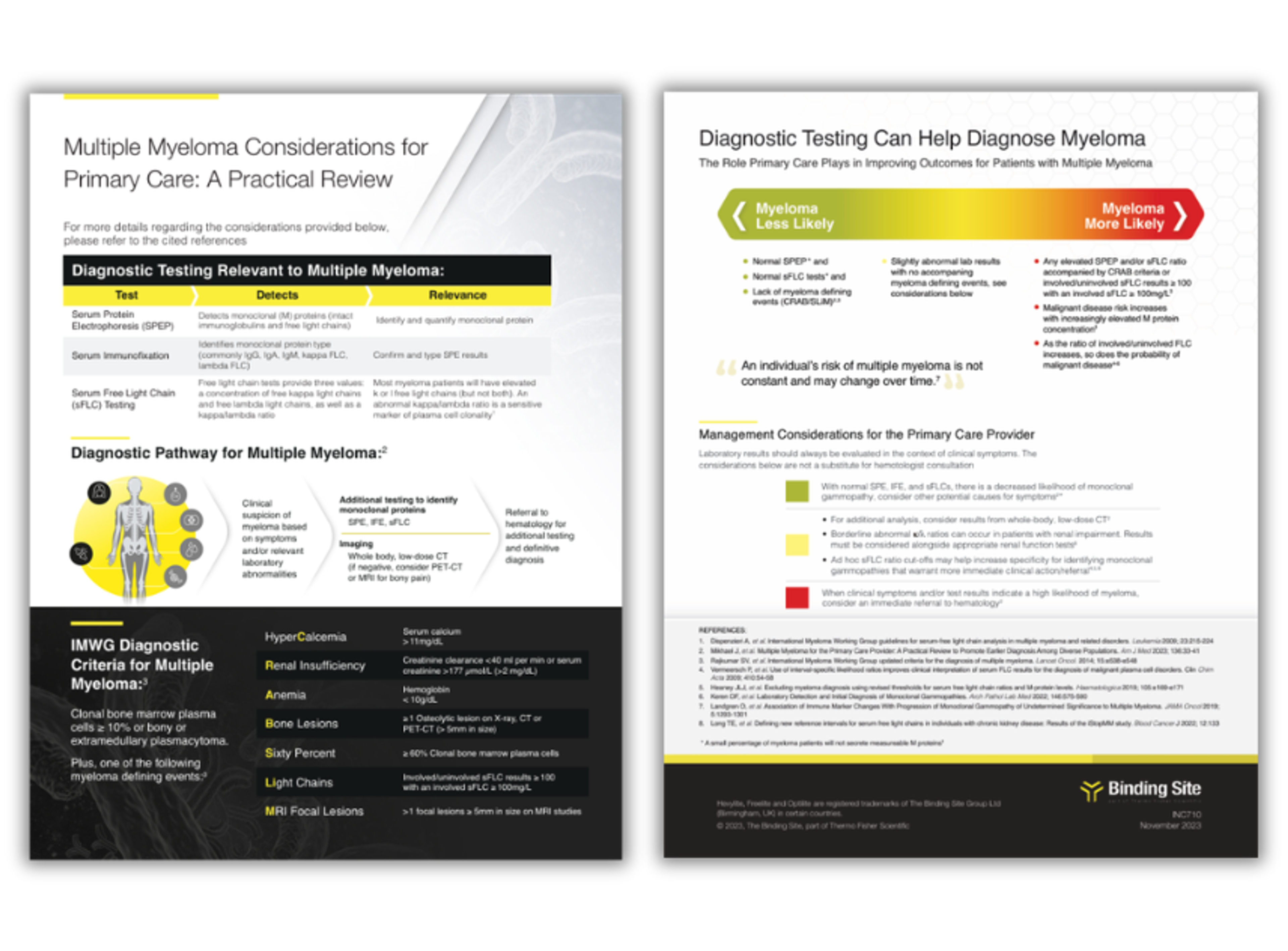
Multiple myeloma considerations for primary care
This infographic provides a practical overview of multiple myeloma recognition, diagnostic testing, and referral considerations for primary care providers. Learn how serum protein electrophoresis (SPEP), immunofixation and serum free light chain (sFLC) testing can support the detection of monoclonal proteins and plasma cell disorders. Discover key diagnostic criteria, interpretation considerations, and referral pathways, helping clinicians identify patients who may require further hematology evaluation and support earlier diagnosis of multiple myeloma.
Resource details:
Resource type: Infographic
Page count: 2
Read time: 4 mins
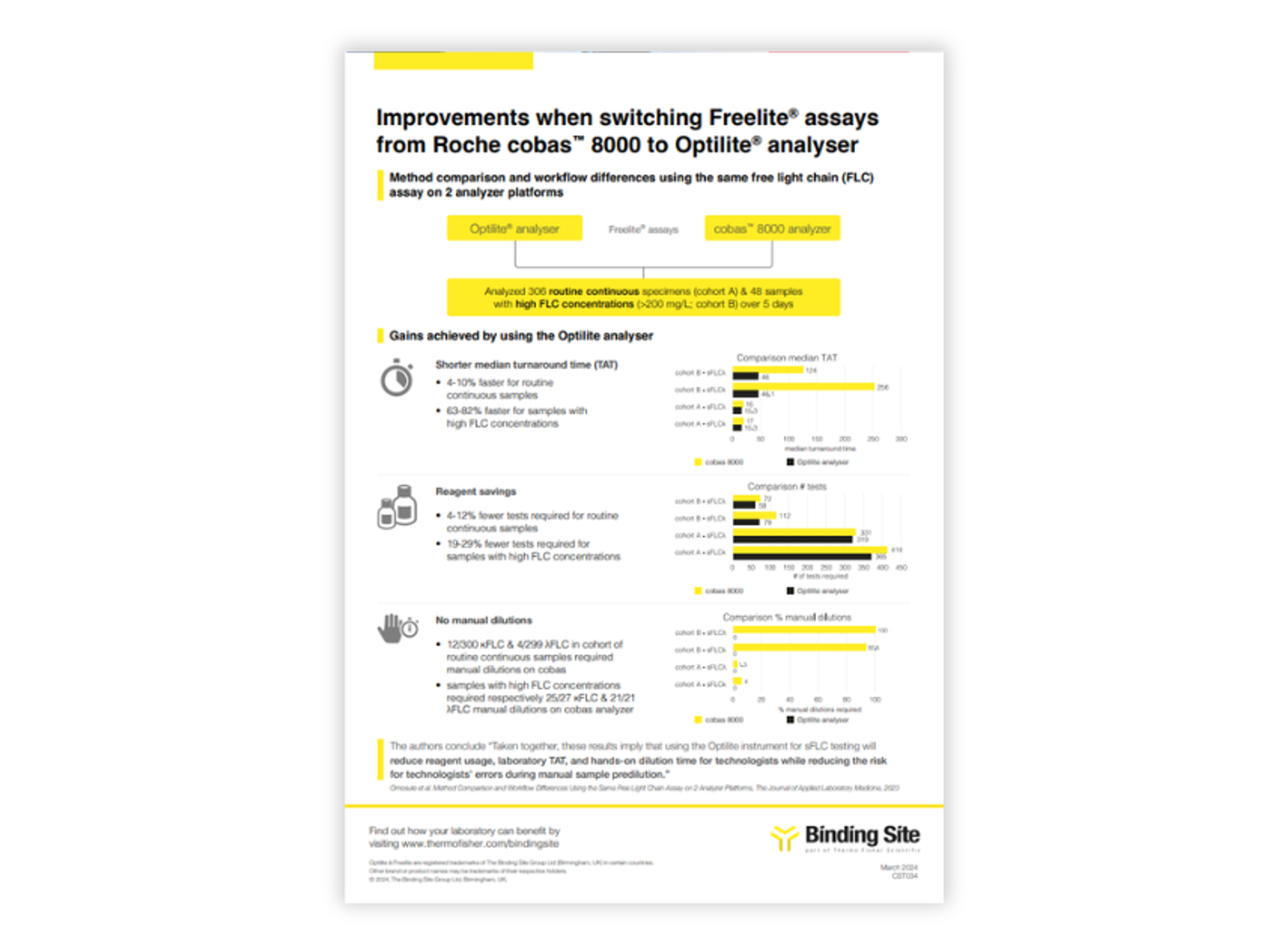
Improvements when switching Freelite assays from Roche cobas 8000 to Optilite analyzer
Clinical laboratories managing serum-free light chain (sFLC) testing often face pressure to reduce turnaround times, minimize manual interventions, and control reagent use. This case study explores the impact of moving Freelite® assays from the Roche cobas™ 8000 to the Optilite® analyzer, assessing 306 routine specimens and 48 elevated FLC samples. The results demonstrate faster workflows, meaningful reagent savings, and the complete removal of manual dilutions to streamline sFLC testing while reducing error‑prone steps.
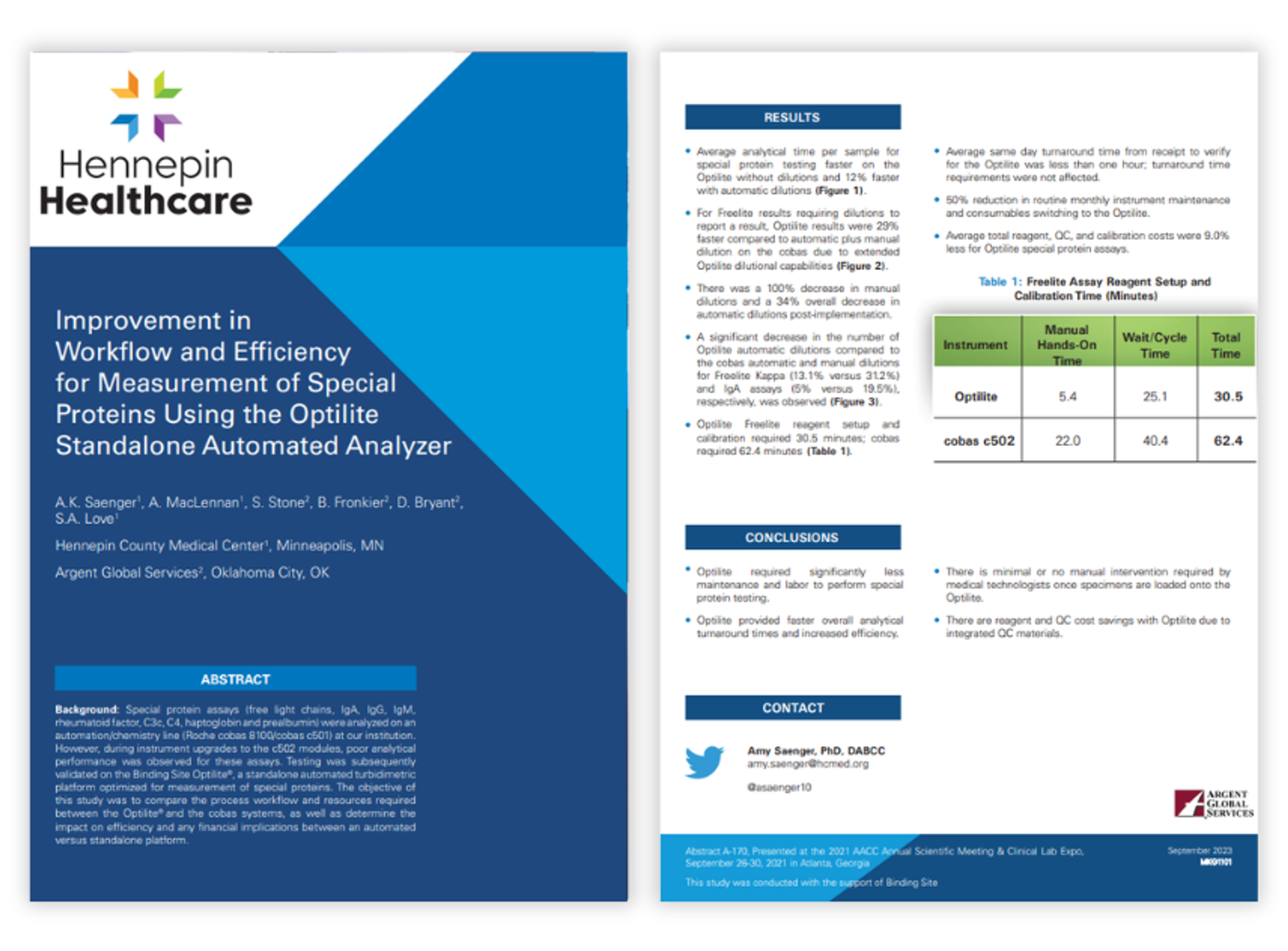
Improvement in workflow and efficiency for measurement of special proteins using the Optilite standalone automated Analyzer
Quantifying serum proteins is essential for diagnosing and monitoring a wide range of conditions, yet laboratories often struggle with poor analytical performance, high dilution burdens, and intensive maintenance on high‑throughput chemistry lines.
Explore how moving special protein testing to the Optilite® standalone analyzer can improve workflow efficiency and reduce manual intervention, providing faster analytical times, even for assays requiring dilution.
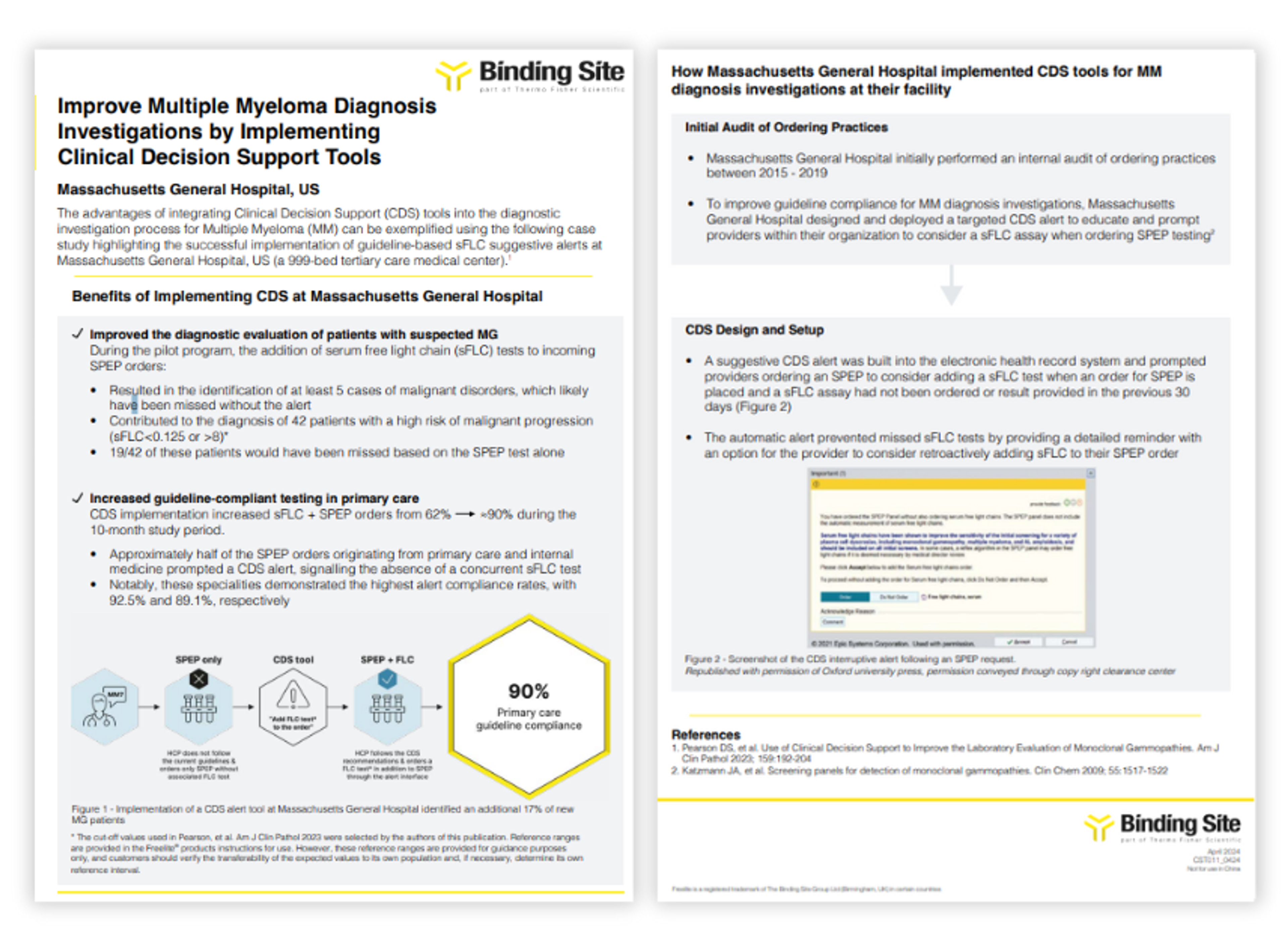
Improve multiple myeloma diagnosis investigations by implementing clinical decision support tools - Massachusetts General Hospital
In this case study, Binding Site presents the advantages of integrating Clinical Decision Support (CDS) tools into the diagnostic investigation process for multiple myeloma, drawn from the successful implementation of guideline-based sFLC suggestive alerts at Massachusetts General Hospital, US.
Resource details:
- Resource type: Case studies
- Pages: 2
- Read time: 3 mins
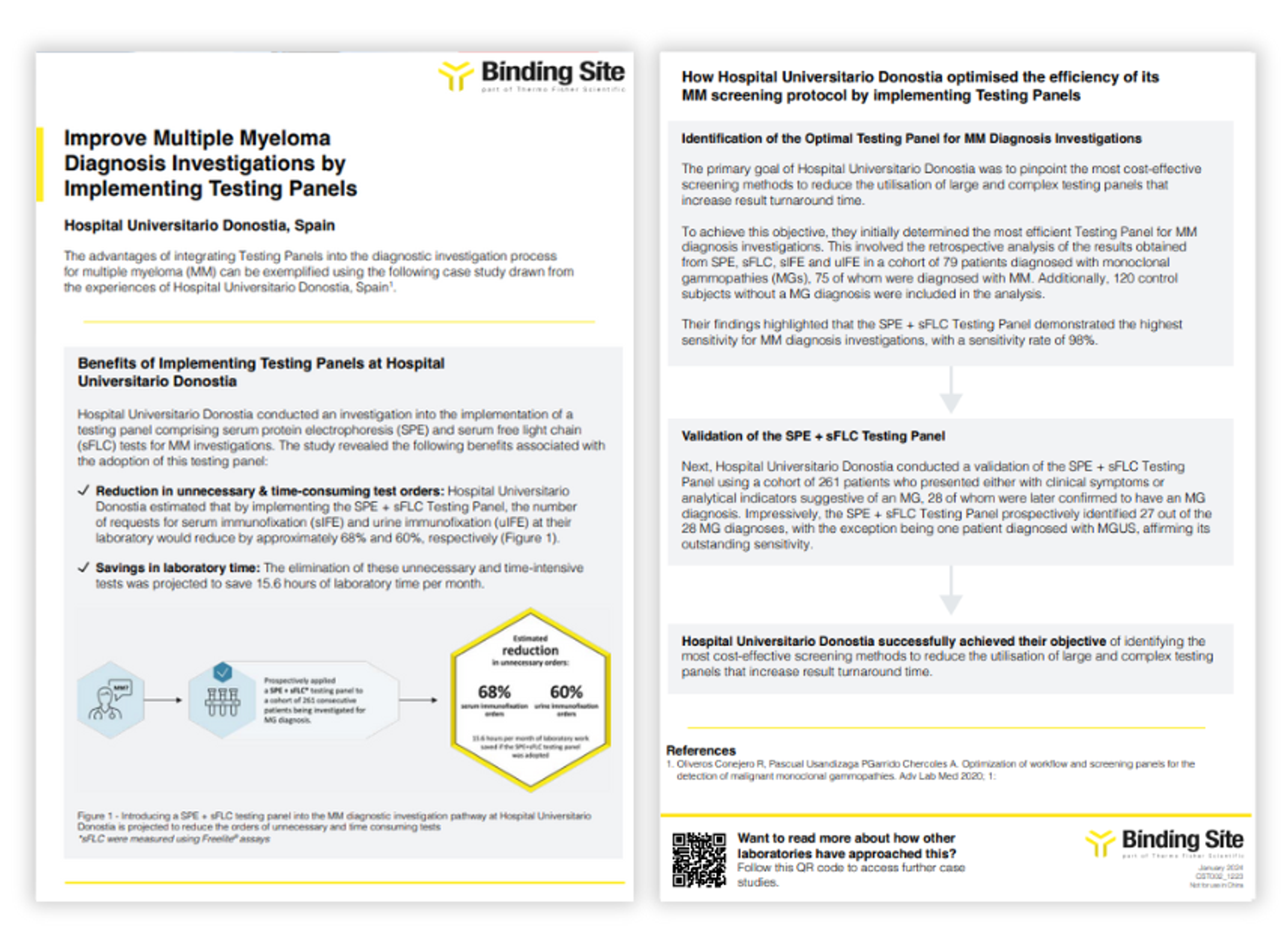
Improve multiple myeloma diagnosis investigations by implementing testing panels – Hospital Universitario Donostia
In this case study, Binding Site presents the advantages of integrating testing panels into the diagnostic investigation process for multiple myeloma (MM), drawn from the experiences of Hospital Universitario Donostia, Spain.
By investigating the implementation of a testing panel comprising serum protein electrophoresis (SPE) and serum free light chain (sFLC) tests for MM, Hospital Universitario Donostia observed significant benefits from adopting the panel.
Resource details:
- Resource type: Case studies
- Pages: 2
- Read time: 3 mins
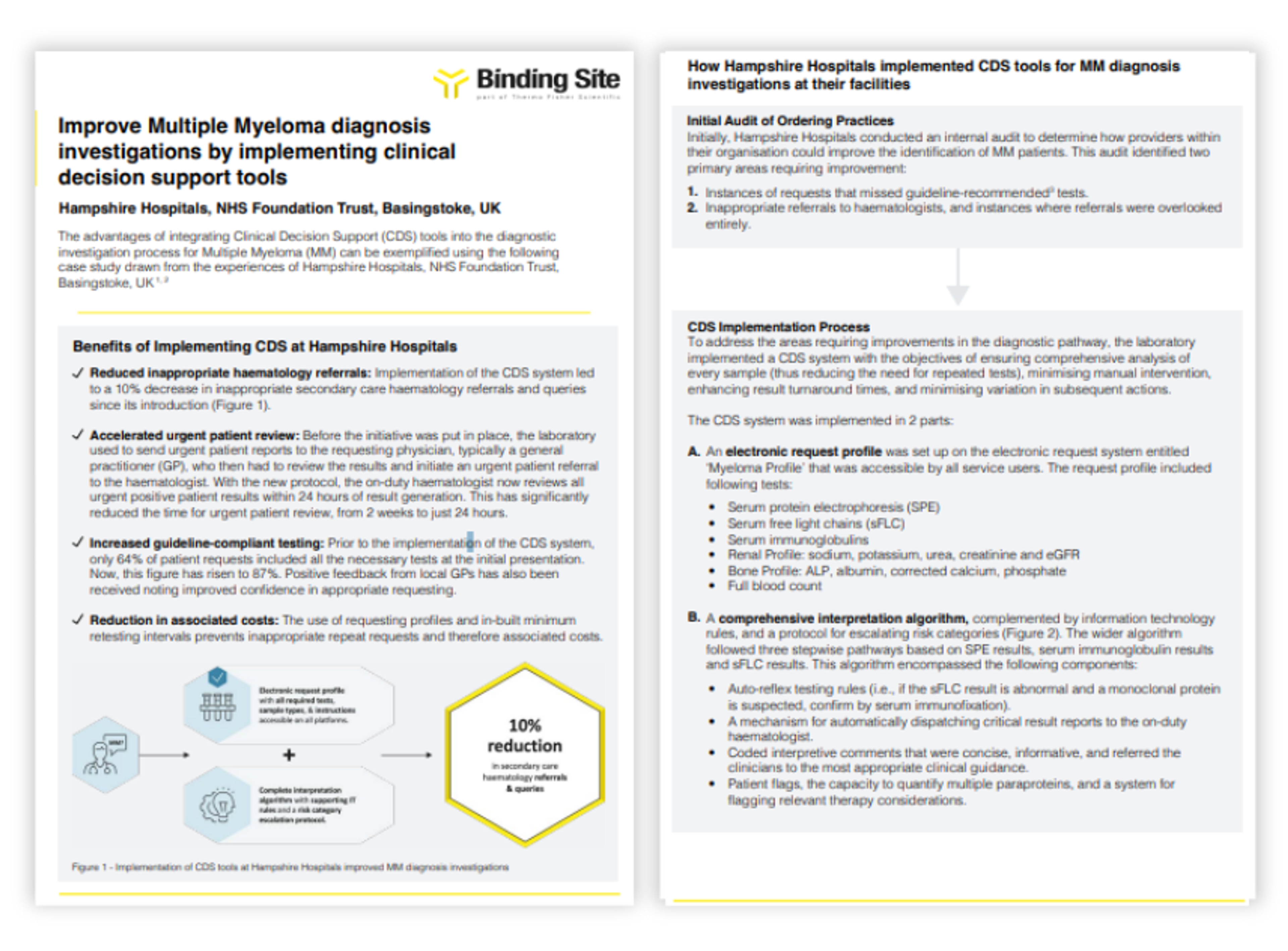
Improve multiple myeloma diagnosis investigations by implementing clinical decision support tools - Hampshire Hospitals
In this case study, Binding Site presents the advantages of integrating Clinical Decision Support (CDS) tools into the diagnostic investigation process for multiple myeloma, drawn from the experiences of Hampshire Hospitals, NHS Foundation Trust, Basingstoke, UK.
Benefits observed included a reduction in inappropriate referrals, improved urgent patient review times, and a reduction in associated costs.
Resource details:
- Resource type: Case studies
- Pages: 3
- Read time: 5 mins
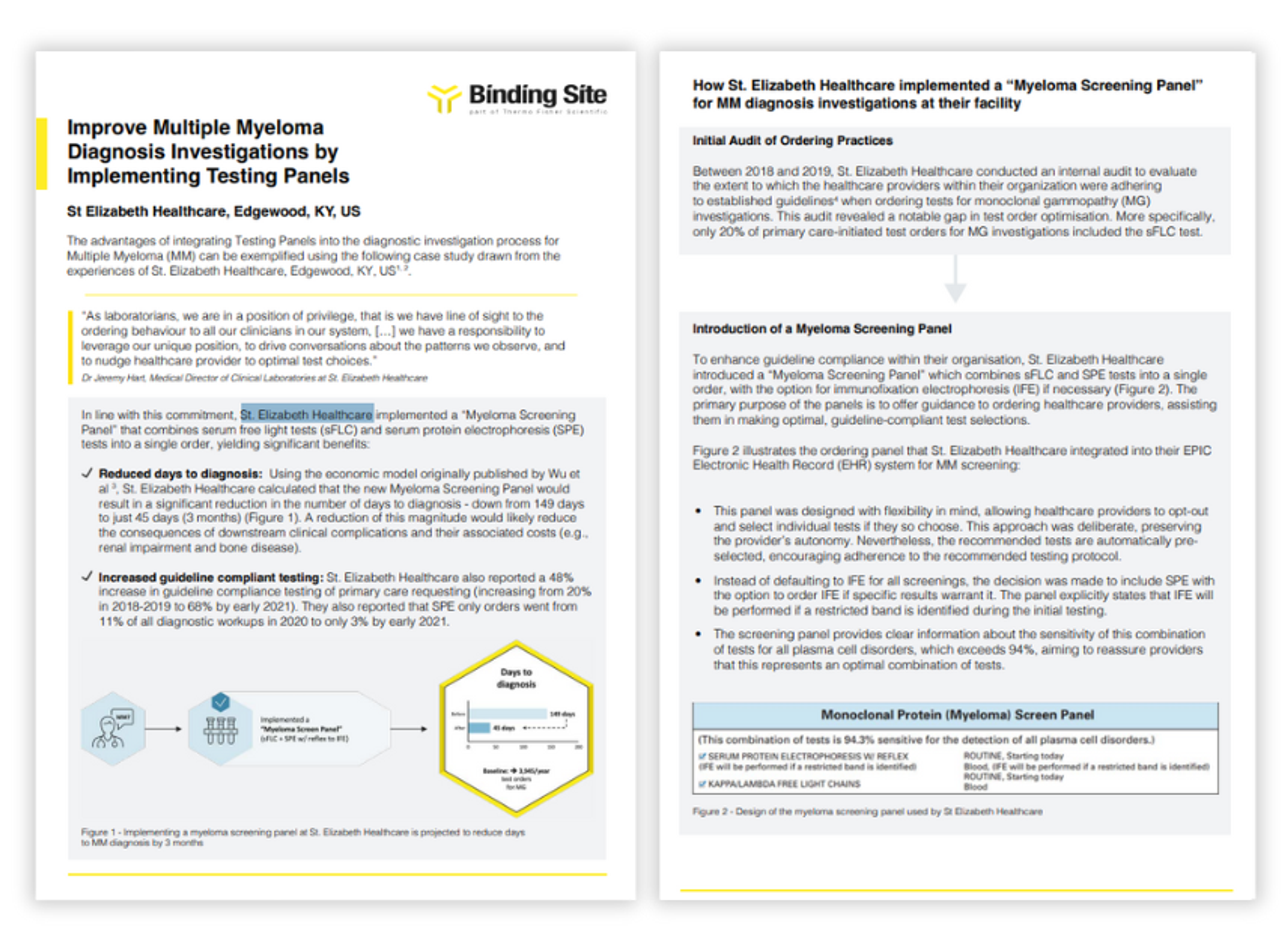
Improve multiple myeloma diagnosis investigations by implementing testing panels - St. Elizabeth Healthcare
In this case study, Binding Site presents the advantages of integrating testing panels into the diagnostic investigation process for multiple myeloma, drawn from the experiences of St. Elizabeth Healthcare, Edgewood, KY, US.
By implementing a testing panel for myeloma that combines serum free light tests (sFLC) and serum protein electrophoresis (SPE) tests into a single order, St. Elizabeth Healthcare observed significant benefits.
Resource details:
- Resource type: Case studies
- Pages: 3
- Read time: 5 mins

Improving guideline adherent multiple myeloma diagnostics with primary care provider perspectives
Monday, November 17, at 16:00 GMT | 17:00 CET | 11:00 EST | 8:00 PST
Multiple myeloma (MM) is among the cancers having the longest delay from first symptoms to diagnosis. Patients often initially present to their primary care providers (PCPs) and may visit multiple times before being referred to a specialist. Laboratory testing is pivotal in the diagnostic workup, especially in primary care settings where initial investigations often occur.
The College of American Pathologists (CAP) has published guidelines for the laboratory detection and initial diagnosis of monoclonal gammopathies in 2022. Timely diagnosis has been proven to result in fewer complications and improved patient outcomes. Despite significant advancement in the understanding of MM biology and clear guidelines around diagnostic testing, the status of US PCPs’ understanding of MM diagnostic testing practices remain understudied.
This SelectScience® webinar will share the key findings of a national survey of US PCPs, the first of its kind, assessing the awareness of recommended MM diagnostic workup as well as the current approach to MM diagnosis among US PCPs. We will identify opportunities to improve laboratory test ordering practices and enhance patient care.
Join us to advance your understanding and approach to MM diagnosis.
Accreditation statement
SelectScience® is approved as a provider of continuing education programs in the clinical laboratory sciences by the ASCLS P.A.C.E.® Program.
Webinar details
- Cost: Free to attend
- Location: Online
- Duration: 60 minutes
Registration is required to secure your place. If you register but cannot attend live, you will receive a link to the on‑demand recording once it becomes available.
Monoclonal gammopathies: From warning signs to investigation
This video explains plasma cell disorders, including MGUS (monoclonal gammopathy of undetermined significance), smoldering multiple myeloma, and multiple myeloma. It highlights the role of plasma cells in antibody production and the implications of a single clone overproducing monoclonal antibodies. Early detection through blood tests like SPEP (serum protein electrophoresis) and serum free light chains is emphasized, along with the importance of primary care provider collaboration with hematologists for accurate diagnosis and management.
Trailblazing earlier diagnosis of multiple myeloma for better patient outcomes
Guest editorial by Dale Powner, Country Manager for the UK, Ireland and Nordics at Binding Site, part of Thermo Fisher Scientific