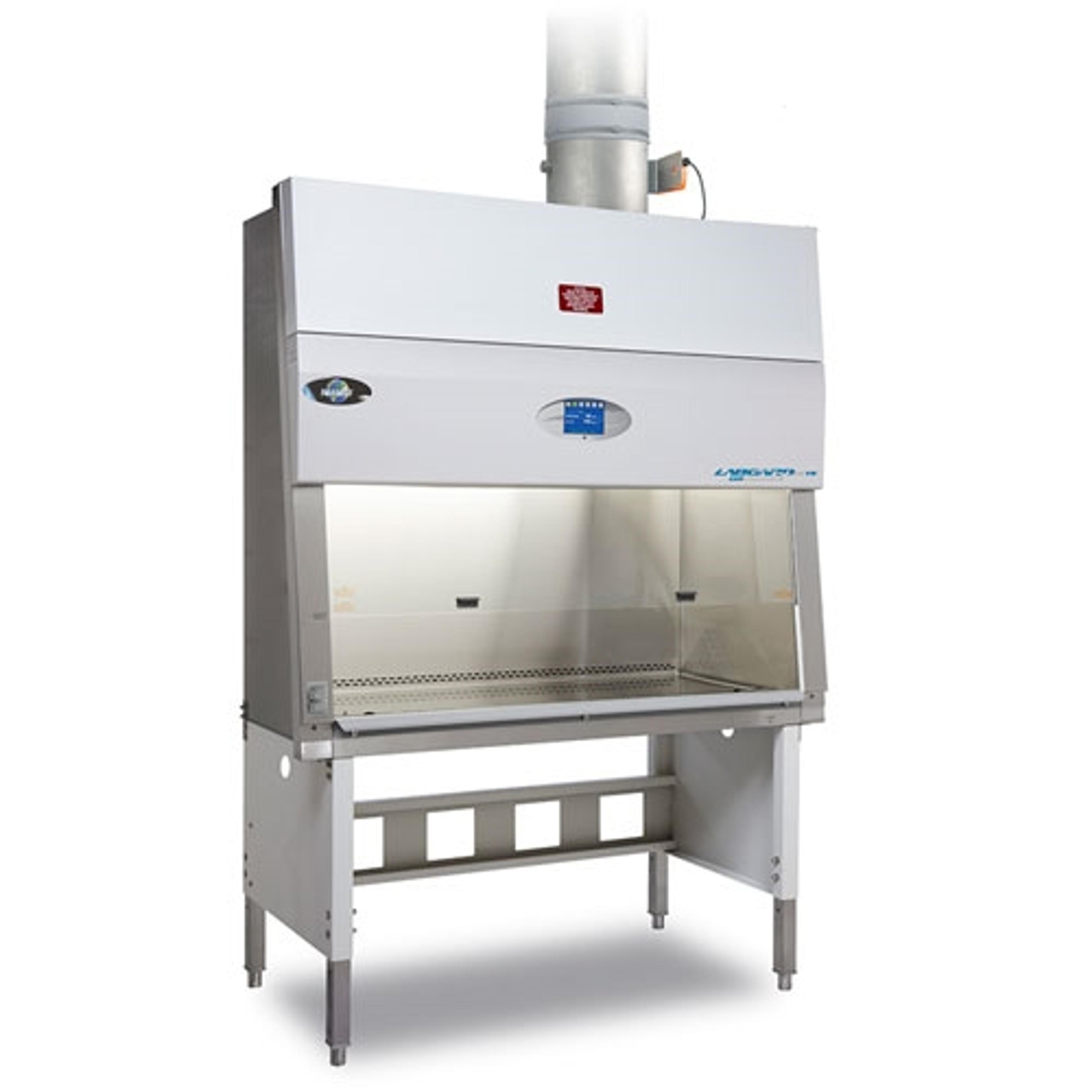
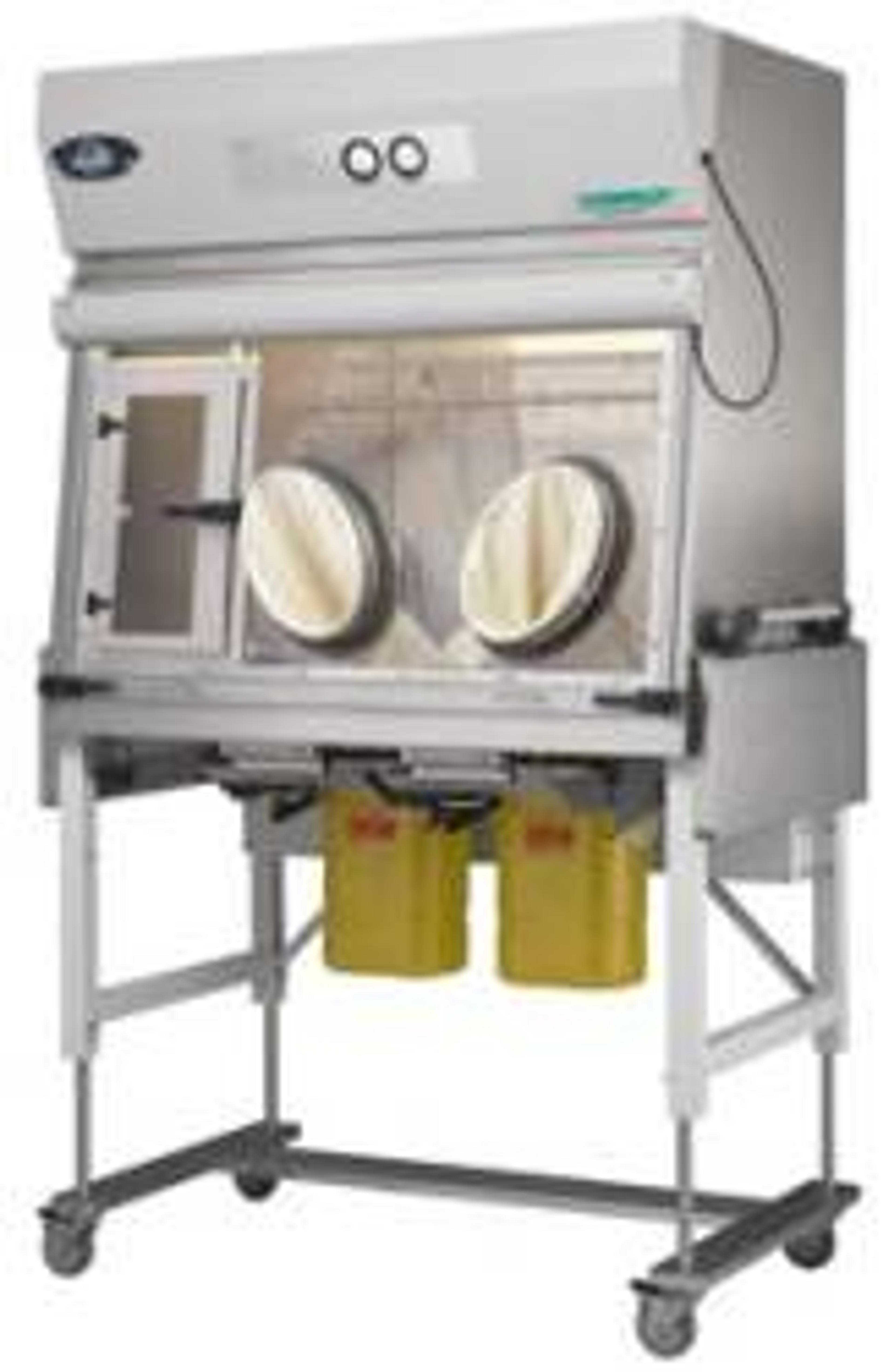
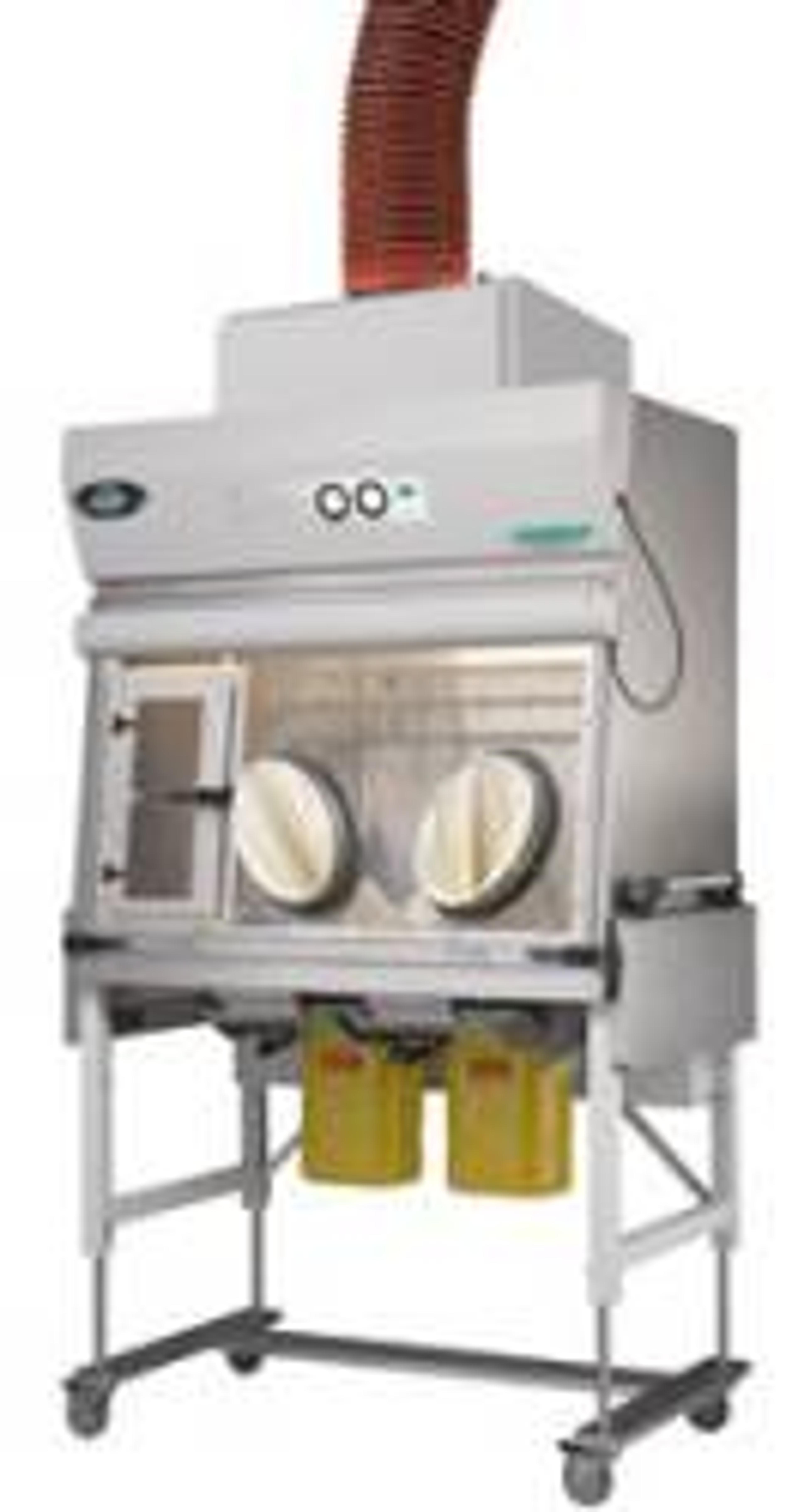
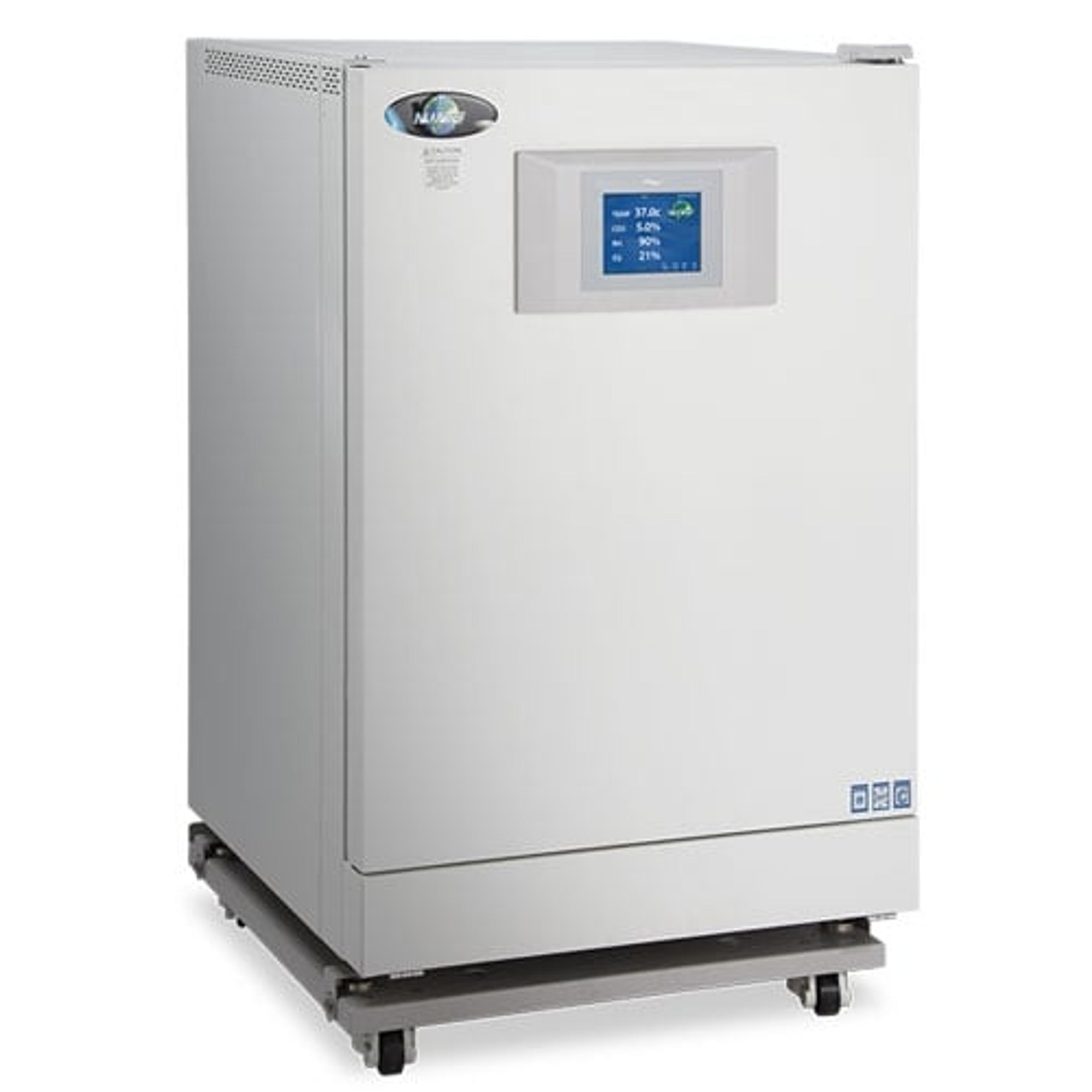
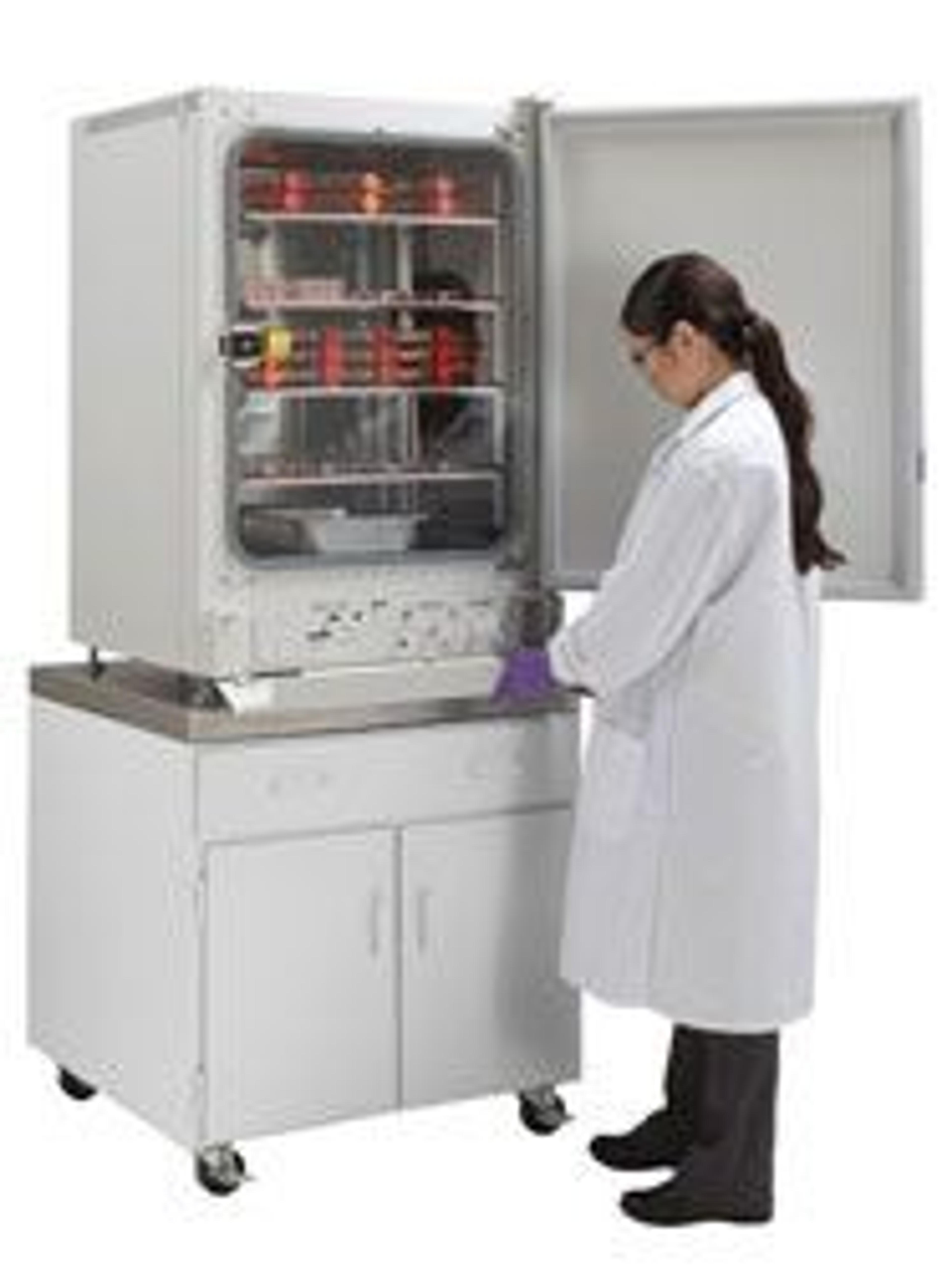
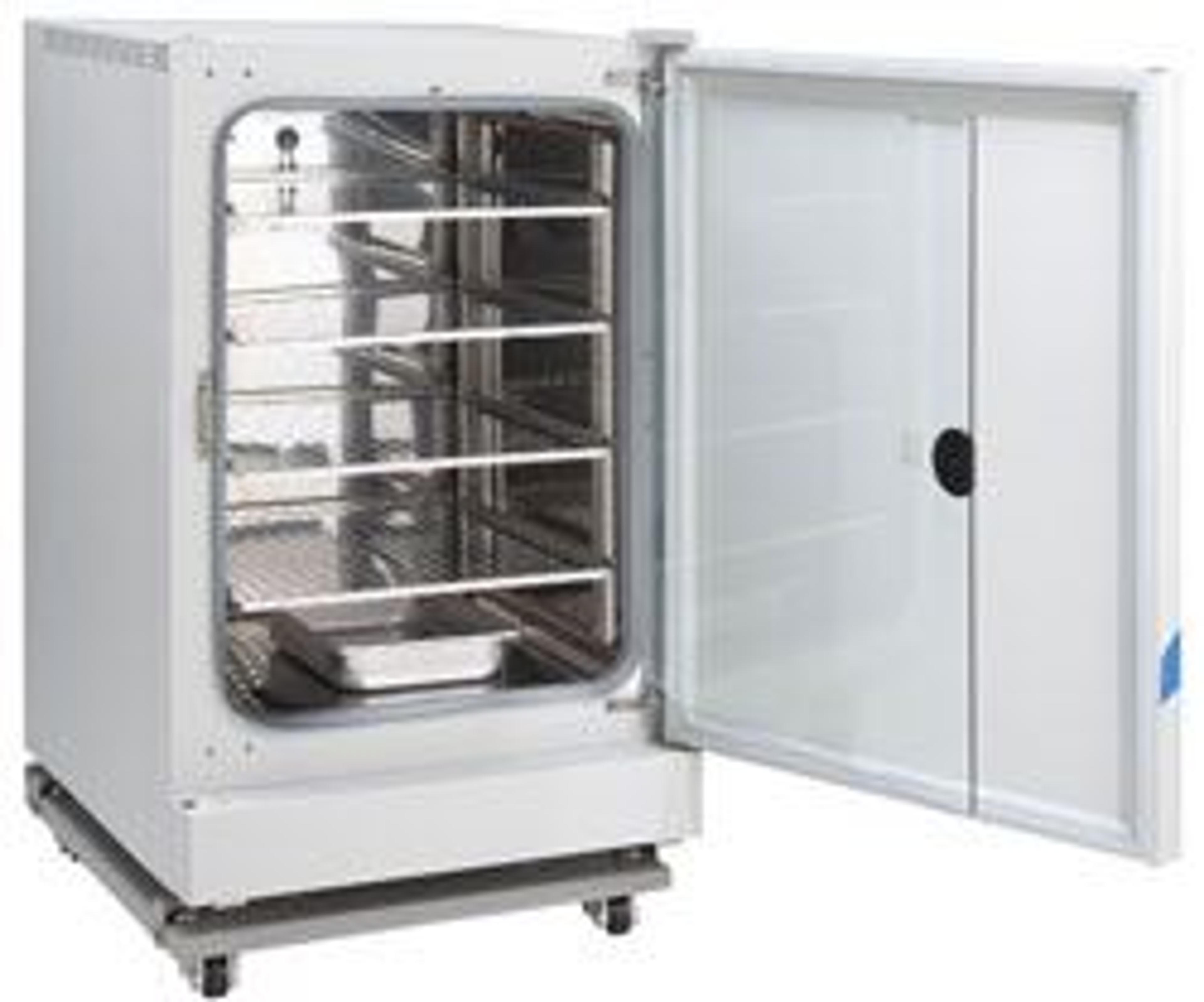
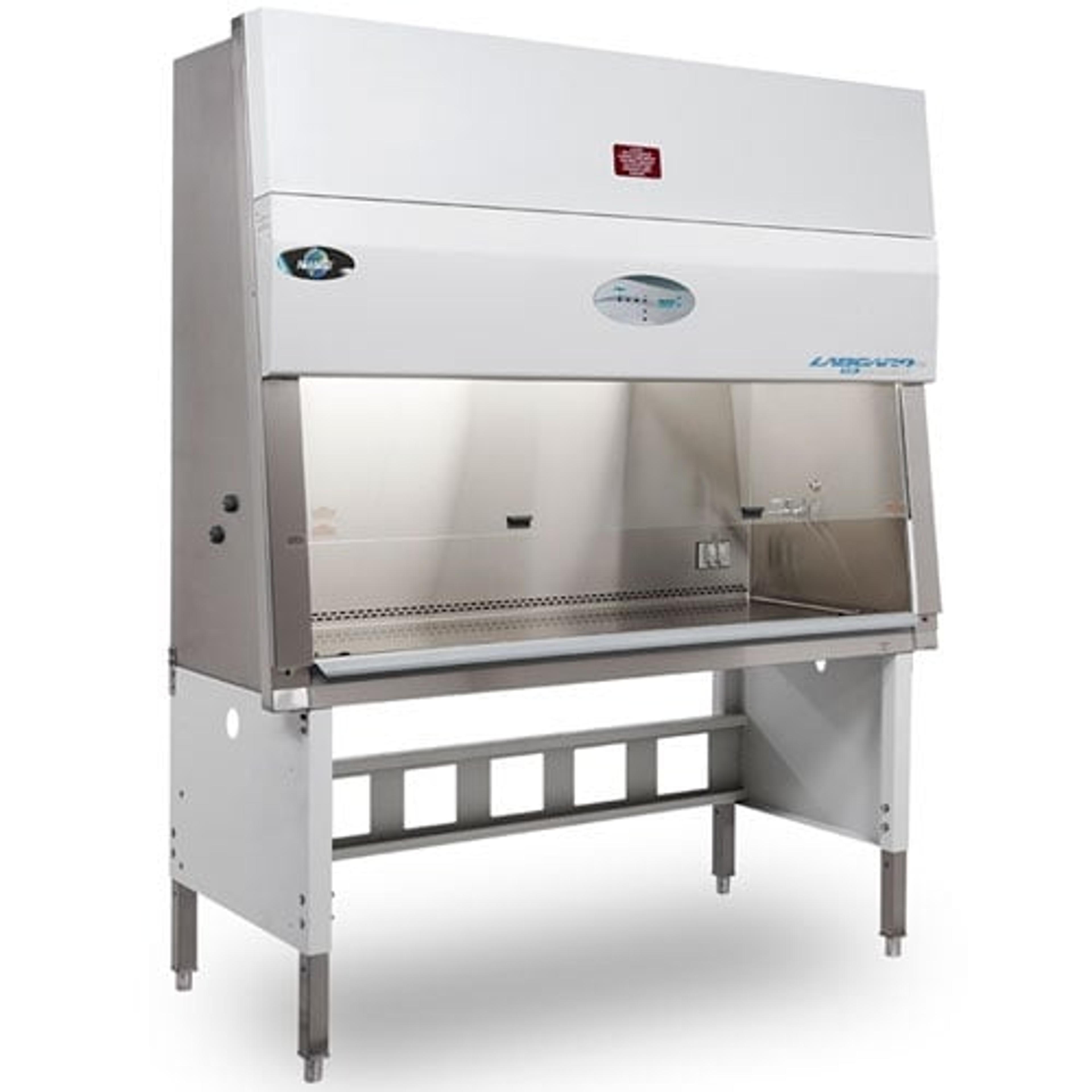
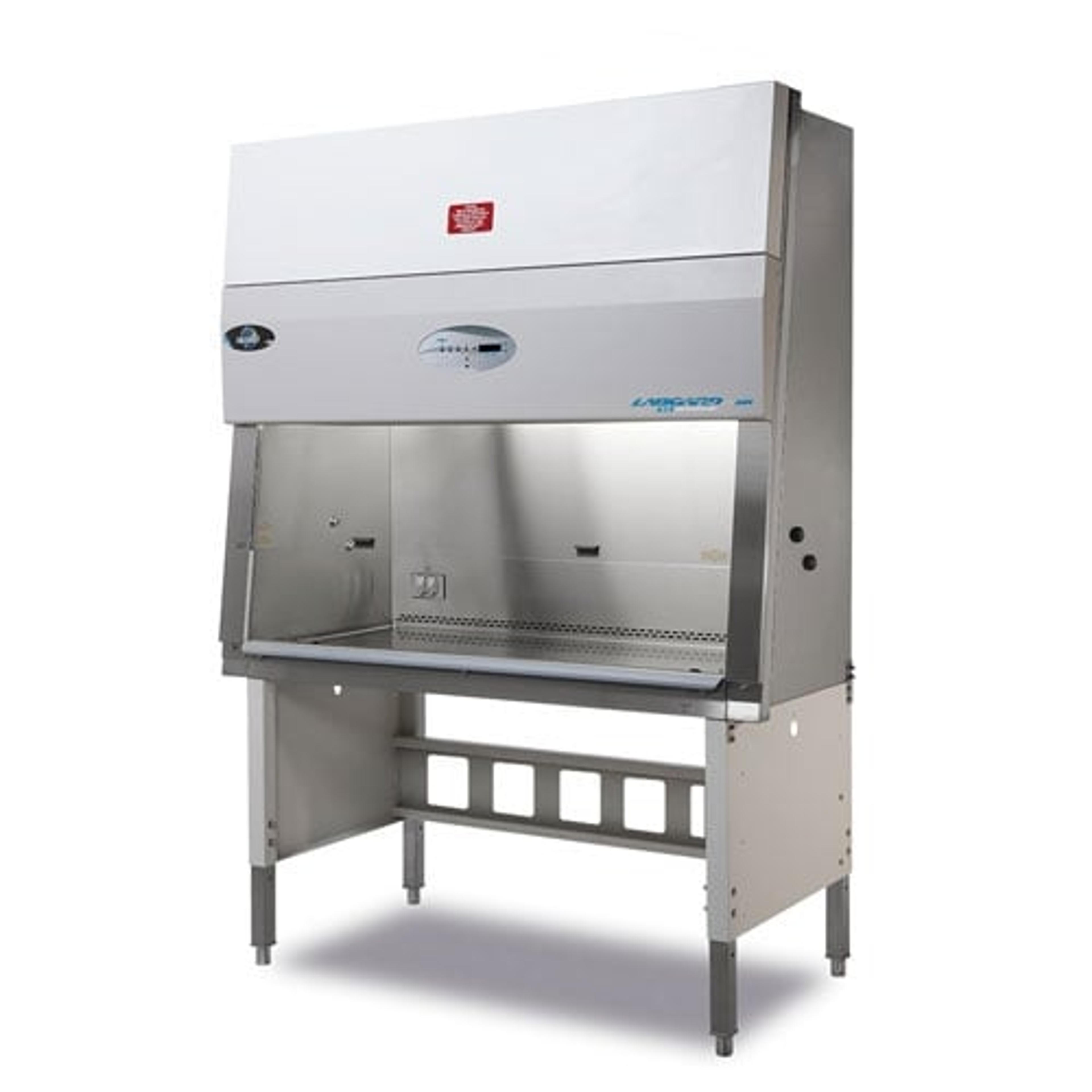
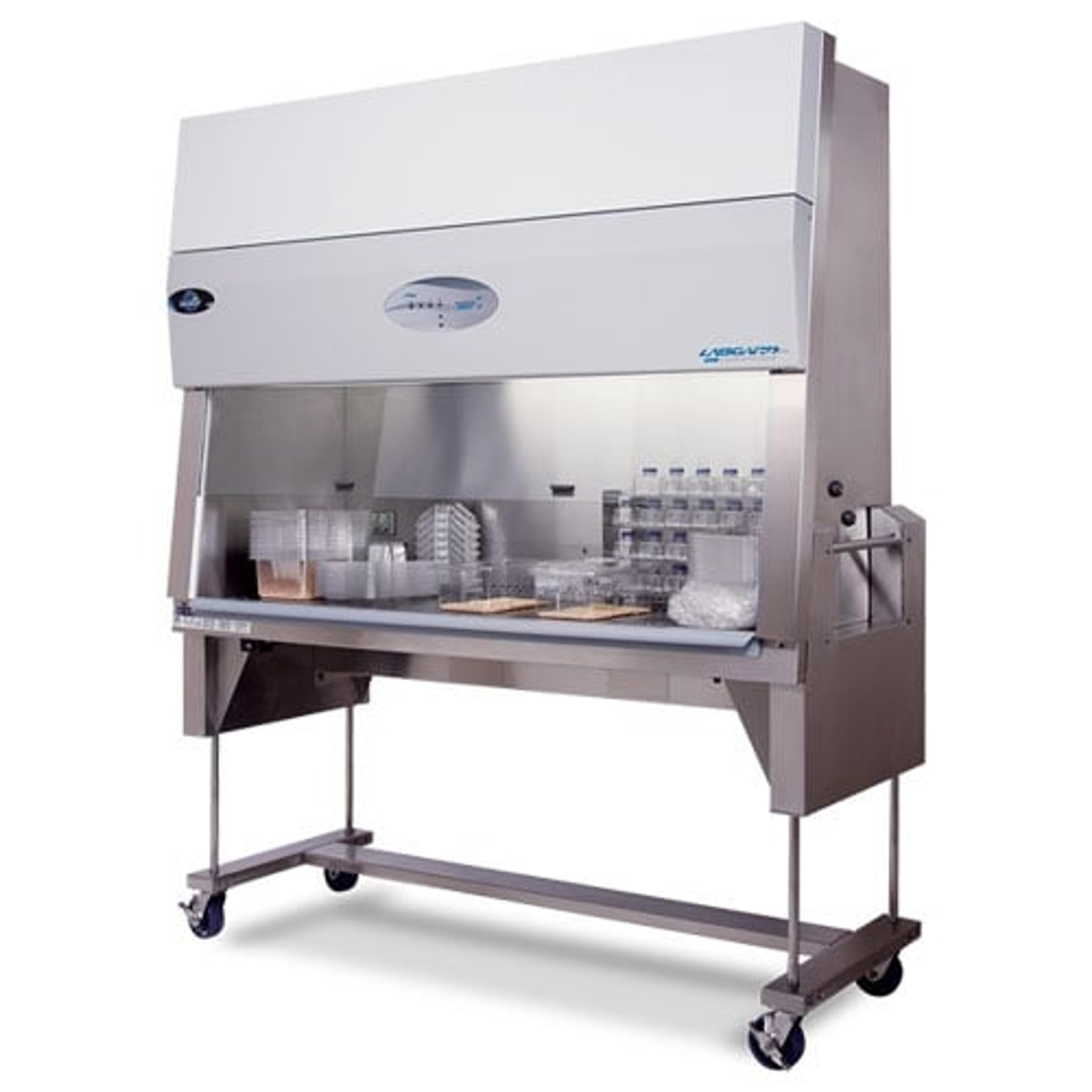
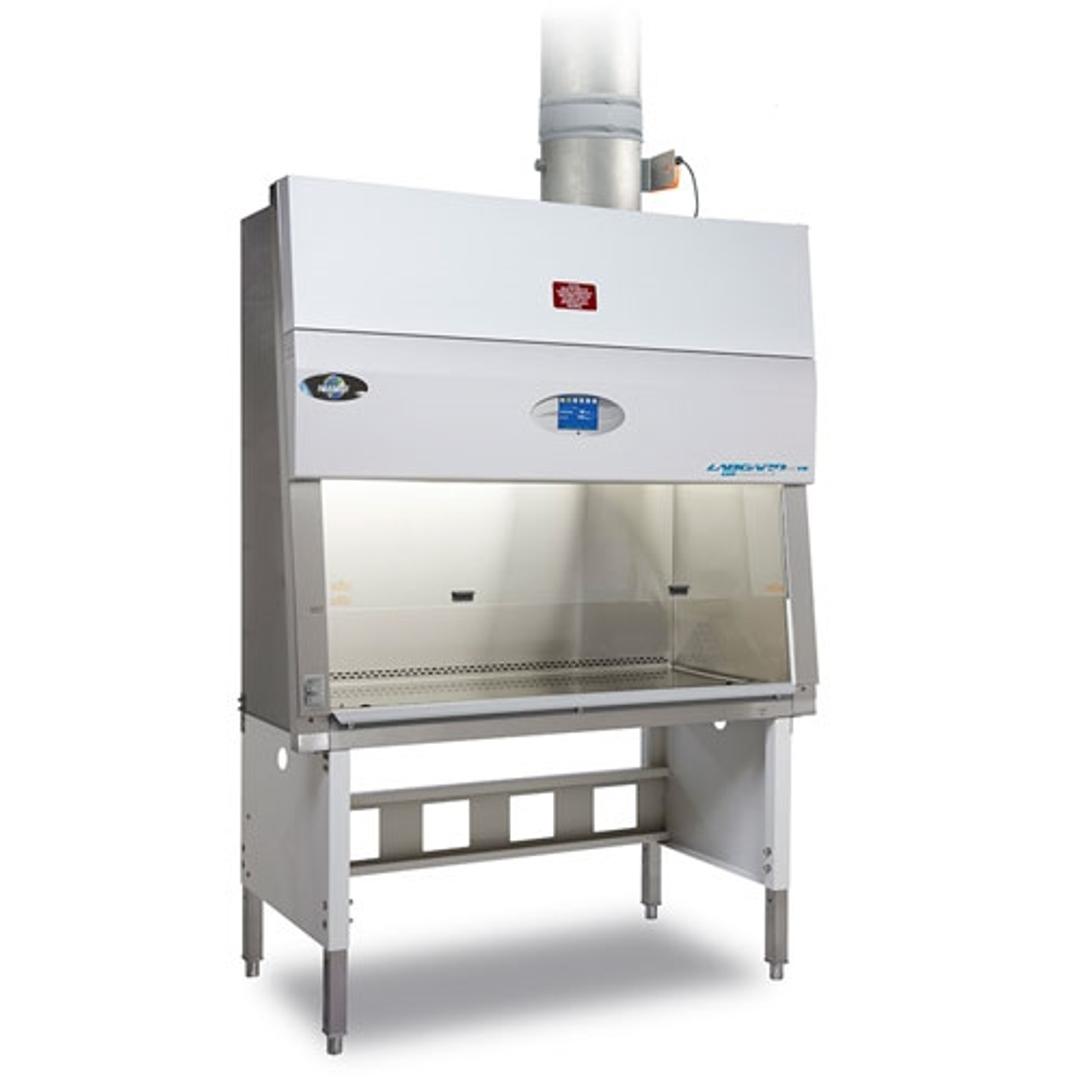
LabGard® TE (Total Exhaust) NU-560 Class II, Type B2 Biosafety Cabinet
NU-560 Total Exhaust Biological Safety Cabinet (BSC) may be used for work with non-flammable, non-explosive volatile chemicals and radionuclides by providing personnel, product, and environmental protection by exhausting 100% of contaminated air.

Receive your quote directly from the manufacturer.
NU-560 Total Exhaust Biological Safety Cabinet (BSC) may be used for work with non-flammable, non-explosive volatile chemicals and radionuclides by providing personnel, product, and environmental protection by exhausting 100% of contaminated air. LabGard® ES offers economical operation through the use of an ultra-high efficiency motor to maximize filter life and monolithic silicone-free construction for long product life all for an affordable price.
Standard Features
- 8-Inch (203 mm) Access Opening Tempered Sliding Glass
- Metal Frame Supply HEPA Filter 99.99% @ 0.3 Micron
- Metal Frame Exhaust HEPA Filter 99.99% @ 0.3 Micron
- Standard Outlet Left Front Faring, Outlet Plate Cover Right Front Faring
- Right Middle Service Coupling
- Right Bottom Service Valve
- Left Middle Service Coupling
- Left Bottom Service Coupling
- Monolithic 16/18 GA Stainless Steel Interior and Exterior Construction
- Recessed and Removable Front Intake Grill
- Heavy Duty Ergonomic Plastic Armrest
- 3/16” Diameter Stainless Steel Mesh Accessible Paper Catch
- 100% Front Maintenance Construction
- 250% Filter Load Capacity
- 10° Sliding View Window
- TouchLink Control System w/ Intelliflow Airflow Probe
- Ultra-high Efficiency DC/ECM Motor
- Ultra-high Efficiency LED Lighting
- Certification Value Exhaust Requirement: 740 CFM @ 1.7” w.g.
- Concurrent Value Exhaust Requirement: 815 CFM @ 1.7” w.g.
- Power Cord
Brochures

Improved Principles of Biological Safety Cabinet Design
NuAire is recognized as a world leader in Class II Biological Safety Cabinets that offer great personnel, product, and environmental protection. Whether it’s cabinet design, cabinet integrity, HEPA filters, safety alarms, or maintenance - NuAire quality means an outstanding value to you.
Biosafety cabinet selection in the context of risk assessment
The process of conducting a risk assessment can be crucial before initiating experiments involving potentially hazardous conditions or materials in the laboratory. This eBook provides comprehensive guidance on understanding, performing, and incorporating risk assessments into biological materials work. It covers the definition of a risk assessment, evaluation of hazards, implementation of control measures, and selection of biosafety cabinets (BSCs) based on risk assessment outcomes.
by Julianne Baron, PhD, CPH, RBP
10 tips for working safely with the NuAire Biosafety Cabinet
When working in the laboratory with a NuAire Biosafety Cabinet, following strict safety protocols is crucial. This infographic highlights a number of safety procedures ranging from understanding airflow and maintaining the proper sash level to the superior handling of tubes, Petri dishes, and aspirator bottles. Many common procedures in Biological Safety Cabinets (BSCs) may create splatter or aerosols, so techniques to reduce their generation are crucial to minimize personnel exposure to infectious materials.
Download this SelectScience infographic to explore how to:
- Understand how to correctly set up and prepare a NuAire biosafety cabinet to ensure optimal airflow and contamination control.
- Learn best‑practice techniques for safe and efficient work inside the cabinet, including proper hand placement and material organization.
- Recognize common user errors that compromise protection and discover how to avoid them through consistent, validated workflows.
- Apply correct shutdown, cleaning, and maintenance procedures to preserve cabinet performance and ensure long‑term laboratory safety.
Resource details:
- Document type: Infographic
- Page count: 1
- Read time: 1.5 mins
- Edition: 1st
50 years of innovation in lab safety
Laboratory safety has come a long way over the years. From biological safety cabinets to fume hoods, incubators, and animal handling products, explore some of the key innovations that have transformed the modern-day lab and find out where one of the world's leading providers of lab equipment came from and where it is headed.
5 Most Common Missed Reminders When Operating Your Biosafety Cabinet
From arm movements to ergonomics and airflow checks, discover the 5 most important rules to stay safe when working in a biological safety cabinet and how you can improve your practices, in this downloadable infographic.
Flow Chart for USP 797 and USP 800 PEC Requirements
This infographic presents a flow chart for USP 797 and USP 800 Pec Requirements when preparing drugs in healthcare settings.
Facility and Engineering Controls Using USP 800 Guidelines
Like many layers of an onion, there are unanswered questions on the intricate details of USP 800-related engineering control parameters. In addition, the multitude and flexibility of theengineering controls can seem daunting to the independent pharmacy owner. Even more concerning, and certainly at the forefront of all of the independent pharmacy owners’ minds, is the cost associated with being compliant with USP 800. The costs associated with building a new facility or remodeling an existing space, are proving to be as equally subjective as the choice of engineering controls. The focus of this white paper is to discuss the details for consideration of a good working design of a USP 800 compliant compounding lab.
How to Perform a Hazardous Drug Risk Assessment in the Compounding Pharmacy
There is a looming deadline on December 1, 2019 and that is the implementation of USP chapter <800>-Hazardous Drugs, Handling in Healthcare Settings. State Boards of Pharmacy (SBOP) are forming task forces and committees to determine if their state will fully implement the chapter or if they will only implement certain components of the chapters. And yet there are other states that are unsure what to do and may push the enforcement further down the timeline. Regardless of what your SBOP has determined regarding USP <800> enforcement, it is still wise to examine the risks associated with hazardous drug chemical handling in your entity. Mitigating risk may not be at the forefront of your mindset, but like the USP <800> deadline, the issue of chemical exposure risk is looming in all healthcare facilities that handle hazardous drugs (HDs).
10 Top Tips for Working Safely in the Pharmacy with Your NuAire Biosafety Cabinet
In this infographic, discover 10 tips to follow when working with a Class II Biosafety Cabinet (BSC) to minimize air turbulence and prevent splatter or unwanted spread of aerosols.
Workflow Strategies to Minimize Personnel and Environmental Exposure to Hazardous Drugs in the Compounding Pharmacy
Handling hazardous drugs in the compounding pharmacy, per USP chapter <800> guidelines, involves strategic workflow strategies with the goal of minimizing personnel and environmental exposure. This application note pulls chemical handling and compounding workflow strategies together into a more sequential model in an effort to minimize personnel and environmental exposure.
Use of Natural Gas/Bunsen Burner within a Biological Safety Cabinet
This application note provides a technical bulletin offering safety advice and information about the use of Bunsen burners within a biological safety cabinet (BSC).

Laboratory Best Practices to Keep You Safe: 3 Essential Downloads
Find out how to improve the set-up of your biological safety cabinet for effective and safe experiments