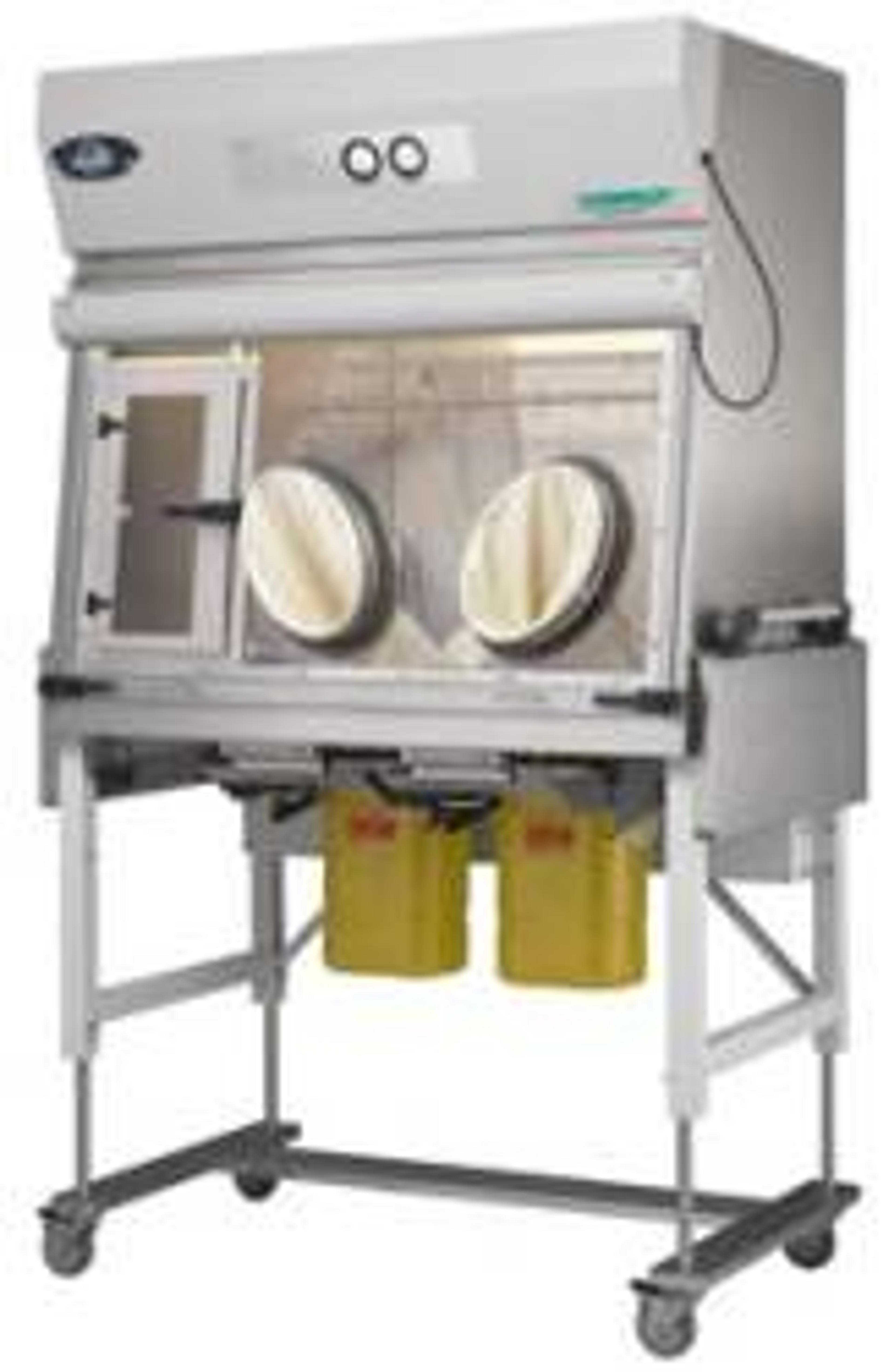
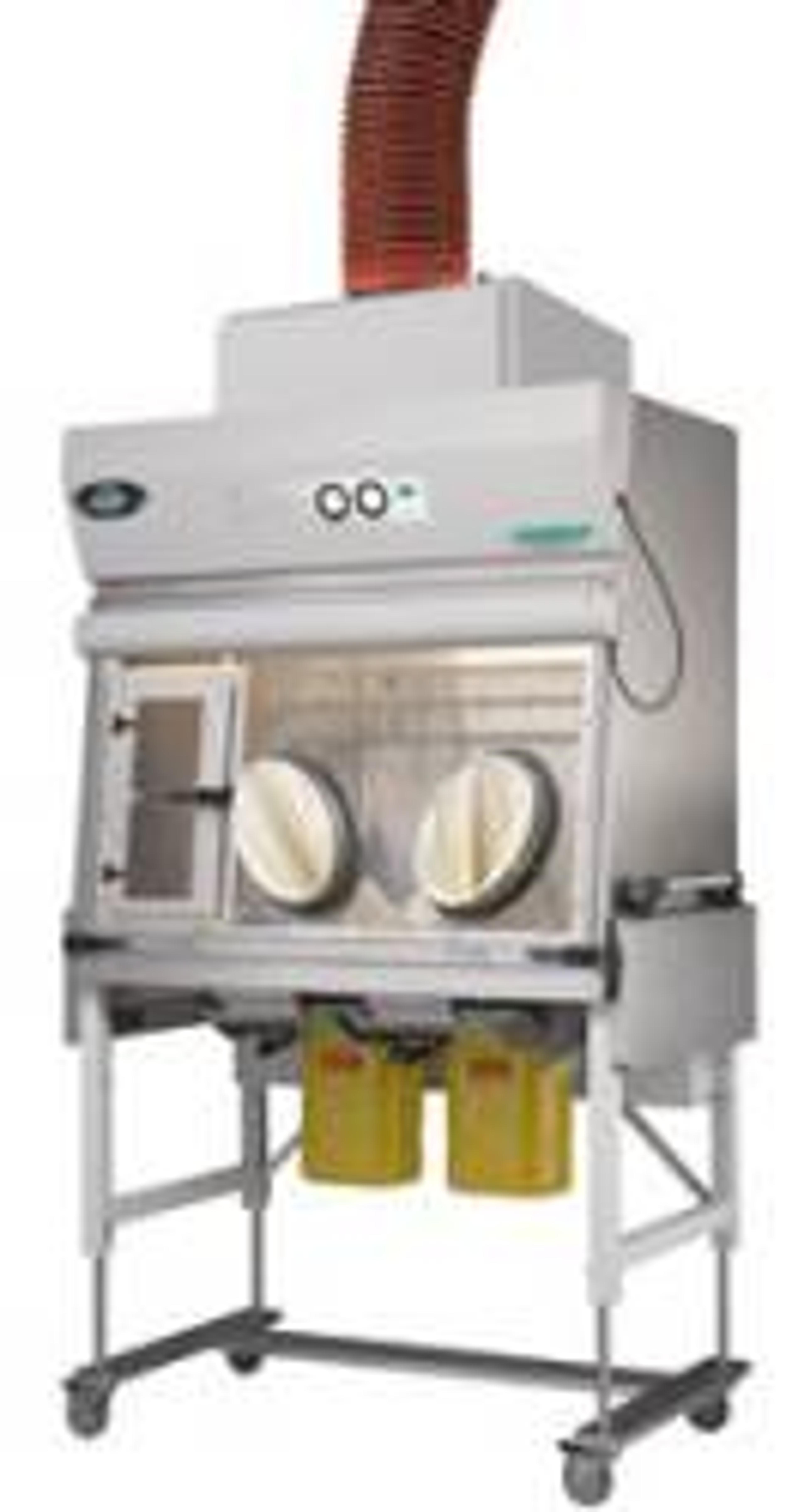
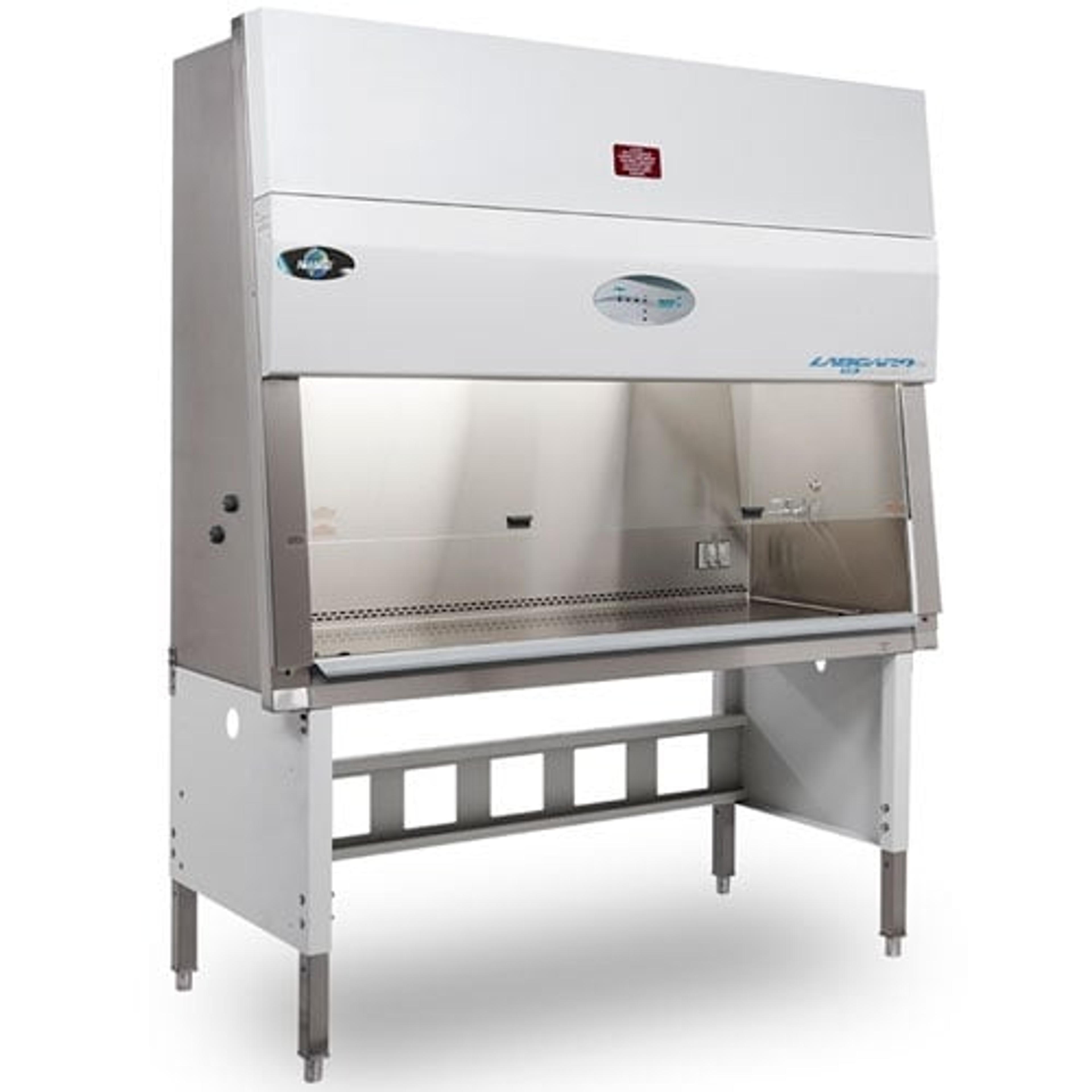
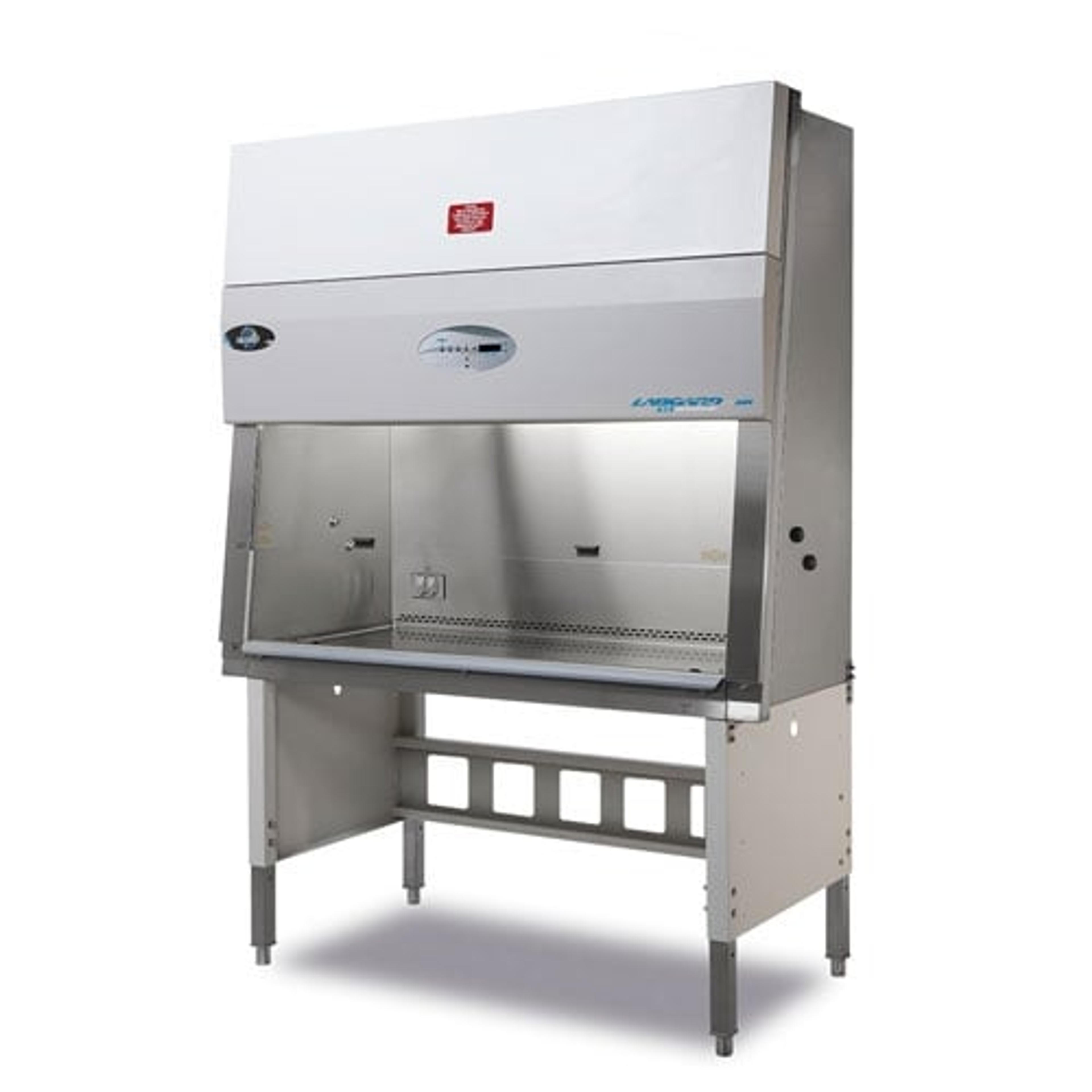
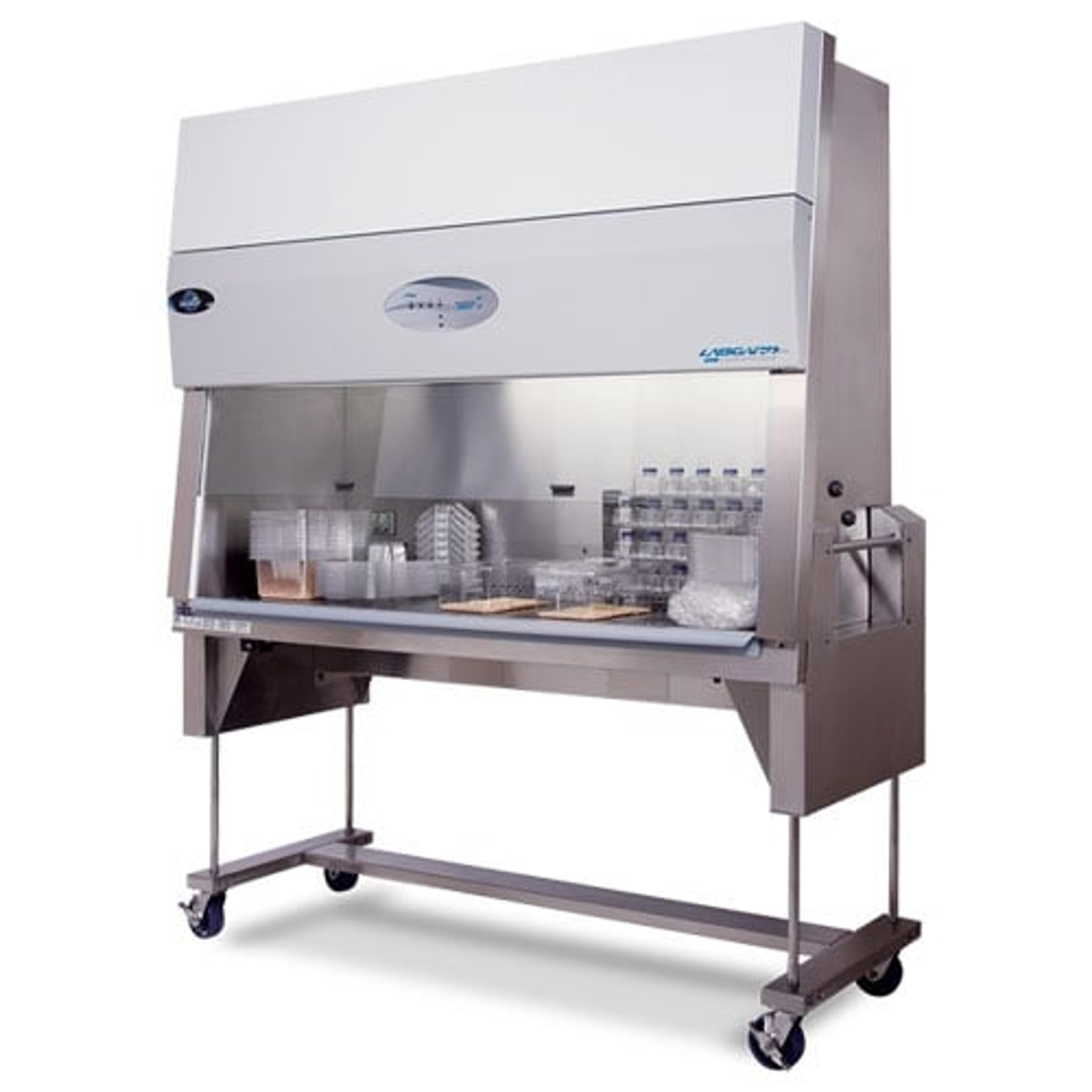
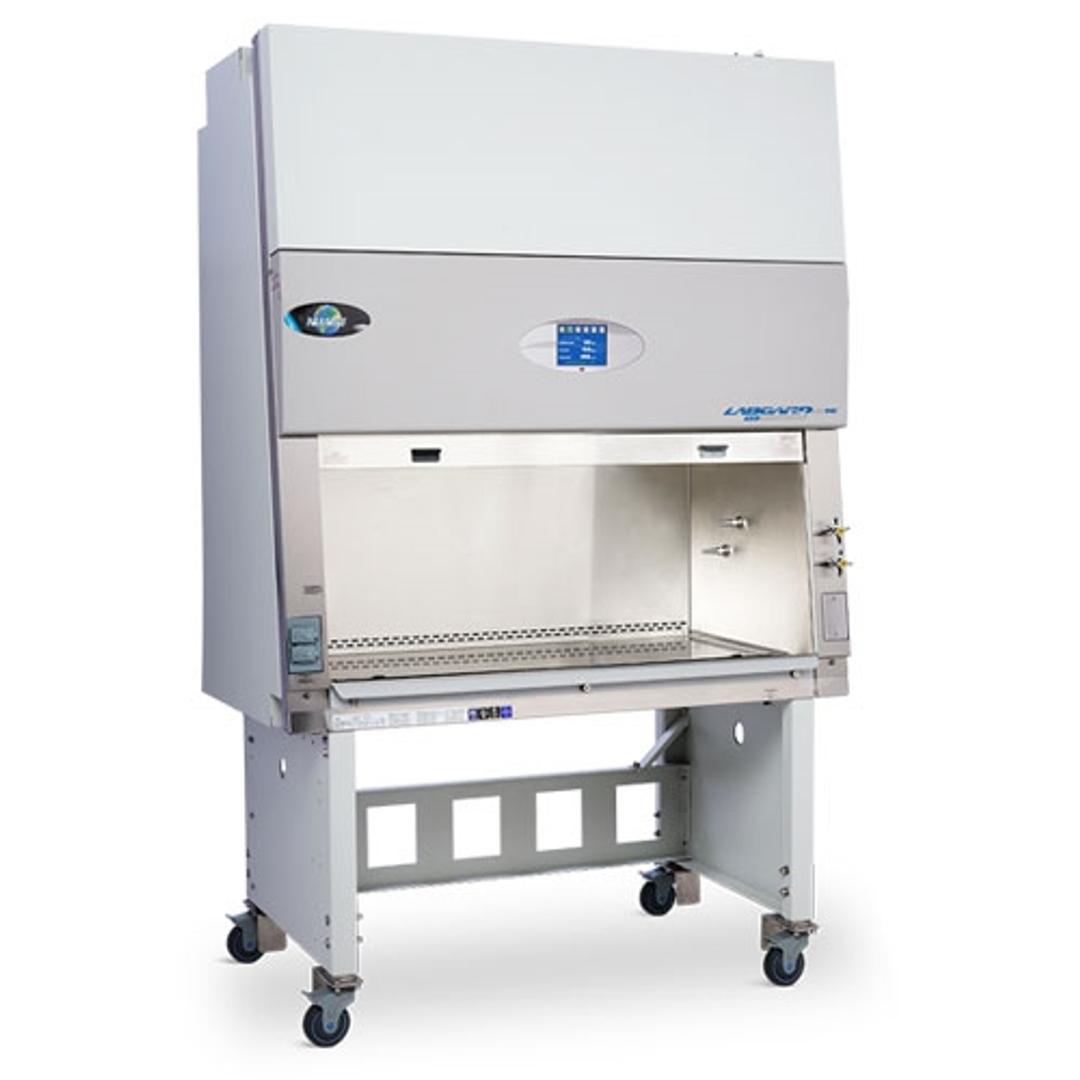
LabGard® ES TE NU-565 Class II, Type B2 Biosafety Fume Hood
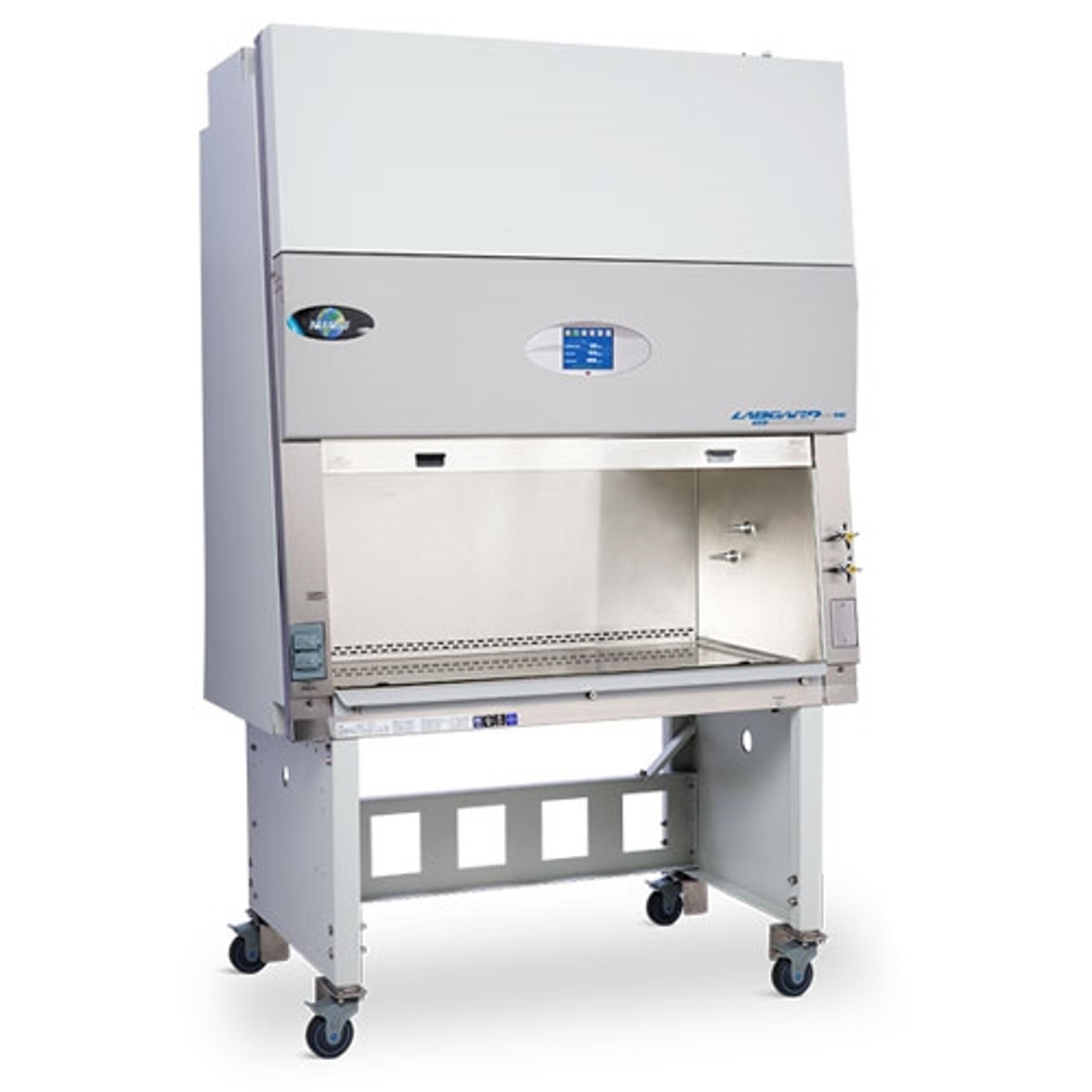
The LabGard ES (Energy Saver) TE (Total Exhaust) model NU-565 is an NSF/ANSI 49 Class II, Type B2 Biosafety Fume Hood designed to meet ASHRAE 110 classified to UL 1805 may be used for work with flammable or volatile chemicals and radionuclides required if permitted by chemical risk assessment.



Receive your quote directly from the manufacturer.
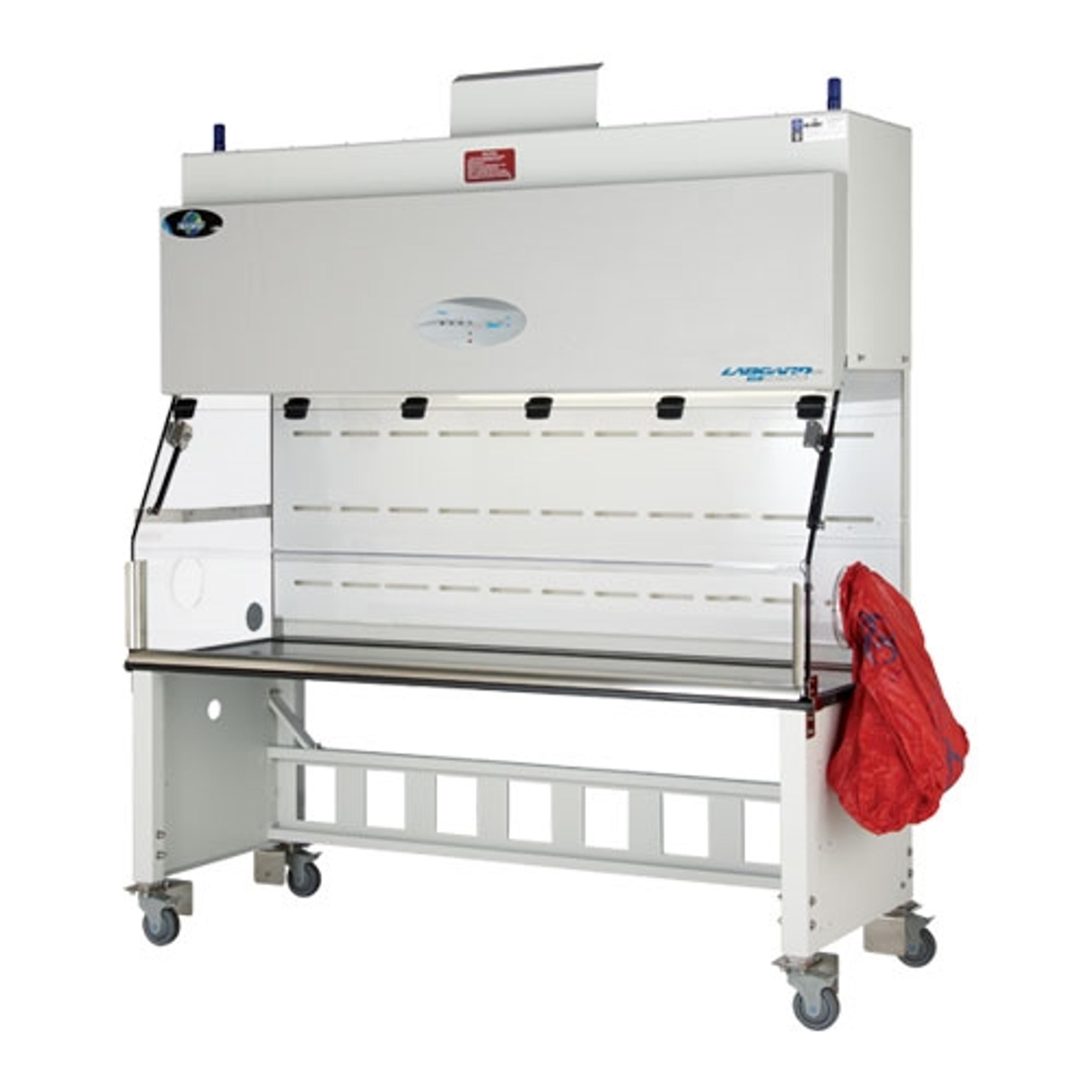
The LabGard® ES (Energy Saver) TE (Total Exhaust) model NU-565 Laminar Flow Biosafety Fume Hood/Cabinet is a bench/table top model, optionally available with a base support stand, for operation as a console model. Model NU-565 utilizes an Energy Saver DC ECM motor optimally determined forward curved fan for each model size/width to maximize both energy efficiency and filter loading capacity. The Energy Saver ECM motor is controlled to airflow setpoints via a solid-state DC motor controller with digital dual thermistor airflow sensors that provide an automatic compensation (constant volume control) for both filter loading and line voltage variances.
The Laminar Flow Biosafety Fume Hood/Cabinet is a product resulting from the development of the "laminar flow" principle and the application of environmental controls as required in the field of biological research or chemical containment. The Biosafety Fume Hood/Cabinet, when used with proper technique, is an effective laboratory aid in obtaining the optimum control over product quality. Model NU-565 also reduces the potential for exposure of both product and personnel to airborne biological or particulate chemical agents in low to moderate risk-hazard research and drug preparation or product operations, as prescribed by the Center for Disease Control (CDC) Atlanta, Georgia.
The NU-565 Bench meets the requirements of a Class II, Type B2 since the cabinet conforms to the following requirements:
- Maintain a minimum average inflow velocity of 100 fpm (0.51m/s) through the work access opening;
- Have HEPA filtered downflow air drawn from the laboratory or the outside air (i.e., downflow air is not re-circulated from the cabinet exhaust air;
- Exhaust all inflow and downflow air to the atmosphere through a hard connection to the facility exhaust system after filtration through a HEPA filter without recirculation in the cabinet or return to the laboratory;
- Have all contaminated ducts and plenums under negative pressure or surrounded by directly exhausted (non-re-circulated through the work area) negative pressure ducts and plenums.
Type B2 Biosafety Fume Hood/Cabinet classified to UL 1805 may be used for work with flammable or volatile chemicals and radionuclides required if permitted by chemical risk assessment.
Brochures

Improved Principles of Biological Safety Cabinet Design
NuAire is recognized as a world leader in Class II Biological Safety Cabinets that offer great personnel, product, and environmental protection. Whether it’s cabinet design, cabinet integrity, HEPA filters, safety alarms, or maintenance - NuAire quality means an outstanding value to you.
50 years of innovation in lab safety
Laboratory safety has come a long way over the years. From biological safety cabinets to fume hoods, incubators, and animal handling products, explore some of the key innovations that have transformed the modern-day lab and find out where one of the world's leading providers of lab equipment came from and where it is headed.
5 Most Common Missed Reminders When Operating Your Biosafety Cabinet
From arm movements to ergonomics and airflow checks, discover the 5 most important rules to stay safe when working in a biological safety cabinet and how you can improve your practices, in this downloadable infographic.
Flow Chart for USP 797 and USP 800 PEC Requirements
This infographic presents a flow chart for USP 797 and USP 800 Pec Requirements when preparing drugs in healthcare settings.
Facility and Engineering Controls Using USP 800 Guidelines
Like many layers of an onion, there are unanswered questions on the intricate details of USP 800-related engineering control parameters. In addition, the multitude and flexibility of theengineering controls can seem daunting to the independent pharmacy owner. Even more concerning, and certainly at the forefront of all of the independent pharmacy owners’ minds, is the cost associated with being compliant with USP 800. The costs associated with building a new facility or remodeling an existing space, are proving to be as equally subjective as the choice of engineering controls. The focus of this white paper is to discuss the details for consideration of a good working design of a USP 800 compliant compounding lab.
How to Perform a Hazardous Drug Risk Assessment in the Compounding Pharmacy
There is a looming deadline on December 1, 2019 and that is the implementation of USP chapter <800>-Hazardous Drugs, Handling in Healthcare Settings. State Boards of Pharmacy (SBOP) are forming task forces and committees to determine if their state will fully implement the chapter or if they will only implement certain components of the chapters. And yet there are other states that are unsure what to do and may push the enforcement further down the timeline. Regardless of what your SBOP has determined regarding USP <800> enforcement, it is still wise to examine the risks associated with hazardous drug chemical handling in your entity. Mitigating risk may not be at the forefront of your mindset, but like the USP <800> deadline, the issue of chemical exposure risk is looming in all healthcare facilities that handle hazardous drugs (HDs).
Air Filtration and the Use of HEPA Filters in Biological Safety Cabinets
Efficient, high-quality, air filtration is instrumental in meeting occupational safety requirements, addressing environmental concerns, or improving indoor air quality in the home. Control of airborne particulate in
indoor environments is critical to develop quality products, protect employees from contact with hazardous materials, or prevent health problems from prolonged exposure to allergens. How airborne particulate is controlled varies from industry to industry and from an occupational setting to a home environment. To better understand why HEPA filters are used in the biological safety cabinet industry, it is necessary to explore particle sizes, types of filters available for home and occupational use, efficiency and penetration, filter standards, and performance testing.
10 Top Tips for Working Safely in the Pharmacy with Your NuAire Biosafety Cabinet
In this infographic, discover 10 tips to follow when working with a Class II Biosafety Cabinet (BSC) to minimize air turbulence and prevent splatter or unwanted spread of aerosols.
Workflow Strategies to Minimize Personnel and Environmental Exposure to Hazardous Drugs in the Compounding Pharmacy
Handling hazardous drugs in the compounding pharmacy, per USP chapter <800> guidelines, involves strategic workflow strategies with the goal of minimizing personnel and environmental exposure. This application note pulls chemical handling and compounding workflow strategies together into a more sequential model in an effort to minimize personnel and environmental exposure.
Use of Natural Gas/Bunsen Burner within a Biological Safety Cabinet
This application note provides a technical bulletin offering safety advice and information about the use of Bunsen burners within a biological safety cabinet (BSC).
When Should We Replace Our Biological Safety Cabinets
Read this technical paper to discover both why and when you should consider replacing your biological safety cabinets (BSC’s). Today’s BSC’s have evolved through the years with many improvements in safety containment performance, ergonomics, serviceability, and energy efficiency that should be considered in a repair versus replacement decision.
Exciting Technology Highlights from Pittcon 2019: Video Walkaround
Join SelectScience's very own Emily Adam as she explores the various exciting new technologies on display at the 2019 Pittcon conference and expo. The novel innovations include solid phase extraction (SPE) for tricky samples, from Biotage; the Cubis II balance from Sartorius with a motion-controlled, automatic door; and finally, some robust and reliable freezers, fume-hoods and centrifuges from NuAire.

Kewaunee and NuAire collaborate to drive groundbreaking innovation
NuAire has joined the Kewaunee Scientific Corporation family of companies to work together to produce equipment for your laboratory

Laboratory Best Practices to Keep You Safe: 3 Essential Downloads
Find out how to improve the set-up of your biological safety cabinet for effective and safe experiments
Top 4 Trending Videos on The Scientists' Channel: From Graphene Oxide to Neurobiology
Connect with scientists around the world and discover scientific innovation with the latest videos on The Scientists' Channel