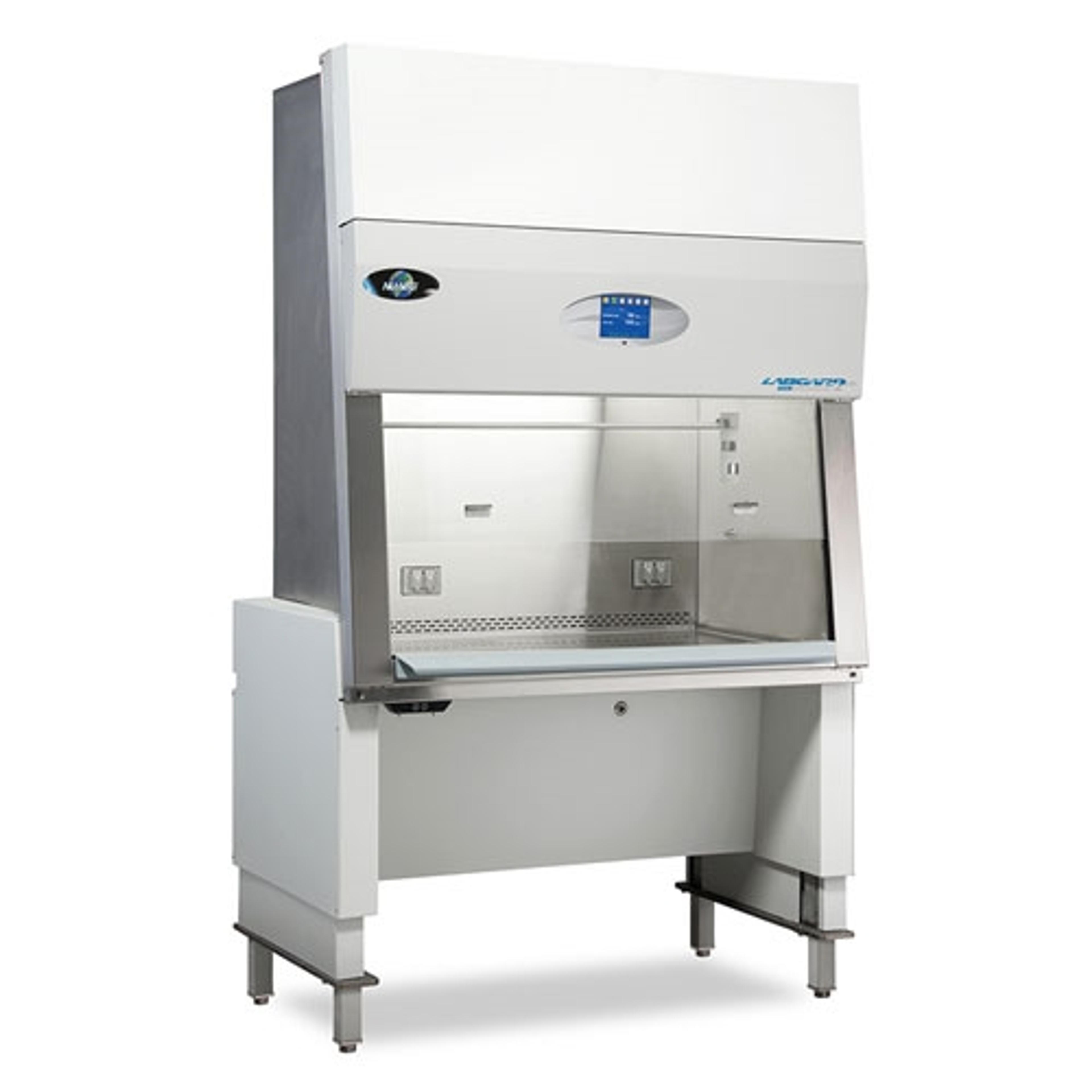
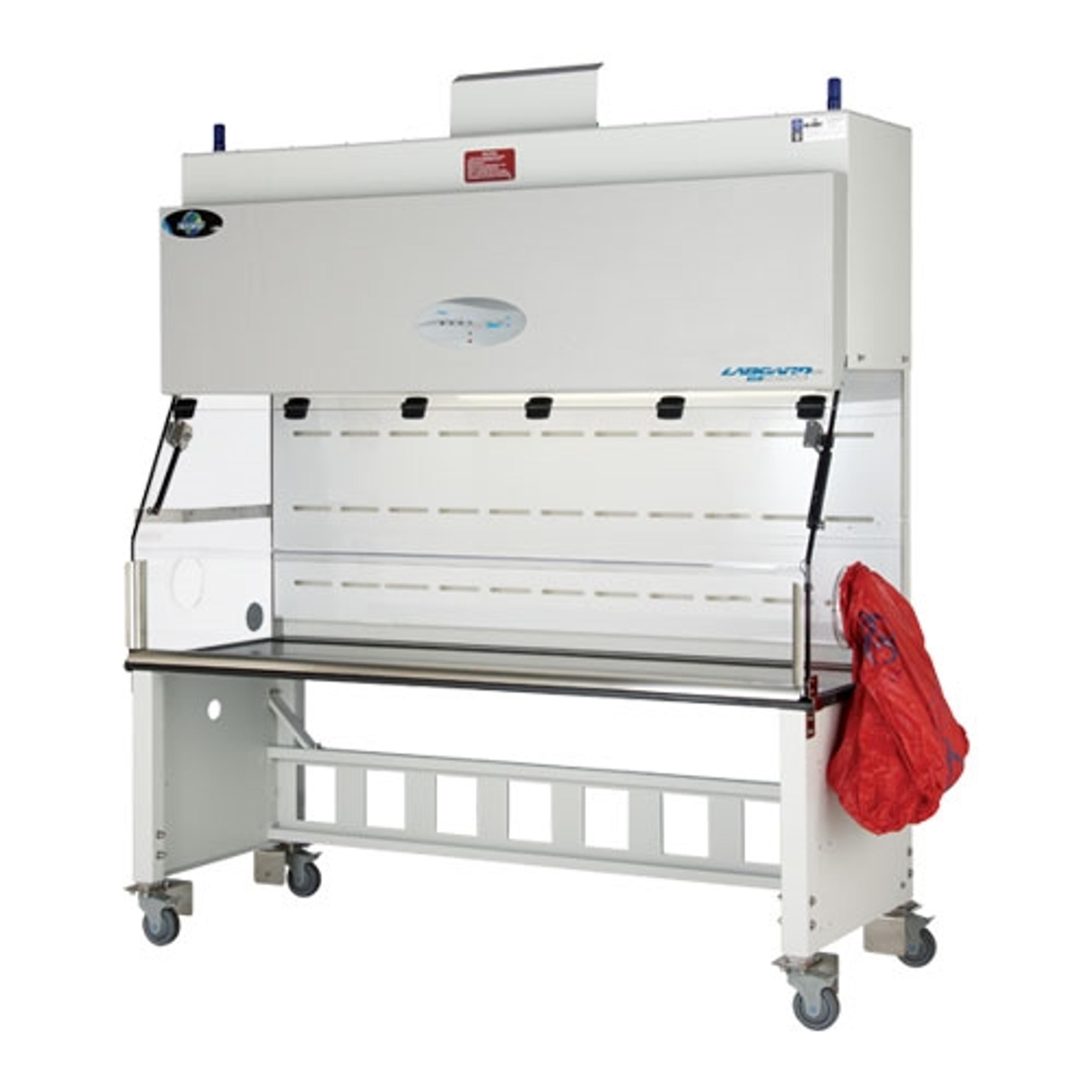
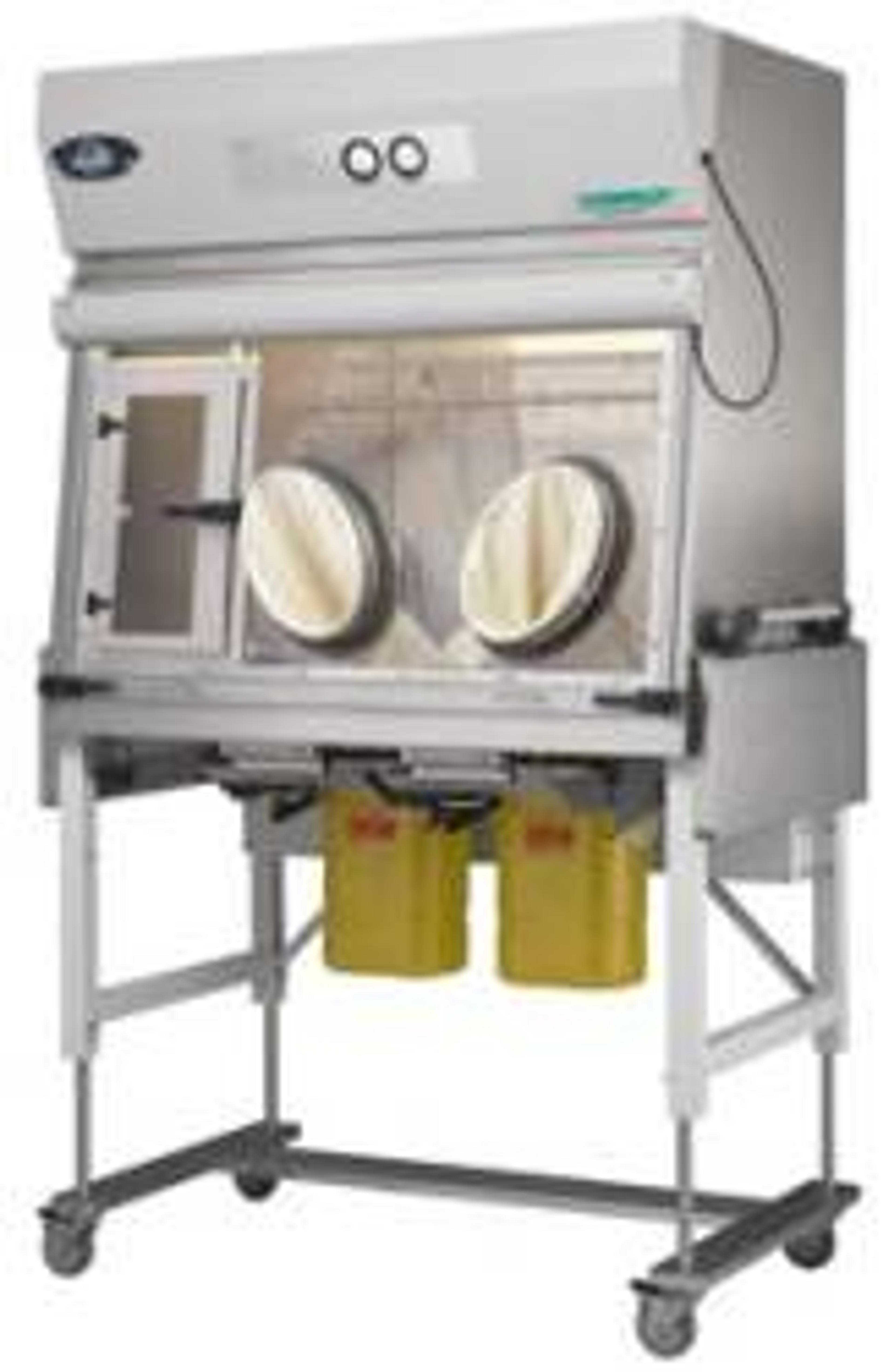
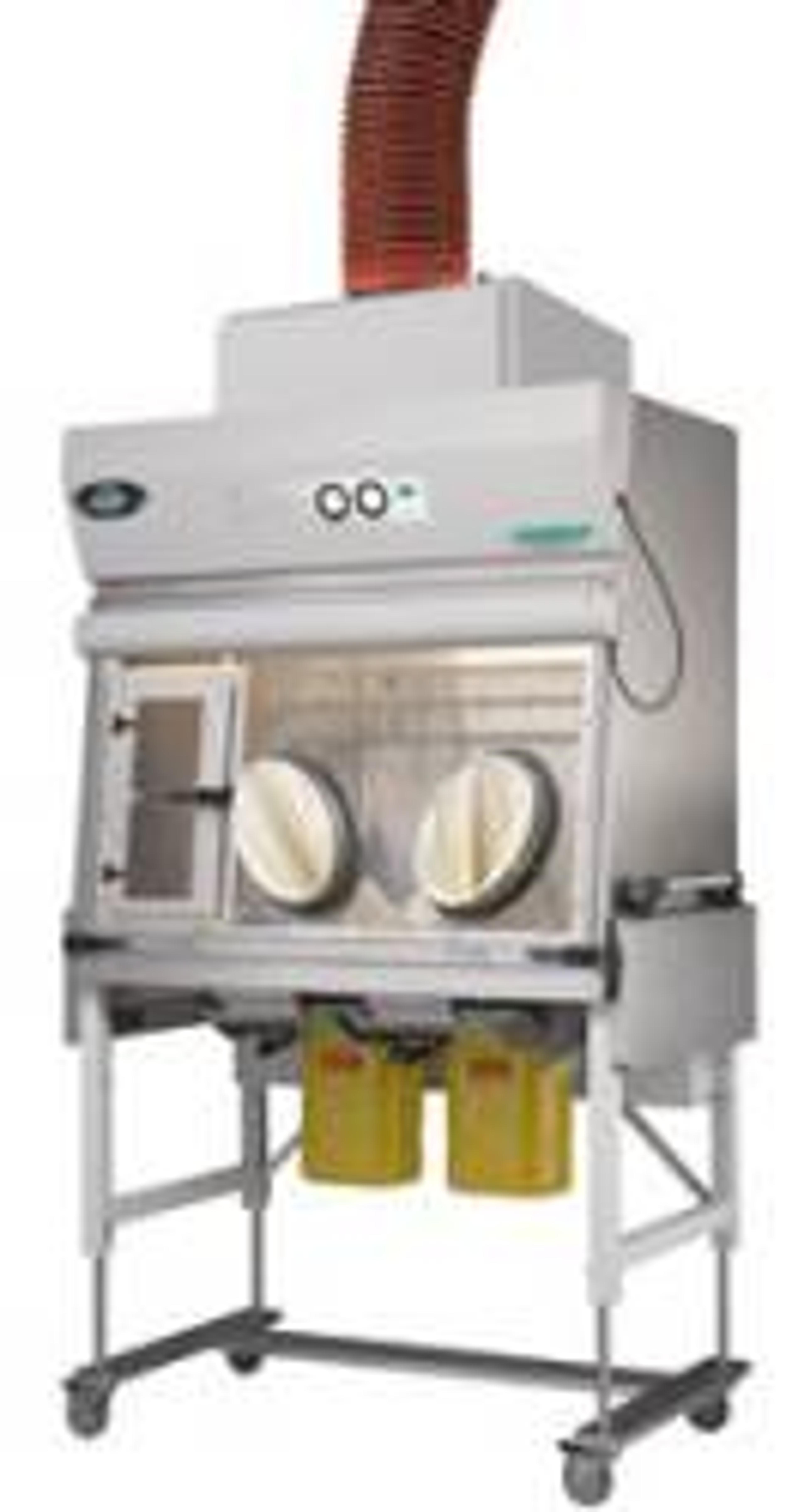
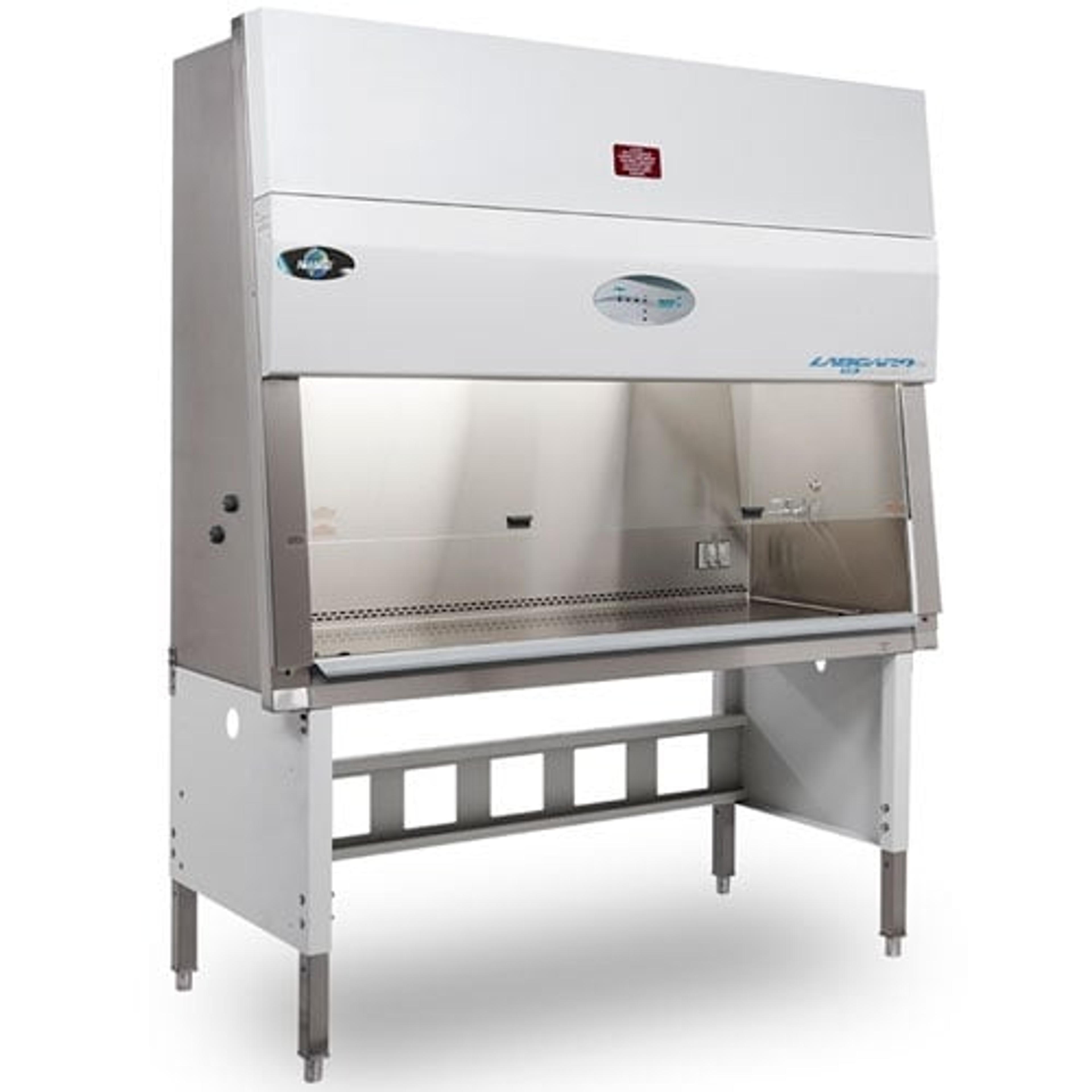
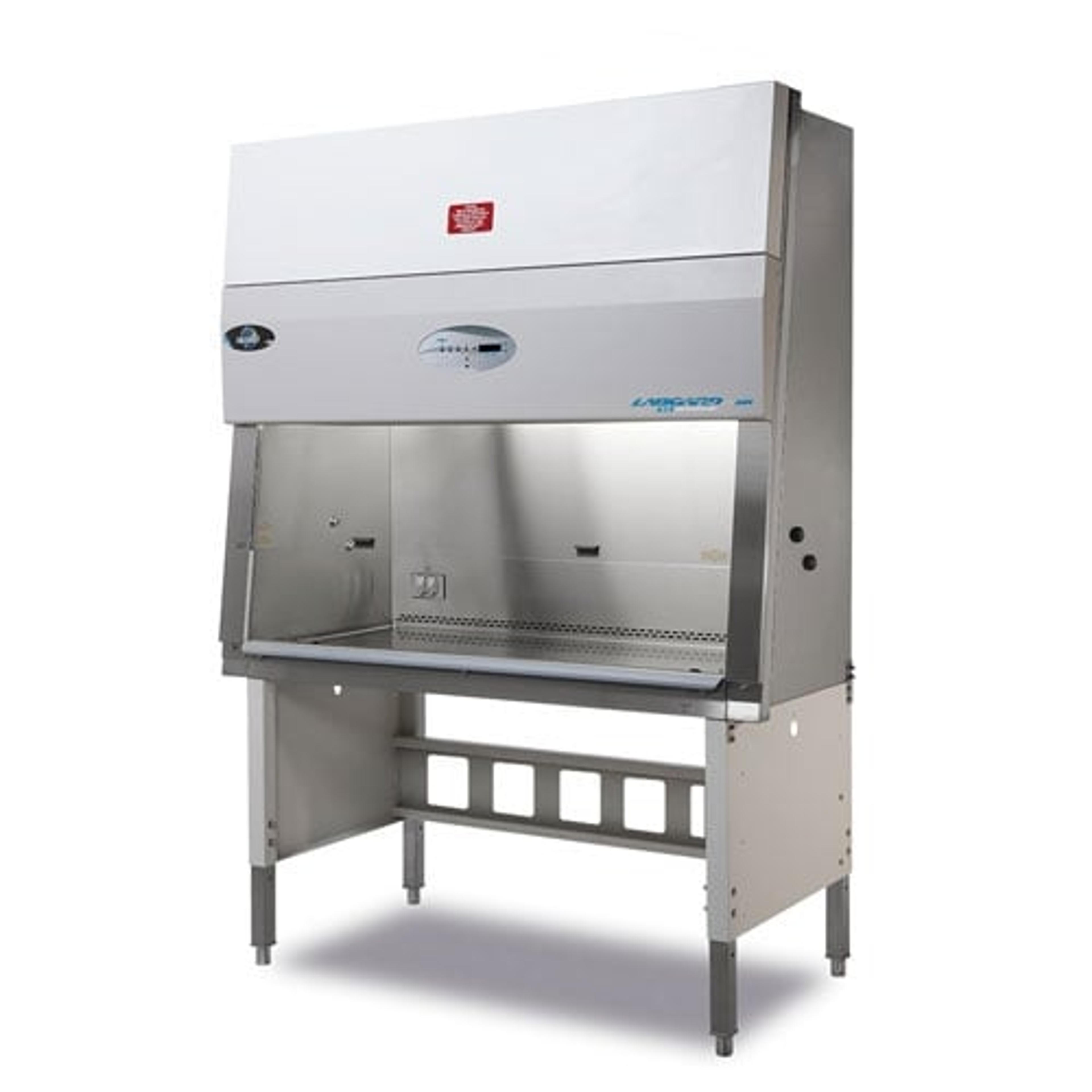
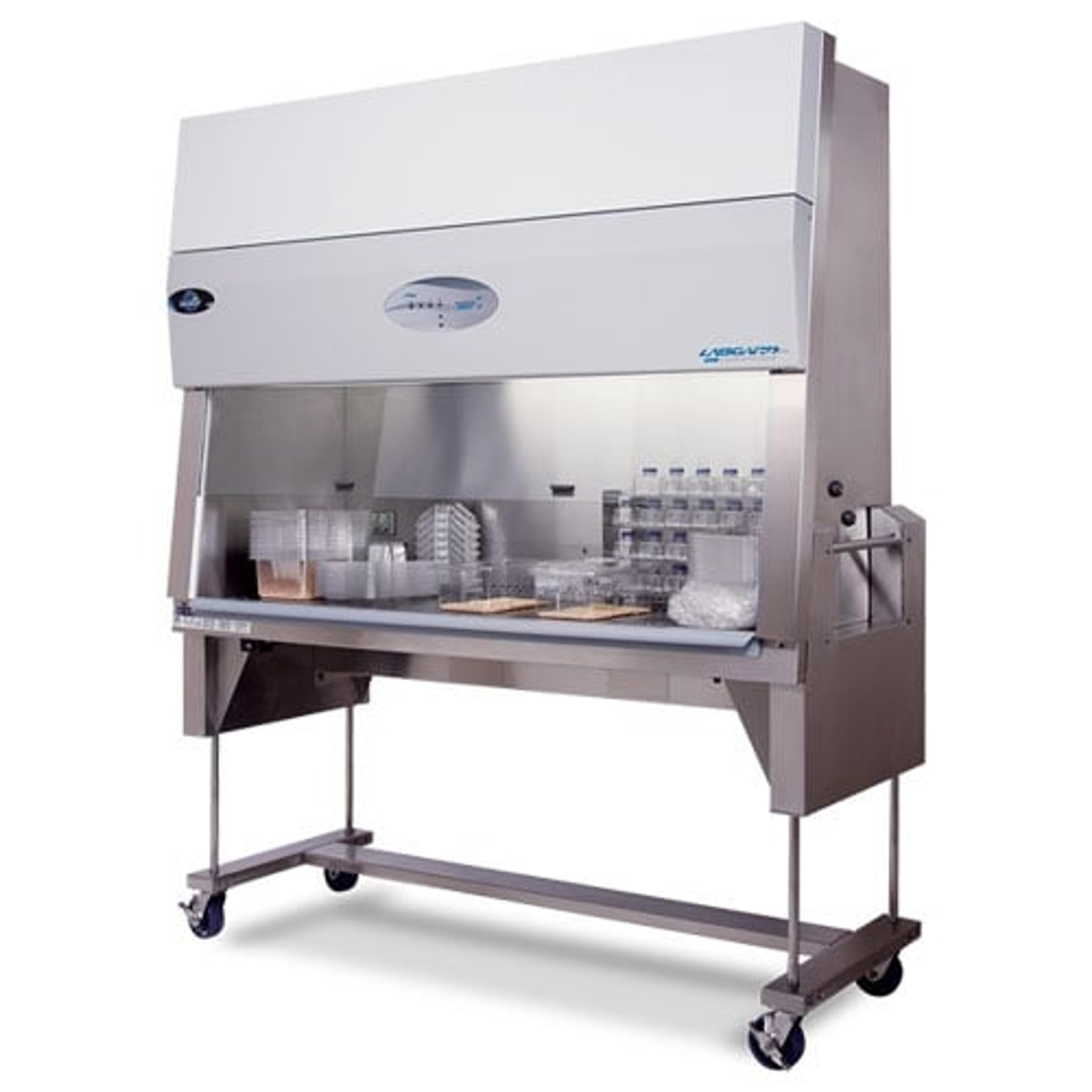
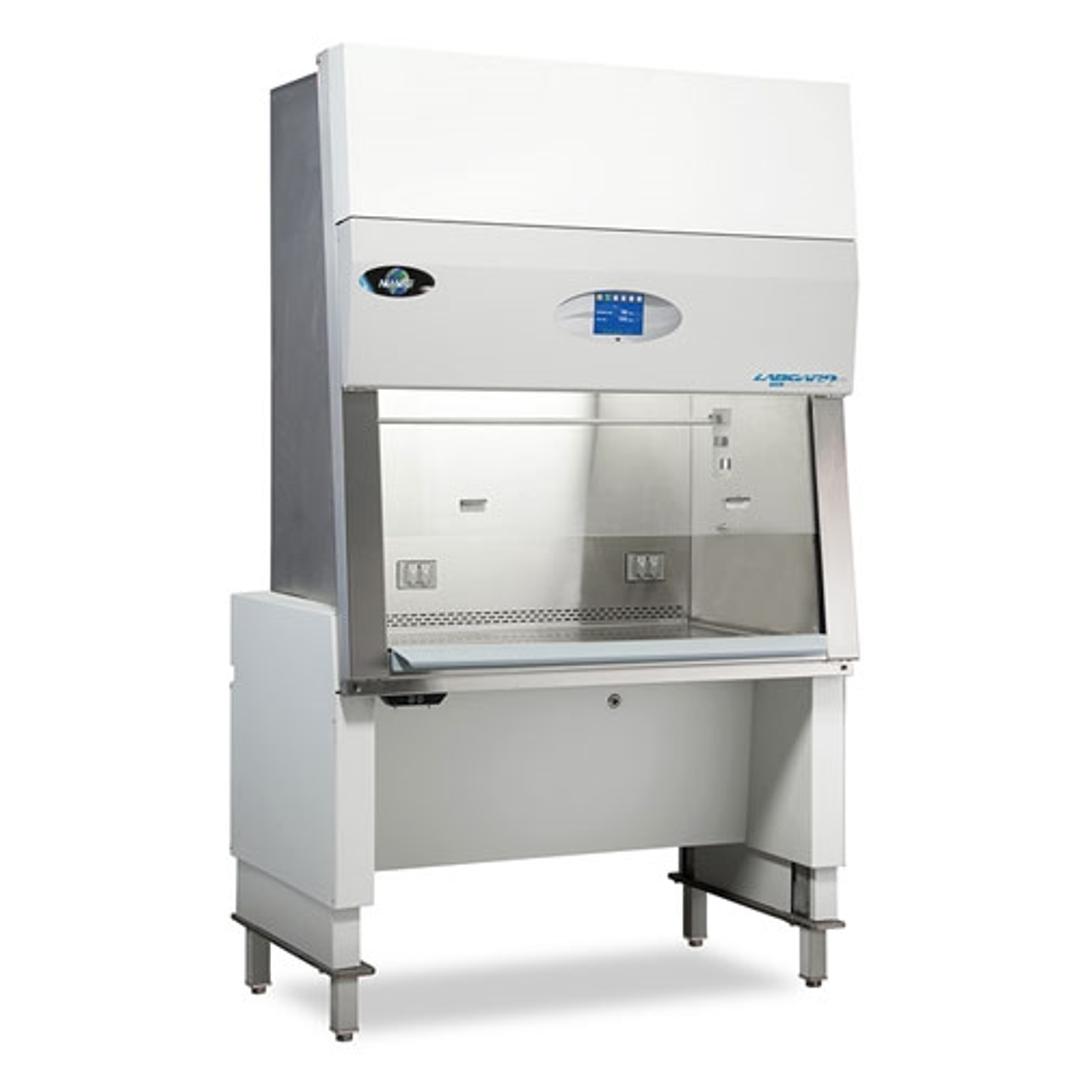
LabGard ES CYTO NU-581 Class II Type A2 Biosafety Cabinet
The LabGard CYTO NU-581 Biosafety Cabinet offers a safer environment for applications involving cytotoxic API powders through a three-tiered HEPA filtration system. Tested in extreme laboratory conditions to ensure maximum personnel, product, and environmental protection, this LabGard meets NSF/ANSI 49, EN12469, and DIN12980.

Receive your quote directly from the manufacturer.
The LabGard CYTO NU-581 Biosafety Cabinet offers a safer environment for applications involving cytotoxic API powders through a three-tiered HEPA filtration system. Tested in extreme laboratory conditions to ensure maximum personnel, product, and environmental protection, this LabGard meets NSF/ANSI 49, EN12469, and DIN12980.

Biosafety cabinet selection in the context of risk assessment
The process of conducting a risk assessment can be crucial before initiating experiments involving potentially hazardous conditions or materials in the laboratory. This eBook provides comprehensive guidance on understanding, performing, and incorporating risk assessments into biological materials work. It covers the definition of a risk assessment, evaluation of hazards, implementation of control measures, and selection of biosafety cabinets (BSCs) based on risk assessment outcomes.
by Julianne Baron, PhD, CPH, RBP
10 tips for working safely with the NuAire Biosafety Cabinet
When working in the laboratory with a NuAire Biosafety Cabinet, following strict safety protocols is crucial. This infographic highlights a number of safety procedures ranging from understanding airflow and maintaining the proper sash level to the superior handling of tubes, Petri dishes, and aspirator bottles. Many common procedures in Biological Safety Cabinets (BSCs) may create splatter or aerosols, so techniques to reduce their generation are crucial to minimize personnel exposure to infectious materials.
Download this SelectScience infographic to explore how to:
- Understand how to correctly set up and prepare a NuAire biosafety cabinet to ensure optimal airflow and contamination control.
- Learn best‑practice techniques for safe and efficient work inside the cabinet, including proper hand placement and material organization.
- Recognize common user errors that compromise protection and discover how to avoid them through consistent, validated workflows.
- Apply correct shutdown, cleaning, and maintenance procedures to preserve cabinet performance and ensure long‑term laboratory safety.
Resource details:
- Document type: Infographic
- Page count: 1
- Read time: 1.5 mins
- Edition: 1st
Biosafety made simple: A journey into biosafety cabinet selection and custom solutions
In the domain of laboratory safety and containment, biosafety cabinets (BSCs) serve as the primary defense against potentially dangerous materials and pathogens. Yet, it is essential to recognize that not all BSCs are alike. Every laboratory operates with its distinct research goals, procedures, and safety measures, making the one-size-fits-all approach insufficient. Customization emerges as the key to bridging this gap.
In this application eBook, we examine biosafety cabinets (BSCs) and their pivotal role in laboratory safety and efficiency. This expert guide will explore the significance of conducting thorough risk assessments before starting new experiments to determine what kind of biosafety cabinet you need before searching for a suitable vendor.
This guide will also cover:
- Custom-built biosafety cabinets
- Experimental setups
- Safety protocols

4 upcoming webinars to accelerate your research
Discover the latest tools and techniques to expand your research capacity with expert-led presentations on biosafety, spectroscopy, flow cytometry, and more

Biosafety cabinet masterclass: Your questions answered
Find out how to work in a biosafety cabinet so airflow is not interrupted, as well as other key considerations to ensure complete biocontainment