FirePlex Immunoassays
Abcam's proprietary FirePlex particle technology is ideal for multiplexing protein targets.
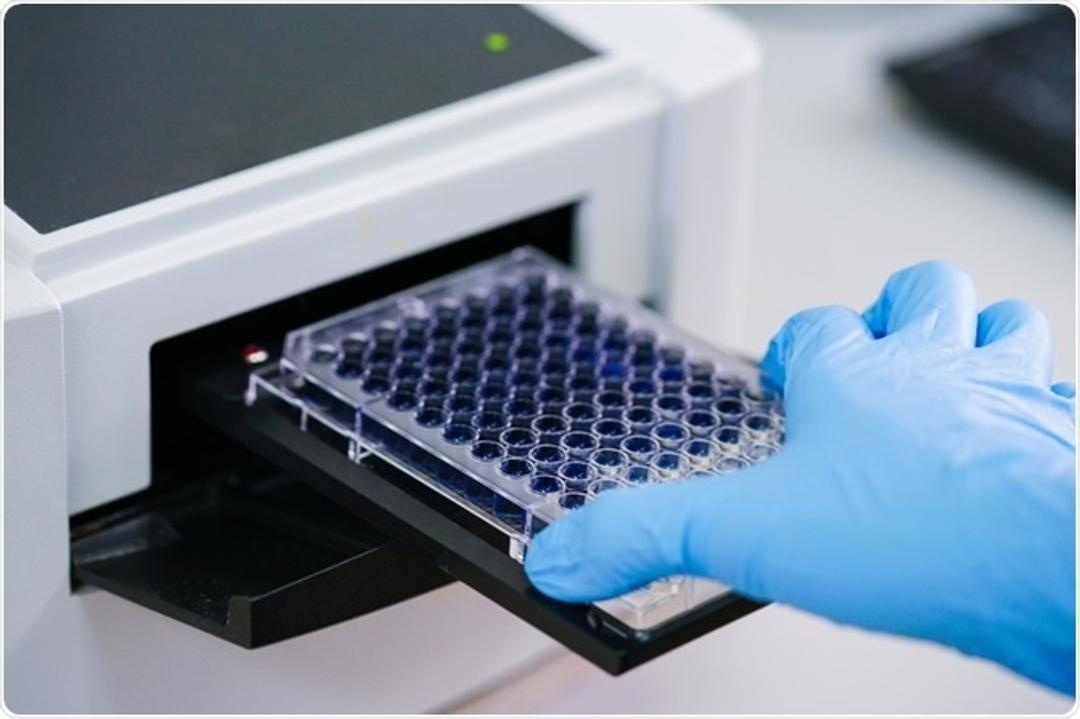



The supplier does not provide quotations for this product through SelectScience. You can search for similar products in our Product Directory.
Abcam's proprietary FirePlex particle technology is ideal for multiplexing protein targets. The bar-coded hydrogel particles allow the bulk immobilization of capture antibody, providing enhanced binding capacity in comparison to surface-functionalization techniques. The flexibility of the hydrogel matrix reduces steric constraints on the binding while enhancing binding kinetics in a planar array format, making assay readouts possible both on flow cytometers as well as High Content Imagers.
FirePlex Immunoassays are offered in three complementary formats for convenient scale-up of samples/compounds for screening:
FirePlex-96 assay:
- Ideal for target screen in 96-well plate format
- pg sensitivity and 5-log dynamic range
- Simple, straight forward workflow
- Readout on a flow cytometer
FirePlex-384 assay:
- Ideal for high throughput screening in 384-well plate format
- Small sample volume of 6.25 µl
- No-wash, two-step - automation friendly
- Readout on High Content Imager
FirePlex-1536 assay:
- Ideal for high throughput screening in 1536-well plate format
- Small sample volume of 2.5 µl
- No-wash, one-step - automation recommended
- Readout on High Content Imager
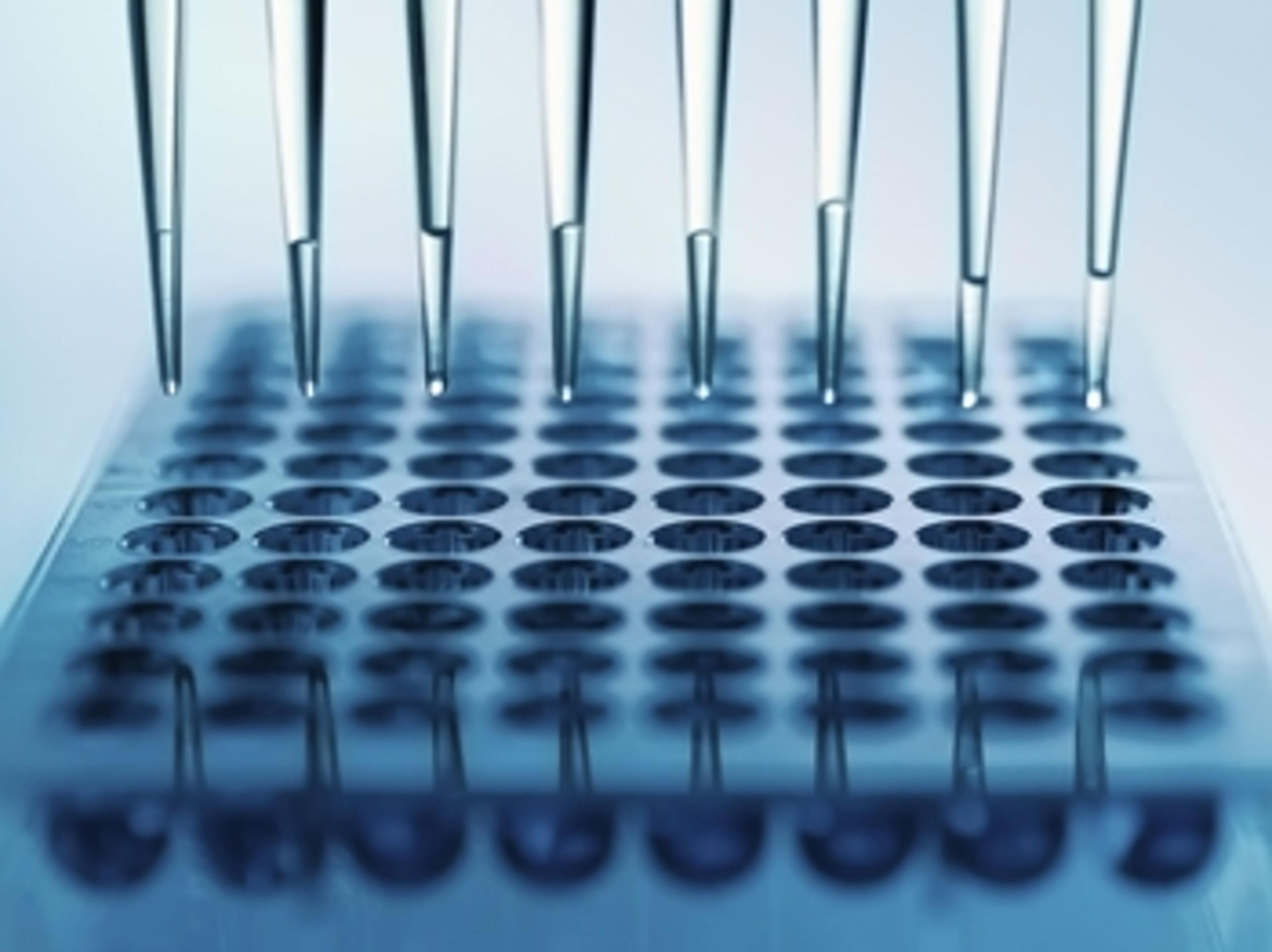
Master multiplex assay design for drug discovery
For high-throughput screening to be an effective tool for identifying promising candidates in drug discovery, it requires scalable, high-quality immunoassays to identify the candidates quickly, efficiently, and with minimal costs.
In this free application guide, find out how multiplexing can address those challenges by enabling you to measure multiple target analytes in a single reaction, exponentially increasing the number of data points collected whilst reducing workflow and sample volumes. Plus, discover the key considerations when choosing a multiplex assay and a comprehensive overview of the various multiplex assay techniques used in screening.

Enhance immuno-oncology research with knock-out cell lines
In this application note from Abcam, explore techniques designed to help you gain a deep understanding of immunological mechanisms, using the PD-L1 pathway as an example.
Accelerate your discovery with high-throughput FirePlex immunoassays
High-throughput FirePlex® immunoassays are ideal for drug discovery, screening, and profiling projects, designed to provide a fast, easy, and cost-effective tool to analyze thousands of samples in half the time. Download the infographic below to find out how you can advance your discovery with Abcam's FirePlex® immunoassays.
Accelerating high-throughput screening with FirePlex-384: An automatable, multiplex immunoassay using FirePlex Particle Technology
In this poster, Abcam describes a new assay platform, FirePlex-384®, which combines high-throughput screening with multiplexing.
FirePlex-384 Immunoassays for drug discovery and screening studies
Ideal for discovery, screening and profiling projects, FirePlex-384 offers you a fast, easy and cost-effective tool to analyze thousands of samples rapidly. Reach your R&D goals faster, and accelerate your path to success with FirePlex-384 immunoassays.

How can multiplexing improve the efficiency of early-stage biomarker and drug discovery?
The early stages of drug discovery suffer from high failure rates, with only 5% of compounds making it to lead generation stage. Typically, there is only one opportunity to screen a compound, so choosing an assay format that delivers reliable results the first time around is a critical factor.
Multiplex immunoassays have advantages over traditional ELISAs as they allow simultaneous measurement of many targets from a single sample volume. However, it isn’t always clear which format of assay is most appropriate for your application, as not all are suitable for high-throughput screening, are automation-friendly, or have high enough plex. Researchers may also want to quantitate microRNA (miRNA) targets rather than traditional key protein biomarkers such as cytokines.
In this SelectScience webinar, Emma Ghaffari, Field Application Scientist at Abcam, will address these questions and discuss how different approaches to multiplexed assays can be used to improve the efficiency of the drug and biomarker discovery pipelines, improving the quality of lead compounds progressing to the next stage of drug discovery.
Key learning objectives:
- Learn how to improve the efficiency of biomarker screening and early-stage drug discovery
- Understand the factors that need to be considered when choosing a multiplex assay
- Discover how different assay workflows can impact the complexity of process automation
- Explore the benefits of Abcam’s FirePlex multiplex assays for measuring both protein and miRNA targets and how they are being used by leaders in the field
Who should attend:
- Those working on high-throughput screening for biomarker discovery and early-stage drug discovery
- Researchers interested in studying more about multiplexing and how it can fit their workflow
- Scientists already exploring biomarker discovery and who want to learn more

Consistent, reproducible immunoassays: How recombinant antibodies can make your assays work for you
The immunoassay suite from Abcam utilizes recombinant antibodies for greater consistency, sensitivity, and specificity

How can multiplexing improve the efficiency of early-stage biomarker and drug discovery?
Watch this on-demand webinar to discover how different assay workflows can impact the complexity of process automation

How to accelerate drug discovery with optimized high-throughput screening
Antibody expert, Dr. Chelcie Eller, shares how to achieve reliable and reproducible high-throughput drug and biomarker screening