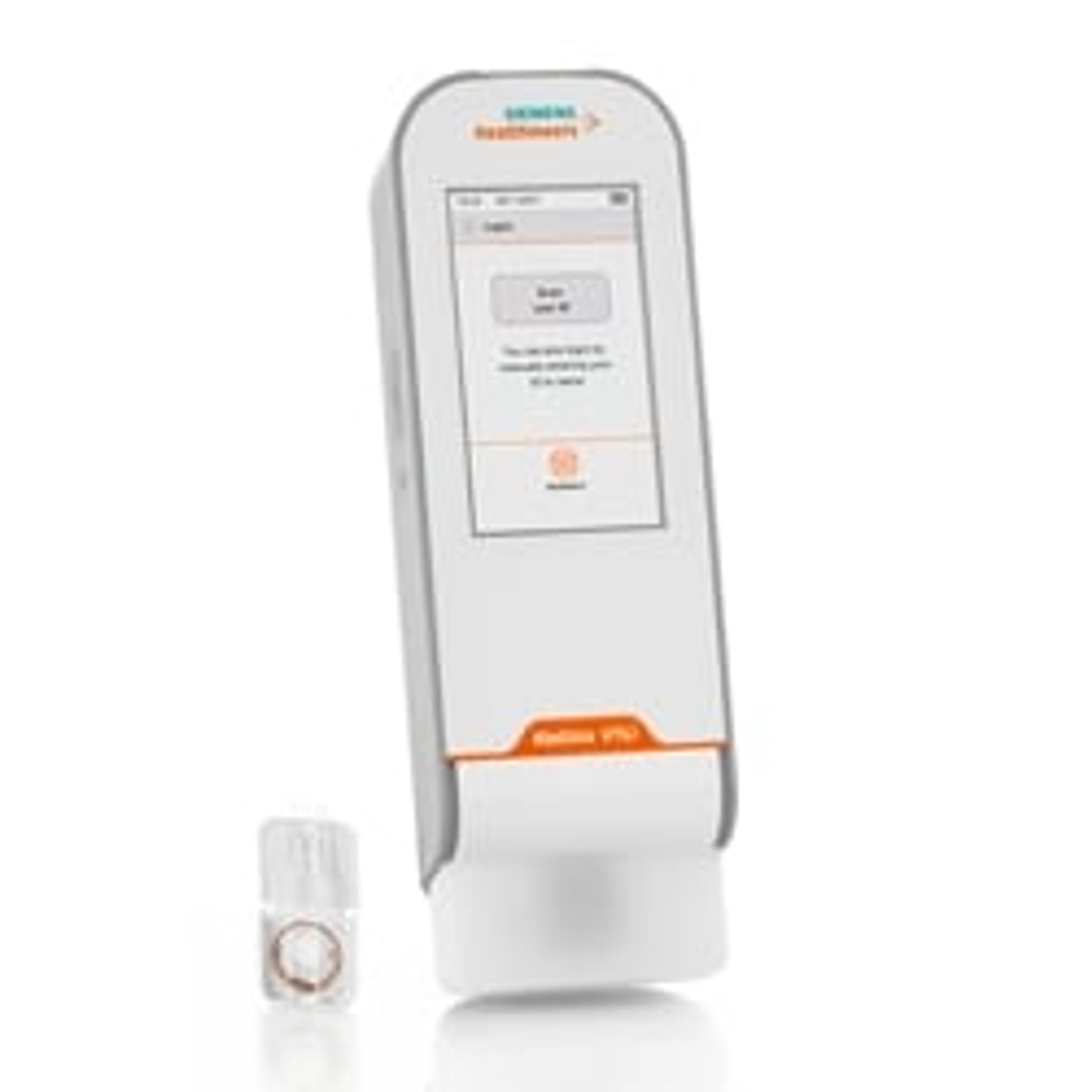
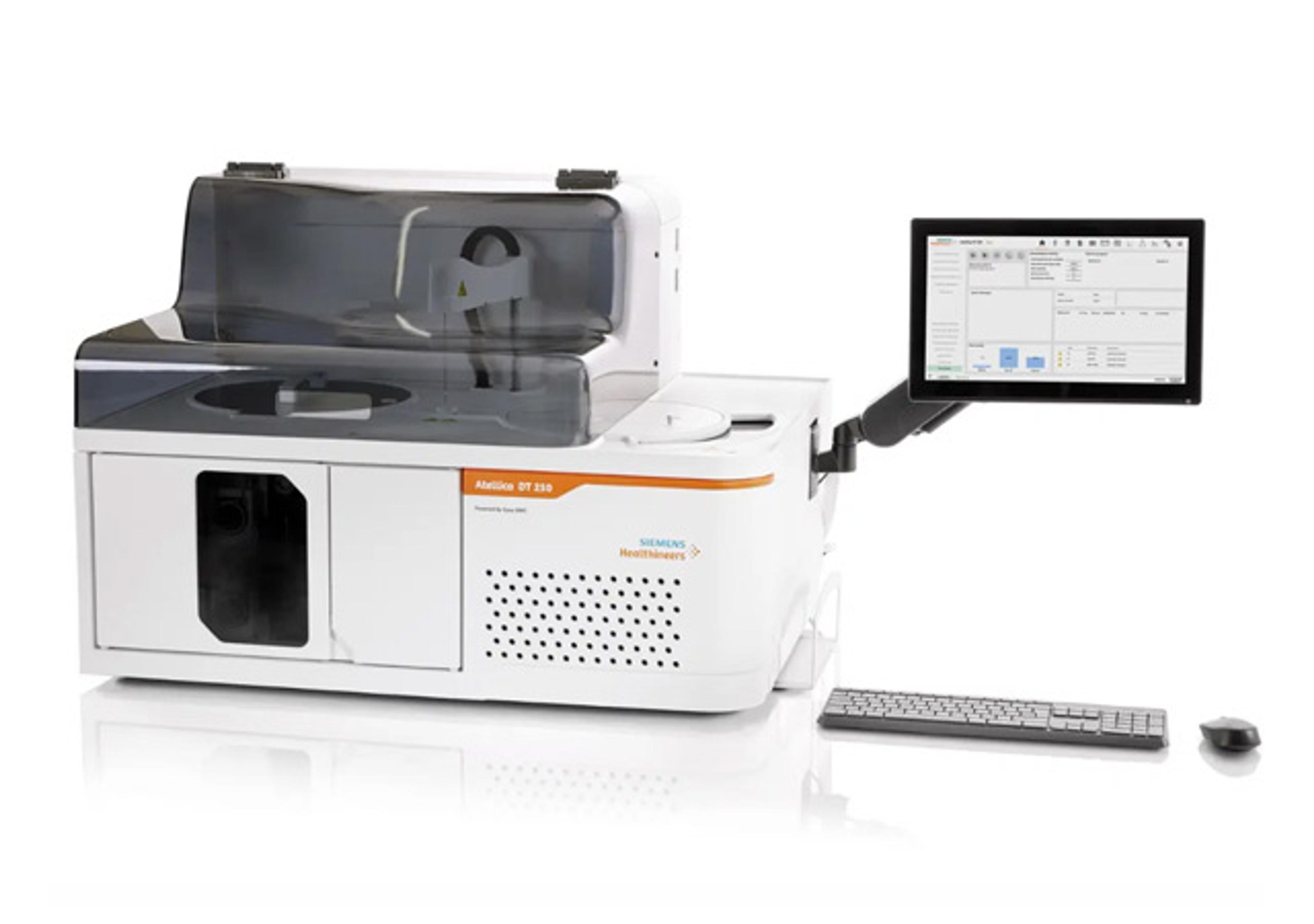
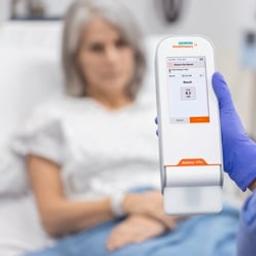
Atellica® VTLi Patient-side Immunoassay Analyzer
A vital leap forward in cardiac testing. Speed meets accuracy where it matters most?the wait is over for hs-cTnI at the point of care.

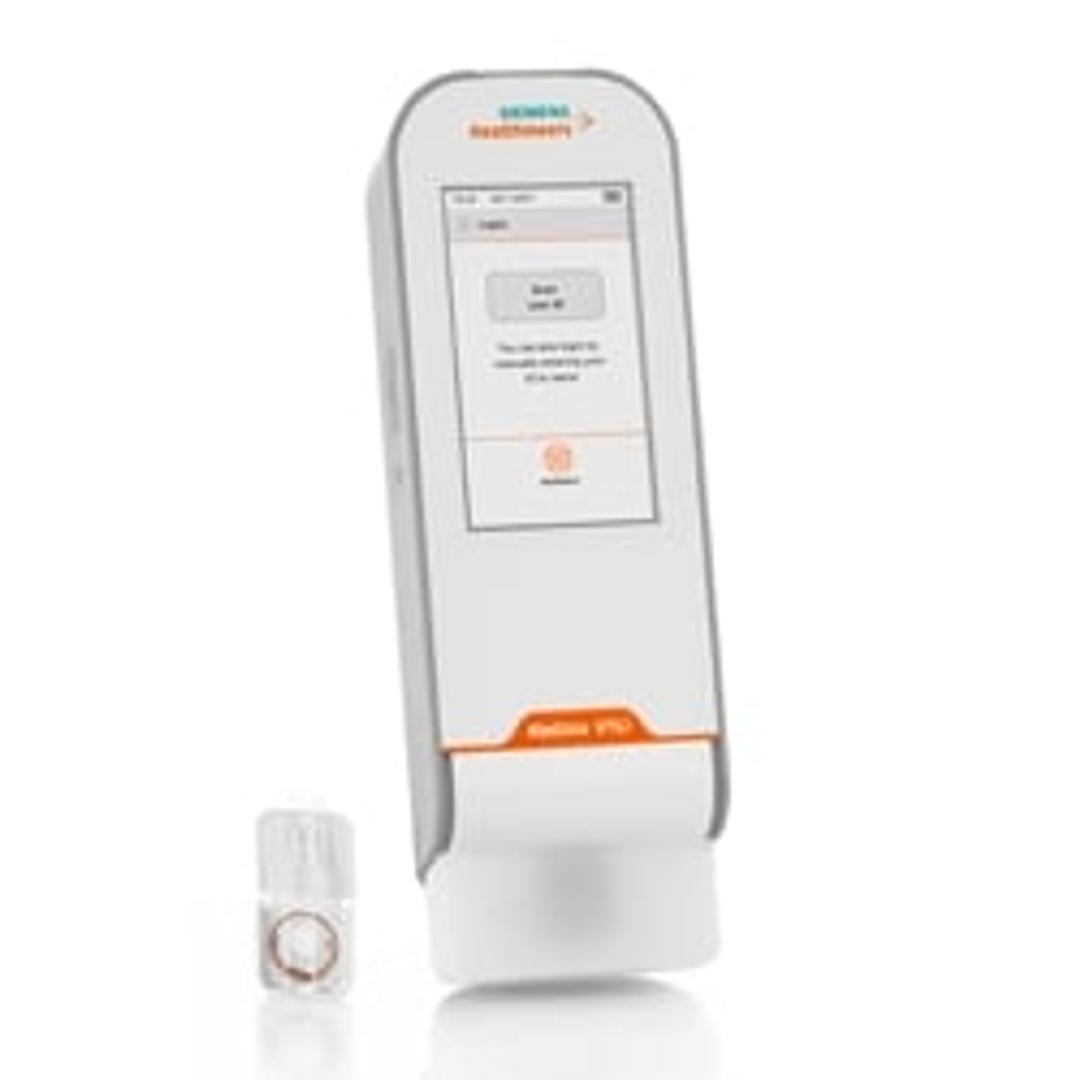
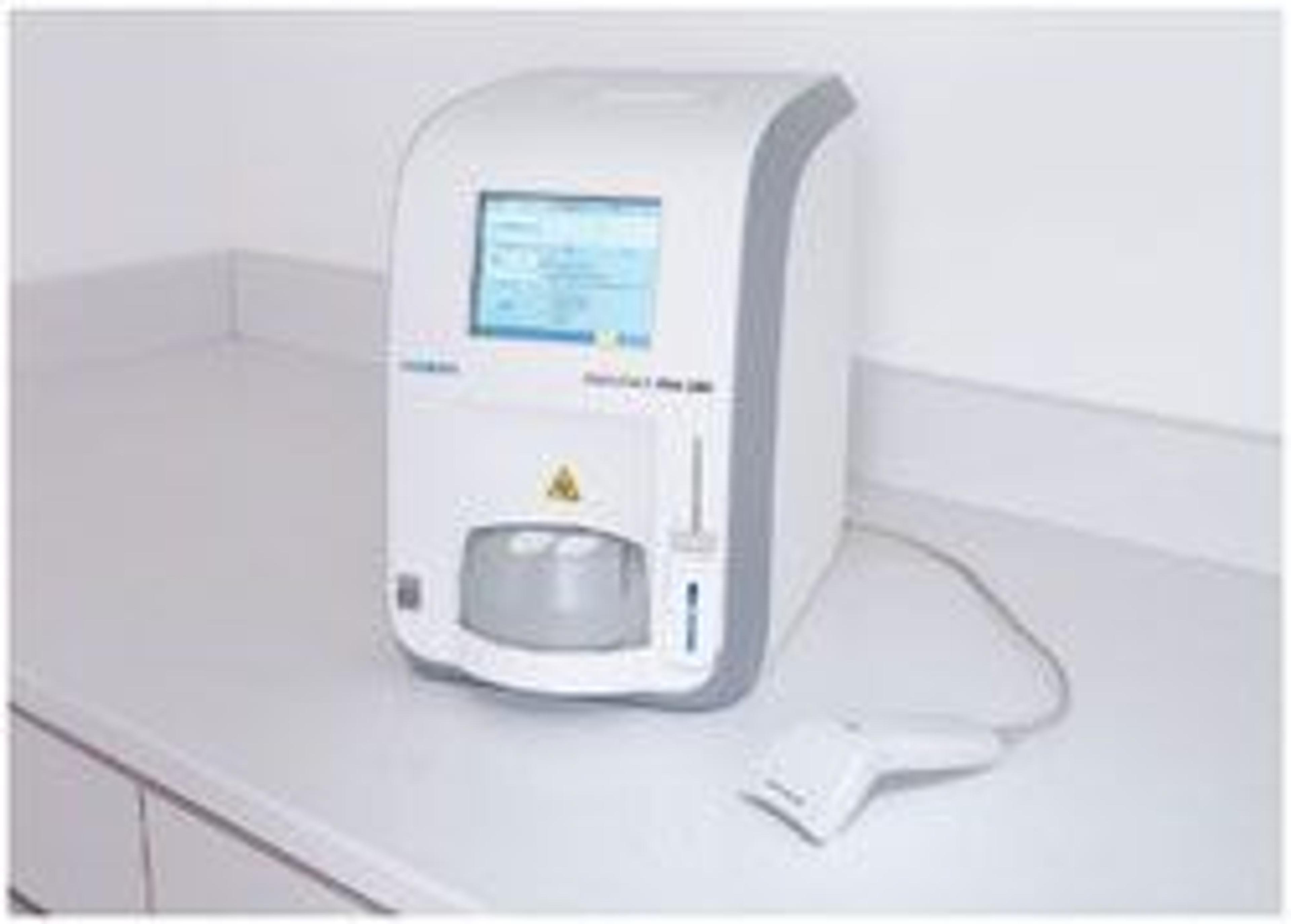
Atellica® VTLi Immunoassay Analyzer
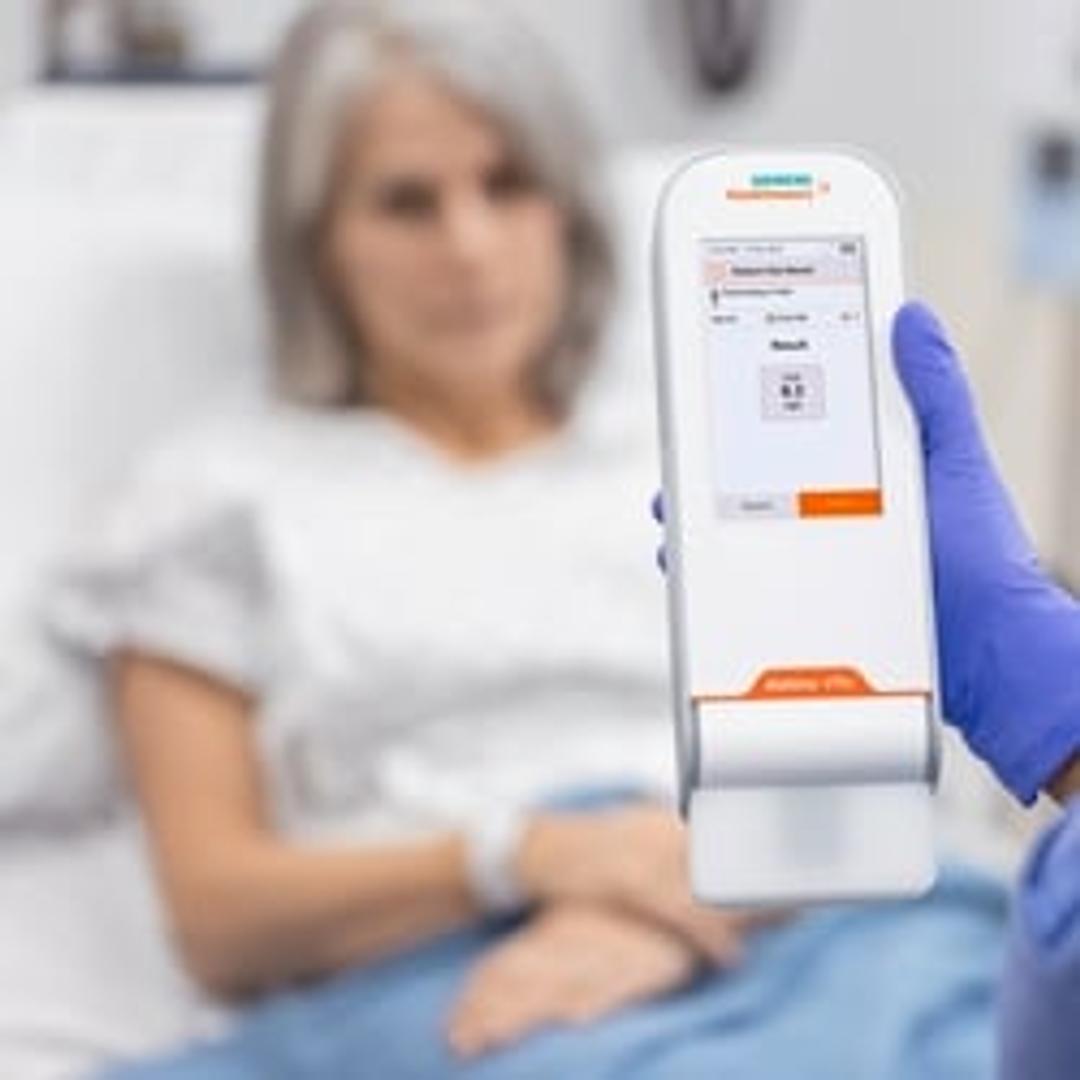
hs-cTnI results at the patient side
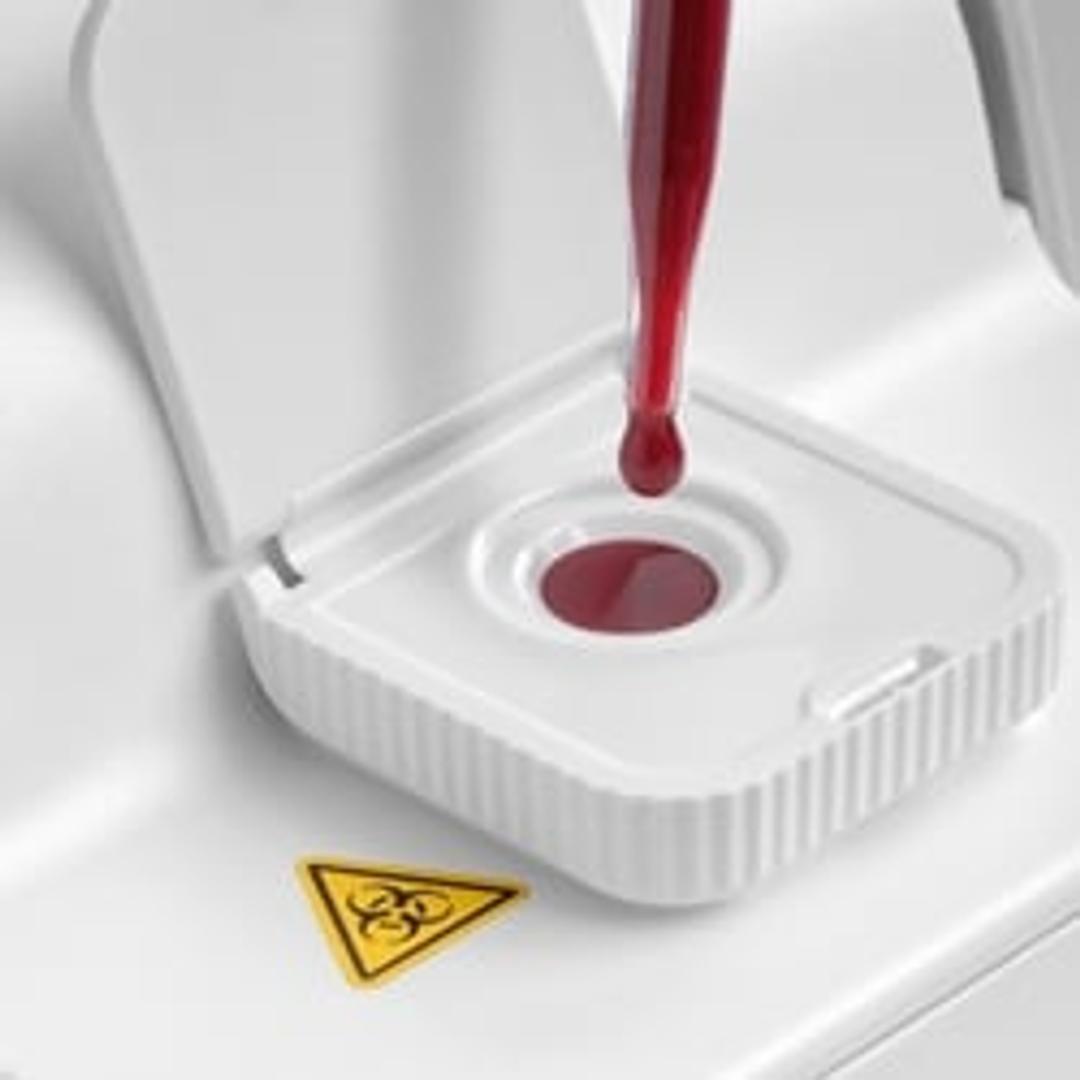
Flexible sampling including capillary


Receive your quote directly from the manufacturer.
When a patient enters the emergency department presenting with the symptoms of a myocardial infarction (MI), every moment is critical. Achieving favorable clinical and operational outcomes requires fast and accurate chest pain assessment at the point of care, as well as coordination with the laboratory for quality assurance. Having high-sensitivity troponin testing at the point of care—producing accurate results in just 8 minutes—could transform care delivery for millions of people each year, improving ED throughput, reducing stress and strain on acute care clinicians, and aiding in optimizing the use of time and resources of busy laboratories.
Simple to use and easily integrated into existing systems, the Atellica® VTLi Patient-side Immunoassay Analyzer, powered by Magnotech® Technology, puts accurate, clinically actionable hs-cTnI results directly in the hands of those who need it most.
Evidence-based, accurate performance
The Atellica VTLi system offers high-sensitivity troponin testing right at the point of care. Results are available in just minutes for clinicians and laboratory partners. Putting trustworthy, accurate testing in the acute care environment helps clinicians to treat patients with greater speed and confidence, and the laboratory can be confident in the assay’s performance.
Improved ED throughput
The Atellica VTLi system streamlines chest pain patients, enabling earlier disposition decisions for patients not having an MI and faster interventions for those who are. With automated quality assurance built into a system that is easy to use, the analyzer helps busy emergency departments get patients where they need to be with greater efficiency, while aiding in optimizing the time and resources of both the ED and laboratory.
Easily integrated into assessment processes
Siemens Healthineers offers a customizable cardiac testing solution that can be seamlessly integrated into your existing workflow to improve the value of care delivery. The Atellica VTLi system, a wireless device that operates on secure channels, and can be directly connected to the POC Ecosystem™ Solution as well as the laboratory to provide centralized control over decentralized cardiac POC testing.
The Atellica VTLi system will transform your chest pain assessment process to benefit patients, clinicians, and operational workflow. Because when it comes to assessing an MI in the ED, trust, time, and resources aren’t just valuable—they’re vital.

A new paradigm for value: Point-of-care testing for high-sensitivity troponin I
High-sensitivity cardiac troponin (Hs-cTn) assays have revolutionized clinical decision making by their ability to measure very low values. However, the value of implementing hs-cTn on a POCT platform has not yet been fully characterized. This white paper evaluates the value of implementing a point of care immunoassay for high-sensitivity cardiac troponin I within the emergency department.

Is the effort really worth the result? hs-cTn at the point of care or lab?
This webinar is also available with subtitles in Portuguese and Spanish.
The value of high-sensitivity troponin in the assessment of patients with suspected acute coronary syndrome (ACS) has been well established in clinical practice guidelines. This webinar will cover the utilization of high-sensitivity cardiac troponin (cTn) in the emergency department (ED) and its impact when delivered via a rapid point of care (POC) device or core laboratory. In a moderated debate format, the case for using a point of care test to deliver high-sensitive cTn results will be presented, debating potential advantages in efficacious assessment of patients where myocardial infarction (MI) is part of the differential diagnosis. The discussion will include the perspective around the potential for improvement of operational, financial and clinical outcomes. Following this webinar you will be able to:
- Describe how the operational impact of an hs-cTn result delivered via a rapid POC device compares to core laboratory in the emergency department
- Recognize how a POC program may improve financial and health outcomes
- Identify the operational requirements when implementing a POC program
- Define the environment where POC vs lab delivered hs-cTn is most appropriate

High-sensitivity troponin at the point of care
Professor of Emergency Medicine at the University of Manchester highlights the promise of point-of-care high-sensitivity troponin assays in the emergency department

How point of care testing is transforming healthcare: Clinicians share their thoughts
Leading clinicians discuss the latest developments in point of care testing for cardiac disease, myocardial infarction, and blood gas analysis

Game-changing point-of-care testing: Improving ACS diagnosis in the emergency department
Dr. Martin Than shares how adoption of POC assays could enable rapid decision making, to help tackle overcrowding issues in emergency settings

How do point of care high-sensitivity tests compare to lab-based assays for acute coronary syndrome diagnosis?
Dr. Michael Samoszuk discusses the benefits of high-sensitivity cardiac troponin POC assays and shares his views on how they will be positioned in future healthcare settings

High-sensitivity cardiac troponin I testing: A compelling point of care option for the emergency department
Discover innovative POC technology designed to meet today’s emergency care needs and inform effective management of cardiac patients