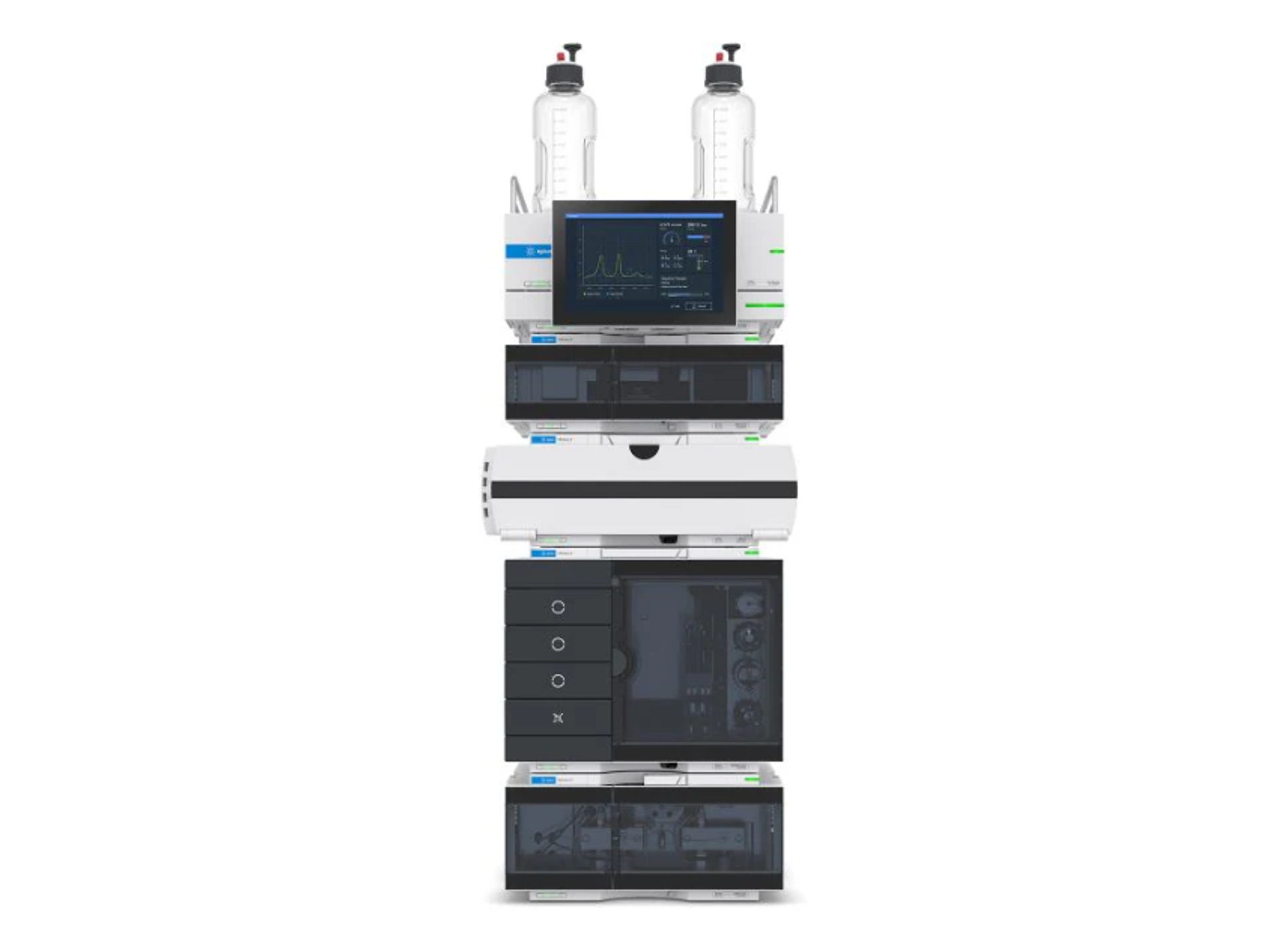
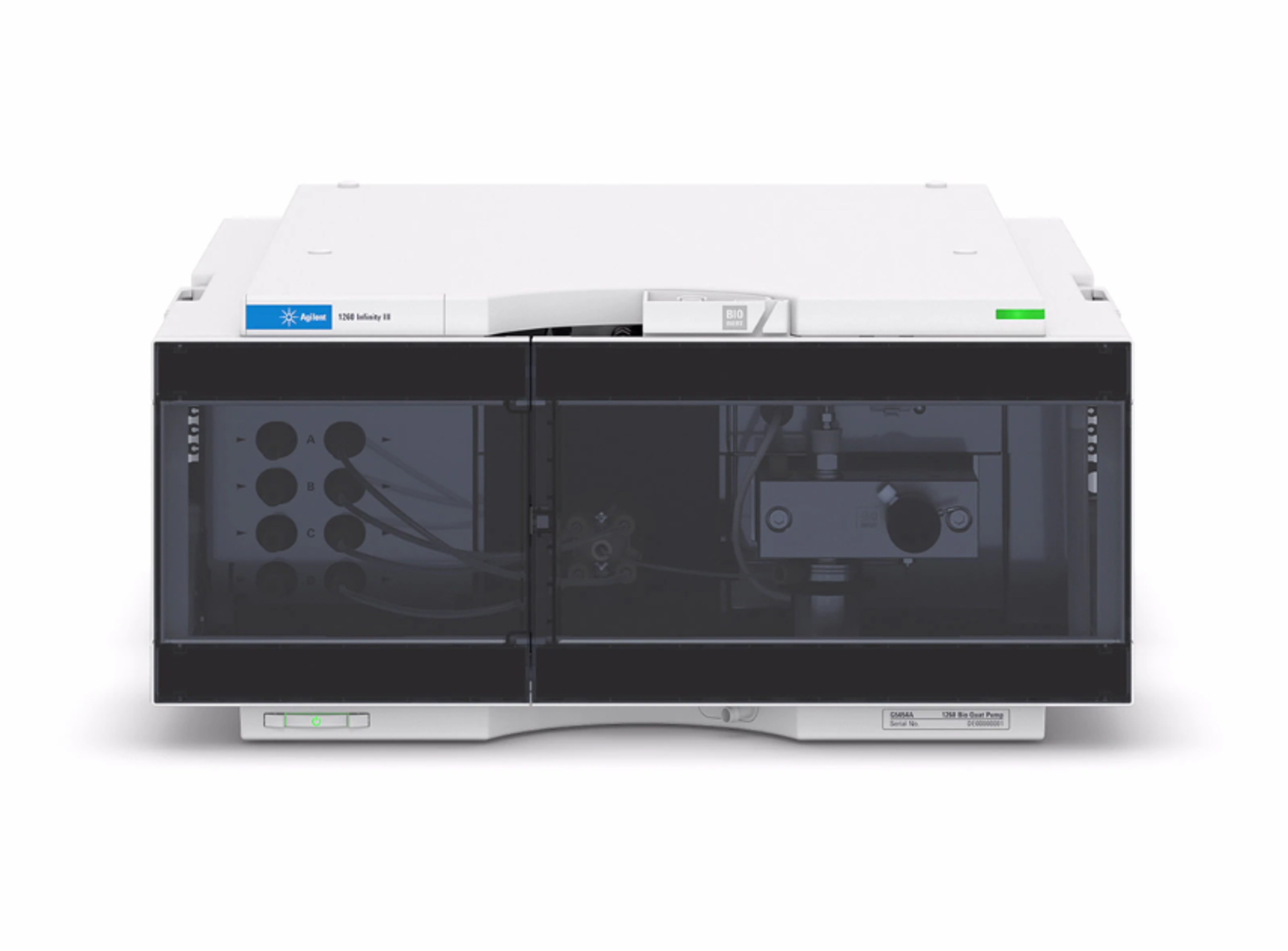
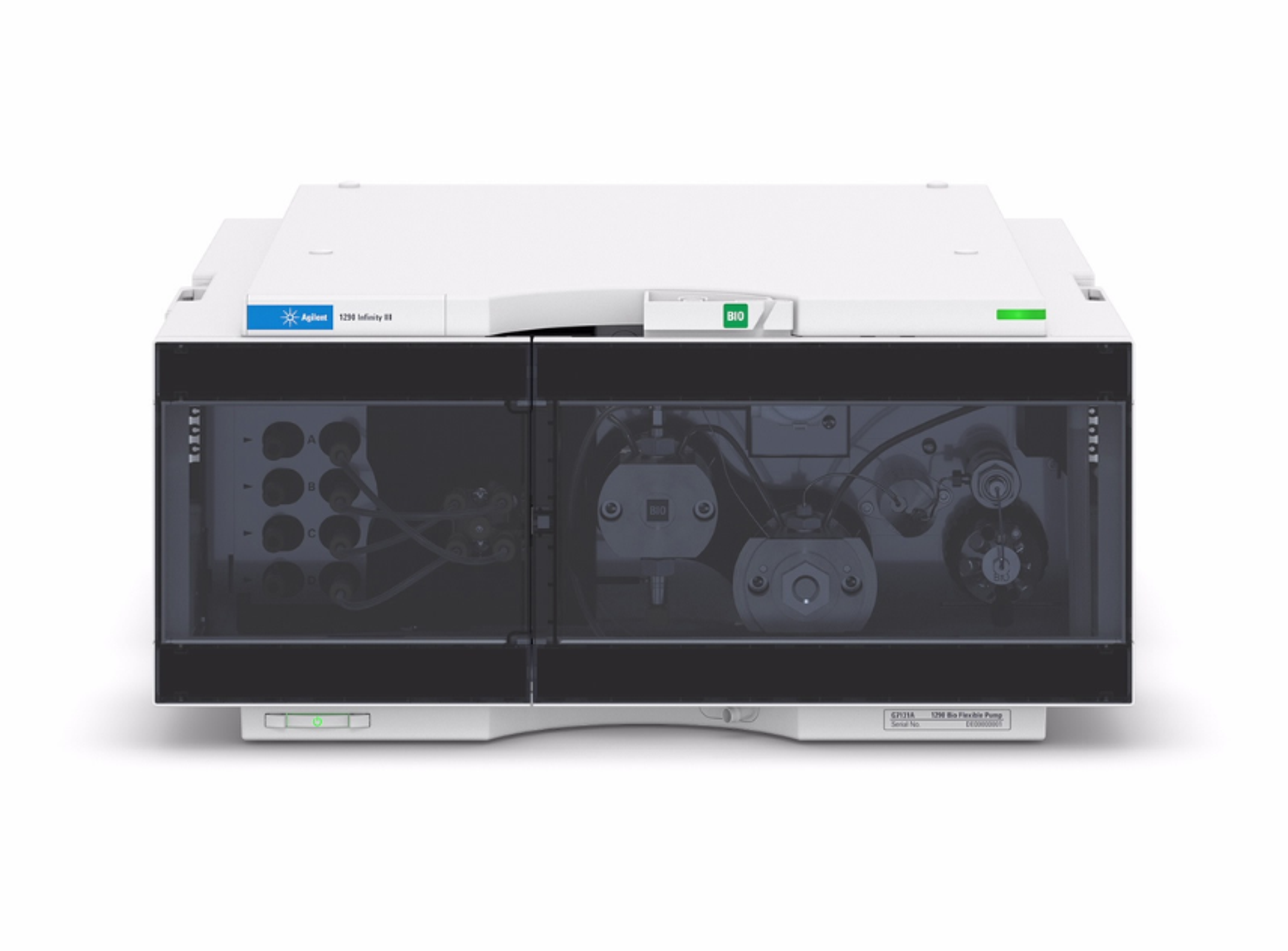
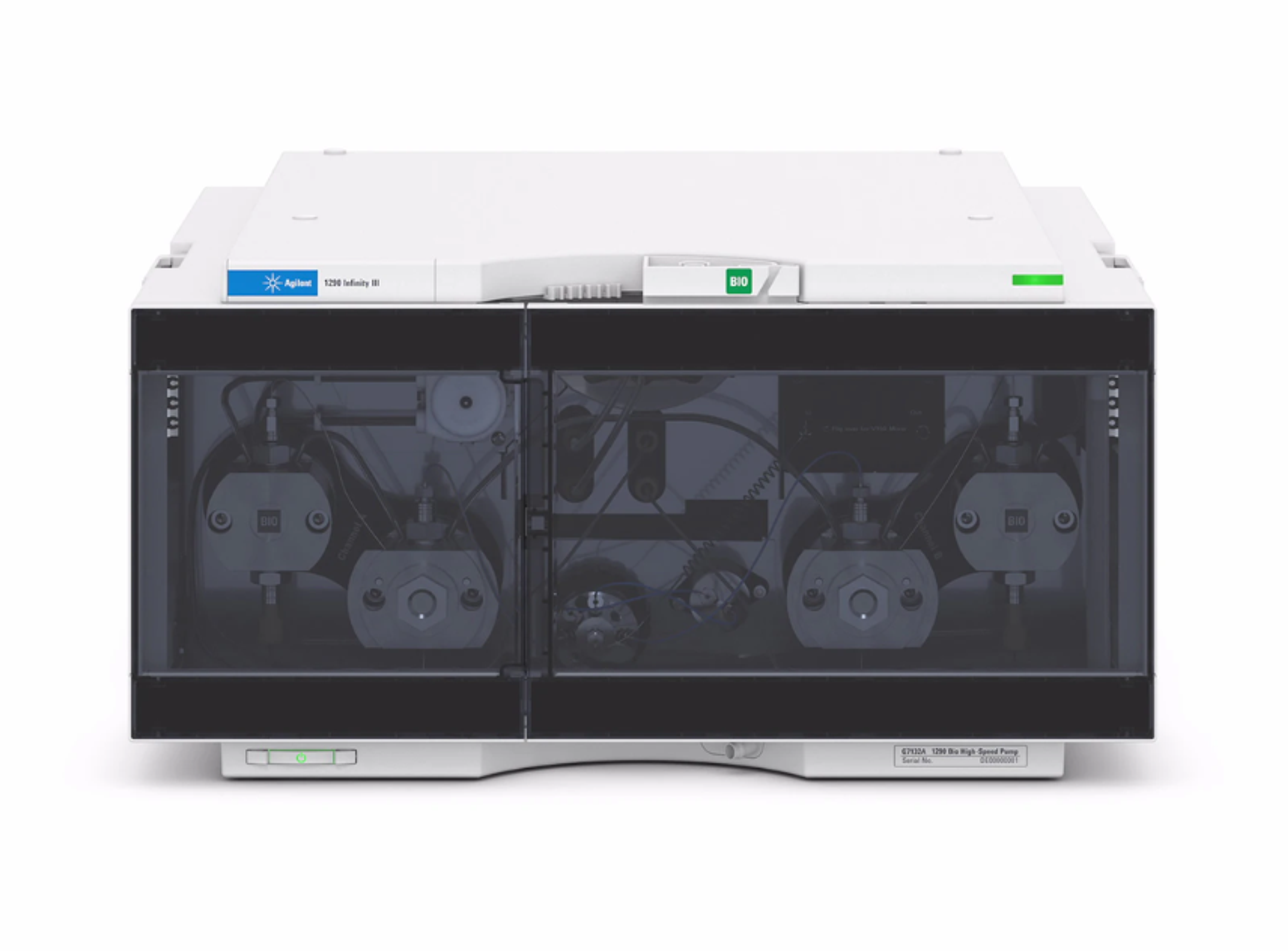
8850 GC System
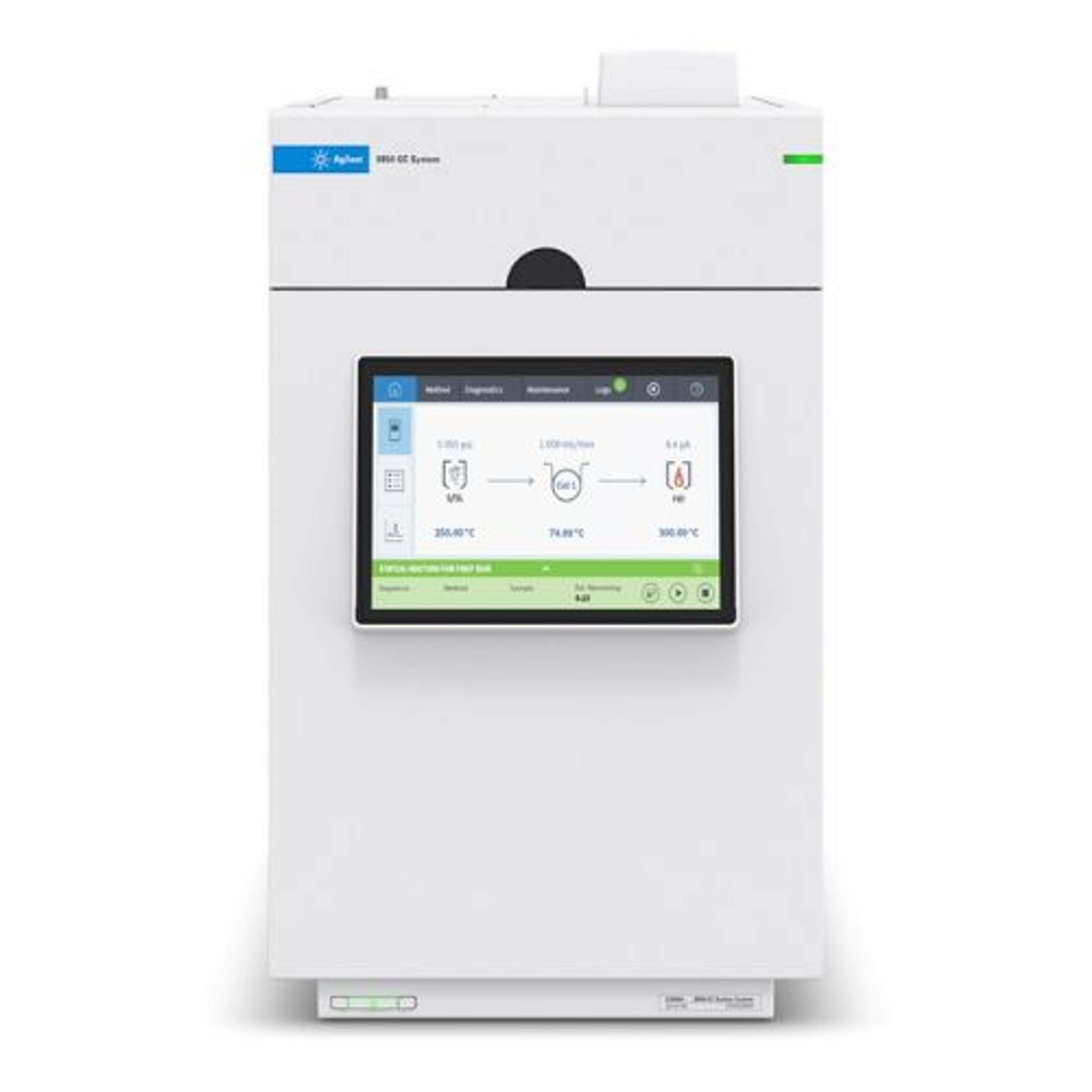
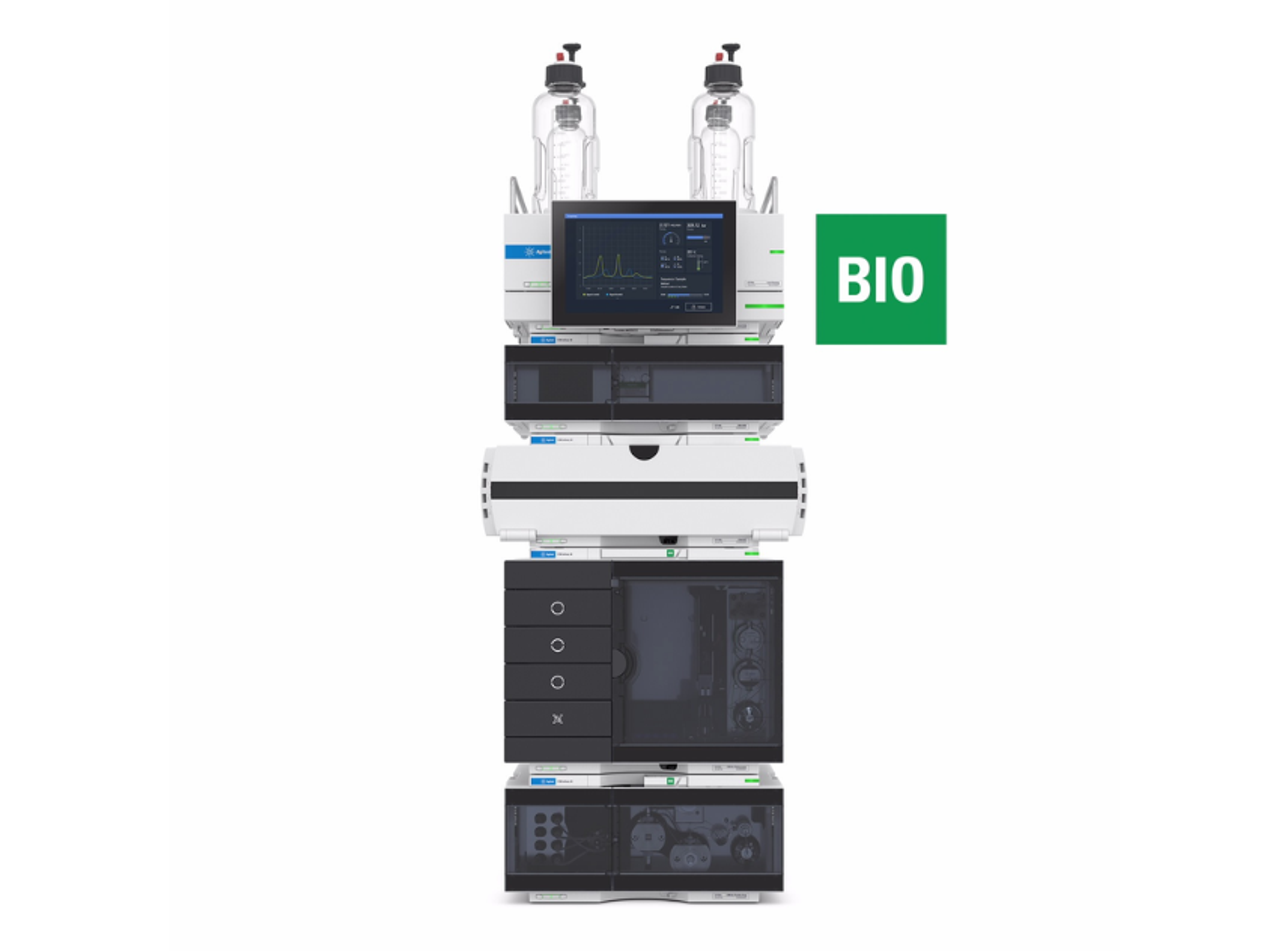
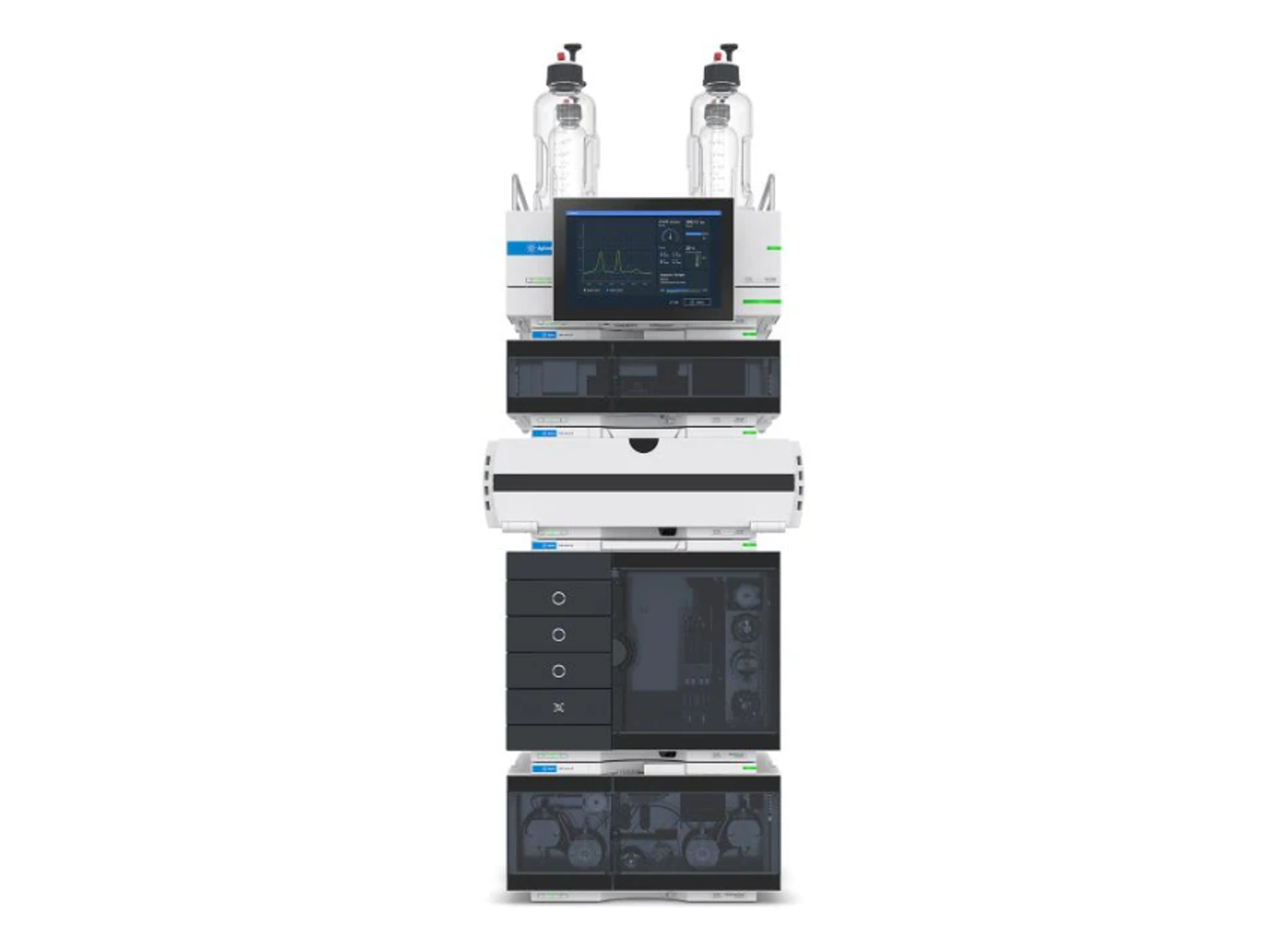
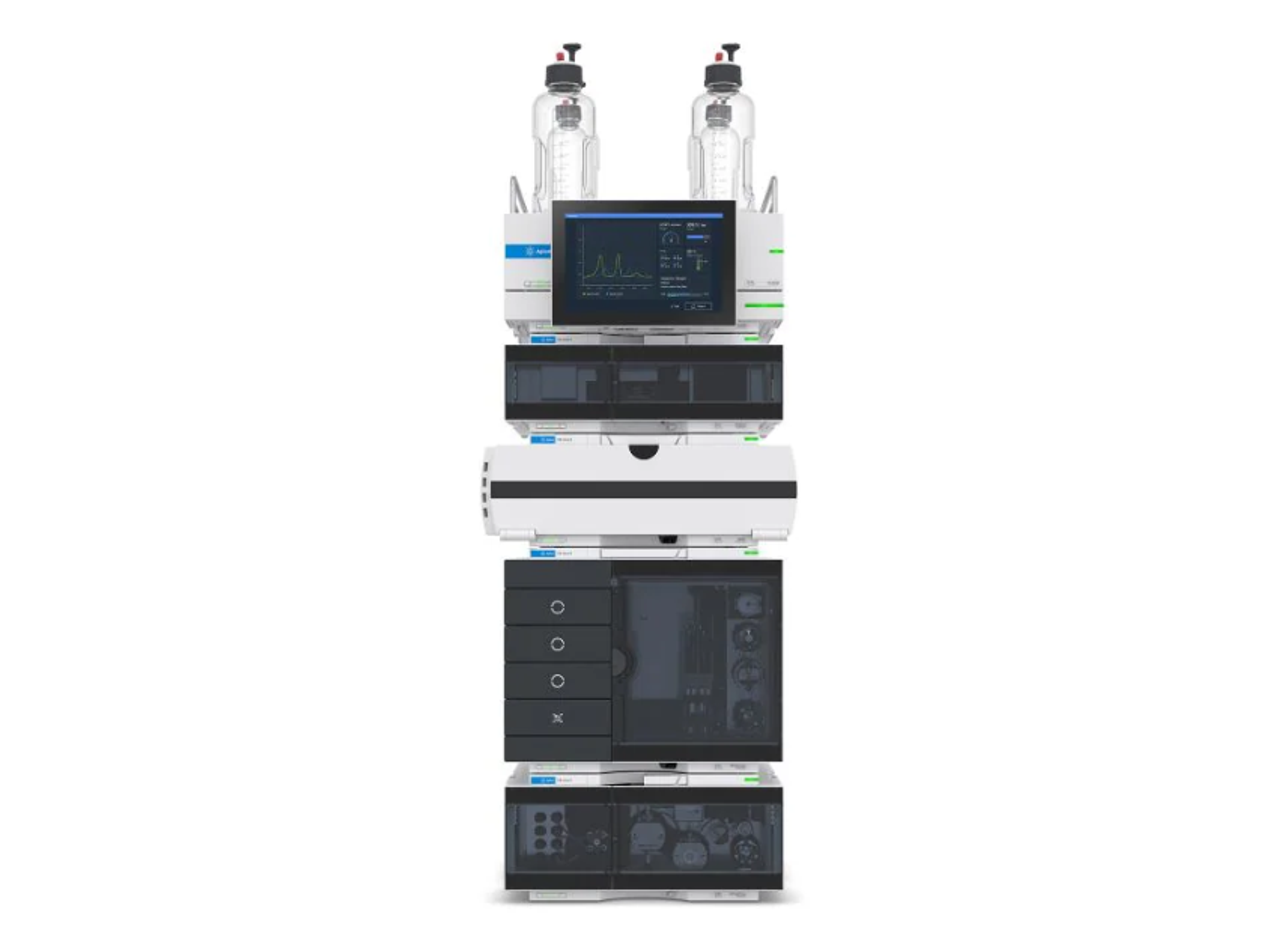
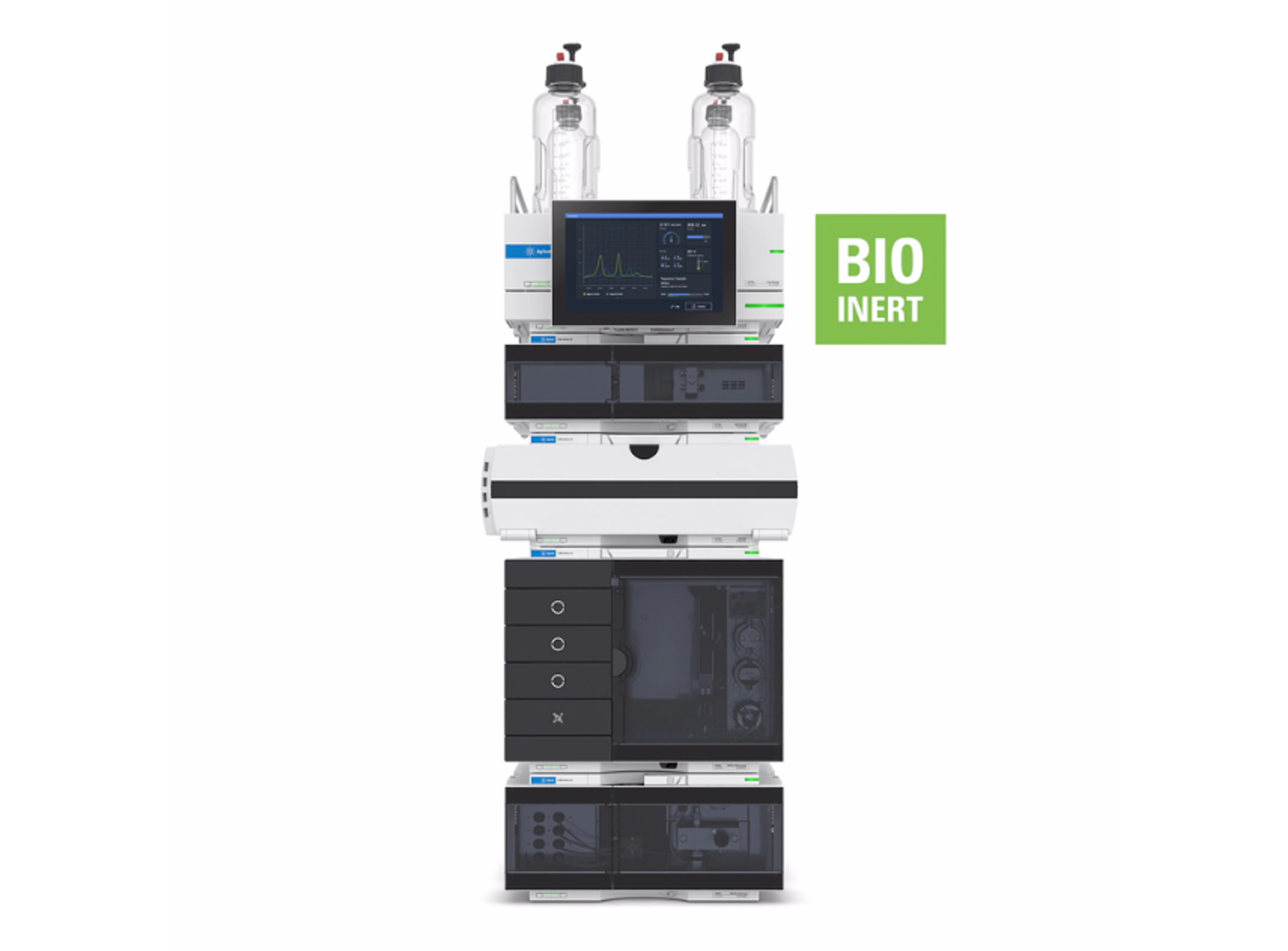
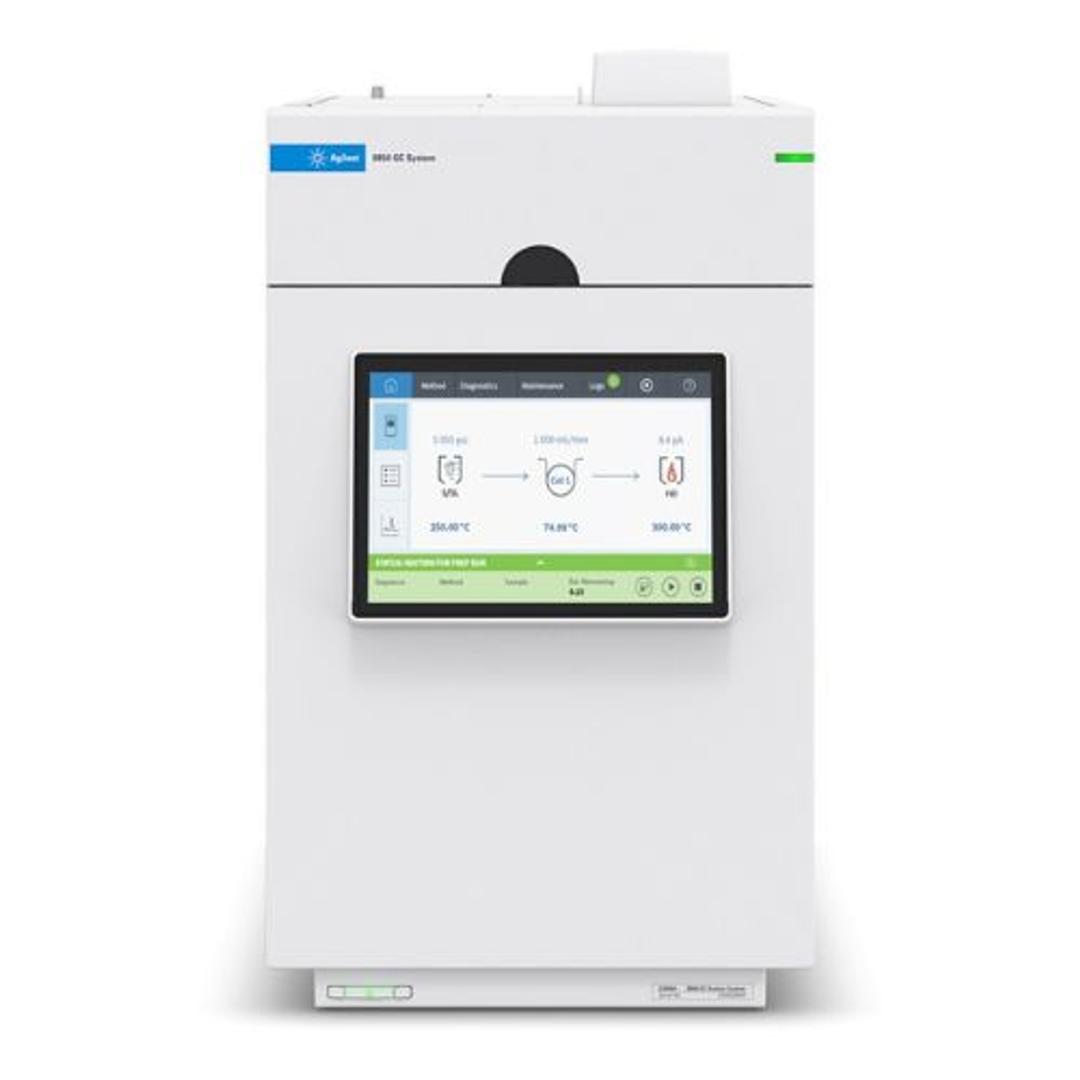
The single-channel Agilent 8850 Gas Chromatograph (GC) system combines the small footprint and compact oven of the Agilent 6850 GC with the same built-in intelligence and high performance of the 8890 GC. It was designed for energy efficiency and ease of maintainance to help laboratories meet their sustainability goals and lower their operating costs.

Receive your quote directly from the manufacturer.
The intelligent 8850 Gas Chromatograph (GC) System is the smallest, fastest high-performance benchtop GC on the market. With a footprint about half that of traditional instruments, you can have two 8850 GCs running simultaneously without sacrificing valuable bench space. This energy-efficient GC has a compact oven for fast thermal cycling and uses 45% less power than a standard GC, which can help you meet your sustainability goals.
Features
- Compact footprint takes up about half the bench space of traditional GC instruments
- Small, precisely designed air-bath oven facilitates fast temperature ramps and rapid cool-down for short turnaround times and high throughput
- Uses up to 30% less power than other GC systems for lower operating costs
- Integrated intelligence monitors system health, alerts users to potential issues before they occur, and provides guided problem solving
- Accommodates split/splitless, purged packed, and cool on-column inlets to meet most method requirements
- Available with a flame ionization detector (FID) or thermal conductivity detector (TCD) to cover a wide array of applications
- Uses familiar consumables and software, minimizing method development, start-up, and training time
- Compatible with the same five-inch capillary or packed metal column format used with the 6850 GC
- Touchscreen displays system configuration, letting you update the active method, perform routine maintenance, and check instrument status
- Browser interface offers remote access to the GC from any location using a laptop or mobile device to monitor methods, run diagnostics, and more
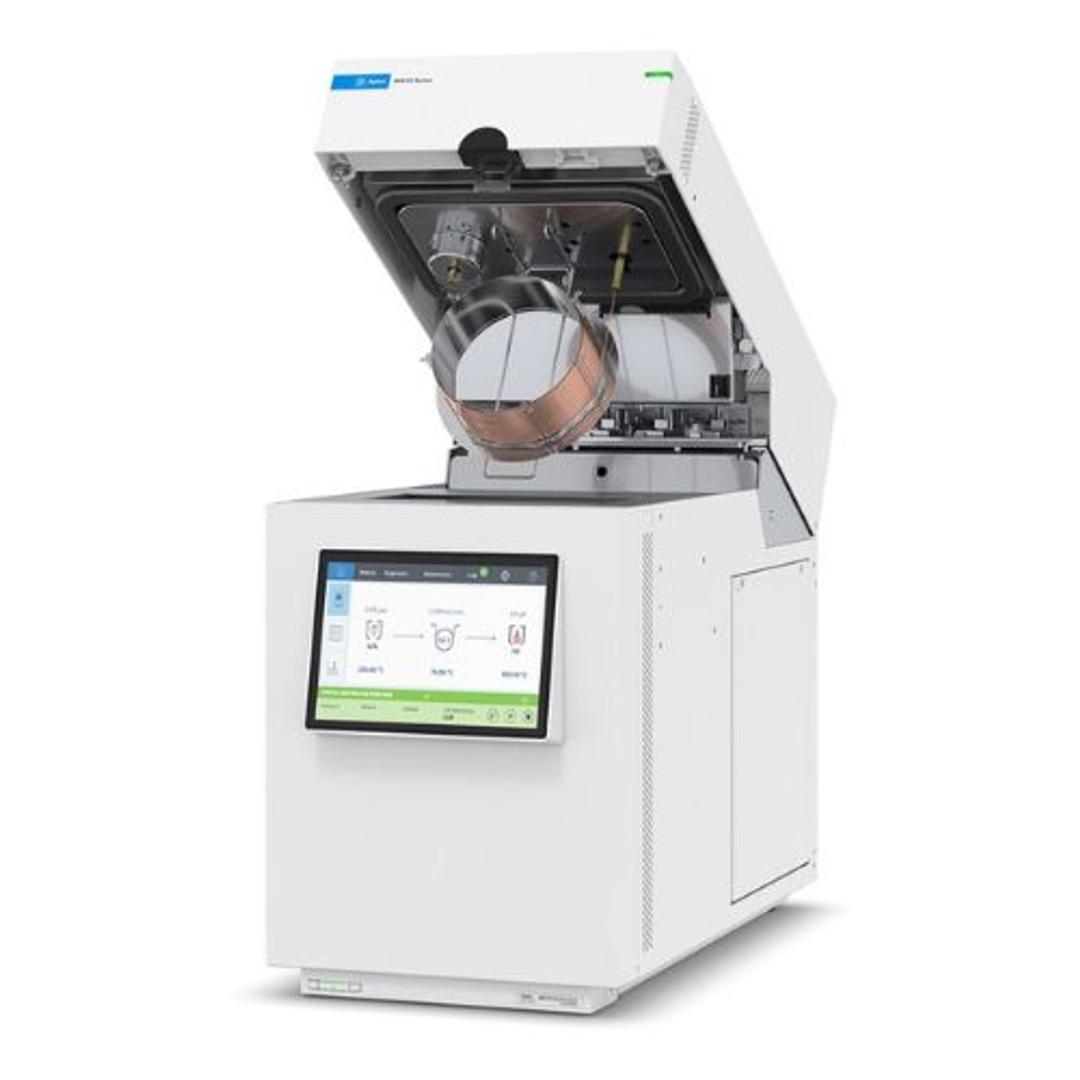
- Unique top-opening lid lifts the column out of the oven, allowing convenient access to inlet and detector connections, while easy-open side panels let you reach key internal components when needed
- 7693A or 7650A automatic liquid samplers and 8697 headspace sampler can be added for flexible, reliable sample introduction
- One optional gas- or liquid-sampling valve extends your application capabilities
- Optional helium conservation module can significantly reduce helium usage and optional hydrogen sensor module offers confident use of hydrogen carrier gas
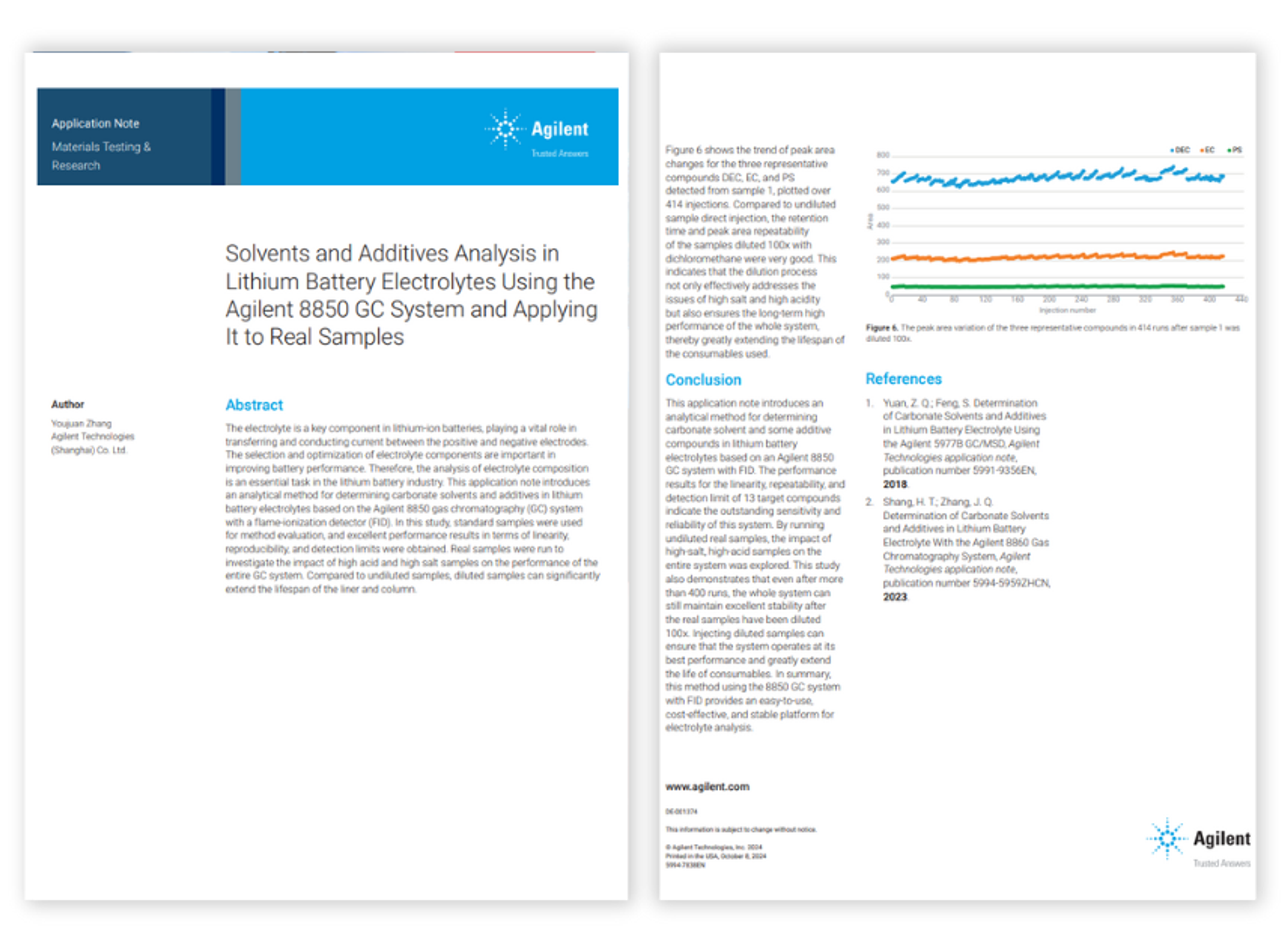
Solvents and additives analysis in lithium battery electrolytes using the Agilent 8850 GC system and applying it to real samples
Electrolyte composition plays a critical role in lithium-ion battery performance, yet high-acid and high-salt samples can compromise analytical systems over time. Accurate, repeatable analysis is essential for optimizing formulations and ensuring long-term reliability.
Discover a robust GC-based method for analyzing carbonate solvents and additives in battery electrolytes, offering excellent sensitivity, stability, and extended system longevity, even after hundreds of sample runs.
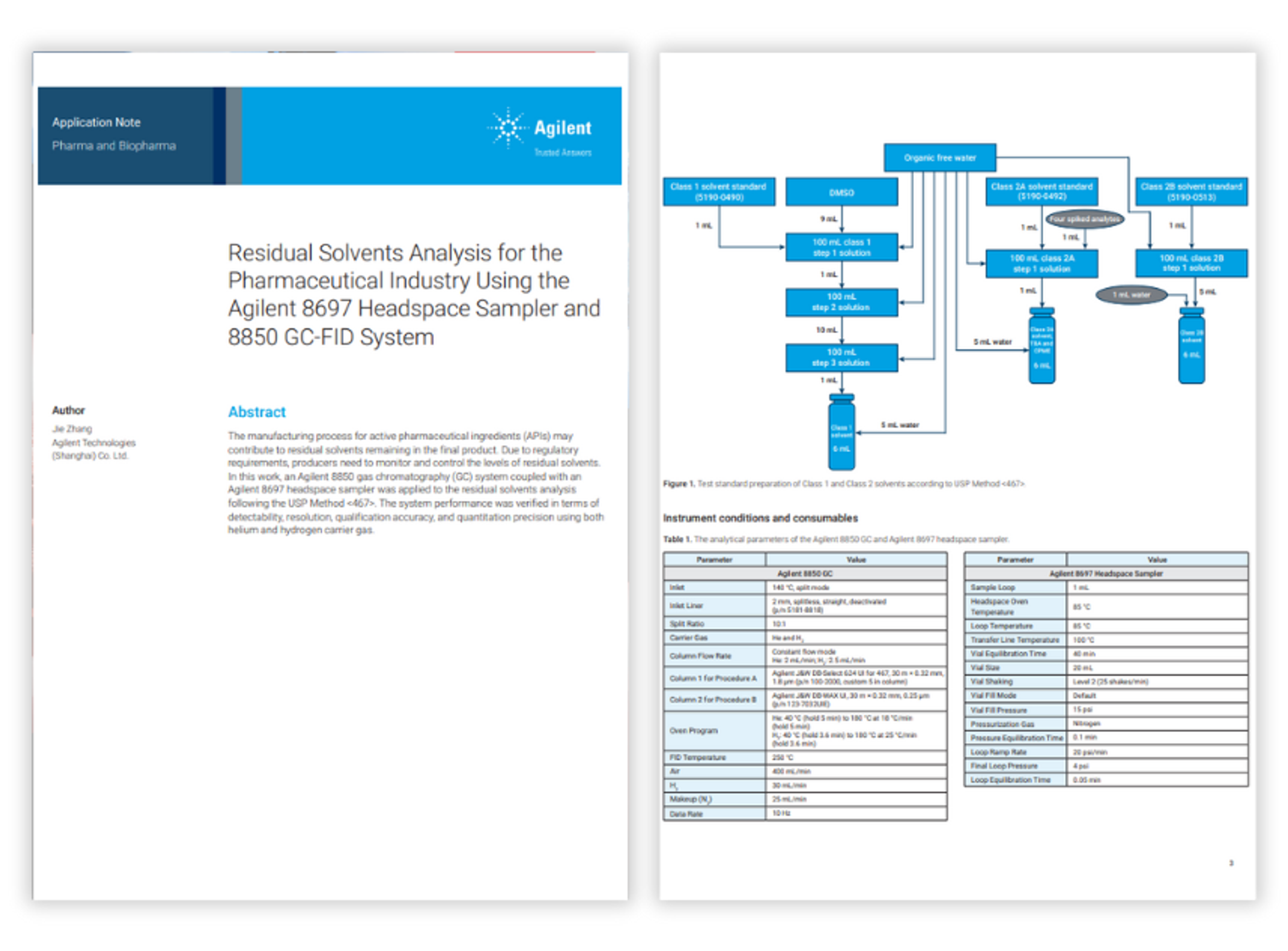
Residual solvents analysis for the pharmaceutical industry using the Agilent 8697 Headspace Sampler and 8850 GC-FID system
Residual solvents left behind during API manufacturing pose a regulatory challenge for pharmaceutical producers, requiring precise monitoring to ensure product safety and compliance with USP <467> standards.
Discover how a headspace gas chromatography system delivers reliable detection, resolution, and quantitation of residual solvents using helium and hydrogen carrier gases, supporting accurate screening and limit testing in pharmaceutical workflows.
Resource details:
- Resource type: Application notes
- Pages: 15
- Read time: 23 mins
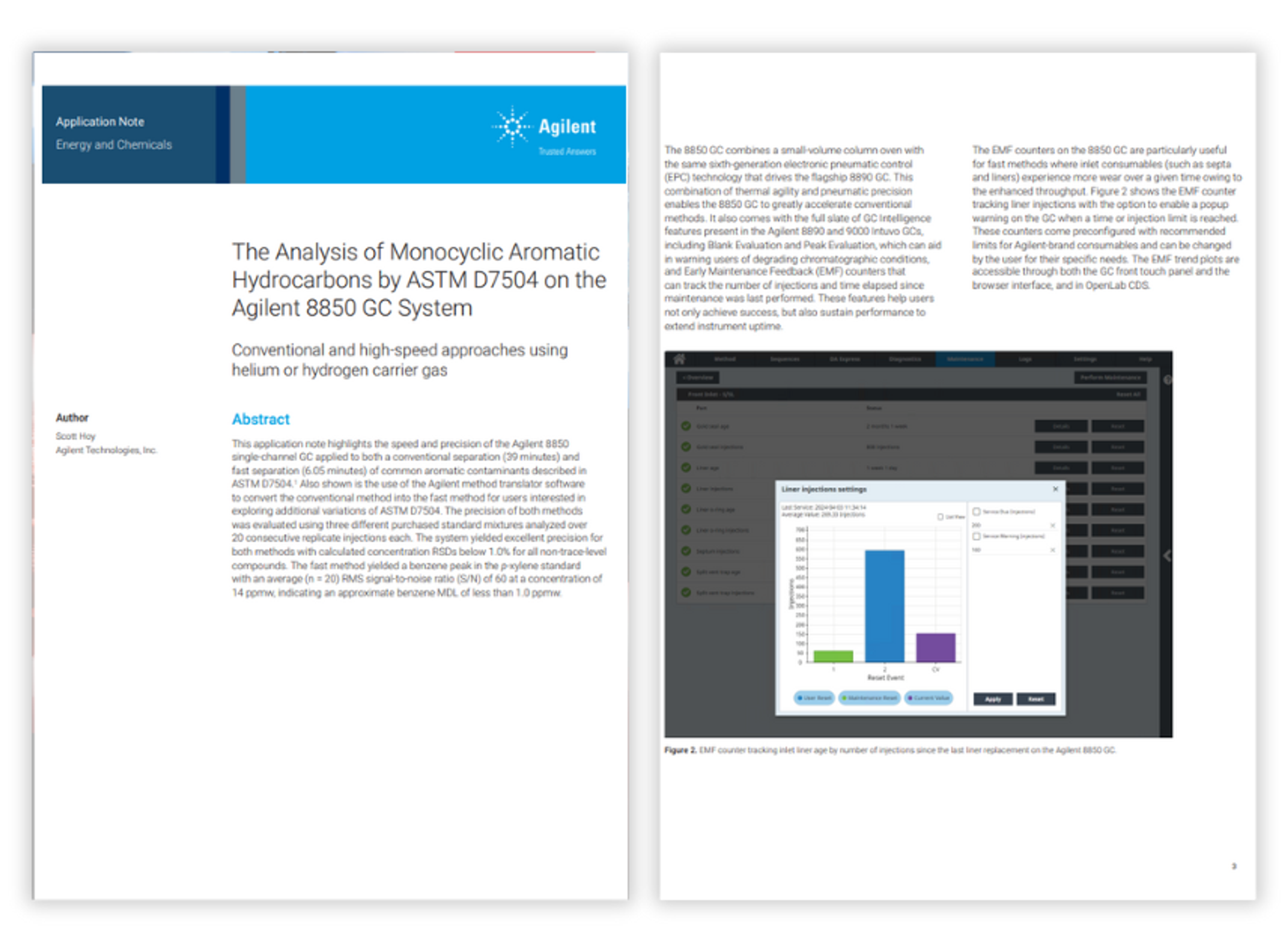
The analysis of monocyclic aromatic hydrocarbons by ASTM D7504 on the Agilent 8850 GC system
Accurately quantifying aromatic contaminants in fuels can be time-consuming and technically demanding, especially when balancing speed with precision. Meeting ASTM D7504 requirements adds further complexity to method development.
Discover how a streamlined gas chromatography approach, combined with method translation software, enables both conventional and fast separations with excellent reproducibility and sub-1.0% RSD performance.
Resource details:
- Resource type: Application notes
- Pages: 12
- Read time: 18 mins
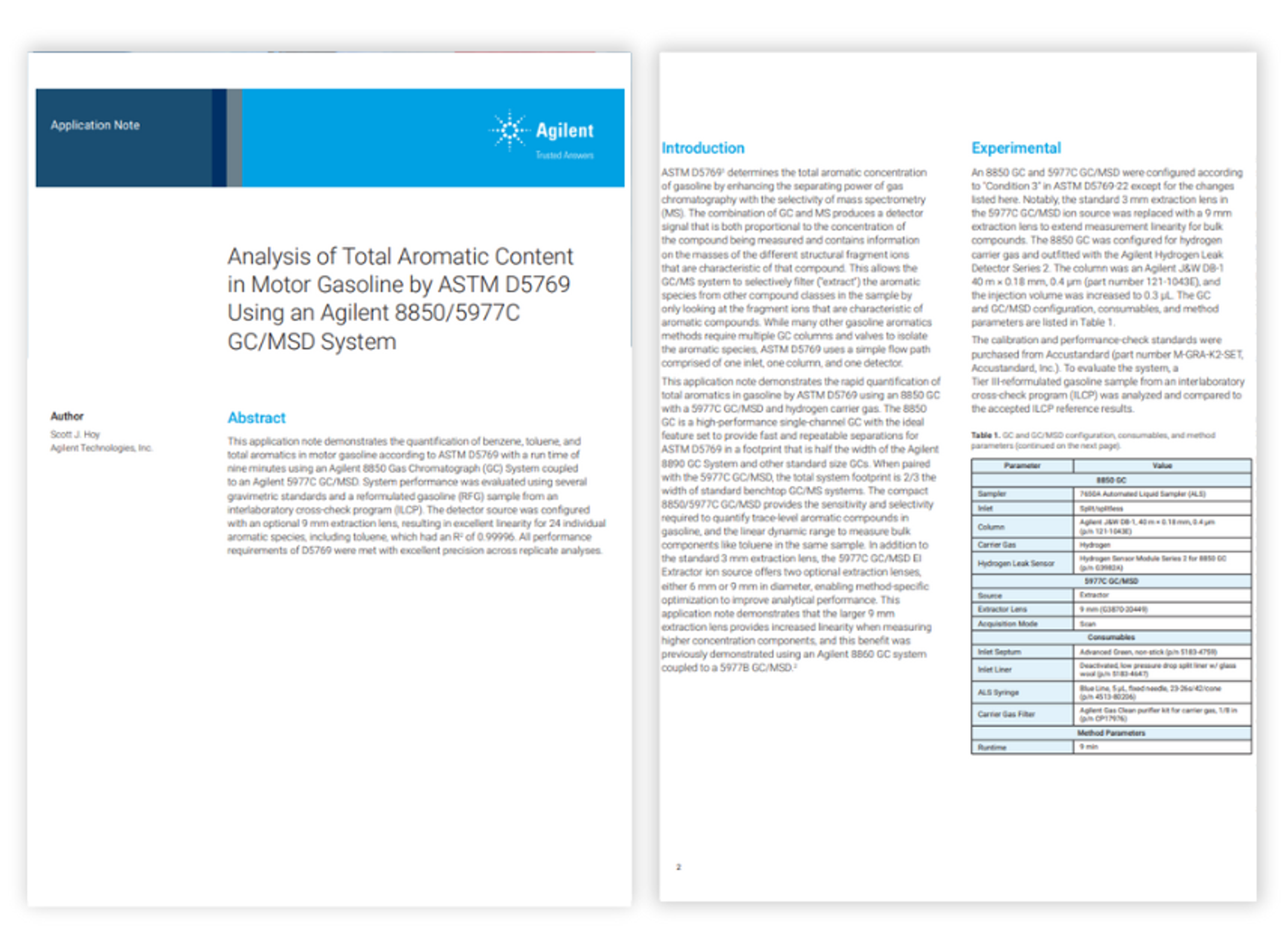
Analysis of total aromatic content in motor gasoline by ASTM D5769 using an Agilent 8850/5977C GC/MSD system
Explore this evaluation of the performance of an Agilent 8850 Gas Chromatograph (GC) System coupled to an Agilent 5977C GC/MSD to quantify benzene, toluene, and total aromatics in motor gasoline according to ASTM D5769. Discover how this combination was able to sensitively measure 100 ppm of 1,4-diethylbenzene in nine minutes and learn how this approach keeps in line with method linearity requirements.
Resource details:
- Resource type: Application notes
- Pages: 8
- Read time: 12 mins
Ultrafast total petroleum hydrocarbon analysis by the Agilent 8850 GC with FID
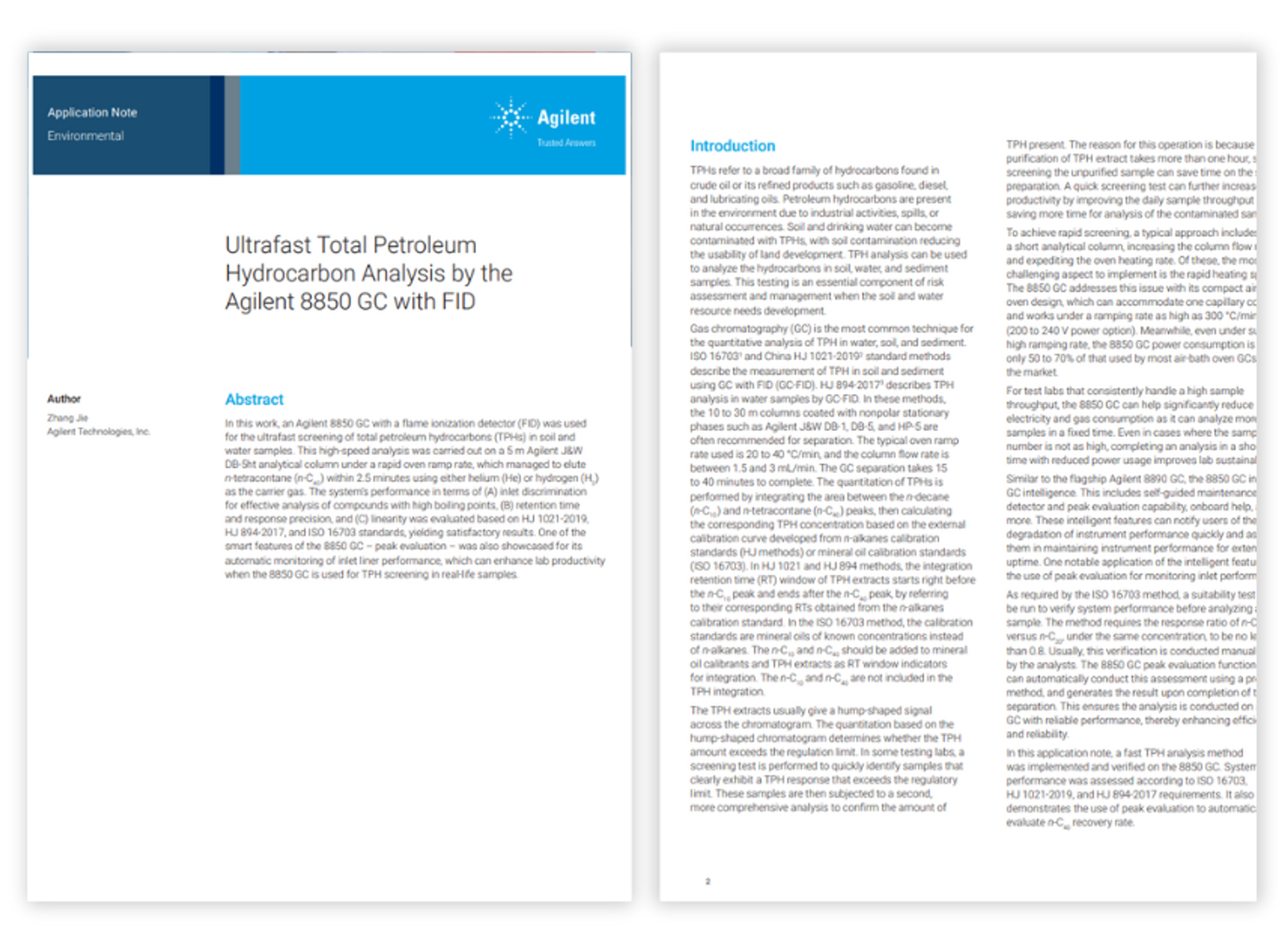
Explore this application note as it presents a study performing an ultrafast screening of total petroleum hydrocarbons (TPHs) in soil and water samples. Discover how this high-speed analysis was carried out using a combination of the Agilent 8850 GC with a flame ionization detector (FID) to produce effective analysis and enhance lab productivity for screening real-life samples.
Resource details:
- Resource type: Application notes
- Pages: 13
- Read time: 20 mins

Advancing gas chromatography workflows with smarter and smaller systems
Monday, October 20, at 16:00 BST | 17:00 CEST | 11:00 EDT | 08:00 PDT
Gas chromatography (GC) has powered analytical labs for decades, delivering precision across industries from petrochemicals to food and beverage. But traditional gas chromatography systems are often large, expensive to operate, and demanding in terms of space, utilities, and maintenance. As labs face increasing pressure to do more with less, the need for smarter, more efficient solutions has never been greater.
Join James Cain, PhD, Agilent Technologies, as he showcases the latest innovations in GC-mass spectrometry (GC-MS) that are reshaping how labs approach throughput, cost-efficiency, and footprint.
Plus, learn how a next-generation GC system supports both single and triple quadrupole mass spectrometry, and enables high-performance analysis across a range of applications, including gasoline aromatic composition (ASTM D5769), Total Petroleum Hydrocarbons (TPH), distilled spirits profiling, and more.
Who should attend?
- Lab analysts using GC and GC/MS who are interested in increasing efficiency and throughput
- Analytical lab managers looking to save time, operational expenses, and bench space
- Analytical chemists interested in the latest innovations in GC and GC/MS
Certificate of attendance
If you attend the live webinar, you will automatically receive a certificate of attendance, including a learning outcomes summary, for continuing education purposes.
If you view the on-demand webinar, you can request a certificate of attendance by emailing editor@selectscience.net.
Webinar details
- Cost: Free to attend
- Location: Online
- Duration: 60 minutes
Registration is required to secure your place. If you register but can’t attend live, you will receive a link to the on‑demand recording once it becomes available.