
Superior CAR T-cells: Safe and effective serial killers of solid tumors
Discover how bispecific-antibody-armed, metabolically enhanced headless CAR T-cells mediate high levels of cytotoxicity directed at solid tumors
7 Aug 2022

Until now, chimeric antigen receptor (CAR) T-cells immunotherapy has had limited success with solid tumors.
The major challenges have been T-cell exhaustion, off-tumor toxicity, cytokine release syndrome (CRS), and metabolic insufficiency of CAR T in the immunosuppressive tumor microenvironment (TME).
In this webinar,now available to watch on demand, Dr. Archana Thakur, associate professor of medicine, presented metabolically enhanced headless CAR T (hCAR T) cells armed with bispecific antibodies (bsAbs) that were created in the 2021 study by Dr. Thakur and her colleagues at the University of Virginia and the University of Pennsylvania.
Watch on demandRead on for a summary of the study, and register now to watch the webinar and get the full story.
As Dr. Thakur pointed out during the webinar, there are several strategies for engineered CAR T cells to overcome the highly immunosuppressive, hypoxic, and nutrient deficient solid tumor microenvironment. For example, adding CCR2 or CCL19 genes induces T-cell trafficking, or T-cell homing. Adding the IL-7 gene induces differentiation of T cells into the memory T cell. For a safety switch, iCas9 or truncated EGFR are usually co-expressed with the CAR molecule, and adding cetuximab to truncated EGFR molecule induces apoptosis.
The benefits of using headless CAR T cells are that they can be used for any tumor type. Arming them with bispecific antibodies provides the flexibility to target any antigen on different tumor types or to target two antigens simultaneously or sequentially. Armed headless CAR Ts also have a self-braking system.
In the featured study, the team used bispecific antibodies to redirect the T cells to tumor targets. Bispecific antibodies are made by chemical heteroconjugation of two monoclonal antibodies, one targeting the CD3-owned T cells and the other the tumor antigen. For the clinical trial, the lymphocytes were collected by apheresis, activated using anti-CD3 antibodies, expanded with IL-2 and left to grow in the bioreactor for 10–12 days. After that, T cells were harvested and armed with bispecific antibodies, and then frozen in four to eight aliquots. After passing quality control (QC) and quality assurance (QA), the product was released for outpatient infusion.
Arming activated T cells with the bispecific antibodies combines the targeting specificity of a monoclonal antibody and the cytotoxicity of T cells. This strategy creates the artificial receptor on T cells and converts every T cell into specific cytotoxic T cells. Engagement of bispecific-antibody-armed T cells with the tumor cell exhibits cytotoxicity releasing tumor antigen, but also releases cytokines and chemokines, predominantly Th1 cytokines.
The Th1 cytokine-enriched microenvironment suppresses regulatory cells and the myeloid-derived suppressor cells, while other cytokines, such as TNF alpha and GM-CSF, activate the monocyte dendritic cells. These get matured and activated, pick up the antigen, and present this antigen to the naive T cells. Then, those T cells show clonal expansion and differentiate into the effector cells and memory cells. Bispecific-antibody-armed CART19 showed enhanced specific cytotoxicity, enhanced proliferation, and produced enhanced cytokines and chemokines, Th1 cytokines and chemokines, upon tumor engagement.
The study has shown that bispecific-antibody-armed headless CAR T cells exhibit superior survival in hypoxic conditions and effectively kill multiple tumor targets in serial and sequential killing fashions.
To learn more about bispecific-antibody-armed, metabolically enhanced headless CAR T-cells, watch the full webinar here>>
SelectScience runs 10+ webinars a month, discover more of our upcoming webinars>>
Related Products
Request Quote for All Products
Seahorse XF Pro Analyzer
Agilent TechnologiesMeasure mitochondrial respiration, glycolysis, and ATP production rates in live cells in a 96-well forma t, providing a system-level view of cellular energy metabolism and mitochondrial health. It combines enhanced sensitivity and data consistency with intuitive software and advanced data analytics, enabling users to streamline assay workflow from start to finish and generate and interpret metabolic data easily.

xCELLigence RTCA S16
Agilent TechnologiesThe xCELLigence RTCA S16 instrument uses biosensors to continuously monitor live cell proliferation, morphology change, and attachment quality in a label-free and real-time manner. The instrument operates in a standard CO2 cell culture incubator and the control unit is housed outside the incubator. User-friendly software allows for real-time control and monitoring of the instrument with real-time data analysis functions. For Research Use Only. Not for use in diagnostic procedures.
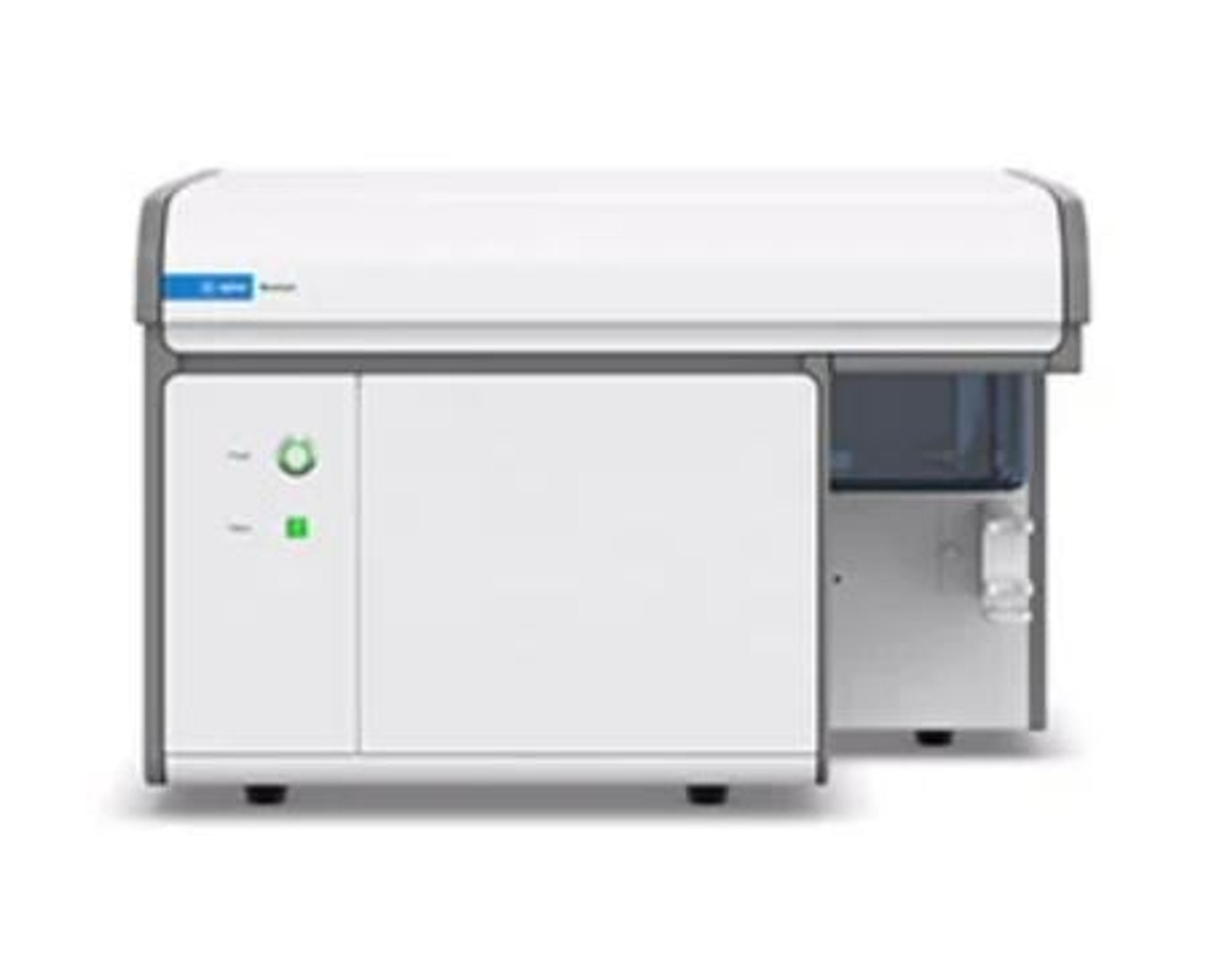
NovoCyte Flow Cytometer
Agilent TechnologiesNovoCyte is a high-performance benchtop flow cytometer designed for all levels of users and all types of laboratories. The budget-friendly instrument can detect up to 17 parameters with enhanced sensitivity and resolution. The customizable laser and optical configurations of the NovoCyte offer a high degree of flexibility while providing complex cell analysis capabilities. The NovoExpress software facilitates easy and intuitive sample acquisition and analysis. Automation of multiple fluidic functions eliminates cumbersome and time-consuming procedures. Manual sample handling is minimized by the flexible NovoSampler Pro. The system can automatically analyze samples in single tubes, multi-tube racks, or 24-, 48-, or 96-well plates