Rapid and functional evaluation of virus-neutralizing antibodies using multi-parametric live cell analysis

Join us on Wednesday, August 26, to learn about an alternative assay that aims to identify virus-neutralizing antibodies in as little as five hours

5 Aug 2020

Diane Li
Assistant Editor

Expert insights

Dr. Brandon Lamarche, Principal Scientist, Head of xCELLigence Application Development, Agilent Technologies

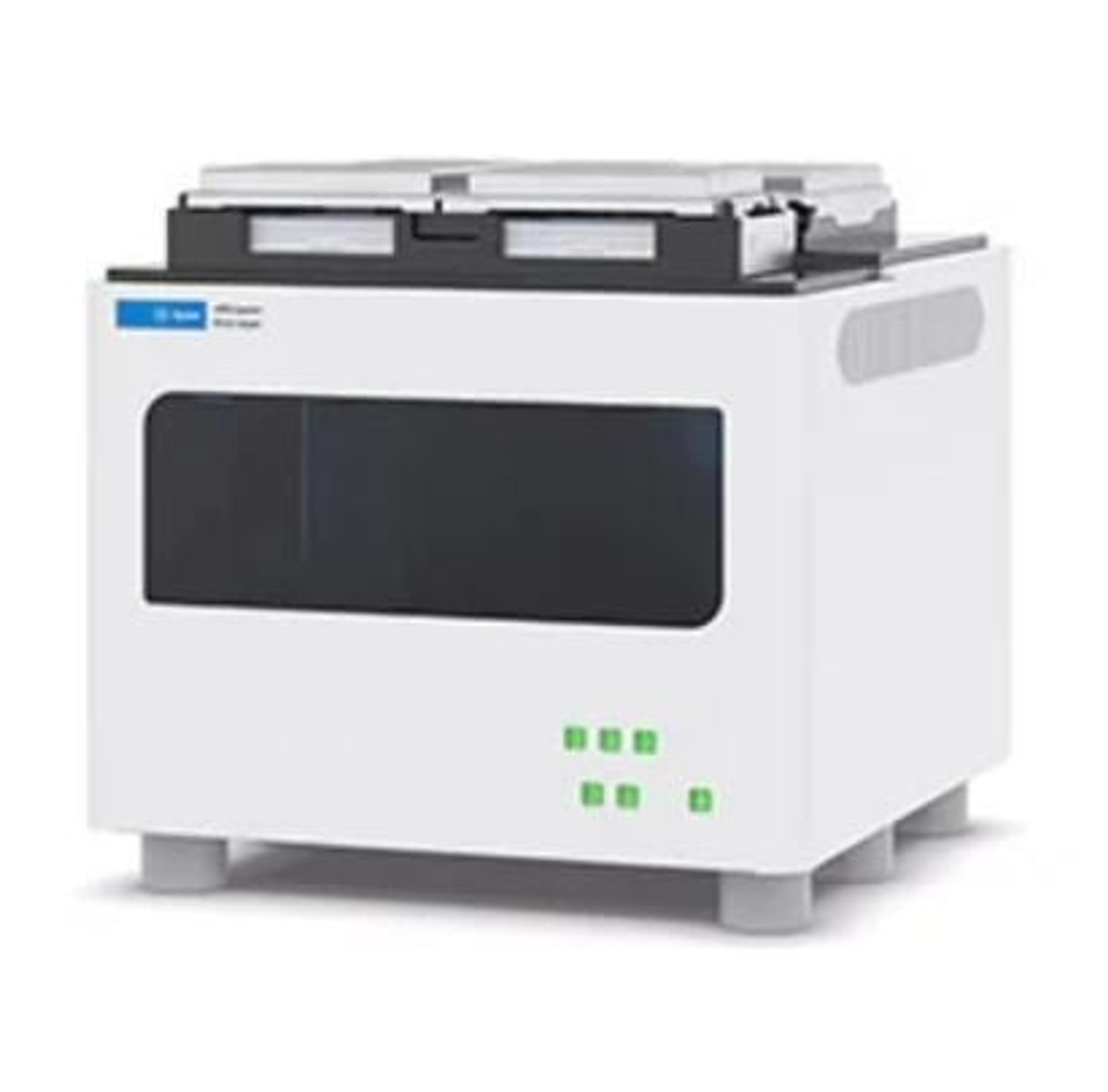
Current methods for screening virus-neutralizing antibodies, such as the canonical plaque reduction neutralization test, require multiple handling steps and numerous days to complete. Using gold-electrode biosensors and combined imaging, the xCELLigence family of instruments continuously and non-invasively monitor virus-induced changes in host cell number, size, attachment strength, and barrier function.

In this upcoming webinar, Dr. Brandon Lamarche from Agilent Technologies, will highlight an alternative assay that promises to identify virus-neutralizing antibodies and yield an abundance of quantitative kinetic information in as little as five hours.

Register Now

Learning objectives:

  • Discover a more efficient method to screen virus-neutralizing antibodies to accelerate therapeutic antibody discovery
  • Learn how to quantitatively evaluate antibody efficacy by EC50 and identify different neutralizing mechanisms of action with the xCELLigence RTCA eSight
  • Tips for xCELLigence RTCA eSight assay design and optimization, and the advantages of combining real-time impedance and live-cell imaging

Who should attend

Scientists working in infectious disease, virology, therapeutic antibody research, including lab managers, professors, research scientists, graduate students

Certificate of attendance

All webinar participants can request a certificate of attendance and a learning outcomes summary document for continuing education purposes.

The live webinar takes place on Wednesday, August 26, at:

  • 16:00 BST
  • 17:00 CEST
  • 08:00 PDT
  • 11:00 EDT

Register for this webinar here>>

SelectScience runs more than 10 webinars a month across various scientific topics, discover more of our upcoming webinars>>

Links

Tags

Sample PreparationSample preparation can improve the quality and speed of separation techniques. Products to assist sample preparation include filtration equipment, evaporators, membranes and sieves.Cell Adhesion AssaysCell adhesion assays are used to quantitate attachment and analyze the molecular mechanisms for extracellular matrix adhesion, cell migration and sensitivity to inhibitors. Find the best cell adhesion assay equipment in our peer-reviewed product directory: compare products, check customer reviews and receive pricing direct from manufacturers.Data AnalysisData analysis hardware and software is available to make data processing straight-forward yet powerful. Data software can be used for math and stats, technical graphing and image analysis. In addition, software is available for specific data analysis of electrophoresis, densitometry, ELISA and DNA sequencing.Cellular PathologyCellular Pathology deals with the microscopic analysis of tissue samples and cells. Sample preparation and processing includes fixation, staining, sectioning and slide mounting, using equipment such microtomes and cryostats. In choosing immunohistochemistry and immunocytochemistry kits, consider chromogens, staining method, antibodies, microscopes and imaging.Cell-Based AssaysCell-based assays are used to monitor the presence, quantity and activities of a desired cellular analyte including drug molecules or biomarkers. This can reveal information on cell health (apoptosis, cytotoxicity, viability and proliferation assays), cell metabolism, cell migration and cell signaling mechanisms. Find the best cell-based assay products, kits and equipment with our peer reviewed product directory: compare products, check customer reviews and receiving pricing direct from manufacturers.Biopharmaceutical AdvancesBiopharmaceutical advances follow the development of pharmaceuticals derived from biotechnology, also known as biotechnology medicines. Biopharmaceuticals may be produced from cell lines, plants, or microbial cells. Important considerations of biopharmaceutical use include application, cost, production process and purification.Clinical ChemistryBiochemistry (or clinical chemistry) involves the analysis of bodily fluids using chemical tests. Techniques used include HPLC, chromatography, spectroscopy, mass spectrometry, immunochemical, electrophoresis, turbidometric / spectrophotometric assay, MRI and ISE analysis. Tests are often carried out on plasma or serum but urine (urinalysis) and fecal specimens are also processed.Clinical GeneticsMolecular Genetics covers the analysis of hereditary genetic disease and chromosomal abnormalities. Genetics can be analysed using DNA, RNA, and protein microarrays, PCR, RT PCR and DNA sequencing. Genetic equipment includes genetic workstations, thermal cyclers, cooling blocks and electrophoresis products. Diagnostic kits are used for DNA / RNA extraction and purification.Clinical MicrobiologyMicrobiology is the study of microorganisms including protists, prokaryotes, fungi, and, often, viruses. Microorganisms are a useful research tool as genetic vectors and, in immunology, for antibiotic susceptibility testing, cellular biology and genetics. Microorganisms commonly grow readily in incubators with microbial culture media; this can contain chromogenic supplements to differentiate between cell lines. Estimate your culture’s density of microorganisms with colony counters, or screen and select colonies for desirable clones with automated colony pickers. Additionally, equipment is available to monitor environments for the presence of microbes and identify with microbial identification instruments. Find the best microbiology products in our peer-reviewed product directory: compare products, check customer reviews and receive pricing direct from manufacturers.Drug DeliveryDrug Delivery refers to dosage form, route of administration, formulations, technologies, and systems for transporting a pharmaceutical compound in the body as needed to safely achieve its desired therapeutic effect. Drug delivery is often approached via the biopharmaceutical or small molecule drug's formulation, but it may also involve medical devices or drug-device combination products. Considerations include instrumentation, software and services. AntibodiesAntibodies are used in techniques such as confocal and fluorescence microscopy, flow cytometry, ELISA, ELISPOT, immunohistochemistry, western blotting and immunopreciptation. Select specific antigen reactivity, high specific affinity, low non-specific binding, monoclonal or polyclonal, primary or secondary antibodies and associated conjugates such as an enzyme or dye for visualization.Live Cell ImagingLive cell imaging is the study of living cells using microscopes and high-content imaging systems. This technique provides in-depth insight into fast and complex biological processes, by allowing dynamic imaging of living cells instead of acquiring an individual image at a single point in time.Assay DevelopmentThe process of proving an assay to be sensitive with respect to the target is known as assay development. The assay should be able to characterize novel compounds and measure the potency of these compounds against a validated biological target.VirusesViruses are microscopic pathogens that require a host cell to replicate. Understanding their structure, replication cycle, and impact on the immune system is crucial in developing effective treatments, vaccines, and diagnostic methods. Research continues to focus on emerging viral diseases and antiviral drug discovery. Explore solutions for virus research, detection, and treatment in our peer-reviewed product directory; compare products, check customer reviews, and get pricing directly from manufacturers.Drug DevelopmentDrug development refers to the process of bringing a new drug to market.