
Small-Molecule Drug Screening to Treat Ischemic Stroke
Anders Bach explains how scientists at the University of Copenhagen are searching for a new class of stroke therapeutic using high-throughput fragment analysis
30 Jul 2018

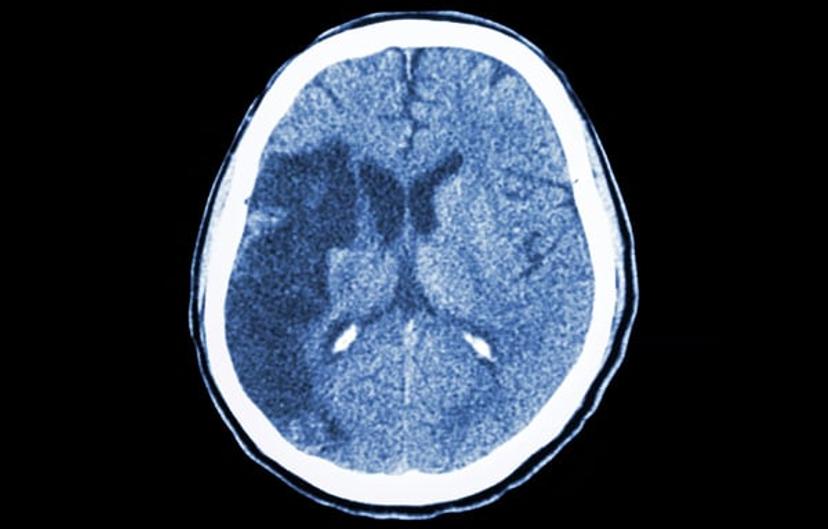
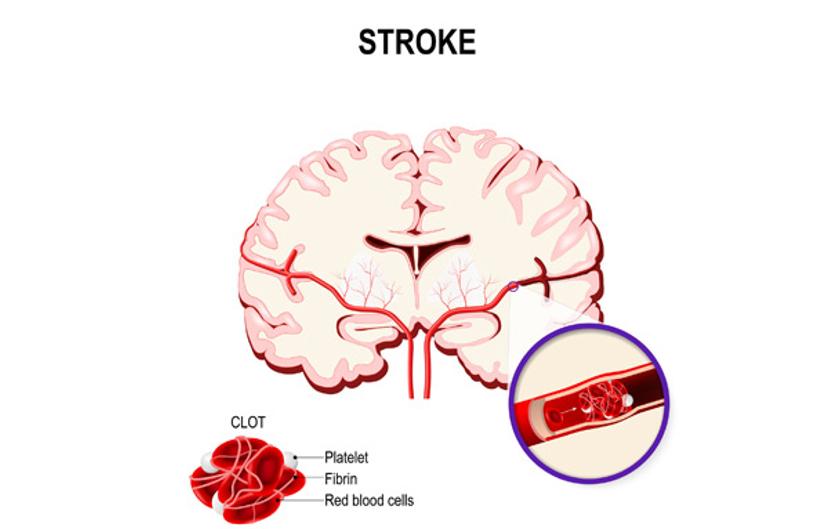
Ischemic stroke is caused when blood supply to the brain is cut off, most often as a consequence of atherosclerosis with the formation of blood clots. Rapid treatment is necessary to prevent damage to the brain through restoration of oxygen supply. Factors in damage caused by ischemic stroke, including exitotoxicity and oxidative stress, have been identified as potential targets for new theraputics.
In this SelectScience interview, Anders Bach discusses how his research group is developing small-molecule inhibitors against key stroke-damage associated CNS proteins, and how the Pall Life Sciences Pioneer FE system has become a fundamental tool for their research.
EA: Please introduce yourself and your research. Why is research in ischemic stroke important?
AB: After doing a Ph.D. and postdoc in medicinal chemistry at the University of Copenhagen (UCPH) and a postdoc at the Italian Institute of Technology in Genoa, I started my own group in 2016 based on a Lundbeck Foundation Fellowship grant here at Department of Drug Design and Pharmacology (UCPH).
We work with fragment-based drug discovery with a focus on protein-protein interactions in the brain. Our aim is to make high-quality small-molecule inhibitors that can be used in pharmacological studies and potentially serve as leads for drug development. The proteins we work with are involved in excitotoxicity and oxidative stress. One of the diseases this is relevant for is ischemic stroke, where there is only one drug-type on the market — recombinant tissue plasminogen activators (rtPAs), which break up the blood clot. Still, ischemic stroke is the third leading cause of death worldwide and a leading cause of adult disability. With our work, we hope to identify new therapeutic principles against ischemic stroke. Our protein targets are also involved in other diseases and conditions such as inflammation, inside as well as outside the brain.
EA: What technologies and techniques are key to the success of your research?
AB: We screen our libraries of >2500 fragments (small substructures of druglike molecules) using biochemical and biophysical methods, such as thermal shift assays (TSA), fluorescence polarization (FP), surface plasmon resonance (SPR), and saturation transfer difference nuclear magnetic resonance (STD NMR). The hits are characterized with biostructural methods like X-ray crystallography and 2D NMR, then optimized by medicinal chemistry. STD and 2D NMR are done with collaborators in Denmark and Germany, while the rest take place in our own labs. Part of our work is to identify the most efficient route to provide fragment-hits, so we are interested in comparing the various assays in terms of hit-rates and quality of the suggested hits. SPR is a fundamental part of our technology platform for both screening and validating fragment-hits, and X-ray crystallography together with medicinal chemistry is pivotal for further developing the compounds.
EA: How have you been using the Pioneer platform for fragment-based drug design (FBDD)?
AB: The Pioneer is used for screening our fragment libraries, which is followed by a validation step to rule out false positives. Also, the Pioneer is great for characterizing fragment-hits and more advanced compounds for their affinity and kinetic properties. We are also engaged in collaboration projects where we characterize protein-protein and protein-DNA interactions.
EA: What has this platform enabled you to do that you weren’t able to do before?
AB: It has allowed us to identify fragment-hits using a reliable and sensitive method that allows detection of very weak ligand-protein interactions and additional information-rich data. The OneStep feature, where Kd values are determined in a single injection instead of e.g. 6-10 fixed concentration injections, has been shown to be very useful and opens up many opportunities for efficient assays. Likewise, the 2x384-well plate set-up and intuitive software make the Pioneer a very effective screening machine.
EA: If you had to sum up you working relationship with Pall in one sentence, what would you say?
AB: Pall salespersons, engineers, and application scientists are all very service-minded, providing efficient and friendly support; you feel secure working with Pall.
EA: What do you hope for the future of your research? How do you envision the Pioneer platform will fit into these plans?
AB: I hope we will succeed in finding useful small molecules, to the benefit of research and society; and that our approach thereby proves itself and can be broadened out to support even more projects. The Pioneer system will remain central in our work and is very important for future achievements.
For more news and articles, visit our Drug Discovery community or take a look at our Drug Discovery Screening special feature