
Case Study: Why Three Scientists Choose NuAire Incubators and Centrifuges

Scientists share their thoughts on essential day-to-day lab equipment

20 Nov 2017

Sarah Thomas
Associate Editor

Editorial article

At SelectScience® we know that the opinions of your peers are important when choosing the right equipment for your lab. Over the past year we’ve spoken to scientists around the world to find out why they choose to use NuAire, Inc.’s biological safety cabinets, centrifuges and incubators – below are some of our highlights.
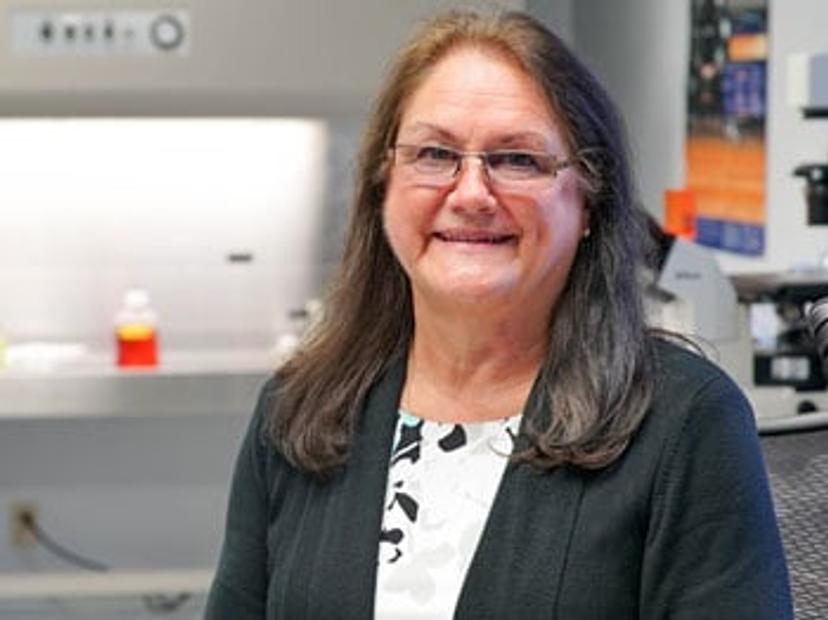
Marsha Roach, PhoenixSongs Biologicals

Marsha Roach, Executive Vice President and Co-Founder of PhoenixSongs Biologicals, Branford, CT, USA

Marsha Roach reveals how NU-4950 Water-Jacketed CO2 Incubators proved to be a reliable component of her cell culture workflow when developing an innovative hepatic model. The new hepatic co-culture model will help scientists to produce more predictive data about the hepatotoxicity of drugs at the preclinical stage.

Read the interview>>

Kassa Beimnet, SickKids

Kassa Beimnet, MLT, MSc, senior genetics technologist, Hospital for Sick Children (SickKids), Toronto, Canada

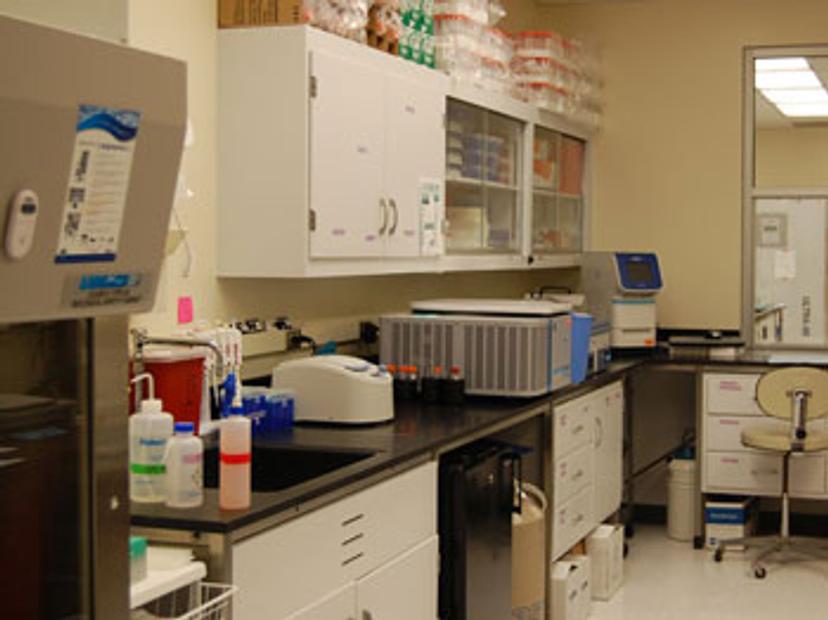
Kassa Beimnet explains how scientists in the Clinical Molecular Diagnostics Laboratory at SickKids use the NuWind centrifuge to streamline the isolation and purification of DNA and RNA from patient samples. The work of the department aims to identify genetic abnormalities that have implications for the clinical course of childhood leukemia.
Read the interview>>

Researchers at University of Florida College of Veterinary Medicine use the NuWind centrifuge

Kim Ahrens, scientific research manager, University of Florida College of Veterinary Medicine, USA

Kim Ahrens shares how the NuWind centrifuge has been a uniquely designed, quiet, user-friendly addition to the Comparative Dermatology Laboratory of Small Animal Clinical Sciences. Learn more about how the group uses this multi-application technology for in vitro studies to elucidate the mechanisms of atopic dermatitis.

Read the interview>>

Do you use NuAire equipment in your research? Write a review today for the chance to win a $400 Amazon voucher (or equivalent currency), plus you’ll be helping other scientists choose the best equipment for their lab.

Links

Tags

Cell / Tissue CultureCell culture or tissue culture is used to study the biology of cells or tissues and to isolate cellular products in an environment which can be manipulated and well defined. Accurately control your culture environment with bioreactors or culture incubators, bind your cells to a surface or together with an extracellular matrix. Distinguish cell types with differential media or proliferate cells with certain characteristics using selective media. Enrich your media with supplements such as growth factors, sera and vitamins. Find the best cell and tissue culture products, kits and equipment in our peer-reviewed product directory: compare products, check customer reviews and receive pricing direct from manufacturers.IncubatorsLaboratory incubators are used to provide a stable environment to cultivate and store samples in, giving you optimal control of temperature, humidity, oxygen and CO<sub>2</sub> levels. Incubators are necessary equipment for cell culture and microbial research. Control temperature with heated or refrigerated incubators, or the levels of CO<sub>2</sub> and oxygen with CO<sub>2</sub> incubators. Using environmental chambers, create a humid climate for testing samples. Find the best incubators in our peer-reviewed product directory: compare products, check customer reviews and receive pricing direct from manufacturers.CentrifugesCentrifuges are used to separate particulates suspended in a liquid via the application of a centrifugal force including cells, macromolecules, nanoparticles and precipitates. Centrifuges come in three sizes: microcentrifuges, benchtop and floor-standing centrifuges, depending on the volume and number of samples that require separation. When choosing a centrifuge, consider its maximum separation power indicated by its relative centrifugal force (RCF) value. Low force centrifuges reach a maximum RCF of 8,000 g, high-force centrifuges can reach maximum RCF values of 80,000 g. For extremely high forces, consider ultracentrifuges (up to 800,000 g). Refrigerated and vacuum centrifuges also known as concentrators are available for more specialized applications. A range of volumes are available for centrifuge tubes and microfuge tubes, depending on sample sizes. Find the best centrifuges in our peer-reviewed product directory: compare products, check customer reviews and receive pricing direct from manufacturers.HematologyIn Haematology / Hematology, complete blood cell counts (or full blood counts) are obtained using automated blood count analyzers to enumerate blood cell types.  Hematology also encompasses haemostasis and coagulation, thrombophilia and hemophilia, plasma viscosity and ESR analysis, hemoglobinopathies, cell morphology and haematinic measurement.Clinical GeneticsMolecular Genetics covers the analysis of hereditary genetic disease and chromosomal abnormalities. Genetics can be analysed using DNA, RNA, and protein microarrays, PCR, RT PCR and DNA sequencing. Genetic equipment includes genetic workstations, thermal cyclers, cooling blocks and electrophoresis products. Diagnostic kits are used for DNA / RNA extraction and purification.Fumehoods and Biological Safety CabinetsFume hoods and biological safety cabinets are used to provide personnel, sample and environmental protection by limiting exposure to hazardous materials either by venting or enclosing hazardous sample space. Fume hoods include filtered and ductless fume hoods, general ducted fume hoods, laminar flow cabinets and cabinets for powder weighing. There are three classes of biological safety cabinet, dependent on the level of protection provided. Class I provide personnel and environmental protection, class II provide product, personnel and environmental protection. Class III provide the highest level of protection and are designed for use with high-risk biological agents. Other ventilated workspaces for the laboratory include glove boxes, glove bags, anaerobic and hypoxic workstations. Find the best fume hoods and biological safety cabinets in our peer-reviewed product directory: compare products, check customer reviews and receive pricing direct from manufacturers.Cell BiologyCell biology studies the structure, function, and behavior of cells. Understanding cellular processes is essential for research in areas such as cancer biology, stem cell research, and neurobiology. Techniques like flow cytometry, microscopy, and cell culture enable researchers to explore cellular mechanisms in detail. Browse our peer-reviewed product directory to find the best cell biology tools and equipment, compare products, check customer reviews, and get pricing directly from manufacturers.Laboratory SafetyLaboratory safety is essential to the effective operation of all laboratories and is required to minimize the risk of harm during experiments. Guidelines, regulations, and equipment should be available in all laboratories to ensure that the working environment is safe and secure.