News & Articles
Selected Filters:
Tabula Muris, a single-cell Atlas of the adult mouse
Find out how two distinct single-cell RNA-seq approaches were used to create a large-scale Cell Atlas, with this on-demand expert webinar
Tabula Muris: How to Achieve Direct and Controlled Comparison of Gene Expression
Join this expert webinar to find out how two distinct technical approaches were used to collect single-cell transcriptomic data from the Mus musculus model
Proteona Releases New CAR T Product for Combined Single-Cell Proteomic and Transcriptomic Analysis
Based on ESCAPE™ RNA sequencing technology, the latest proteogenomics assay is designed to characterize both RNA and protein expression levels across thousands of single CAR T cells
Roundworms Used to Identify New Anti-Aging Compounds Among FDA-Approved Drugs
Collaborative project has successfully demonstrated that aging in nematodes is partially programmed and can be modified therapeutically
Using Single-Cell Genomics to Reveal Clonal Diversity Underlying Leukemia Therapy Resistance
Mission Bio announces the potential for more impactful, dynamic therapy development and application for those with acute myeloid leukemia (AML)
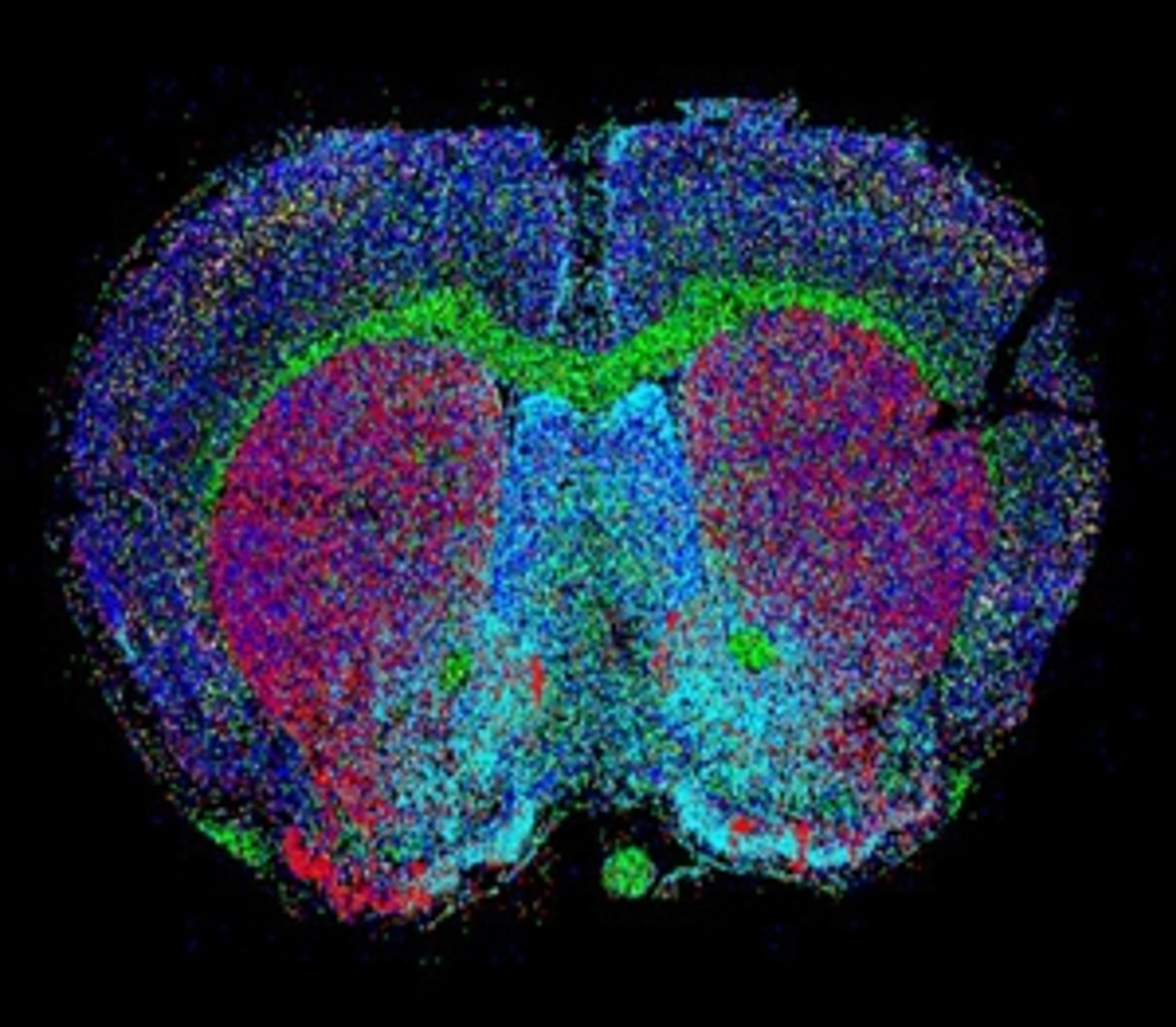
CARTANA Launches <em>In Situ</em> Sequencing Service for Neuroscientists
New next-generation in situ sequencing technology maps single-cell gene expression levels within tissue sections
Delve Deeper into Genetics with Revolutionary Dual CRISPR Technology
CRISPR Activation (CRISPRa) and CRISPR Interference (CRISPRi) offer precision, sensitivity and depth of understanding – find out more in this SelectScience expert interview
Neonicotinoid Pesticides Found to Affect Bee Genes
Researchers use new approach to investigate impact of neonicotinoid pesticides, clothianidin and imidacloprid, on bee gene expression and brain function
SelectScience to Cover AACR 2019 and Reveal Winners of the Life Sciences Scientists’ Choice Awards
Join the team heading to Atlanta, USA, to interview scientists at the forefront of cancer research and report on expertise from all sectors of the cancer research community
Unlocking Complex Immunological Systems with CRISPR Screening
Learn how CRISPR screening in primary T cells has been performed through a combined lentiviral and electroporation approach
Reducing Potential Inaccuracies with CRISPR-Cas9
Scientists at the Medical Research Council have found that distortions in DNA's shape could lead to off-target changes when gene editing
What's Hot in CRISPR Gene Editing Technology
From CRISPR screening to CRISPR/Cas9-edited fusion proteins, we discover the latest technology, news and products in gene editing technology
Trending in Life Sciences: January 2019
Relive the biggest stories of the month and find out what’s been making waves in the SelectScience life sciences community since the turn of the year
Horizon Discovery extends CRISPR Screening Service to Primary Human T cells
Extended screening service offers novel capabilities for immuno-oncology research in ex vivo T lymphocytes
The Latest Tools for Functional Genomics at Duke University
Director of the Duke University Functional Genomics Shared Resource shares her thoughts on key screening technologies
Is It Possible to Predict The Future of Science?
We asked you how science would change the world in the next 20 years – here's what you said
Gene Therapy: New Treatments Reprogram Patients’ Immune Cells
Dr. Joseph Hughes describes how WuXi Advanced Therapies scales up viral vectors to help customers expedite entry of gene and cell therapies into clinical trials
Genetic Study of Epilepsy Points to Potential New Therapies
DNA from 15,000 patients analyzed to identify novel genetic associations
Gene Therapy is Closer Than We Think – A Success Story
We interview a scientist whose team designed AAV vectors used in a successful gene therapy clinical trial, and highlight the key technologies that supported his efforts
New Expressed Lentiviral Barcode Libraries and Barcoded CRISPR Libraries Available from Cellecta
Label individual cells with uniquely identifiable, expressed barcodes to understand how different experimental conditions affect distinct groups of cells from a common progenitor.
Unveiling New Mechanisms of Therapeutic Resistance in Cancer
Researchers reveal new insights into self repair pathways in cancer cells, after therapy with PARP inhibitors