
Siemens Healthineers expands brain health research portfolio with novel blood-based tau assays
Novel RUO tests can help scientists understand neurological function and disease progression
18 Mar 2026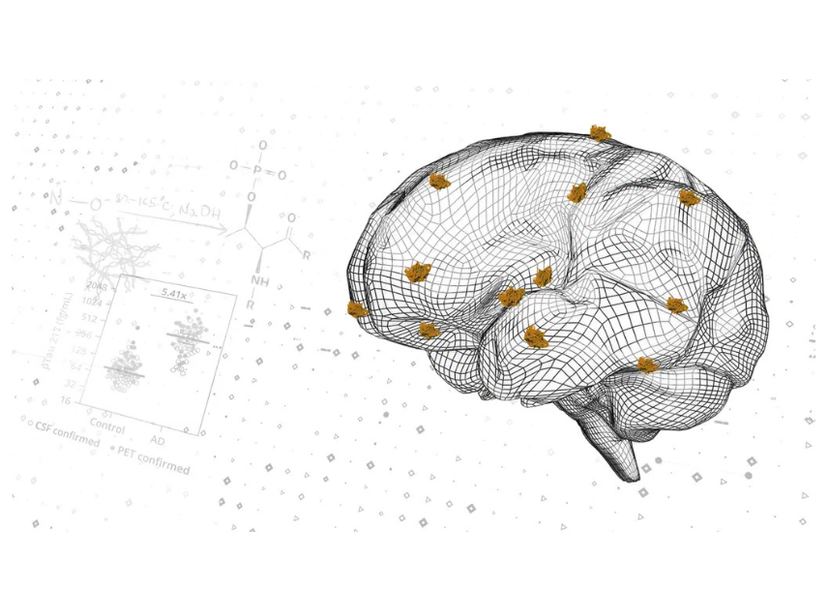
Siemens Healthineers has expanded its brain health research portfolio with the launch of fully automated, brain-derived Atellica IM Phosphorylated tau 217 (pTau217) and Atellica IM Brain Derived Tau (BDTau) research assays, now available for research use only (RUO).
These blood-based chemiluminescent immunoassays, designed for use on the Atellica Solution IM and Atellica CI Analyzers, aim to help scientists worldwide generate evidence on neurological biomarkers, improve understanding of Alzheimer’s disease and other dementias, and explore less-invasive approaches to disease management.
Advancing dementia and Alzheimer’s disease research
Every year, nearly 10 million new cases of dementia are diagnosed globally, with Alzheimer’s disease accounting for 60–70% of cases. As these neurodegenerative conditions progress, they significantly impact patients’ quality of life and increase dependence on caregivers.
The new Atellica IM pTau217 and BDTau assays from Siemens Healthineers are intended to support research into how blood-based biomarkers can contribute to earlier detection, improved disease monitoring, and better characterization of neurological function and disease progression.
Blood-based tau assays for brain health research
The Siemens Healthineers assays provide quantitative measurement of brain-derived phosphorylated tau 217 (p-tau217) and Brain Derived Tau (BD tau) in blood. These chemiluminescent immunoassays run on the widely installed Atellica Solution IM and Atellica CI Analyzers, enabling high-throughput, automated testing in research laboratories.
Blood-based biomarker testing offers a less-invasive alternative to cerebrospinal fluid (CSF) analysis, which requires a lumbar puncture. By using blood samples, researchers can potentially scale testing, increase participant recruitment, and perform more frequent longitudinal monitoring in clinical studies.
Translating biomarker discovery into actionable evidence
The Atellica IM pTau217 and BDTau assays are intended for research use to help generate evidence on whether these biomarkers can advance disease management in neurodegenerative conditions. Ongoing collaborative research aims to translate scientific discovery into actionable evidence that could inform future clinical strategies for dementia and Alzheimer’s disease.
Want the latest science news straight to your inbox? Become a SelectScience member for free today>>
Related products
Request Quote for All Products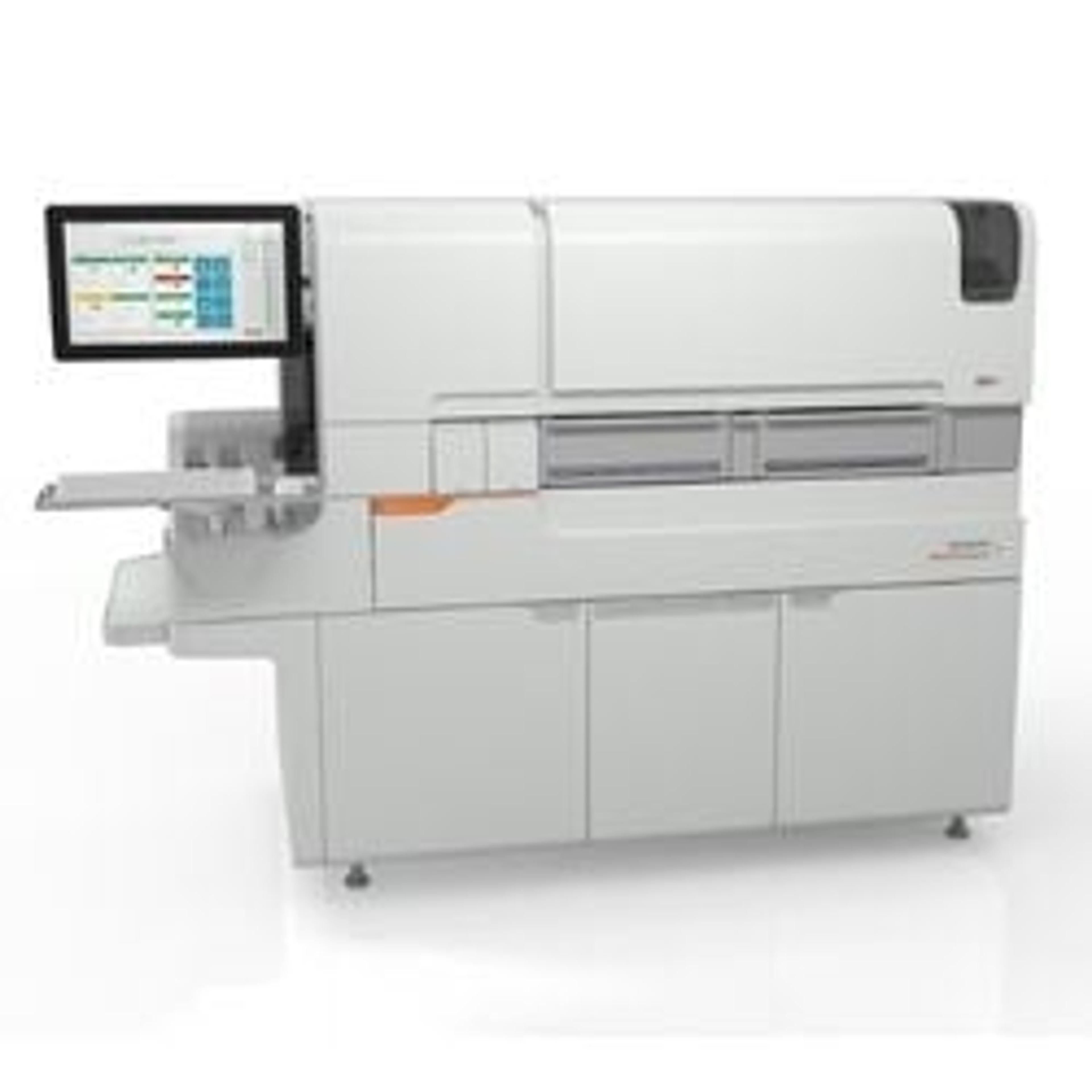
Atellica CI Analyzer
Siemens HealthineersDesigned to deliver equivalent results across an entire network, the Atellica CI Analyzer brings the power and possibility of the central lab to spoke and STAT laboratories.
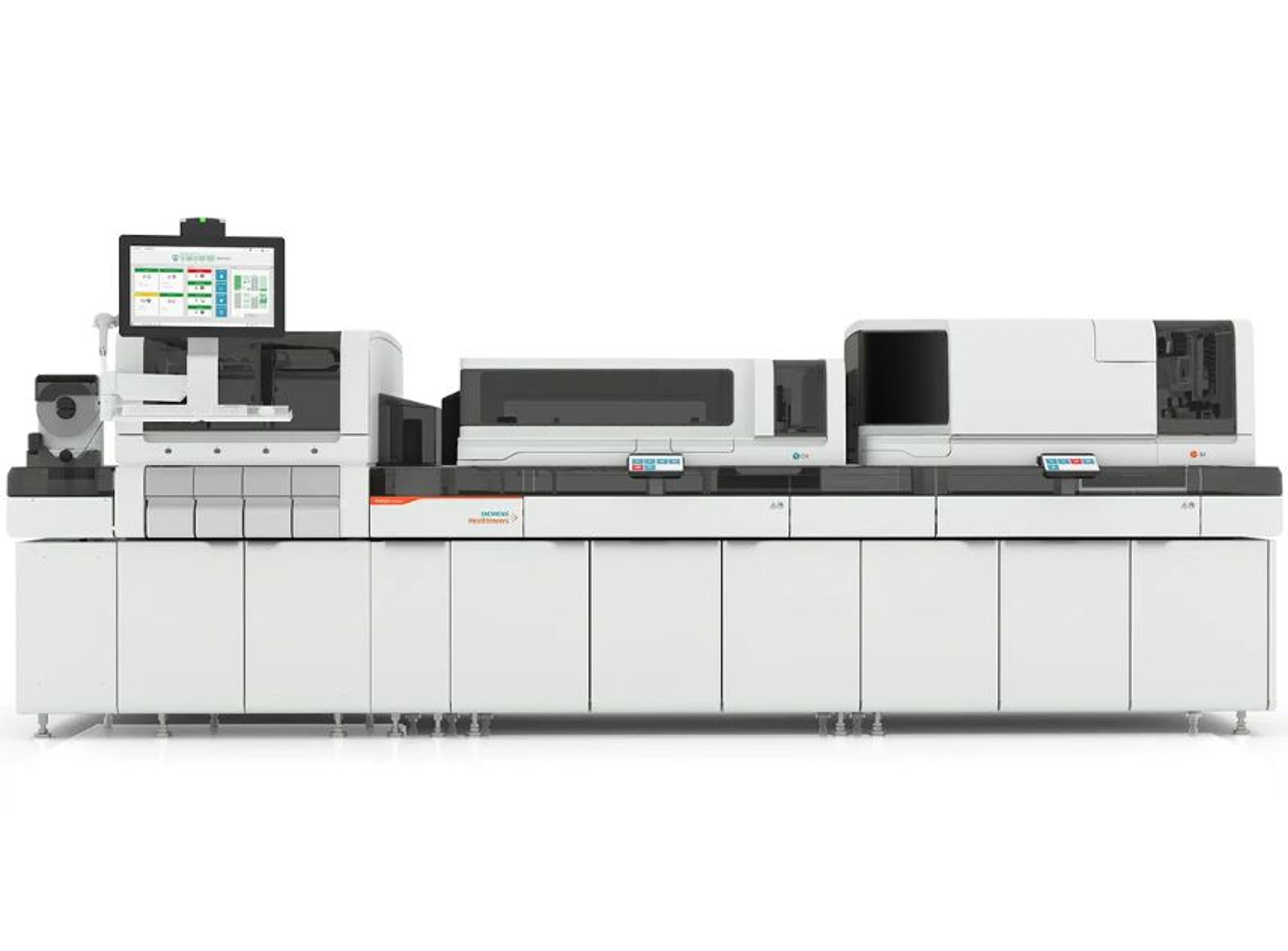
Atellica® Solution
Siemens HealthineersAtellica® Solution: new flexible, scalable, automation-ready immunoassay and chemistry analyzers from Siemens Healthineers (For within the U.S)
Links
Tags
Frequently asked questions
Show frequently asked questions
How do the Siemens Healthineers Atellica IM pTau217 and BDTau assays support Alzheimer’s disease and dementia research?
The Atellica IM Phosphorylated tau 217 (pTau217) and Atellica IM Brain Derived Tau (BDTau) research assays from Siemens Healthineers provide quantitative measurement of brain-derived phosphorylated tau 217 and Brain Derived Tau in blood. These fully automated, chemiluminescent immunoassays are intended for research use only and are designed to help scientists investigate blood-based neurological biomarkers.
By enabling earlier detection research, improved disease monitoring, and better characterization of neurological function and disease progression, they support studies focused on Alzheimer’s disease and other dementias.
What are the advantages of blood-based tau biomarker testing over cerebrospinal fluid (CSF) analysis in neurodegenerative disease research?
Blood-based tau biomarker testing using the Atellica IM pTau217 and BDTau assays offers a less-invasive alternative to cerebrospinal fluid (CSF) analysis, which requires a lumbar puncture. Using blood samples can reduce the burden of invasive testing for patients, make testing easier for both patients and doctors, and enable scalable, high-throughput testing on Atellica Solution IM and Atellica CI Analyzers. This approach can increase participant recruitment, allow more frequent longitudinal monitoring, and help researchers generate evidence on neurological biomarkers in Alzheimer’s disease and other neurodegenerative conditions.
Why is analyzer engineering and high sensitivity important for blood-based neurological biomarker assays like Atellica IM pTau217 and BDTau?
Analyzer engineering and high sensitivity are critical because reliable detection of neurological biomarkers such as pTau217 and Brain Derived Tau in blood requires strong signal amplification. This engineering enables automated, high-throughput chemiluminescent immunoassays that can generate robust research data, support the development of biomarker portfolios, and help translate biomarker discovery into actionable evidence for future dementia and Alzheimer’s disease management strategies.