
Seegene launches global study showing virus-only tests may miss pneumonia-associated bacteria in children
Seegene promotes comprehensive syndromic PCR testing for respiratory infections through global clinical study
20 Jul 2026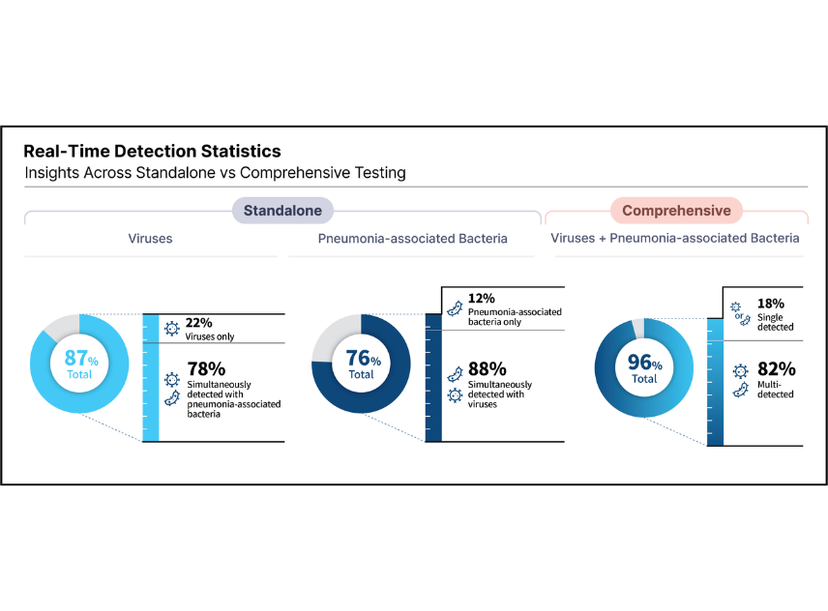
Data from the STAgora™ Report
Seegene Inc. has announced that, from August 2026, it will launch the Global Million Clinical Study (GMCS), a large-scale international initiative designed to generate clinical evidence for shifting from conventional virus-centered respiratory testing to comprehensive syndromic PCR testing that detects both viral and pneumonia-associated bacterial pathogens in a single test.
Seegene intends to use the study findings to verify the clinical usefulness of comprehensive testing and contribute to the establishment of new global standards for respiratory infection diagnostics.
New data reveal high rates of viral and bacterial co-detections in pediatric respiratory infections
Using its statistical analytical platform STAgora™, Seegene analyzed approximately 260,000 pediatric respiratory PCR test results collected over a 42‑month period from children aged 0–5 years. The analysis showed frequent co-detection of viral and pneumonia-associated bacterial respiratory pathogens, highlighting the complex nature of pathogen detection patterns in pediatric respiratory infections.
Respiratory viral panel testing showed a positivity rate of 87%, and among these virus-positive cases, 78% were also found to carry pneumonia-causing bacterial pathogens. Pneumonia-causing bacterial panel testing showed a positivity rate of 76%, with 88% of bacterial-positive cases also testing positive for viral pathogens.
These findings indicate that respiratory infections in young children frequently involve multiple pathogen types and that viral and bacterial pathogens often coexist rather than occurring independently. Testing strategies that focus on a single pathogen category may therefore fail to capture the full spectrum of infection patterns.
Clinical implications for pneumonia, sepsis and other severe respiratory outcomes
The findings are particularly significant because pediatric respiratory infections can, in some cases, progress to serious conditions such as pneumonia or sepsis. The data underscore the importance of obtaining comprehensive pathogen information, including both respiratory viruses and pneumonia-associated bacteria, early in the clinical evaluation process.
By identifying multiple pathogens from the outset, clinicians may be better equipped to make appropriate diagnostic and treatment decisions, including the selection and timing of antimicrobial therapies and other interventions. The results also suggest that relying solely on pathogen-specific tests may not adequately reflect the complexity of real-world respiratory infections.
Comprehensive syndromic PCR testing captures complex co-detection patterns
The analysis further showed that comprehensive respiratory PCR testing, which evaluates both viral and pneumonia-associated bacterial pathogens, yielded a positivity rate of 96%. Among these positive results, 82% involved the detection of at least two pathogens.
These co-detection patterns support the value of comprehensive syndromic PCR testing in assessing multiple potential respiratory infections at the same time. In contrast, pathogen-specific testing alone may overlook important pathogen combinations that influence disease severity, transmission dynamics and treatment decisions.
Current testing practices remain heavily virus-focused
Despite the complex nature of respiratory infections, testing in many healthcare settings remains largely focused on identifying viral infections such as influenza virus, SARS-CoV-2 and respiratory syncytial virus (RSV). This trend was reflected in an analysis of demand for approximately 19.5 million respiratory PCR tests supplied by Seegene across 62 countries over the past three years.
According to this analysis, viral testing products accounted for approximately 80% of total demand, while products targeting pneumonia-causing bacteria accounted for about 20%. This imbalance suggests that bacterial respiratory pathogens associated with pneumonia may be under-tested in routine clinical practice.
Similar respiratory symptoms complicate pathogen identification
Respiratory symptoms such as rhinorrhea, cough and fever are often similar regardless of whether the underlying infection is caused by a virus or pneumonia-associated bacteria. As a result, it can be difficult to identify the causative pathogen based on symptoms alone.
The overlap in clinical presentation further underscores the importance of obtaining broad pathogen information early in the clinical evaluation process. Comprehensive syndromic PCR testing can help clinicians move beyond symptom-based assumptions and obtain objective data on the full range of pathogens involved.
Seegene’s comprehensive PCR-based respiratory testing approach
Seegene’s comprehensive PCR-based testing approach is designed to detect respiratory viruses and major pneumonia-associated bacterial pathogens from a single specimen in a single test. The associated STAgora report provides intuitive visualization of co-detection patterns, pathogen combinations, distributions and pathogen-specific Ct (cycle threshold) values.
By going beyond simple positive-or-negative results, this approach enables assessment of the relative detection levels of individual pathogens in co-detection cases. This information can support appropriate diagnostic and treatment decisions based on the characteristics of each infection and the interactions between co-existing pathogens.
Seegene suggests that comprehensive PCR testing represents an innovation in respiratory diagnostics by supporting a broader evaluation of infection causes and helping clinicians make more informed decisions regarding diagnosis and patient management.
Want the latest science news straight to your inbox? Become a SelectScience member for free today>>
Links
Tags
Frequently asked questions
Show frequently asked questions
How will Seegene’s Global Million Clinical Study (GMCS) influence global respiratory infection diagnostics standards?
Seegene’s Global Million Clinical Study, launching in August 2026, will generate large-scale real-world clinical evidence on comprehensive syndromic PCR testing for respiratory infections. By evaluating how symptom-based, multi-pathogen PCR testing supports diagnosis and treatment decisions, Seegene aims to verify the clinical usefulness of comprehensive testing and contribute to establishing new global standards for respiratory infection diagnostics in pediatric and adult patients.
What do STAgora data reveal about viral and bacterial co-detections in pediatric respiratory infections?
Using its STAgora statistical platform, Seegene analyzed about 260,000 pediatric respiratory PCR results from children aged 0–5 years over 42 months. Viral panel testing showed 87% positivity, with 78% of virus-positive cases also carrying pneumonia-causing bacteria. Bacterial panel testing showed 76% positivity, with 88% of bacterial-positive cases also virus-positive, highlighting frequent viral–bacterial co-detections.
Why does Seegene advocate comprehensive syndromic PCR testing over virus-focused respiratory testing?
Seegene’s analysis showed comprehensive respiratory PCR testing, covering both respiratory viruses and pneumonia-associated bacteria, had a 96% positivity rate, with 82% of positives involving at least two pathogens. Current practice remains heavily virus-focused, with about 80% of demand for viral tests and 20% for bacterial tests. Seegene argues comprehensive syndromic PCR better captures complex co-detections that guide diagnosis and treatment.