
Roche NimbleGen Collaboration with Consortium of Researchers ‘Plants the Seed’ Towards Our Understanding of the Complex Maize Genome
3 Dec 2009A team of scientists from Iowa State University, the University of Florida, the University of Minnesota, and Roche NimbleGen have recently announced their research has uncovered a previously unknown level of diversity, complexity and structural variation in the maize genome as well as between strains of the crop. The results of this ground-breaking study have revealed unprecedented levels of structural variation and can now provide additional data to help determine differential traits and phenotypes across different strains of maize. The findings were uncovered by using high-density Comparative Genomic Hybridization (CGH) microarrays from Roche NimbleGen which provided the high resolution data to precisely map out the genomic structural variation between different types of maize.
“There is a growing appreciation of the importance of genome structure diversity. The flexibility of NimbleGen allowed us to quickly design and implement a whole genome CGH study following the release of a reference maize genome. This microarray based comparison of the structure of two maize lines reveals an extraordinary level of genomic variation within the maize species,” said Nathan Springer, Associate Professor in the Department of Plant Biology at University of Minnesota.
Maize is an economically important crop worldwide and has been an indispensible source of food for humans and animals since it was domesticated nearly 10,000 years ago. Recently, it has also become an integral solution to our growing energy needs as a source of bio-fuel. Our ability to understand this genome, which is nearly as large as a human genome but substantially more complex, is critical to ensuring the stability of this important crop for our food and energy needs.
This study, which utilized the recently completed improved draft sequence of the maize genome, has furthered our understanding of this crop by comparing two strains of maize, the agriculturally important B73 strain (which is present in nearly half of all hybrid corn globally) to Mo17. Researchers discovered significant differences in DNA Copy Number Variation (CNV) and Presence/Absence Variation (PAV) of genomic regions between these strains using NimbleGen CGH arrays with 2.1 million features. Remarkably, the researchers reported at least 180 intact single-copy genes that are present in one strain are absent in the other. These differences may help explain the diversity of traits among strains including resistance to disease, robustness, drought tolerance, etc. Further understanding of the molecular underpinnings of this diversity will help researchers breed better varieties of corn with higher yield potentials, improved stress resistance including for disease and drought conditions, all of which will enhance the ability of this crop to help meet the world’s needs for food, feed, fiber, and fuel.
Noting the future potential that this research will contribute, Brad Barbazuk, Assistant Professor of Biology at the University of Florida stated, “Our study revealed an unprecedented level of genome variation and the presence of many structural variations including differences in copy number and differences in gene content between the maize lines. Our success with the NimbleGen CGH arrays demonstrates their utility for examining genome variation within additional maize lines as well as in other crop systems, which will provide information necessary to improve future crop breeding programs.”
“Based on these exciting findings and the ease with which the data were collected we are looking forward to using NimbleGen CGH arrays to further explore structural diversity among maize lines in an effort to connect it to phenotypic diversity” reports Patrick S. Schnable, Baker Professor of Agronomy and Director of Iowa State University’s Center for Plant Genomics.
The results from this research were published as one of a series of papers which are now available on the open access online journal Public Library of Science (PLoS) Genetics.
For more information about Roche NimbleGen, please visit the website.
Related products
Request Quote for All Products
NimbleGen SeqCap EZ Library Kits
RocheSeqCap EZ Library is a solution-based capture method that enables enrichment of the whole exome or customer regions of interest in a single test tube. Built upon an optimized design algorithm, SeqCap EZ Library sets a new standard for a simple single-step enrichment method.
NimbleGen HD2 Catalog Tiling Arrays
RocheSource: UCSC Build: HG18, NCBI 36 Probe Length: 60mer Median Probe Spacing: 1169bp Platform: HD2 Probes per Array: 2,100,000 Feature Size: 13μm x 13μm Array Dimensions: 62mm x 14mm Overall Slide Dimensions: 1" x 3" (25 x 75mm) Recommended Storage: Store arrays desiccated at room temperature.
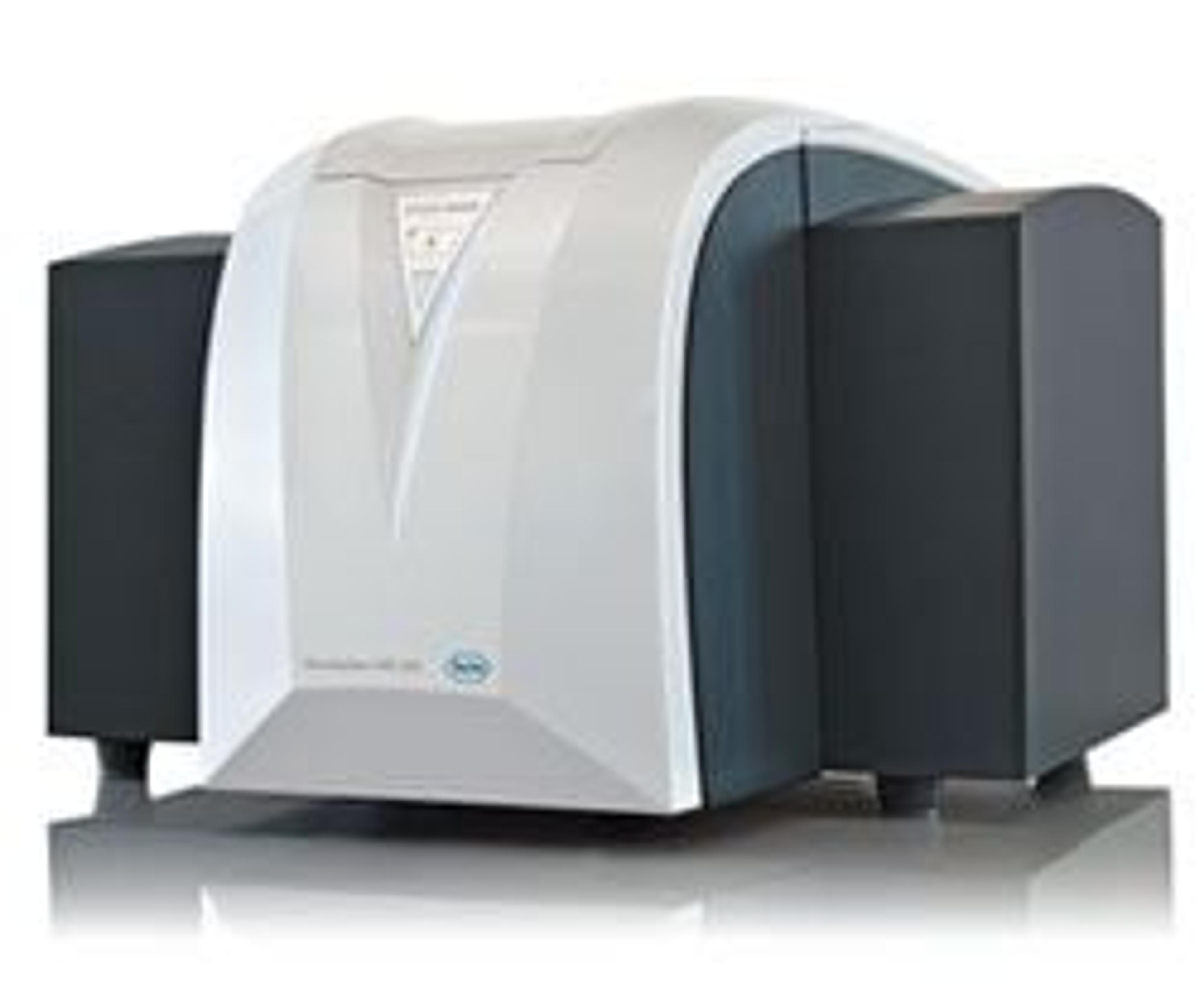
NimbleGen MS 200 Microarray Scanner
RocheThe NimbleGen MS 200 Microarray Scanner is the first scanner optimized to unleash the full potential and capture the complete picture from NimbleGen DNA microarrays. The MS 200 offers 2 micron resolution and heightened sensitivity to achieve high data quality and confident results from high-density NimbleGen microarrays of today and tomorrow. Critical to the the workflow, NimbleScan and SignalMap software are included to analyze and view the high-quality data from the MS 200. High-throughput genomics research is now possible with the MS 200’s automated features, which are specifically designed for the NimbleGen microarray workflow. Advanced features such as a 48-slide autoloader, integrated barcode reader, autofocus, and auto gain combine to offer walkaway automation, allowing you to focus on your science. The MS 200’s high-resolution, high sensitivity and high-throughput capabilities are an integral part of the microarray workflow and unleash the full potential of NimbleGen high-density genomics platforms.