
Residual solvents analysis for the pharmaceutical industry using the Agilent 8697 Headspace Sampler and 8850 GC-FID system
24 Oct 2025Residual solvents left behind during API manufacturing pose a regulatory challenge for pharmaceutical producers, requiring precise monitoring to ensure product safety and compliance with USP <467> standards.
Discover how a headspace GC system delivers reliable detection, resolution, and quantitation of residual solvents using helium and hydrogen carrier gases, supporting accurate screening and limit testing in pharmaceutical workflows.
Related products
Request Quote for All Products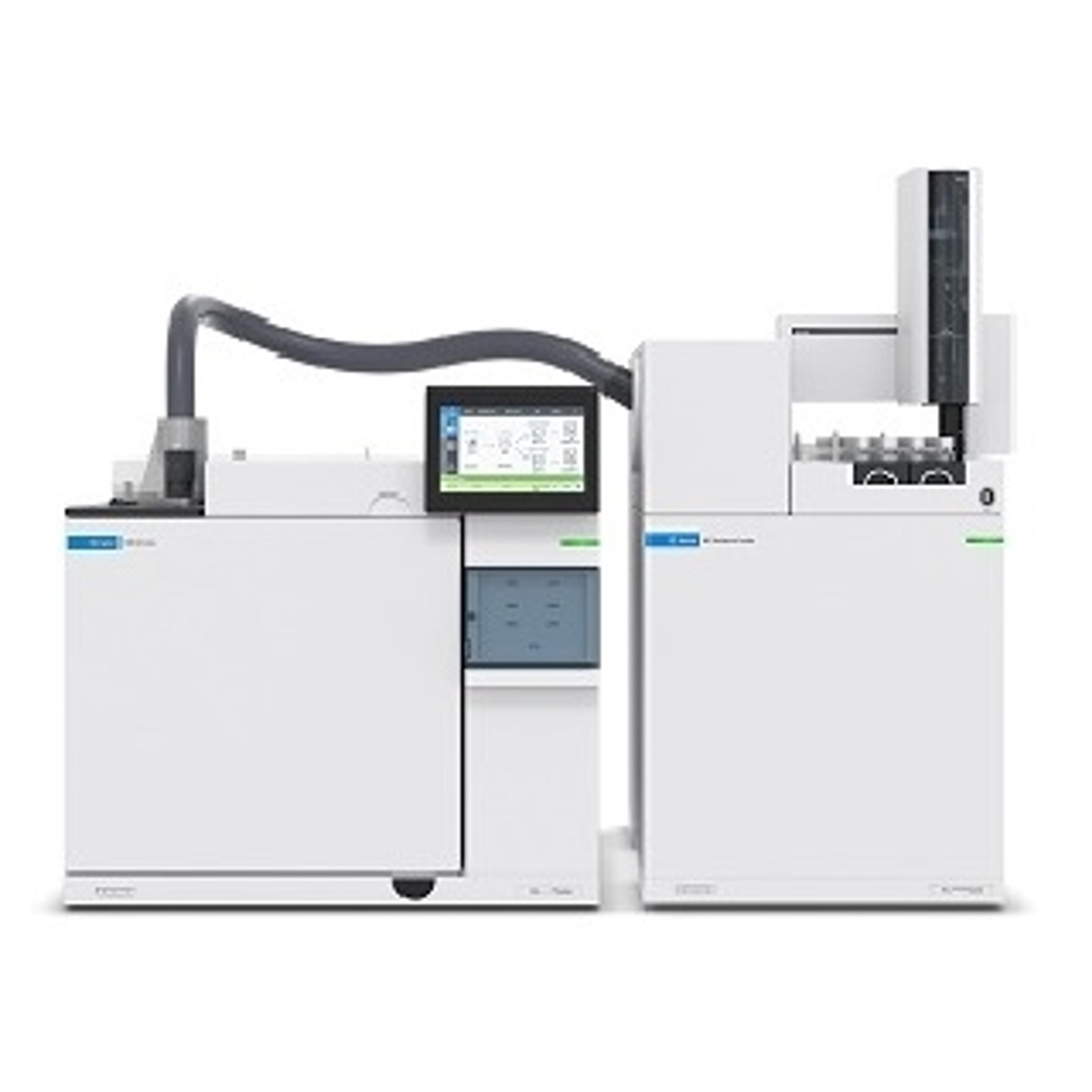
8697 Headspace Sampler
Agilent TechnologiesBased on the flagship Agilent 8890 GC and 7697A headspace sampler, the Agilent 8697 headspace sampler is the first Agilent headspace sampler with integrated GC communication. That means you can manage your GC workflows from a single interface and spend more time on what matters.
8850 GC System
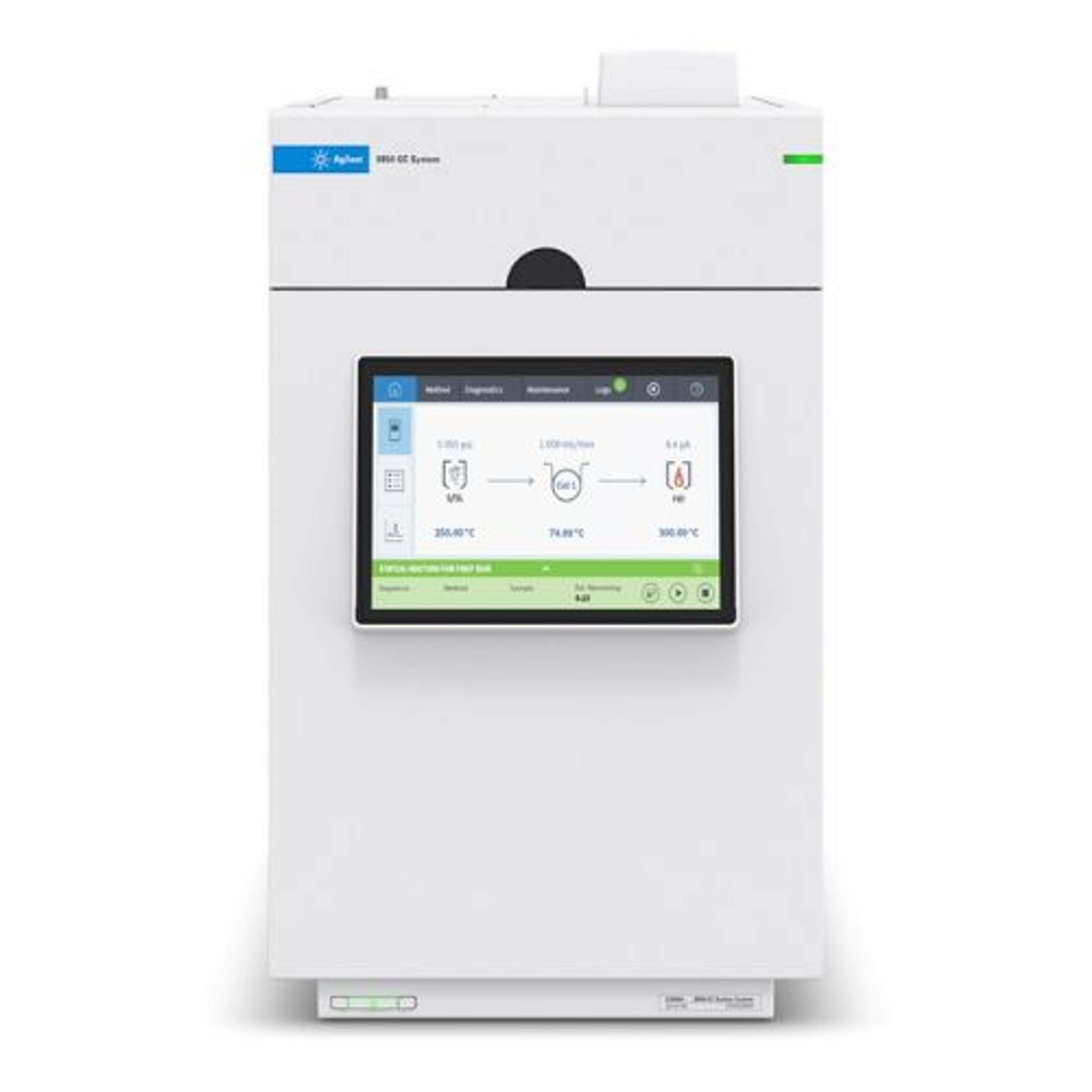
Agilent TechnologiesThe single-channel Agilent 8850 Gas Chromatograph (GC) system combines the small footprint and compact oven of the Agilent 6850 GC with the same built-in intelligence and high performance of the 8890 GC. It was designed for energy efficiency and ease of maintainance to help laboratories meet their sustainability goals and lower their operating costs.