
Predictive molecular pathology: Improving clinical outcomes for cancer patients
Prof. Umberto Malapelle, Chair of Predictive Molecular Pathology Laboratory and Scientific Secretary of the International Society of Liquid Biopsy shares insights on how predictive molecular pathology could improve targeted therapies and personalized care
2 May 2023

Biomarkers are molecules, such as proteins or DNA, that are indicative of a specific biological process or disease. Analysis of these unique molecules has become an increasingly important tool for molecular pathology in healthcare, providing valuable information for disease diagnosis, prognosis, treatment response, and personalized medicine.
Testing for particular biomarkers can help diagnose and monitor both solid tumors and cancers of the blood by detecting specific molecules that are characteristic of cancer cells. By identifying biomarkers that are associated with a particular cancer or treatment response, researchers can develop more targeted and personalized treatments for patients. In the case of solid tumors, biomarkers in the blood of patients can now be detected by liquid biopsy, a non-invasive diagnostic method that is being increasingly used for cancer molecular profiling.
Professor Umberto Malapelle is a molecular pathologist and Chair of the Predictive Molecular Pathology Laboratory at the Department of Public Health of University Federico II of Naples, and Scientific Secretary of the International Society of Liquid Biopsy. His research focuses on the analysis of biomarkers in solid tumors using cytological and histological samples and liquid biopsy, with the goal to develop improved, more targeted treatments and immunotherapies. In this SelectScience® article, Malapelle shares his insights on the historical role of biomarkers in clinical pathology, how new technology is driving predictive molecular pathology forward, and the impact this could have on the future of cancer diagnosis and management.
The dawn of predictive molecular pathology
Predictive molecular pathology is a field of medicine that uses molecular and genetic information to assess the patient's risk of developing a disease or treatment response, predict the course of a disease, and guide the selection of personalized therapies. Due to the rapid advances in biomarker analysis, molecular pathology approaches have become invaluable tools to define therapeutic strategies in the management of cancer patients.
“In the context of surgical pathology and anatomic pathology, the introduction of predictive molecular pathology started in 2008, with the introduction of KRAS mutation analysis in colorectal cancer patients,” Malapelle explains. “There are some other examples of biomarker analysis that predate this, such as HER2 in breast cancer, using traditional methodologies like immunocytochemistry. However, the field of predictive molecular pathology at nucleic acid level in clinical practice really starts with KRAS and RAS mutation analysis for metastatic colorectal cancer patients, as it involves the analysis of specific genetic alterations to select tumor patients for targeted treatments.”
The technologies that we use have completely evolved in this landscape.
Prof. Umberto Malapelle University Federico II of Naples
Since then, a host of molecular biomarkers have now been identified for several cancers that can be used in diagnostics and to predict response to treatment. Having these predictive markers in a pathologist’s toolkit has the potential to shift the focus of pathology from more traditional techniques to a new era of more personalized and targeted approaches to diagnostics and therapeutics. Malapelle continues, “The technologies that we use have completely evolved in this landscape. The field started off by using simple technologies, such as Sanger sequencing, but recently we’ve seen a shift to more advanced technologies like next-generation sequencing (NGS), facilitating the characterization of multiple biomarkers simultaneously.” It’s this ability to simultaneously analyze several biomarkers that provides pathologists with a more comprehensive insight into the molecular biology of a tumor.
Malapelle outlines how combining next-generation methodologies in liquid biopsy is an exciting new approach in the field of molecular pathology. Liquid biopsy is a minimally invasive diagnostic technique that uses a patient's blood, urine, or other bodily fluids to detect and analyze circulating tumor cells, DNA, RNA, or other biomarkers that can provide information about the presence, status, and progression of cancer. This technique has utility in the monitoring and therapeutic management of patients with metastatic stage cancers. However, as Malapelle explains, “liquid biopsy is now also being used for early disease, with the aim to improve treatment outcomes for patients through early detection of cancer.
The technology facilitating new insights
The recent advancements in molecular technologies have had a significant impact on the field of predictive molecular pathology, allowing for the development of more accurate and efficient methods for predicting disease progression and treatment outcomes. Malapelle provides further insight into the technologies he relies on to obtain accurate data. “We need a plethora of different molecular biology technologies to analyze biomarkers in the context of patients with different types of solid tumors,” he states. “The main technology that is currently implemented to simultaneously characterize all these biomarkers is NGS. But, in some settings you need to combine different technologies, such as NGS with single-gene test modalities like digital PCR or real-time PCR to screen for certain alterations.”
Malapelle goes on to illustrate how the technologies that are most suitable for analysis are dependent on the context of the tumor. “If we consider as an example, non-small cell cancer patients, it's mandatory to use an upfront approach by using NGS because we need to detect more than 11 biomarkers simultaneously. But if you consider other settings, we may need to analyze just two or three biomarkers, such as gastrointestinal stromal tumors which are analyzed for c-KIT alteration and PDGFRA alteration.” NGS is used to gain a comprehensive view on the cancer biomarkers that are present within the tumor, but, as Malapelle explains, “we need to configure this information using techniques like digital PCR for expression analysis in order to transfer this approach into clinical practice.”
We need to have a complete view on the biomarker’s evolution to select other lines of treatment for our patients.
Prof. Umberto Malapelle University Federico II of Naples
Using this combinatorial approach allows for a more holistic view of the tumor to inform clinical decisions. Malapelle outlines how this is important for two reasons. “One, to give the oncologist the most complete picture possible in order to select the best therapeutic approach for our patients.” And two, “We need to have a complete view on the biomarker’s evolution to select other lines of treatment for our patients, in relation to the mechanism of resistance that patients develop.”
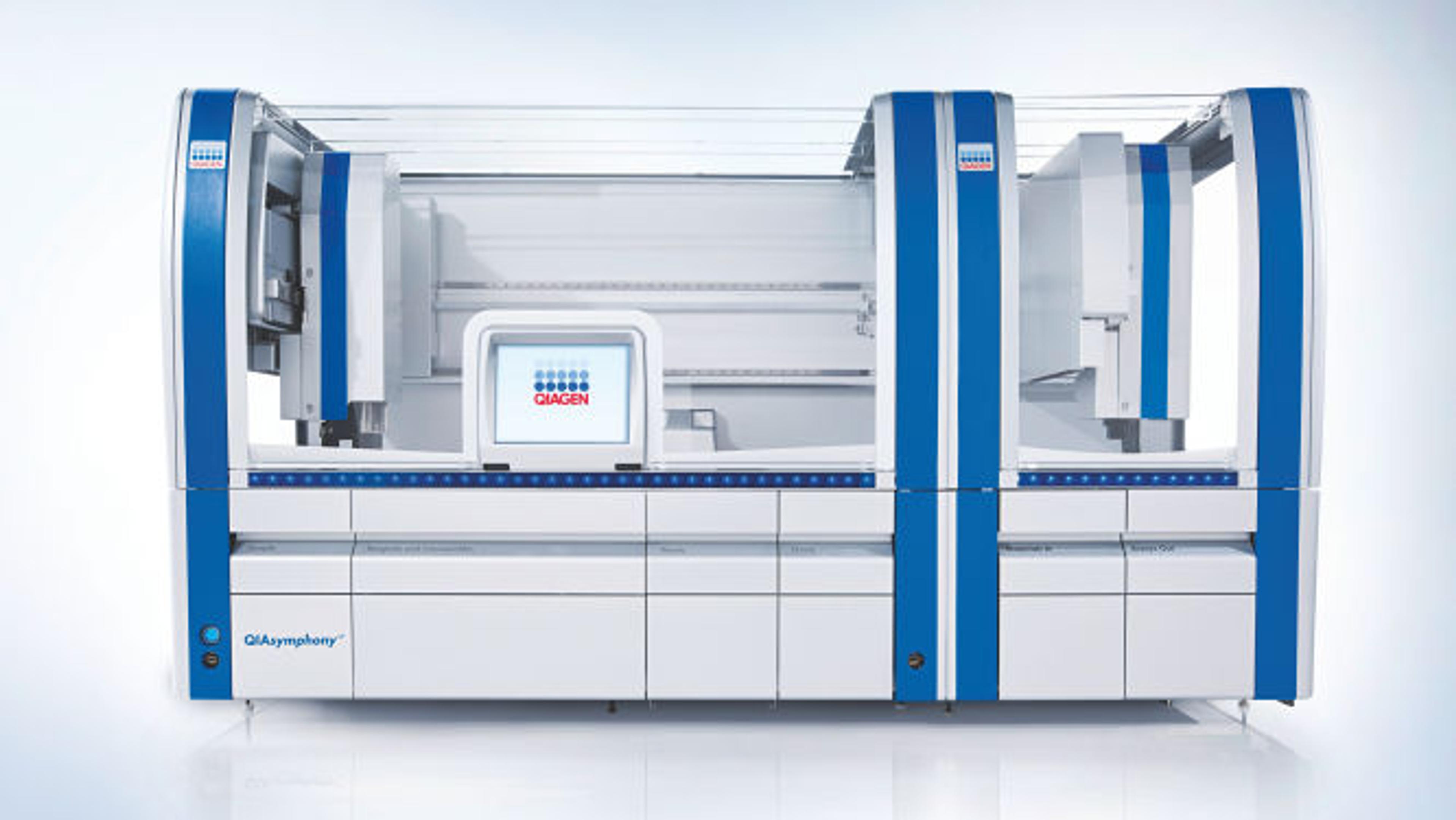
There are several considerations that need to be made to gain high-quality samples that provide accurate and reliable pathological insights. One such consideration is the preanalytical management of samples to obtain DNA, RNA, and other bio-analytes. Malapelle describes how he uses the QIAsymphony AS instrument in his lab. “QIAsymphony is an automatic platform that gives us the opportunity to automate the extraction of nucleic acids from liquid biopsied examples. We also use QIAGEN’s strategies to simultaneously extract DNA and RNA from tissue samples. Last year, we optimized several protocols for cytological and histological samples through our partnership with them.”
Malapelle continues, “we are currently working on an interesting study in partnership with QIAGEN, combining NGS using QIAseq, and digital PCR on the QIAcuity system. We are developing a set of probes that will give us the ability to identify alterations in tissues through NGS. We can then follow up on the mutation that we have identified using digital PCR in liquid biopsy. The aim of this study is to verify the feasibility of transferring this approach in clinical cancer research, and to give more data on the evolution of the tumor over time, under a specific type of treatment.”
Carrying predictive molecular pathology into the future
As the array of predictive biomarkers and analytical technologies continues to expand, the role of the predictive molecular pathologist is becoming increasingly instrumental in improving clinical outcomes for patients. Biomarker analysis can provide valuable insights into the efficacy and safety of targeted therapies, and can help tailor treatment plans for individual patients.
“Biomarker analysis represents a key weapon for the identification of targeted treatments for patients and for immunotherapy,” explains Malapelle. “Biomarker-based selection provides an evidence-based approach for precision medicine. By using this approach, we can identify the patient population that will have the highest probability of success with a particular treatment and avoid the detrimental effects of unsuccessful treatment in patients that are not showing these biomarkers. In the future, by using biomarker analysis, we will have the opportunity to transfer precision medicine to personalized medicine on a patient-by-patient approach.”
In order to see the potential of biomarker analysis realized in clinical practices globally, Malapelle expresses the importance of sharing novel approaches and techniques with peers. “Only by sharing the experience among colleagues that work in different parts of the world, can you share a practical vision of the implementation of biomarker testing in both clinical practice and research settings. It’s events like QIAGEN’s Global Solid Tumor Summit 2023, which I will also be presenting at, that really facilitate these exchanges. It is fundamental to share experiences with colleagues because this provides us with the opportunity to recognize the best approaches, and in turn, provides the best possible clinical outcome for patients.”
Related products
Request Quote for All Products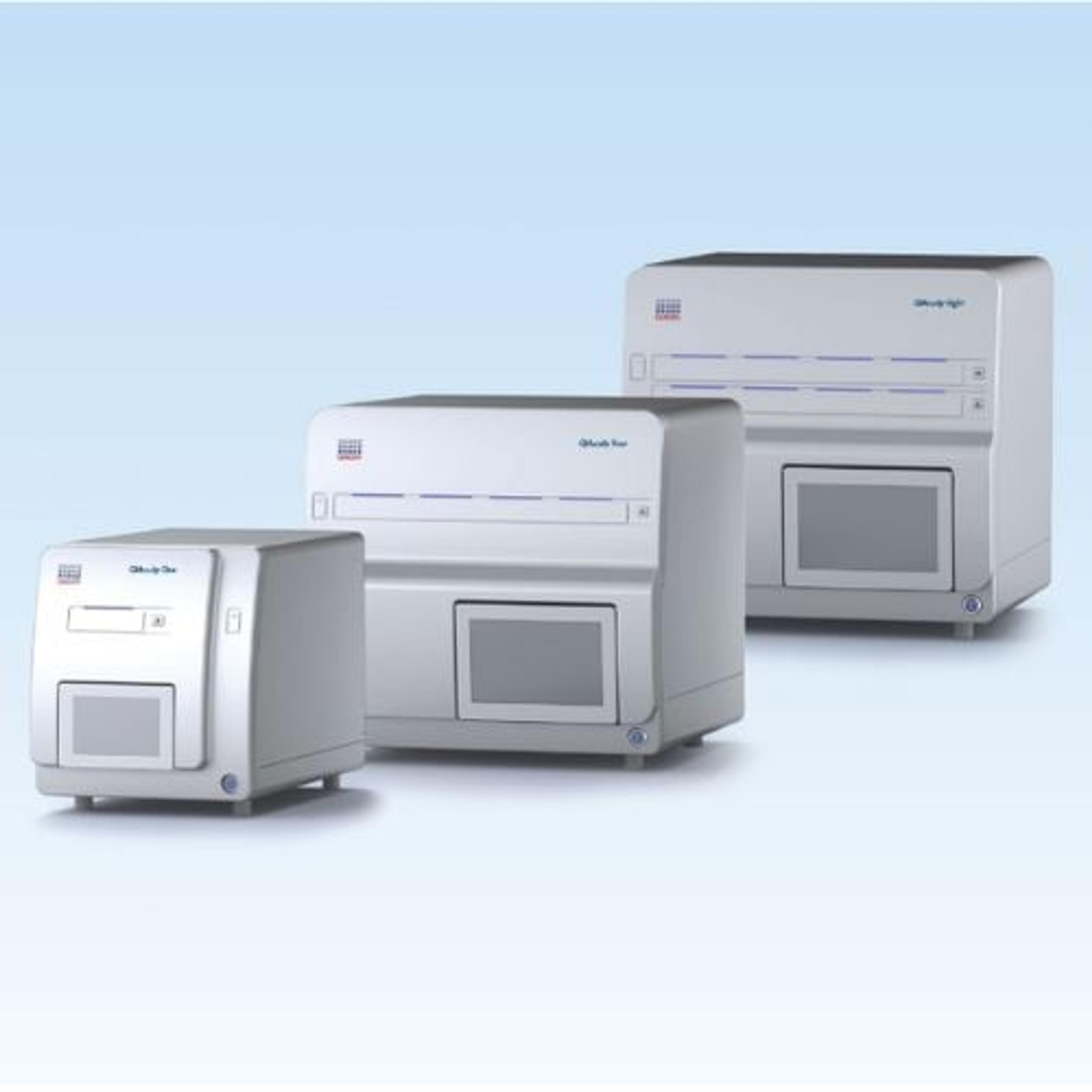

QIAseq Targeted DNA Panels
QIAGENDigital DNA sequencing to confidently detect low-frequency variants
QIAsymphony AS
QIAGENFor fully integrated automation of complete workflows, from sample preparation to assay setup