Long-term spheroid culture and high-resolution imaging

28 Apr 2021

Tom Casburn
Associate Editor

Product news

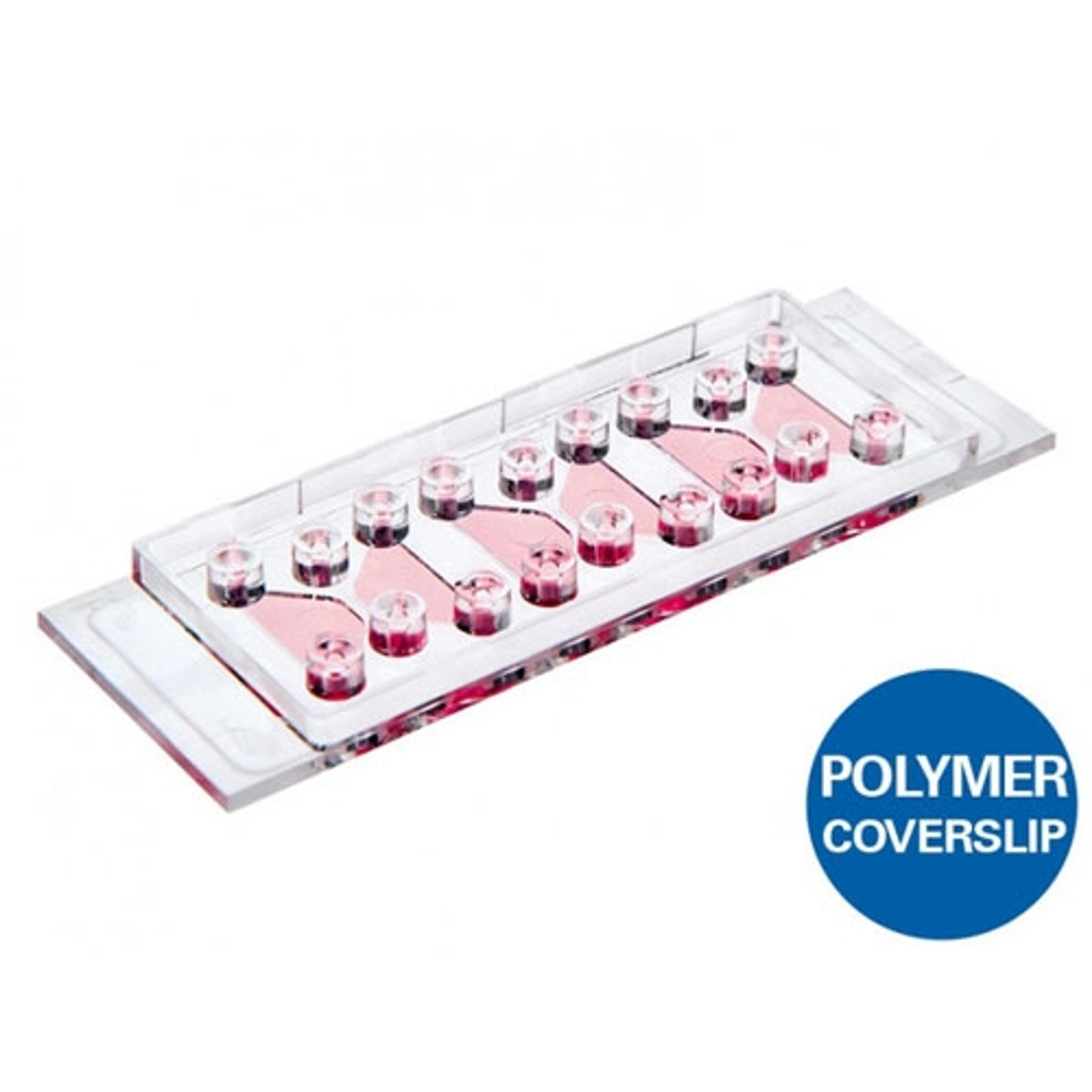
The µ-Slide Spheroid Perfusion is the latest, innovative flow chamber created by ibidi. It is ideal for the long-term culture and high-end microscopy of 3D cell aggregates, such as spheroids, organoids, or tissue. Throughout the whole experiment, perfusion guarantees a fresh medium supply to the cells.

The µ-Slide Spheroid Perfusion consists of 3 x 7 flat-bottomed wells that are connected through a channel above. Each well forms its own niche where the specimen is cultured.

When applying perfusion through the channel, fresh medium continuously diffuses to the specimen. This ensures optimal nutrition and oxygen supply throughout the experiment without exposing the specimen to significant shear forces.

Spheroids can either be generated directly in the µ-Slide Spheroid Perfusion wells or existing 3D cell aggregates—created with any protocol—can be transferred into the µ-Slide. After closing the wells, the channel is filled with culture medium, and the perfusion is started using the ibidi Pump System or any other cell culture pump. The samples are observed through the thin ibidi Polymer Coverslip bottom, which has the highest optical quality (comparable to glass) and is ideally suited for high-resolution microscopy.

This experimental setup guarantees maximum viability, but with minimum shear stress for spheroids, organoids, or tissue, and it makes the µ-Slide Spheroid Perfusion ideal for a large variety of cell types and applications. Scientists who would like to test this new product with their own experiments can get free samples at: ibidi.com/slide-spheroid-perfusion.

Do you use ibidi products in your lab? Write a review today for your chance to win a $400 Amazon Gift Card>>

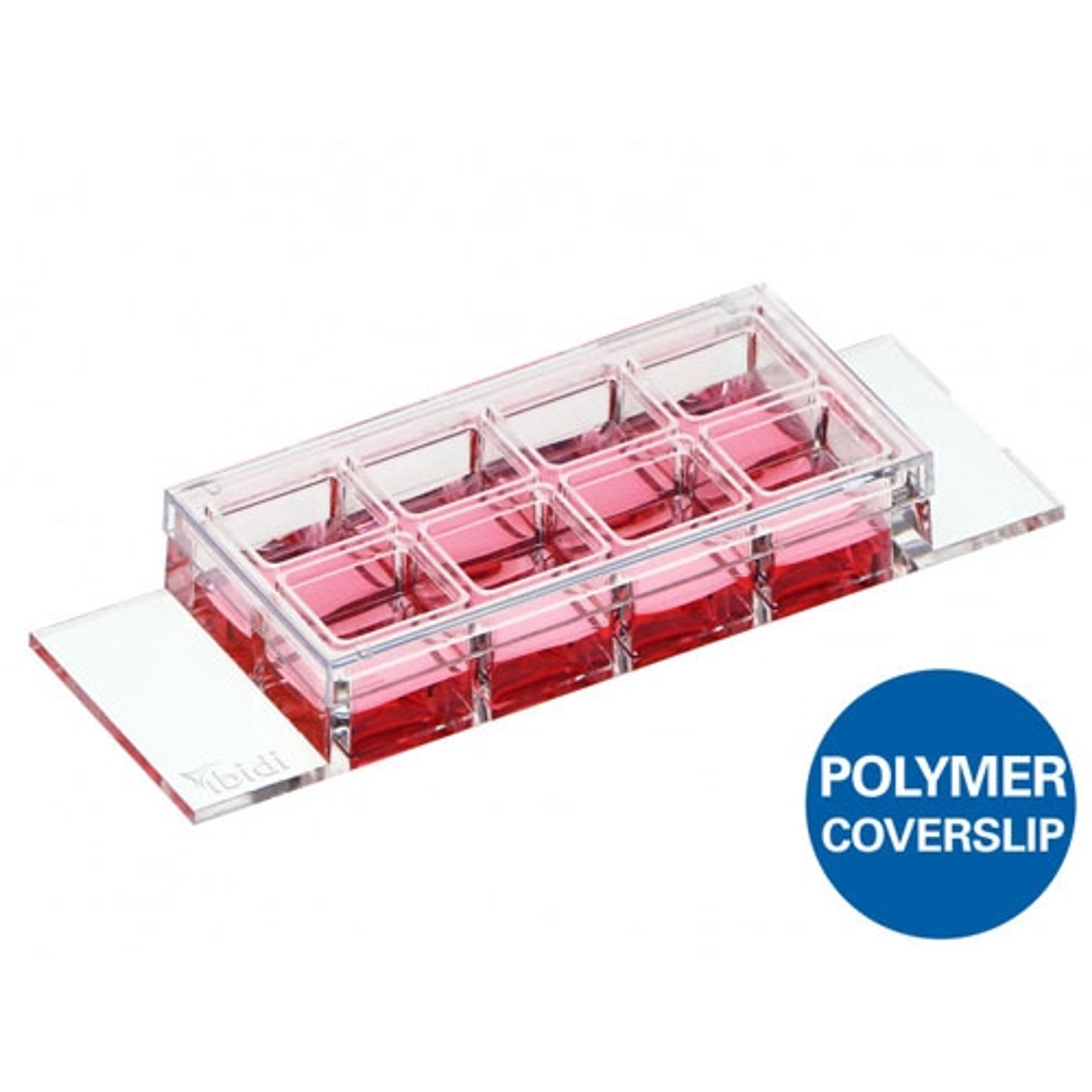
µ-Slide 8 Well high

ibidi GmbH

Use this chambered coverslip with 8 wells for cell culture, immunofluorescence, and high-end microscopy. Also available with 2, 4, or 18 wells.

(1)

Links

Tags

Cell / Tissue CultureCell culture or tissue culture is used to study the biology of cells or tissues and to isolate cellular products in an environment which can be manipulated and well defined. Accurately control your culture environment with bioreactors or culture incubators, bind your cells to a surface or together with an extracellular matrix. Distinguish cell types with differential media or proliferate cells with certain characteristics using selective media. Enrich your media with supplements such as growth factors, sera and vitamins. Find the best cell and tissue culture products, kits and equipment in our peer-reviewed product directory: compare products, check customer reviews and receive pricing direct from manufacturers.Flow Cytometry / Cell CountingFlow cytometers are used to count, sort and examine multiple characteristics of cells. Other cell analysis equipment includes image cytometers, cell counters, fluorescence-activated cell sorters (FACS), magnetic-activated cell sorters (MACS), and a range of flow cytometry assay kits. Flow cytometers can reveal information on cell viability, cell proliferation, apoptosis and cell cycle progression, as well as identify cell populations and intracellular or cell-surface molecules. Additionally, some flow cytometers, known as FACS, have an additional sorting function after analysis. Cell counters and image cytometers count live and dead cell populations and can also conduct cell proliferation assays. Find the best flow cytometers, cell counters and cell sorters in our peer-reviewed product directory: compare products, check customer reviews and receive pricing direct from manufacturers.Cell-Based AssaysCell-based assays are used to monitor the presence, quantity and activities of a desired cellular analyte including drug molecules or biomarkers. This can reveal information on cell health (apoptosis, cytotoxicity, viability and proliferation assays), cell metabolism, cell migration and cell signaling mechanisms. Find the best cell-based assay products, kits and equipment with our peer reviewed product directory: compare products, check customer reviews and receiving pricing direct from manufacturers.Cell AnalysisThe analysis of cells allows researchers to understand the factors which contribute to cell health and function. These influencing processes can then be predicted and altered, leading to the development of medication and disease treatments.