Interleukin-6 test now helping to identify severe inflammatory response in COVID-19 patients

IL-6 assay aids in care management by determining patients at risk for intubation with mechanical ventilation

9 Mar 2021

Cameron Smith-Craig
Cameron Smith-Craig
Pharma and Applied Sciences Editor

Product news

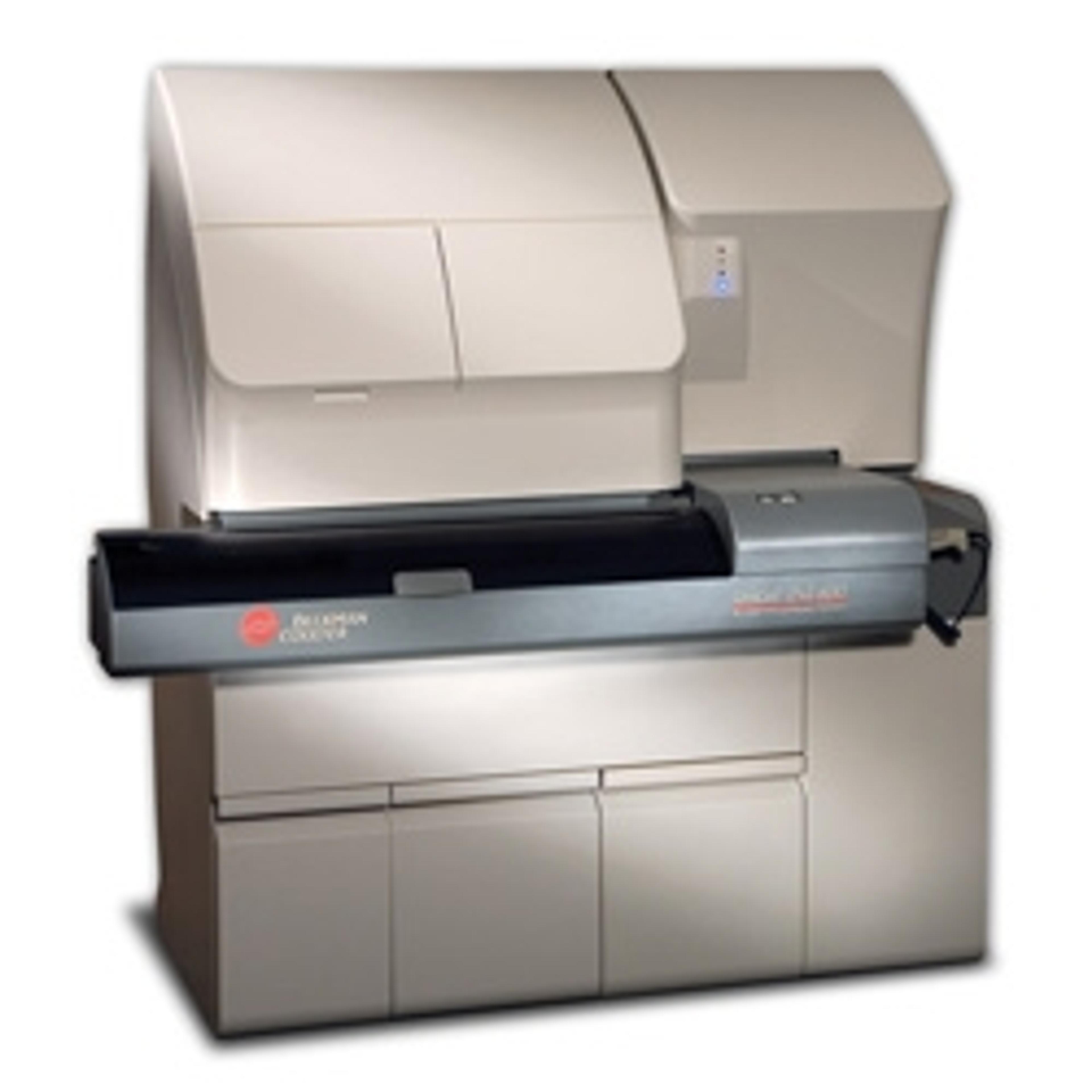
Beckman Coulter announces that it has expanded claims for its CE-marked Access Interleukin-6 (IL-6) assay.

The Access IL-6 assay is an in-vitro diagnostic test for the quantitative determination of IL-6 levels in human serum and plasma (heparin). The fully-automated assay helps physicians identify a severe inflammatory response in COVID-19 patients, often referred to as cytokine storm, and determine the risk of intubation with mechanical ventilation, in conjunction with clinical findings and the results of other laboratory testing.

At the beginning of the pandemic, information about the pathophysiology of SARS-CoV-2 led the Laboratory of Clinical Biochemistry (Laboratori Clínic Metropolitana Nord) together with the Emergency Department at Germans Trias i Pujol University Hospital in Badalona, Spain to search for biomarkers that could potentially predict severe responses to COVID-19, such as a cytokine storm.

Carme Garcia Martin, MD and Cristian Morales Indiano, MD of the Laboratory of Clinical Biochemistry (Laboratori Clínic Metropolitana Nord, at Campus Can Ruti in Badalona) said, “The results obtained showed that, when assessed alongside other laboratory results and a patient's medical history, IL-6 values higher than 35 pg/mL correlated with greater clinical severity and the need for invasive mechanical ventilation in patients with SARS-CoV-2. As a result of the studies carried out and the experience gained, we believe that a patient’s IL-6 level is a good indicator of COVID-19 severity, as the values reflect the exaggerated immune response in these types of patients.”

Several large studies have shown that IL-6, a multifunctional cytokine that promotes inflammation in certain clinical conditions, is a strong predictor of respiratory failure and death in COVID-19 patients. Identifying and treating hyperinflammation can help physicians plan resources and determine the best patient care pathway4.

“Our goal is to save lives and help avoid the need for intensive treatments, and we can do that by keeping patients off ventilators, which can ease the recovery for COVID-19 patients" said Shamiram R. Feinglass, MD, MPH, chief medical officer for Beckman Coulter. “This is a significant advance in the treatment of COVID-19. We expect it may obviate the need for and consequences of invasive mechanical ventilation for some patients, while also lowering costs for the health system and improving resource allocation, factors that have often not met the current high demand.”

Do you use Beckman Coulter's products in your lab? Write a review today for your chance to win a $400 Amazon Gift Card>>

Links

Tags

Assay AssemblyAssay Assembly is technique used in drug discovery to develop assays to test the cytotoxicity, genotoxicity, or other activities of a compound on a cell. Assay assembly requires chip assembly, a delivery system and a detection and analysis method. Beneficial features of assay kits or automated systems include high-throughput, high speed and sensitivity and low signal to noise ratio.ImmunologyImmunological techniques measure and characterize immune responses. Immunology kits and analysis systems often use techniques such as ELISA, radioimmunoassay (RIA) and immunodiffusion assays, Immunohistochemistry, and flow cytometry. Immunologists use equipment such as flow Cytometers, plate readers, plate washers and fluorescent microscopes.Cell-Based AssaysCell-based assays are used to monitor the presence, quantity and activities of a desired cellular analyte including drug molecules or biomarkers. This can reveal information on cell health (apoptosis, cytotoxicity, viability and proliferation assays), cell metabolism, cell migration and cell signaling mechanisms. Find the best cell-based assay products, kits and equipment with our peer reviewed product directory: compare products, check customer reviews and receiving pricing direct from manufacturers.ImmunoassayImmunoassays are laboratory tests that utilize antibody-antigen interactions to detect specific substances. They are widely used in diagnostics for detecting diseases, drug testing, and environmental monitoring. These assays offer rapid, sensitive, and precise detection of biomarkers, making them invaluable in clinical and research labs. Browse our peer-reviewed product directory to compare immunoassay systems, read user reviews, and get pricing directly from manufacturers.Respiratory InfectionsRespiratory infections are caused by pathogens such as bacteria, viruses, and fungi, leading to diseases like pneumonia, tuberculosis, and COVID-19. It is important to identify respiratory infections quickly in patients to ensure appropriate treatment and care, and to prevent sepsis. Browse our peer-reviewed product directory to find the best tools for respiratory infection detection, compare products, check reviews, and get pricing directly from manufacturers.Infectious DiseaseInfectious disease diagnostics refers to the isolation and identification of causative agents, such as viruses, bacteria or fungi. Diagnostic tests include bacterial culture, microscopy, chemistry assays, molecular diagnostics and MALDI-TOF. Tests can be carried out in the laboratory or at the point-of-care.Covid-19COVID-19, caused by the SARS-CoV-2 virus, has led to a global health crisis with profound impacts on societies and economies. Research into diagnostics, vaccines, treatments, and understanding viral mechanisms continues to evolve. The pandemic has accelerated innovations in healthcare and biopharmaceuticals, including novel vaccine platforms and rapid testing technologies. Browse our peer-reviewed product directory to find top COVID-19 testing kits, research tools, vaccines, and treatments, compare products, read reviews, and receive direct pricing from manufacturers.Biomarker DiscoveryClinical biomarkers refer to substances related to known medical conditions that can be accurately measured <i>in vitro</i>. Biomarkers can be used to diagnose presence of a disease and indicate disease severity. The discovery of new biomarkers is incredibly valuable in the field of diagnostics.