
Insight into Heavy Periods Could Pave Way Towards New Treatment
7 Feb 2018
Scientists have uncovered a cause of heavy menstrual bleeding that offers hope for women living with the condition. They identified a key protein that could explain heavy bleeding and pave the way for new treatments that avoid the need to take hormones.
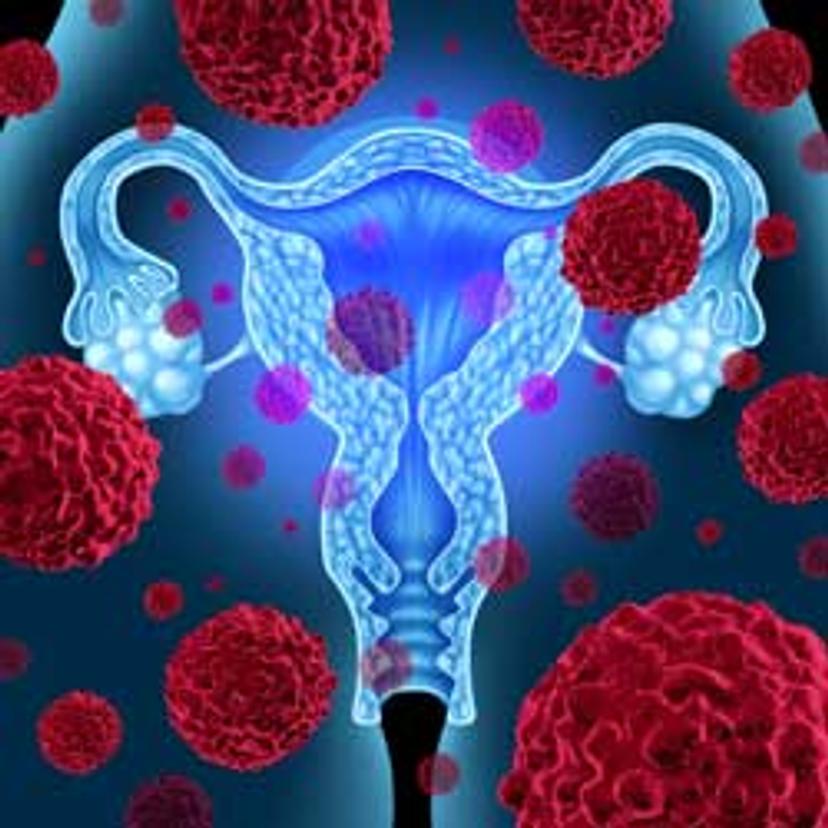
Heavy bleeding affects one in three women and can lead to severe anaemia – where there are not enough red blood cells to carry oxygen around the body. Current therapies are hormone based and often prevent pregnancy. Hormonal treatments can result in side effects and in many cases, women experiencing heavy periods may have to go undergo hysterectomy.
Researchers at the University of Edinburgh studied the womb lining, known as the endometrium. This is shed during menstruation, leaving behind a wound-like surface that must heal to limit blood loss.They discovered that lowered levels of oxygen – known as hypoxia – stimulates production of a protein called HIF-1, which drives repair of the womb lining.
Women with heavy periods had reduced levels of HIF-1 compared with women with normal blood loss, the findings showed. Tests on mice using a drug to boost levels of HIF-1 led to improved tissue repair and reduced blood loss. The results offer hope for therapies, scientists say.
The study, published in Nature Communications, was primarily funded by Wellcome with support from the Medical Research Council, the Academy of Medical Sciences and Wellbeing of Women.
Dr Jackie Maybin, Clinical Lecturer in Obstetrics and Gynaecology at the University of Edinburgh’s Medical Research Council Centre for Reproductive Health, who led the study, said: “Our findings reveal for the first time that HIF-1 and reduced levels of oxygen in the womb are required during a period to optimise repair of the womb lining. Excitingly, increasing levels of the HIF-1 protein in mice shows real promise as a novel, non-hormonal medical treatment.”
A spokesperson for Wellbeing of Women, said: “Heavy bleeding is a debilitating and common condition that affects thousands of women and girls but too often gets dismissed.
“Wellbeing of Women is delighted to have supported this work, which has led to the breakthrough discovery of causes of the condition so treatments might now be developed. These findings give hope to women who have suffered in silence with the condition for too long.”
For the latest news in science and medicine, become a SelectScience member today>>