
Generate robust and reliable immunohistochemistry data with PROGEN antibodies

24 Mar 2021

Edward Carter
Publishing / Media

Product news

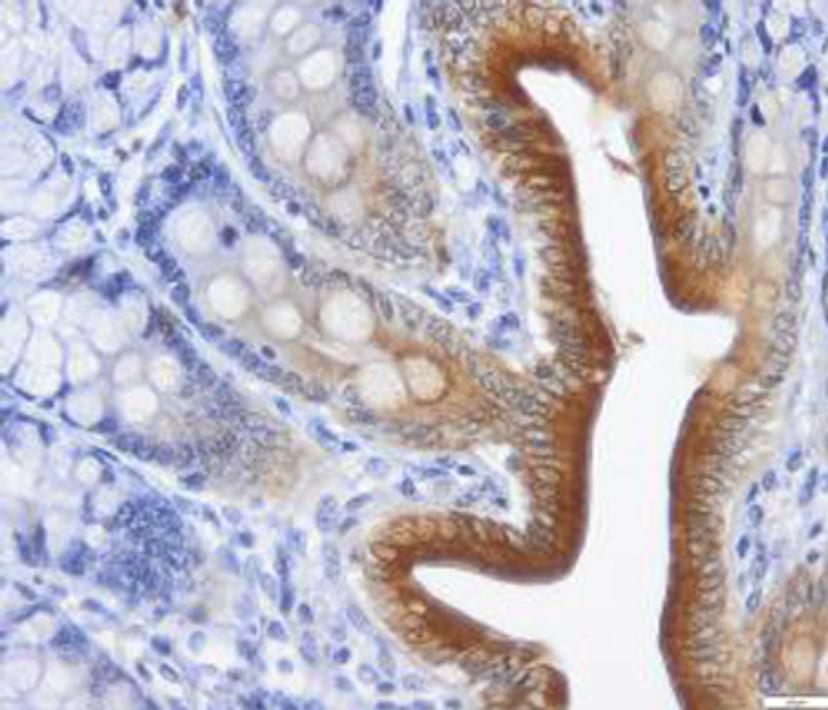
Select from more than 400 PROGEN immunohistochemistry (IHC) antibodies, including many validated and established tissue- and tumor-specific markers for use in basic research and clinical diagnostics of a variety of cancers.

Coming from leading research groups, PROGEN´s portfolio includes markers for more than 40 pathologies in 25 organs and tissues. The antibodies are established IHC tools that have been highly published, externally validated, and tested for optimal performance in their respective application.

The monoclonal and polyclonal antibodies are commonly used for diagnostics, prognostics, and the analysis of predictive biomarkers. Some of which represent established and most commonly used antibody clones in the pathology community. The monoclonal antibodies derived from the clones keratin 20 (IT-Ks20.8), vimentin (Vim3B4), EP-CAM (HEA125), or p53 (Bp53.11) are champions in the detection of their respective proteins in a variety of applications.

To enable an optimized IHC-workflow from start to finish, PROGEN offers a selection of antibodies in sample sizes for testing as well as easy-to-use prohisto-staining kits for a more powerful detection & visualization.

Key features:

  • More than 400 monoclonal & polyclonal antibodies for IHC
  • Markers for 40 pathologies in 25 organs/tissues
  • Established and trusted IHC-tools in basic research & tumor diagnostics/prognostics
  • Validated & highly published
  • Easy establishment of IHC assays by combining PROGEN antibodies & prohisto staining kits
  • Available in sample sizes

Relevant applications:

  • Basic research of organs/tissues
  • Cancer research
  • Clinical diagnostics & prognostics, esp. tumors
  • Pathology, esp. tumors


Find out more about Progen’s antibodies here:

Links

Tags

AntibodiesAntibodies are used in techniques such as confocal and fluorescence microscopy, flow cytometry, ELISA, ELISPOT, immunohistochemistry, western blotting and immunopreciptation. Select specific antigen reactivity, high specific affinity, low non-specific binding, monoclonal or polyclonal, primary or secondary antibodies and associated conjugates such as an enzyme or dye for visualization.ImmunologyImmunological techniques measure and characterize immune responses. Immunology kits and analysis systems often use techniques such as ELISA, radioimmunoassay (RIA) and immunodiffusion assays, Immunohistochemistry, and flow cytometry. Immunologists use equipment such as flow Cytometers, plate readers, plate washers and fluorescent microscopes.Monoclonal AntibodiesMonoclonal antibodies (mAbs) are lab-made molecules that can bind to specific antigens on cells, making them highly effective in treating cancers, autoimmune diseases, and infections. These targeted therapies are transforming the treatment landscape for many conditions. Browse our peer-reviewed product directory to find monoclonal antibodies for research and clinical applications; compare products, check reviews, and get pricing directly from manufacturers.ImmunohistochemistryImmunohistochemistry (IHC) is a technique used to detect specific proteins in tissue samples by using antibodies that bind to target antigens. IHC is widely applied in pathology, immunology, hematology and cancer diagnostics. Explore IHC tools in our peer-reviewed product directory; compare products, check reviews, and get pricing directly from manufacturers.TumorsTumor research focuses on understanding abnormal cell growth that leads to cancer. Identifying biomarkers, studying tumor microenvironments, and developing targeted therapies are critical for advancing cancer treatment. Early detection and personalized treatment options are key to improving outcomes for patients. Browse our peer-reviewed product directory to explore tools for tumor research, diagnostics, and cancer therapies; compare products, read customer reviews, and get pricing directly from manufacturers.
Generate robust and reliable immunohistochemistry data with PROGEN antibodies