
Efficient IgE testing solutions to address the global allergic epidemic
EUROIMMUN and IDS advance automated ChLIA-based IgE testing for clinical diagnostics
22 Jun 2026Industry news
EUROIMMUN and Immunodiagnostic Systems (IDS) are supporting more efficient allergy diagnostics with fully automated ChLIA systems for the quantitative measurement of specific IgE in patient serum samples. Covering major allergen groups including food, inhalation, venom, and occupational allergens, the portfolio combines broad assay availability with random-access automation to deliver rapid turnaround times, standardized workflows, and minimal hands-on time for routine clinical laboratories.
Growing global burden
Approximately 40% of the global population is sensitized to foreign proteins, with particularly high rates among school-aged children. Sensitization is strongly associated with allergic diseases such as asthma, rhinitis, atopic eczema, anaphylaxis, urticaria and angioedema. Allergy triggers encompass a wide range of substances that can enter the body via ingestion, inhalation, skin contact or injection.
Allergy prevalences
Food: Globally, 240 to 550 million people may suffer from food allergy, with many exhibiting multiple allergies.¹ ² Eight types of food account for approximately 90% of all food-related allergic reactions: eggs, milk and dairy, peanuts, tree nuts, fish, shellfish, wheat and soy. Sesame constitutes the ninth most common food allergen.³
Airborne allergens: Allergic rhinitis affects between 10% and 30% of the population and is a recognized risk factor for the development of asthma.¹ Common airborne allergy triggers include pollens, house dust mites, animal dander and mold spores.
Insect venoms: The incidence of specific IgE to Hymenoptera venom is high in the general population, although only a small proportion of sensitized individuals develop systemic reactions. Nevertheless, up to 50% of individuals who experience a fatal reaction have no documented history of a previous systemic reaction.¹
Occupational materials: Allergic contact dermatitis is one of the most common occupational diseases, while occupational asthma accounts for about 15% of adult asthma cases.¹ Natural rubber latex is a frequent trigger, particularly among healthcare workers and employees in the rubber industry.
IgE testing: from extracts to components

Automated sample tube workflow for specific IgE testing in allergy diagnostics
In vitro testing for IgE is an important tool for confirming clinical suspicion of allergy and guiding patient management. Measurement of total IgE can provide an initial indication of allergic disease, as serum levels are often elevated in affected patients.
Detection of allergen-specific IgE aids identification of the allergy triggers. Tests containing mixtures of whole allergen extracts can serve as efficient first-line screening tools to assess sensitisation to broad categories of substances. Single extract-based assays can determine if a patient has IgE antibodies against a particular allergen source, indicating the potential for allergic reactions.
Analysis of IgE against individual molecular components enables identification of the precise allergy-triggering proteins. This approach, known as component-resolved diagnostics, helps differentiate primary sensitisations from cross reactivity and supports clinical decisions regarding allergen-specific immunotherapy and the need to equip patients with emergency medication.
Efficient IgE determination with ChLIA
The rising prevalence of allergic diseases coupled with the frequent occurrence of polysensitization underscores the need for reliable, high-throughput diagnostic tools. Automated chemiluminescence immunoassays (ChLIA) based on magnetic-bead technology meet these demands by enabling fast, sensitive and precise quantification of specific IgE antibodies in patient serum. Their high analytical sensitivity supports the detection of low-level sensitization, while a broad dynamic range ensures accurate measurement across a wide range of IgE concentrations.
Broad ChLIA portfolio
Euroimmun and IDS offer a broad range of ChLIAs for quantitative determination of specific IgE across major allergen groups, including food allergens, inhalation allergens, insect venoms and occupational allergens.
The food allergy range covers egg, milk, cod, fish and shellfish, fruits, legumes, nuts, and seeds. The inhalation range covers mites, animal dander, molds, and pollens from grasses, trees, and weeds. Additional core parameters include wasp venom, honeybee venom and latex. An assay for measurement of total IgE is also available.
The assays demonstrate high agreement with established commercial IgE testing methods. The portfolio is continually expanding, with many new assays in development for different areas of allergy diagnostics.
Flexible automation platforms
The ChLIAs are fully automated on random-access IDS analyzers, ensuring rapid turnaround times, standardized processing and efficient workflows in routine laboratory diagnostics. First results are available within 40 minutes, with 80 results delivered per hour.
IDS systems offer true walkaway automation with minimal hands-on time. The analysers support batch, continuous and STAT loading, while integrated reagent cooling enables uninterrupted operation. Allergen vials with capacities of 20 or 50 tests reduce the frequency of consumable reloading and support extended autonomous operation. Automatic startup and shutdown functions further reduce manual intervention and contribute to efficient resource utilisation. In addition, barcode-based identification of samples, reagents and consumables ensures complete traceability throughout the analytical process.
The allergy ChLIAs can be run alongside assays from other diagnostic areas, allowing laboratories to make flexible and efficient use of their instrument’s full capacity.
References
1. World Allergy Organization. White Book on Allergy: Update 2013.
2. American Academy of Allergy, Asthma & Immunology. Allergy statistics. www.aaaai.org/about/news/for-media/allergy-statistics (accessed May 2026)
3. American College of Allergy, Asthma & Immunology. Allergic Conditions. acaai.org/allergies/allergic-conditions (accessed May 2026)
Want the latest science news straight to your inbox? Become a SelectScience member for free today>>
Related products
Request Quote for All Products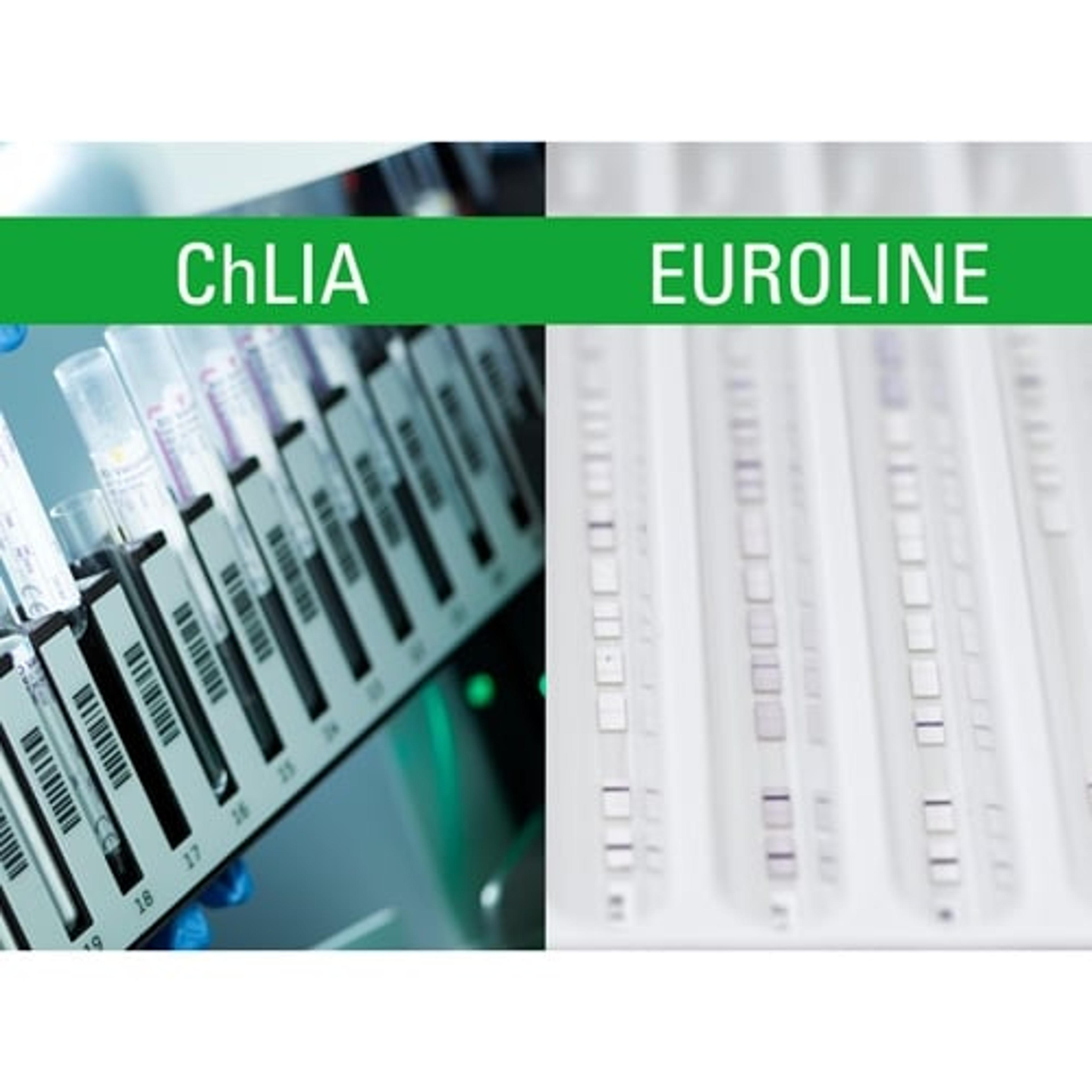
Allergy Diagnostic Tests
EuroimmunEuroimmun offers a comprehensive range of assays for in vitro analysis of specific IgE (sIgE). EUROLINE profiles provide multiplex detection of sIgE against up to 54 allergens targeted to specific indications or regions. Chemiluminescence immunoassays (ChLIA) on the benchtop IDS-iSYS system provide quantitative detection of sIgE against individual parameters, which are selected according to the patient’s requirements.
IDS i20
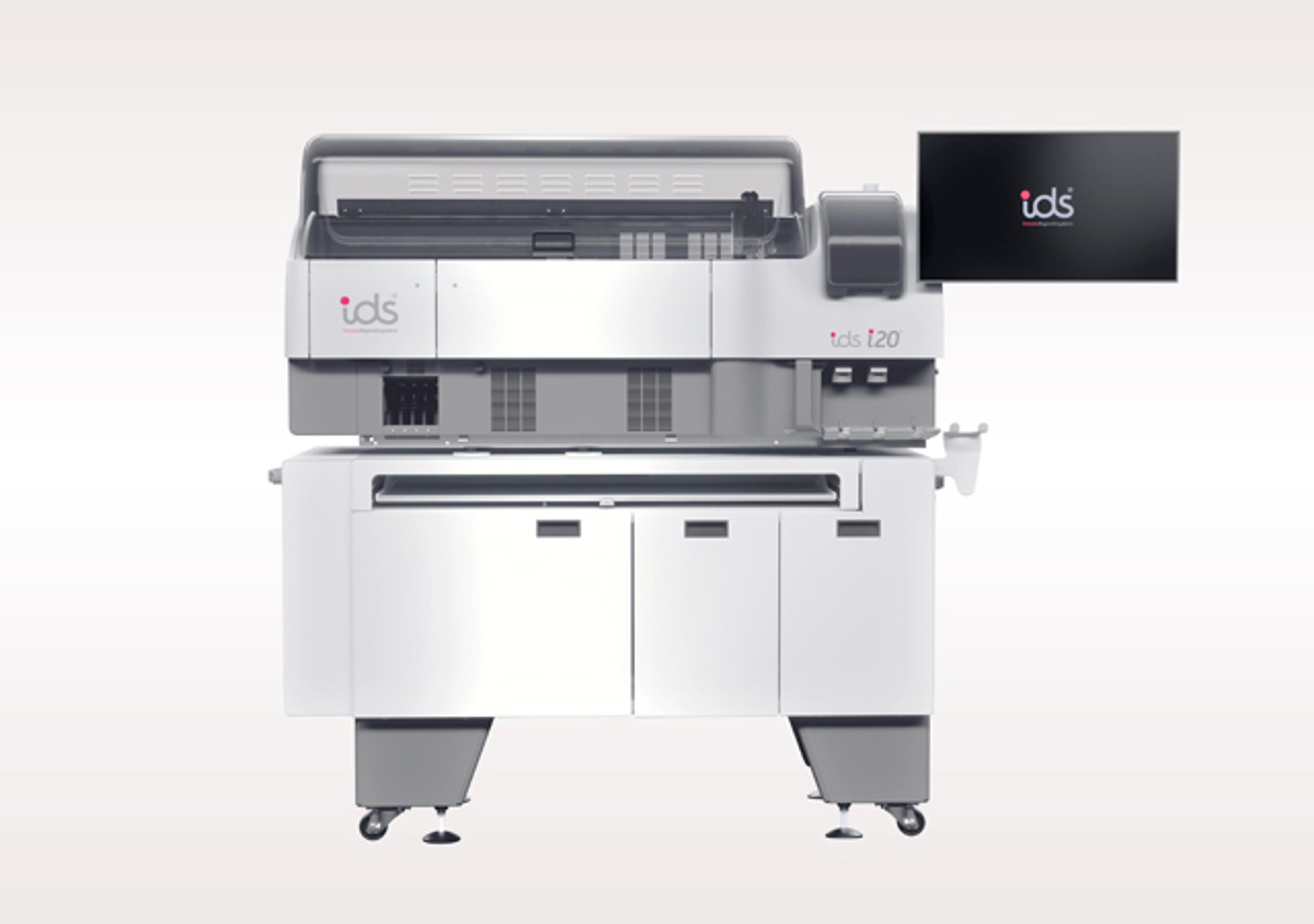
EuroimmunThe IDS i20 from Euroimmun is a fully automated random-access analyser for high-throughput processing of chemiluminescence immunoassays (ChLIA). The highly versatile instrument allows users to simultaneously run 20 analytes from six diagnostic specialties on a single device. These specialties include endocrinology, allergy, autoimmune and infectious diseases, Alzheimer’s disease and therapeutic drug monitoring.
Frequently asked questions
How do EUROIMMUN and Immunodiagnostic Systems (IDS) improve efficiency in specific IgE allergy diagnostics?
EUROIMMUN and IDS provide fully automated chemiluminescence immunoassays (ChLIA) on random-access IDS analyzers for quantitative specific IgE measurement in serum. Their portfolio covers major allergen groups (food, inhalation, venom, occupational), offering rapid turnaround (first results in 40 minutes, 80 results/hour), standardized workflows, minimal hands-on time, and high agreement with established IgE testing methods.
What allergen groups and specific allergens are included in the EUROIMMUN and IDS ChLIA portfolio?
The ChLIA portfolio includes food, inhalation, insect venom, and occupational allergens. Food assays cover egg, milk, cod, fish and shellfish, fruits, legumes, nuts, and seeds. Inhalation assays include mites, animal dander, molds, and pollens from grasses, trees, and weeds. Core parameters include wasp venom, honeybee venom, latex, and an assay for total IgE.
How do component-resolved diagnostics and ChLIA-based IgE testing support clinical allergy management?
Component-resolved diagnostics measure IgE against individual molecular components to identify precise allergy-triggering proteins, distinguish primary sensitization from cross-reactivity, and guide allergen-specific immunotherapy and emergency medication decisions. Automated ChLIA systems provide fast, sensitive, and precise quantification of specific IgE across a broad dynamic range, supporting detection of low-level sensitization and efficient management of polysensitized patients.