Discover the Latest in Clinical Diagnostics

New Products, Articles and Application Notes

4 Aug 2015

Lois Manton-O'Byrne, PhD
Executive Editor

Editorial article

New Products, Articles and Application Notes

Discover the latest on clinical diagnostics products, articles and application notes.

1. TOP LIST: The Latest Hematology Product News, Exclusive Articles, Interviews and Product Reviews

Catch up on the latest hematology product news, exclusive articles, interviews and product reviews. This round-up includes the latest articles from Binding Site's 7th International Symposium 2015, our Hematology Analyzers Buying Guide and our most recent coagulometer product review. Read more.

2. PRODUCT: QIAGEN Launches Clinical Bioinformatics Platform for Next-Generation Sequencing

QIAGEN has launched its QIAGEN Clinical Insight® (QCI™) bioinformatics content and software platform for clinical testing labs, to interpret and report on genomic variants identified in next-generation sequencing (NGS). The first two supported applications for the bioinformatics platform are in oncology, for somatic and hereditary cancer testing. Read more.

3. ARTICLE: A Polyclonal v Monoclonal Approach to FLC Measurement: Session Overview

There were many interesting talks at the recent Clinical Applications of Free Light Chain and Heavy/Light Chain Analysis International Symposium, held in Edinburgh, UK. Dr Robert Lock, Consultant Clinical Scientist, Immunology & Immunogenetics, North Bristol NHS Trust, UK, addressed the delegation on a Polyclonal v Monoclonal Approach to Free Light Chain (FLC) Measurement. His presentation detailed comparisons between the different monoclonal and polyclonal assays available on the market. Read more.

4. WEBINAR: Pushing the Limits of Biomedical and Biological FTIR Imaging

Dr Mustafa Kansiz, FTIR Microscopy & Imaging Product Manager at Agilent Technologies, reviewed the latest research into fourier transform infrared spectroscopy (FTIR) and compares new advances to traditional and emerging optical and spectroscopic analytical techniques, including the main advantage of this technology – rapid, label-free chemical imaging. Watch webinar on-demand.

5. VIDEO: Glycated Serum Protein from EKF Diagnostics

Watch this video to learn more about the Glycated Serum Protein (GSP) LiquiColor® test, which serves as a 2-3 week indicator of average blood glucose closing the information gap between daily blood glucose testing and the 2-3 month HbA1c reading. GSP serves as an accurate intermediate marker of glycemia in instances where HbA1c may be of limited value such as pregnancy, reduced RBC lifespan and hemodialysis. Watch video.

6. APPLICATION NOTE: Validation of Automated Liquid-Liquid Extraction of 25-Hydroxy Vitamin D from Whole Blood or Spiked BioCell Material Samples Using VERSA Workstation

Measurement of circulating levels of 25-hydroxy vitamin D is important in the diagnosis of intestinal mal-absorption and vitamin D deficiency or intoxication in humans. This has led to exponential growth in clinical diagnosis tests for 25-hydroxyvitamin D in blood serum. However, manual sampling is a cumbersome process. This application note presents the VERSA Workstation for automated liquid-liquid extraction of 25-hydroxyvitamin D from blood samples. Download note.

7. VIDEO: Metabolomic Analysis of Skin Lesions for Melanoma by Mass Spectrometry

In this video, Michael Costanzo, from the University of Florida, summarizes a presentation about research into metabolomic analysis of skin lesions for melanoma by mass spectrometry. Along with his co-authors, the team shared their research involving the discovery of biological markers at the earliest possible stage of cancer progression. Watch video.

8. APPLICATION NOTE: Circulating Rare Cells Enable Highly Efficient Cancer Detection - Medical University of Vienna

This poster, presented at the American Association of Cancer Research 2015 by researchers from the Medical University of Vienna, details a protocol combining the novel microfluidic Parsortix technology with qPCR, to enable the molecular analysis of circulating tumor cells (CTCs) implicated in ovarian and breast cancer. The Parsortix™ system was utilized for capturing and analyzing mRNA of circulating tumor cells. The new technique will allow the implementation of ‘liquid biopsies’ in cancer detection studies and as a companion diagnostic in clinical trials. Download note.

9. POSTER: Emerging Point-of-Care Technologies Enabled by Aptamers

Aptamers are a special class of nucleic acid molecules that can form secondary and tertiary structures capable of specifically binding proteins or other cellular targets. While aptamers were first described almost 25 years ago, they are only now becoming more prevalent in research-use-only assays and, soon, clinical diagnostics. This poster describes several platforms employing newly discovered aptamers and explains how these technologies could be enabled by aptamers to bring them to the point-of-care. Download poster.

Discover the latest news from AACC 2015 here

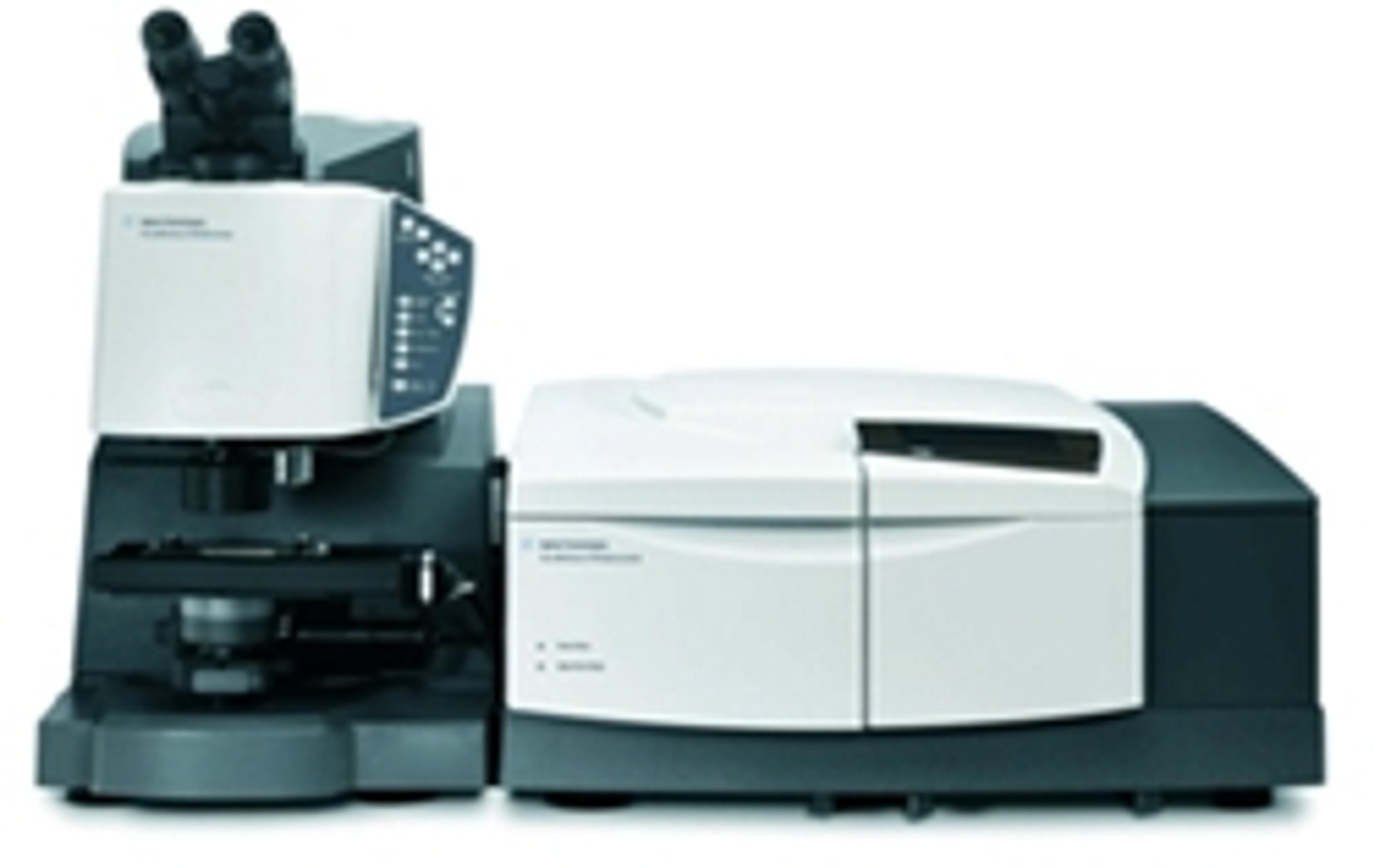
Cary 620 FTIR Microscope

Agilent Technologies

Agilent has discontinued the line of Cary 600 series infrared microscopy (Cary 610-FTIR) and chemical imaging systems (Cary 620-FTIR). This includes the Cary 610 and Cary 620 Microscopes and Cary 660 and Cary 670 spectrometers and relevant accessories.

(2)

Links

Tags

Blood TransfusionBlood Transfusion involves giving donor blood to a recipient patient. Screening is essential to avoid transfusion reactions. Blood banks use immunohematological techniques to determine rh and ABO blood group, and screen for antibodies using specific antisera. Blood Banks use Direct Coombs Tests (DCT) and Indirect Coombs Tests (IAT) to detect hemolysis and Haemolytic Disease of the Newborn (HDN).HematologyIn Haematology / Hematology, complete blood cell counts (or full blood counts) are obtained using automated blood count analyzers to enumerate blood cell types.  Hematology also encompasses haemostasis and coagulation, thrombophilia and hemophilia, plasma viscosity and ESR analysis, hemoglobinopathies, cell morphology and haematinic measurement.ImmunologyImmunological techniques measure and characterize immune responses. Immunology kits and analysis systems often use techniques such as ELISA, radioimmunoassay (RIA) and immunodiffusion assays, Immunohistochemistry, and flow cytometry. Immunologists use equipment such as flow Cytometers, plate readers, plate washers and fluorescent microscopes.Cellular PathologyCellular Pathology deals with the microscopic analysis of tissue samples and cells. Sample preparation and processing includes fixation, staining, sectioning and slide mounting, using equipment such microtomes and cryostats. In choosing immunohistochemistry and immunocytochemistry kits, consider chromogens, staining method, antibodies, microscopes and imaging.Point-of-CarePoint-of-Care Testing (POCT) or Near Patient Testing (NPT) products are available for urine, blood and other clinical chemistry analyses. POCT includes: blood glucose testing, blood gas and electrolytes analysis, rapid coagulation testing (PT / INR), rapid cardiac markers diagnostics, drugs of abuse screening, urine strips testing, pregnancy testing, fecal occult blood analysis, food pathogens screening, hemoglobin diagnostics, infectious disease testing and cholesterol screening.Clinical TrialsClinical Trials, an essential part of drug discovery process, assess the safety and effectiveness of a new medication or device in the pharmaceutical industry. Clinical Trials are a phased process (Phase 0, Phase I, Phase II, Phase III and Phase IV) which begins after initial preclinical testing.Clinical ChemistryBiochemistry (or clinical chemistry) involves the analysis of bodily fluids using chemical tests. Techniques used include HPLC, chromatography, spectroscopy, mass spectrometry, immunochemical, electrophoresis, turbidometric / spectrophotometric assay, MRI and ISE analysis. Tests are often carried out on plasma or serum but urine (urinalysis) and fecal specimens are also processed.Clinical GeneticsMolecular Genetics covers the analysis of hereditary genetic disease and chromosomal abnormalities. Genetics can be analysed using DNA, RNA, and protein microarrays, PCR, RT PCR and DNA sequencing. Genetic equipment includes genetic workstations, thermal cyclers, cooling blocks and electrophoresis products. Diagnostic kits are used for DNA / RNA extraction and purification.Clinical MicrobiologyMicrobiology is the study of microorganisms including protists, prokaryotes, fungi, and, often, viruses. Microorganisms are a useful research tool as genetic vectors and, in immunology, for antibiotic susceptibility testing, cellular biology and genetics. Microorganisms commonly grow readily in incubators with microbial culture media; this can contain chromogenic supplements to differentiate between cell lines. Estimate your culture’s density of microorganisms with colony counters, or screen and select colonies for desirable clones with automated colony pickers. Additionally, equipment is available to monitor environments for the presence of microbes and identify with microbial identification instruments. Find the best microbiology products in our peer-reviewed product directory: compare products, check customer reviews and receive pricing direct from manufacturers.Embryology / IVFEmbryology refers to the development of an embryo resulting from the fertilization of the ovum, to fetus stage. In vitro fertilization (IVF) refers to the fertilization of the egg outside of the human body, and is an important treatment for infertility.Hematology Point of CarePoint of Care SolutionsPoint of care solutions provide medical diagnostics and treatments at or near the site of patient care. These technologies offer rapid results, helping healthcare providers make quick decisions. From glucose monitors to molecular diagnostics, point of care solutions are transforming healthcare delivery by reducing wait times and improving patient outcomes. Explore the best point of care products in our peer-reviewed product directory, compare options, check reviews, and get pricing directly from manufacturers.Hematology SolutionsHematology solutions involve diagnostic tests and equipment used to analyze blood samples and diagnose blood disorders such as anemia, leukemia, and hemophilia. These tools include automated full blood count analyzers, reagents, and digital morphology systems. Explore hematology solutions in our peer-reviewed product directory; compare products, check reviews, and get pricing directly from manufacturers.AutomationAutomation in laboratories and manufacturing processes enhances efficiency, precision, and scalability by reducing the need for manual intervention. It plays a critical role in improving productivity, minimizing human error, and accelerating workflows in fields like diagnostics, drug development, and industrial testing. Automation technologies include robotic systems, automated liquid handlers, and process control systems that streamline complex tasks and ensure consistent, reproducible results. Explore our peer-reviewed product directory to discover the best automation solutions, compare options, read user reviews, and get prices directly from manufacturers.MetabolomicsMetabolomics is the study of small metabolites (the intermediates and products of metabolism). It involves the identification and quantification of cellular metabolites using analytical technologies such as GC, HPLC, NMR, and LC/MS.
Discover the Latest in Clinical Diagnostics