
An Update on Alzheimer’s Disease Research
Discover SelectScience® video interviews and articles about the latest Alzheimer’s disease research methods
30 Mar 2016
Leading scientists discuss the latest research into the understanding, diagnosis and treatment of Alzheimer’s disease. Learn about the range of methods used including biomarker assays and imaging techniques.
1. Prof George Perry: Perspectives on Alzheimer’s Disease Research
Professor George Perry, a worldwide recognized Alzheimer’s disease research expert, spoke to SelectScience® about his research into the role of oxidative stress in Alzheimer’s disease, and how he has used Atomic Resolution Microscopy to investigate the function of copper and iron in the trademark plaques of this disease. In the second part he explains his concerns about the future of Alzheimer’s disease research. Read more>>
2. Advanced Technologies to Investigate Toxic Proteins in Neurodegenerative Disease
Dr Margaret Sutherland, program director at the National Institute of Neurological Disorders and Stroke (NINDS), describes how advances in structural, biochemical and imaging techniques are revealing the role of toxic proteins in neurodegenerative diseases such as Alzheimer’s disease. Developments in microscopy are allowing researchers to use techniques like cryo electron microscopy and NMR to better understand the structure of the proteins involved in these diseases.Watch the video>>
3. The Importance of Early Diagnosis in Alzheimer’s Disease
SelectScience® interviewed Dr James Hendrix, Director of Global Science Initiatives, at the Alzheimer’s Association about the current research into diagnosing Alzheimer’s disease, including neuroimaging and detection of biomarkers. Read more>>
4. Biomarker Profiling in Alzheimer’s Disease Research
Learn how reproducible, sensitive multiplexed assay systems, such as Luminex xMAP Technology, are ideal solutions for biomarker profiling in Alzheimer’s disease research. Download the application note>>
5. New Target for Alzheimer’s Disease Treatment Identified from Genetics Studies
Discover how an Alzheimer’s disease risk gene, characterized using molecular genetics techniques using the TaqMan® system combined with Bio-Rad’s Chromo4 detector, led to a potential, novel therapeutic strategy in this video with Professor Steve Estus of the Sanders-Brown Center. Watch the video>>
6. Using In-Cell Western Assays to Study Alzheimer's Disease
In this video learn how the In-Cell Western Assay Kits from LI-COR have been used with the Odyssey® Imaging System to study Alzheimer's disease. Watch the video>>
Do you use any product in this article? Is there a product you couldn't do without? Share your experiences and write a product review today for your chance to win an iPad Air® or Amazon voucher worth $400.
See more interviews and discover more exciting new technologies and methods on our Alzheimer’s Disease Research Special Feature page.
Image: Alzheimers-TextGraphic-'Feng Yu'/Shutterstock
Related products
Request Quote for All Products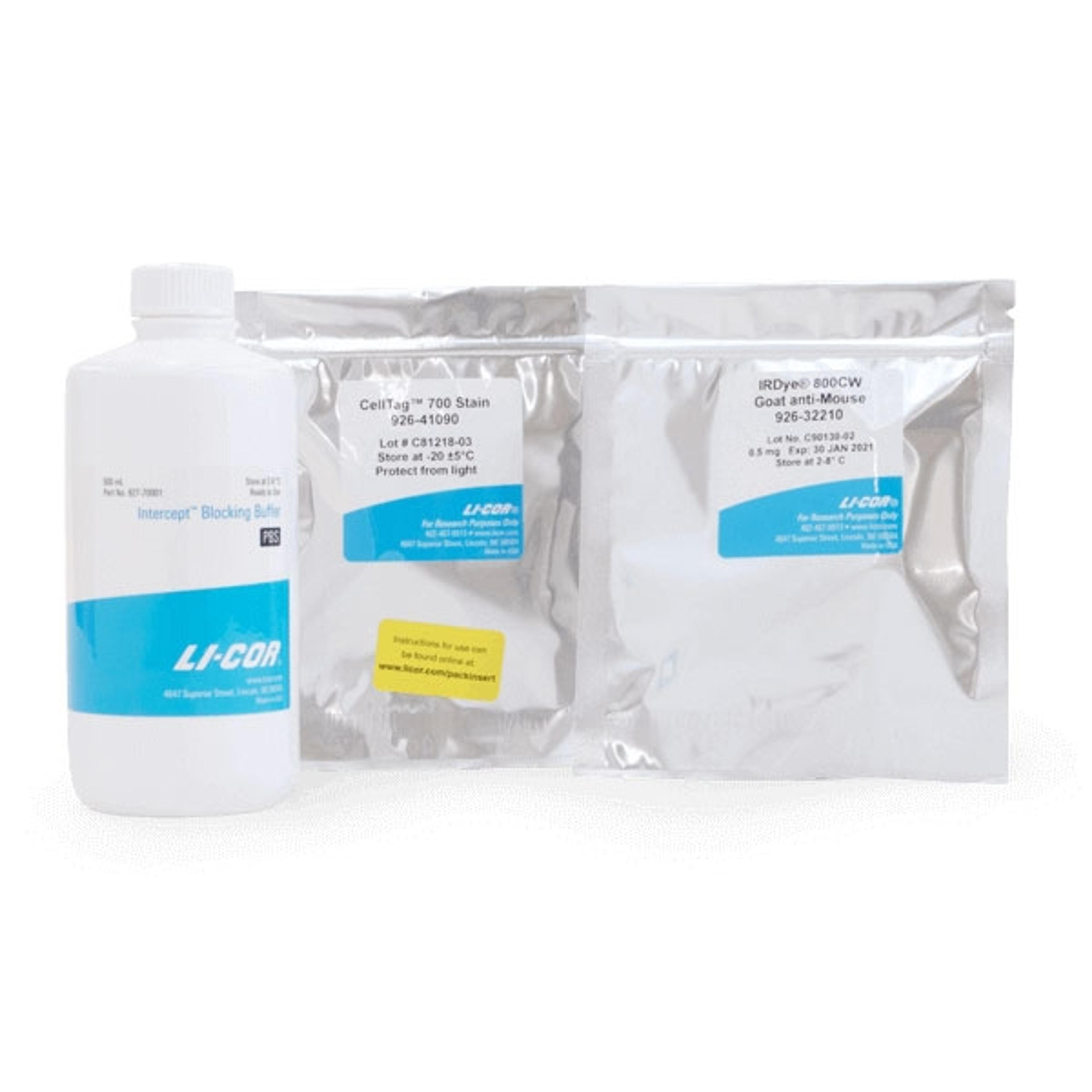
CellTag™ 700 Stain In-Cell Western™ Kits
LICORbioThe CellTag™ 700 Stain ICW (In-Cell Western™) Kits provide detection reagents for cell-based In-Cell Western Assays.
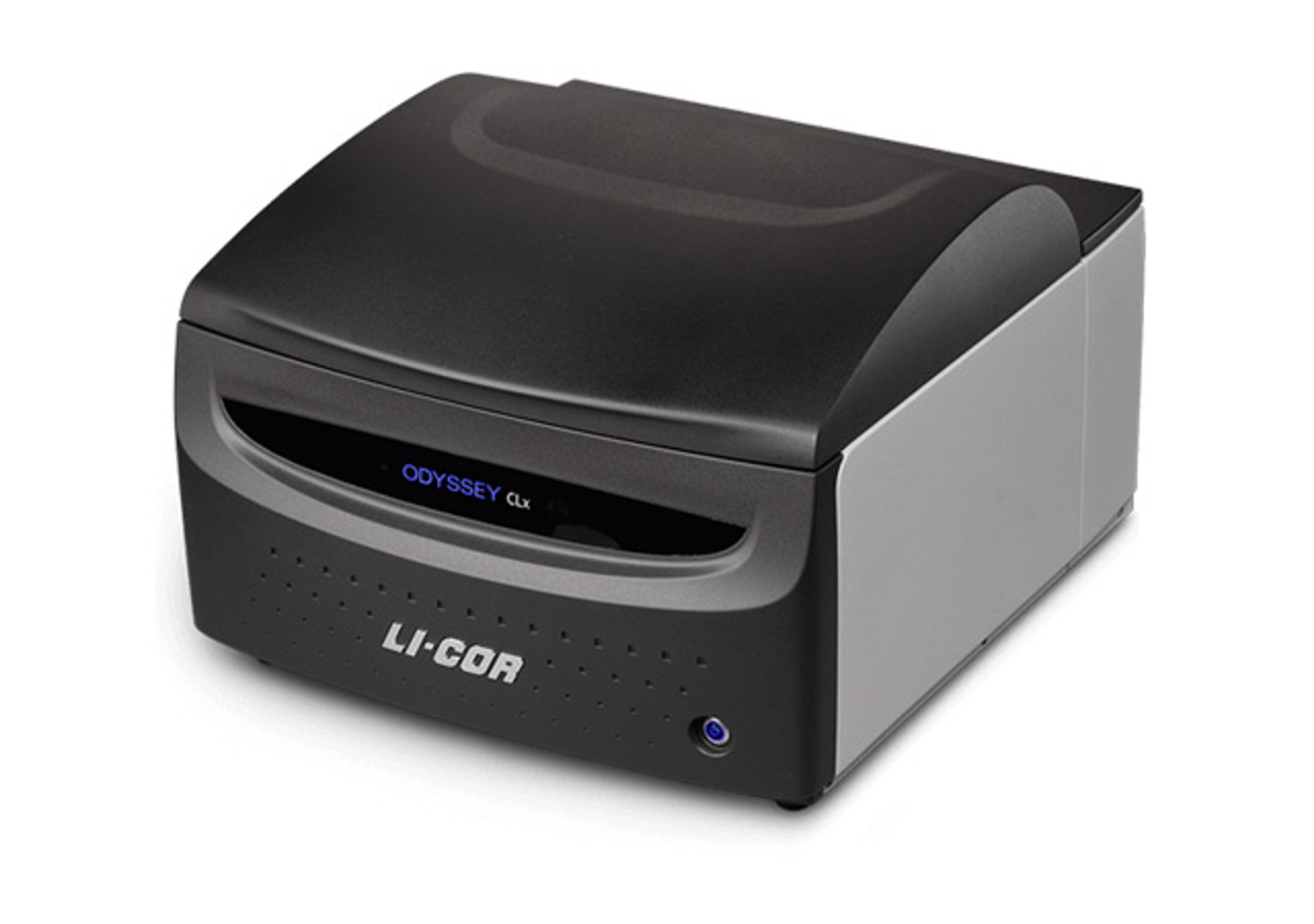
Odyssey CLx Infrared Imaging System
LICORbioThe Odyssey® CLx Infrared Imaging System gives you accurate, reproducible quantitative Western blotting results with near-infrared fluorescence.
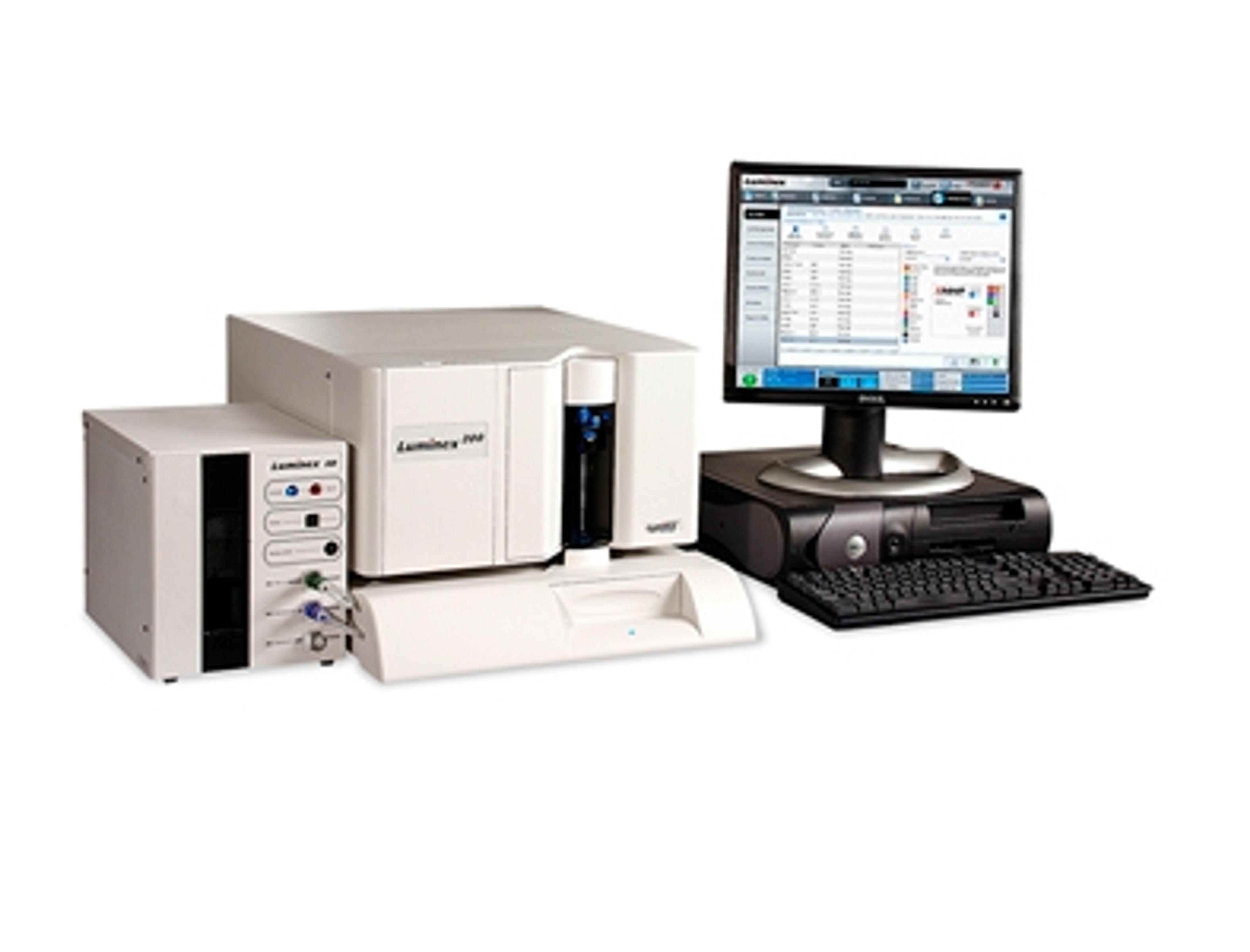
Luminex® 200™Multiplexing Instrument
LuminexThe Luminex® 200™ detects up to 100 protein or nucleic acid analytes from a single aliquot of sample in a single reaction well, enabling you to generate more data while saving sample, time, and reagents. With more than 11,000 units sold globally to date, the Luminex 100/200 is the established standard in multiplexing instrumentation. The xMAP® multiplexing platform is composed of an instrument and associated reagents: The Luminex 200 instrument is based on the principles of flow cytometry, which integrates key xMAP detection components such as lasers, optics, fluidics, and high-speed digital signal processors. xMAP microspheres are a family of fluorescently dyed carboxylated polystyrene microspheres that act as both the surface for the solution phase assay and the spectral identifier that the instrument detects. The open architecture of xMAP Technology enables users to build custom multiplex assays or select from a broad menu commercially available kits. Instrument Details: Multiplex Capacity: Up to 100 non-magnetic; 80 magnetic Microtiter Plate: 96 well Throughput: ~40 min/96-well plate (up to 12,800 tests per hour) Dynamic Range: 3.5 logs Sensitivity: Detects a minimum of 1,000 fluorochromes of phycoerythrin (PE) per xMAP microsphere Optics: Lasers/APDs/PMTs Hardware: Flow Cytometry based Software: xPONENT® Software supports protocol-based data acquisition with robust data regression analysis Dimensions: All components combined (Analyzer, XY Platform and Sheath Delivery System) 26.5" W x 23.5" D x 12.5" H (67.3 cm W x 59.7 cm D x 31.8 cm H) Weight: All components combined (Analyzer, XY Platform and Sheath Delivery System) 113 lbs (49 kg) xMAP Reagent Compatibility: Magnetic and nonmagnetic microspheres