ResourceGeneral Lab
Purair Ductless Technology and USP 800 Compliance Creating a better C-PEC
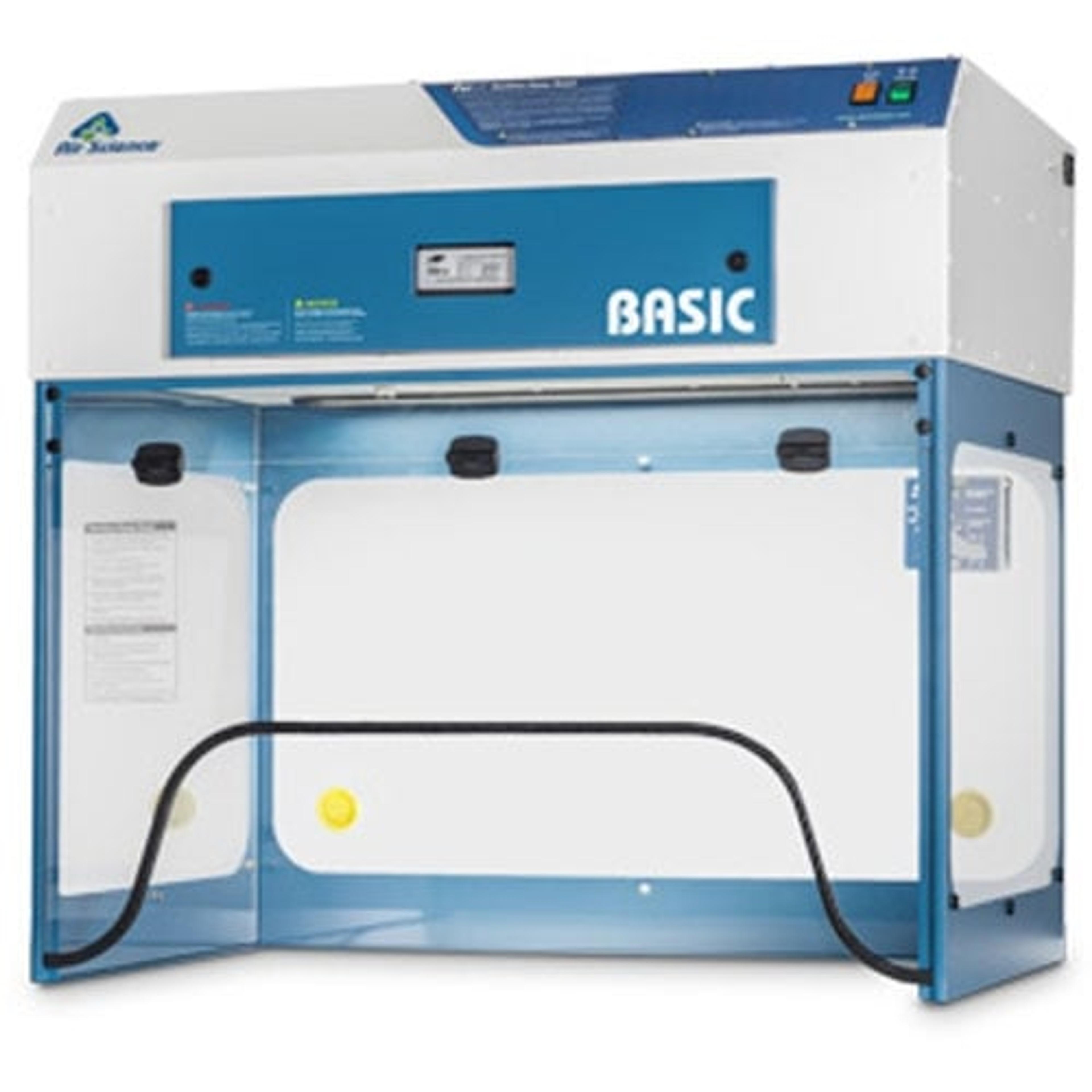
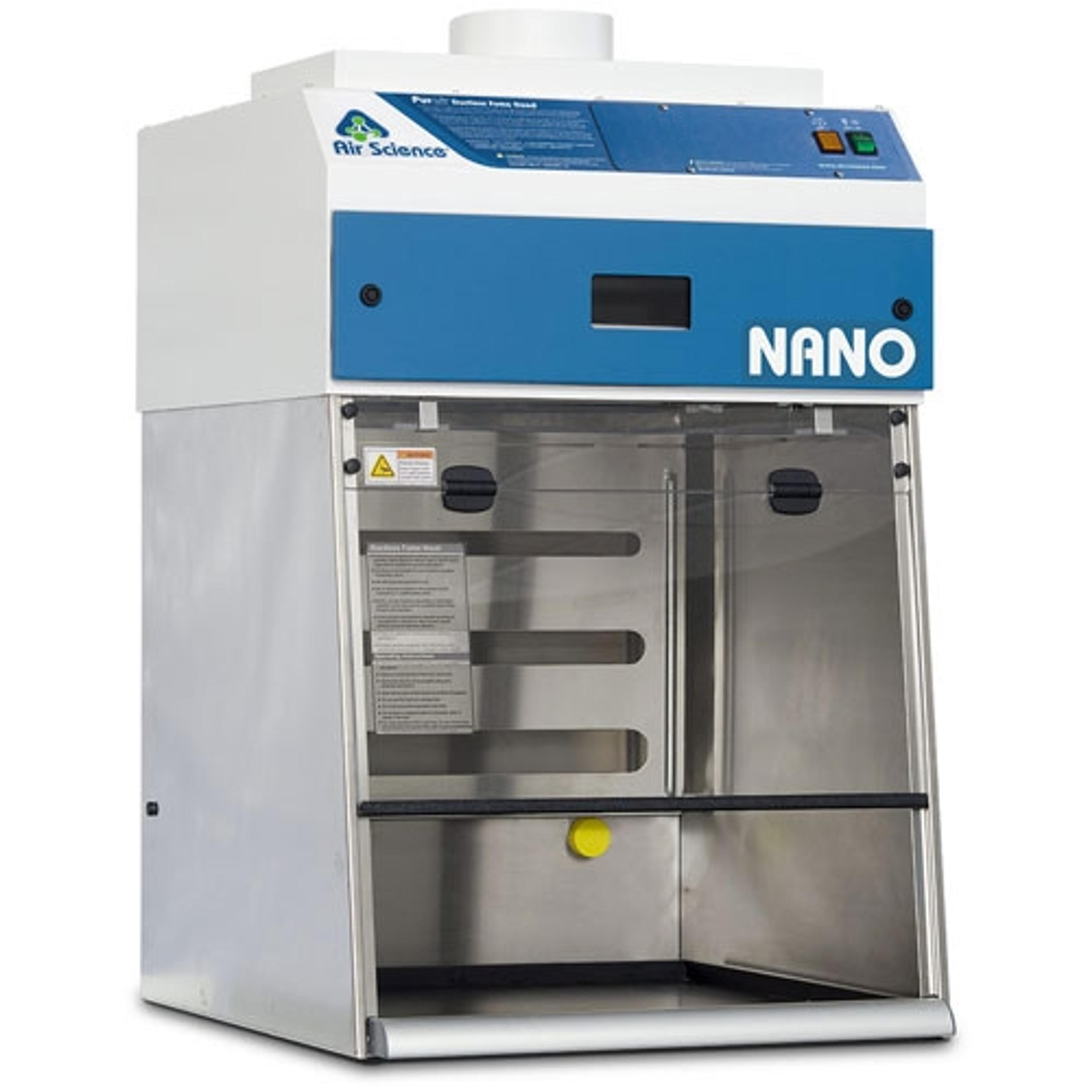
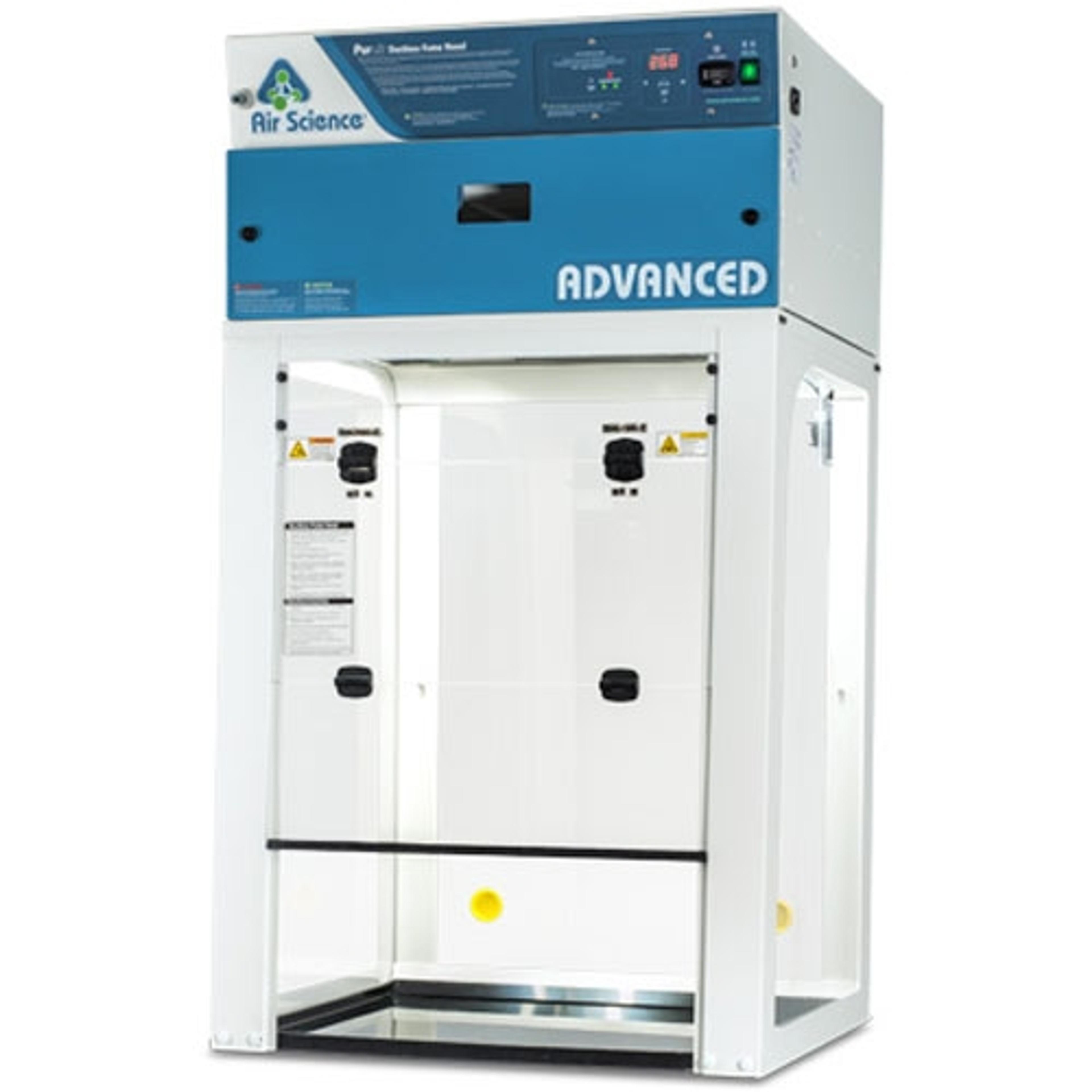
30 Apr 2017This paper discusses the design and construction features of a set of engineering controls, collectively known as containment primary engineering controls (C-PECs), for hazardous drugs in healthcare settings. Biological safety cabinets and fume hoods in particular will be examined to identify the features that most effectively prevent exposure and meet USP 800 requirements.
Links
Tags
Environmental Monitoring and TestingEnvironmental monitoring and testing uses handheld portable analyzers, kits, spectrometers or chromatography systems for air, water, soil, food and other sample testing. Useful features of analyzers such as BOD and COD include portability, easy calibration, automation and sensitivity. Environmental test kits for pH, water, moisture, etc, should be accurate, sensitive, reliable, fast and easy to use.Fumehoods and Biological Safety CabinetsFume hoods and biological safety cabinets are used to provide personnel, sample and environmental protection by limiting exposure to hazardous materials either by venting or enclosing hazardous sample space. Fume hoods include filtered and ductless fume hoods, general ducted fume hoods, laminar flow cabinets and cabinets for powder weighing. There are three classes of biological safety cabinet, dependent on the level of protection provided. Class I provide personnel and environmental protection, class II provide product, personnel and environmental protection. Class III provide the highest level of protection and are designed for use with high-risk biological agents. Other ventilated workspaces for the laboratory include glove boxes, glove bags, anaerobic and hypoxic workstations. Find the best fume hoods and biological safety cabinets in our peer-reviewed product directory: compare products, check customer reviews and receive pricing direct from manufacturers.Air SamplingAir sampling is described as the technique used to capture air for the subsequent purpose of analyzing, typically by thermal desorption, the presence of trace particulates, such as volatile organic compounds (VOCs).Laboratory SafetyLaboratory safety is essential to the effective operation of all laboratories and is required to minimize the risk of harm during experiments. Guidelines, regulations, and equipment should be available in all laboratories to ensure that the working environment is safe and secure.Environmental AnalysisEnvironmental analysis describes a variety of tests that determine the effect of chemicals, processes and particulates such as persistent organic pollutants (POPs) have on the environment.USP MethodAir Quality