
Design and Implementation of a Simple Achiral Method Development Strategy for UPC² Chemistries
8 Dec 2014Method development strategies in SFC often take a brute force screening approach utilizing extensive libraries of column chemistries with multiple combinations of modifiers and additives. This poster presents a simplified method development strategy due to the introduction of novel ACQUITY UPC²™ Torus™ 2-PIC, DIOL, DEA, and 1-AA column chemistries. Instead of using a multi-column / co-solvent initial screening, the simplified strategy implements a rapid scouting step using Torus 2-PIC with methanol co-solvent and generic gradient.
Related Products
Request Quote for All Products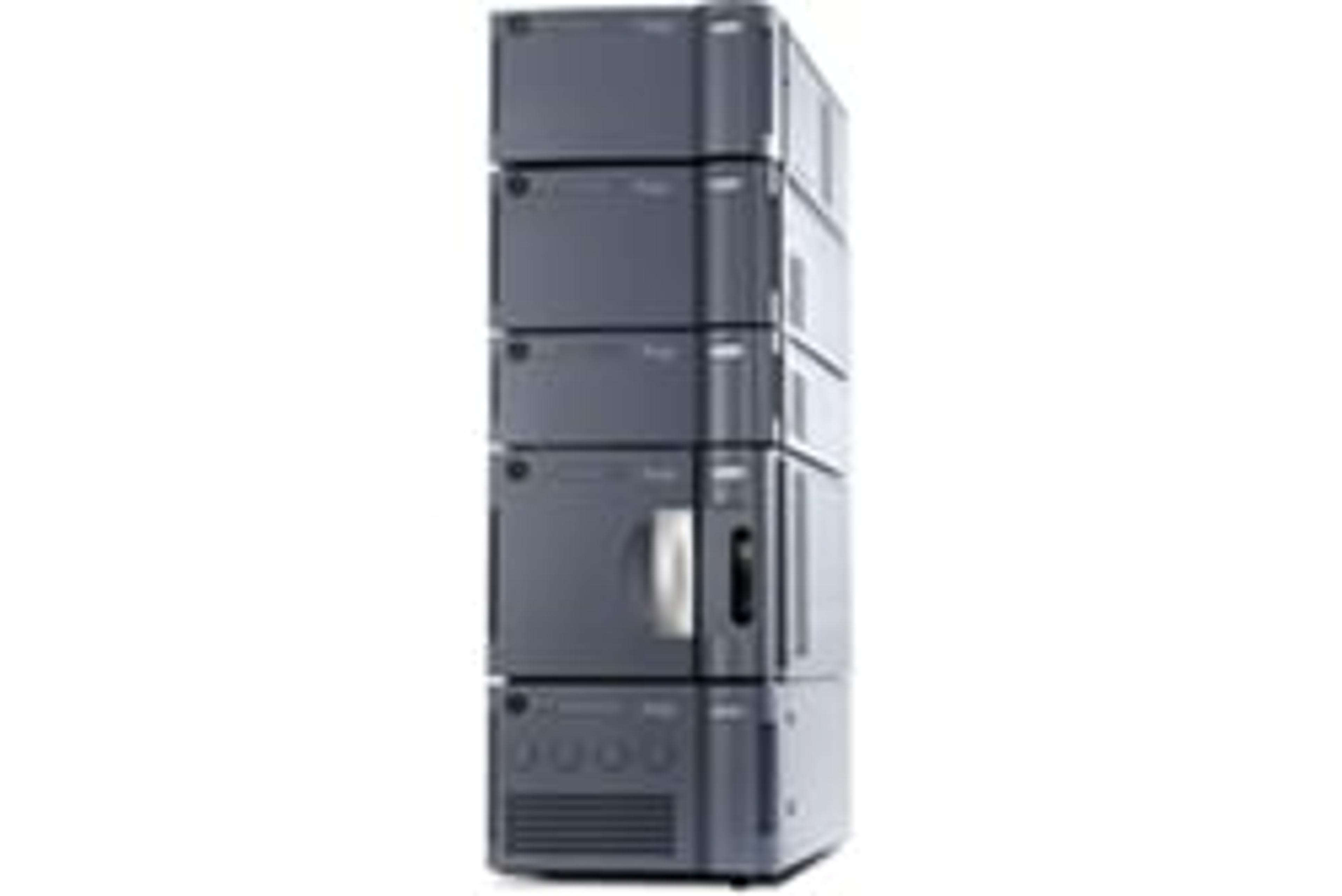
ACQUITY UPC² System
WatersConvergence Chromatography with the ACQUITY UPC² System Bring streamlined workflow, expanded selectivity, and an orthogonal technique to your laboratory. Convergence chromatography (CC) is a broad-based, complementary analytical platform that is taking its place alongside of LC and GC as one of the three essential separation technologies for modern laboratory analysis. This technique provides another, reliable choice as an analytical platform that is orthogonal to reversed-phase LC (RPLC), while significantly streamlining the entire analytical workflow. In convergence chromatography, the separation is achieved by manipulating the density and composition of a supercritical fluid-based mobile phase. Because of the very high diffusivity of the mobile phase, can be achieved. Additionally, the diversity of stationary phase and mobile phase (co-solvent) options provides access to the largest selectivity space available to any separation technique. The ACQUITY UPC² System is a holistically designed UltraPerformance Convergence Chromatography (UPC²) system that utilizes liquid CO2 as the primary mobile phase. The system leverages the chromatographic principles and selectivity of normal-phase chromatography while providing the ease-of-use of RPLC, enabling you to address routine and complex separations challenges. ACQUITY UPC² System: Discover what's been missing from your analytical toolbox With the ACQUITY UPC² System, scientists can now separate, analyze, and understand compounds that have challenged all other LC and GC technologies including: Hydrophobic and chiral compounds Lipids Thermally-labile samples Polymers It's also the perfect complement to MS due to its low solvent load and high resolution, narrow peaks and fast separations. ACQUITY UPC² System Features: Compressed carbon dioxide (CO2), the primary mobile phase, is less costly and less toxic than liquid mobile phases or carrier gases. Variable volume injection delivers 0.5 µL to 10 µL as well as the ability to match column and injection volume with minimal sample loss and need to change loops. Higher throughput and productivity allows you to analyze more samples per day with faster re-equilibration of columns and shorter cycle times, increasing laboratory productivity. Co-solvent and column switching provides flexibility in method development for faster solvent screening and faster column screening.
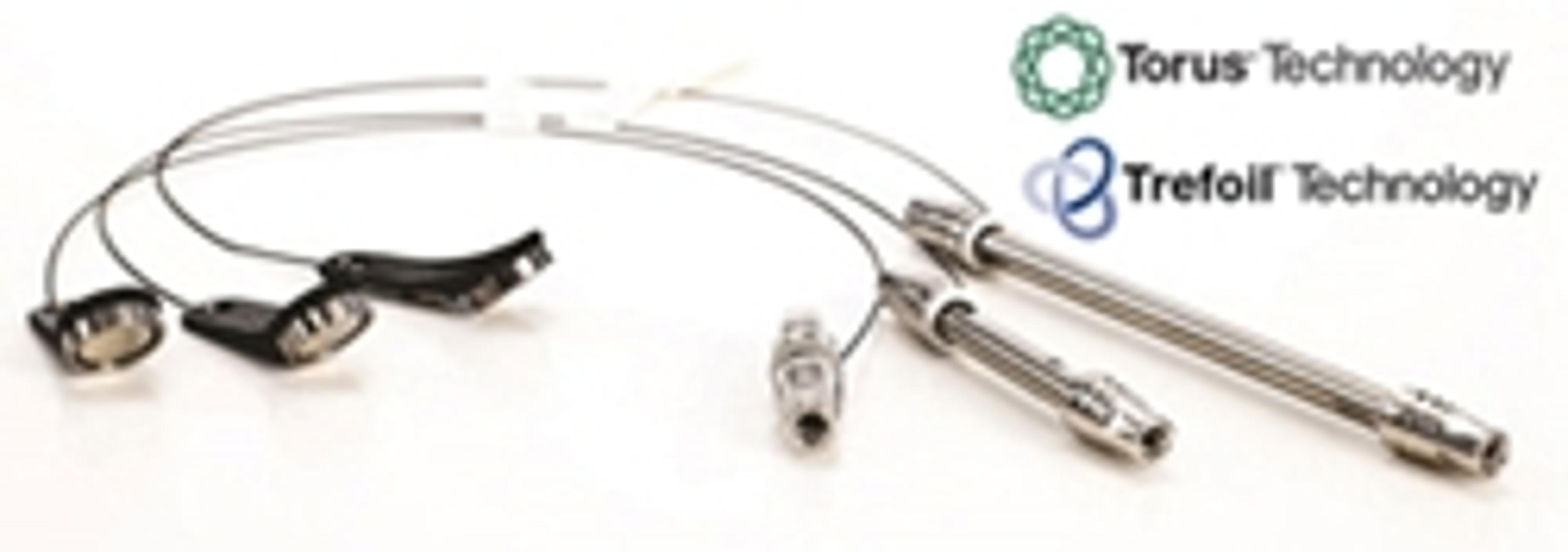
ACQUITY UPC2 Trefoil and Torus Columns
WatersACQUITY UPC2 Column Technology for Chiral and Achiral Separations. ACQUITY UPC2 Trefoil™ 2.5 µm Columns are uniquely designed for the ACQUITY UPC2 System. Selectivity and speed for chiral separations Reduce method development time Based on modified polysaccharide-based stationary phases for broad-spectrum chiral selectivity. ACQUITY UPC2 Torus™ Columns simplify the method development process with four completely new and innovative 1.7 µm chemistries for convergence chromatography. Excellent peak shape and robustness while reducing or eliminating the need for additives Four column chemistries provide added selectivity for a wide range of compounds Column Specifications: Technology: Torus, Trefoil Chemistry: 1-AA, 2-PIC, DEA, DIOL, AMY1, CEL1, CEL2 Particle Size: 1.7, 2.5 µm Pore Size: 130 Å Length: 50, 75, 100, 150 mm ID: 2.1, 3.0 mm