
Optimization of 16S rRNA gut microbiota profiling of extremely low birth weight infants
27 Feb 2020Infants born prematurely, particularly extremely low birth weight infants (ELBW), have altered gut microbial communities. There is a requirement to optimally characterize microbial profiles in this at-risk cohort, via standardization of methods, particularly for studying the influence of microbiota therapies (e.g. probiotic supplementation) on community profiles and health outcomes. Profiling of faecal samples using the 16S rRNA gene is a cost-efficient method for large-scale clinical studies to gain insights into the gut microbiota and additionally allows characterization of cohorts where sample quantities are compromised. To this end, the bacterial DNA extraction protocol from ELBW infant faeces was optimized by testing three different DNA extraction methods.
Related Products
Request Quote for All Products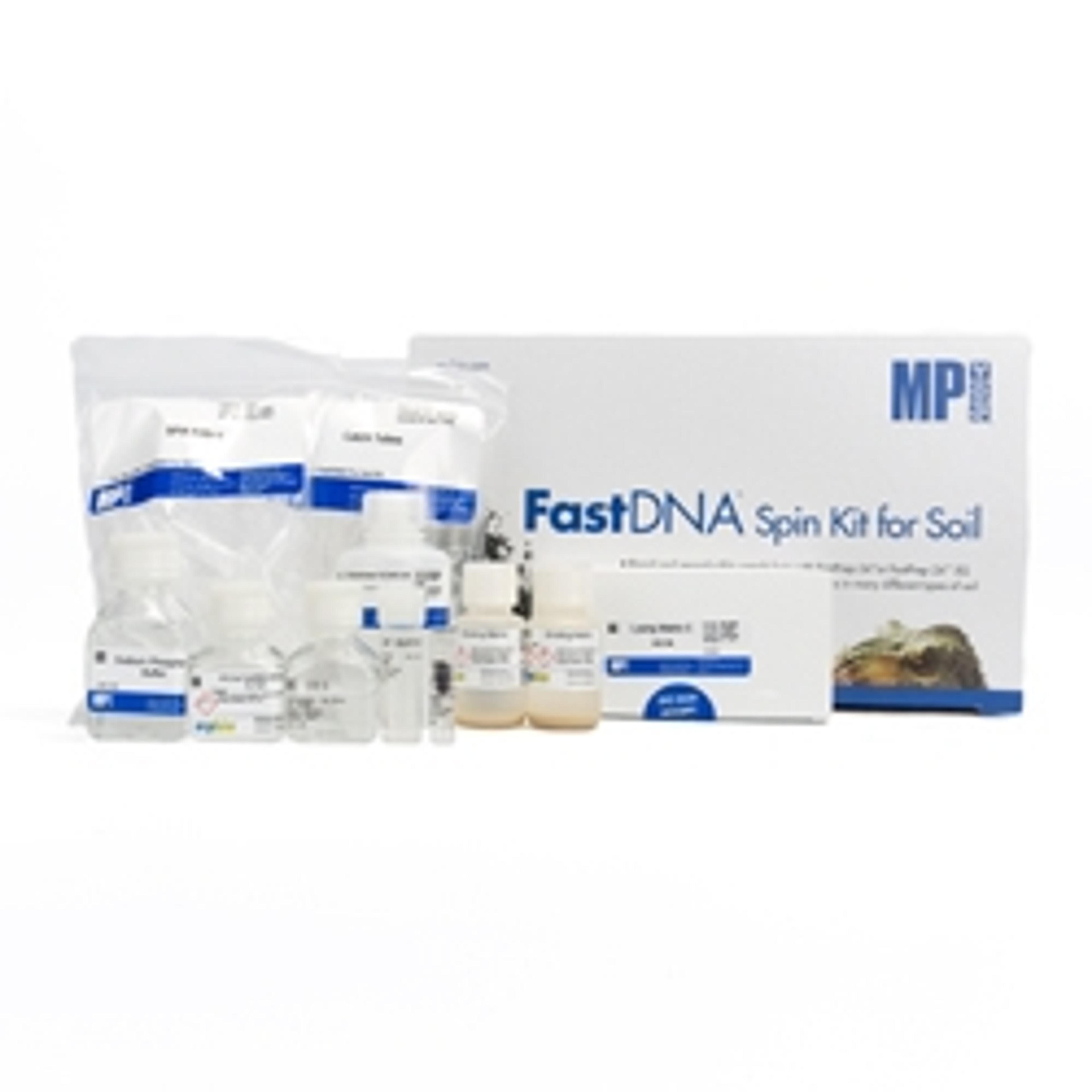
FastDNA SPIN Kit for Soil™
MP BiomedicalsIsolate Pure DNA from Cells Present in Soil or Other Environmental Samples! Thorough lysis in seconds of any microorganism present in environmental samples. Ready-to-use DNA for quantitative and qualitative characterization of microbial soil communities. Excellent reproducibility for an optimum assay-to-assay consistency. Total removal of humic acids and PCR inhibitors for a successful investigation of microbial diversity. The FastDNA™ SPIN Kit for Soil is designed to efficiently isolate bacterial, fungal, plant and animal genomic DNA from soil and environmental samples. Up to 500 mg soil are processed by the FastPrep®-24 5G or and any bead beating homogenizers with the Lysing Matrix E tubes designed to efficiently lyse all microorganisms including difficult sources such as eubacterial spores and endospores, gram positive bacteria and yeast. The released DNA is purified by a silica-based spin filter method and is suitable for PCR and other downstream applications.
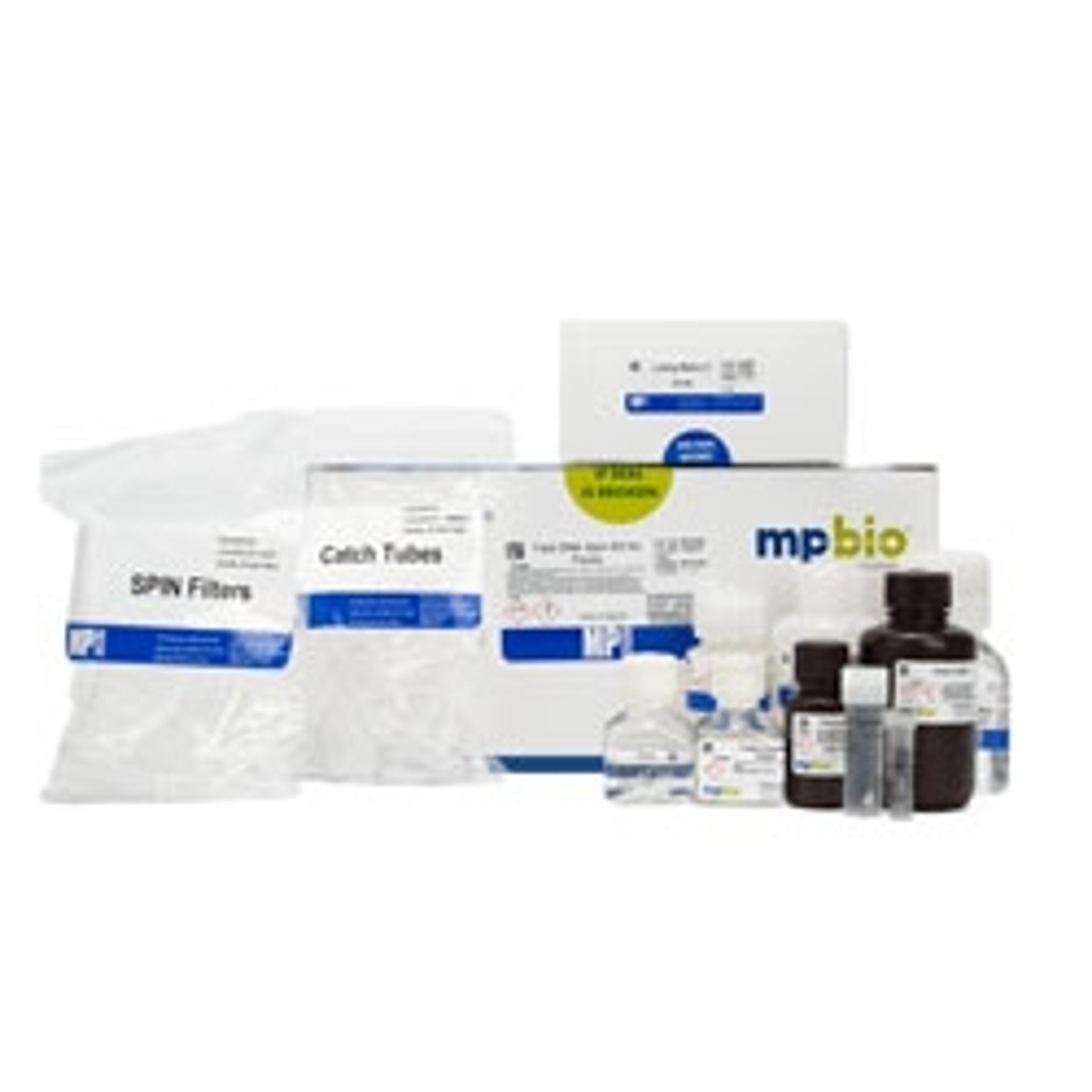
FastDNA™ Spin Kit for Feces
MP BiomedicalsThe FastDNA SPIN Kit for Feces quickly and efficiently isolates PCR-ready genomic DNA from fresh or frozen human and animal stool samples.