
Interface cone comparison study
21 Jan 2022This application note compares interface cones (sampling and skimmer) from different suppliers, focusing on the aspects that are critical to ICP-MS analytical performance.
Related products
Request Quote for All Products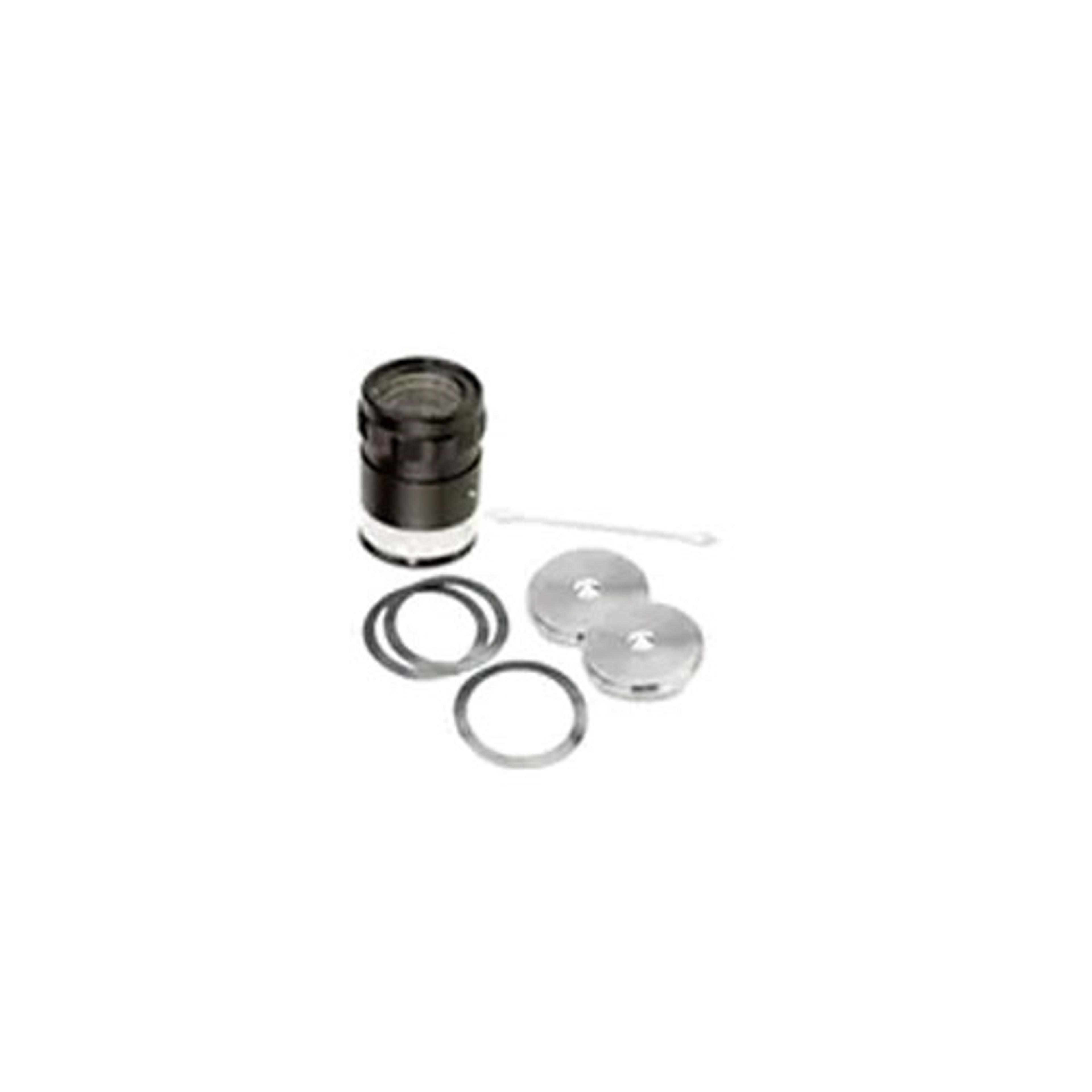
Sampler Cones & Care Packages for ICP-MS
Agilent TechnologiesCone care package with 2 pcs of nickel-tip nickel-plated copper base sampler cones for Agilent 7700, 7800, 7850, 7900, 8800 and 8900 ICP-MS. Includes sampler cone 2/pk, magnifier tool, graphite gaskets for sampler 3/pk, cotton swabs 100/pk
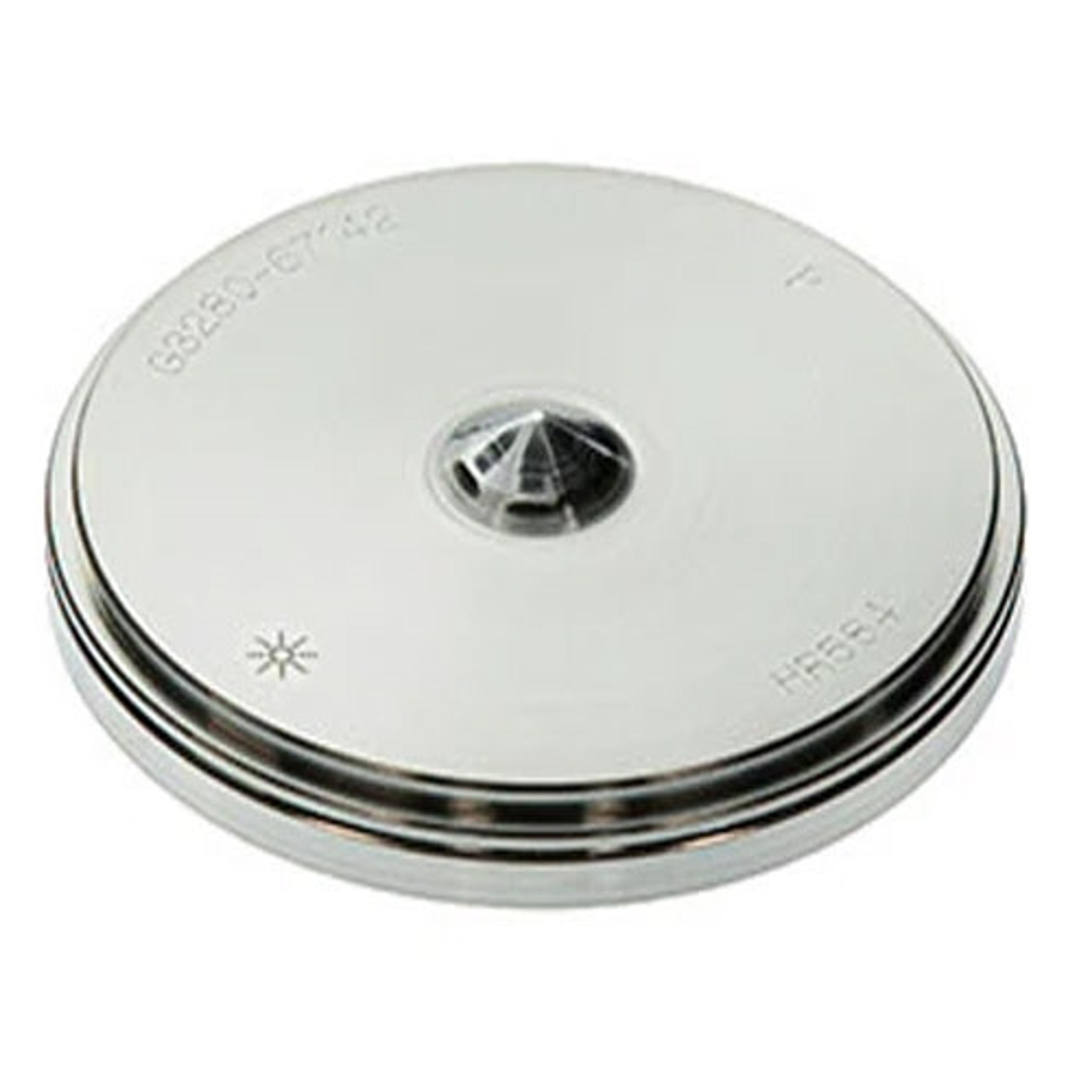
ICP-MS sampler cone Platinum-tip with Nickel-plated base
Agilent TechnologiesICP-MS sampler cone, Platinum-tip with Nickel-plated base. Suitable for 77/78/7900 and 88/8900. Optional cone is recommended for aggressive acids (especially HCl) and high matrix samples. Recommended for analysis of aggressive acids (especially HCl, HF, and HClO4) and for higher-matrix samples. Use with Platinum skimmer cone and brass skimmer base.