

High-throughput stability screening strategies for antibody formulation
Tuesday, February 10 at 16:00 GMT | 17:00 CET | 11:00 EST | 8:00 PST
High-concentration antibody formulations provide patients with the flexibility of self-administered subcutaneous dosing. However, achieving stability and manufacturability of these solutions can lead to increasingly complex formulation development. With expansive libraries of protein variants and formulation conditions to evaluate, researchers need smarter, faster, and more comprehensive analytical tools to ensure chemical stability and optimal delivery characteristics.
Join Dr. Sophia Kenrick of Waters | Wyatt Technology and Dr. Christine Nervig of TA Instruments as they present complementary approaches to stability characterization, leveraging high-throughput technologies:
1. High-throughput dynamic and static light scattering (DLS/SLS): These techniques provide rapid, sensitive indicators of aggregation and colloidal stability across a wide range of conditions.
2. Rapid screening-differential scanning calorimetry (RS-DSC): This next-generation DSC platform enables simultaneous, low-volume measurements to assess protein unfolding and conformational stability with exceptional throughput.
Discover how these complementary methods offer a high-resolution, high-throughput solution for evaluating thermal, colloidal, and long-term stability, to empower scientists to make faster, data-driven decisions in the development of stable, effective biologics.
Who should attend?
- Formulation scientists and protein engineers involved in developing high-concentration biologics.
- Analytical and biophysical characterization teams responsible for evaluating aggregation, conformational, and conformation stability.
- Biopharmaceutical R&D leaders and project managers overseeing biologics development pipeline looking for orthogonal approaches that streamline collection and decision making.
Certificate of attendance
If you attend the live webinar, you will automatically receive a certificate of attendance, including a learning outcomes summary, for continuing education purposes.
If you view the on-demand webinar, you can request a certificate of attendance by emailing editor@selectscience.net.
Webinar details
- Cost: Free to attend
- Location: Online
- Duration: 60 minutes per session
Registration is required to secure your place. If you register but can’t attend live, you will receive a link to the on‑demand recording once it becomes available
Speakers



Featured products
Request Quote for All Products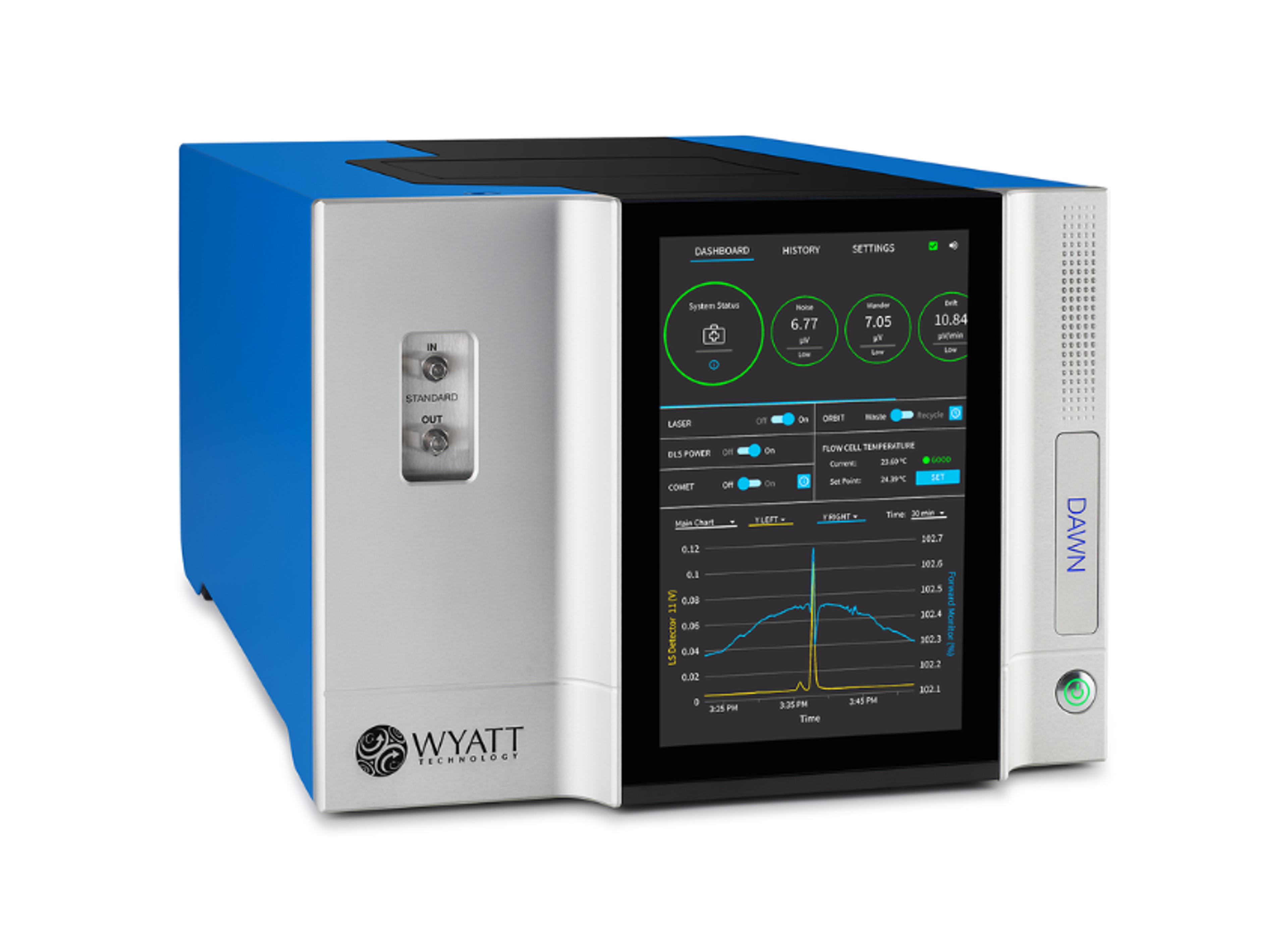
DAWN™
WatersThe DAWN is the premier Multi-Angle static Light Scattering (MALS) detector for absolute characterization of the molar mass and size of macromolecules and nanoparticles in solution, offering the highest sensitivity and widest range of molecular weight, size, concentration and optional features.
What will this webinar cover?
- Understand how protein stability influences candidate and formulation selection during biotherapeutic development.
- Recognize the benefits of high-throughput analysis for accelerating workflows in the biopharmaceutical industry.
- Learn how DLS/SLS and DSC can be applied to comprehensively assess thermal, colloidal, and long-term stability.
Join the webinar to get answers to these questions:
- How does protein stability guide candidate selection in biotherapeutic development?
- How does stability influence formulation choices for high-concentration biologics?
- How can high-throughput analytics accelerate biopharmaceutical workflows?
- In what ways do DLS/SLS and RS-DSC assess thermal and colloidal stability?
- How can combined DLS/SLS and DSC data predict long-term stability and manufacturability?