
MS-3 Laser Scanners Deliver Seamless Automation for Lipoprotein Measurement in the Vantera® Clinical Analyzer
10 Apr 2014LipoScience’s Vantera Clinical Analyzer is poised to revolutionize lipoprotein analysis, by employing radio frequency signals within a strong magnetic field to identify and quantify multiple subclasses of lipoprotein particles within minutes. This eliminates the need for assay-specific chemical reagents in sample processing. Read this case study to discover how LipoScience is able to guarantee accurate and fast identification and tracking of all components in the system including samples, racks and reagents, for maximized throughput, tracking efficiency, repeatability and 100% reporting accuracy.
Related products
Request Quote for All Products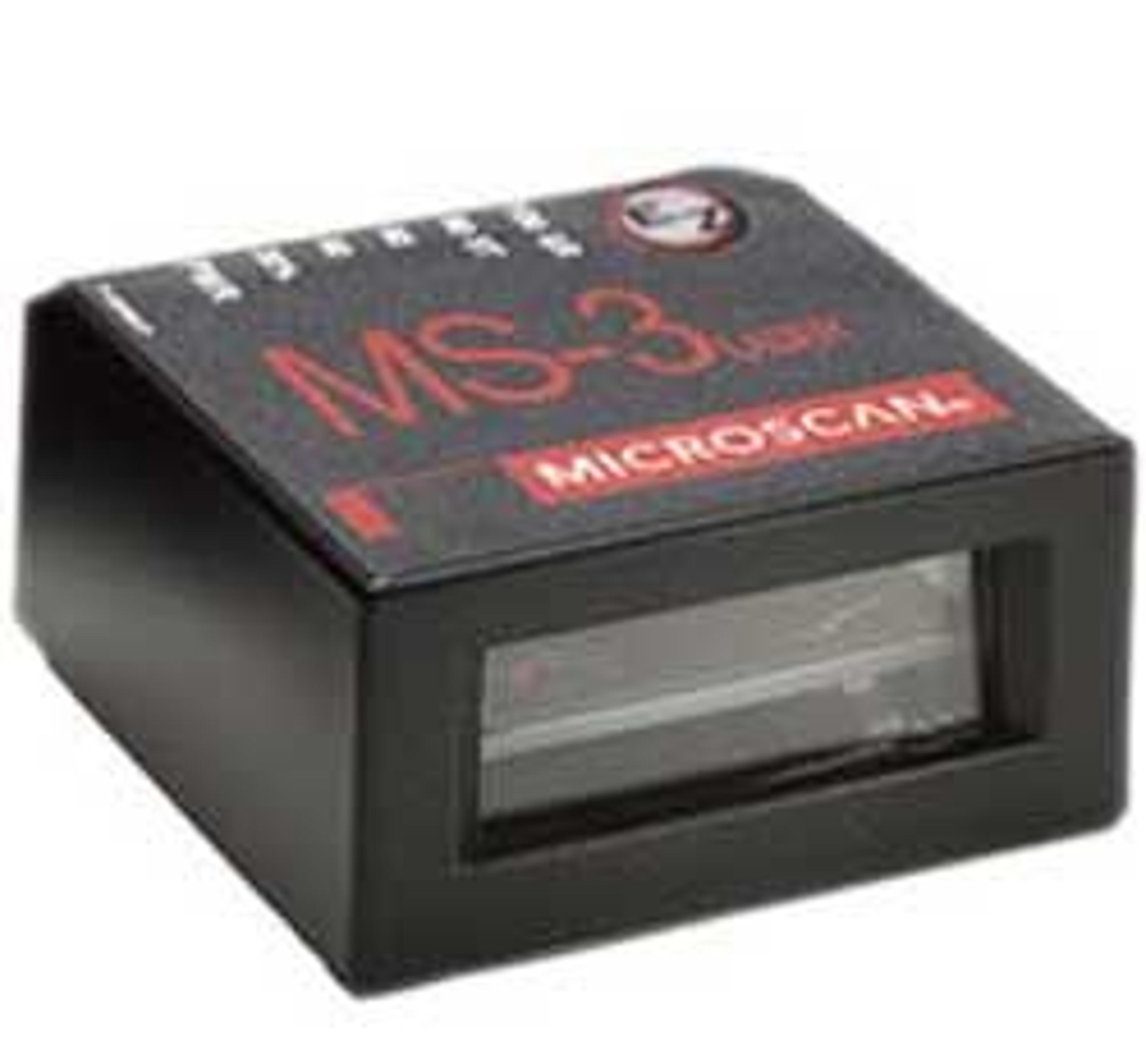
MS-3 Compact Laser Barcode Scanner
Microscan Systems, Inc.The MS-3 laser scanner offers the fastest read performance in embedded compact bar code scanners. The wide scan angle of 70 degrees is coupled with ultra-compact size and flexible mounting. • Decodes/second: up to 1000 • Read Range: 2 to 10” (51 to 254 mm) • Wide Scan Angle • IP54 Enclosure High performance and flexibility make the MS-3 the optimal choice for reliable reading in embedded instruments. Compact & Lightweight: The 1.75” (44.5 mm) square by .85” (21.6 mm) tall scanner weighs only 2 ounces (57 g) for easy mounting onto robotic equipment or into tight spaces. High Scan Speed: Adjustable scan speed from 300 up to 1000 decodes per second and Microscan’s world-class decode algorithms ensure accurate reading every time. Wide Scan Angle: The wide scan angle of over 70 degrees and a factory customizable focal point add up to space savings within your system, allowing greater flexibility with positioning. Visible Indicators: Illuminated LEDs on top of the scanner provide visual confirmation of the scanner performance. Real-time Controls: The inputs include a trigger signal, a “new master” input, and a programmable input for resetting counters or releasing outputs. The outputs can be configured to activate upon a variety of conditions including matchcode and diagnostic operations.