ProductsLife Sciences
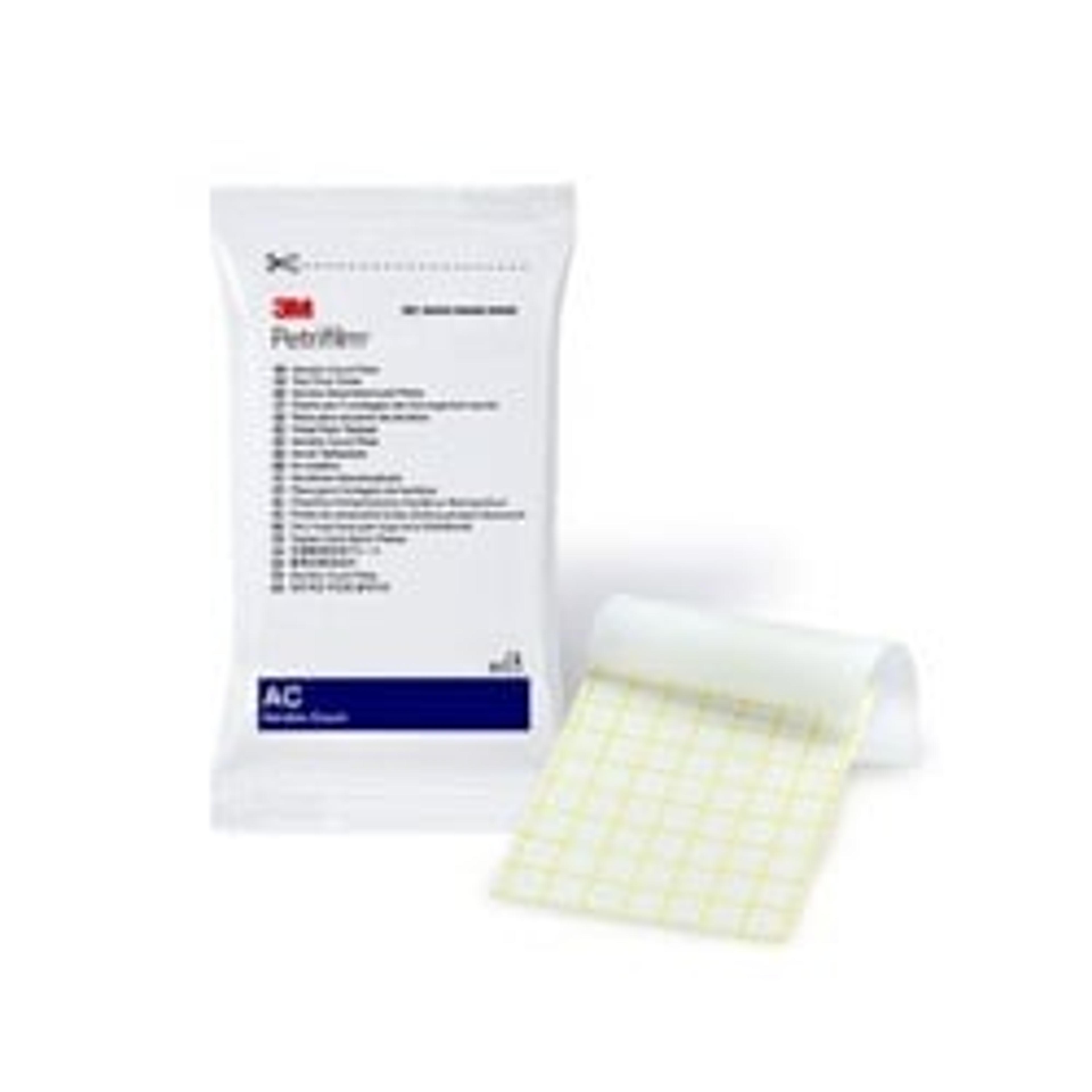
3M™ Petrifilm™ Aerobic Count Plates
3M BioanalyticalAerobic Count results as soon as 48 hours.

Showing 33 products from 3M Bioanalytical in Drug discovery > Target Discovery
Aerobic Count results as soon as 48 hours.
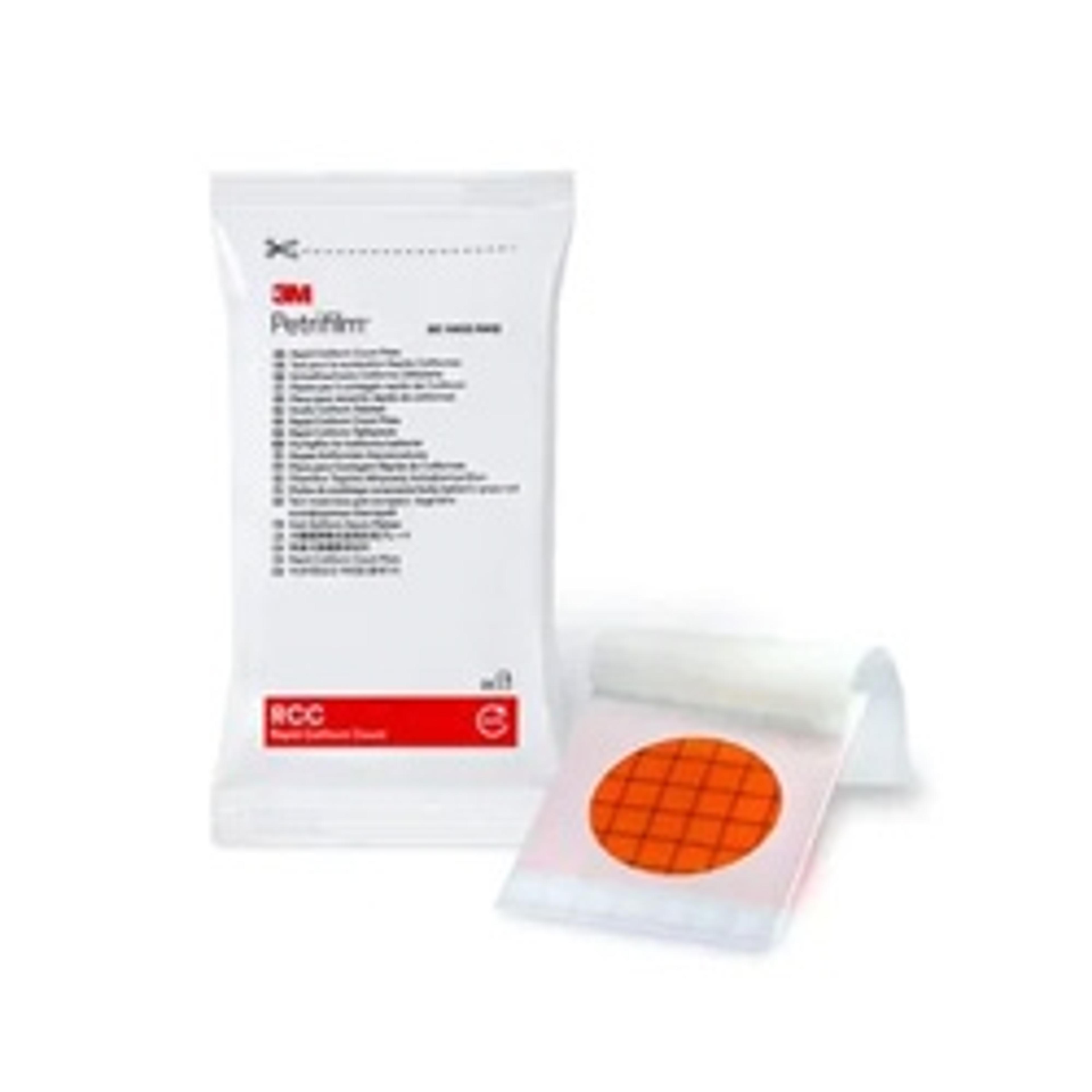
3M™ Petrifilm™ Rapid Coliform Count Plates are designed to provide fast, accurate results in detecting coliform contamination.
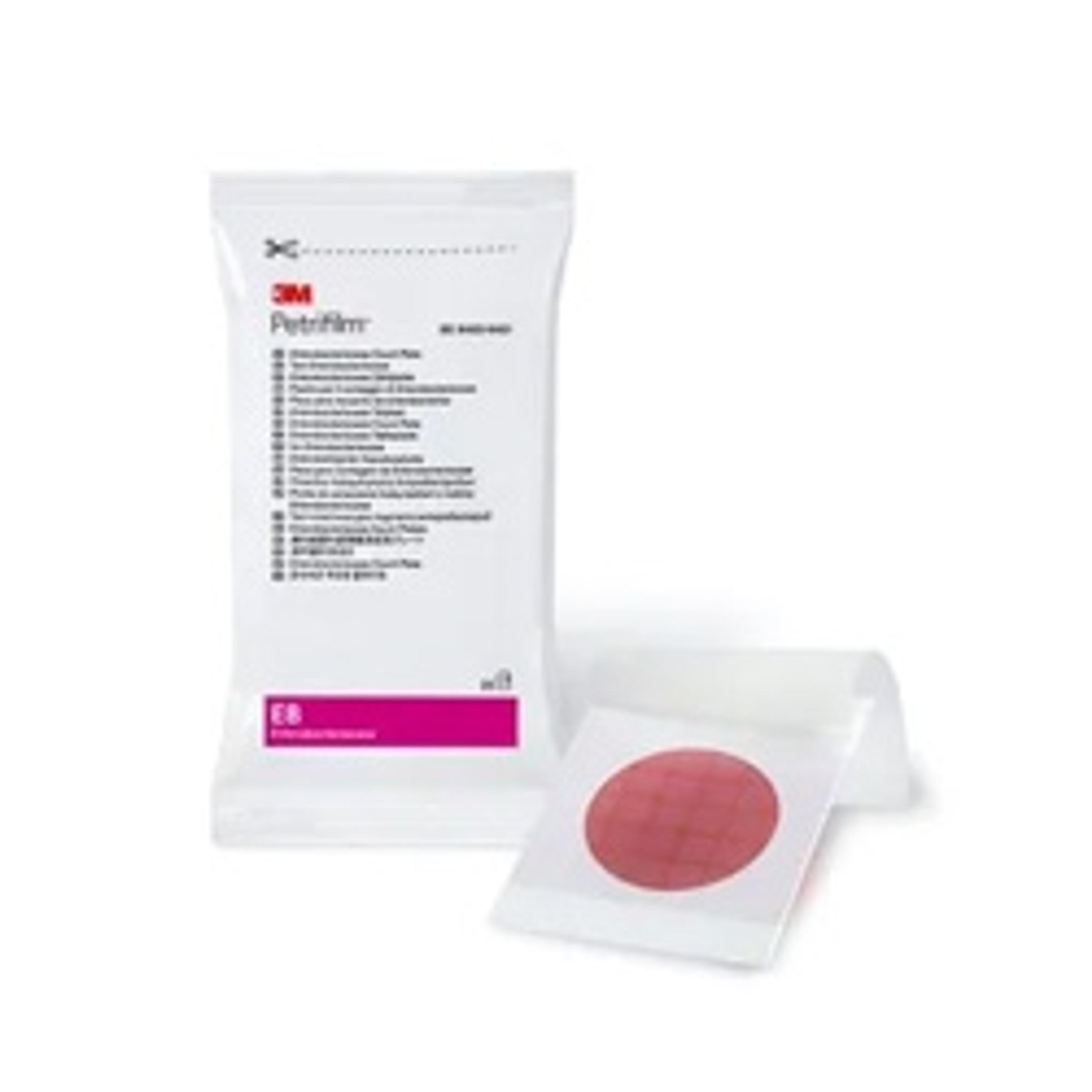
3M™ Petrifilm™ Enterobacteriaceae Count Plates provide a cost-effective, convenient and reliable method for testing equipment, raw materials, food products and manufacturing environmental samples and bottled water testing
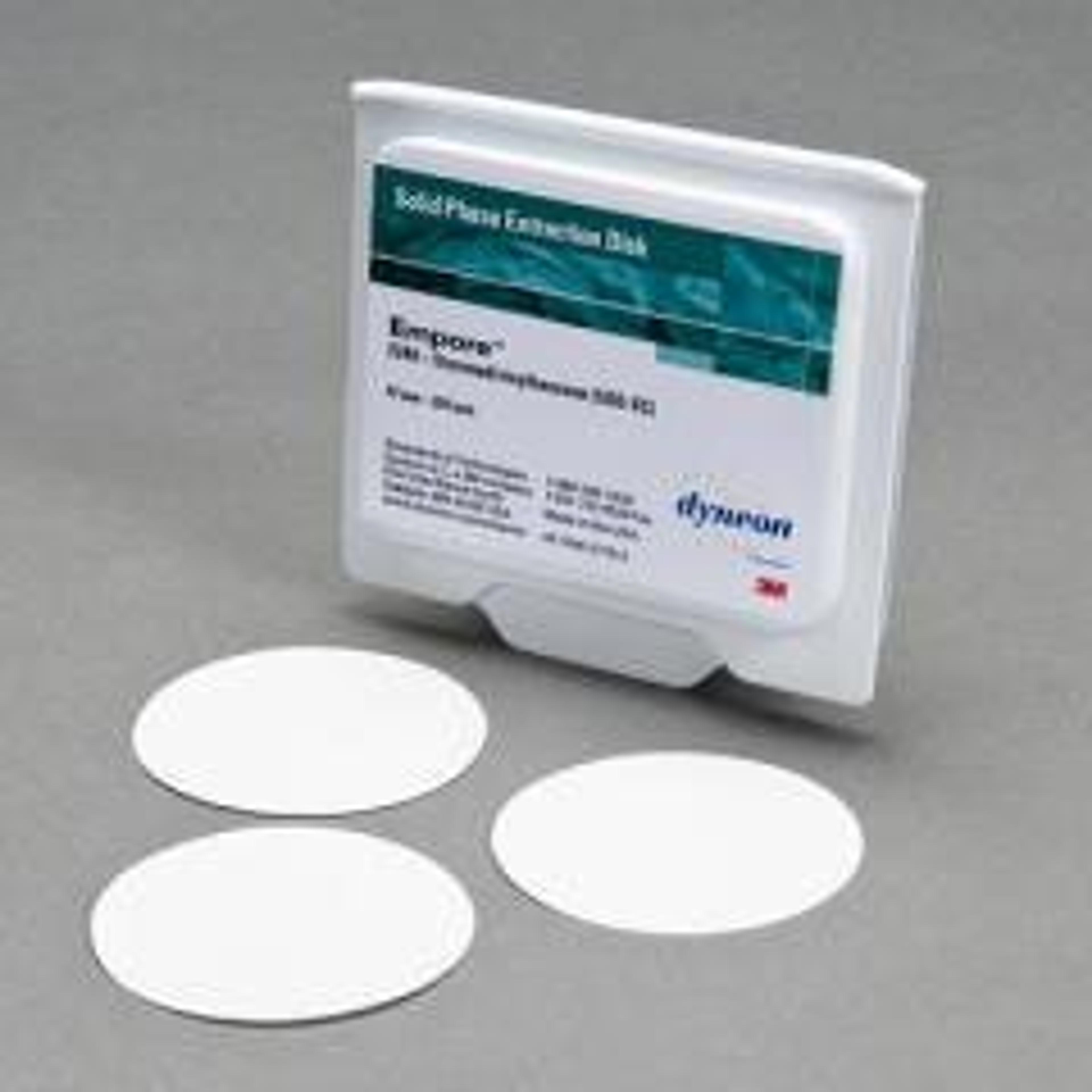
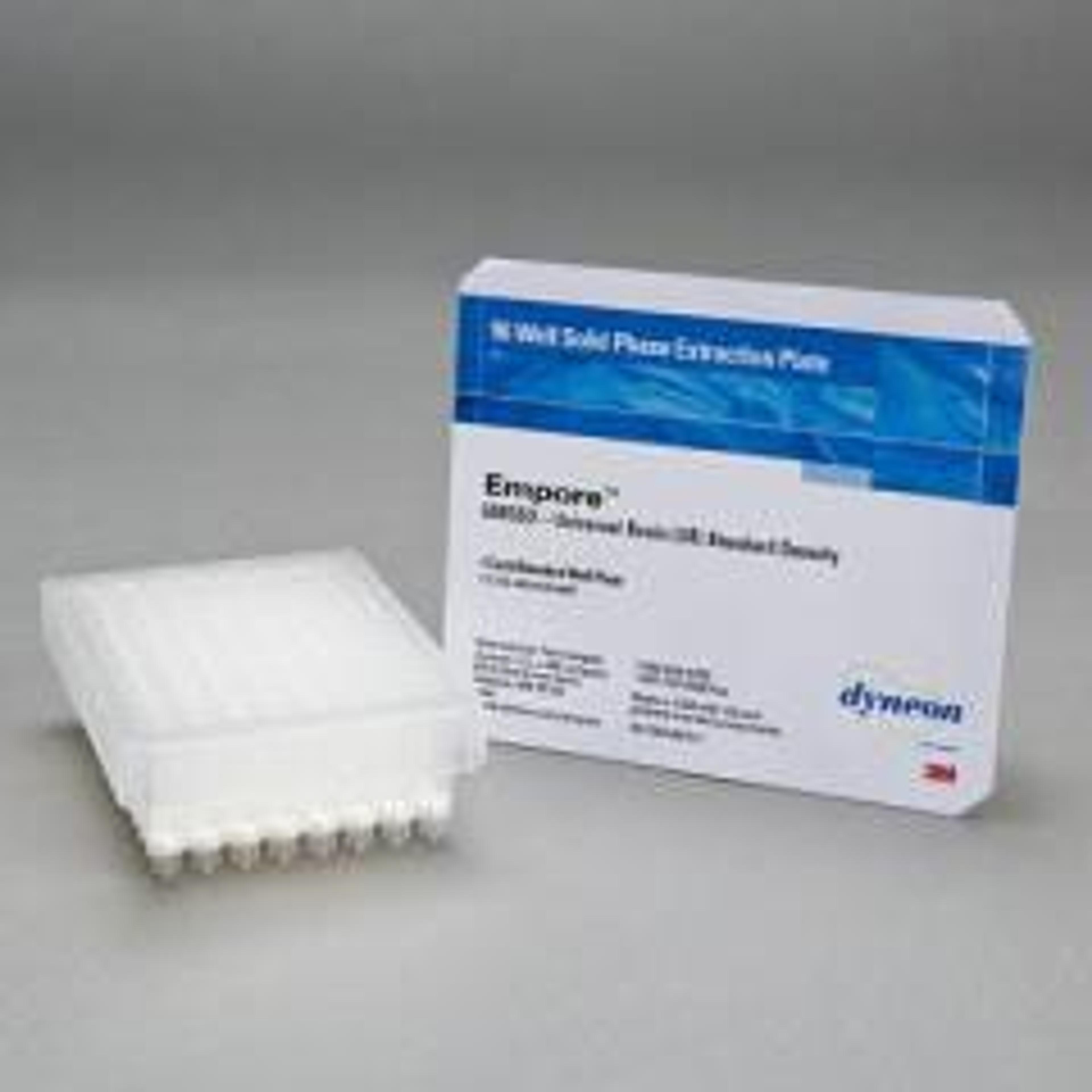
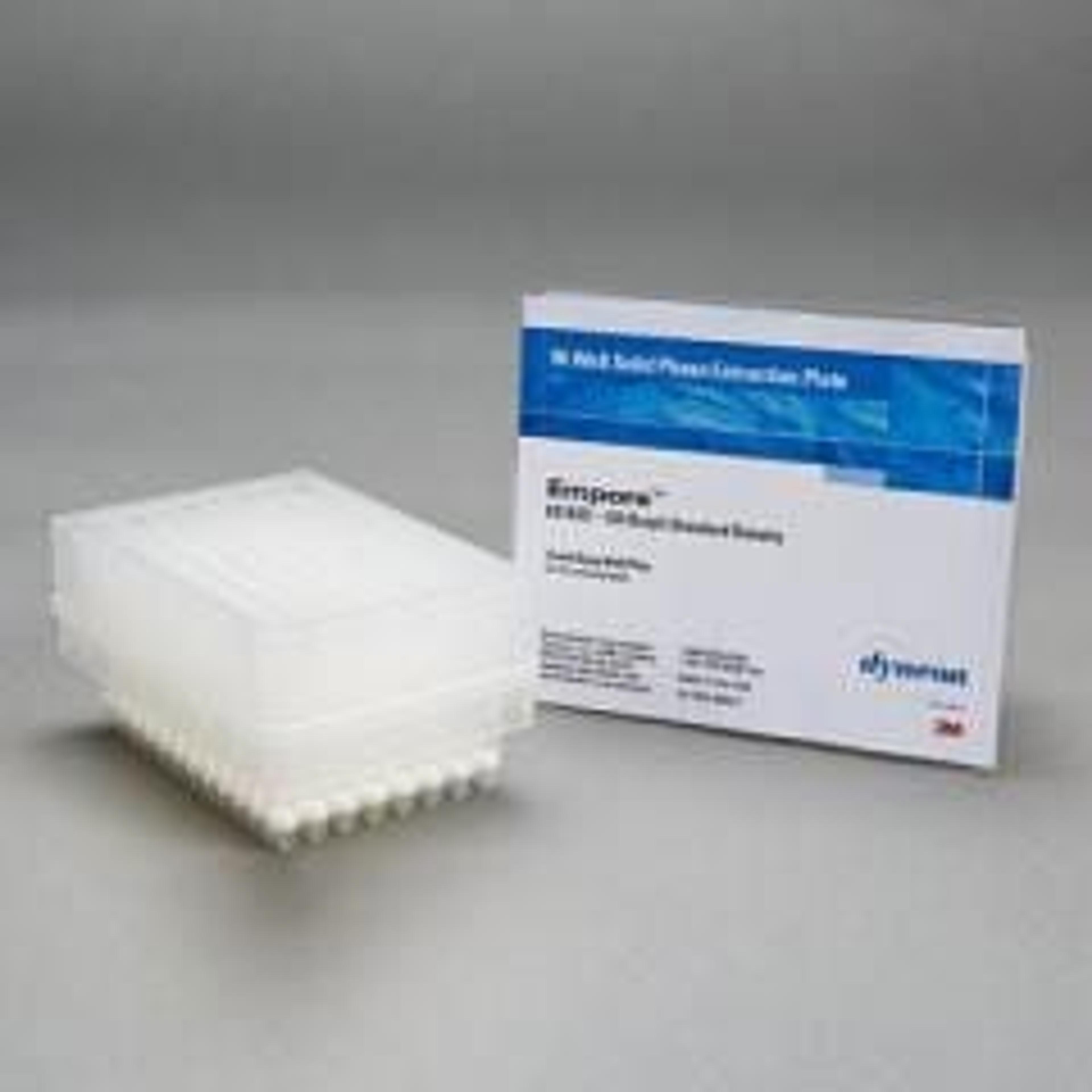
SDB-XC is a poly(styrenedivinylbenzene) copolymer used as a reversed phase sorbent for solid phase extraction. SDB-XC is not bonded to silica but is a 100% copolymeric particle that is spherical, porous and cross-linked. It does not exhibit the secondary cationic (silanol) interactions and pH limitations common to bonded silica sorbents, so it offers more predictable and reproducible reversed phase interaction.
Cation-SR is a poly(styrenedivinylbenzene) copolymer that has been modified with sulfonic acid. Note that Cation-SR is not bonded to silica but is a 100% copolymeric particle that is spherical, porous and cross-linked. The functional group imparts selectivity for cationic analytes, such as primary, secondary and tertiary amines.
3M Bioanalytical Anion-SR is a poly(styrenedivinylbenzene) copolymer that has been modified with quaternary ammonium groups. Note that the 3M Anion-SR is not bonded to silica but is a 100% copolymeric particle that is spherical, porous and cross-linked. The functional group imparts unique selectivity for anionic analytes, such as Endothall, Dalpon and haloacetic acids.
The Oil & Grease Disk was specifically designed for EPA Method 1664 (N-Hexane Extractable Materials (HEM) and Silica Gel Treated N-Hexane Extractable Material (SGT-HEM) by Extraction and Gravimetry). EPA Method 1664 Revision A was approved for use in the United States and published in the Federal Register on May 14, 1999. The Oil & Grease Disk incorporates C18 sorbent particles within a hydrophobic matrix. For EPA Method 166…
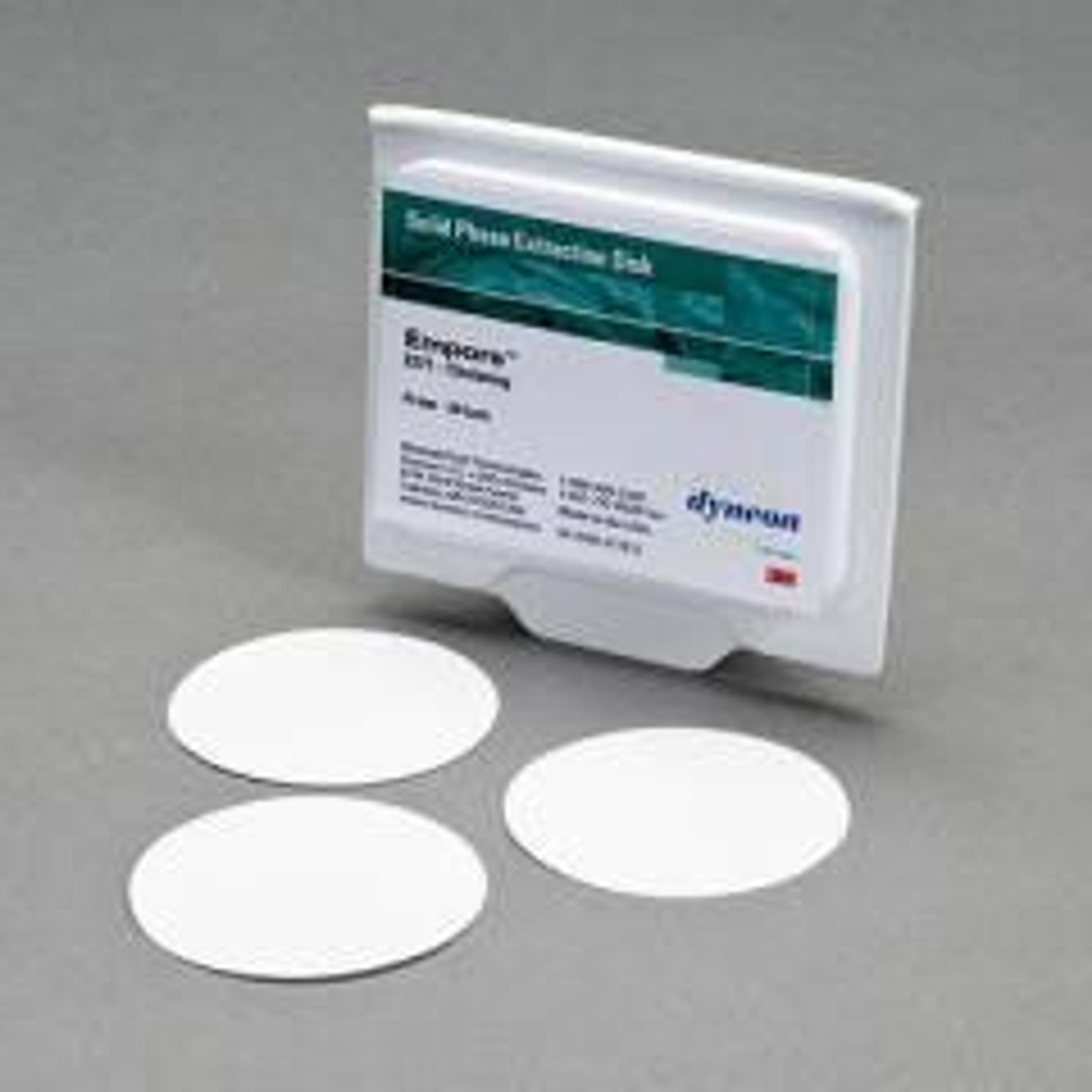
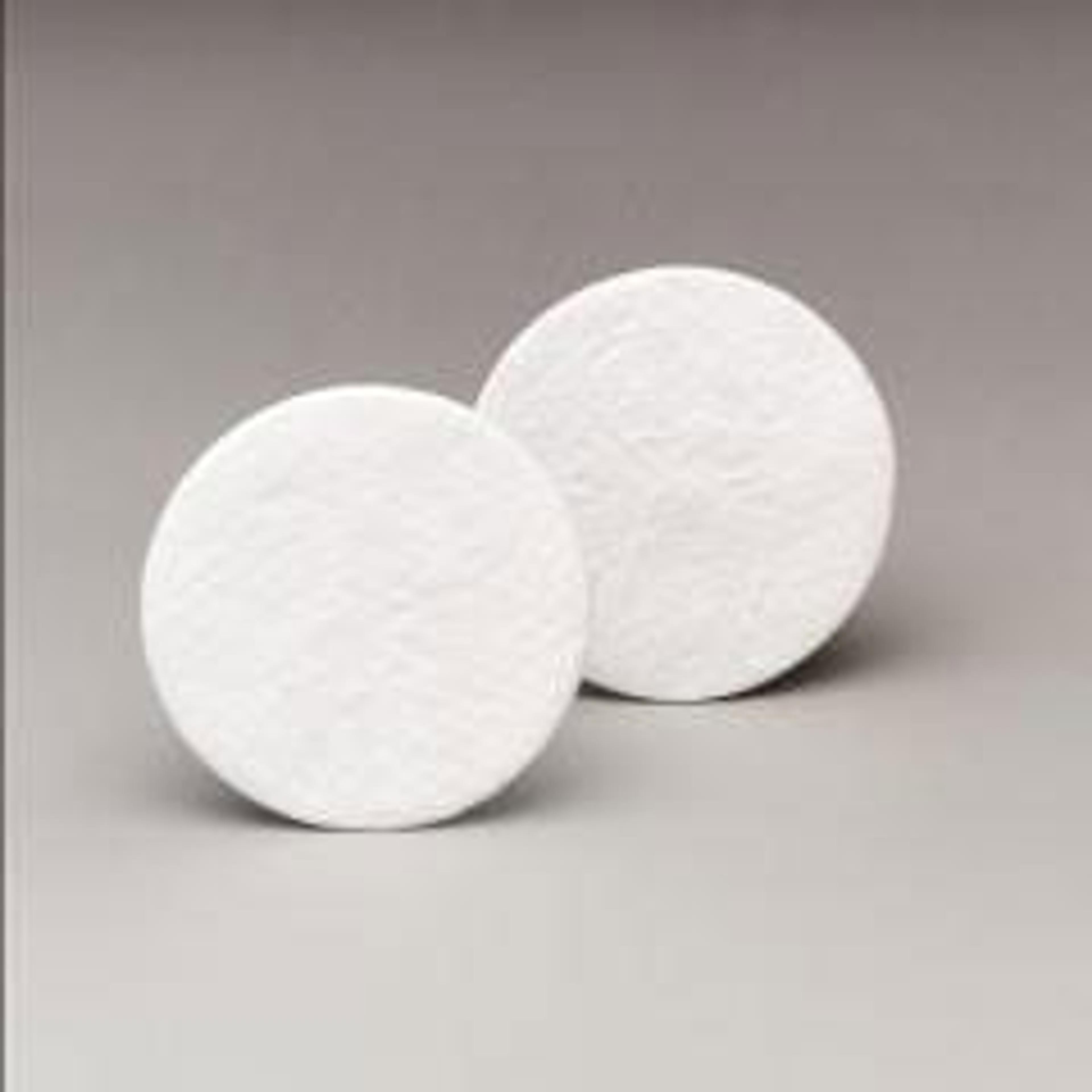
Empore™ Chelating Disks provide a way to selectively remove multivalent metal cations from solutions. This selectivity can be used to concentrate metals from a sample for analysis or to isolate and remove metal interferences from a complex organic or inorganic sample matrix. In the latter case, the purified filtrate is ready for use. The chelating disk has an affinity for multivalent (primarily 2+ and 3+) transition element…
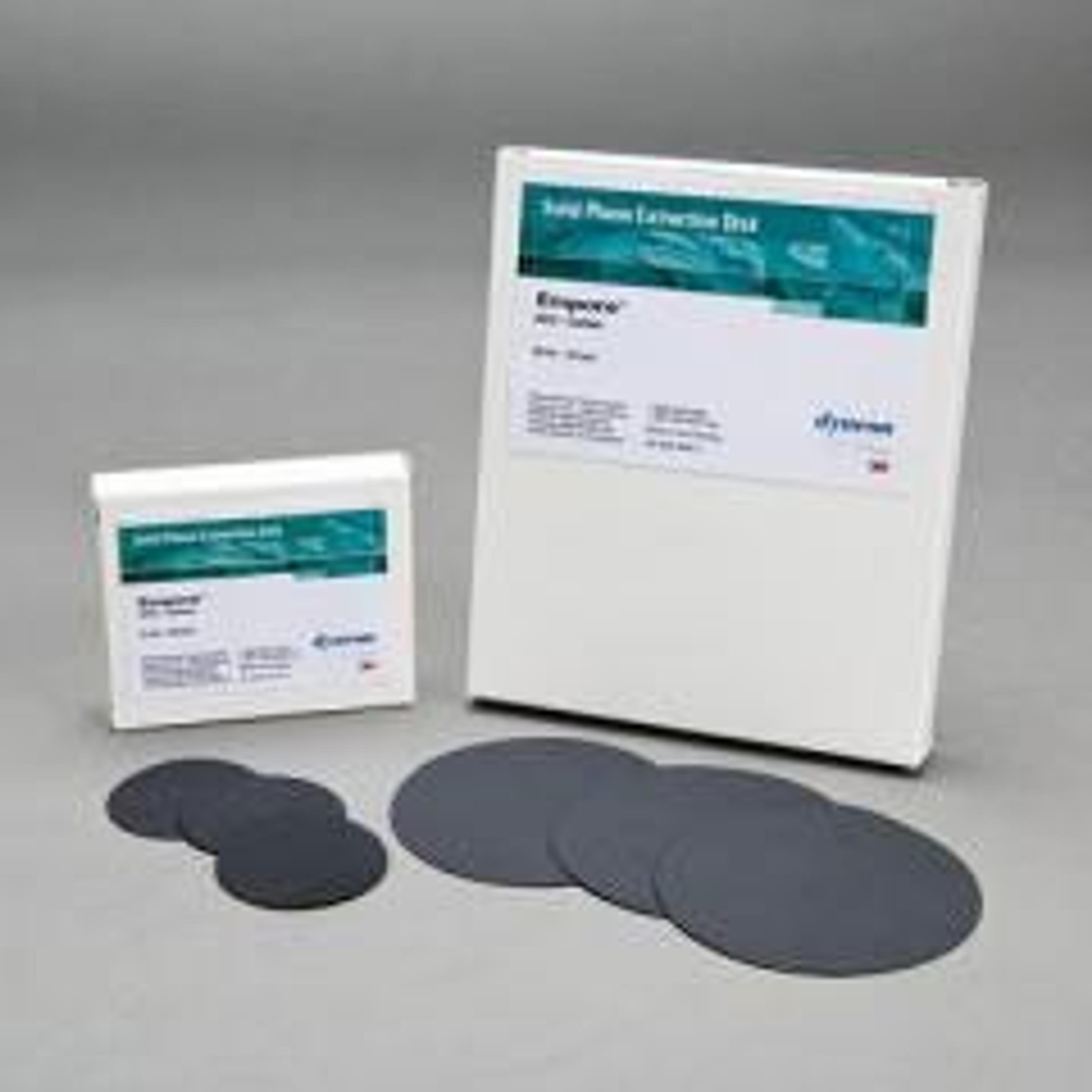
Empore Carbon Disks are designed for the extraction of volatile, highly polar, and water soluble compounds from aqueous solutions. The Empore Carbon Disk provides all the advantages of activated carbon in a compact and thin Empore Disk.
Commonly used for the solid phase extraction of analytes from complex sample matrices. A variety of functional groups, such as octadecyl (C18) and octyl (C8) can be bonded to the silica surface to provide non polar interactions. Each of these sorbents exhibits unique properties of retention and selectivity for a particular analyte. The choice of which sorbent is best for a particular method will be influenced by the percent…
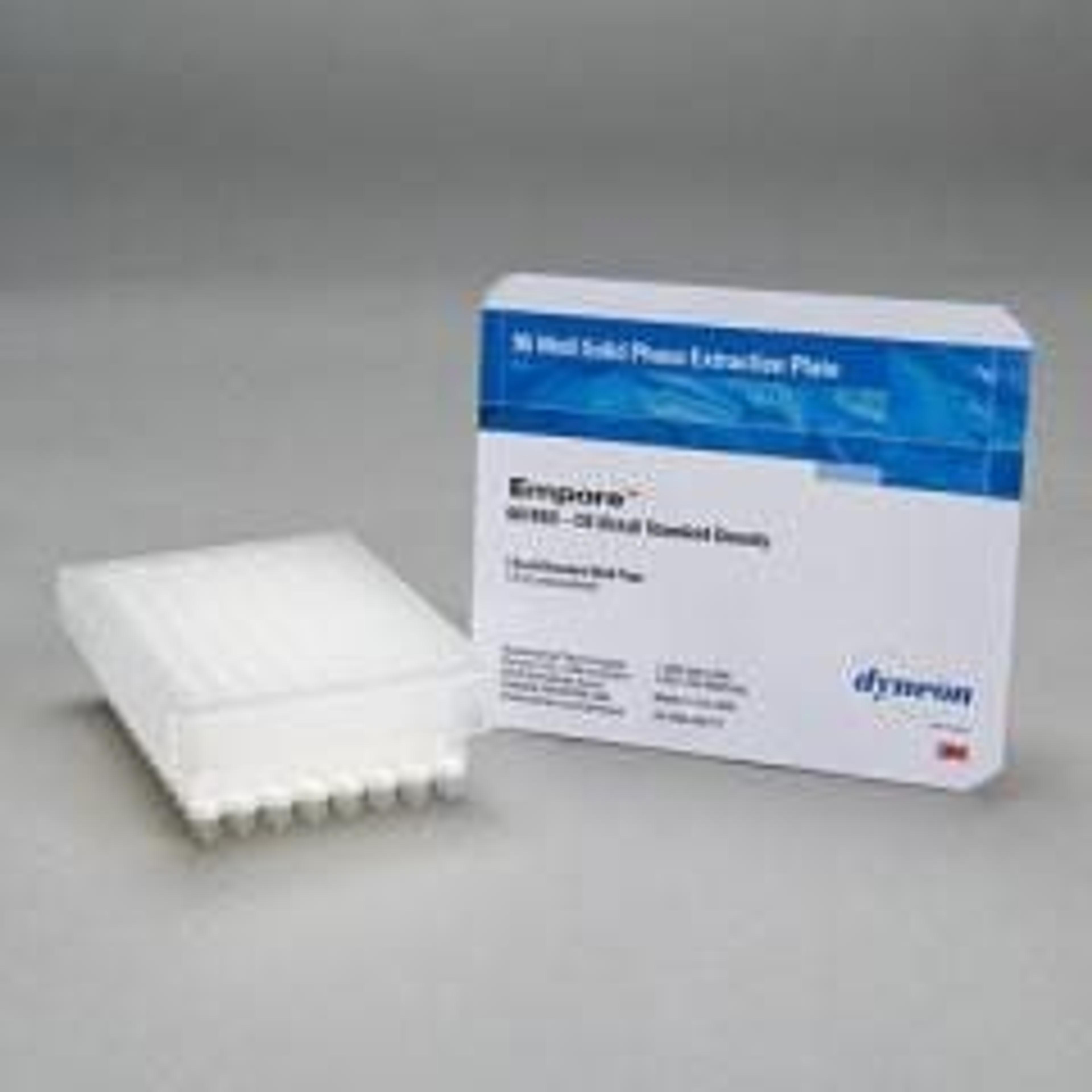
3M bioanalytical's Empore c18 90 Disk-Commonly used for the solid phase extraction of analytes from complex sample matrices. A variety of functional groups, such as octadecyl (C18) and octyl (C8) can be bonded to the silica surface to provide non polar interactions. Each of these sorbents exhibits unique properties of retention and selectivity for a particular analyte. The choice of which sorbent is best for a particular me…
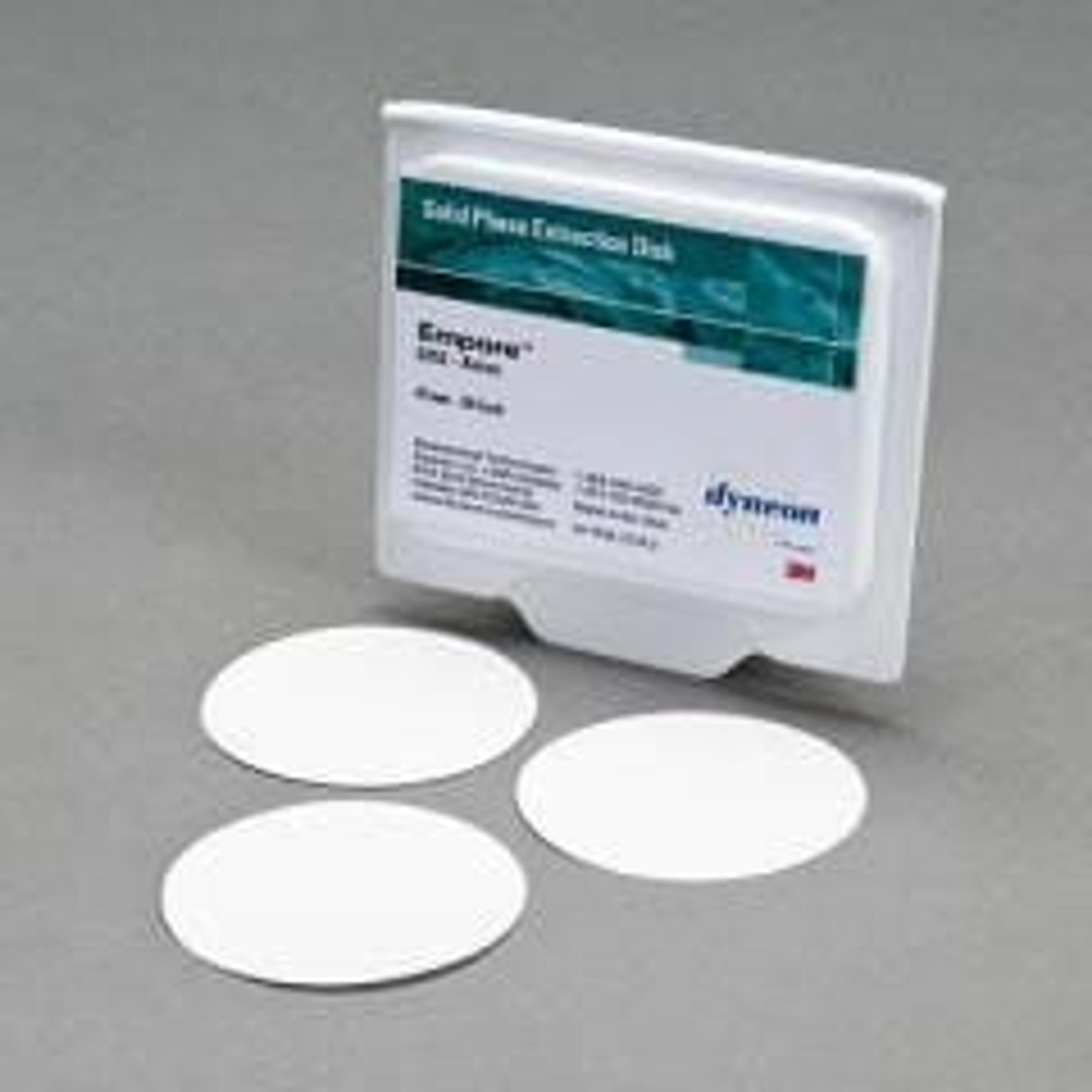
SDB-XC is a poly(styrenedivinylbenzene) copolymer used as a reversed phase sorbent for solid phase extraction. SDB-XC is not bonded to silica but is a 100% copolymeric particle that is spherical, porous and cross-linked. It does not exhibit the secondary cationic (silanol) interactions and pH limitations common to bonded silica sorbents, so it offers more predictable and reproducible reversed phase interaction.
SDB-RPS is a poly(styrenedivinylbenzene) copolymer that has been modified with sulfonic acid groups to make it hydrophilic. SDB-RPS is not bonded to silica but is a 100% copolymeric particle that is spherical, porous and cross-linked. The sulfonation imparts unique selectivity for organic analytes that are polar in nature, such as drugs, drug metabolites, water-soluble pesticides and pesticide metabolites. SDB-RPS is also u…
3M Bioanalytical's Anion-SR is a poly(styrenedivinylbenzene) copolymer that has been modified with quaternary ammonium groups. Note that the 3M Anion-SR is not bonded to silica but is a 100% copolymeric particle that is spherical, porous and cross-linked. The functional group imparts unique selectivity for anionic analytes, such as Endothall, Dalpon and haloacetic acids.
The Oil & Grease Disk was specifically designed for EPA Method 1664 (N-Hexane Extractable Materials (HEM) and Silica Gel Treated N-Hexane Extractable Material (SGT-HEM) by Extraction and Gravimetry). EPA Method 1664 Revision A was approved for use in the United States and published in the Federal Register on May 14, 1999. The Oil & Grease Disk incorporates C18 sorbent particles within a hydrophobic matrix. For EPA Method 16…
Empore Carbon Disks are designed for the extraction of volatile, highly polar, and water soluble compounds from aqueous solutions. The Empore Carbon Disk provides all the advantages of activated carbon in a compact and thin Empore Disk.
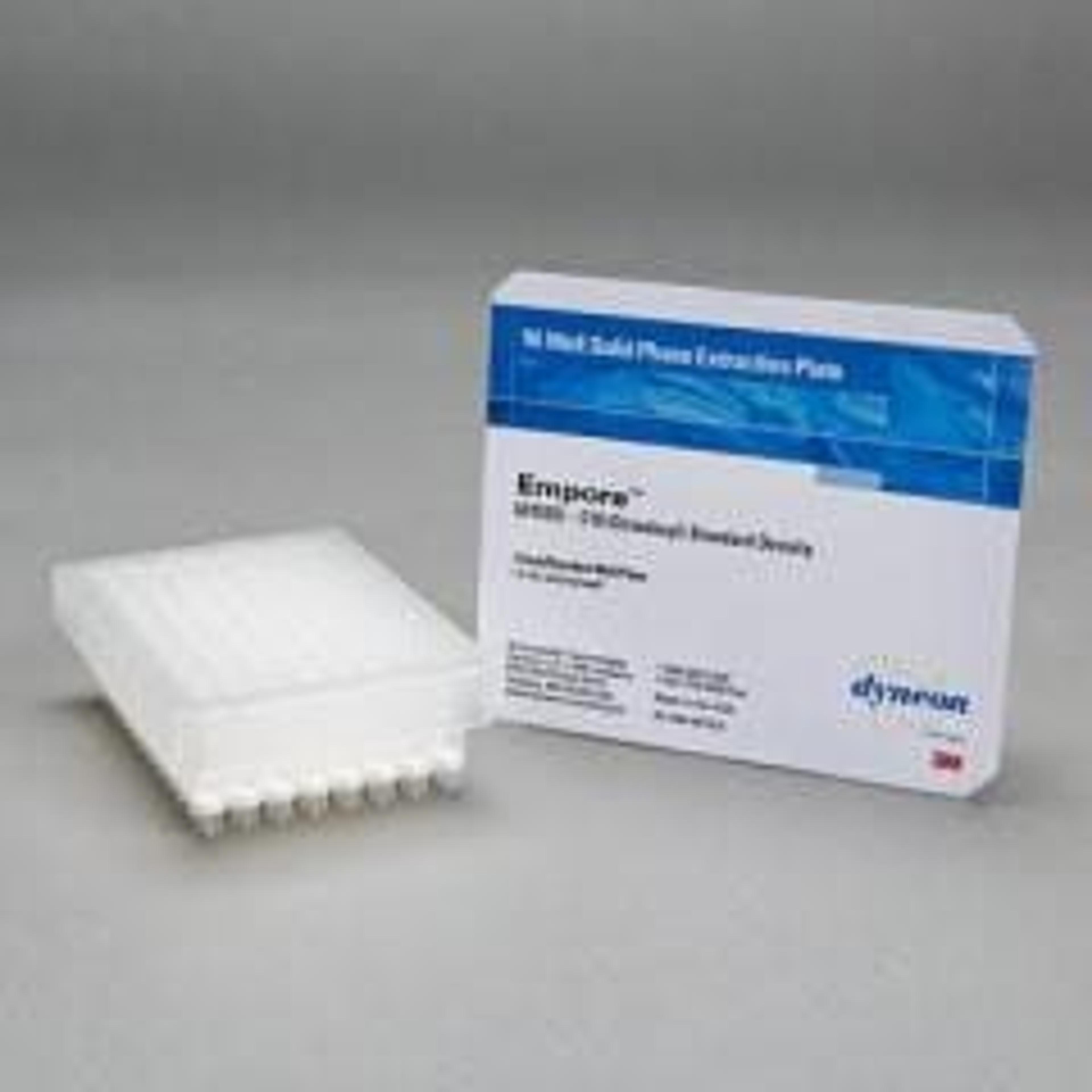
Functional groups, such as octyl (C8) and octadecyl (C18), can be bonded to the silica surface to provide non polar interactions. Each of these sorbents exhibits unique properties of retention and selectivity for a particular analyte. The choice of which sorbent is best for a particular method will be influenced by the percent recovery of analyte from the sample matrix and the cleanliness of the resulting chromatography.
Functional groups, such as octyl (C8) and octadecyl (C18), can be bonded to the silica surface to provide non polar interactions. Each of these sorbents exhibits unique properties of retention and selectivity for a particular analyte. The choice of which sorbent is best for a particular method will be influenced by the percent recovery of analyte from the sample matrix and the cleanliness of the resulting chromatography.
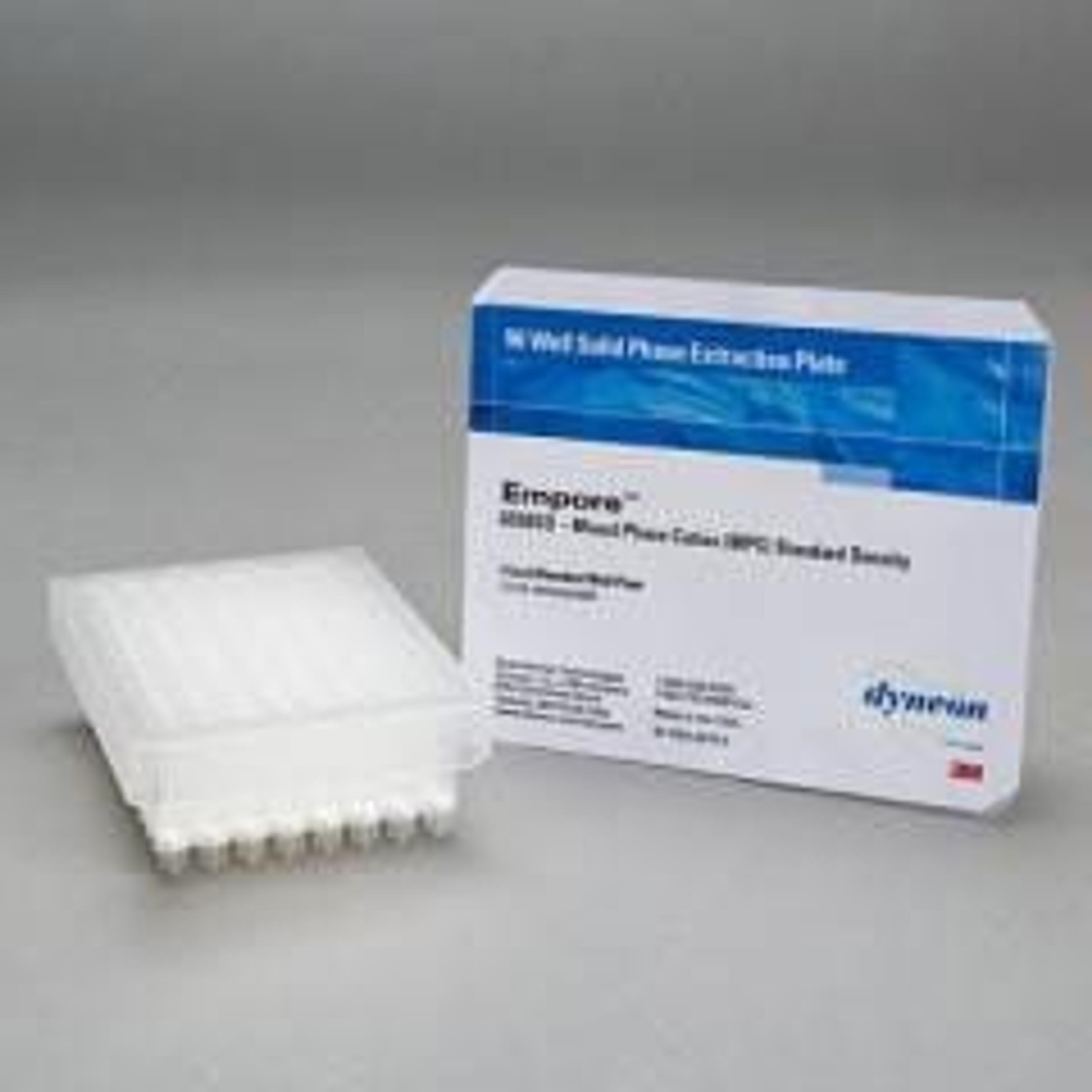
This mixed phase chemistry, in which two primary modes of attraction are present, allows for a more efficient and selective extraction compared to traditional reversed phase techniques. Neutral and ionized analytes can be simultaneously extracted from a complex mixture and eluted as separate fractions. A mixed phase sorbent offers the following advantages: Eluting acidic and neutral analytes separately from basic analy…
This chemistry promotes high retention of a wide range of analytes, reducing method development time and facilitating a generic approach to sample preparation.
Functional groups, such as octyl (C8) and octadecyl (C18), can be bonded to the silica surface to provide non polar interactions. Each of these sorbents exhibits unique properties of retention and selectivity for a particular analyte. The choice of which sorbent is best for a particular method will be influenced by the percent recovery of analyte from the sample matrix and the cleanliness of the resulting chromatography.