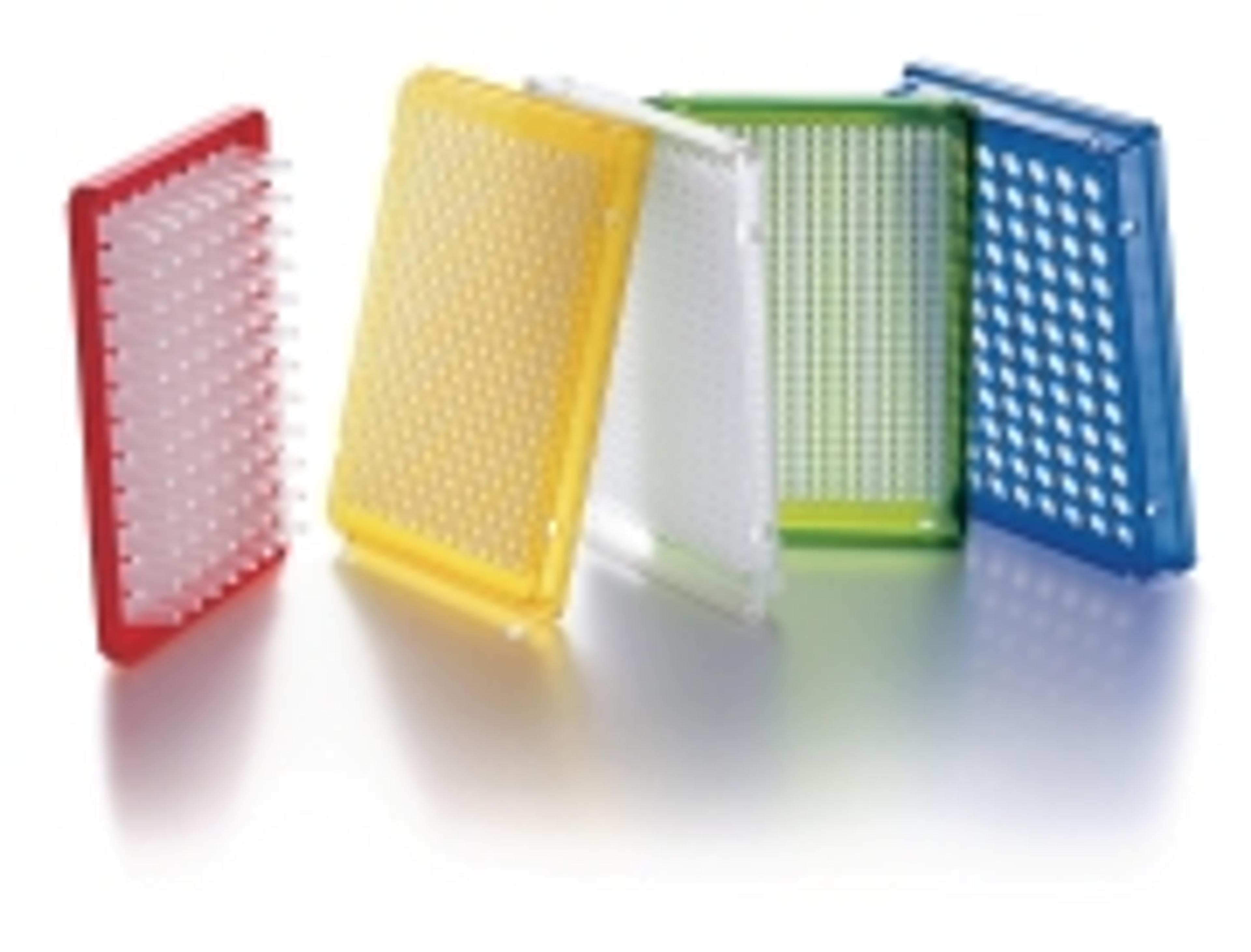
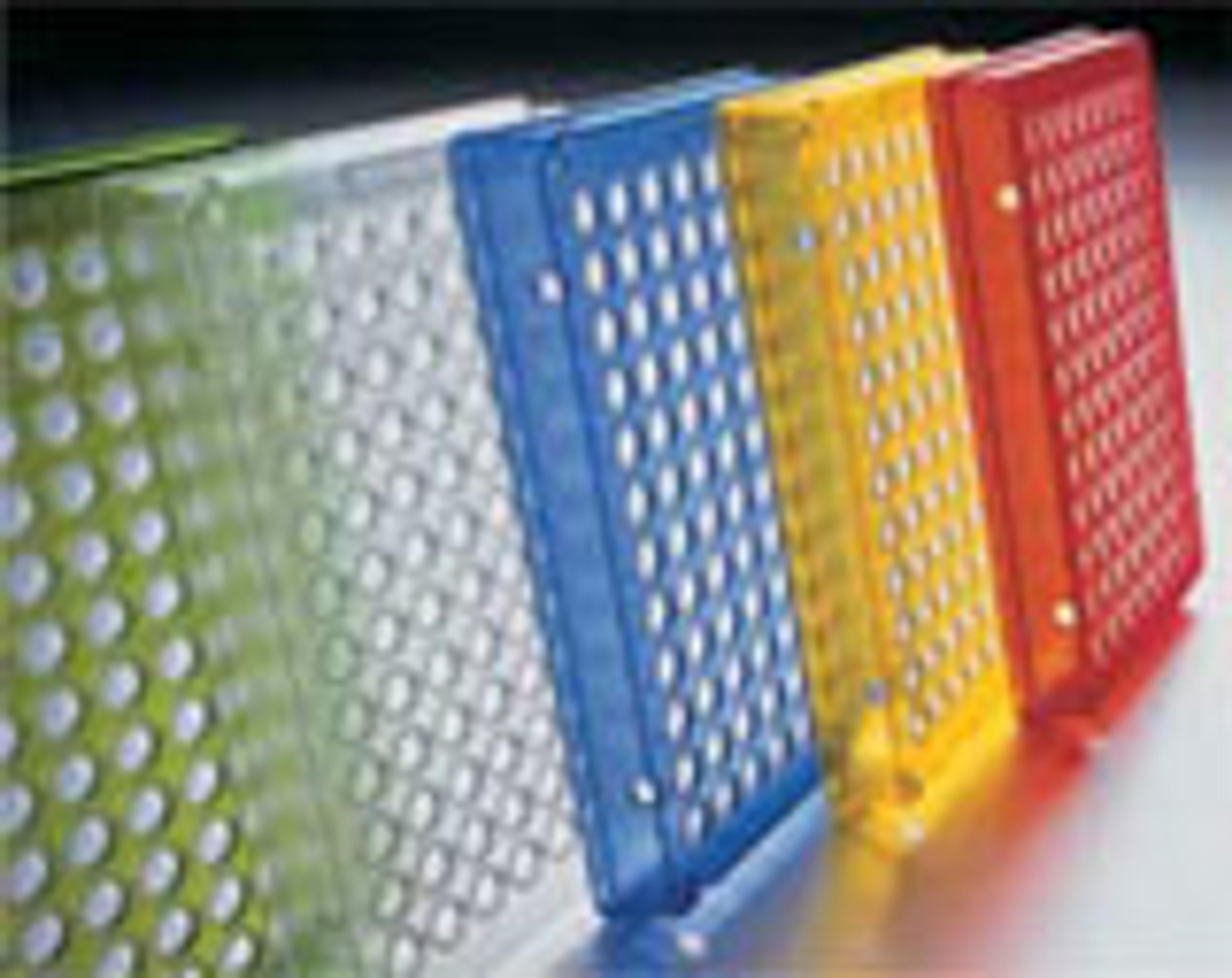
twin.tec PCR Plate 96 and 384
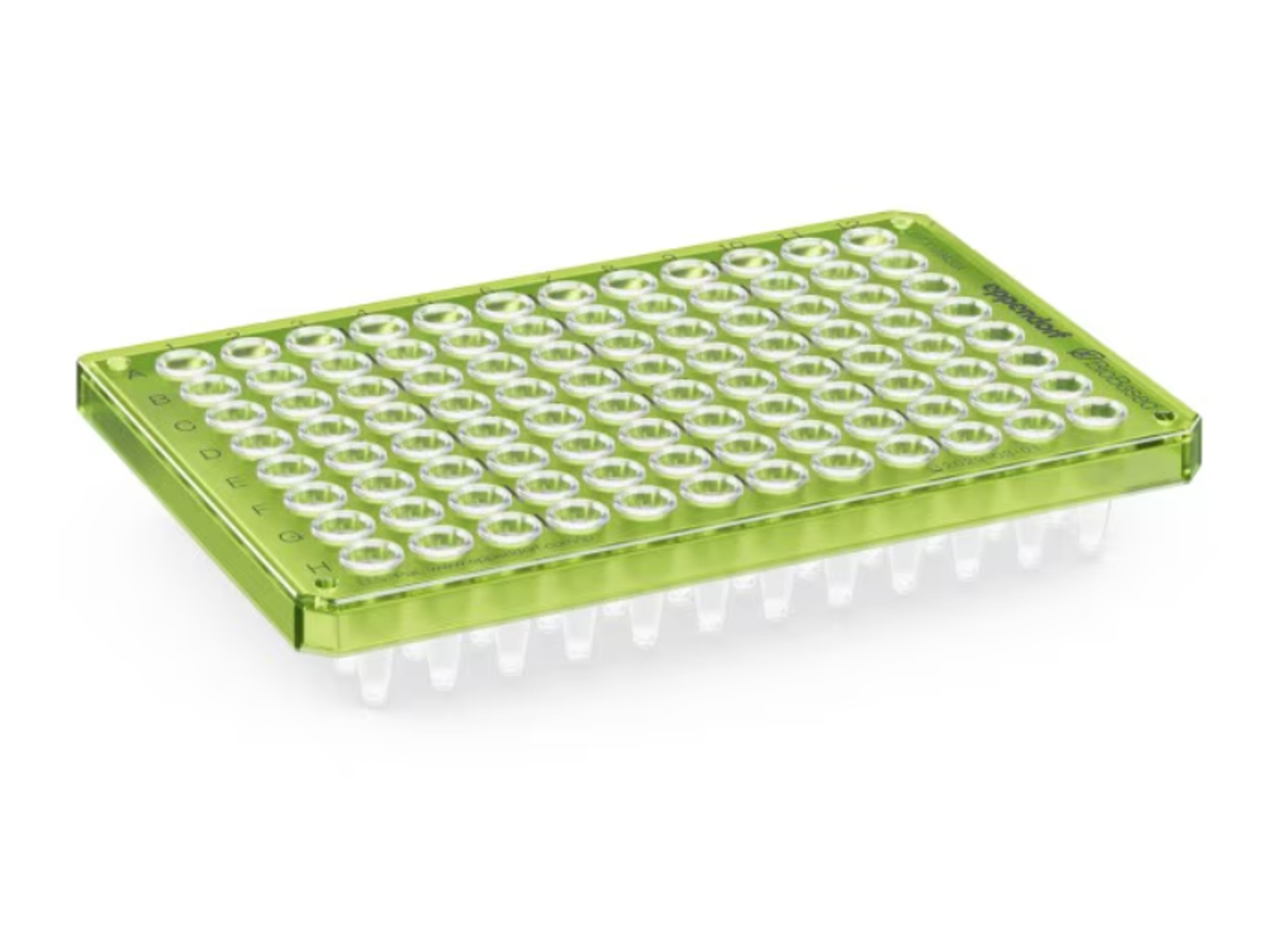
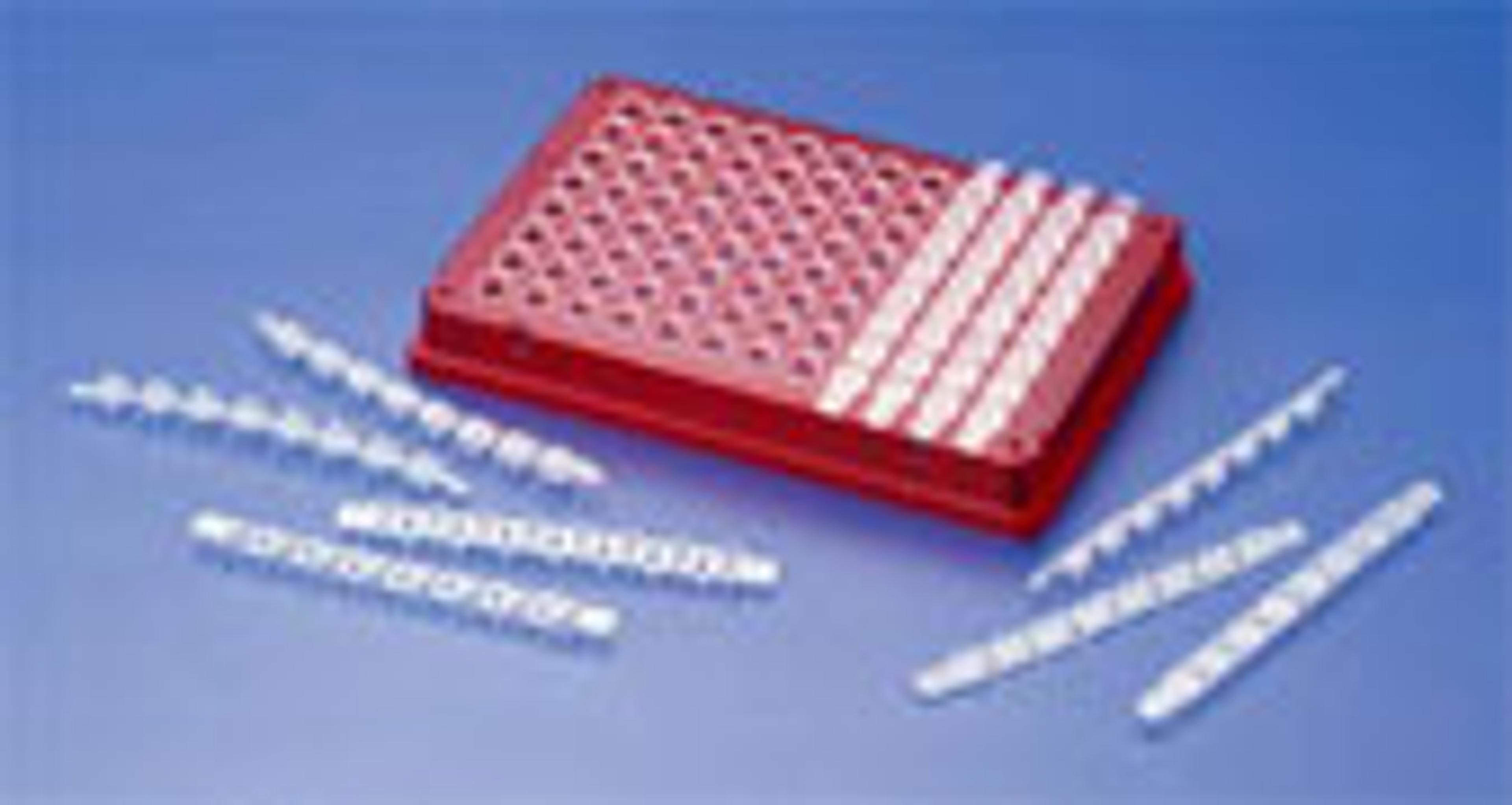
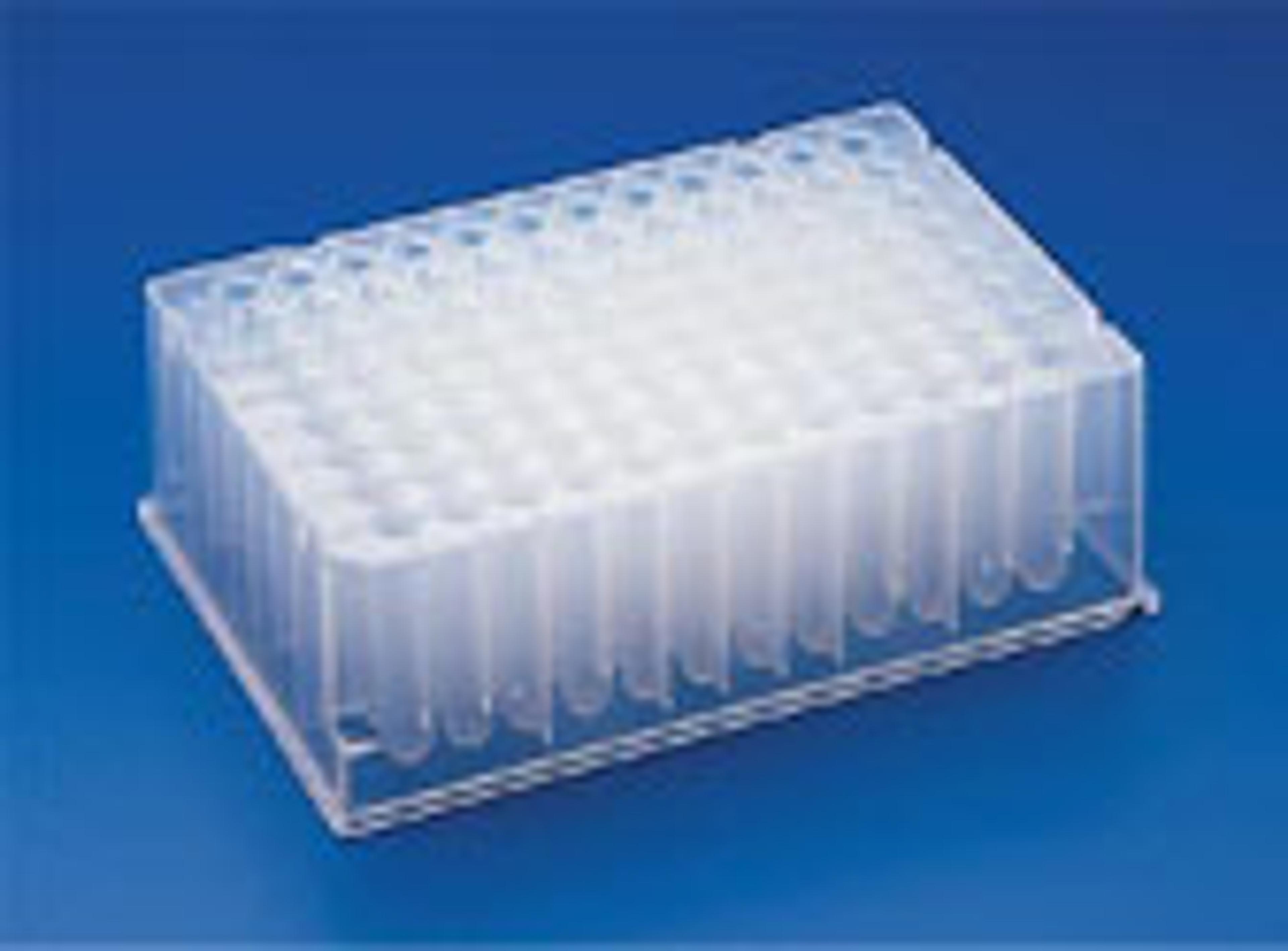
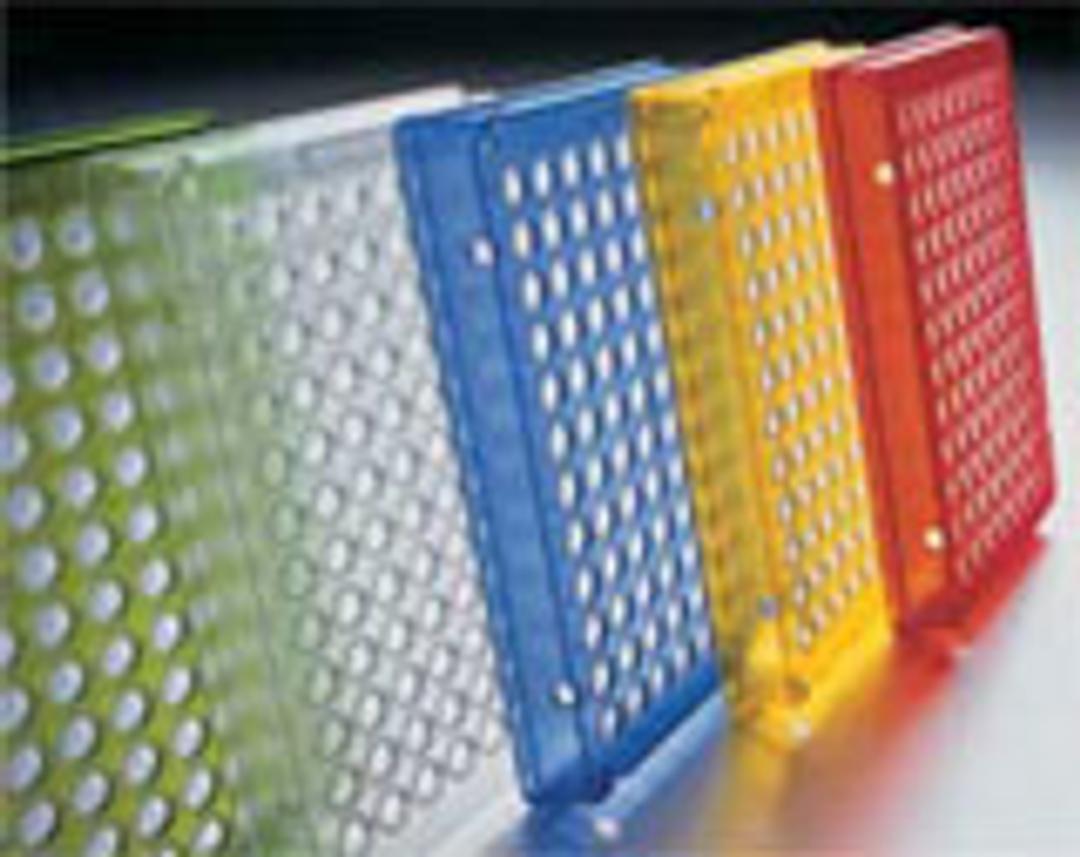
Eppendorf® twin.tec PCR plates give you the advantages that come from combining two materials: the wells are manufactured from virgin polypropylene, the most successful material used for PCR tubes; polycarbonate, an especially rigid material, forms the plate deck and the skirt. This one-piece design is achieved by an innovative injection moulding process, twin-shot technology. Polycarbonate enhances the mechanical stability an…
Receive your quote directly from the manufacturer.
Glad to have a product that has multiple utilities.
library prep for NGS
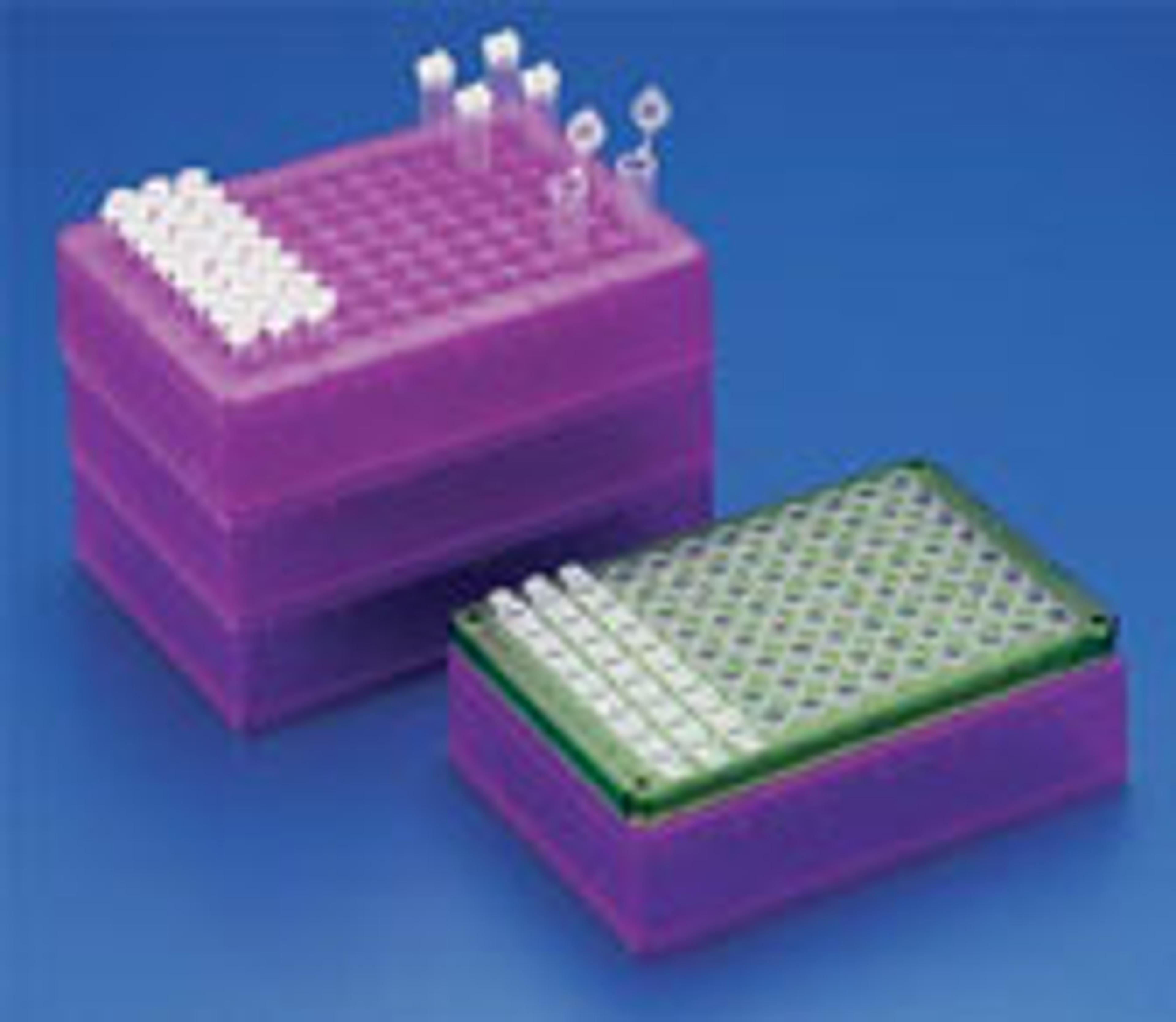
The size of skirt and the colored options make it helpful for this very complicated sample prep. The partial skirt allows for transfer to multiple platforms. Keeping track of multiple different master mix plates is easier with color coding.
Review Date: 17 Mar 2023 | Eppendorf
Review Date: 18 Feb 2010 | Eppendorf
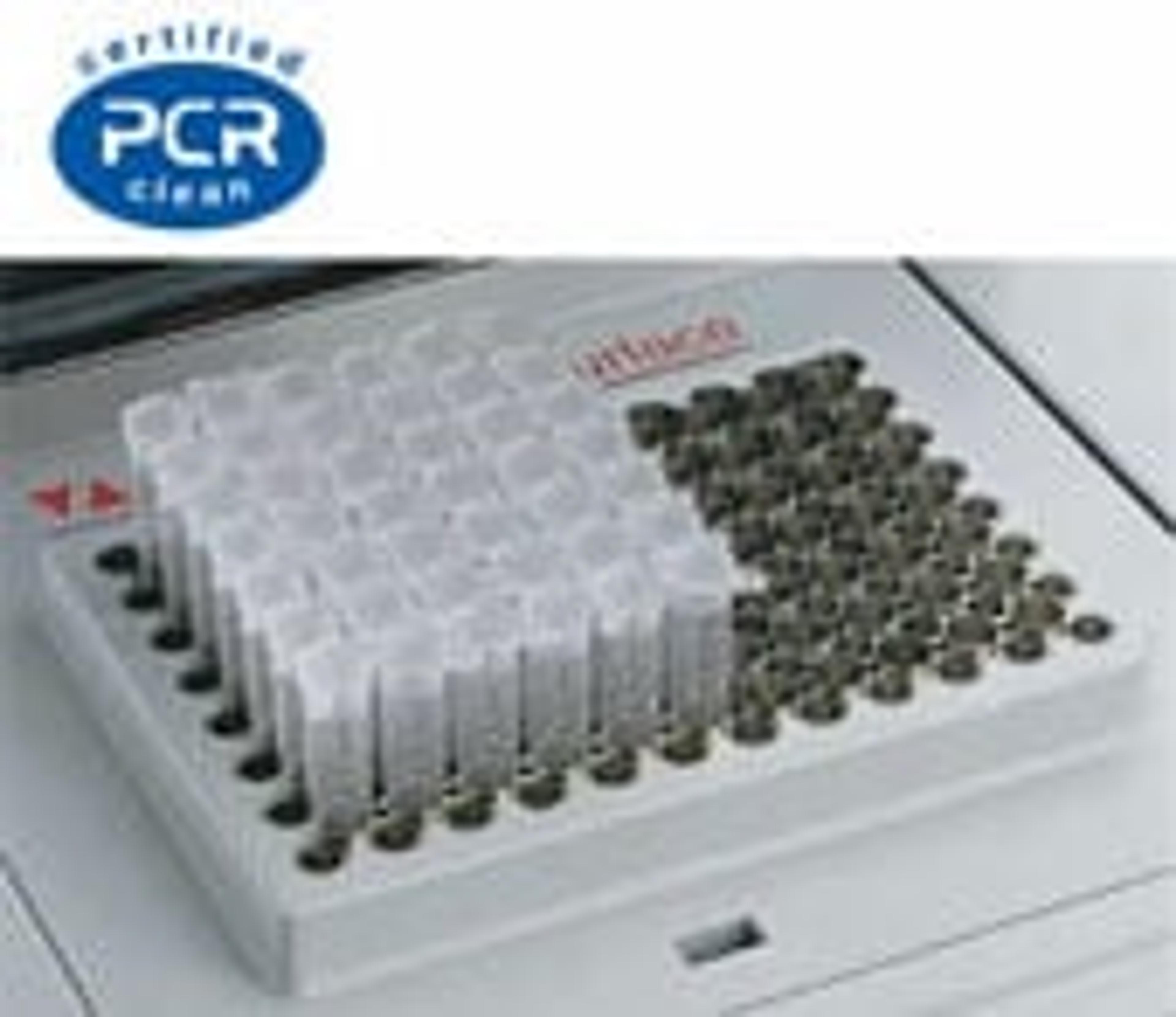
Eppendorf® twin.tec PCR plates give you the advantages that come from combining two materials: the wells are manufactured from virgin polypropylene, the most successful material used for PCR tubes; polycarbonate, an especially rigid material, forms the plate deck and the skirt. This one-piece design is achieved by an innovative injection moulding process, twin-shot technology.
Polycarbonate enhances the mechanical stability and facilitates handling for the twin.tec PCR plates. Its enhanced stiffness guarantees improved plane parallelism in the plate deck before, during and after PCR, thus ensuring a more secure seal. Minimum sagging of the skirt makes the plate the ideal choice for use in automation and in conjunction with robots. All these features are nevertheless of equal use to molecular biologists working in manual operation, because the visible outcome is a batch of more reliable PCR results.
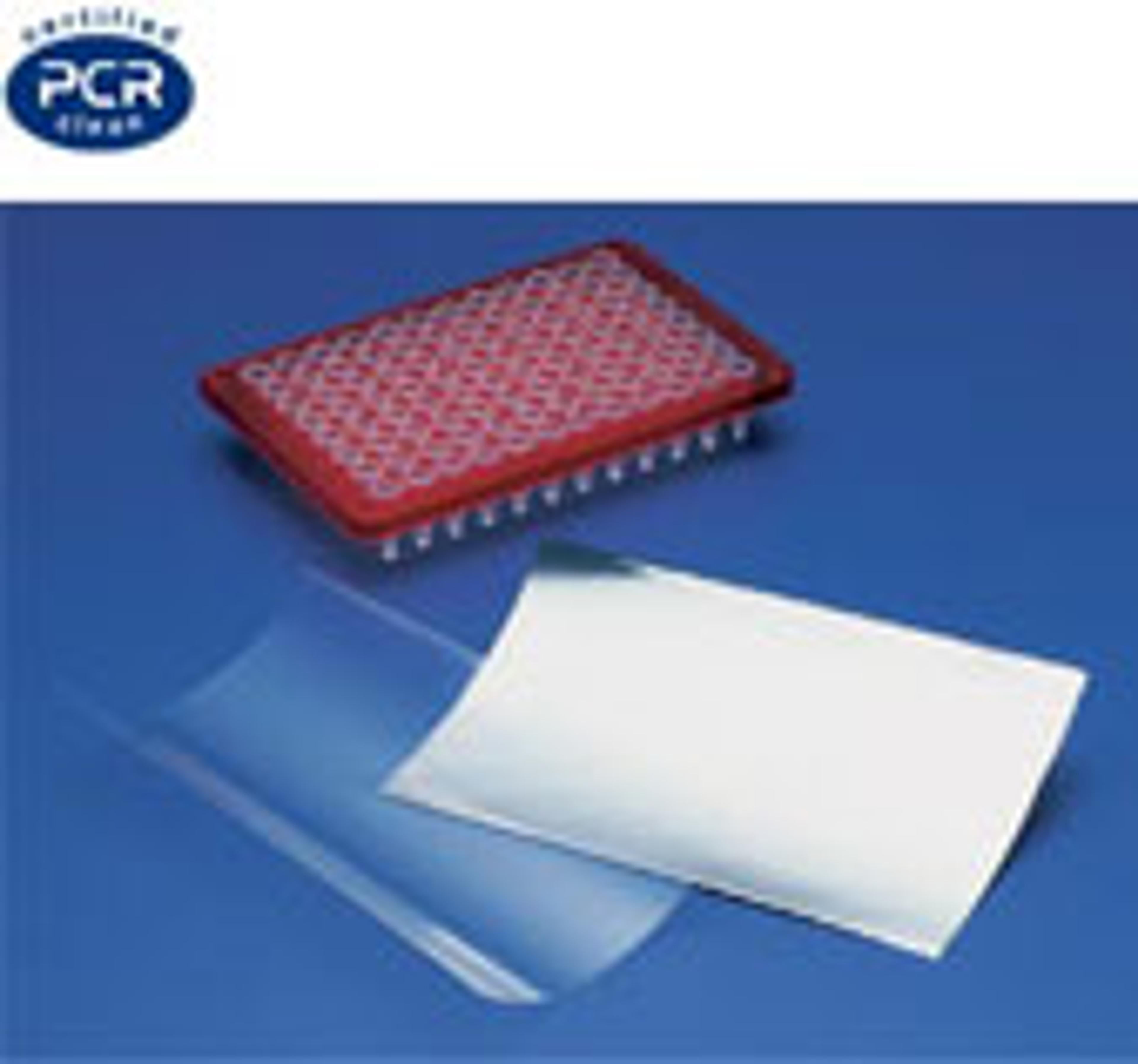
Polypropylene gives the wells an inert, non-wetting surface that prevents DNA, RNA and enzymes from binding and improves recovery even when you are working with the most minute volumes. Compared to the common thin-walled tubes, Eppendorf twin.tec PCR plates offer a further 20% reduction in wall thickness. This provides an ideal snug fit for the well against the thermal block and ensures virtually undisturbed heat transfer from the block to the sample. Raised well rims optimize sealing effectivity and reduce the risk of cross contamination. All commonly used sealing methods can be applied: cap strips, adhesive films and foils - and for best protection against evaporation, heat sealing.
Eppendorf's certified purity standard - "PCR clean" - guarantees that the product is free of human DNA, DNase, RNase and PCR inhibitors.

From manual to mastered, the smartest way to streamline NGS library prep
Session 1 broadcasting at 9:00 BST | 10:00 CEST
Session 2 broadcasting at 13:00 EDT | 10:00 PDT
Move from manual to automated NGS library prep, without the steep learning curve
Preparing high-quality next-generation sequencing (NGS) libraries is essential for successful sequencing. However, as sample numbers grow and pressure increases to deliver consistent results, many labs are turning to automation to boost throughput, reduce hands-on time, and improve reproducibility. If you're relying on manual methods (or just beginning to explore automation) this SelectScience webinar will show you how easy it can be to make the switch, streamline your workflow, and set your lab up for long-term success.
Join Ebony Courtney and Kirk Mantione for a practical guide to automating gold-standard Illumina library prep workflows on the epMotion® liquid handling system from Eppendorf, a user-friendly solution that saves hands-on time, reduces human error, and delivers reliable results with minimal setup.
The webinar will focus on Illumina DNA Prep, Illumina DNA Prep with Enrichment, and Illumina RNA Prep with Enrichment workflows due to their universal application in genomics research.
Certificate of attendance
If you attend the live webinar, you will automatically receive a certificate of attendance, including a learning outcomes summary, for continuing education purposes. If you view the on-demand webinar, you can request a certificate of attendance by emailing editor@selectscience.net.
Webinar details
- Cost: Free to attend
- Location: Online
- Duration: 60 minutes
Registration is required to secure your place. If you register but can’t attend live, you will receive a link to the on‑demand recording once it becomes available.

Preventing DNA Contamination: Tackling the Phantom of Heilbronn Legacy with Eppendorf
Failures brought to light by botched police investigation have led to tough new requirements for the manufacturers of DNA analysis products