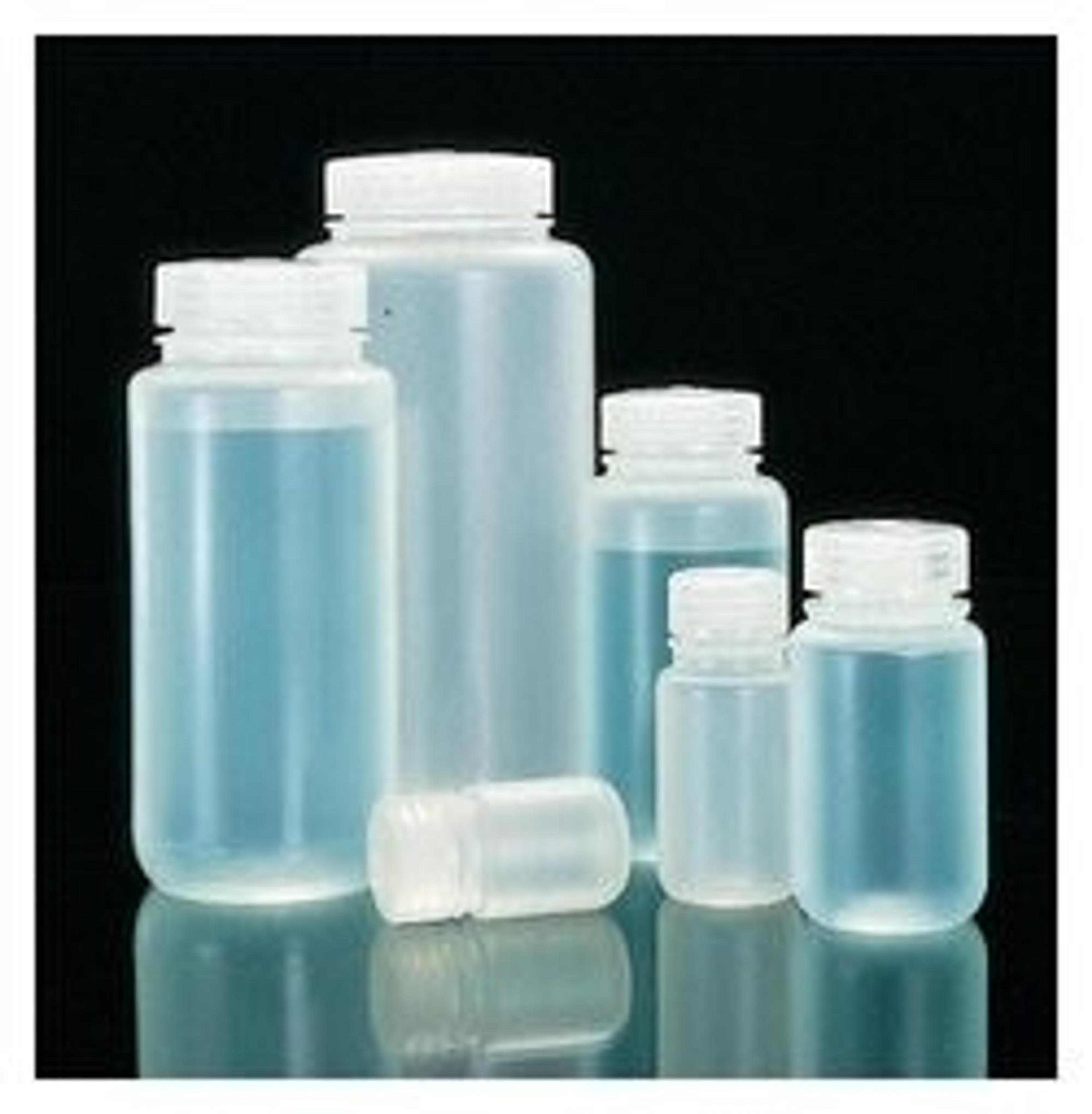
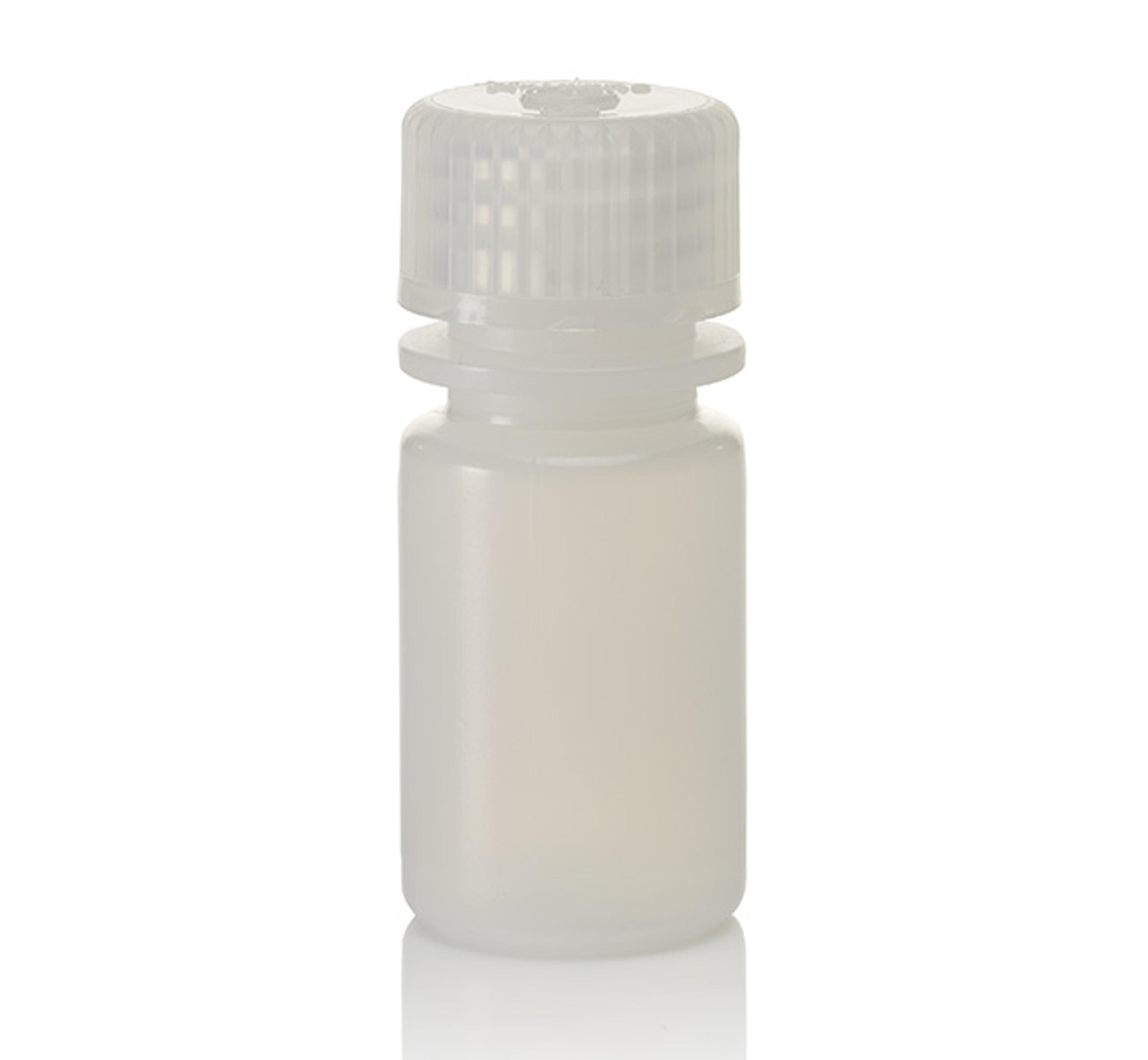
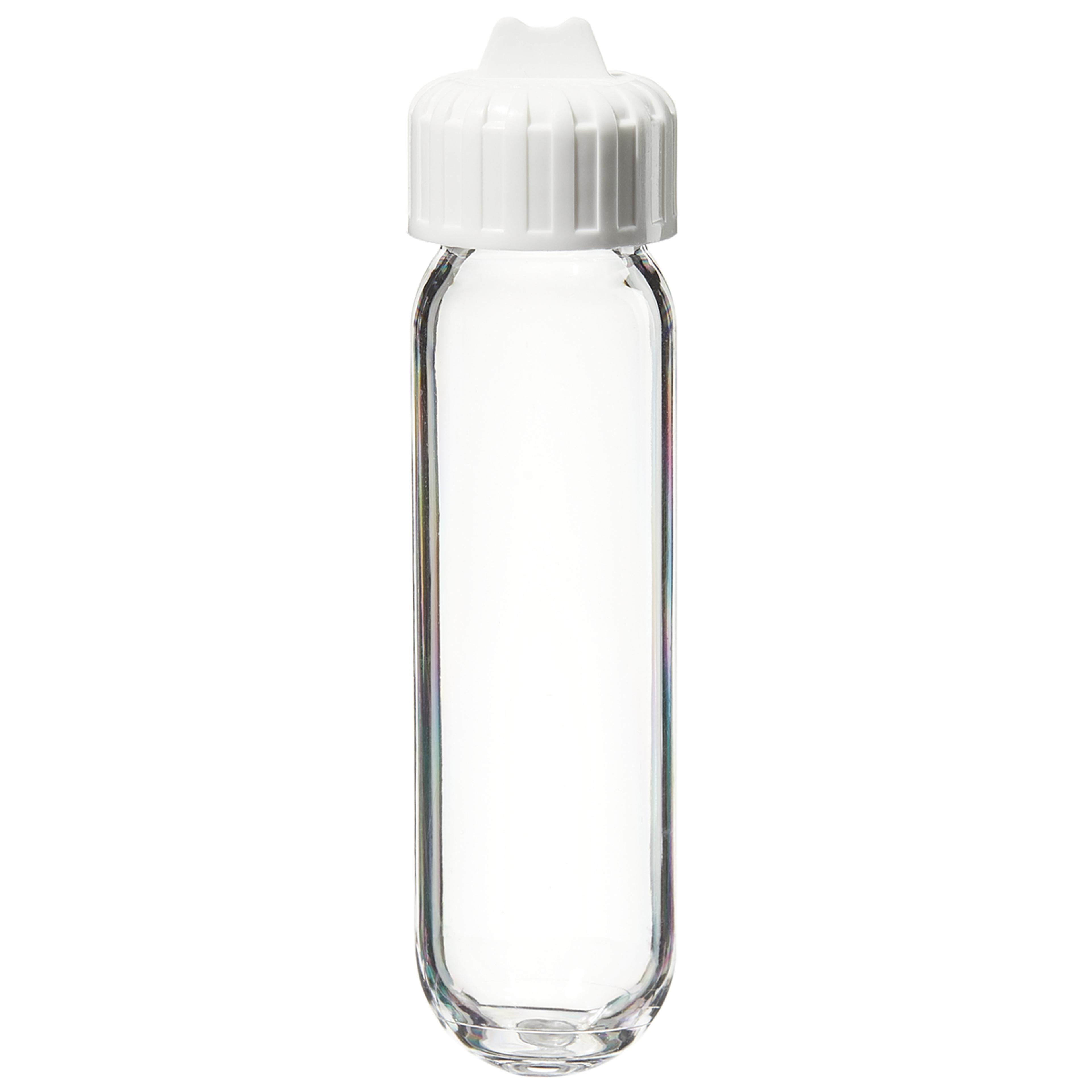
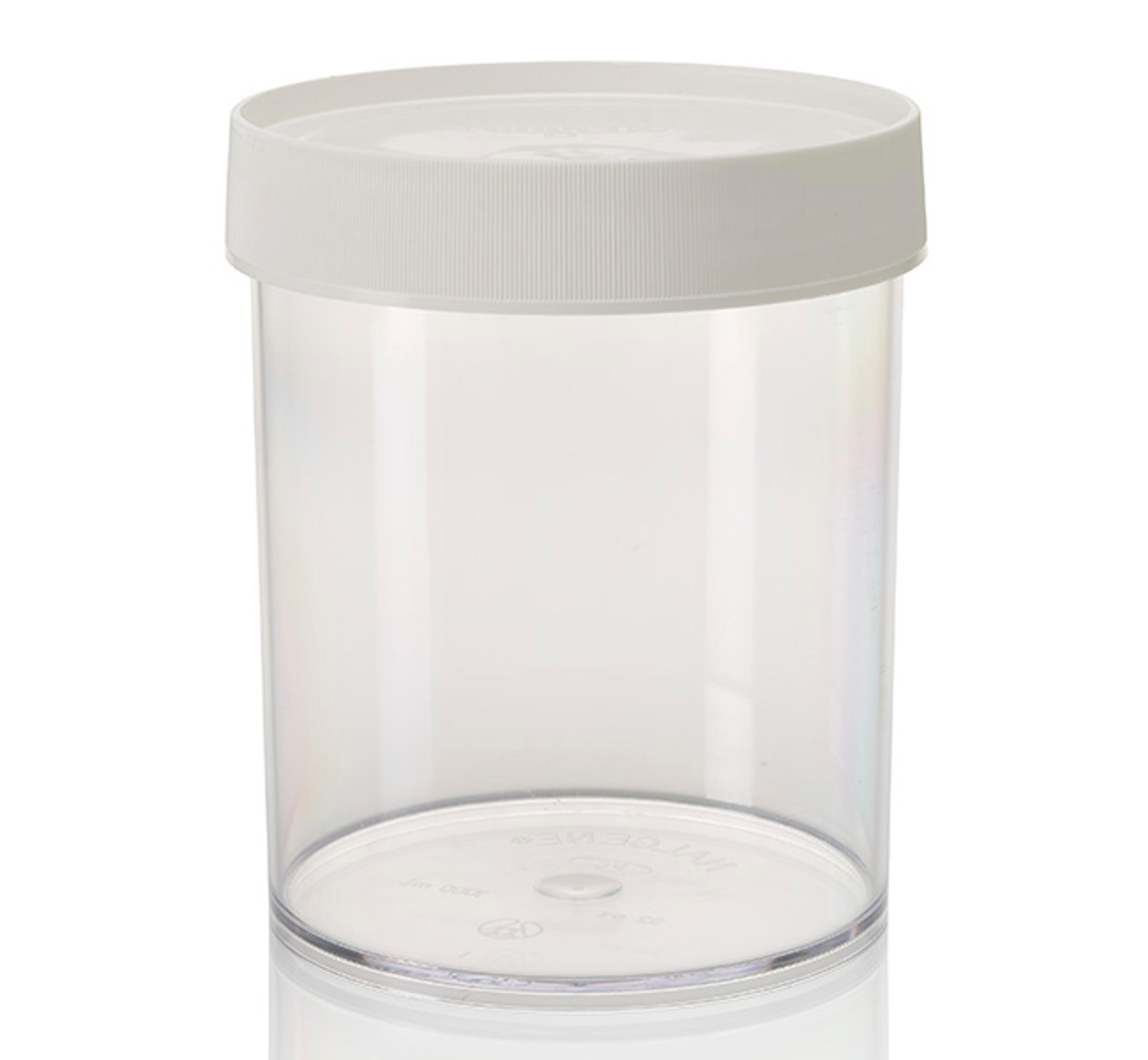
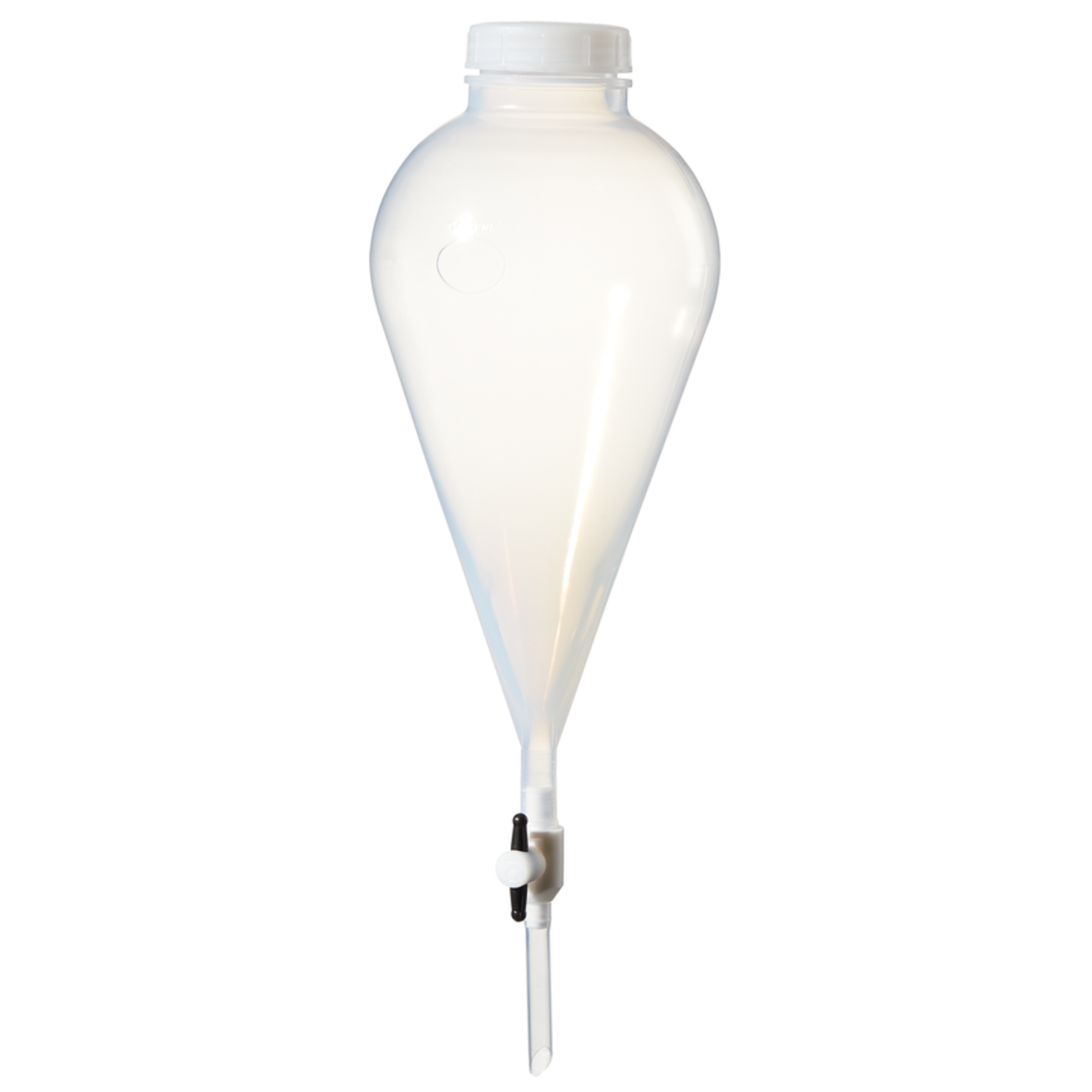
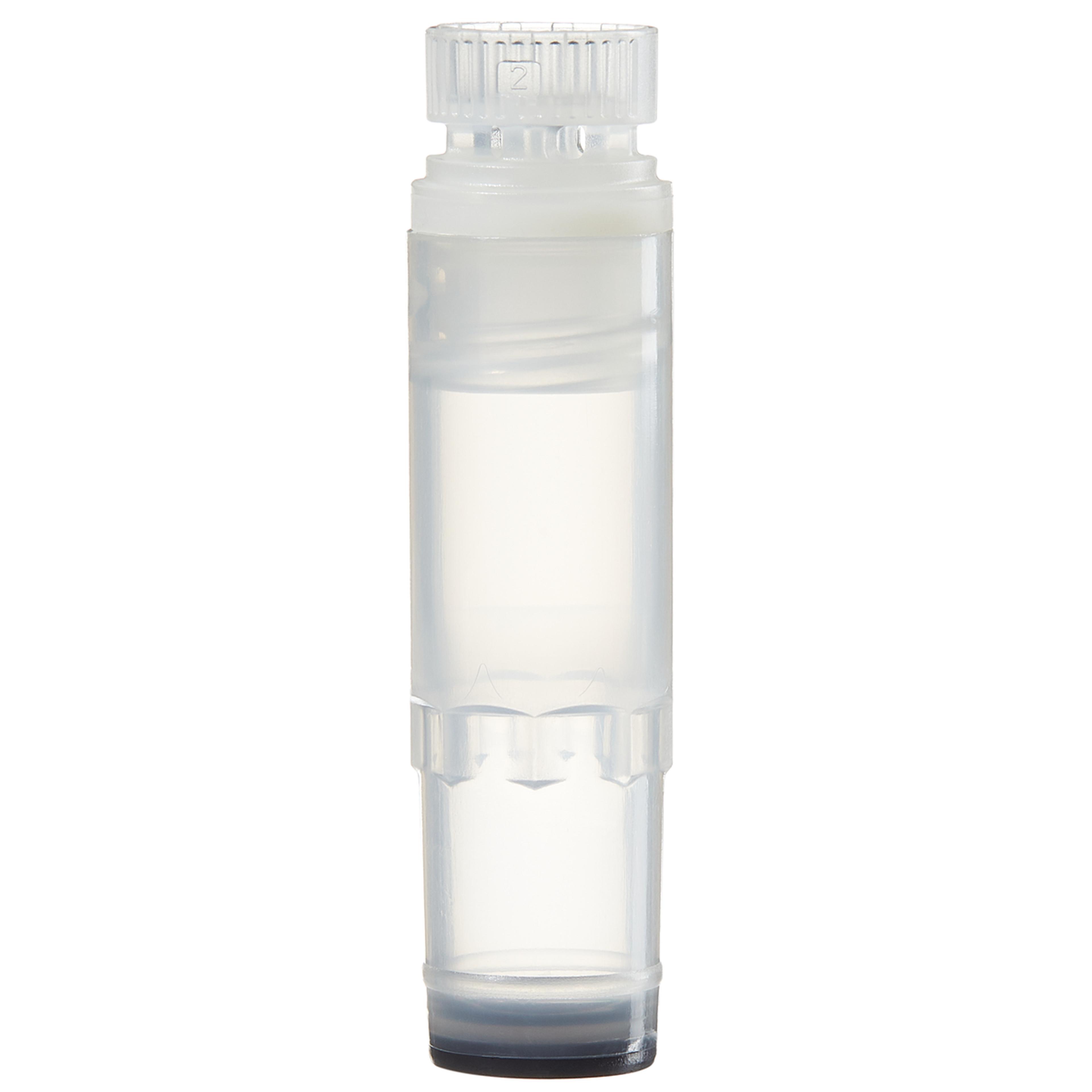
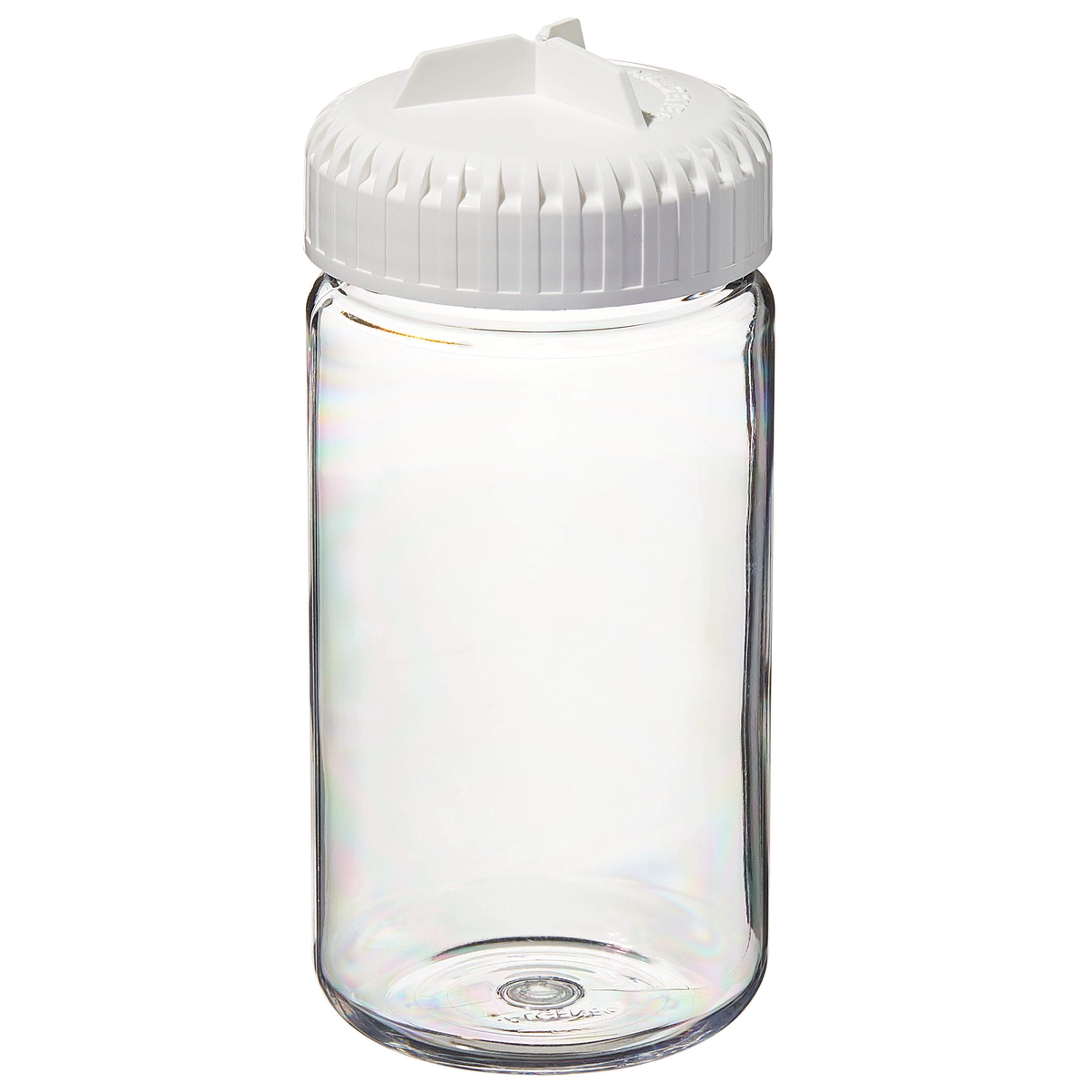
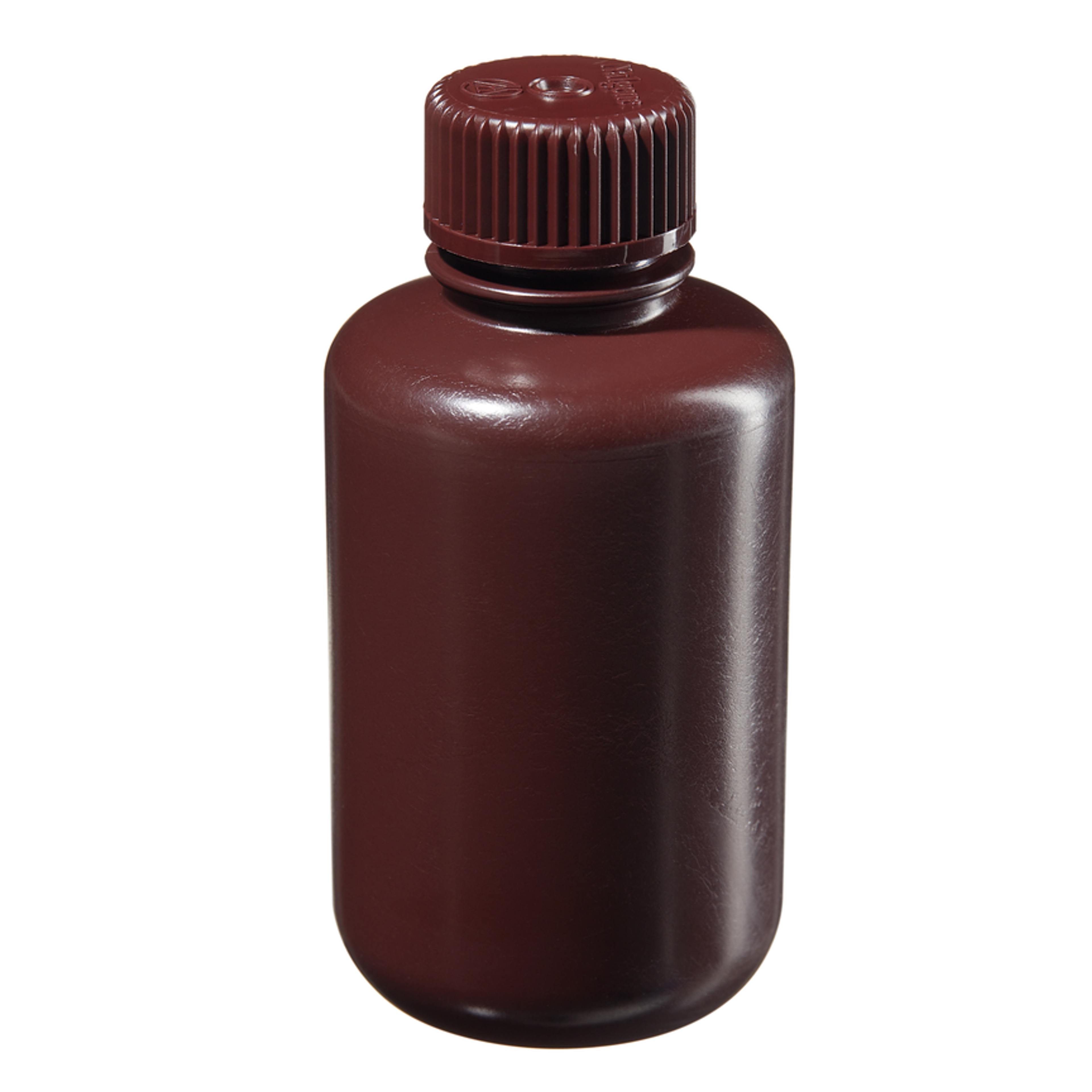
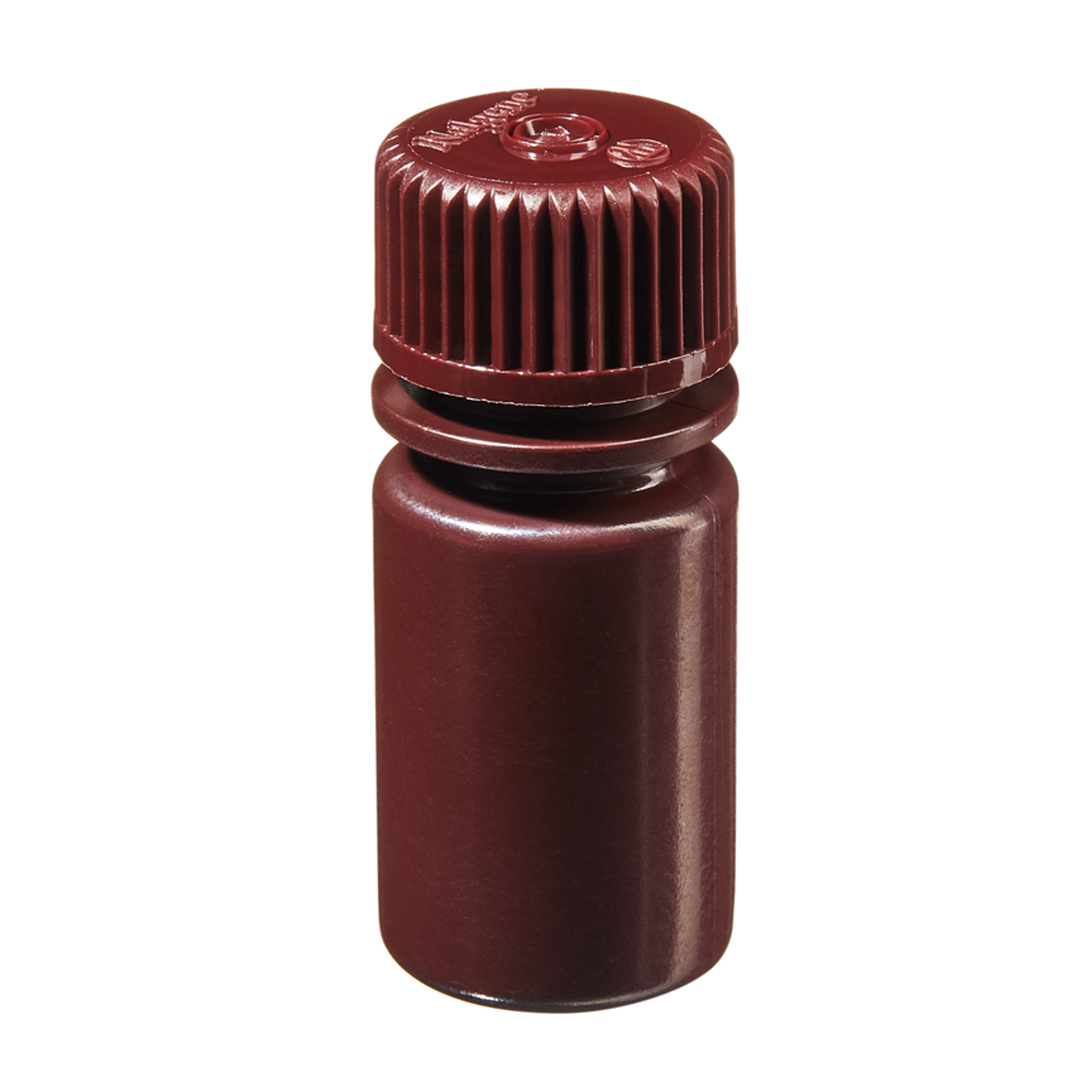
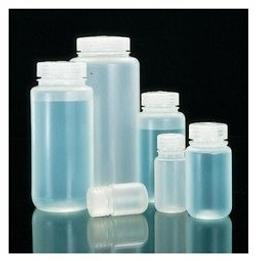
Nalgene™ Wide-Mouth Lab Quality PPCO Bottles with Closure
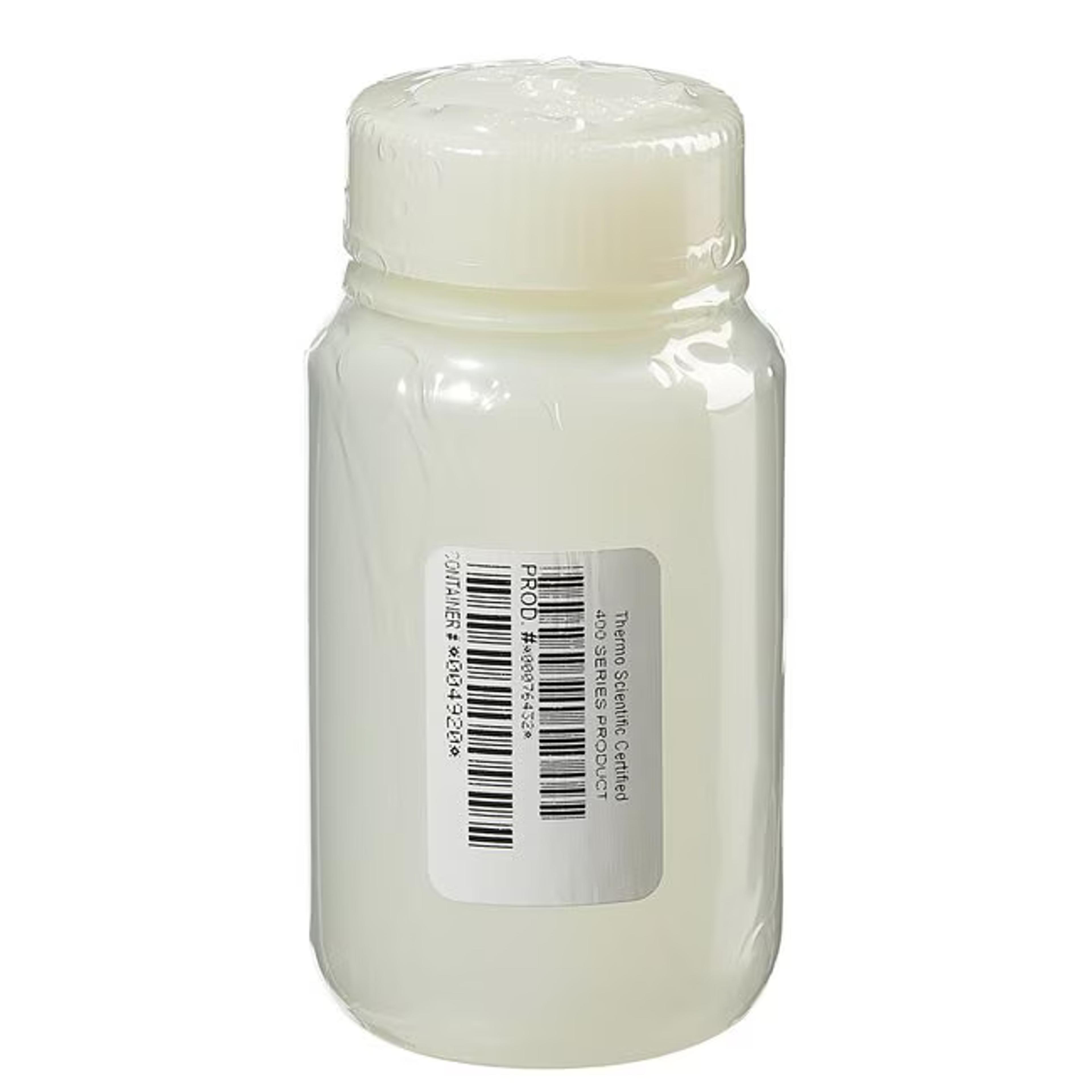
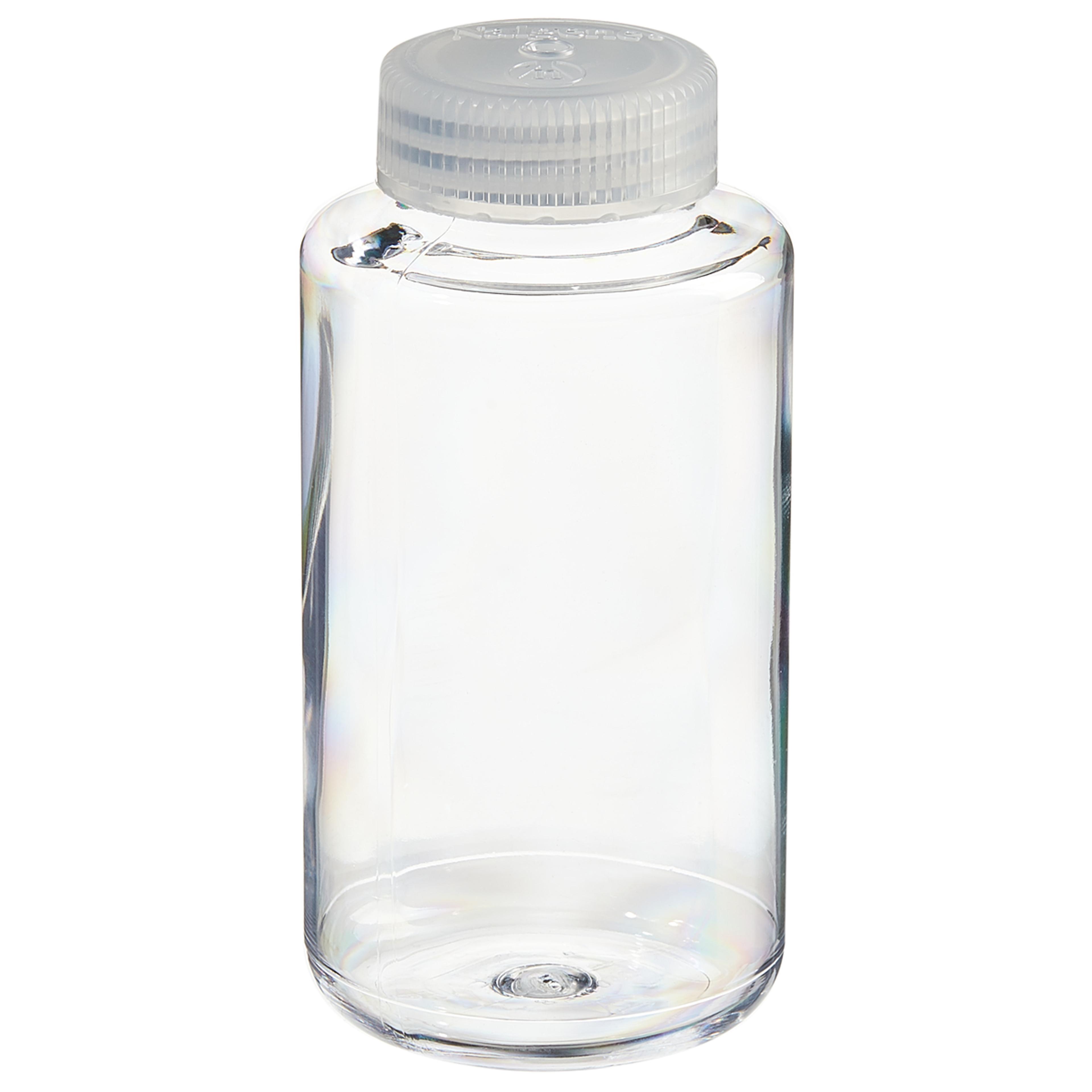
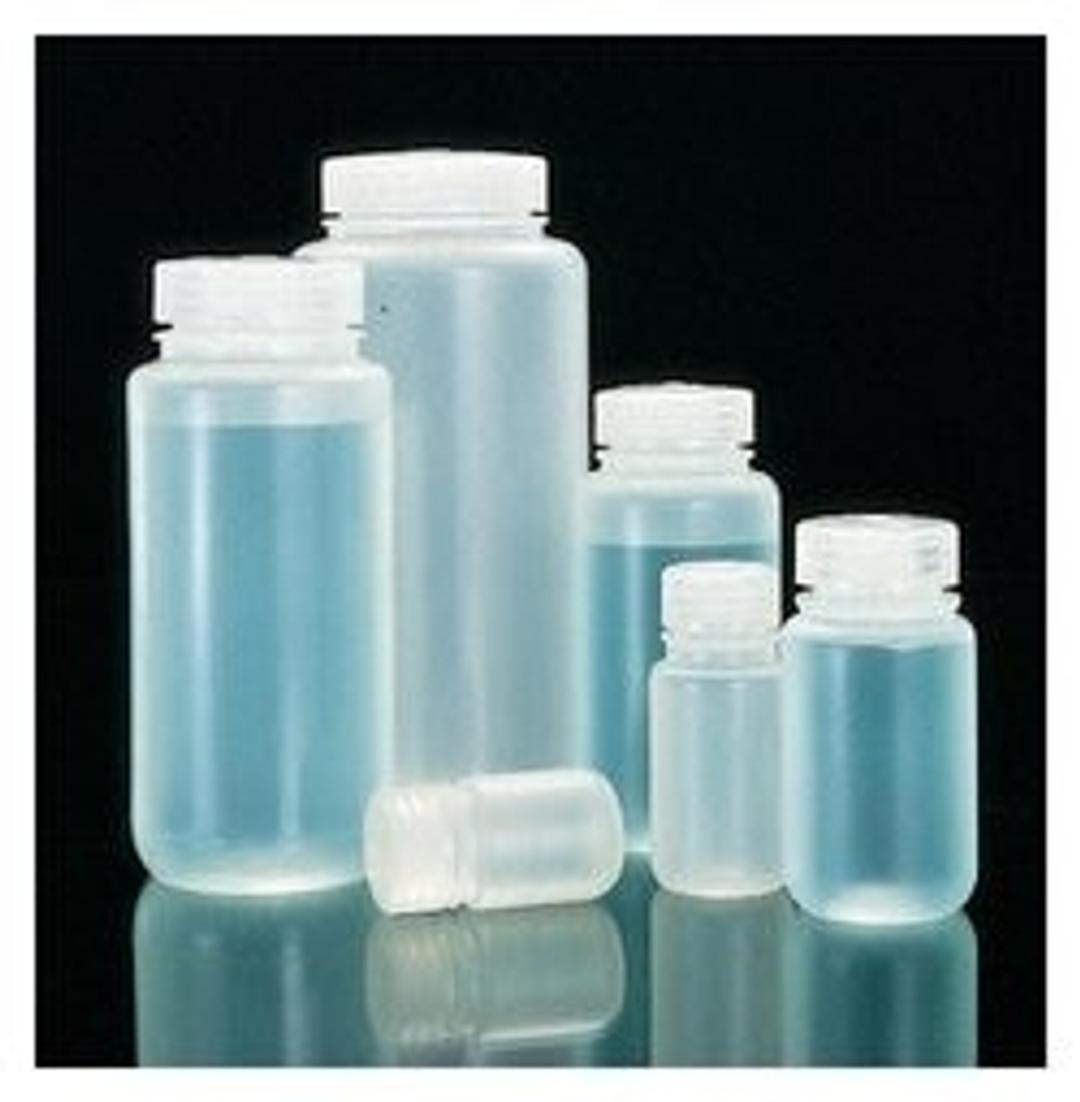
Store specimens where autoclaving is required with these wide-mouth, lab-quality PPCO bottles.

Place your order directly with the manufacturer.
Made from high-quality, laboratory-grade plastic materials for reliably low leachables and extractables.
Features:
- Excellent chemical resistance to most acids, bases and alcohol
- Translucent for easy viewing of liquid levels
- Wide mouth for easy filling
- Linerless caps for leakproof† performance without a liner that can wrinkle, cause leaks and contaminate your solutions
- Autoclavable
- Leakproof† when used with Nalgene closures
- Manufactured from non-toxic materials
Includes:
- Polypropylene screw closure
Note:
- Completely disengage threads or remove cap before autoclaving.
Recycling Information:
Nalgene reusable polypropylene(PP) and polypropylene copolymer (PPCO) bottles are designed to last many years under typical laboratory conditions. Yet, as with all durable products, they need to be retired and replaced eventually. These bottles and their packaging are recyclable in many communities. Please recycle the corrugate cartons and LDPE bags in which your Nalgene bottles products are packaged. And at end of product life, please wash and recycle your Nalgene PP and PPCO bottles if services are available in your community.
† The term leakproof applies to Thermo Scientific Nalgene products that meet the following criteria: a) Bottle/flask/funnel closure systems with closures smaller than 100mm, after they are filled with water, inverted, withstand air pressure of 2psig for 2 minutes, and no water escapes;. b) Bottle/funnel/flask closure systems of larger than 100mm after they are filled with water, inverted for 15 minutes, and no water escapes. Note: these tests, using other liquids, may not yield the same results. To ensure safe usage, customers are advised to test Thermo Scientific Nalgene bottles and closures under conditions of their planned applications. Thermo Scientific Nalgene products are leakproof at ambient temperature and pressure when used with their Nalgene closures.

Ready-to-use Bottle Assembly Systems
Nalgene bottles, designed specifically for bioprocessing, offer integrity and safety for critical products. Single-use bottle assemblies provide flexibility, mitigate risk of cross-contamination, and save time by eliminating setup and cleaning steps associated with reusable containers. Thermo Fisher Scientific introduces Bottle Assembly Systems featuring Nalgene bottles for efficient fluid transfer in bioprocessing. The ready-to-use assemblies streamline processes by eliminating the need to source, purchase, and assemble individual components. With bottle sizes ranging from 125 mL to 2 L and closure components pre-configured for two or three ports, these systems save time and promote high-quality performance.
Simplify fluid transfer with customized bottle assembly systems
Fluid transfer systems play an important role in bioprocessing, but managing individual components and assembling and validating the systems can be laborious and time-consuming. In this infographic, Thermo Fisher Scientific highlights its fit-for-purpose customized Bottle Assembly Systems featuring Nalgene™ bottles, that can streamline fluid transfer systems in bioprocessing. Pre-assembled to fit specific processes, these configured solutions help save staff time and mitigate risk.
Streamline fluid transfer with ready-to-use bottle assemblies
Fluid transfer systems play an important role in bioprocessing but can easily cause inefficiencies; multiple components need to be sourced, purchased, inventoried, and assembled. Thermo Fisher Scientific offers Bottle Assembly Systems featuring Nalgene™ bottles to streamline fluid transfer systems in bioprocessing. These ready-to-use bottle assemblies save time by eliminating the need to source, purchase, and assemble individual components. In this infographic, Thermo Fisher Scientific highlights the benefits of single-use bottle assemblies, and the high-quality components used, such as polycarbonate and PETG bottles, along with C-Flex® tubing. Other benefits include reduced labor and time, ensured integrity of critical products, and safe containment for sensitive materials.