MolYsis-SelectNA™plus
Fully automated microbial DNA enrichment and isolation
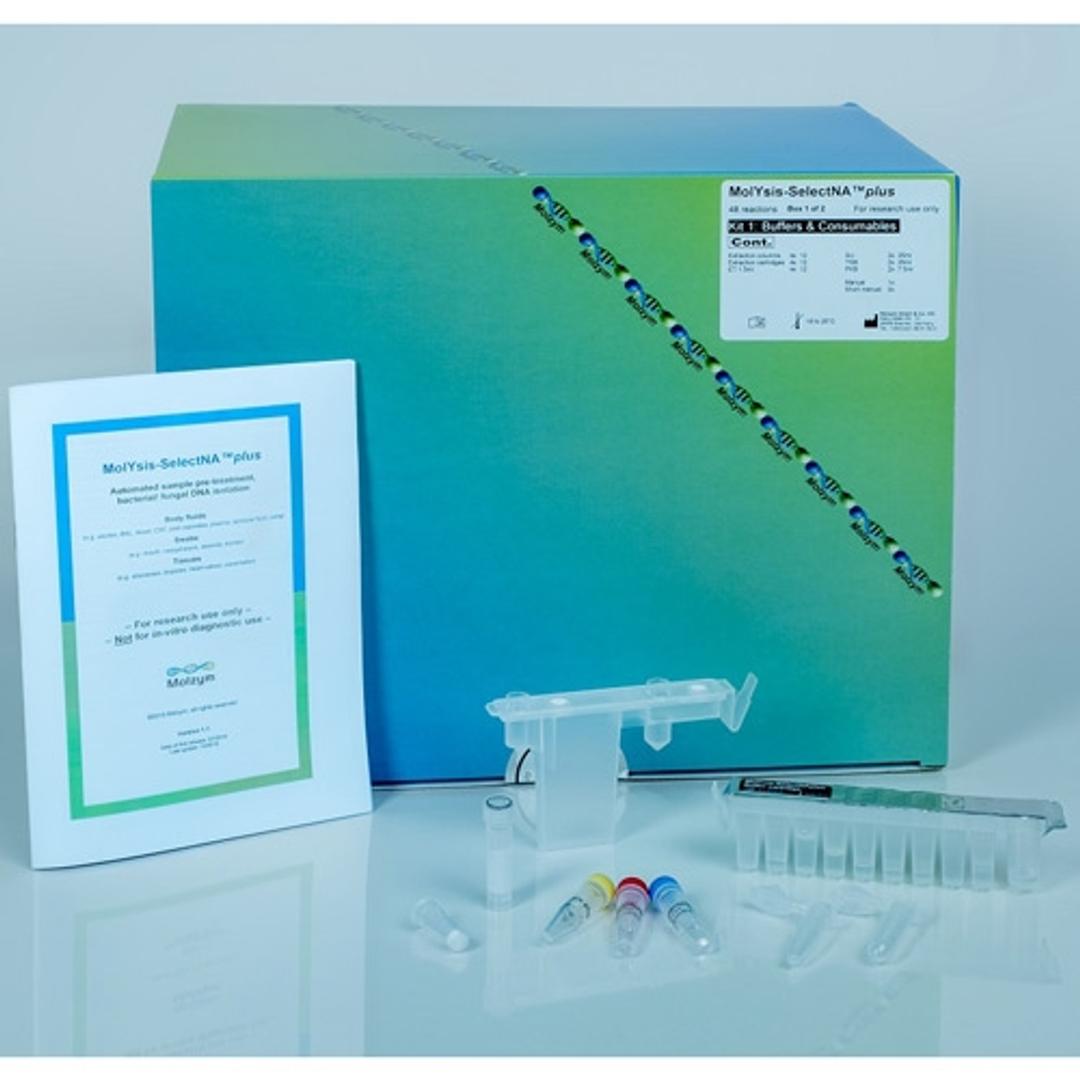
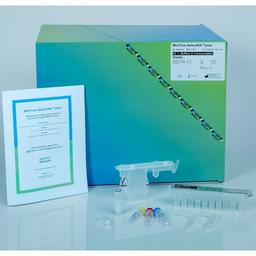
MolYsis-SelectNA™plus
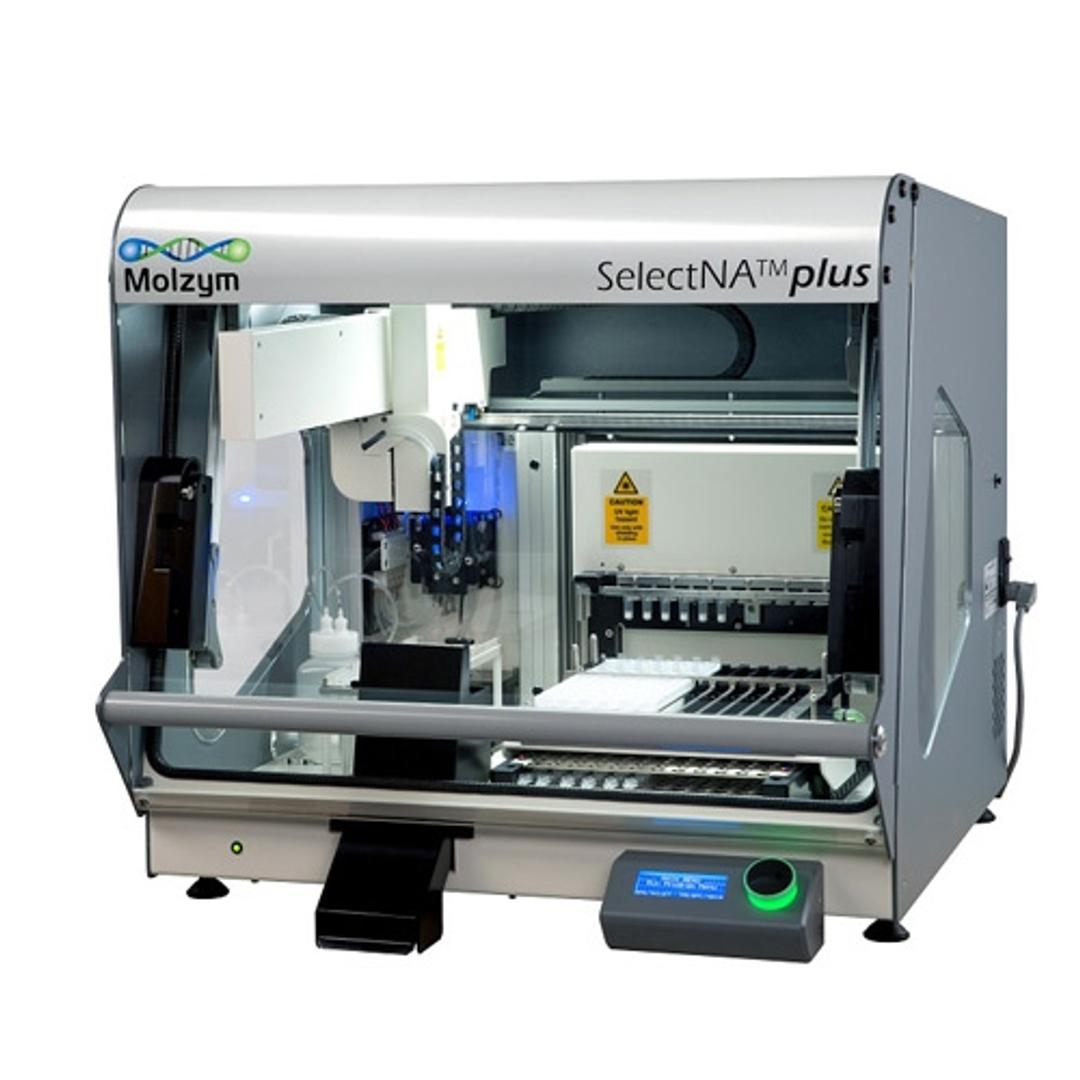
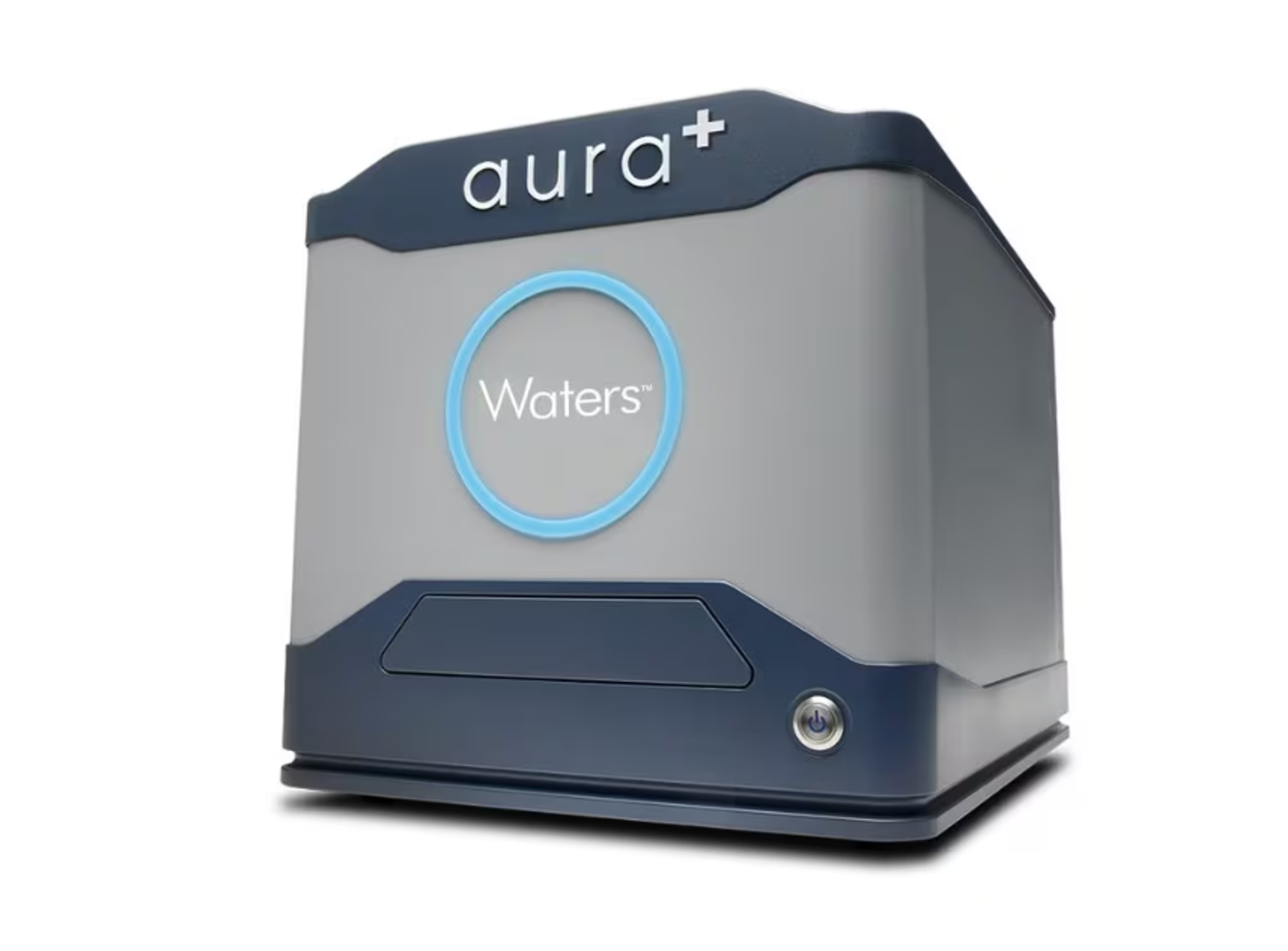
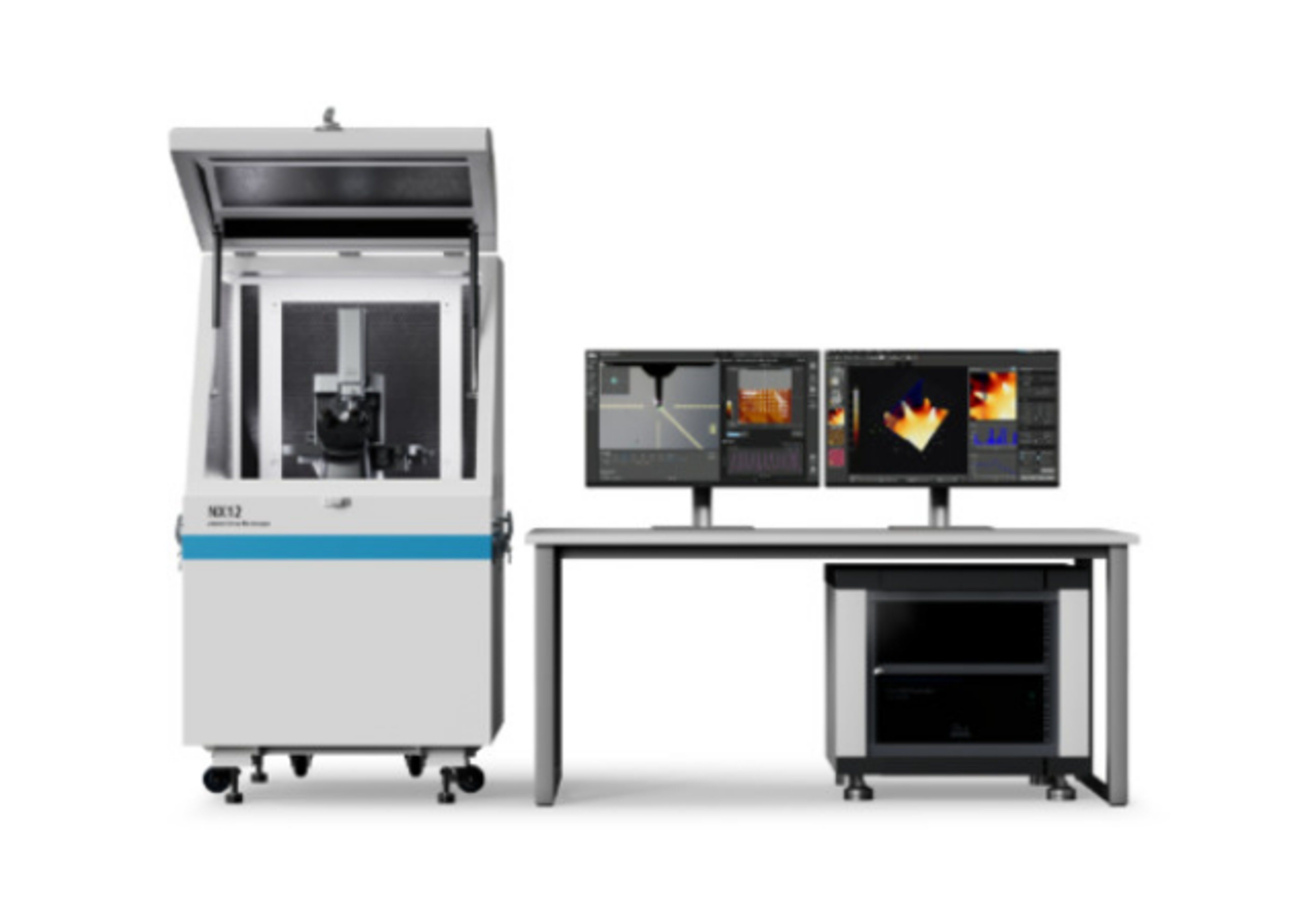
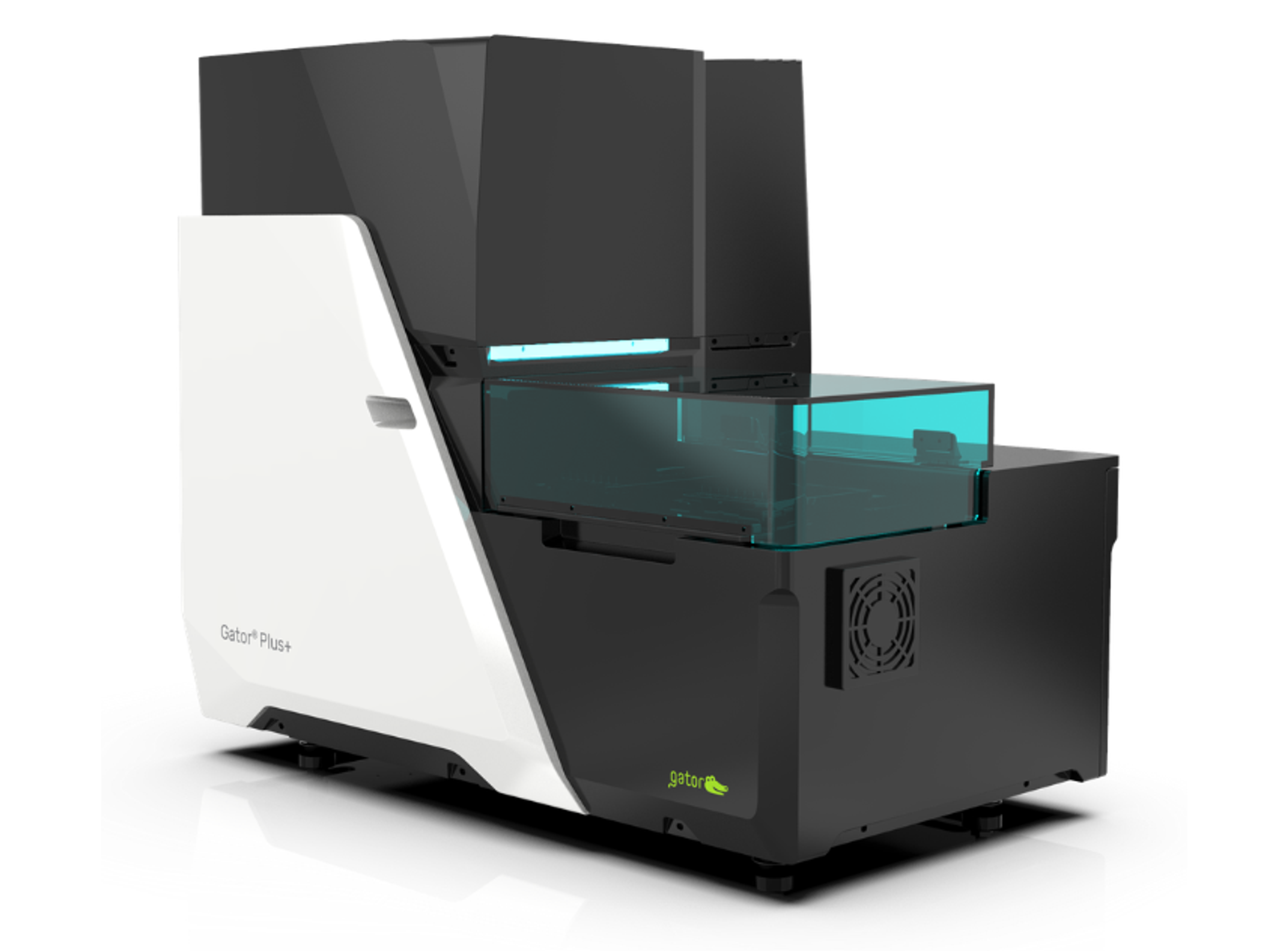
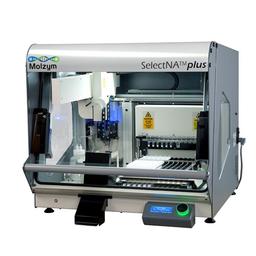
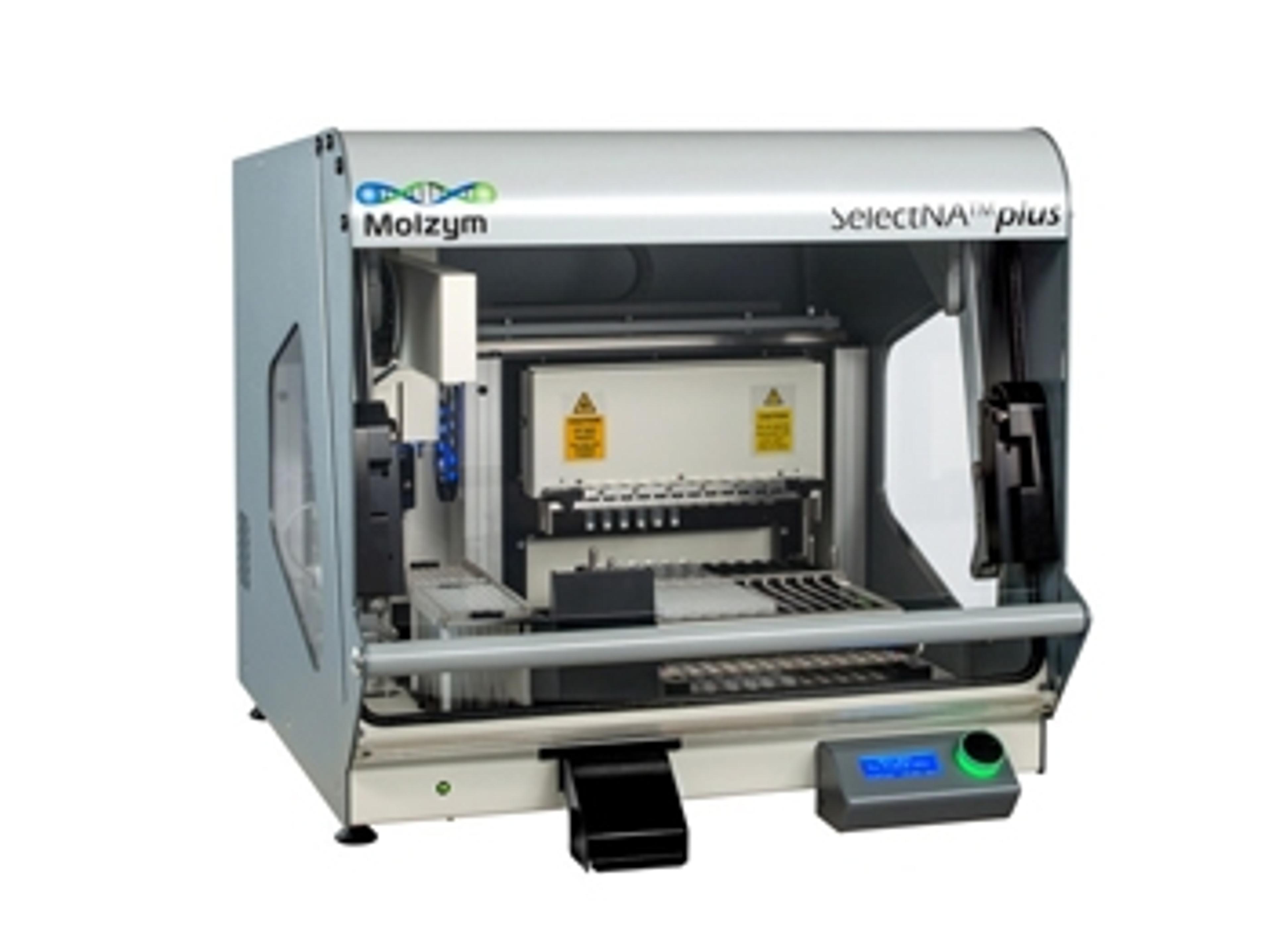
SelectNA™plus robot for MolYsis-SelectNA™plus
The supplier does not provide quotations for this product through SelectScience. You can search for similar products in our Product Directory.
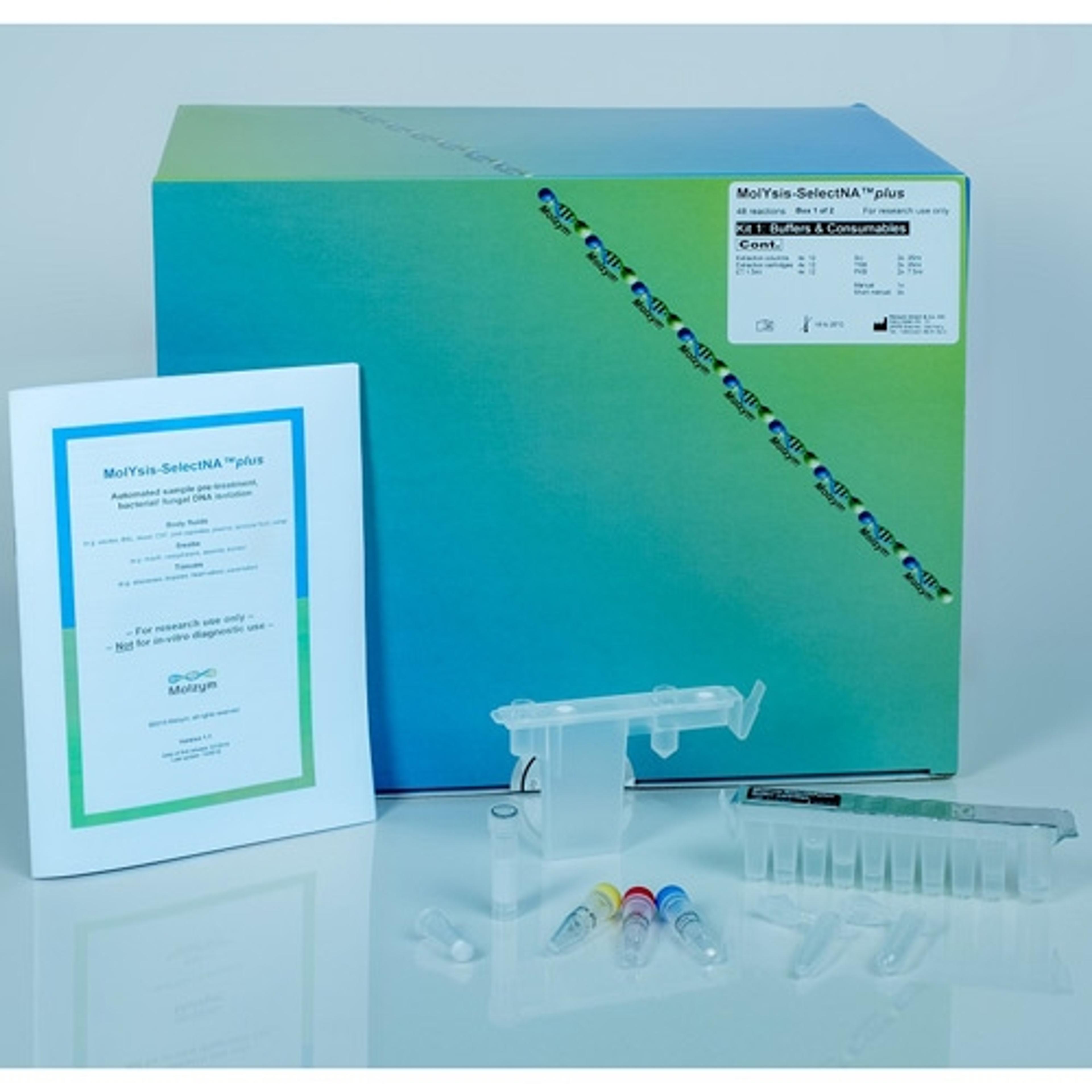
MolYsis-SelectNA™plus is a kit for the automated extraction of enriched bacterial and fungal DNA from clinical samples to be used on the SelectNA™plus instrument. In most clinical samples host DNA is in vast excess to target microbial DNA which can reduce the sensitivity of molecular analyses significantly. Further, microbial DNA contaminations from consumables and reagents can be introduced during sample processing, harbouring the risk of false-positive results. MolYsis-SelectNA™plus addresses both problems. Host DNA is depleted during the DNA extraction (MolYsis™ technology) and all buffers, reagents and plastics provided with the kit are free of contaminating microbial DNA.
Benefits:
- - Automated enrichment and isolation of bacterial and fungal DNA
- - Reduced hands-on time
- - Variety of specimens: body fluids, swabs, tissues
- - Flexible: 1- 12 samples
- - Increased sensitivity by depletion of host DNA
- - Contamination-free reagents and consumables
- - Molecular analysis of your choice
The system has been validated for 0.2-1 ml body fluids, swabs and tissue biopsies and 1-12 samples can be extracted in parallel. The purified and enriched microbial DNA can be used for a variety of analysis methods including PCR and diverse NGS approaches.
Brochures

Depletion of host DNA significantly improved microbial analysis
In this product brochure, Molzym introduces MolYsis™, which tackles the issue of limited microbial DNA presence in complex human or animal samples compared to host DNA. MolYsis employs a proprietary technology to selectively lyse host cells, leading to up to 99% reduction in host DNA. A subsequent lysis step targets intact bacteria and fungi cells, resulting in purified microbial DNA. This process can be conducted manually or automated using the SelectNA™ plus device. The enhanced microbe-to-host DNA ratio achieved through this method significantly enhances sensitivity in subsequent NGS, PCR, and other molecular microbiological techniques.
MolYsis Host DNA Depletion for Deeper Microbiome and Metagenome Analysis
In many samples from infected humans and animals, host DNA greatly outnumbers microbial DNA. During sample preparation, unspecific primer binding to host DNA decreases the power of resolution of microbiomes and metagenomes. In this application note, Molzym outlines how MolYsis™ technology is designed to provide a solution to this problem by depletion of host DNA before extraction of microbial DNA.

Unleash the power of mNGS to identify infectious agents in complex human samples
A major challenge to enhance the use of mNGS for the identification of infectious agents is linked to the vast excess of human DNA, which negatively impacts sequencing results, sensitivity and the overall workflow. In this webinar, we will discuss how human DNA depletion by MolYsis™ can help overcome such limitations, improve sequencing depth and quality, and reduce the time and costs of analysis.
Key learning objectives:
- Learn more about the challenges and opportunities of mNGS in clinical infection diagnosis
- Learn how to increase sequencing depth and quality of microbial reads by depleting human DNA from body fluids, tissues and swabs
- Learn how MolYsis™ impacts the number of sequencing reads, sequencing time and overall data cost
- Learn how to facilitate the mNGS workflow for the identification of bacteria and fungi
Who should attend?
- Lab directors, lab managers and quality managers
- Medical laboratory scientists and technicians
- Molecular microbiologists
- Clinical lab scientists
- Clinicians, infectious disease specialists and pathologists
- Researchers, microbiologists and biotechnologists
Certificate of attendance
All webinar participants can request a certificate of attendance, including a learning outcomes summary, for continuing education purposes.
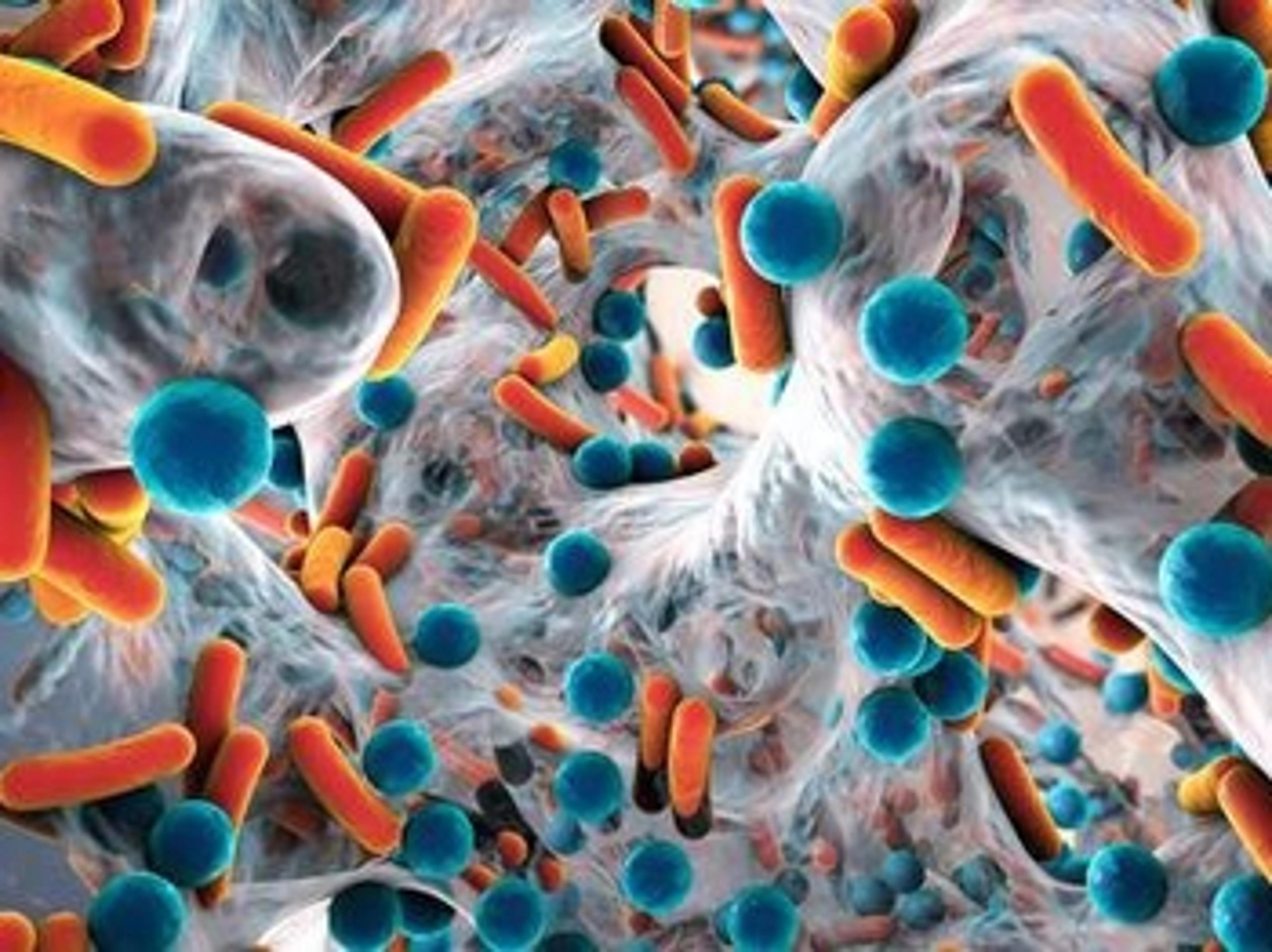
Trending in microbiome: From comprehensive culture workflows, to novel biotherapeutics, and microbial characterization
Discover the latest technologies and techniques that are revolutionizing microbiome research