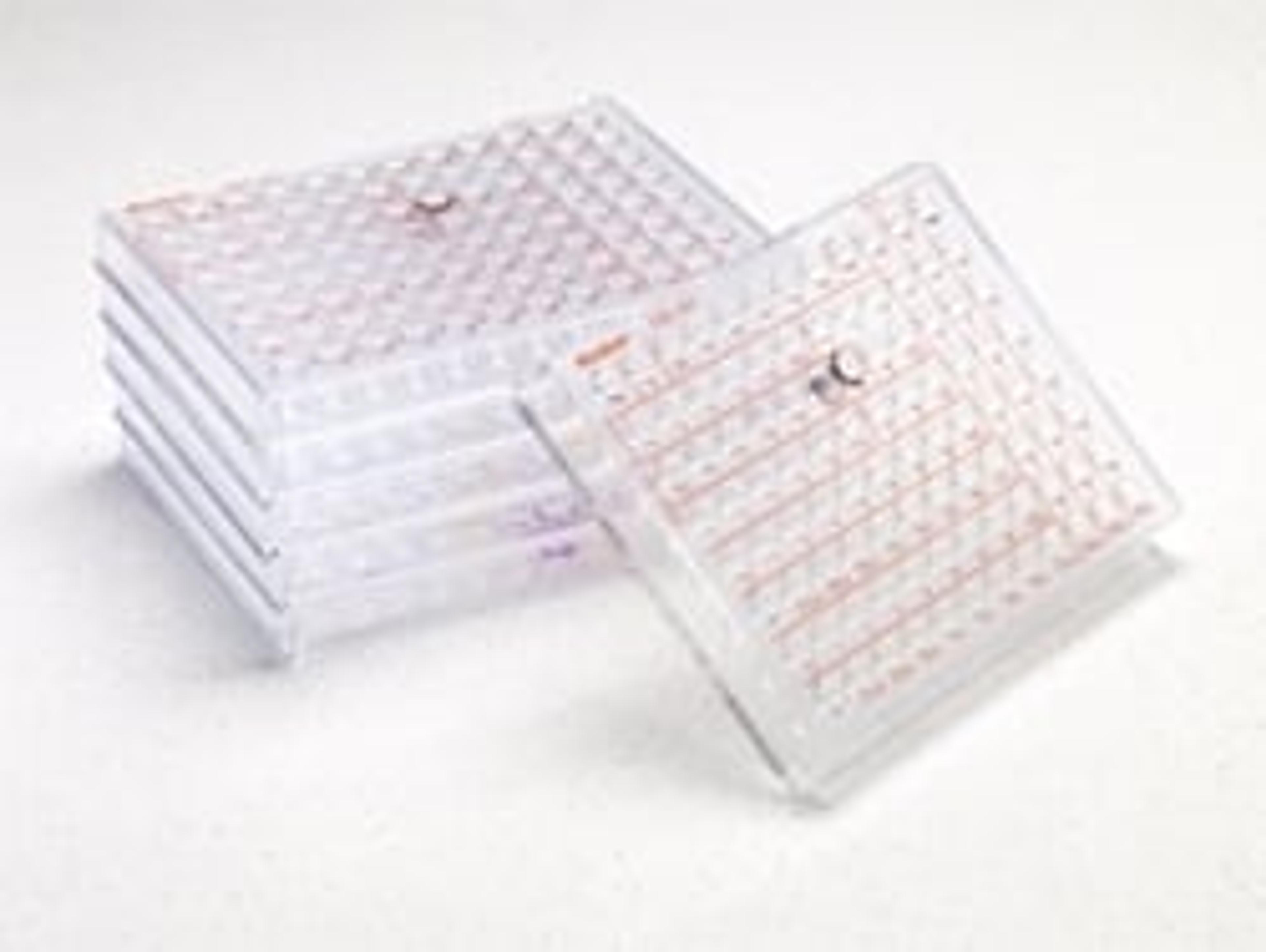
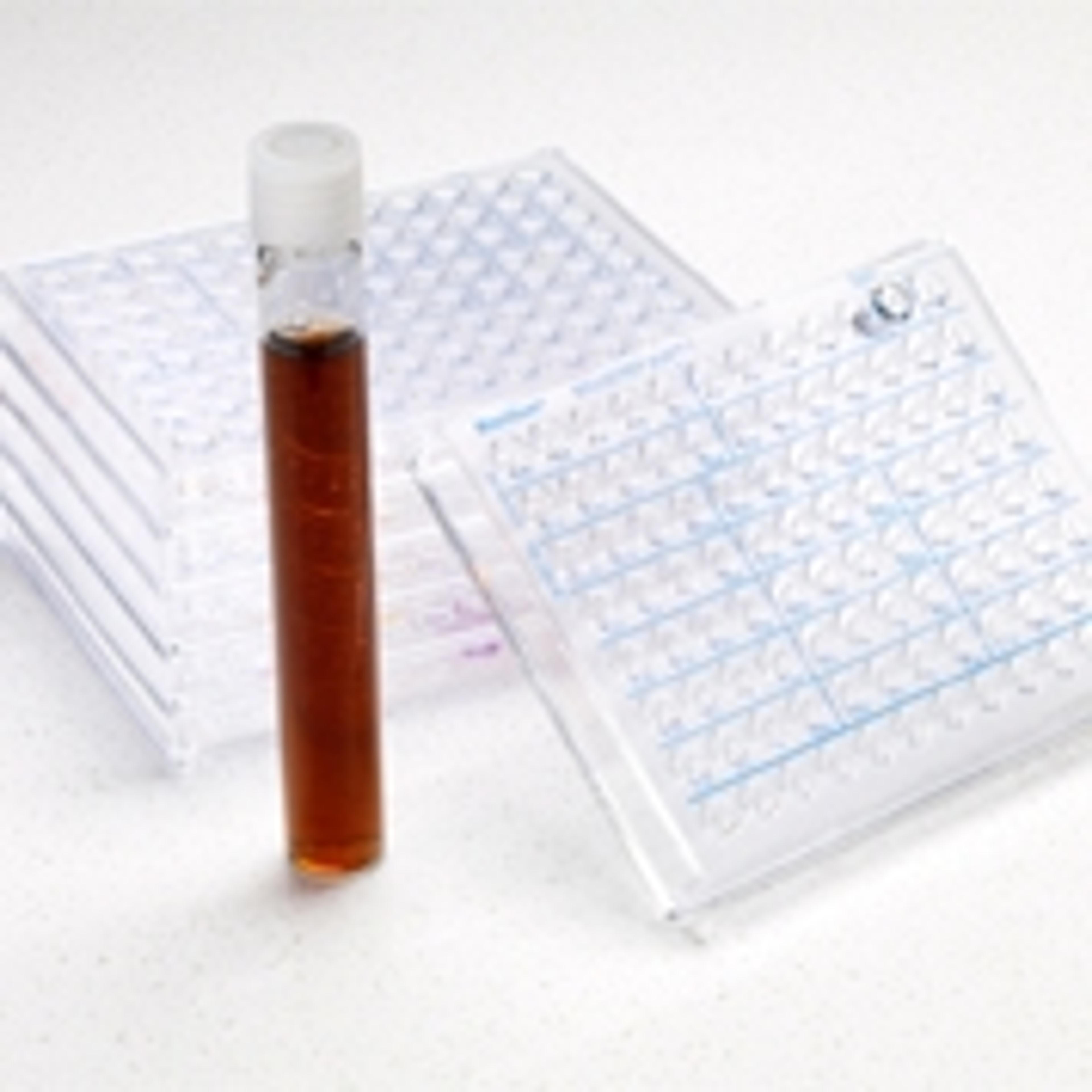
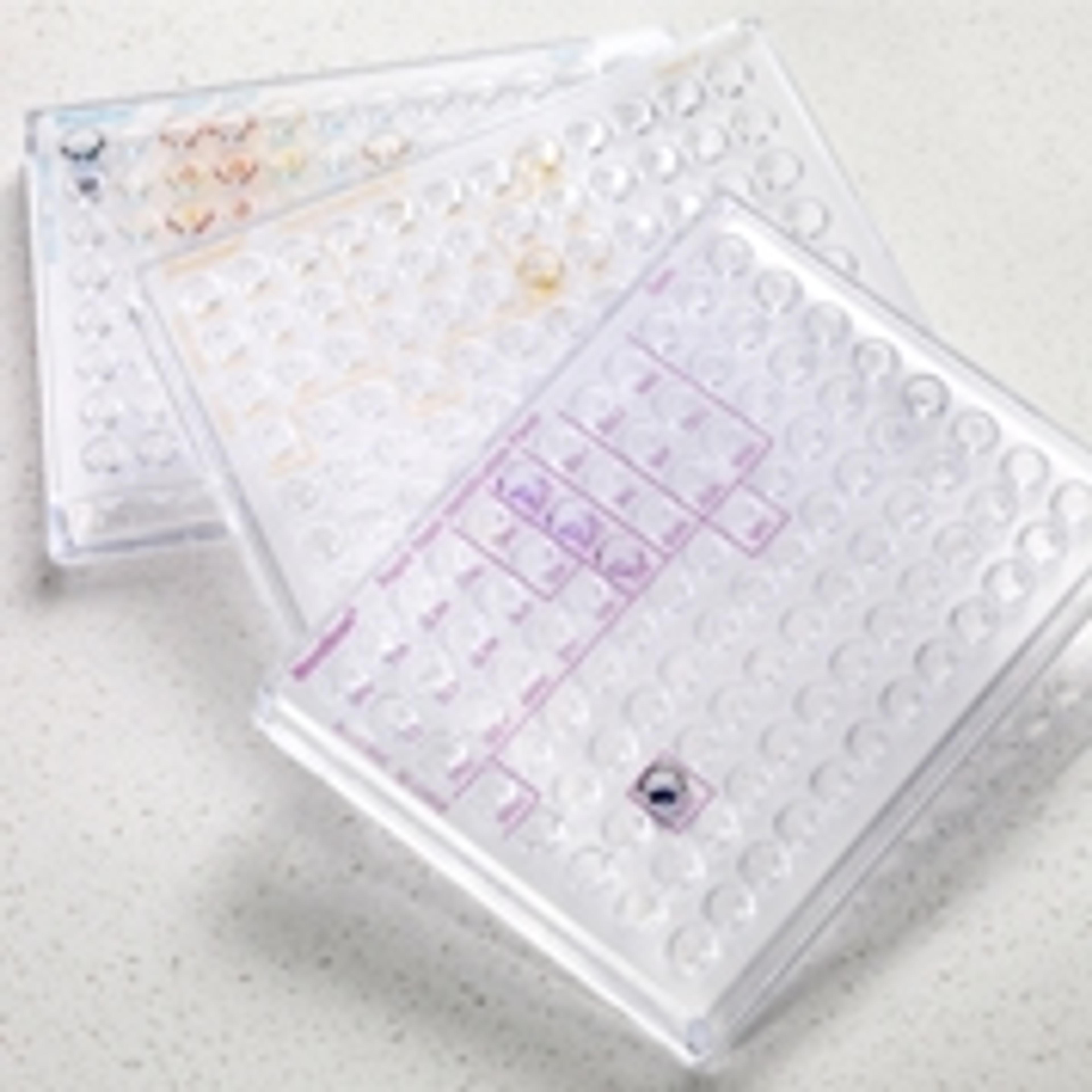
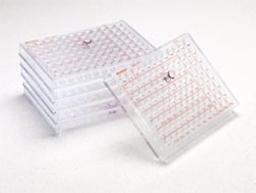
MicroScan Panels
MicroScan products offers choice in ID/AST panel formats, setup and speed






Receive your quote directly from the manufacturer.
Needs easier way to set up panels
Microbiology
MicroScan are good analyzers. Beckman should invest more money in bringing new antibiotics on panel faster, and find better way of setting up panels.
Review Date: 6 Apr 2017 | Beckman Coulter Diagnostics
Resistance Detection Done Right
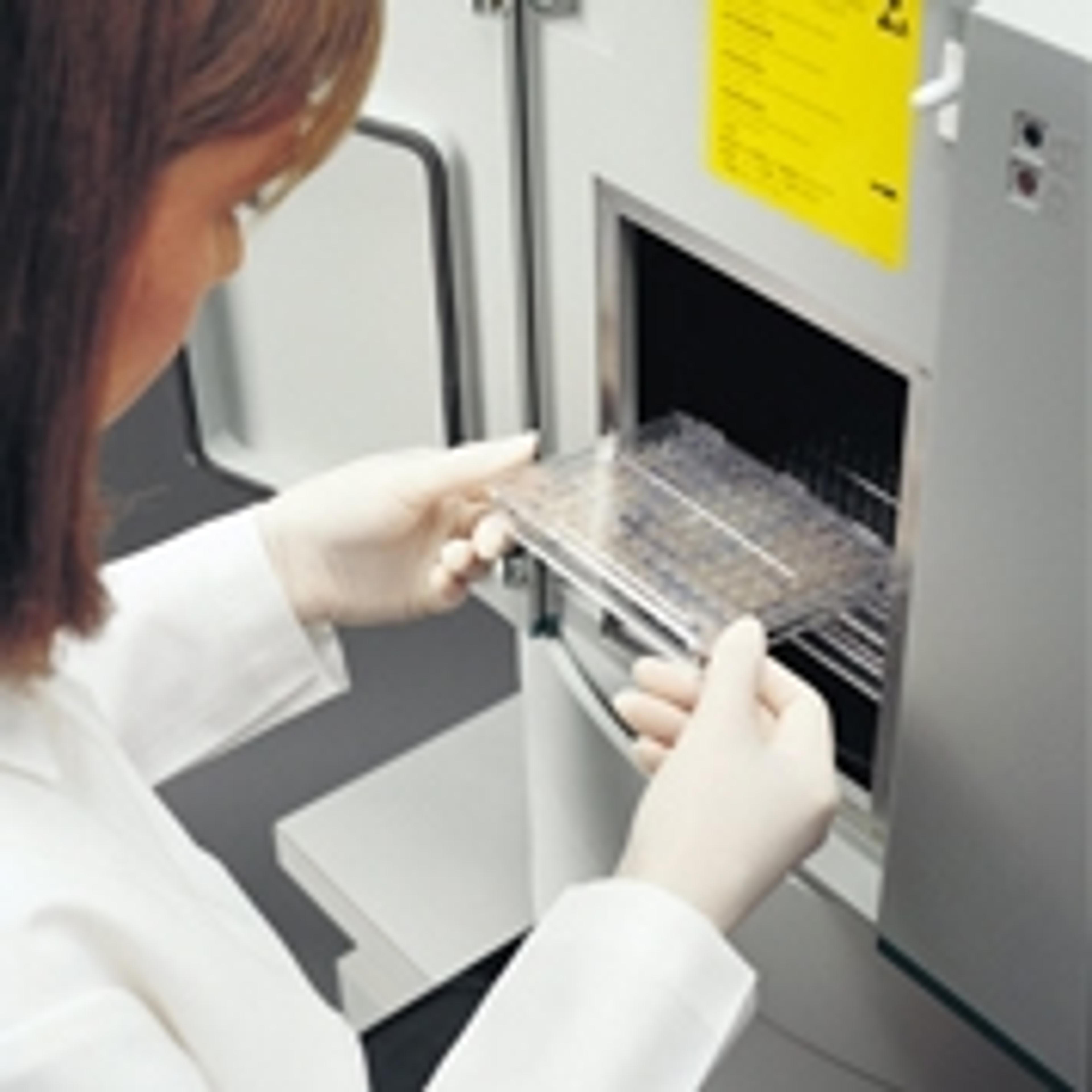
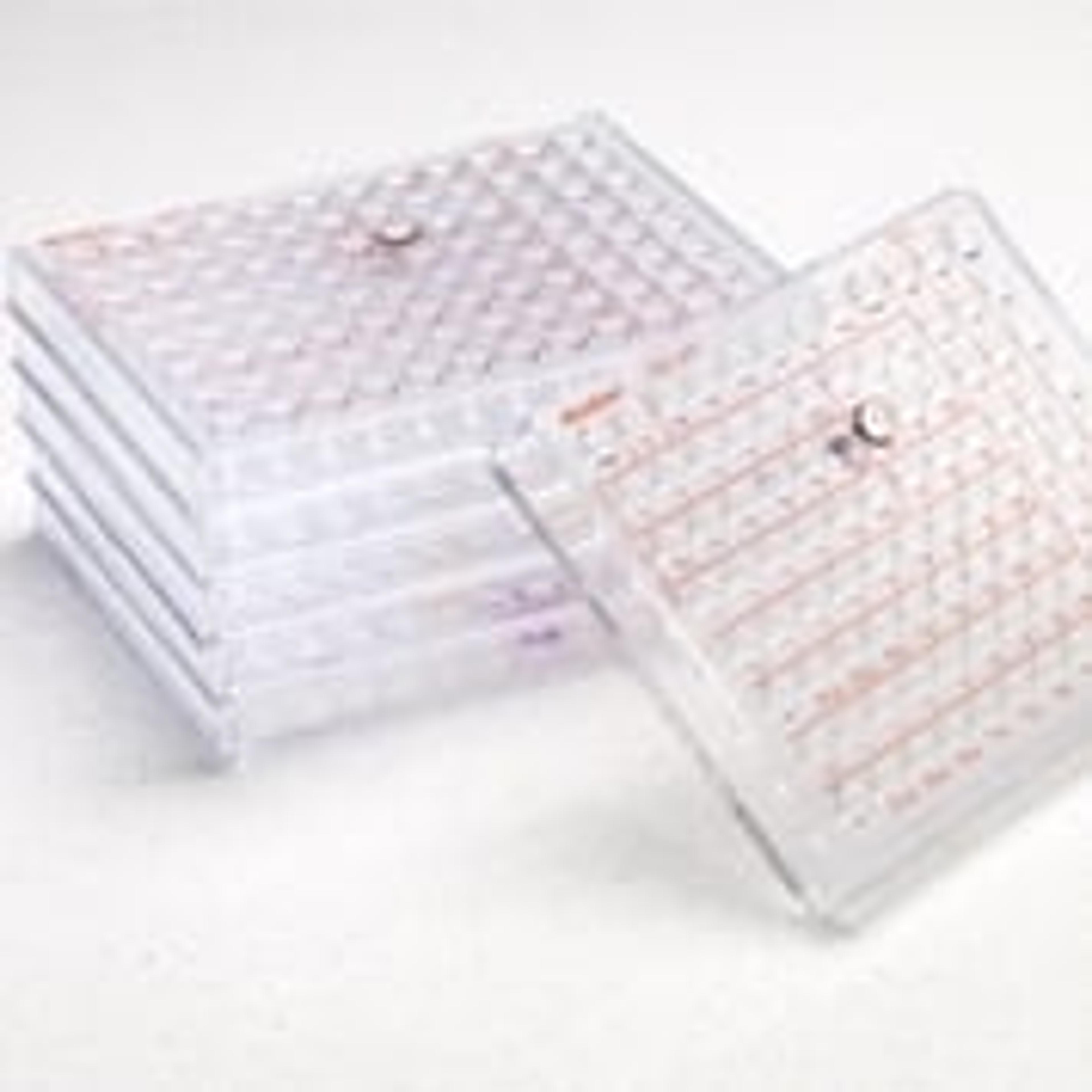
MicroScan Conventional panels deliver accuracy, choice, and flexibility. With the fewest FDA limitations of leading automated ID/AST systems, use of conventional panels reduces supplemental testing costs and reporting delays associated with rapid only systems. Direct minimum inhibitory concentration (MIC) susceptibility methodology helps ensure detection of emerging and low-level resistance, while combo ID/AST formats provide creative workflow solutions.
MicroScan Conventional Panel Product Features:
Versatility for your unique testing needs
- Experience flexibility and choice through dynamic MicroScan menu options designed to streamline testing and help boost your efficiency.
- Manage changing formulary needs with a broad antimicrobic menu and more than 95 MicroScan panel choices (available globally)
- Select ID-only, AST-only, and ID/AST combination panels for workflow flexibility
- Utilize a one-panel format for all MicroScan microbiology instruments for simplified testing procedures and streamlined workflow
- Exclusive PROMPT™ inoculation method with 4-hour stability reduces inoculum preparation time by over 40% when compared to turbidity methods.
MORE CHOICES. MORE ANSWERS
MicroScan offers a broad choice of panel formats:
- Conventional overnight panels
- Rapid ID panels
- ESβL plus panels
- MICroSTREP plus panels
- Specialty ID panels

Improving diagnosis of sepsis with early recognition of AMR
Post-pandemic, hospital-onset infections from resistant pathogens have surged, with significant increases in carbapenem-resistant, ESßL-producing, and multidrug-resistant infections. Antimicrobial resistance (AMR) and its impact on sepsis, a condition affecting 49 million people and causing 11 million deaths annually, urgently needs to be addressed. Download this resource to discover how Beckman Coulter’s MicroScan systems provide accurate, timely resistance detection, supporting better antimicrobial therapy decisions to combat this costly and deadly condition.

Accurately detect antibiotic resistance with a new range of MicroScan panels
Beckman Coulter's MicroScan AST system provides accurate and trusted bacterial identification and susceptibility results utilizing its broth microdilution technology. In this application note, Beckman Coulter introduces new panels to this system, eight Gram-negative panels and two panels targeting multi-drug resistance.

Resistance on the rise
Join Dr. Ahmed Babiker, Assistant Professor, Rush University, and Professor Elaine Cloutman-Green, Principal Clinical Scientist in Infection Control at Great Ormond Street Hospital for Children, London as they explore the evolution of superbugs and superbugs’ impact to clinical treatment. They will present case study examples, and discuss global infection prevention strategies to support antibiotic stewardship.
Key learning objectives
- Explore the evolution of superbugs and current top priority global threats
- Recognize the impact, and outcome, of resistant bacteria present in the clinical setting
- Explore key infection prevention strategies
Who should attend?
- Clinical microbiology lab directors/supervisors/managers
- Microbiologists
- Microbiologist lab technicians
- Infectious disease specialists
- Infectious disease pharmacists
- Clinical microbiology lab executives
- Antibiotic stewardship committee members
Certificate of attendance
All webinar participants can request a certificate of attendance, including a learning outcomes summary, for continuing education purposes.

Managing antimicrobial resistance: A healthcare system's approach to antimicrobial detection and stewardship
Over the past five years, healthcare systems have faced a troubling rise in Gram-negative multidrug-resistant organisms (MDROs), contributing to increased patient morbidity and mortality. At the forefront of this surge are NDM-CREs (New Delhi metallo-β-lactamase-producing carbapenem-resistant Enterobacterales), which have skyrocketed by 460% between 2019 and 2023, according to a recent report from the Centers for Disease Control and Prevention (CDC)1. Another report by the European Centre for Disease Control (ECDC) showed a 57% increase in bloodstream infections caused by carbapenem resistant bacteria in the same time period2.
These alarming trends underscore the urgent need for robust screening protocols and precise antibiotic susceptibility testing, especially for high-risk patient populations.
Join our group of industry experts for an insightful case-based webinar exploring the complex patient journey of a 76-year-old woman residing in a nursing home. Her story begins with a fall leading to an emergency room visit where she is found to have a hip fracture. She is admitted and has an uneventful surgical repair the next day but develops urosepsis during her post-op recovery.
This case highlights the heightened vulnerability of elderly patients to MDROs, particularly CREs. Through this patient’s journey, the speakers will examine the critical role of infection prevention protocols and the value of accurate diagnostic and antibiotic susceptibility testing in guiding effective treatment as they are applied throughout a healthcare system.
The session will also incorporate the latest IDSA guidelines for managing complicated urinary tract infections, including urosepsis, offering practical insights for clinicians, microbiologists, and infection control professionals.
Key learning objectives:
- Describe how rapid PCR screening plays a critical role in enhancing infection control protocols to help minimize transmission and support timely patient management.
- Explain how rapid AST results support optimal antimicrobial therapy decision-making to help improve patient outcomes and combat resistance.
- Outline the latest IDSA guidelines for complicated urinary tract infections.
- Discuss the impact of antimicrobial resistance and diagnostic stewardship in real-world settings.
Who should attend?
Clinical microbiology lab directors/supervisors/managers, microbiologists, microbiologist lab technicians, infectious disease specialists, infectious disease pharmacists, clinical microbiology lab executives, antibiotic stewardship committee members, infection preventionists
Accreditation statement
SelectScience® is approved as a provider of continuing education programs in the clinical laboratory sciences by the ASCLS P.A.C.E.® Program.
References:
1. CDC Report Finds Sharp Rise in Dangerous Drug-Resistant Bacteria | CDC Newsroom
2. Antimicrobial resistance in the EU/EEA (EARS-Net) - Annual Epidemiological Report 2023

MIC vs. Resistance mechanisms: What is needed to treat MDRO gram negative infections?
Phenotypic antimicrobial susceptibility testing is the gold standard test for treatment decisions, but emerging antimicrobial resistance and new antimicrobials for Gram-negative bacterial infections are challenging the conventional wisdom that a minimum inhibitory concentration (MIC) is all that is needed. Asking the question, "How can we meet evolving diagnostic needs?", we hear from three key microbiology and infectious disease experts: Prof. Navaneeth Narayanan, Rutgers University Ernest Mario School of Pharmacy, Prof. Amy Mathers, University of Virginia, School of Medicine, and Dr. April Abbott, Deaconess Health System, in this educational webinar.
Key learning objectives
- Discover the new drugs available for treating MDRO Gram-negative infections
- Understand the challenges and opportunities associated with MDRO Gram-negative diagnostics
Who should attend?
- Clinical microbiology lab directors/supervisors/managers
- Microbiologists
- Microbiologist lab technicians
- Infectious disease specialists
- Infectious disease pharmacists
- Clinical microbiology lab executives
- Antibiotic stewardship committee members
Certificate of attendance
All webinar participants can request a certificate of attendance, including a learning outcomes summary, for continuing education purposes.
Advanced clinical microbiology diagnostics for combatting antimicrobial resistance
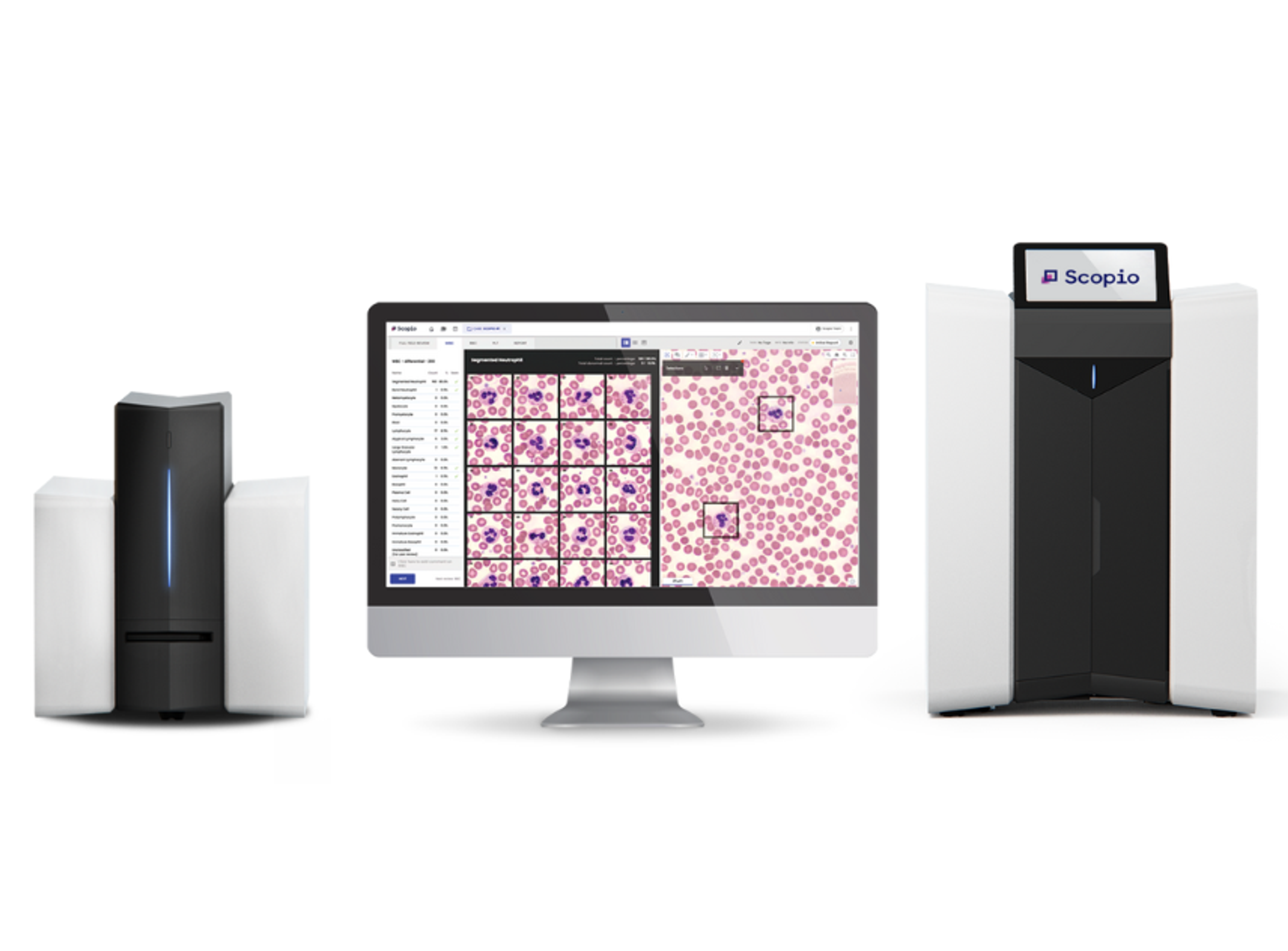
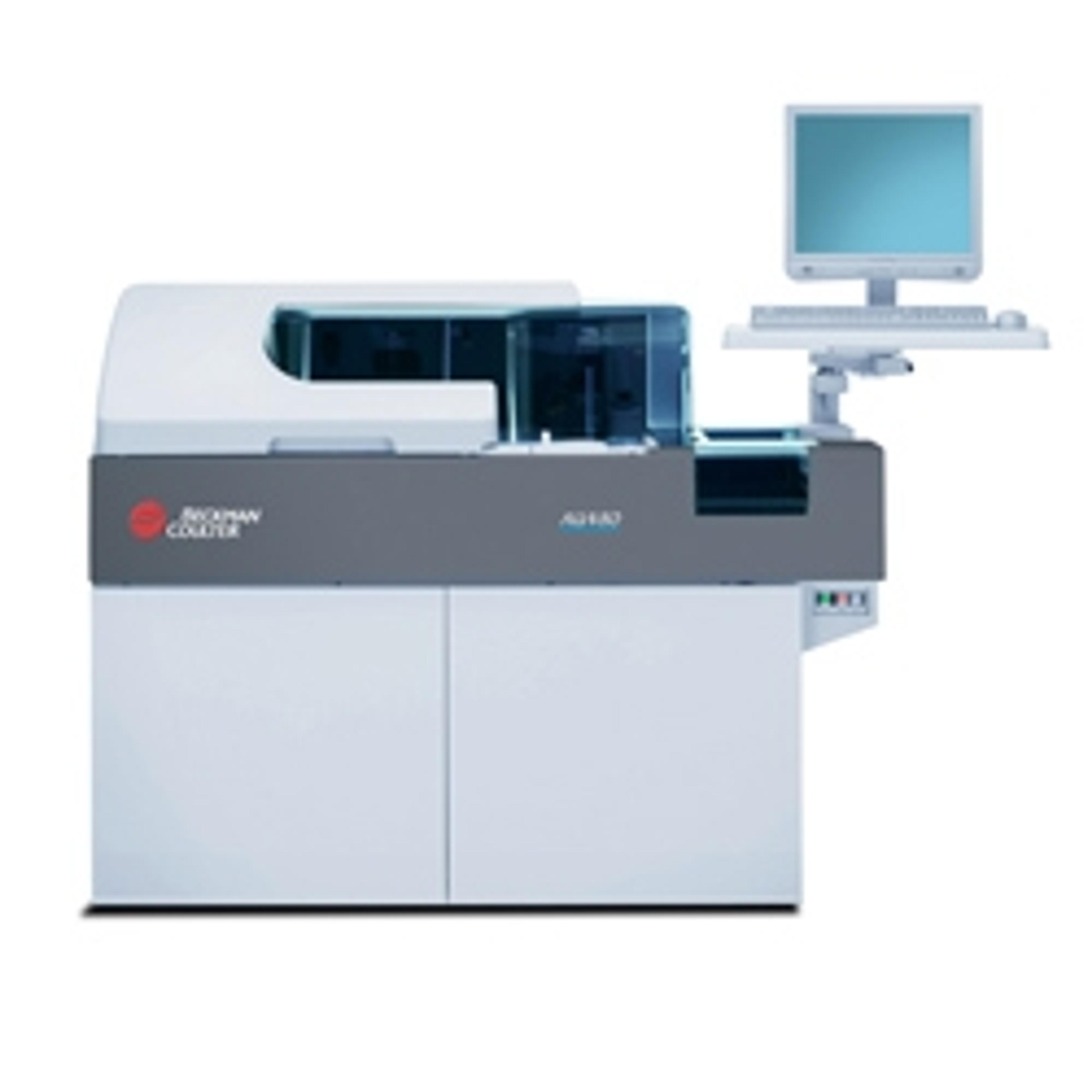
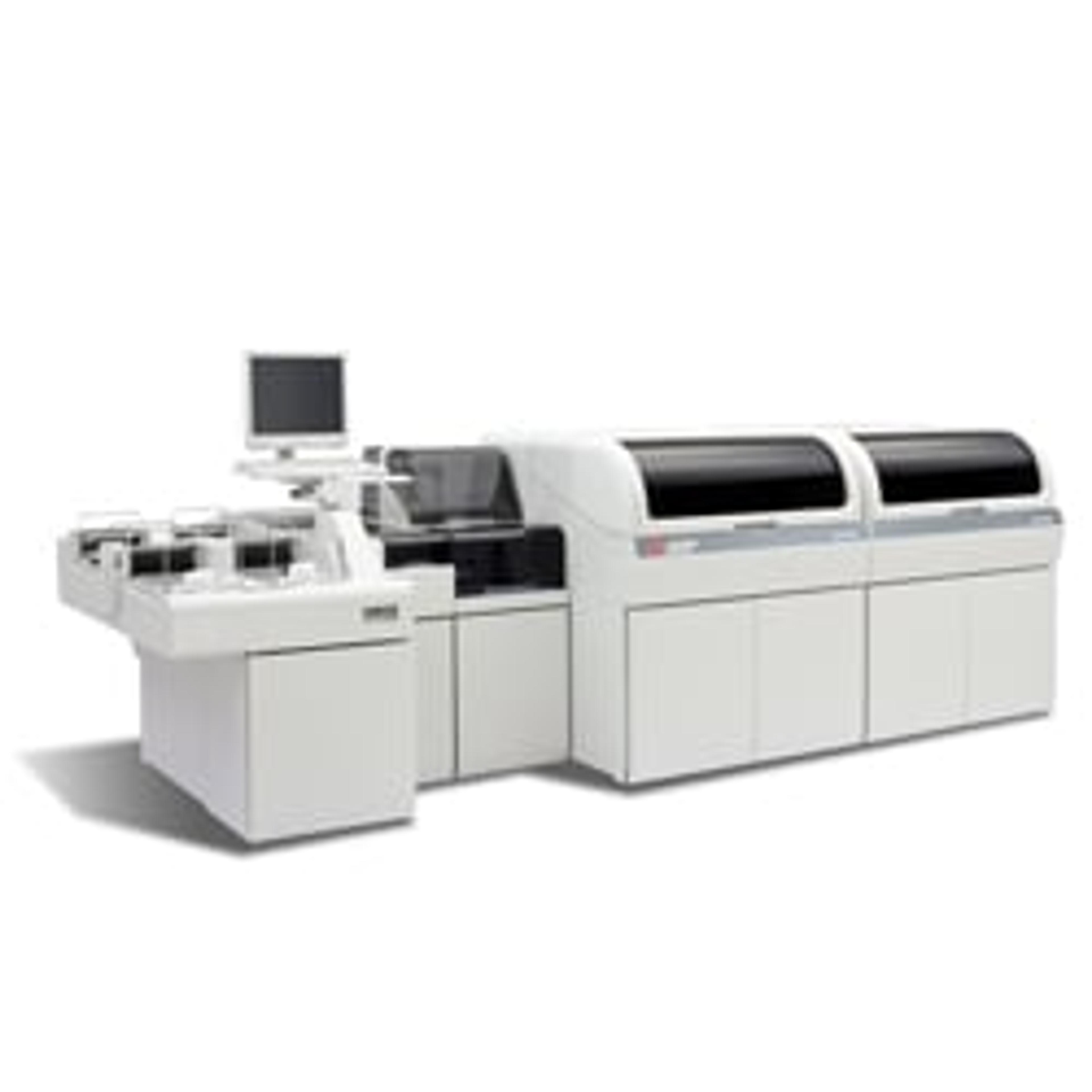
In this video, Rachael Arkley and Michael Dawson from William Harvey Hospital highlight the latest clinical laboratory trends and how the DxM MicroScan WalkAway system from Beckman Coulter has helped them enhance laboratory efficiency and elevate their clinical diagnostic services. By utilizing the LabPro database, the DxM MicroScan provides expert-level antimicrobial interpretation and results. Therefore improving quality control, minimizing the need to retest patient specimens, and ultimately aiding in the combat against antimicrobial resistance.
This video was filmed at ECCMID 2023, Copenhagen
The pivotal role of clinical diagnostics in the fight against antimicrobial resistance
With infections becoming increasingly difficult to treat due to rising antimicrobial resistance, the importance of fast and accurate diagnostics has become paramount. In this video, Dr. Jean Patel highlights how Beckman Coulter is actively working to aid the fight against antimicrobial resistance through several key measures. These measures include the tracking of resistance patterns, ensuring that their diagnostic tools are relevant to the types of bacteria that are prevalent today, providing the most up-to-date drug menu list to its customers, having the correct breakpoints on its panels, and improving accuracy and turnaround times.
This video was filmed at ECCMID 2023, Copenhagen.