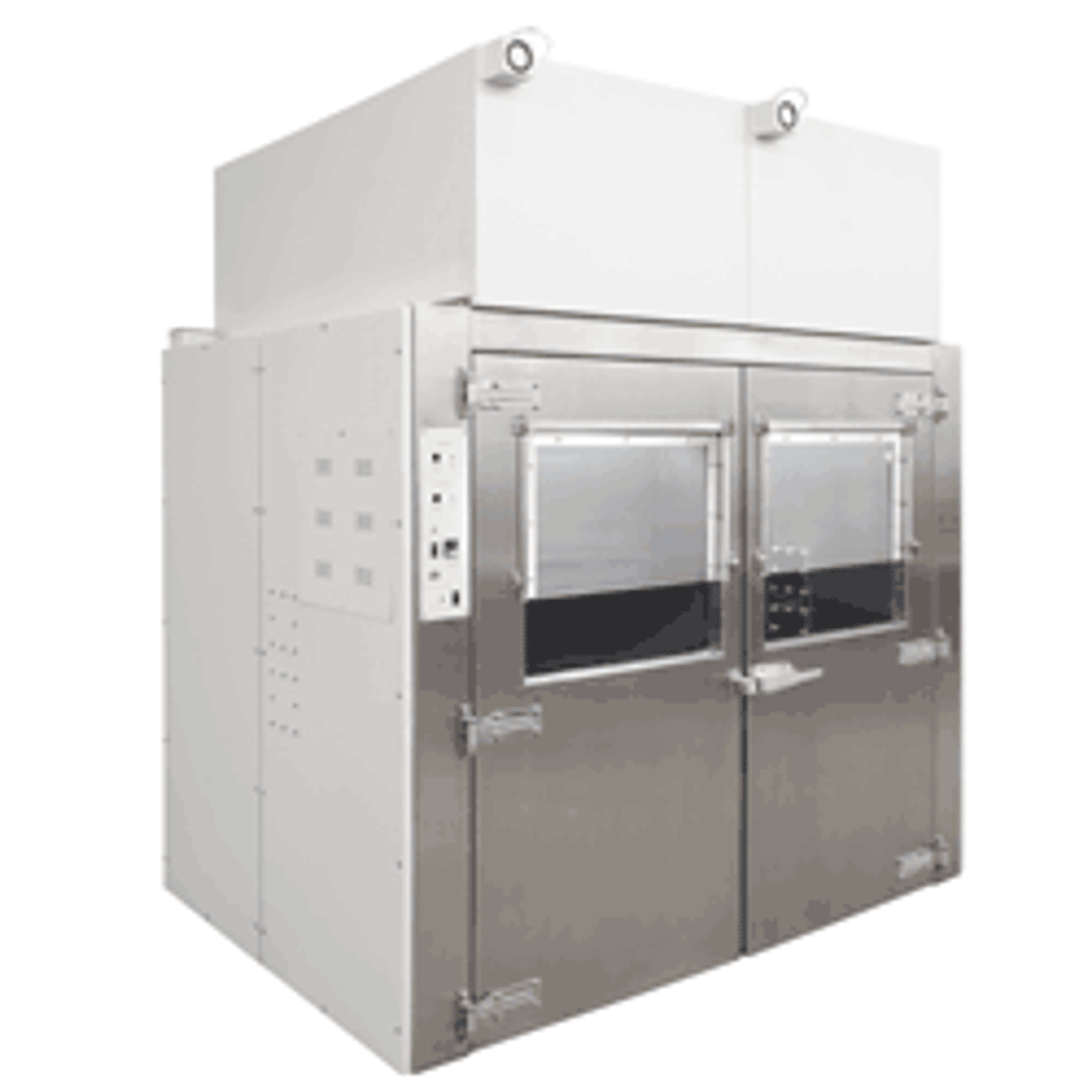
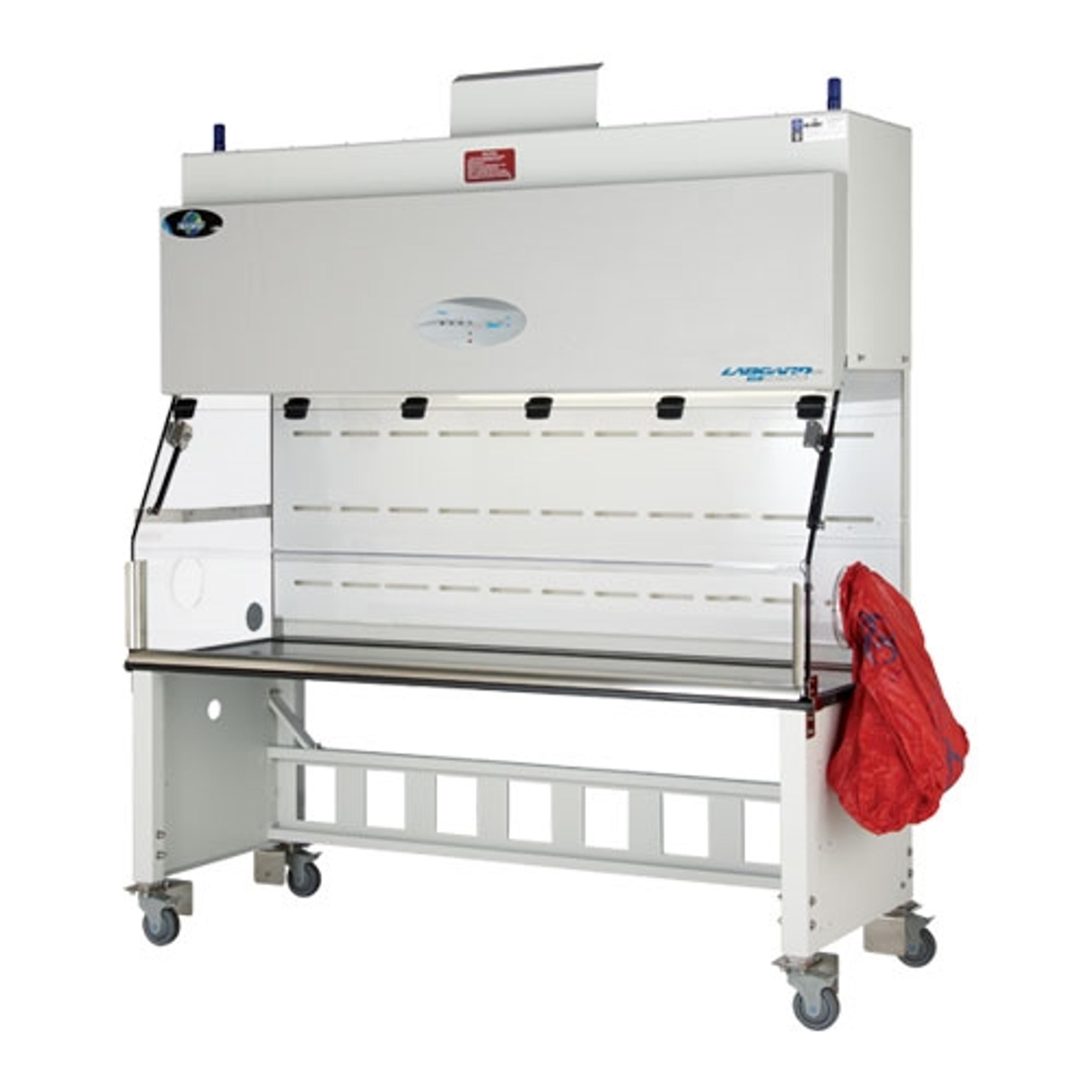
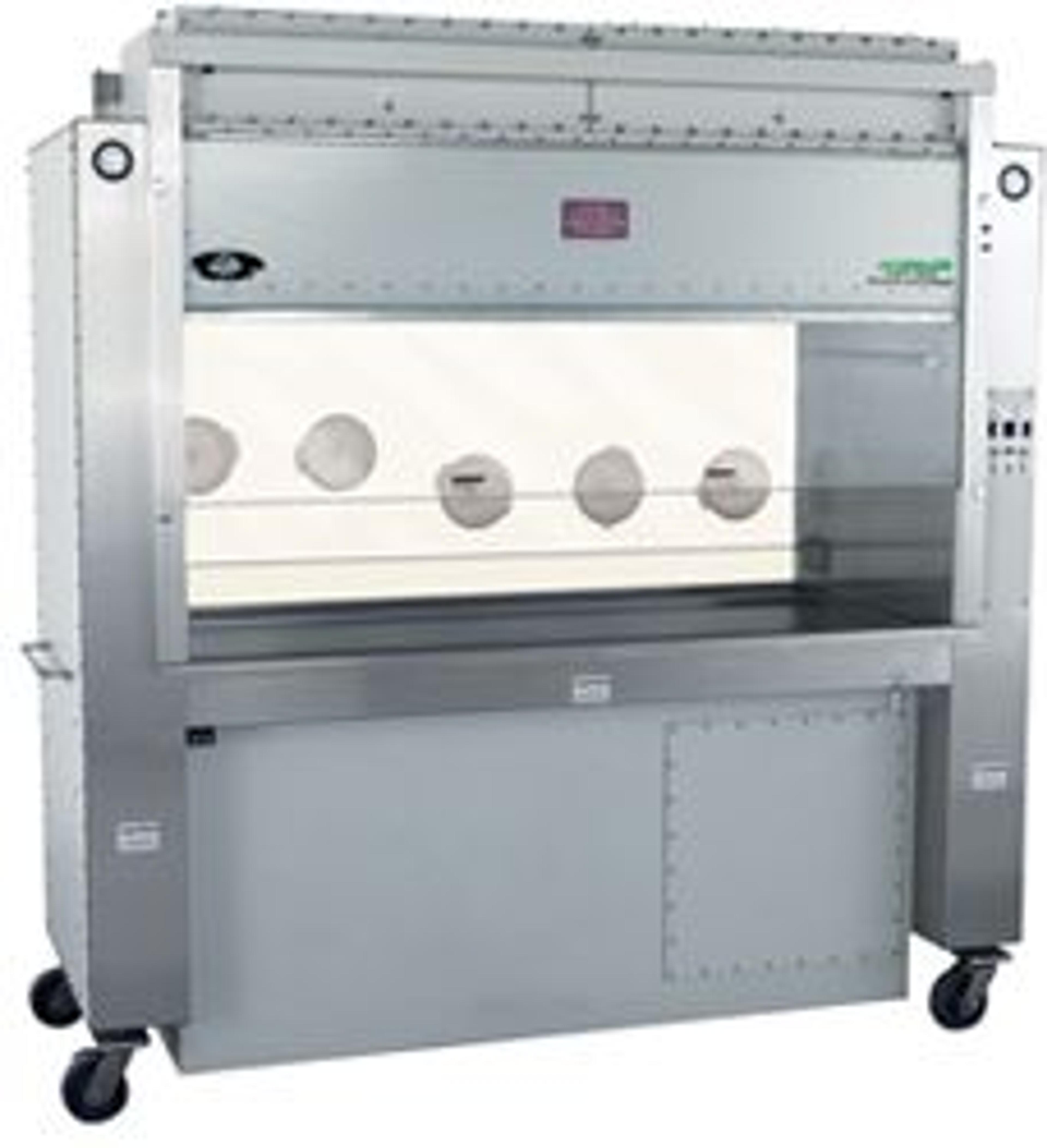
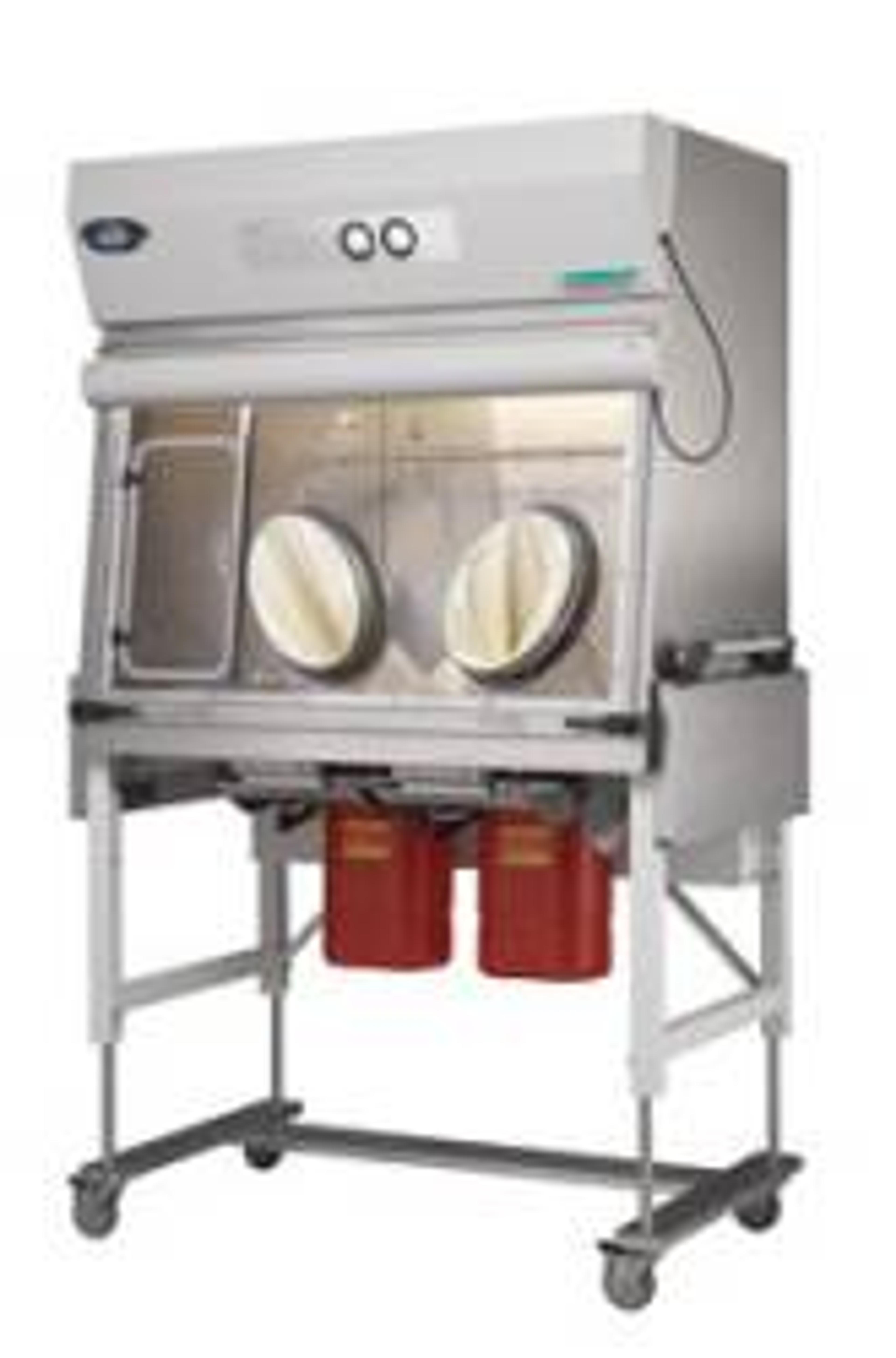
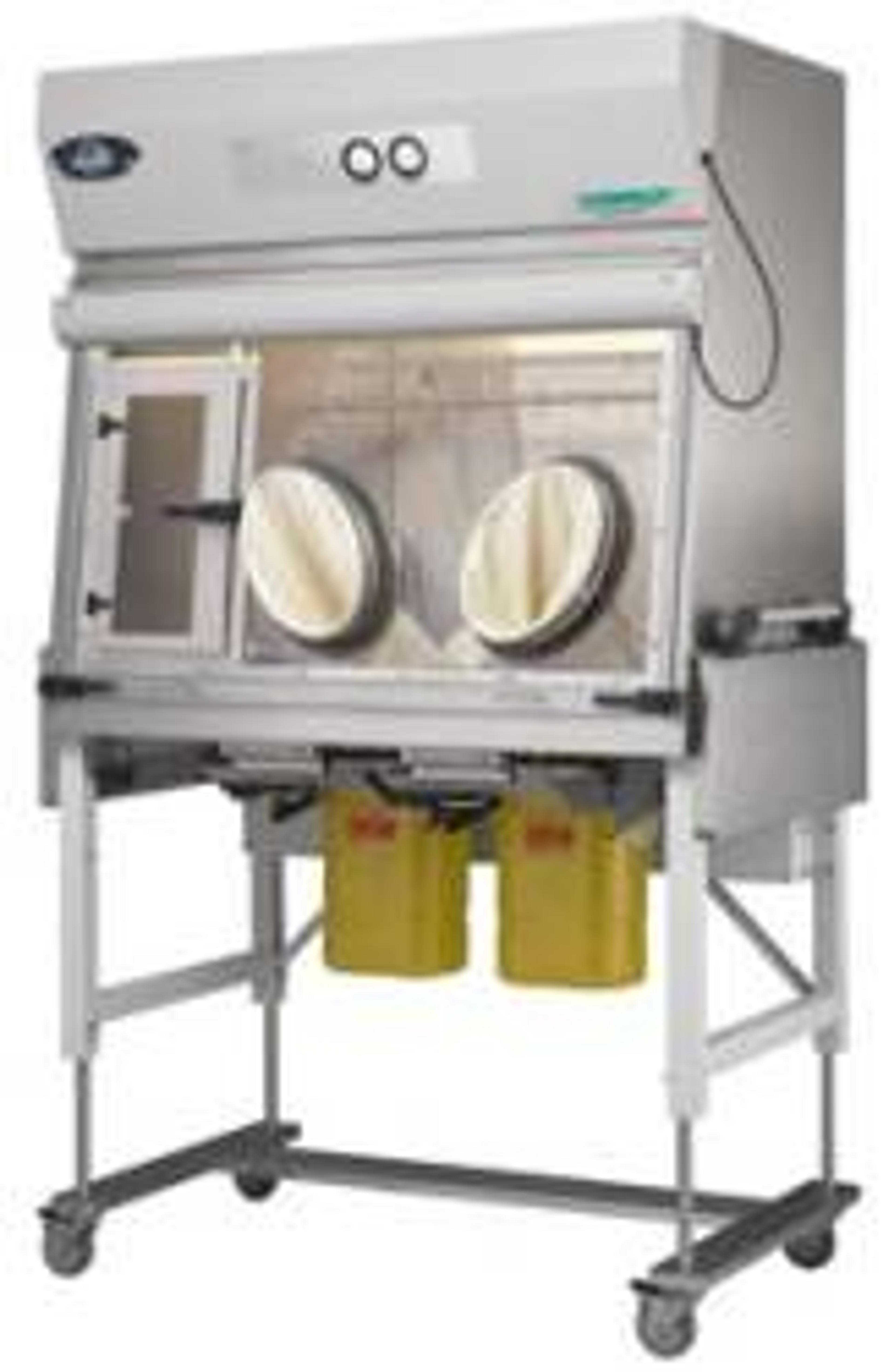
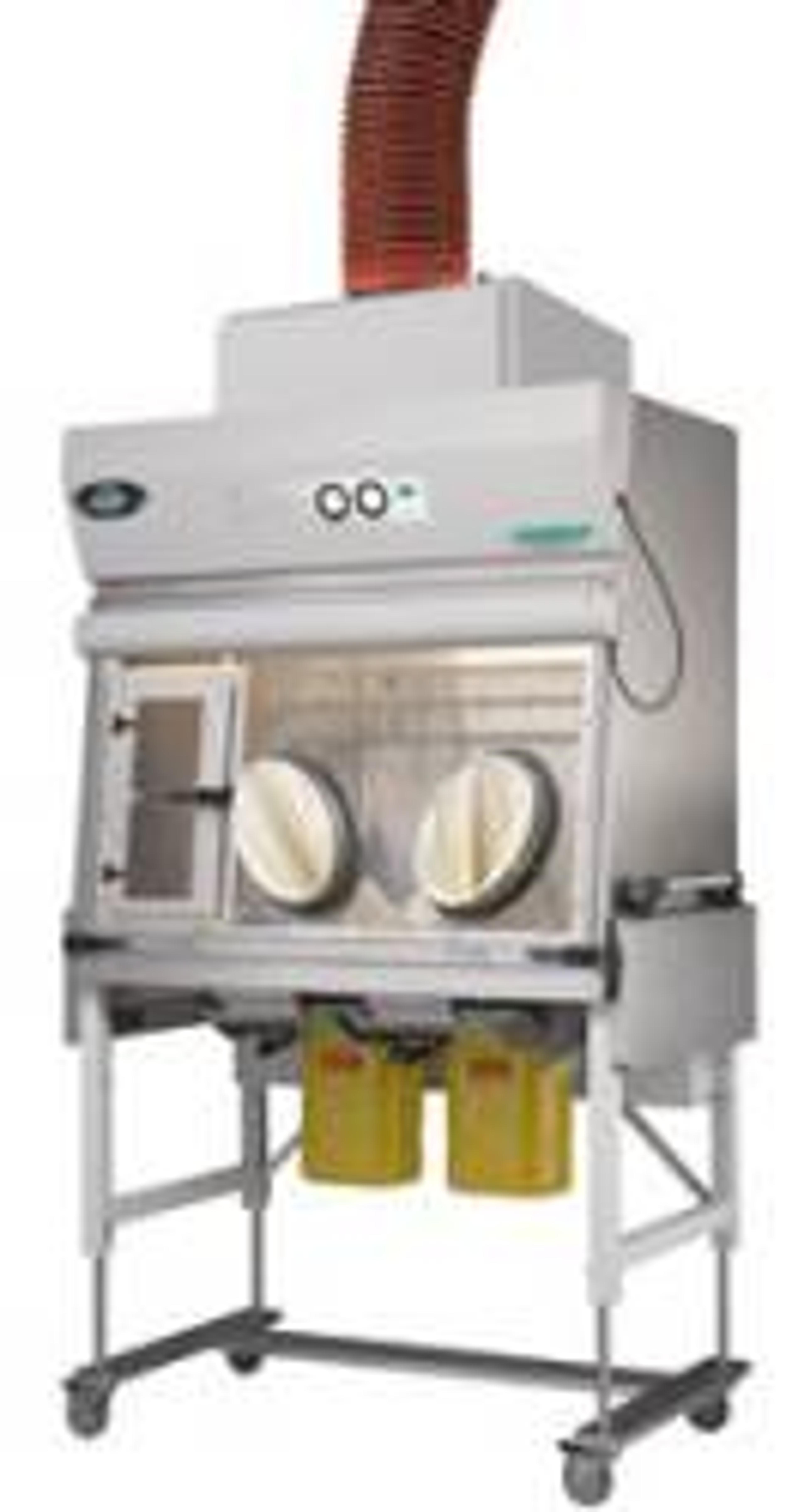
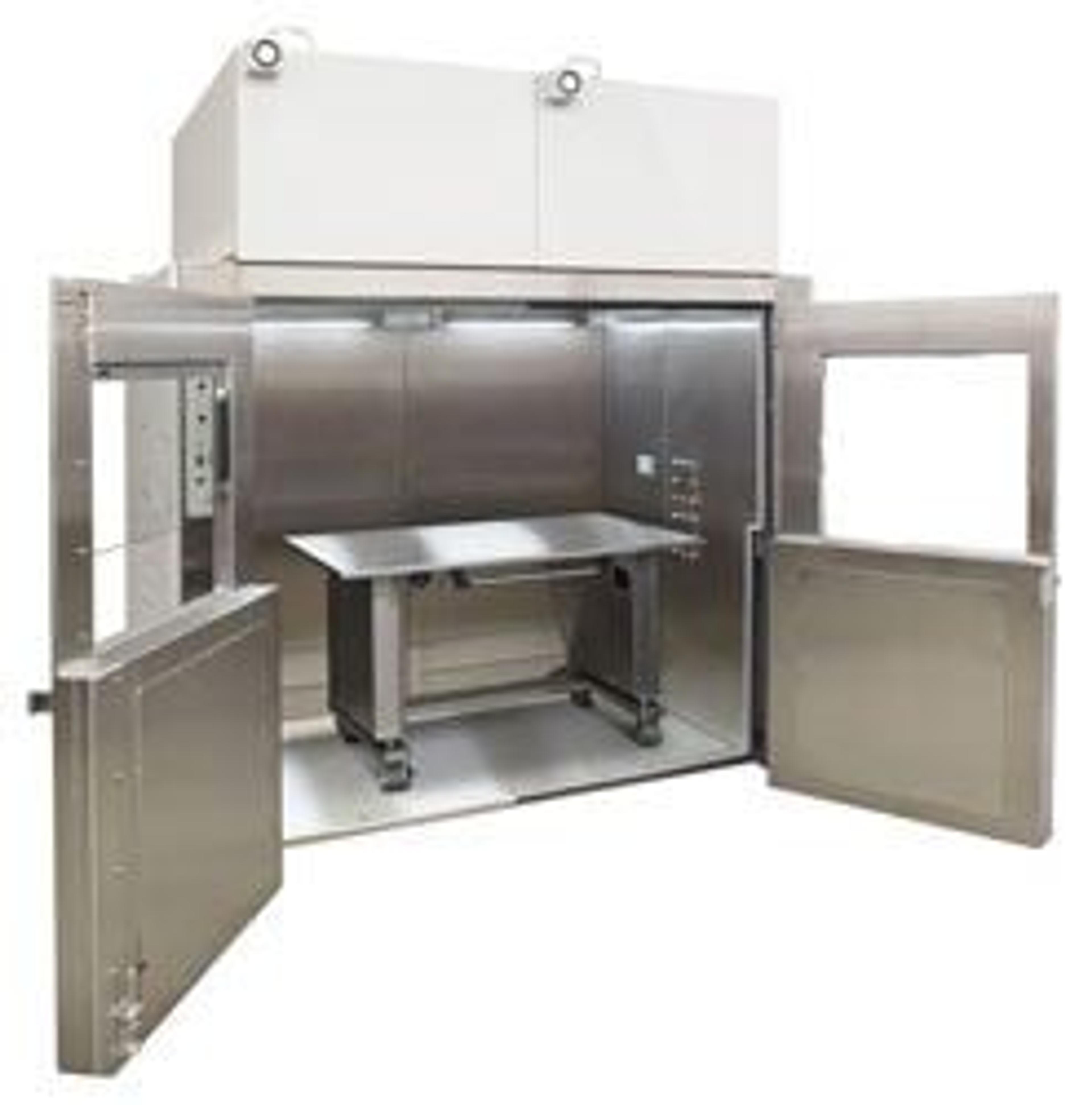
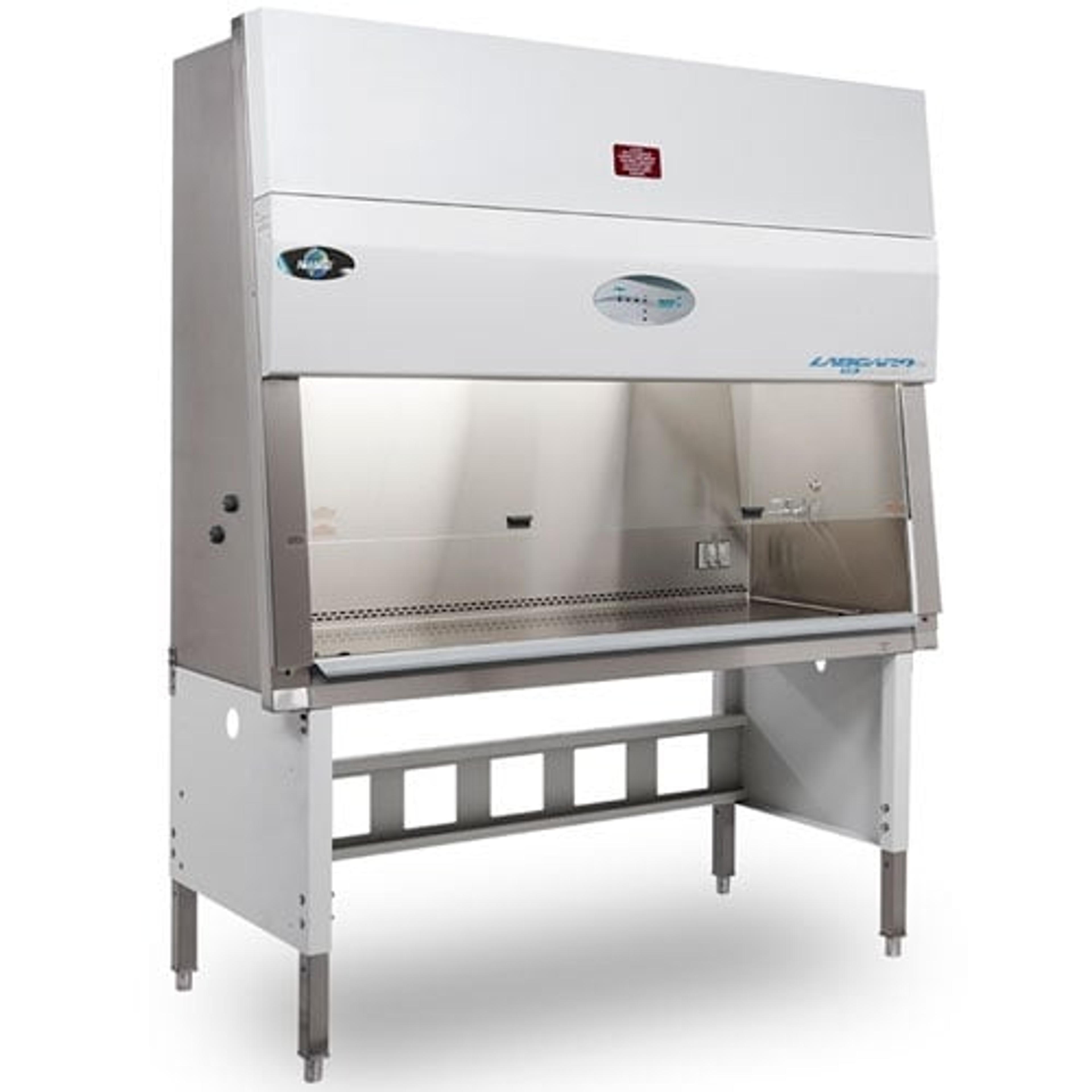
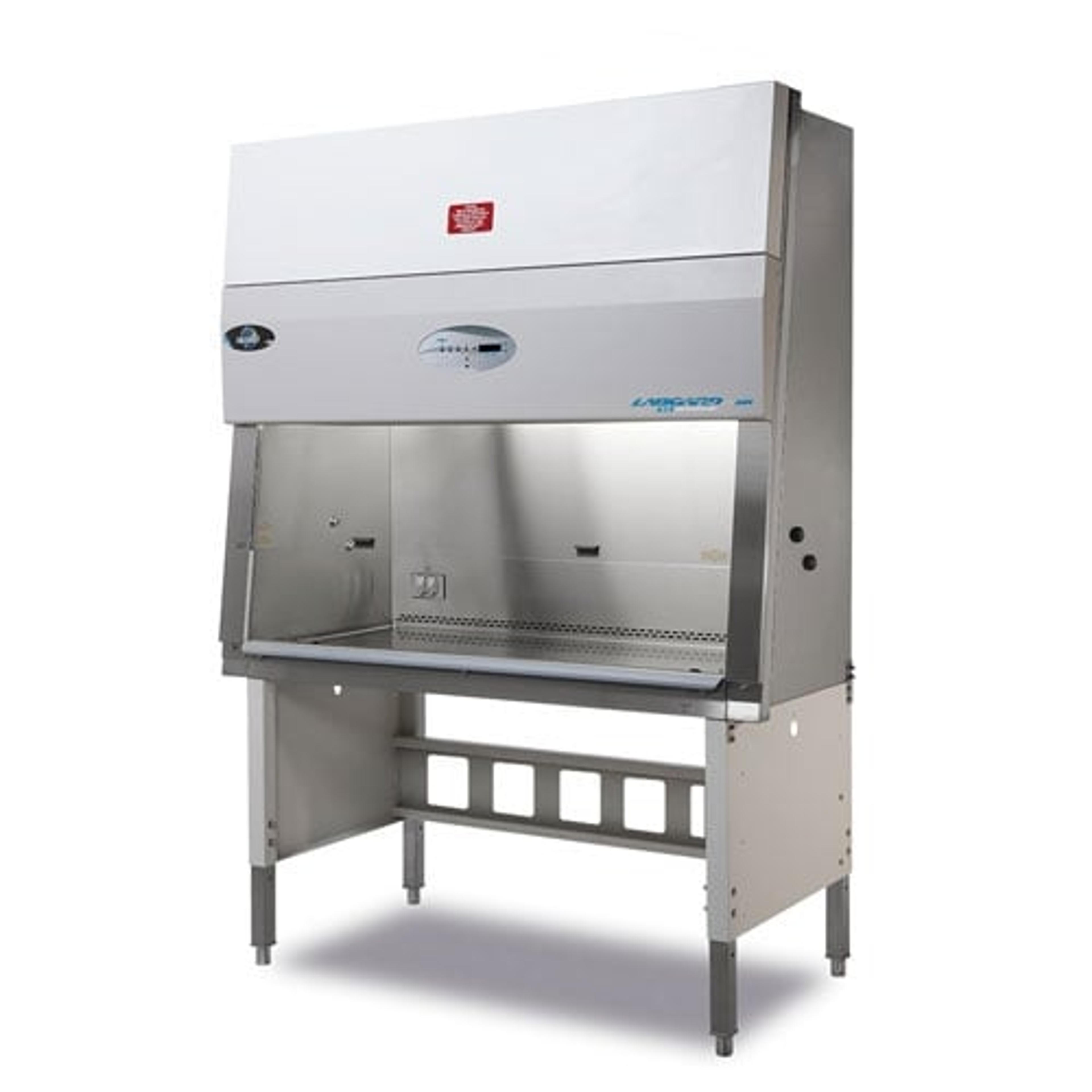
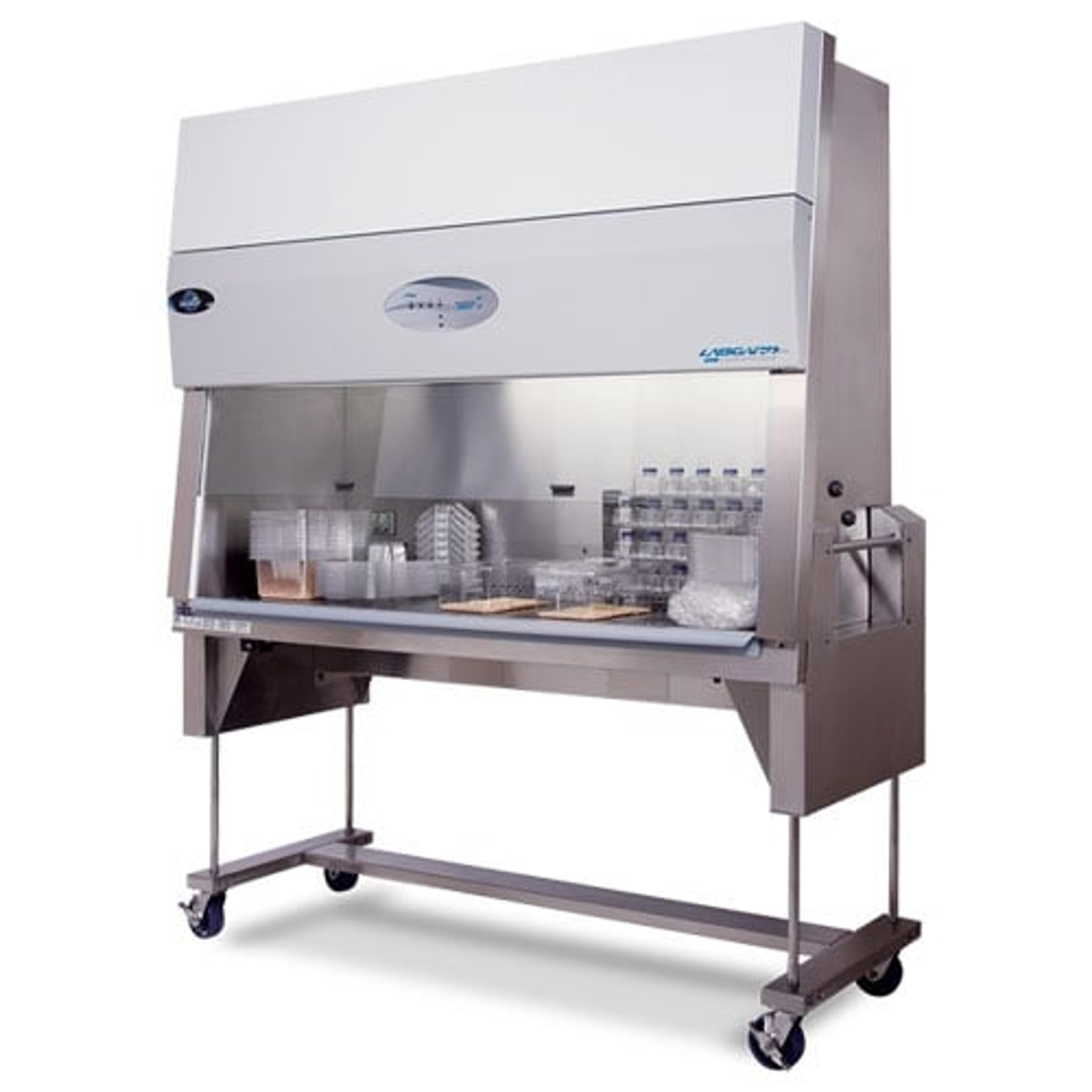
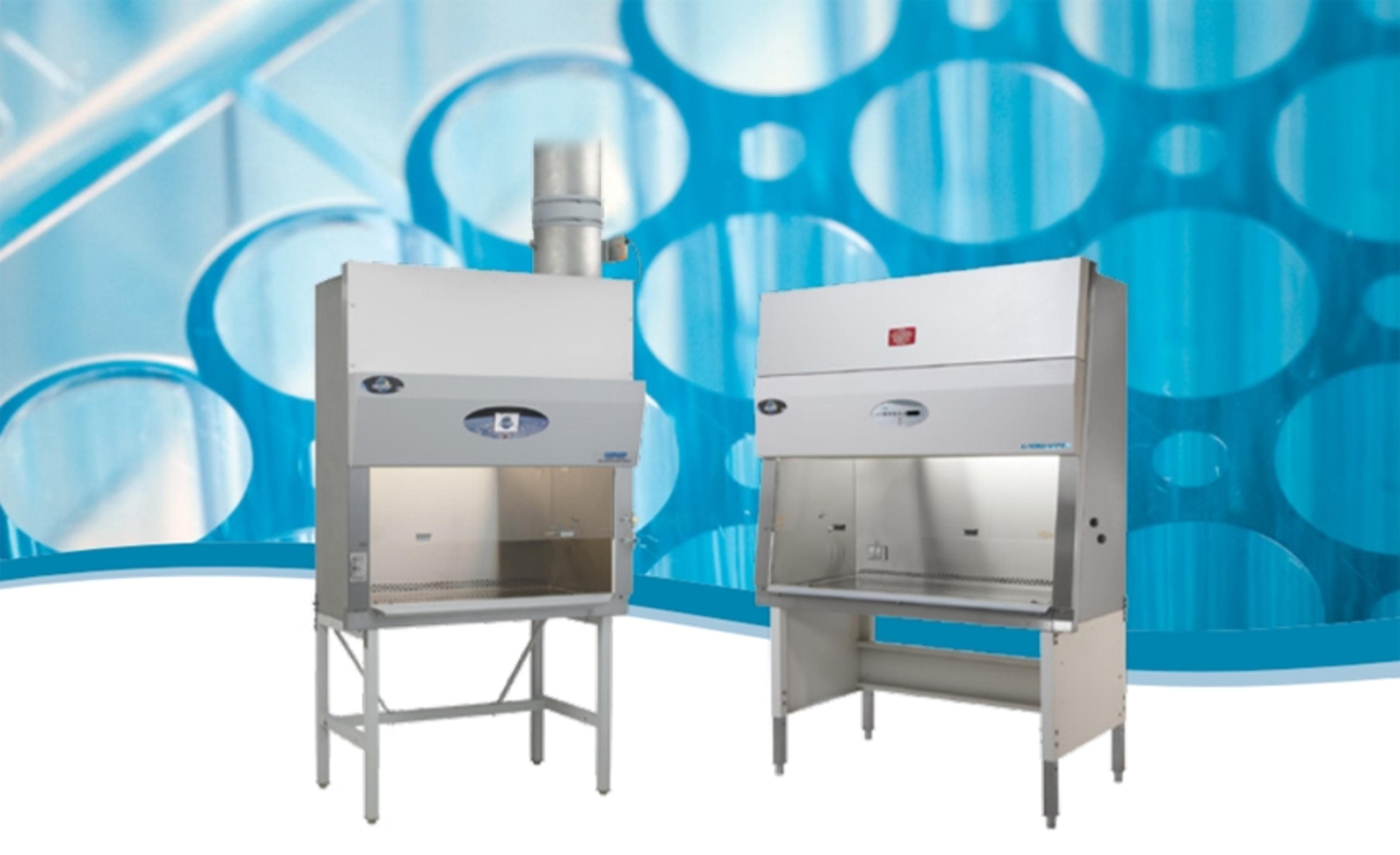
LabGard NU-125 Class II Walk-in Biological Safety Cabinet
The LabGard NU-125 provides Class II protection for personnel, product, and the environment. The room can be used for applications involving high-throughput robotic systems, large high-speed cell sorters, ultra-centrifuges, and laboratory equipment requiring Class II protection from potentially harmful aerosols and airborne particles. Applications: A perfect match for the BD FACS Aria Flow Cytometer Laboratory equipment or pro…



Receive your quote directly from the manufacturer.
The LabGard NU-125 provides Class II protection for personnel, product, and the environment. The room can be used for applications involving high-throughput robotic systems, large high-speed cell sorters, ultra-centrifuges, and laboratory equipment requiring Class II protection from potentially harmful aerosols and airborne particles.
Applications: A perfect match for the BD FACS Aria Flow Cytometer Laboratory equipment or processes requiring sterility Class II Biological Safety Cabinet protection for robotics.
Brochures

Improved Principles of Biological Safety Cabinet Design
NuAire is recognized as a world leader in Class II Biological Safety Cabinets that offer great personnel, product, and environmental protection. Whether it’s cabinet design, cabinet integrity, HEPA filters, safety alarms, or maintenance - NuAire quality means an outstanding value to you.
Ergonomically Correct, Environmentally Safe Biological Safety Cabinets
NuAire continually strive to improve responsibilities to the economy, environment, social communications, and customer satisfaction. This commitment extends to purchasing or using products that reduce energy consumption, reducing environmental impact, minimizing pollution and making use of recycled content that will not deplete natural resources. NuAire continually uses more recycled materials in cabinets through both design and supplier part and process improvements.
Ten Easy Steps for Cleaning a Spill in a Biosafety Cabinet
In this guide, NuAire outlines its top ten precautionary measures for you to take before and during work with hazardous materials in a biosafety cabinet (BSC). Follow these top ten tips to protect your lab workers and the surrounding environment in the event of a spill.
Facility and Engineering Controls Using USP 800 Guidelines
Like many layers of an onion, there are unanswered questions on the intricate details of USP 800-related engineering control parameters. In addition, the multitude and flexibility of theengineering controls can seem daunting to the independent pharmacy owner. Even more concerning, and certainly at the forefront of all of the independent pharmacy owners’ minds, is the cost associated with being compliant with USP 800. The costs associated with building a new facility or remodeling an existing space, are proving to be as equally subjective as the choice of engineering controls. The focus of this white paper is to discuss the details for consideration of a good working design of a USP 800 compliant compounding lab.
How to Perform a Hazardous Drug Risk Assessment in the Compounding Pharmacy
There is a looming deadline on December 1, 2019 and that is the implementation of USP chapter <800>-Hazardous Drugs, Handling in Healthcare Settings. State Boards of Pharmacy (SBOP) are forming task forces and committees to determine if their state will fully implement the chapter or if they will only implement certain components of the chapters. And yet there are other states that are unsure what to do and may push the enforcement further down the timeline. Regardless of what your SBOP has determined regarding USP <800> enforcement, it is still wise to examine the risks associated with hazardous drug chemical handling in your entity. Mitigating risk may not be at the forefront of your mindset, but like the USP <800> deadline, the issue of chemical exposure risk is looming in all healthcare facilities that handle hazardous drugs (HDs).
10 Top Tips for Working Safely in the Pharmacy with Your NuAire Biosafety Cabinet
In this infographic, discover 10 tips to follow when working with a Class II Biosafety Cabinet (BSC) to minimize air turbulence and prevent splatter or unwanted spread of aerosols.
Workflow Strategies to Minimize Personnel and Environmental Exposure to Hazardous Drugs in the Compounding Pharmacy
Handling hazardous drugs in the compounding pharmacy, per USP chapter <800> guidelines, involves strategic workflow strategies with the goal of minimizing personnel and environmental exposure. This application note pulls chemical handling and compounding workflow strategies together into a more sequential model in an effort to minimize personnel and environmental exposure.
Use of Natural Gas/Bunsen Burner within a Biological Safety Cabinet
This application note provides a technical bulletin offering safety advice and information about the use of Bunsen burners within a biological safety cabinet (BSC).
NuAire Class II Biosafety Cabinets: The Basics
To run a modern healthcare, biological, chemical, medical research, pharmacy, or pharmaceutical lab, a manager should understand the capital equipment employed regularly. The more thorough the knowledge of each device, the more efficiently the lab manager can plan for the implications of deployment, maintenance, repair, and replacement.
For The Principal Investigator: Who You Should Involve When Purchasing a Biosafety Cabinet
Selecting a biological safety cabinet (BSC) is a critical part of setting up or upgrading any laboratory. Making the correct decision requires experience and considerable technical knowledge. Laboratory managers, their research staff, and Environmental Health and Safety (EHS) personnel are the best source of the expertise necessary to purchase the correct BSC. They should play a key role in decisions so purchasing teams can avoid problems and additional costs associated with selecting the wrong BSC. Download this white paper to learn about the most important considerations when purchasing a new biological safety cabinet for your laboratory.
Introduction to Working Safely with a Biological Safety Cabinet
In this video learn the basics of how NuAire Biological Safety Cabinets are designed to offer optimal personnel, environmental and product protection.

Don’t Miss Out on Our Biosafety Cabinet Masterclass – Available Now On Demand
Your biosafety cabinet questions answered and top considerations for choosing new equipment for your lab

Minimizing Spread of Infectious Disease in a Point-of-Care Hospital
How biological safety cabinets provide safety, durability and reliability for the medical treatment setting
Key Considerations when Purchasing a Biosafety Cabinet
Ensure you purchase the perfect biosafety cabinet by following this guide from NuAire
12 Tips for Working Safely in Your Biosafety Cabinet
Good laboratory techniques to protect yourself, your experiments and your working environment